Loading collection...
⚙️
Options & Derivatives Vocabulary
Contracts and instruments derived from underlying assets
10 words
All 10 Words
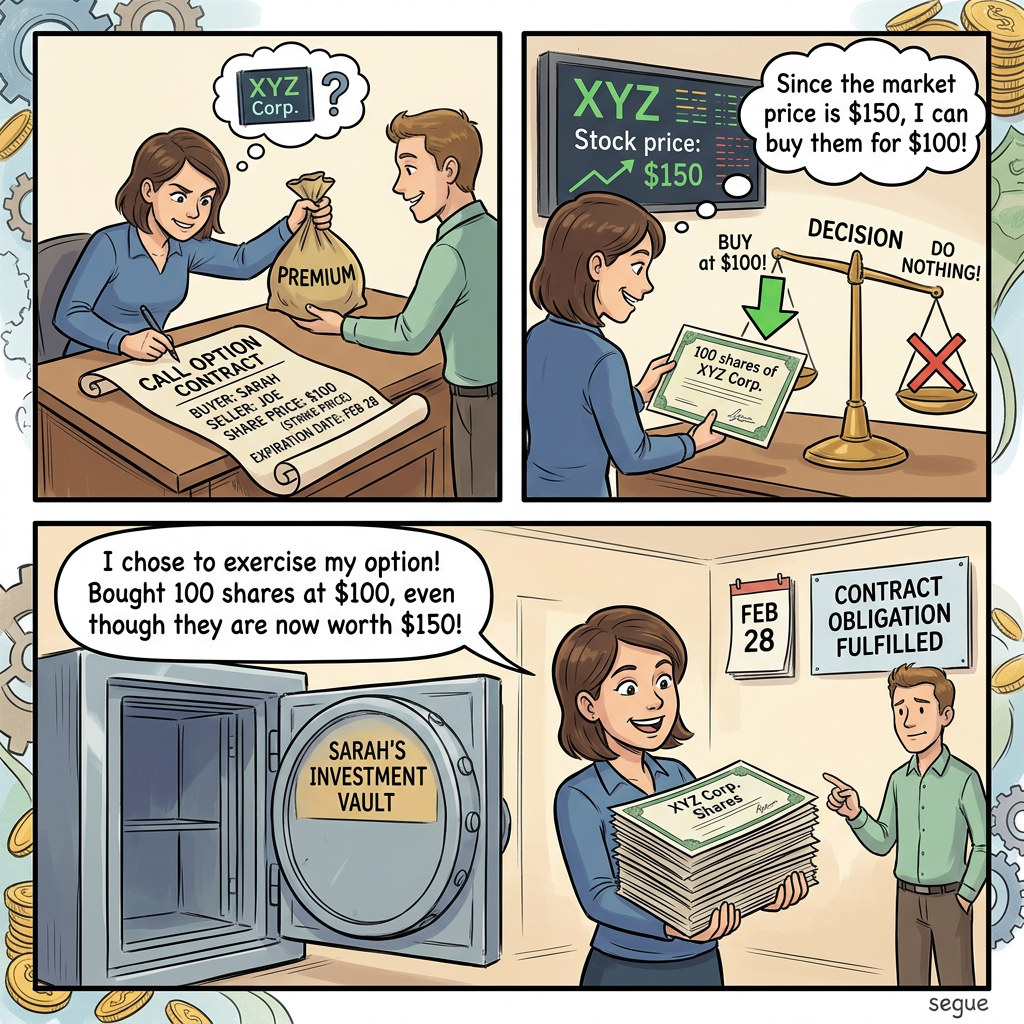
call option
/kɔːl ˈɒpʃən/a contract giving the buyer the right, but not obligation, to purchase shares at a set price before expiration
“He bought call options on the stock ahead of earnings, expecting a positive surprise.”
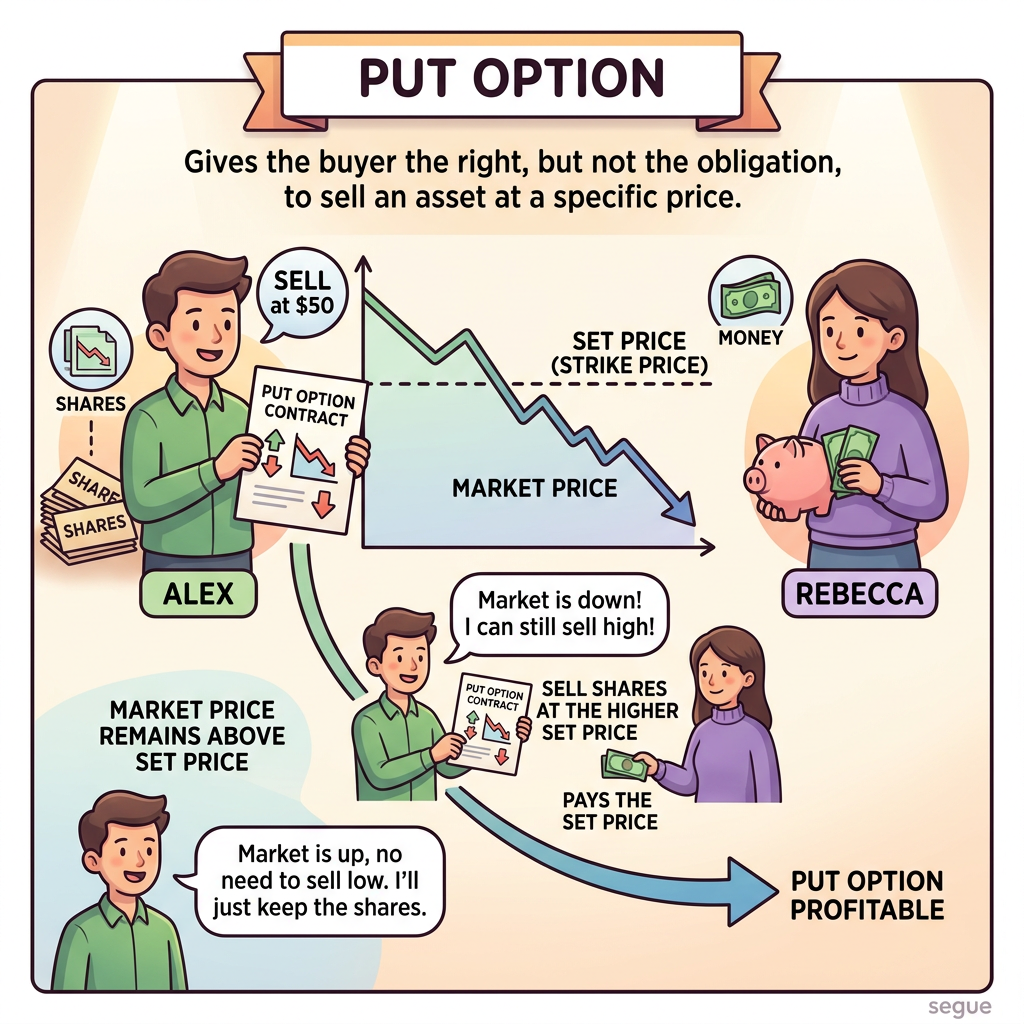
put option
/pʊt ˈɒpʃən/a contract giving the buyer the right, but not obligation, to sell shares at a set price before expiration
“She bought put options as insurance against a decline in her portfolio.”
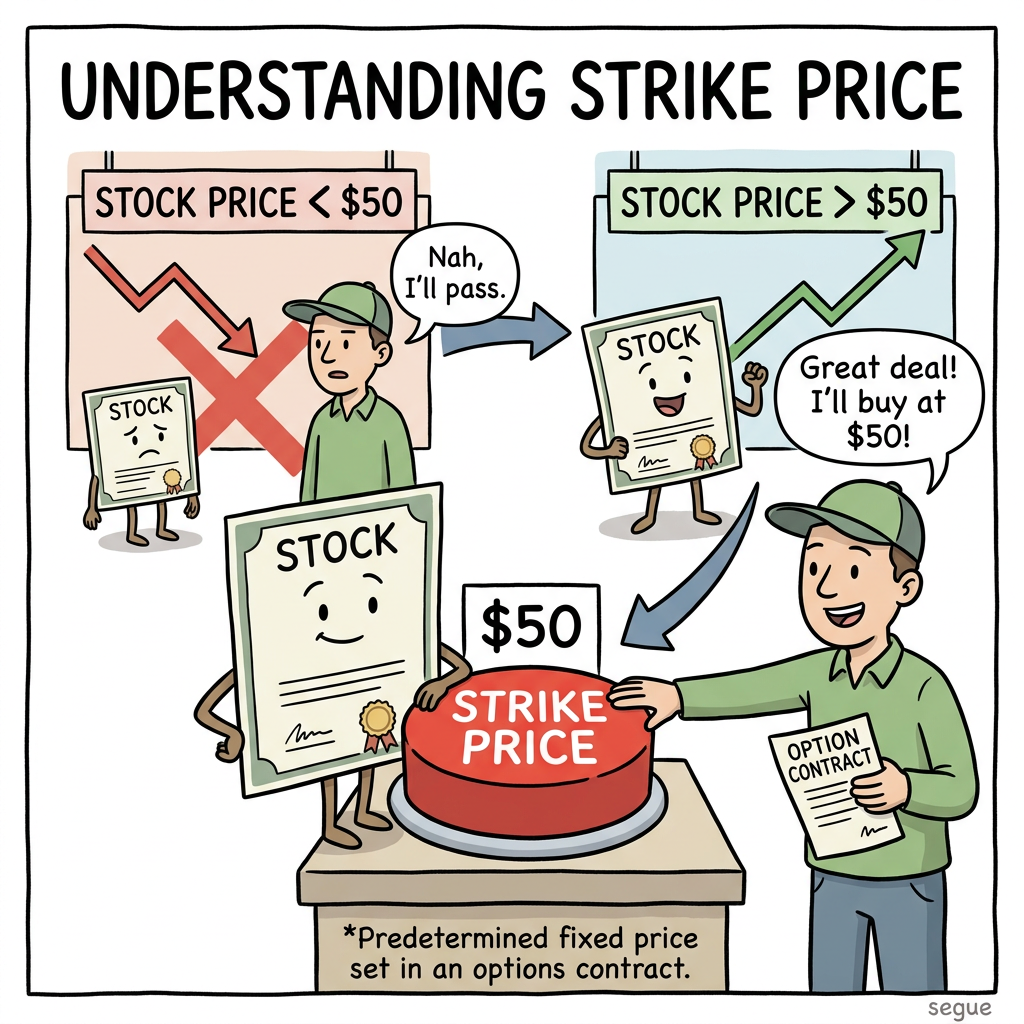
strike price
/straɪk praɪs/the predetermined price at which an option holder can buy or sell the underlying asset
“With the stock at $110, the $100 strike price call option was in the money.”
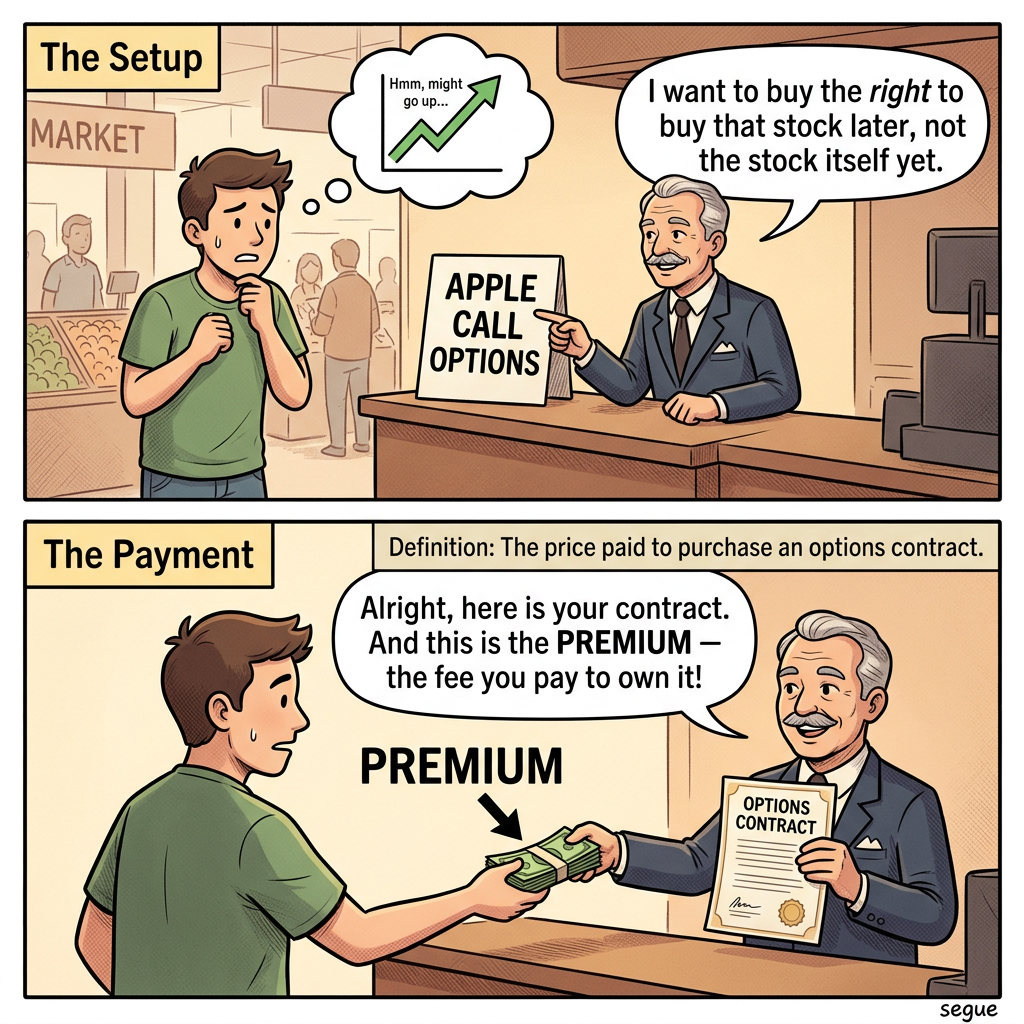
premium
/ˈpriːmiəm/the price paid to purchase an options contract
“The high implied volatility made the option premium expensive relative to historical norms.”
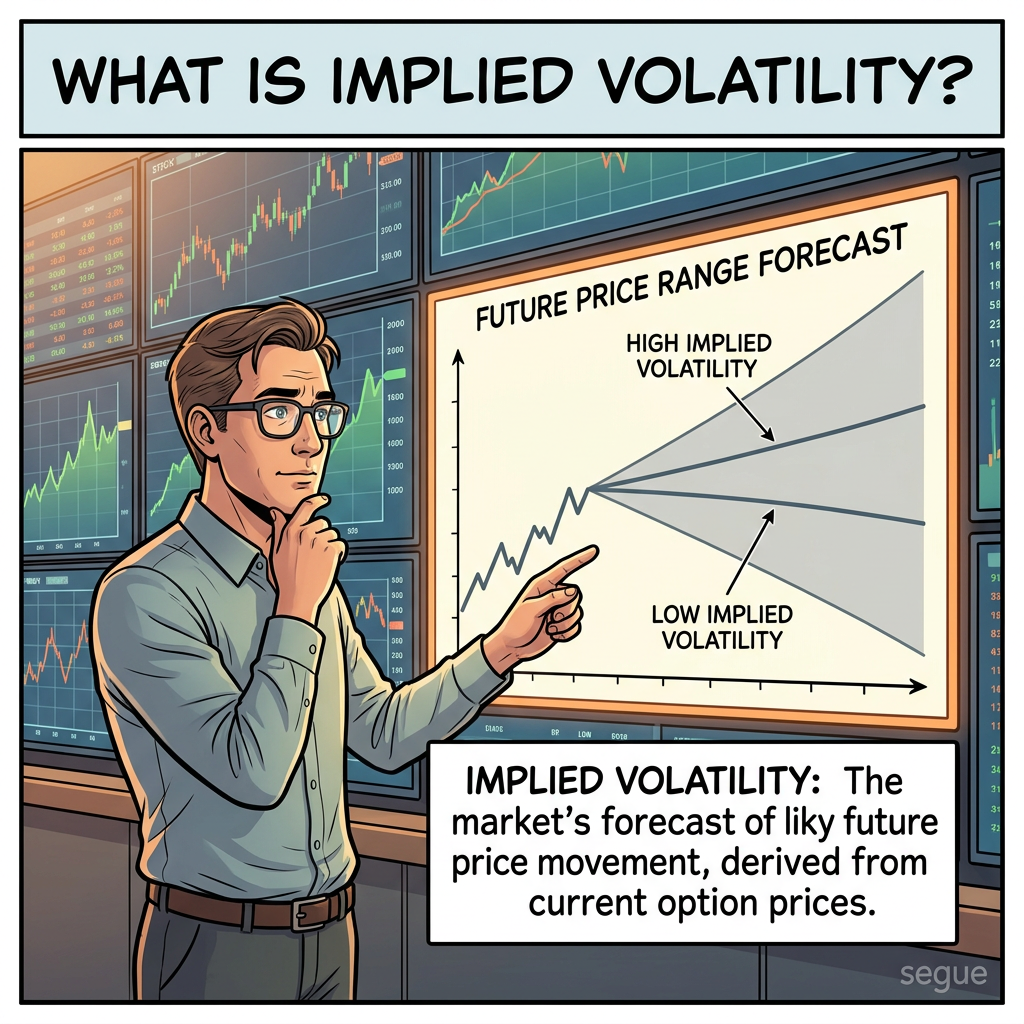
implied volatility
/ɪmˈplaɪd ˌvɒləˈtɪlɪti/the market's forecast of likely future price movement, derived from current option prices
“Implied volatility spiked before the earnings announcement, making options expensive.”
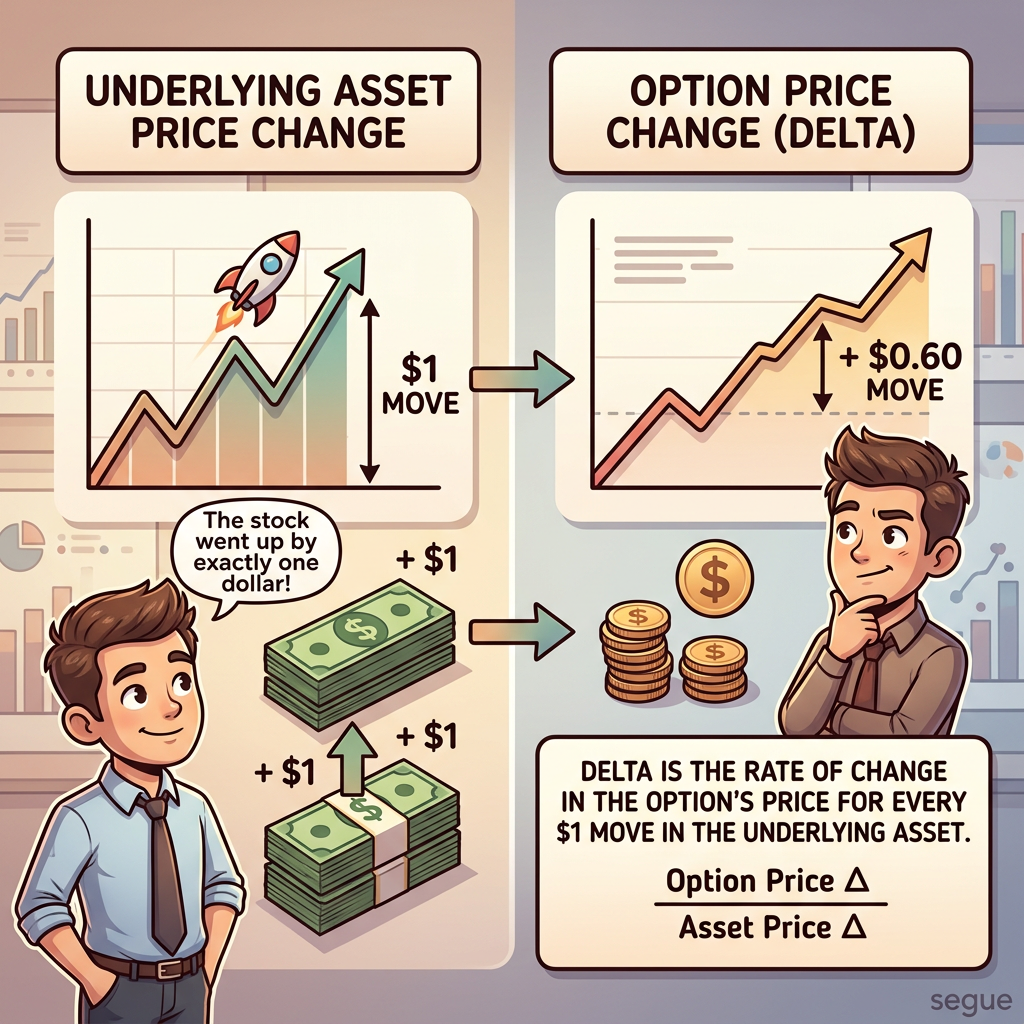
delta
/ˈdɛltə/the rate of change in an option's price relative to a $1 move in the underlying asset
“The call option had a delta of 0.60, meaning it would gain $0.60 for every $1 the stock rose.”
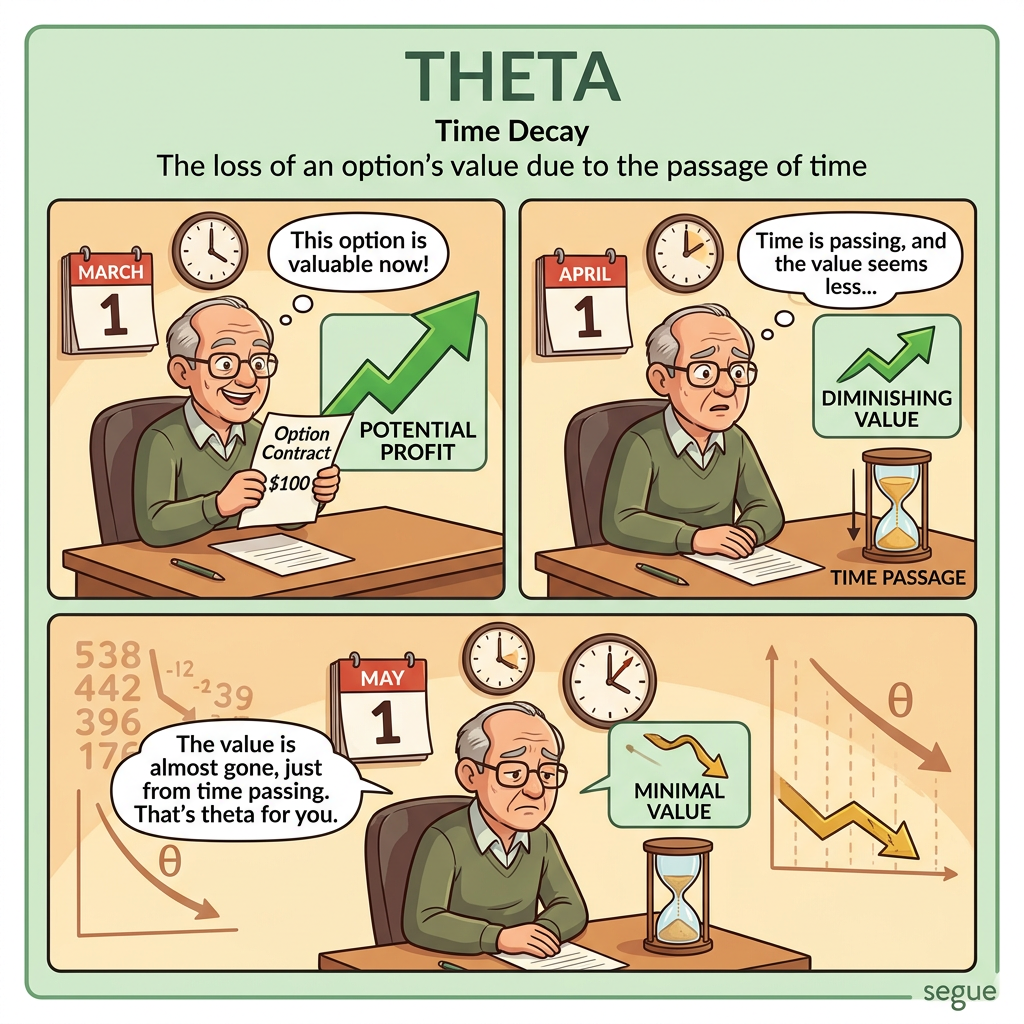
theta
/ˈθiːtə/the rate at which an option loses value each day due to the passage of time; time decay
“Theta of -$0.05 meant the option lost five cents of value every day it sat idle.”
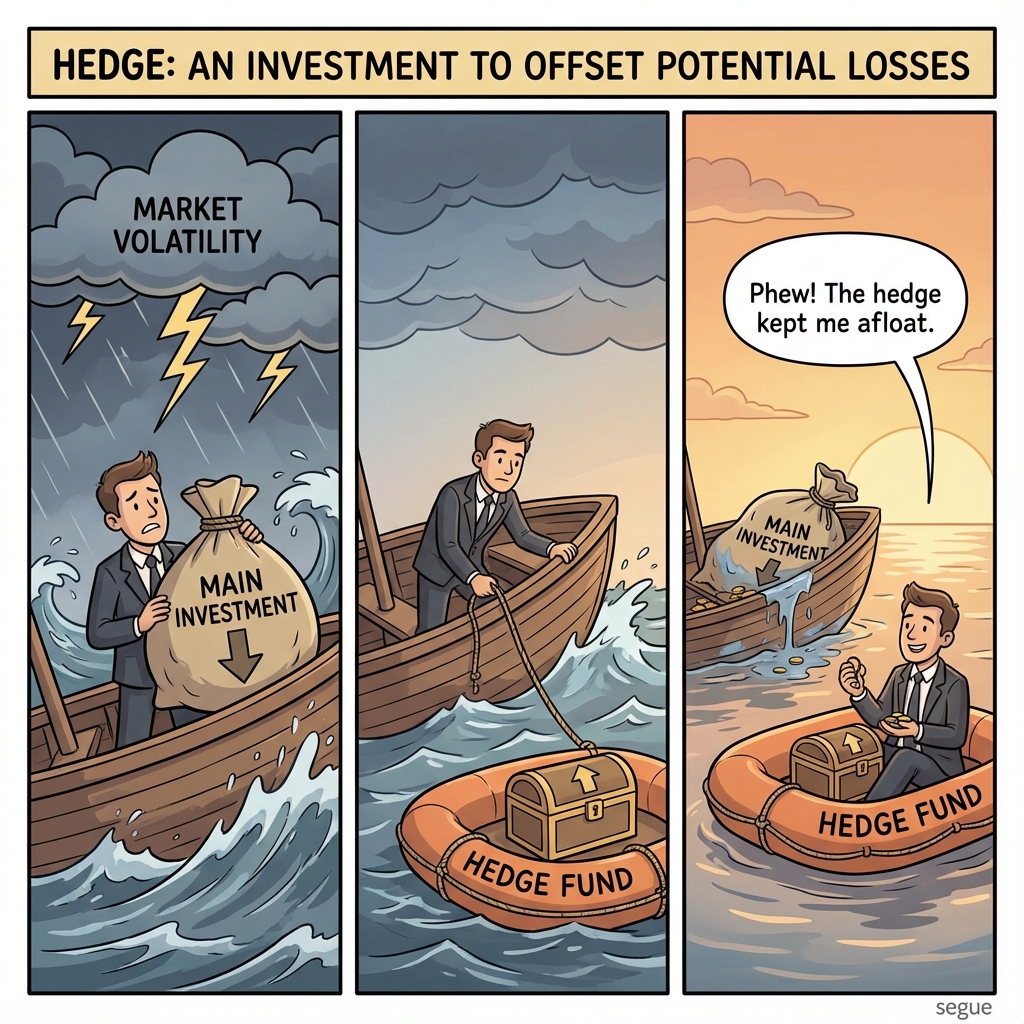
hedge
/hɛdʒ/an investment made to reduce the risk of adverse price movements in an asset
“The airline hedged its fuel costs by buying oil futures six months out.”
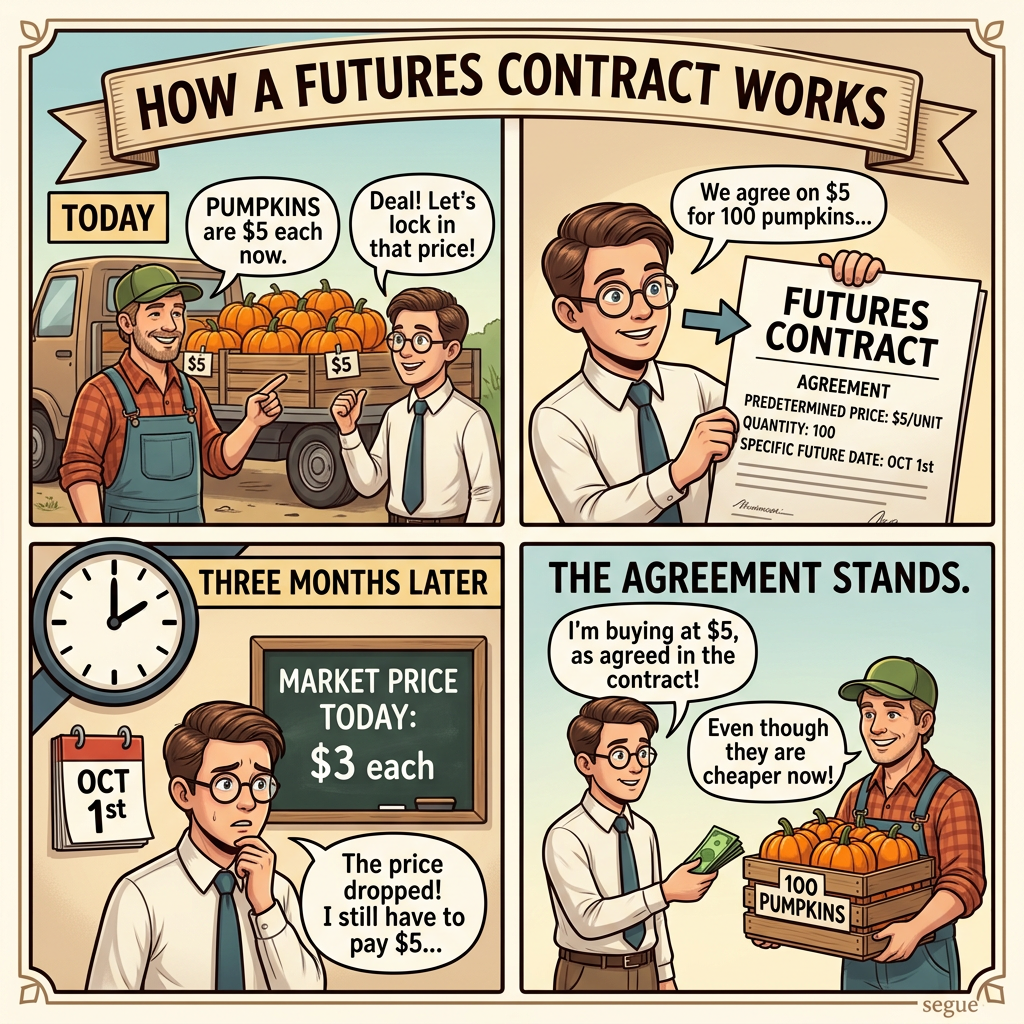
futures contract
/ˈfjuːtʃərz ˈkɒntrækt/an agreement to buy or sell an asset at a predetermined price on a specific future date
“Farmers use futures contracts to lock in crop prices before harvest.”
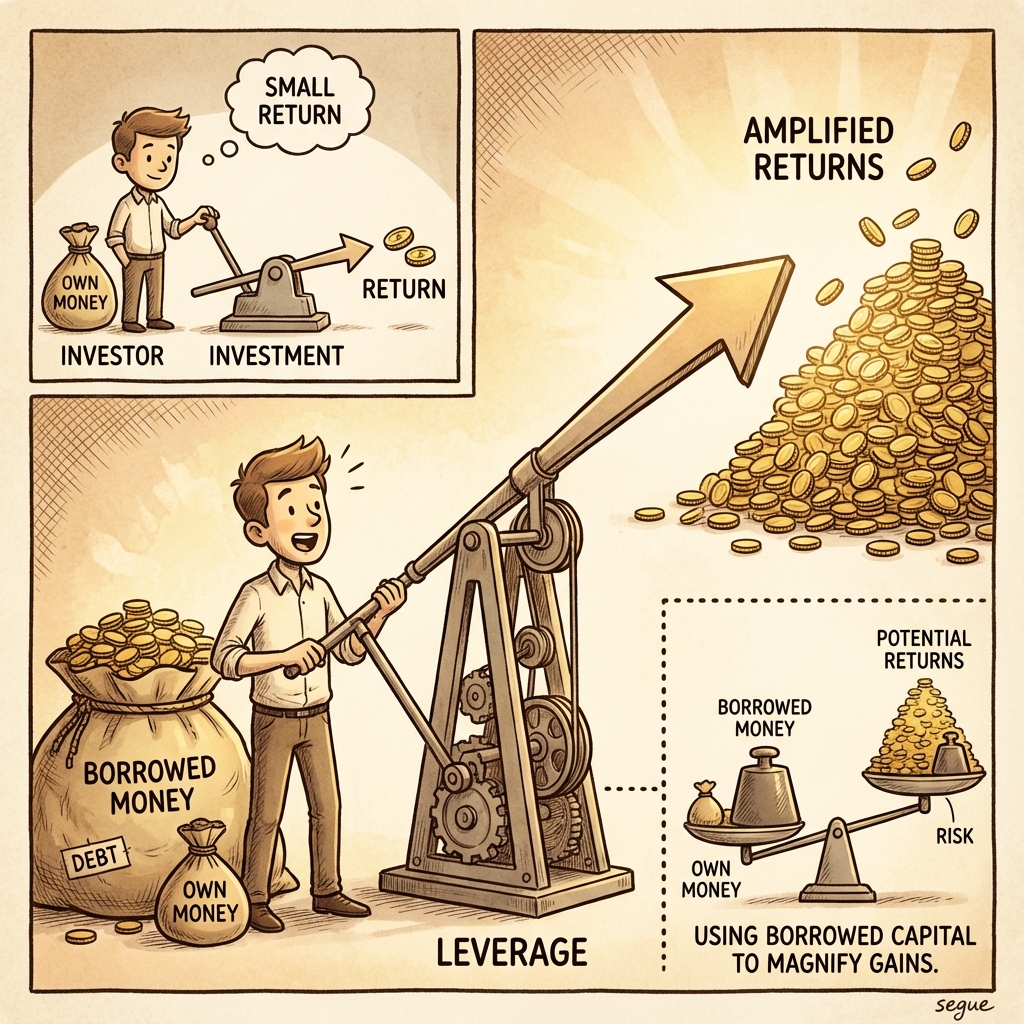
leverage
/ˈlɛvərɪdʒ/the use of borrowed capital to amplify potential returns — and potential losses
“With 10x leverage, a 5% move in the underlying wiped out the trader's entire position.”
More from Economics & Strategy
Explore other vocabulary categories in this collection.