Loading collection...
🎯
Trading Strategies & Orders Vocabulary
Order types, risk management, and core trading approaches
12 words
All 12 Words
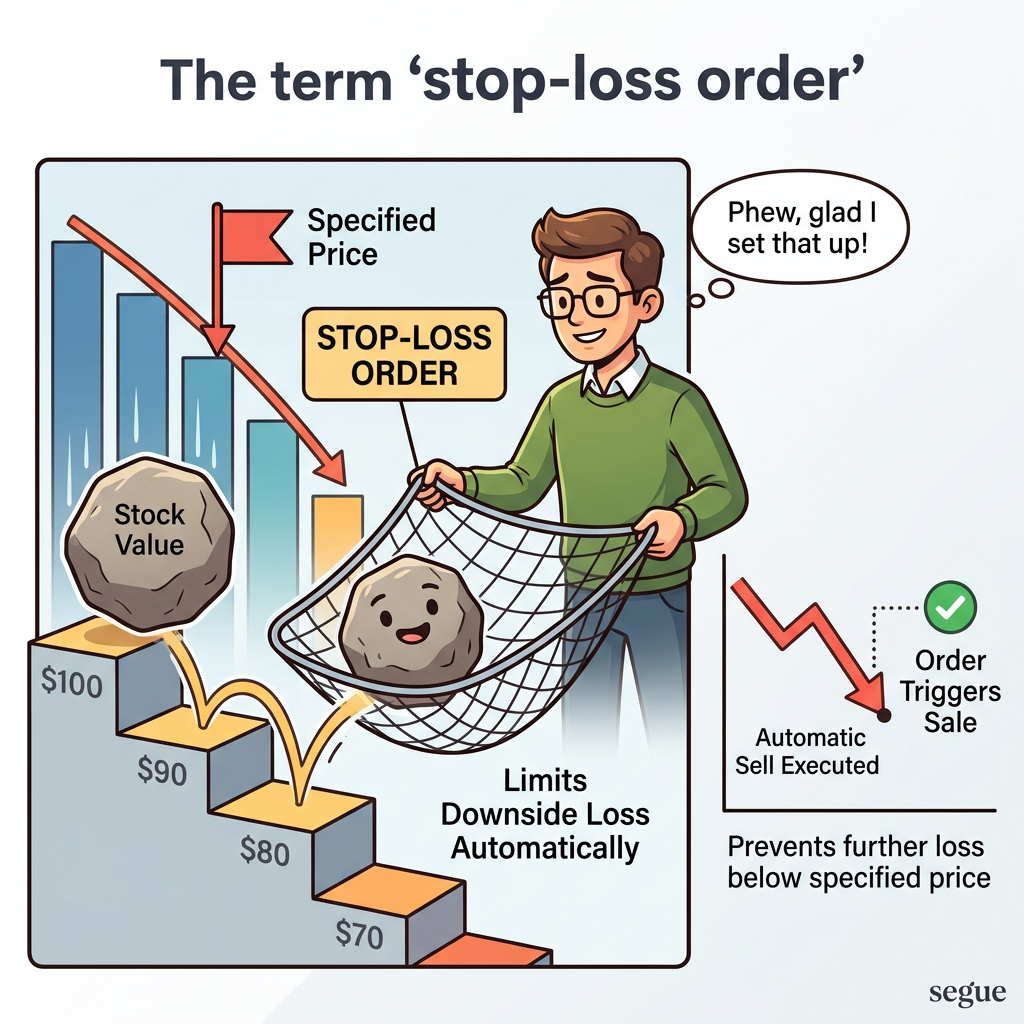
stop-loss order
/stɒp lɒs ˈɔːrdər/an order to sell a security automatically when it reaches a specified price, limiting downside loss
“He set a stop-loss order 8% below his entry price to protect against a major decline.”
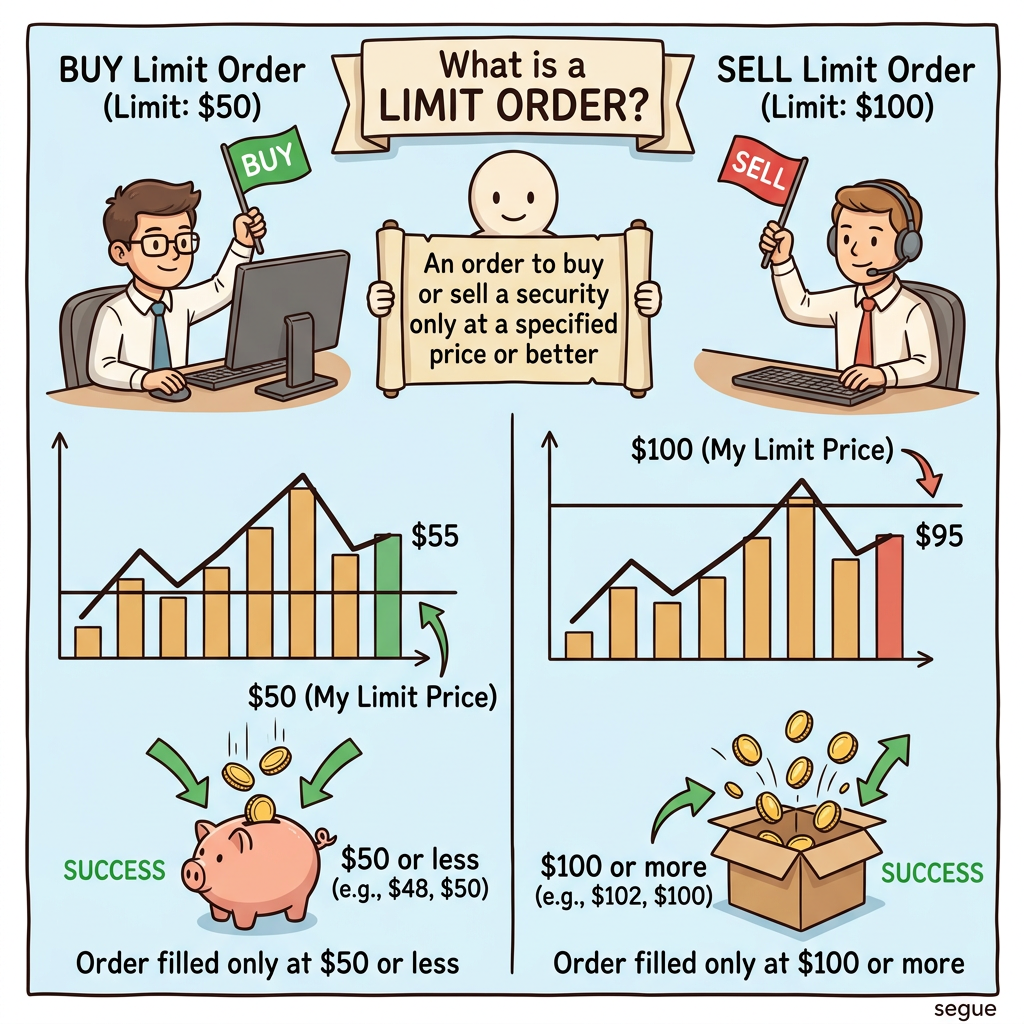
limit order
/ˈlɪmɪt ˈɔːrdər/an order to buy or sell a security only at a specified price or better
“She placed a limit order at $95, refusing to pay more than that for the stock.”
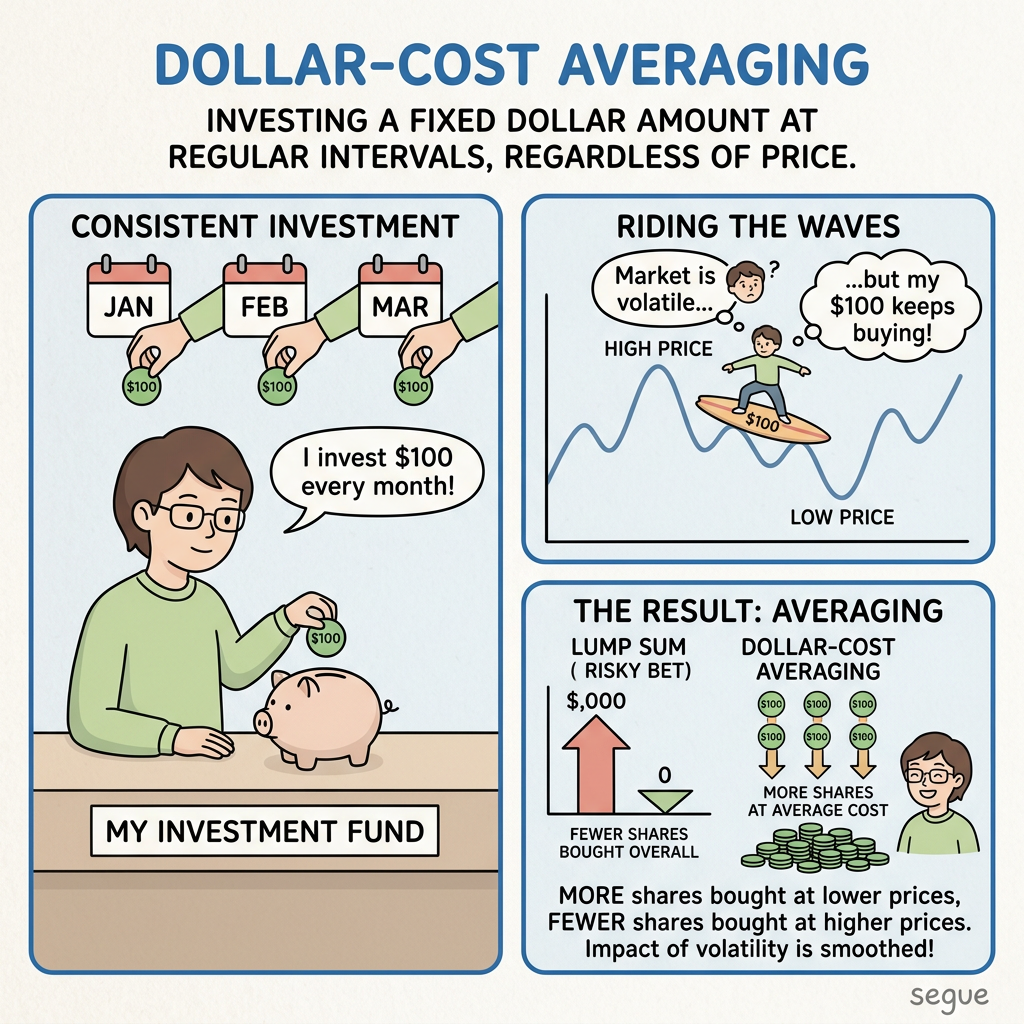
dollar-cost averaging
/ˈdɒlər kɒst ˈævərɪdʒɪŋ/investing a fixed dollar amount at regular intervals regardless of price, reducing the impact of volatility
“By dollar-cost averaging into the index fund monthly, she avoided the trap of trying to time the market.”
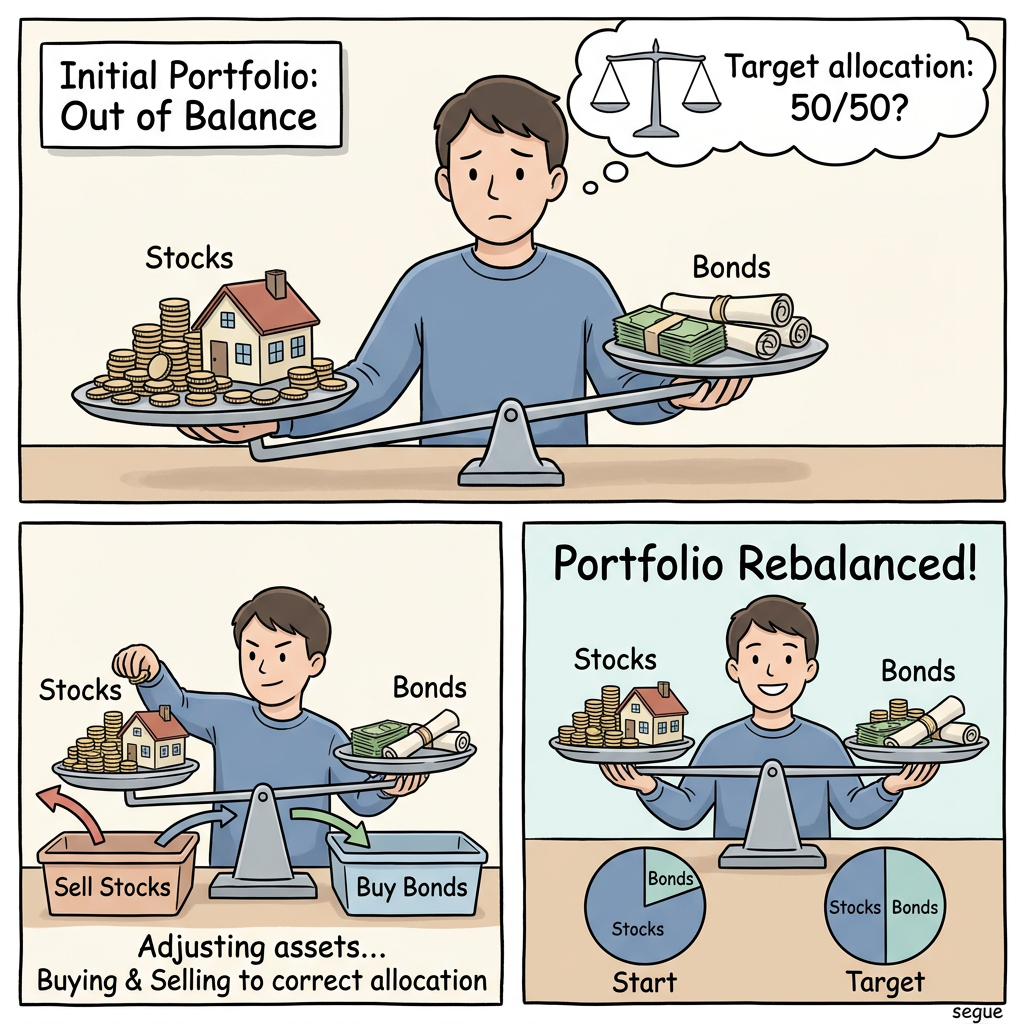
rebalancing
/riːˈbælənsɪŋ/adjusting a portfolio back to its target asset allocation by buying and selling assets
“After the equity rally, he rebalanced his portfolio by trimming stocks and adding bonds.”
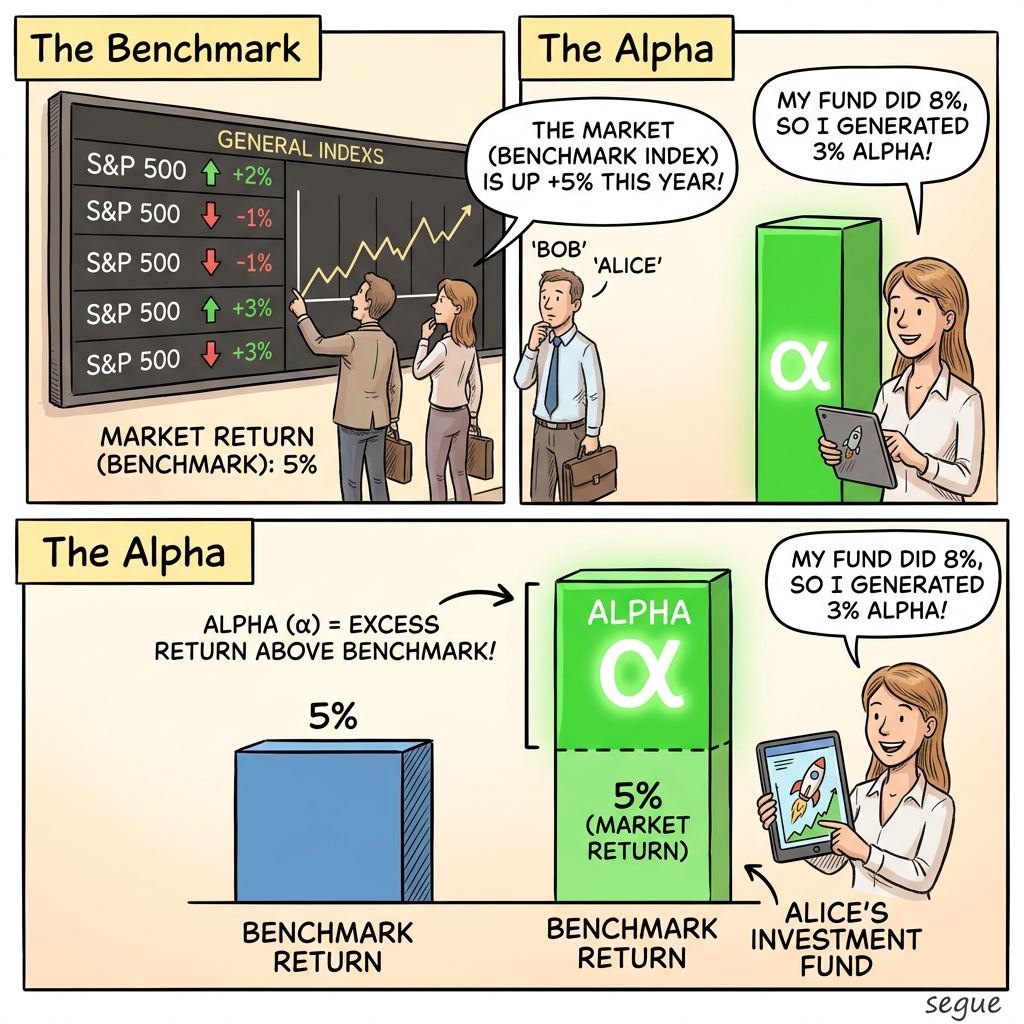
alpha
/ˈælfə/excess return on an investment relative to the return of a benchmark index
“The fund manager generated 4% alpha by outperforming the S&P 500.”
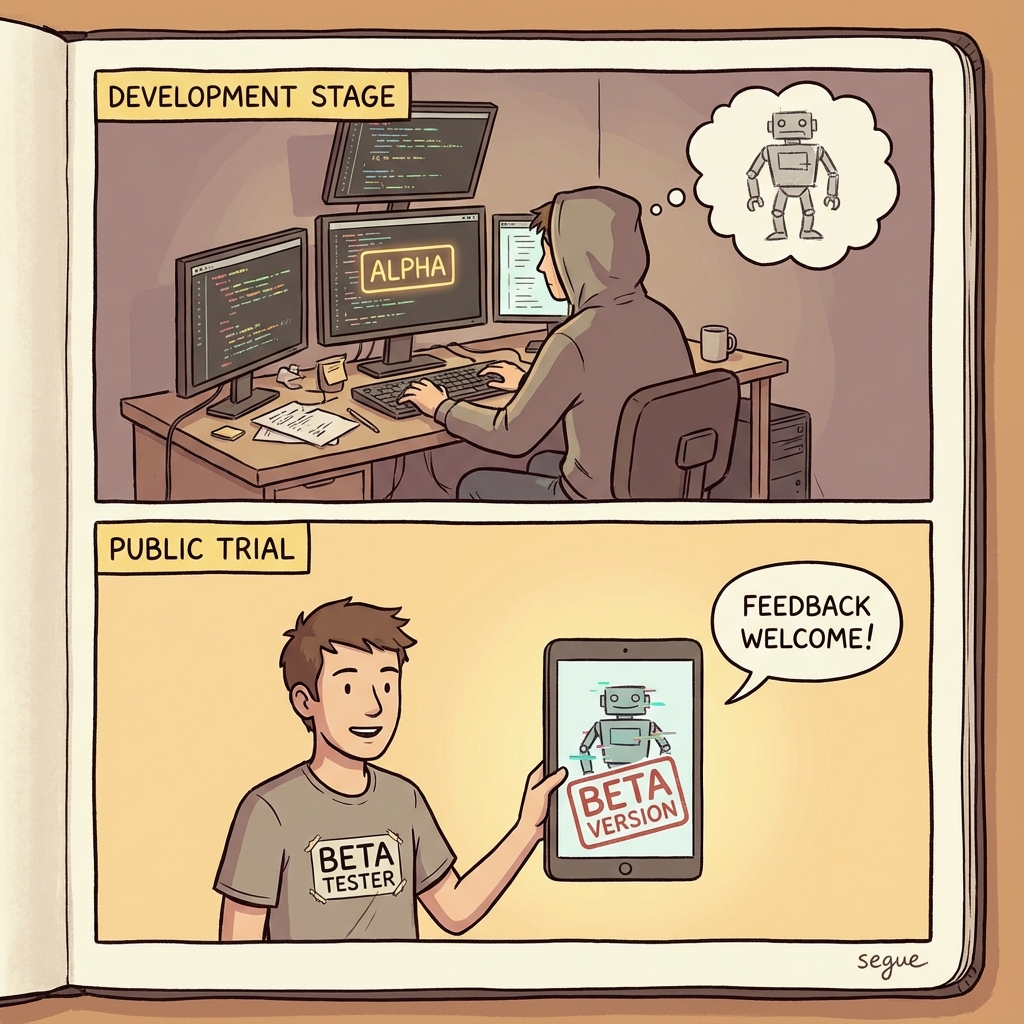
beta
/ˈbeɪtə/a measure of how much a security moves relative to the broader market; a beta above 1 means more volatile
“The utility stock's beta of 0.4 meant it moved much less than the market.”
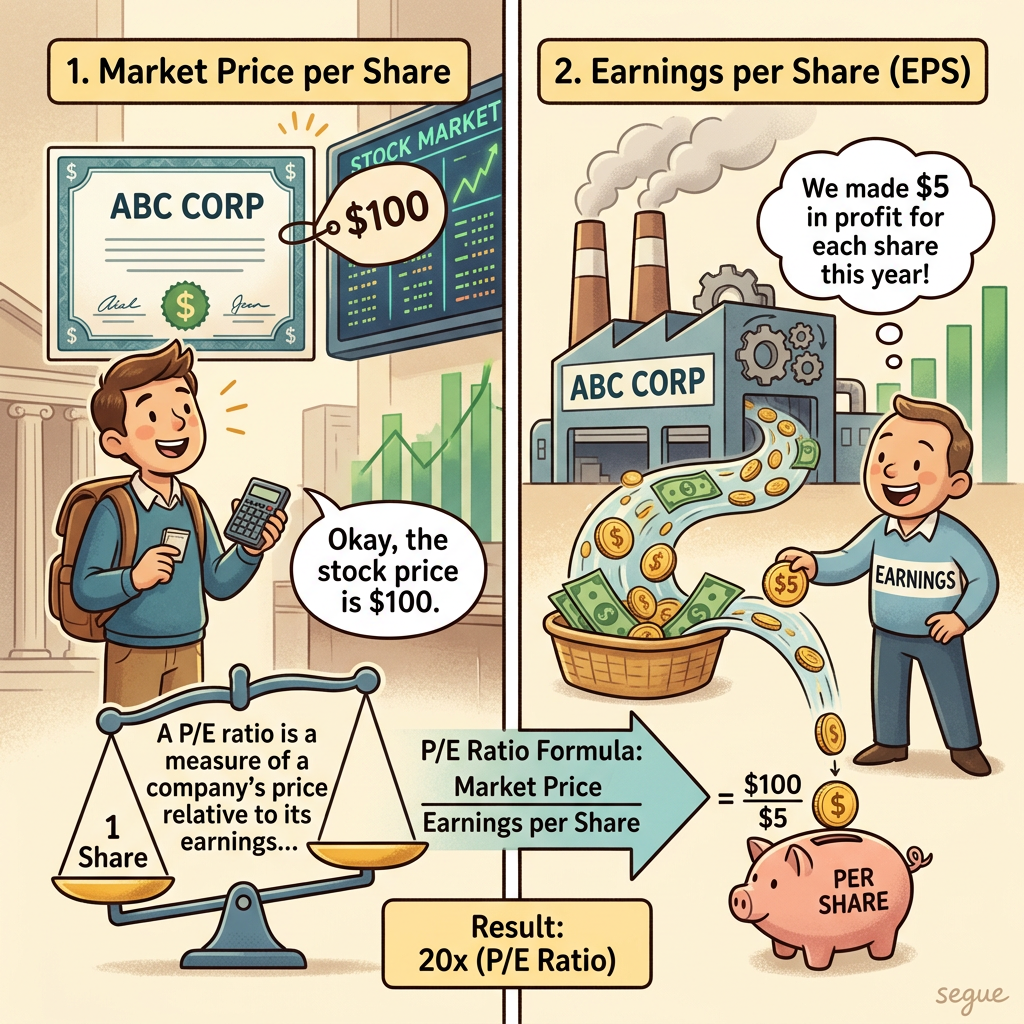
P/E ratio
/piː iː ˈreɪʃioʊ/price-to-earnings ratio — the price of a stock divided by its annual earnings per share
“At a P/E ratio of 40, the stock was priced for aggressive future growth.”
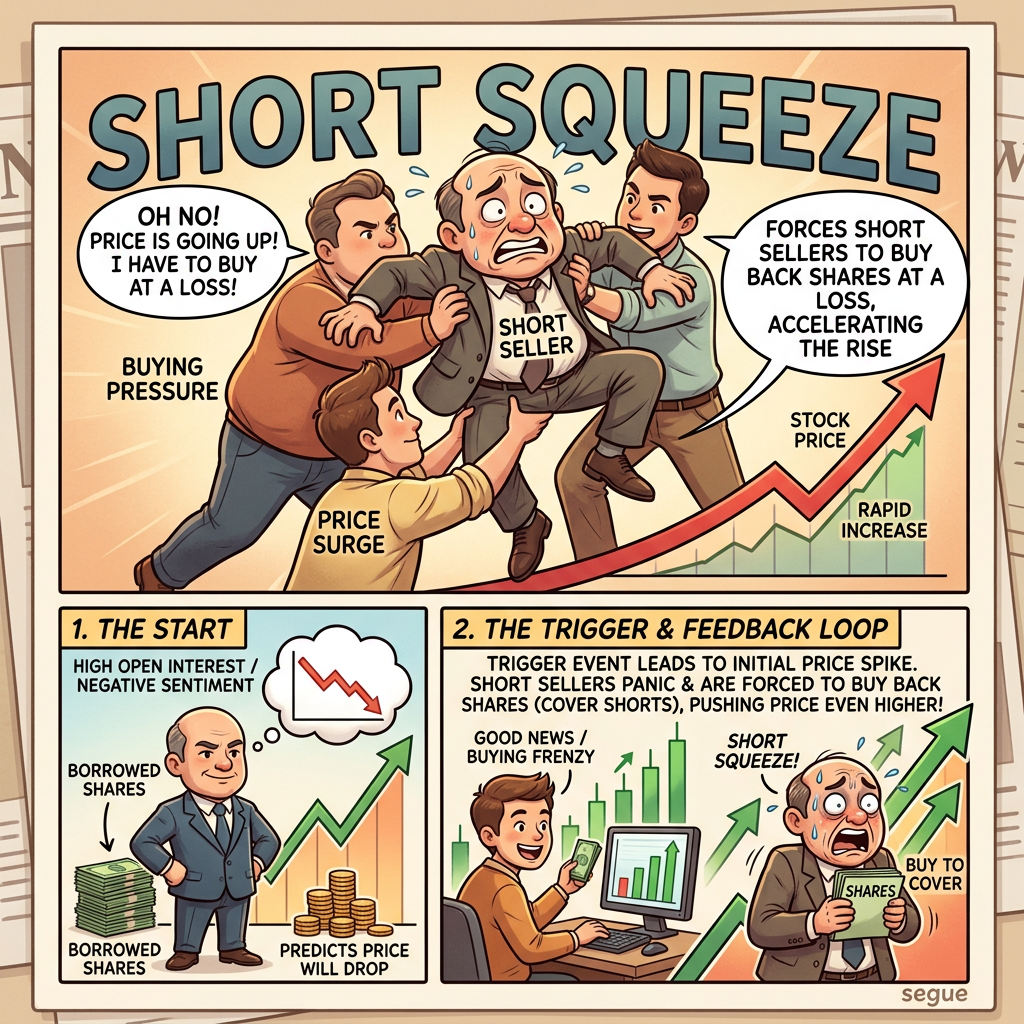
short squeeze
/ʃɔːrt skwiːz/a rapid price increase that forces short sellers to buy back shares at a loss, accelerating the rise
“The GameStop short squeeze of 2021 became one of the most dramatic in market history.”
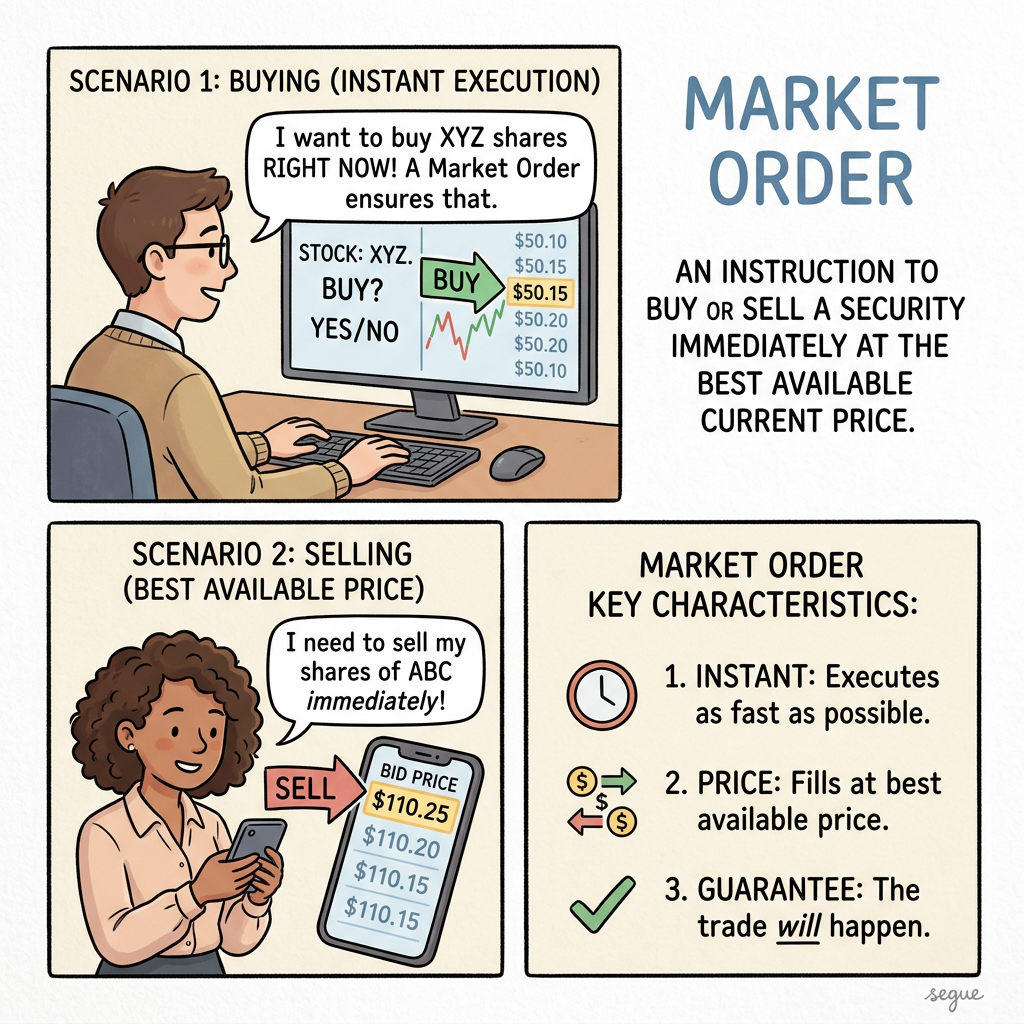
market order
/ˈmɑːrkɪt ˈɔːrdər/an instruction to buy or sell a security immediately at the best available current price
“She placed a market order to sell all her shares when the bad news broke.”
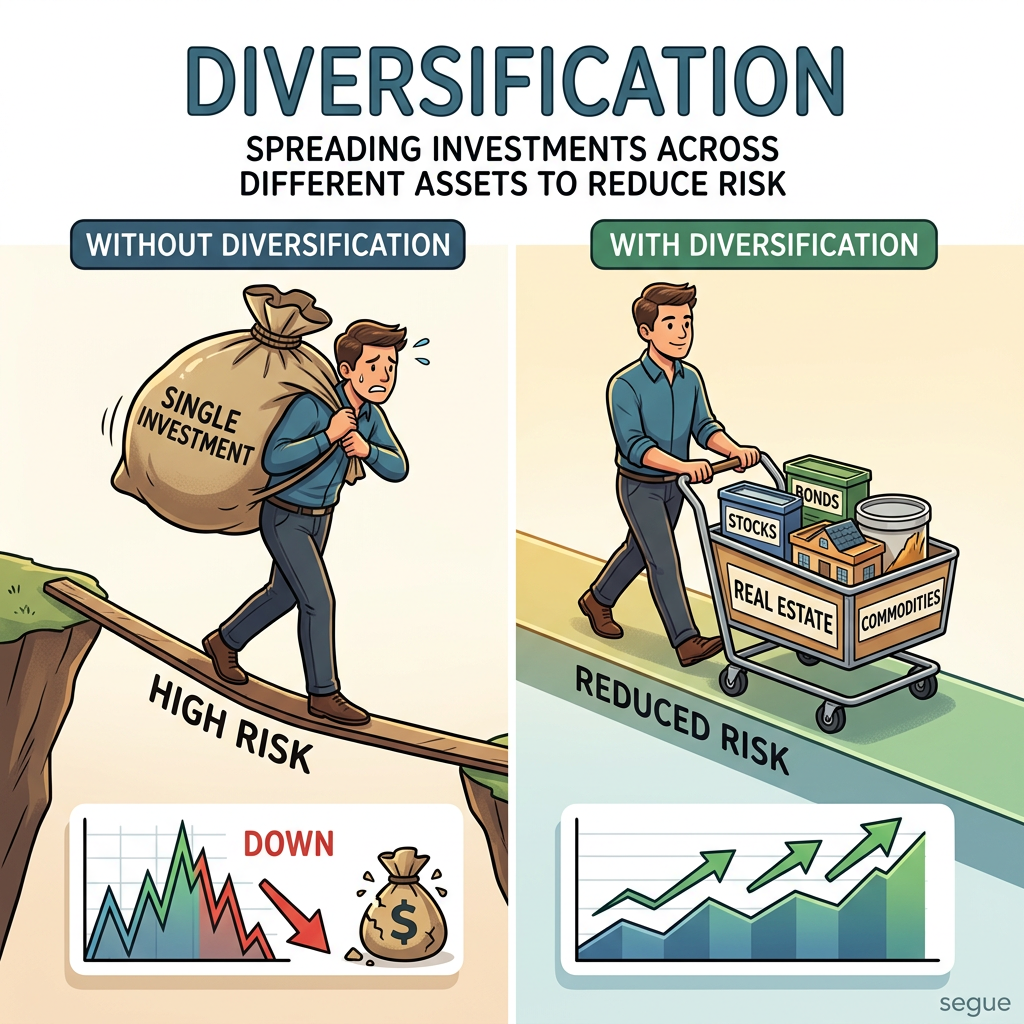
diversification
/daɪˌvɜːrsɪfɪˈkeɪʃən/spreading investments across different assets, sectors, or geographies to reduce risk
“Diversification across 12 sectors meant one bad industry could not sink his portfolio.”
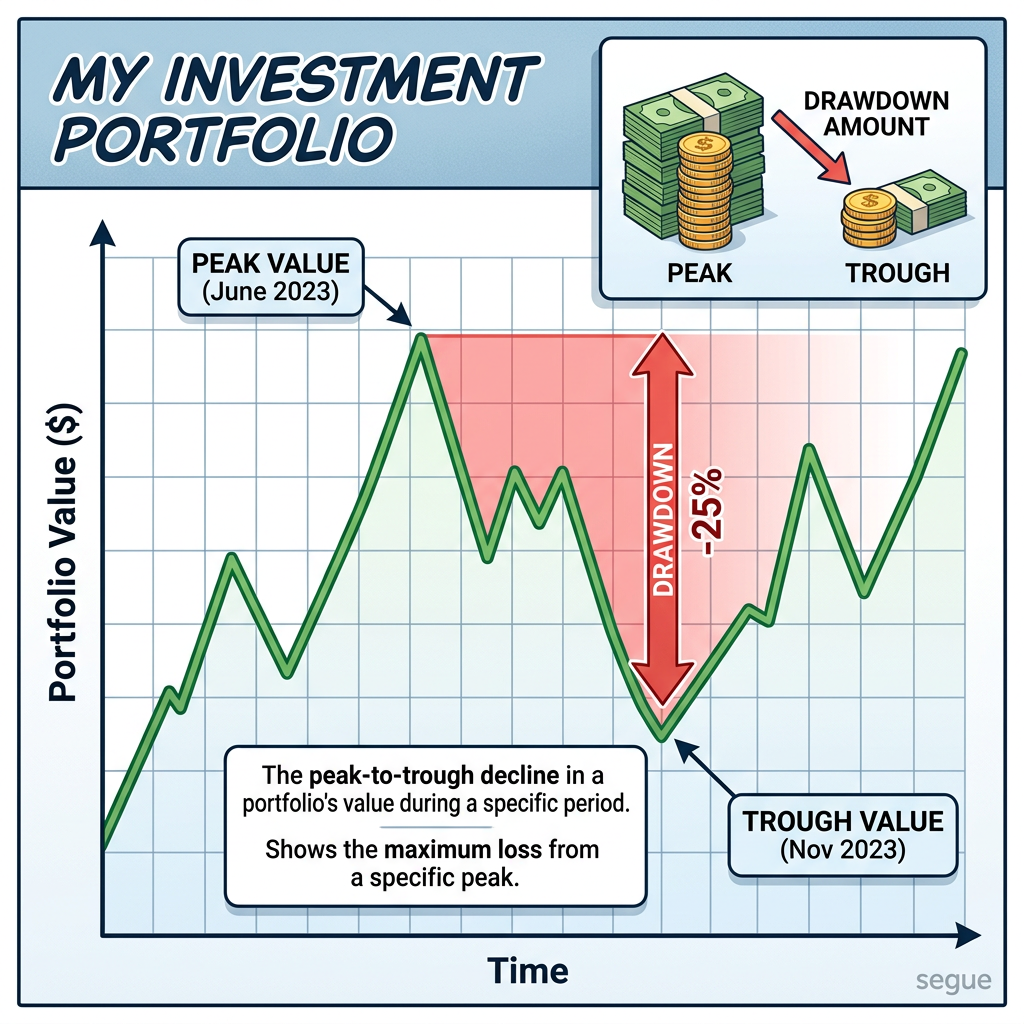
drawdown
/ˈdrɔːdaʊn/the peak-to-trough decline in a portfolio's value during a specific period
“The fund's maximum drawdown of 35% during the crash tested investors' conviction.”
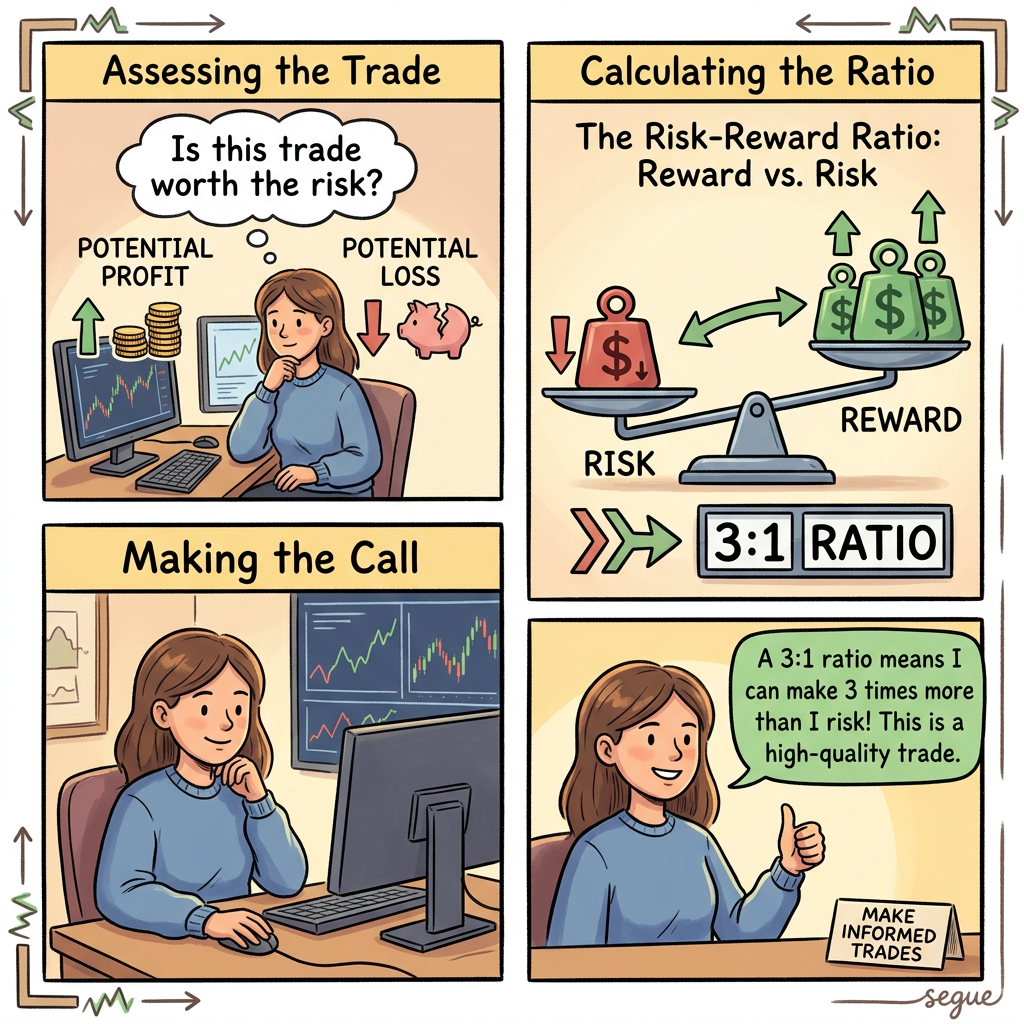
risk-reward ratio
/rɪsk rɪˈwɔːrd ˈreɪʃioʊ/the expected profit of a trade compared to its potential loss, used to evaluate trade quality
“A risk-reward ratio of 1:3 means risking $100 to potentially make $300.”
More from Economics & Strategy
Explore other vocabulary categories in this collection.