Loading collection...
🧠
Behavioral Economics Vocabulary
Psychology of economic decision-making
10 words
All 10 Words
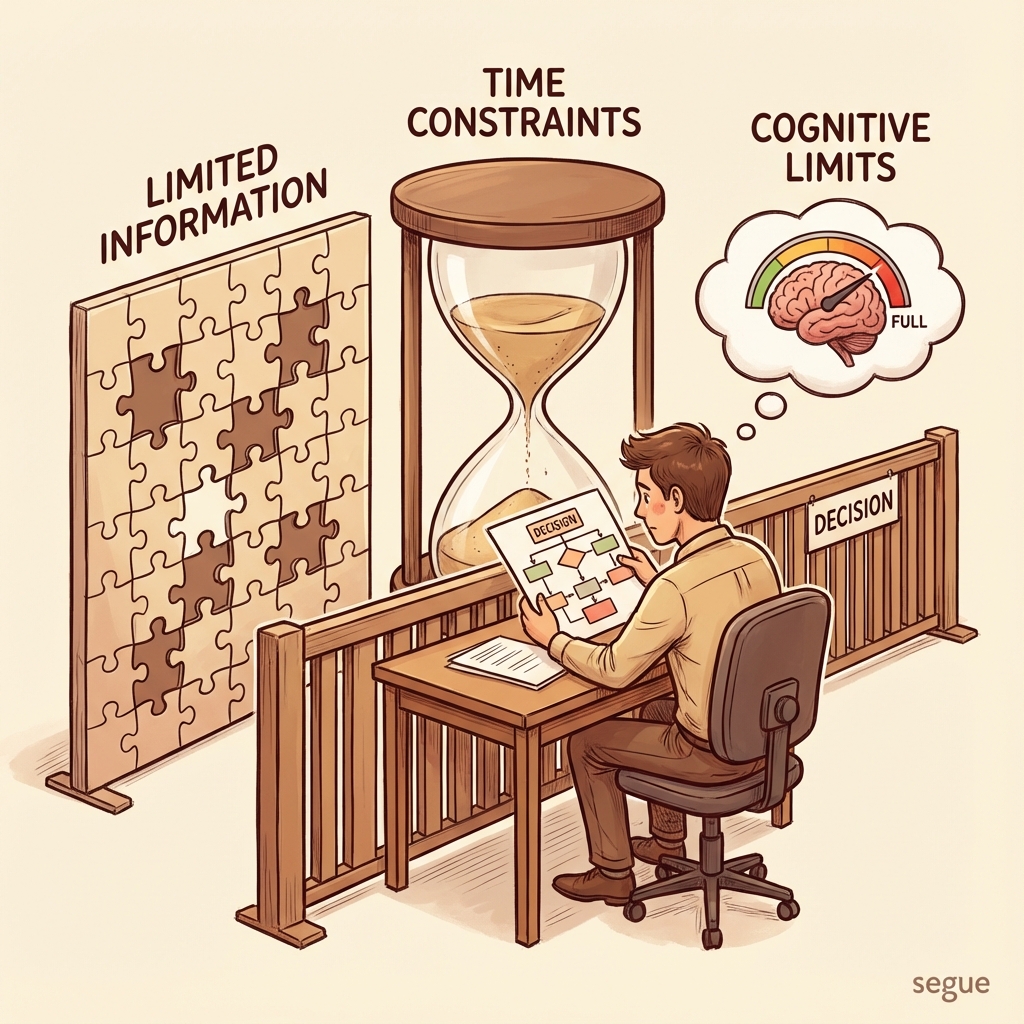
bounded rationality
/ˌbaʊndɪd ˌræʃəˈnælɪti/decision-making limited by information, time, and cognitive capacity
“Bounded rationality explains satisficing behavior.”
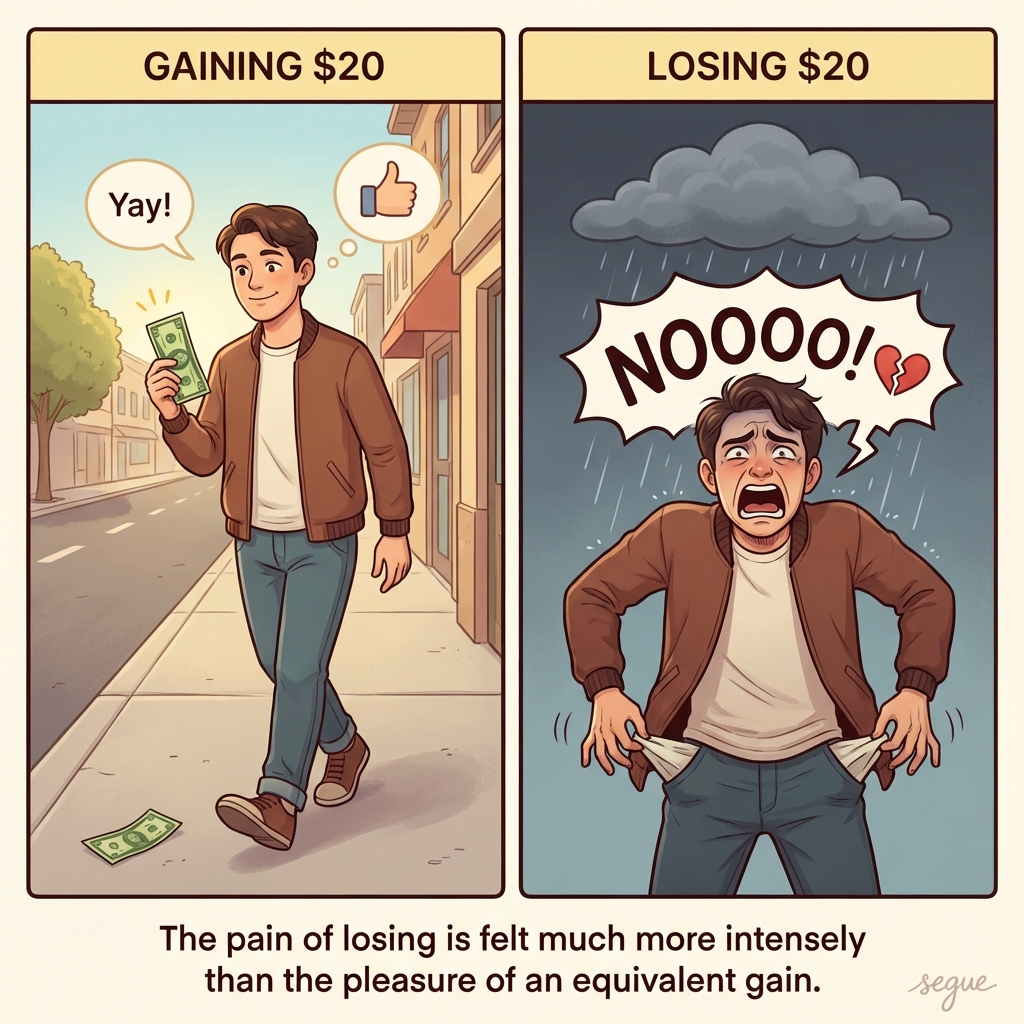
loss aversion
/ˈlɒs əˌvɜːrʒən/the tendency to prefer avoiding losses over acquiring gains
“Loss aversion makes people hold losing stocks too long.”
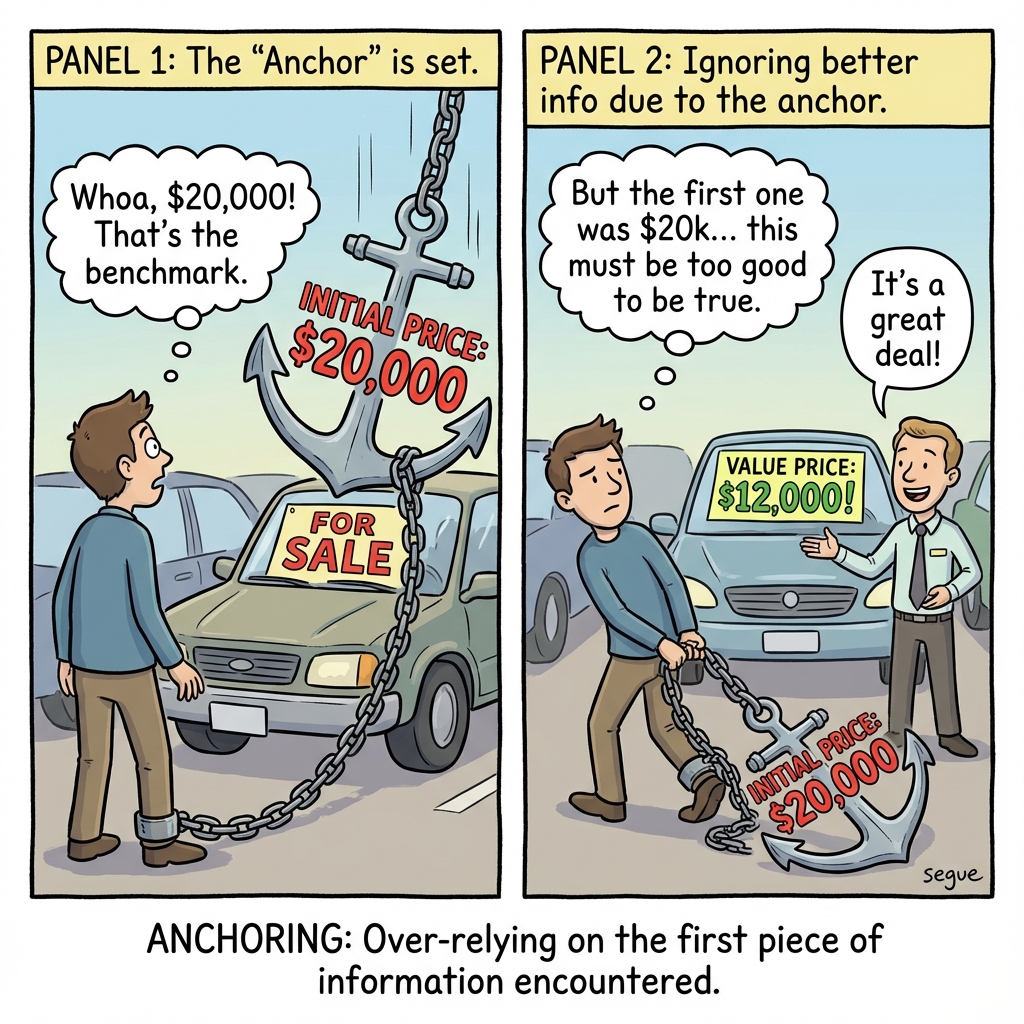
anchoring
/ˈæŋkɝɪŋ/over-relying on the first piece of information encountered
“The initial price serves as an anchor in negotiations.”
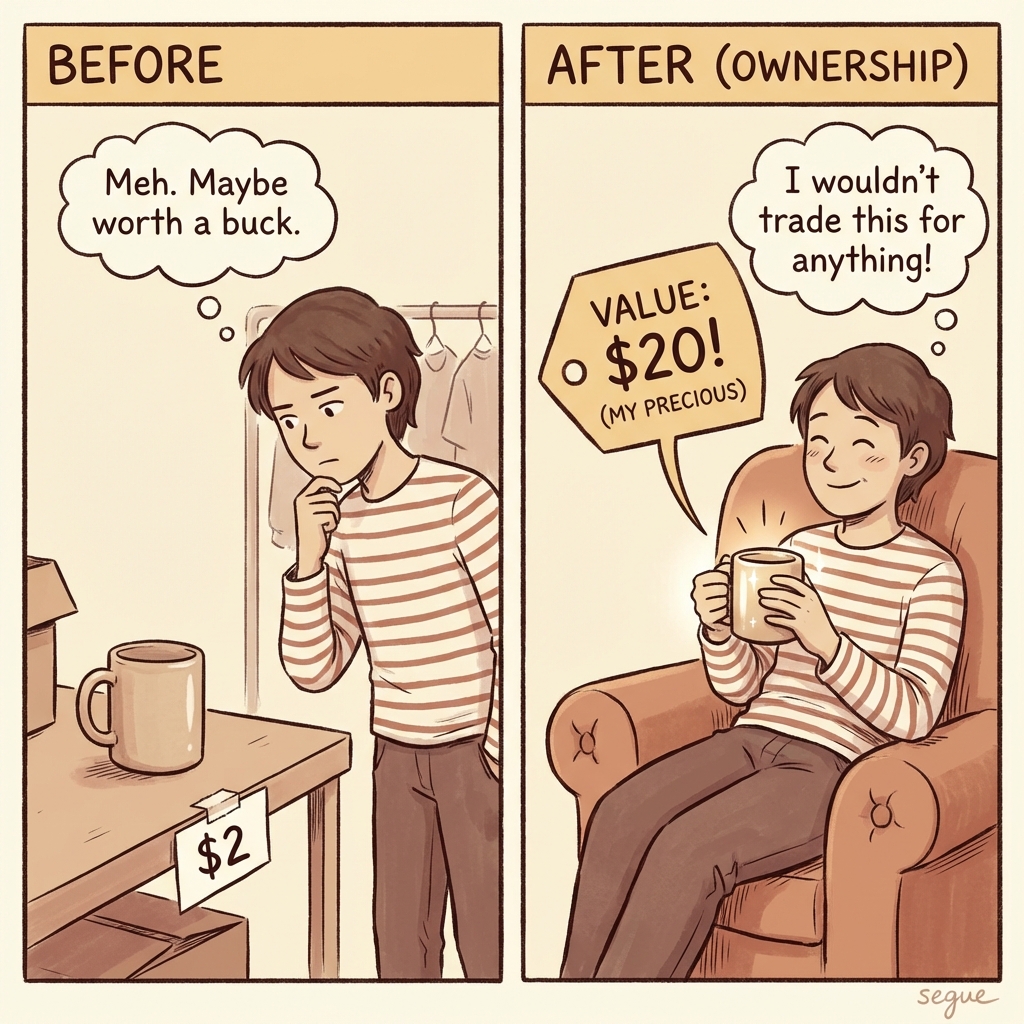
endowment effect
/ɪnˈdaʊmənt ɪˌfekt/valuing something more simply because you own it
“The endowment effect explains reluctance to sell at fair prices.”

hyperbolic discounting
/ˌhaɪpərˈbɒlɪk ˈdɪskaʊntɪŋ/preferring smaller immediate rewards over larger later ones
“Hyperbolic discounting explains procrastination.”
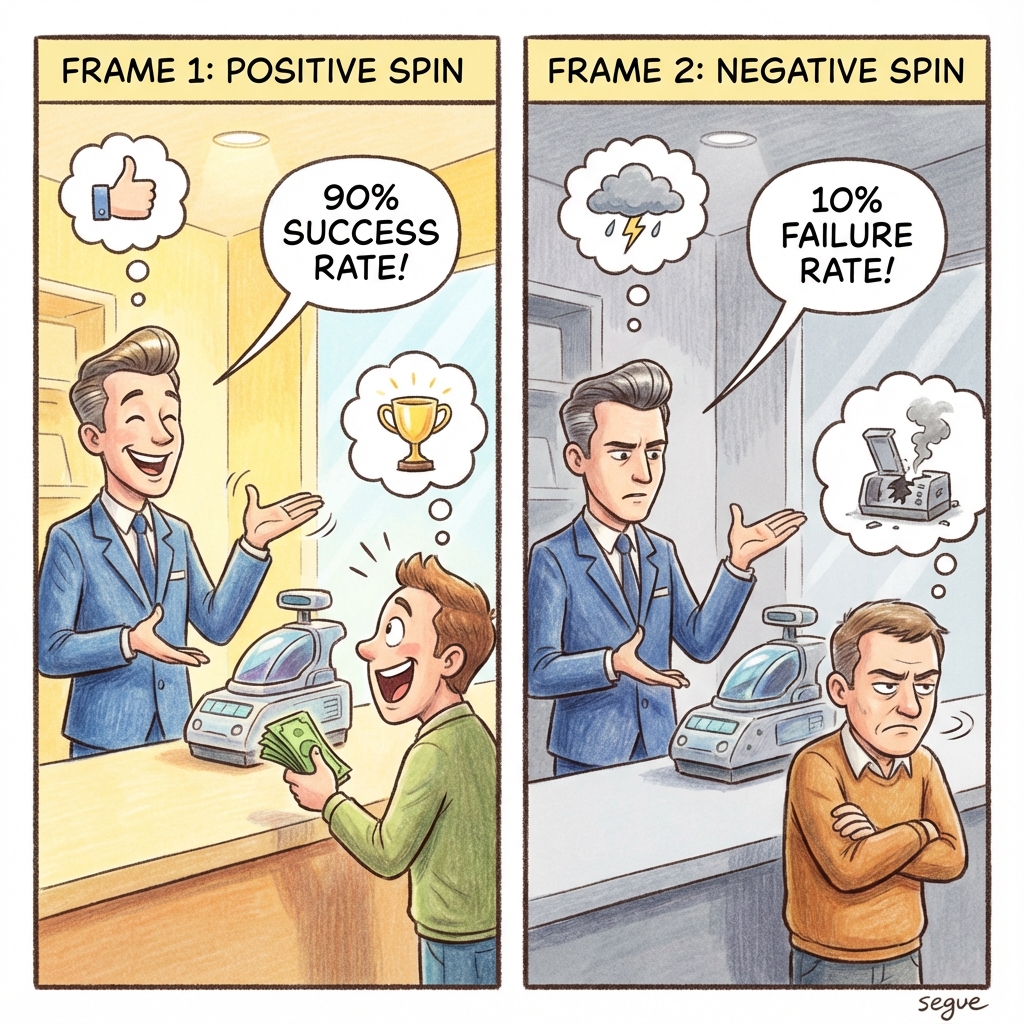
framing effect
/ˈfreɪmɪŋ ɪˌfekt/different reactions to the same information based on presentation
“Describing meat as '90% fat-free' vs '10% fat' is a framing effect.”

herd behavior
/ˈhɜːrd bɪˌheɪvjər/following the crowd rather than independent analysis
“Herd behavior amplifies market bubbles.”
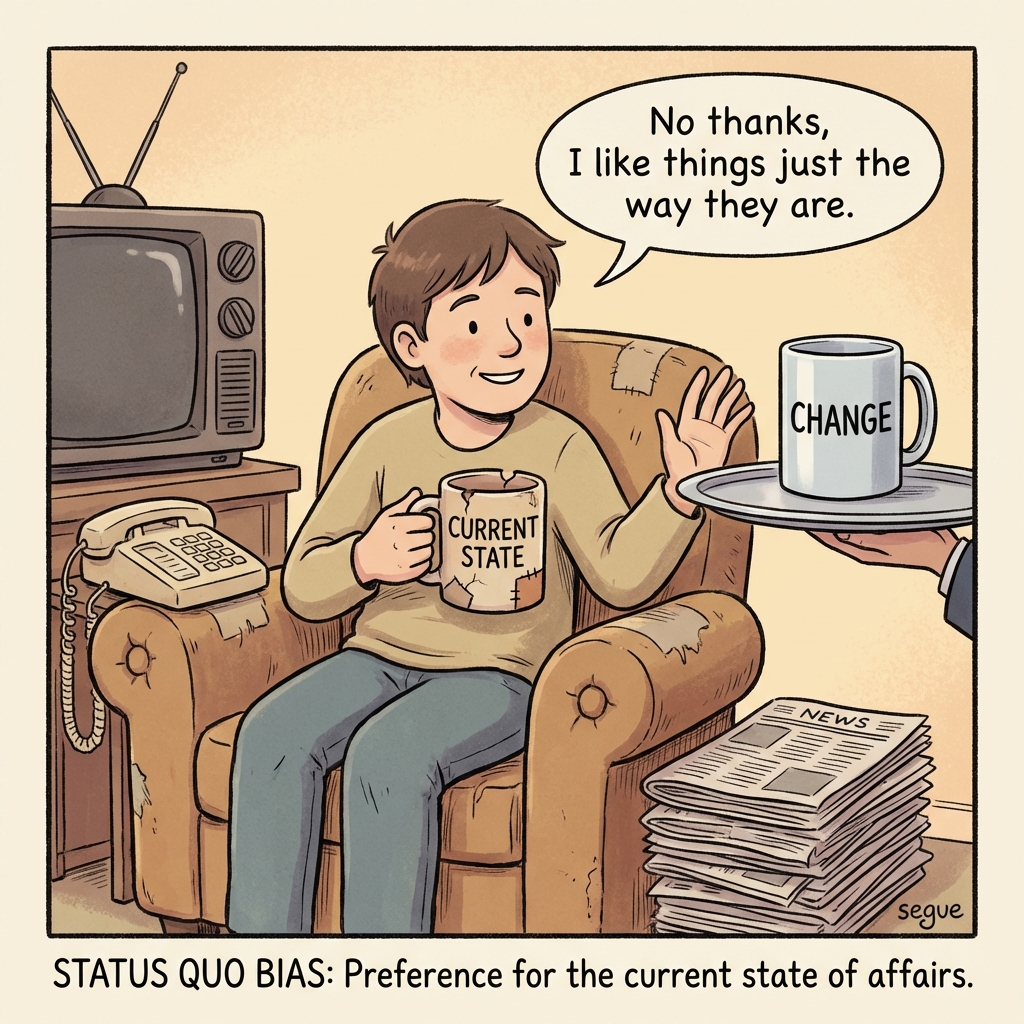
status quo bias
/ˌsteɪtəs ˌkwoʊ ˈbaɪəs/preference for the current state of affairs
“Status quo bias keeps people with suboptimal investments.”
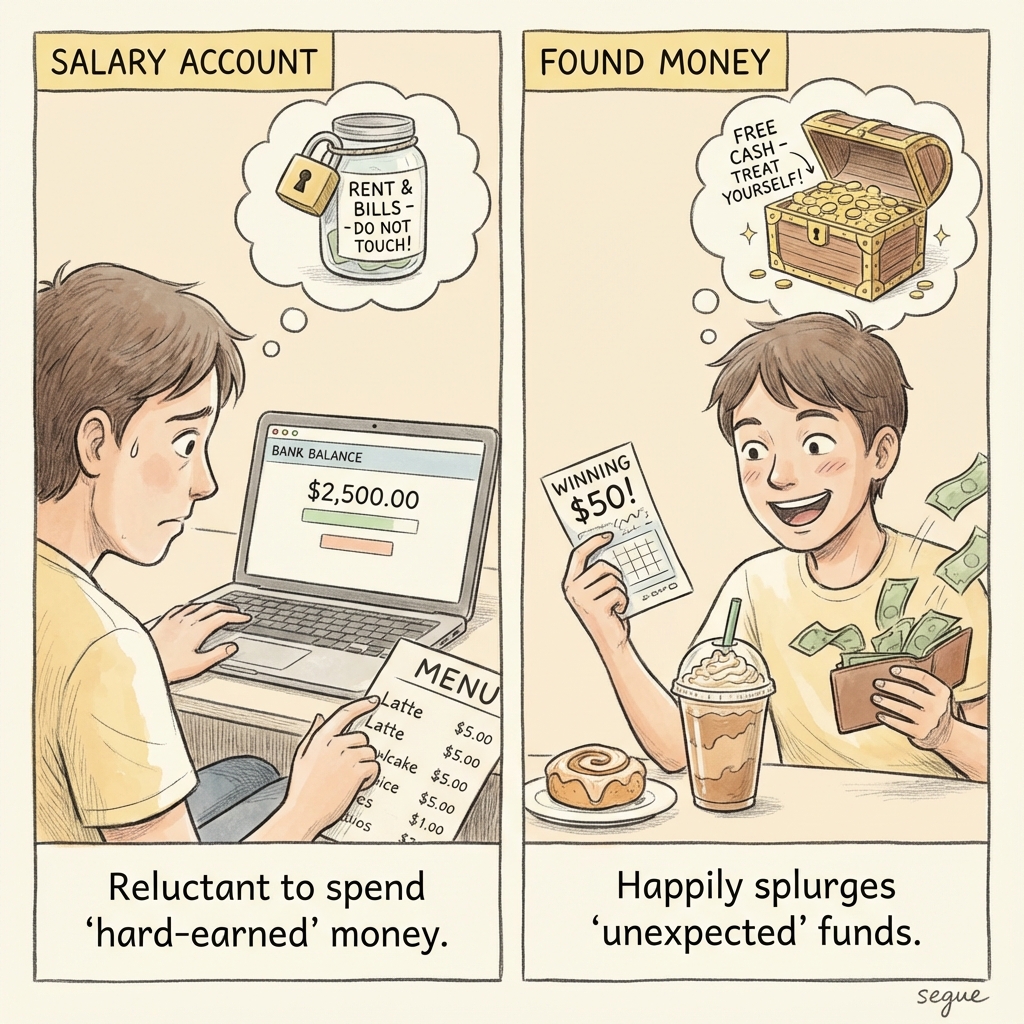
mental accounting
/ˌmentəl əˈkaʊntɪŋ/treating money differently based on subjective categories
“Mental accounting explains why people splurge tax refunds.”
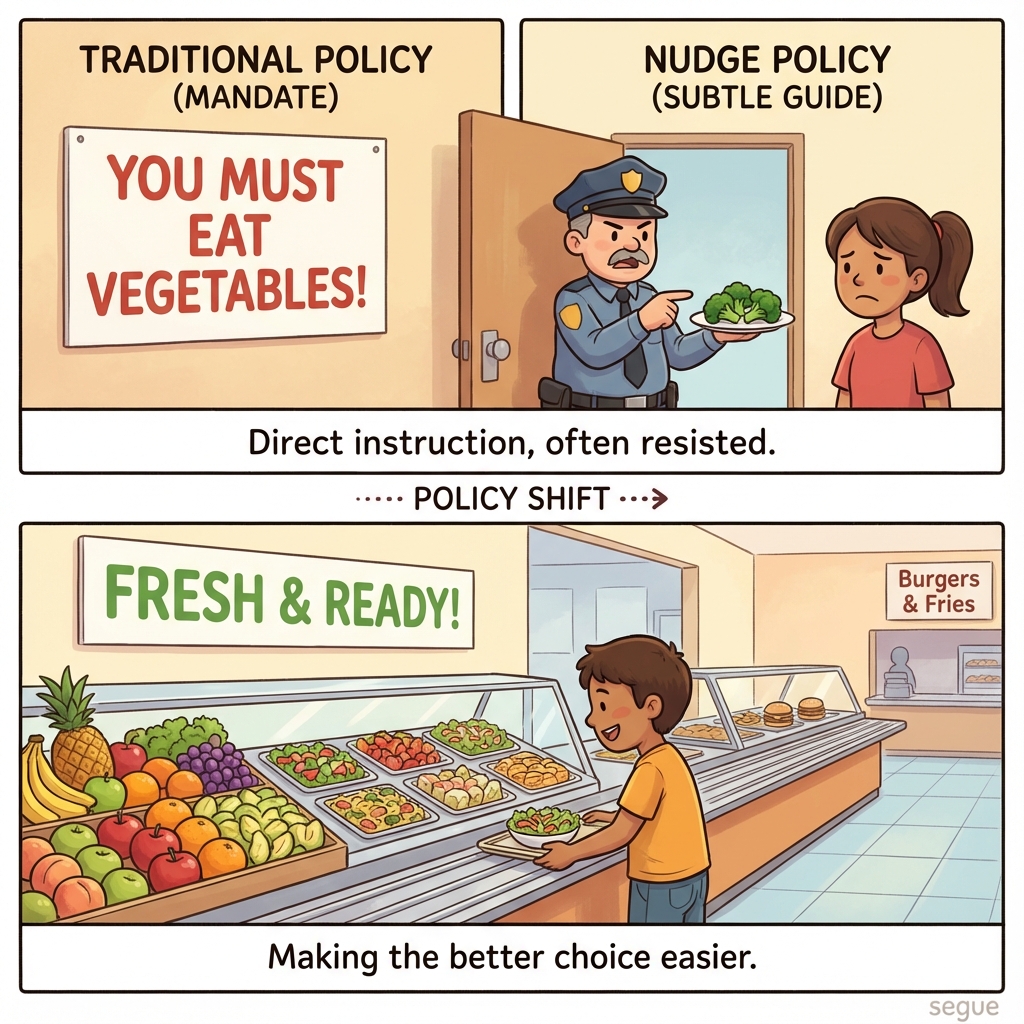
nudge
/ˈnədʒ/subtle policy changes that guide behavior without mandates
“Making organ donation opt-out is a nudge.”
More from Economics & Strategy
Explore other vocabulary categories in this collection.