Loading collection...
♟️
Game Theory Fundamentals Vocabulary
Core concepts of strategic interaction
10 words
All 10 Words
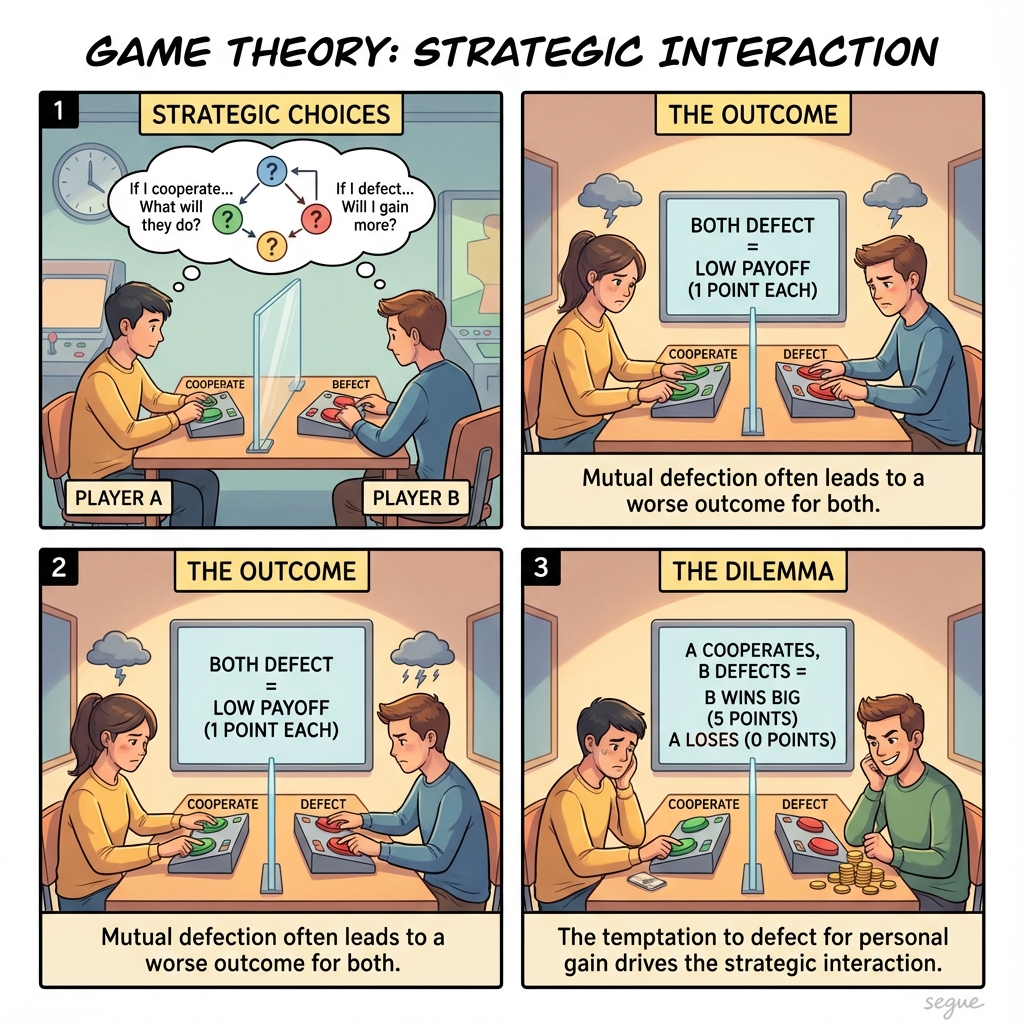
game theory
/ˈɡeɪm ˌθɪəri/the study of mathematical models of strategic interaction
“Game theory explains why competitors often end up in suboptimal equilibria.”
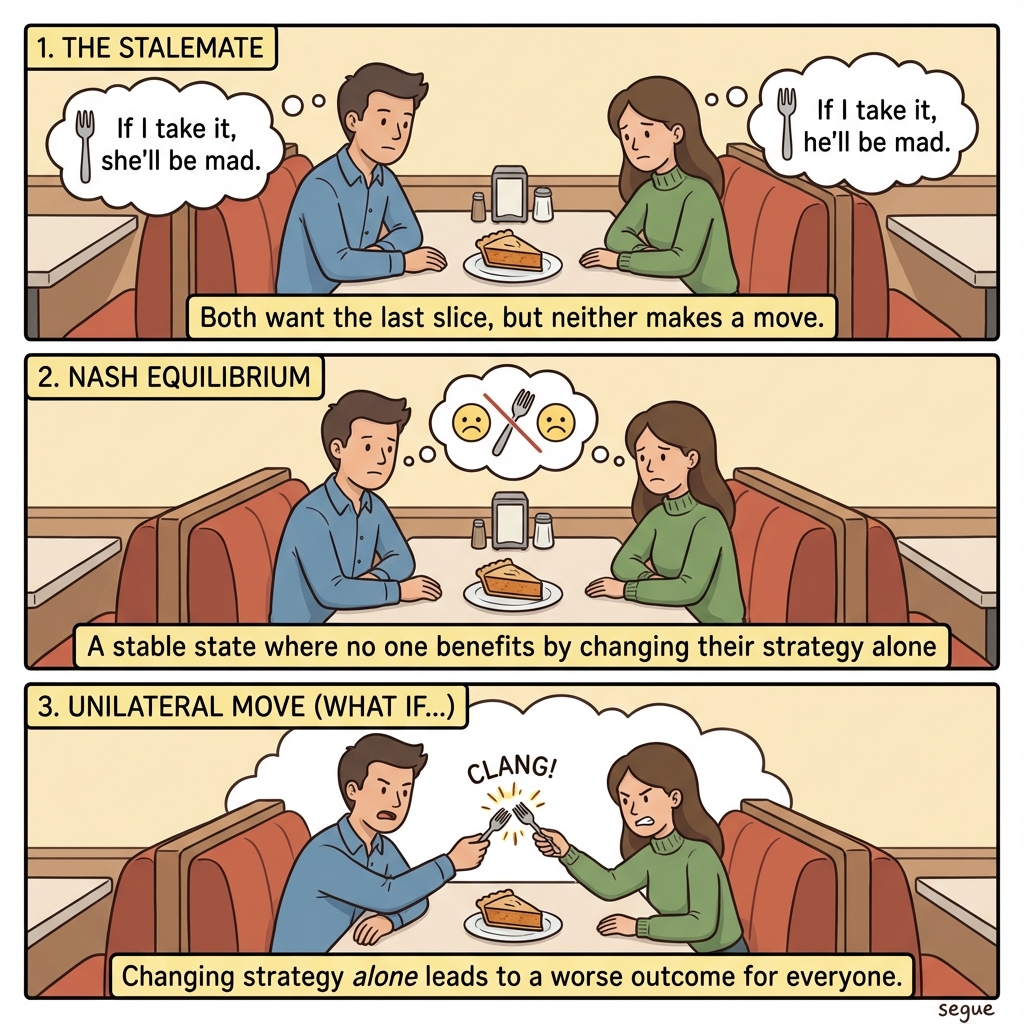
Nash equilibrium
/ˌnæʃ ˌiːkwɪˈlɪbriəm/a state where no player benefits by unilaterally changing strategy
“Both companies advertising heavily is a Nash equilibrium.”

payoff
/ˈpeɪˌɔf/the reward or outcome a player receives from a strategy
“The payoff matrix shows outcomes for all strategy combinations.”
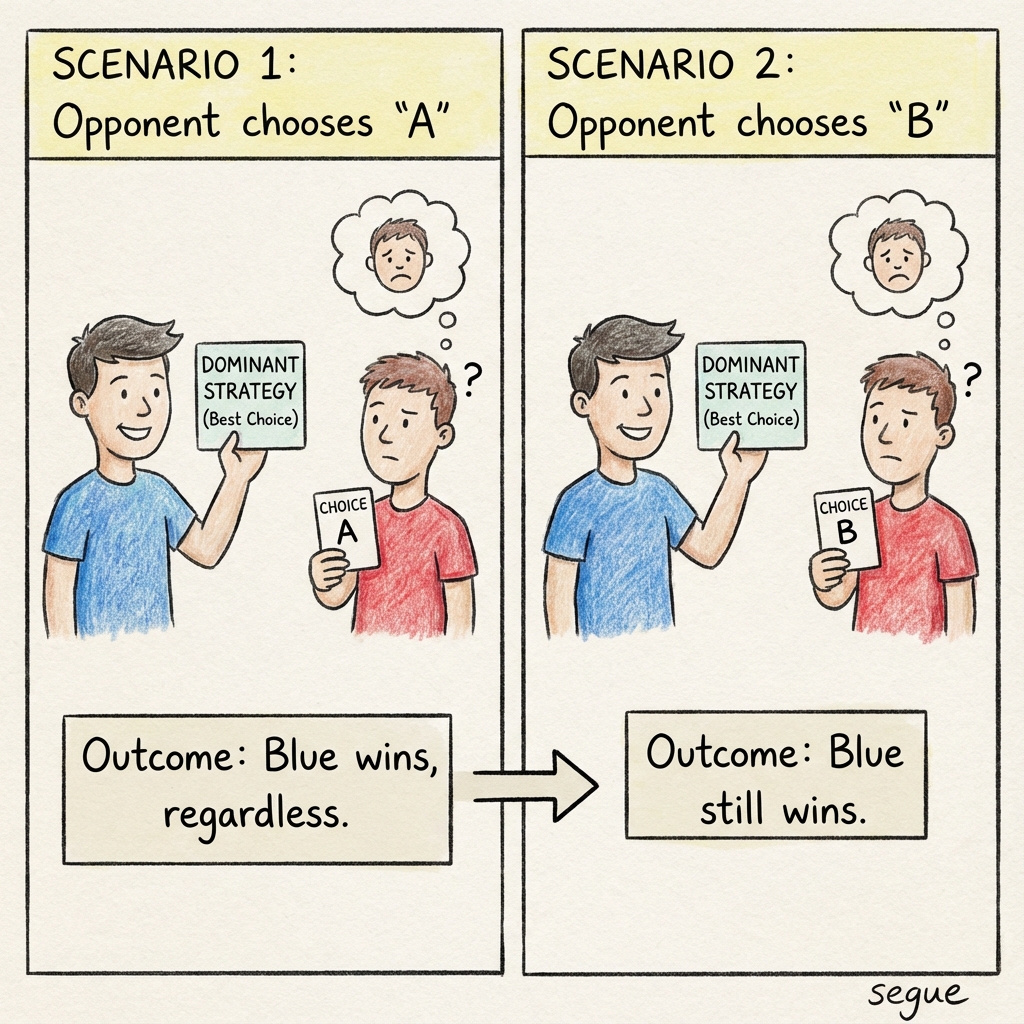
dominant strategy
/ˈdɒmɪnənt ˌstrætədʒi/a strategy that yields the best outcome regardless of opponents' choices
“Defecting is a dominant strategy in the prisoner's dilemma.”
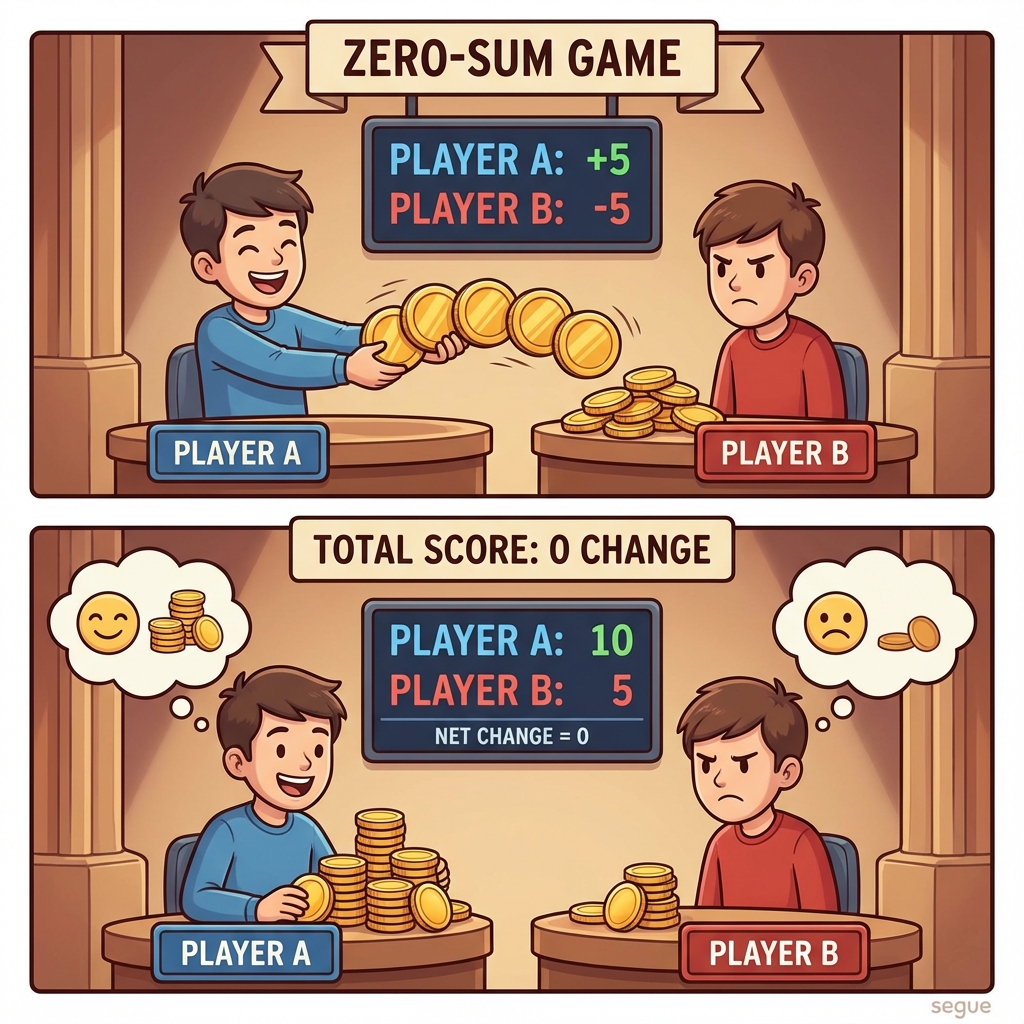
zero-sum game
/ˈzɪəroʊ sʌm ˌɡeɪm/a situation where one player's gain equals another's loss
“Chess is a zero-sum game; one player wins, the other loses.”

positive-sum game
/ˌpɒzɪtɪv ˌsʌm ˈɡeɪm/a situation where all players can benefit simultaneously
“Trade is often a positive-sum game benefiting all parties.”

prisoner's dilemma
/ˌprɪzənərz dɪˈlemə/a game where rational self-interest leads to worse collective outcomes
“Price wars exemplify the prisoner's dilemma in business.”
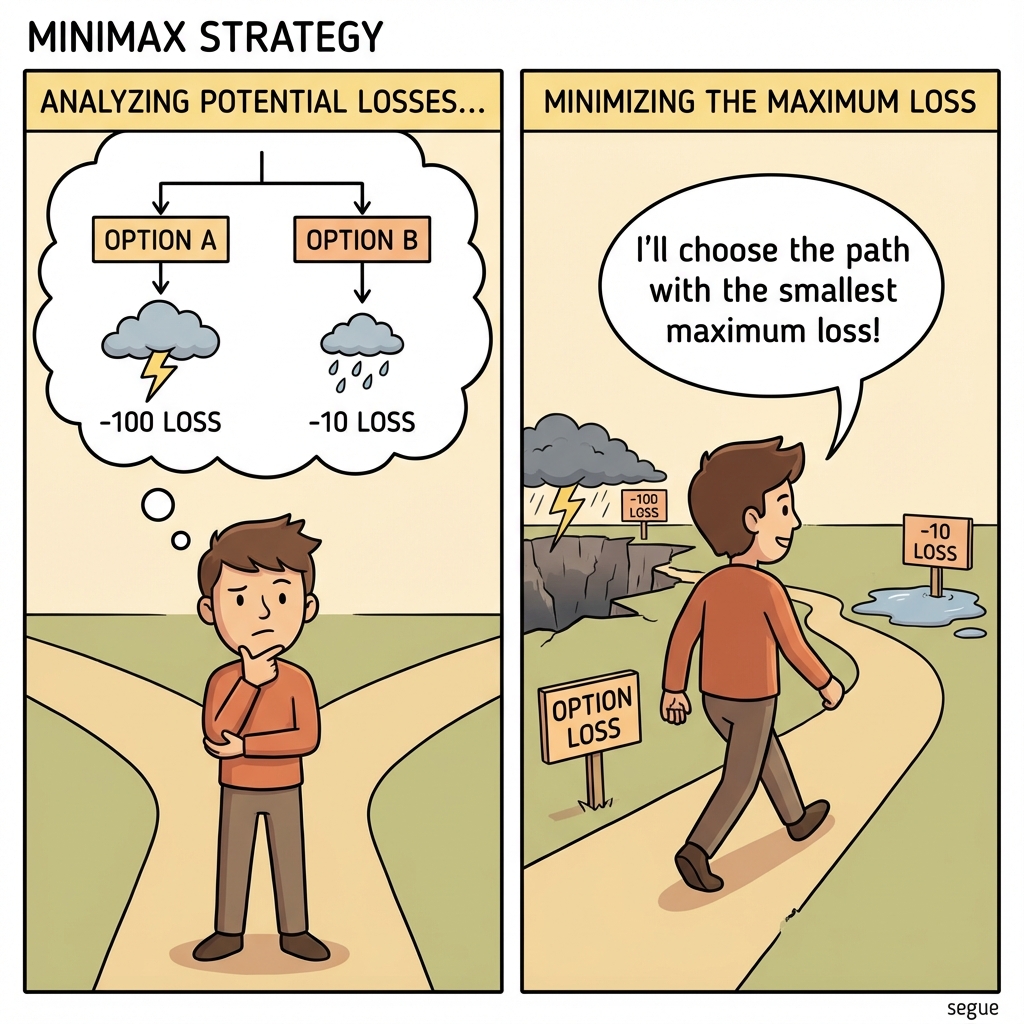
minimax
/ˈmɪnɪmæks/a strategy minimizing the maximum possible loss
“The minimax algorithm is used in chess-playing computers.”
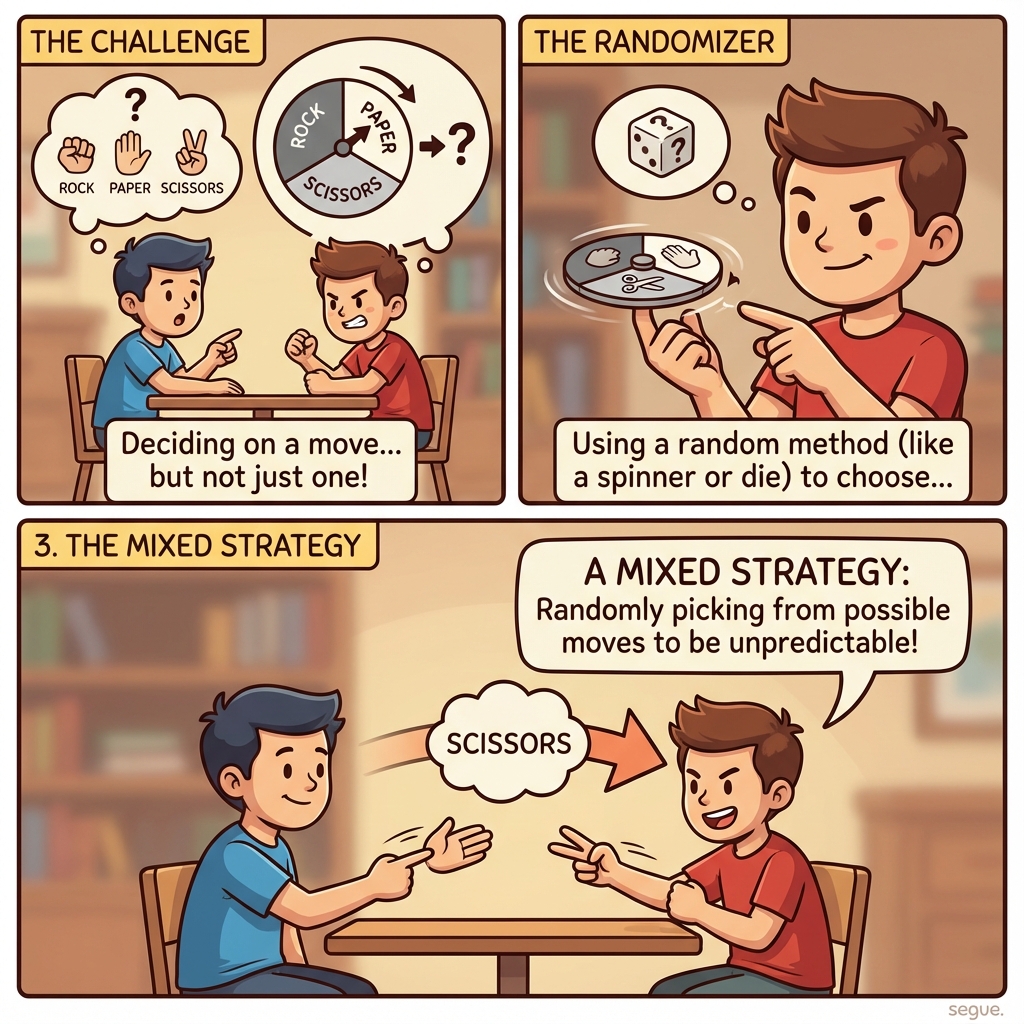
mixed strategy
/ˌmɪkst ˈstrætədʒi/a strategy involving randomization among possible moves
“In rock-paper-scissors, the optimal mixed strategy is equal probability.”

information asymmetry
/ˌɪnfərˈmeɪʃən eɪˈsɪmətri/a situation where some players have more information than others
“Used car markets suffer from information asymmetry.”
More from Economics & Strategy
Explore other vocabulary categories in this collection.