Loading collection...
📈
Financial Economics Vocabulary
Markets, investments, and financial instruments
10 words
All 10 Words

arbitrage
/ˈɑɹbɪˌtɹɑʒ/profiting from price differences in different markets
“Arbitrage opportunities disappear quickly in efficient markets.”
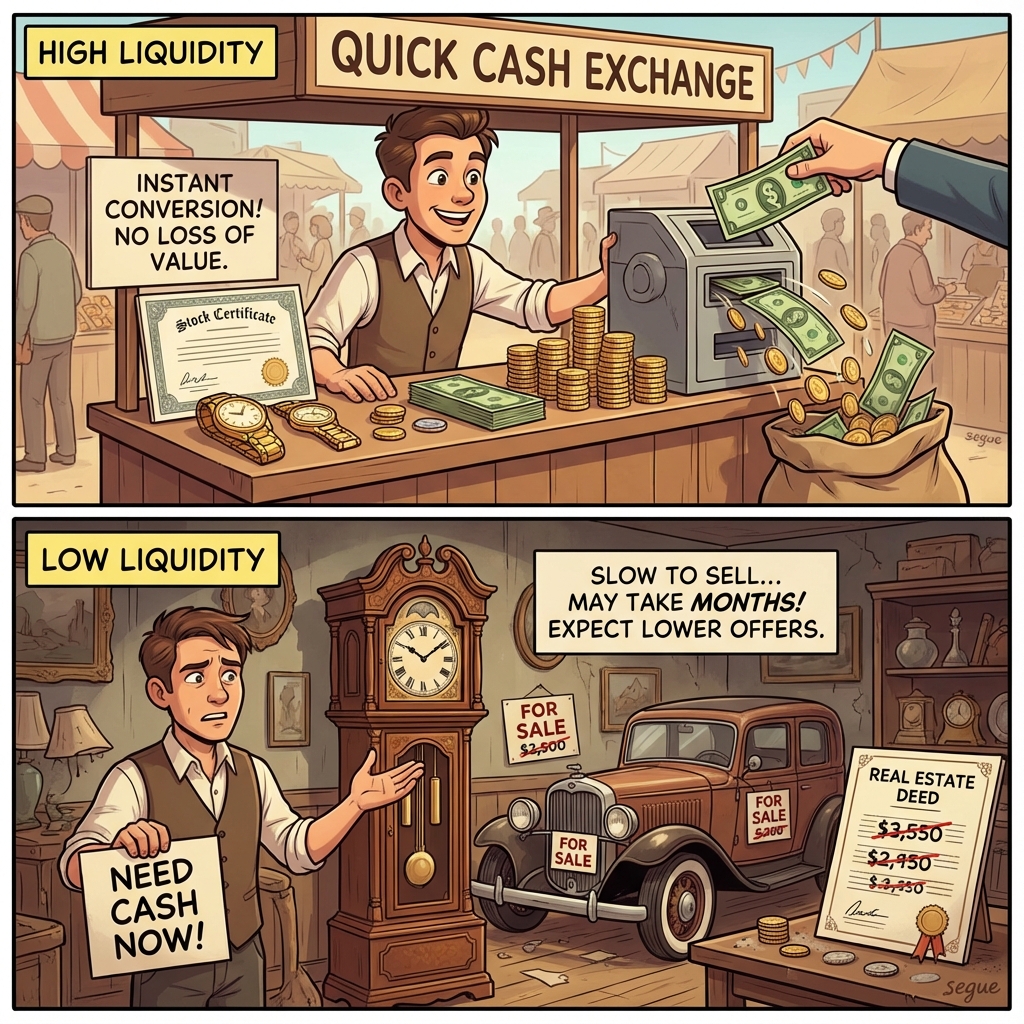
liquidity
/ɫɪˈkwɪdəti/the ease of converting an asset to cash without loss
“Real estate has lower liquidity than stocks.”
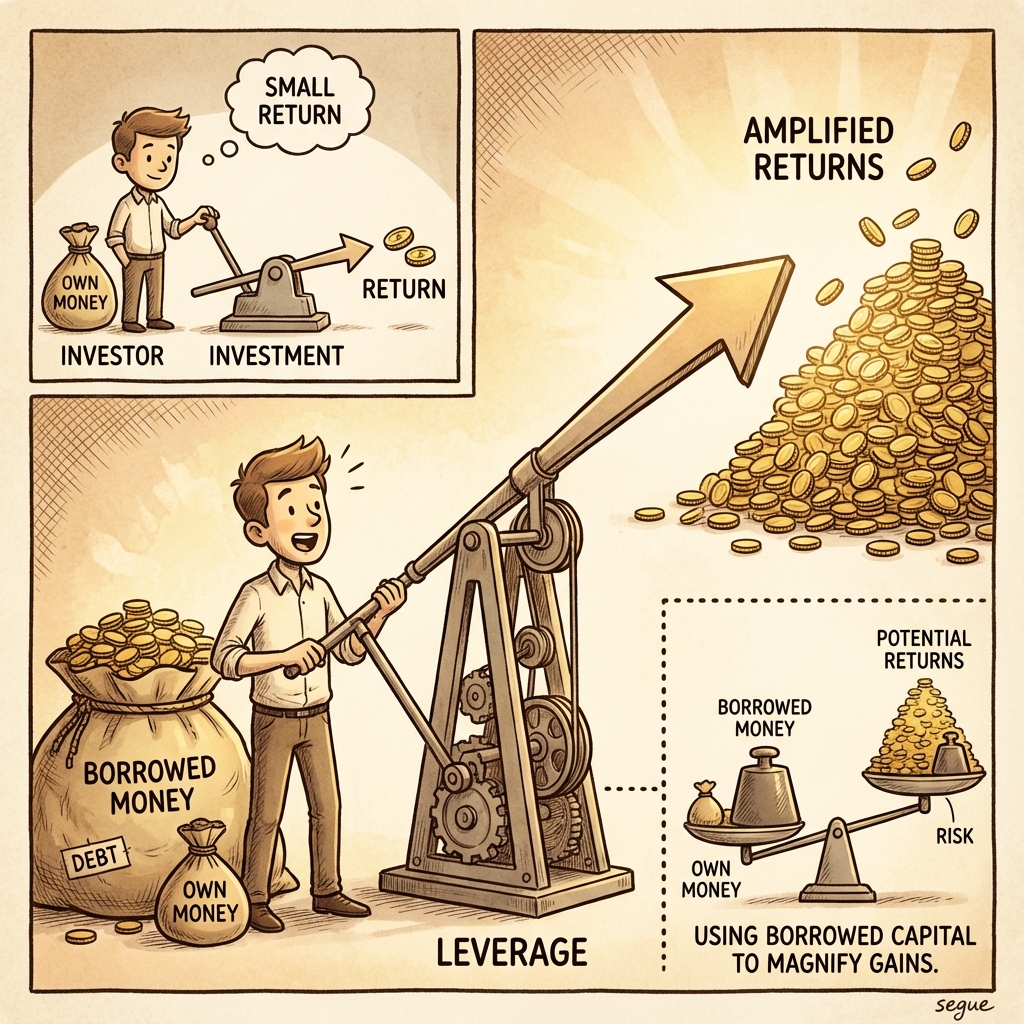
leverage
/ˈɫɛvɝɪdʒ/using borrowed money to amplify potential returns
“High leverage increases both risk and potential reward.”

hedge
/ˈhɛdʒ/an investment to offset potential losses
“Airlines hedge against fuel price increases.”
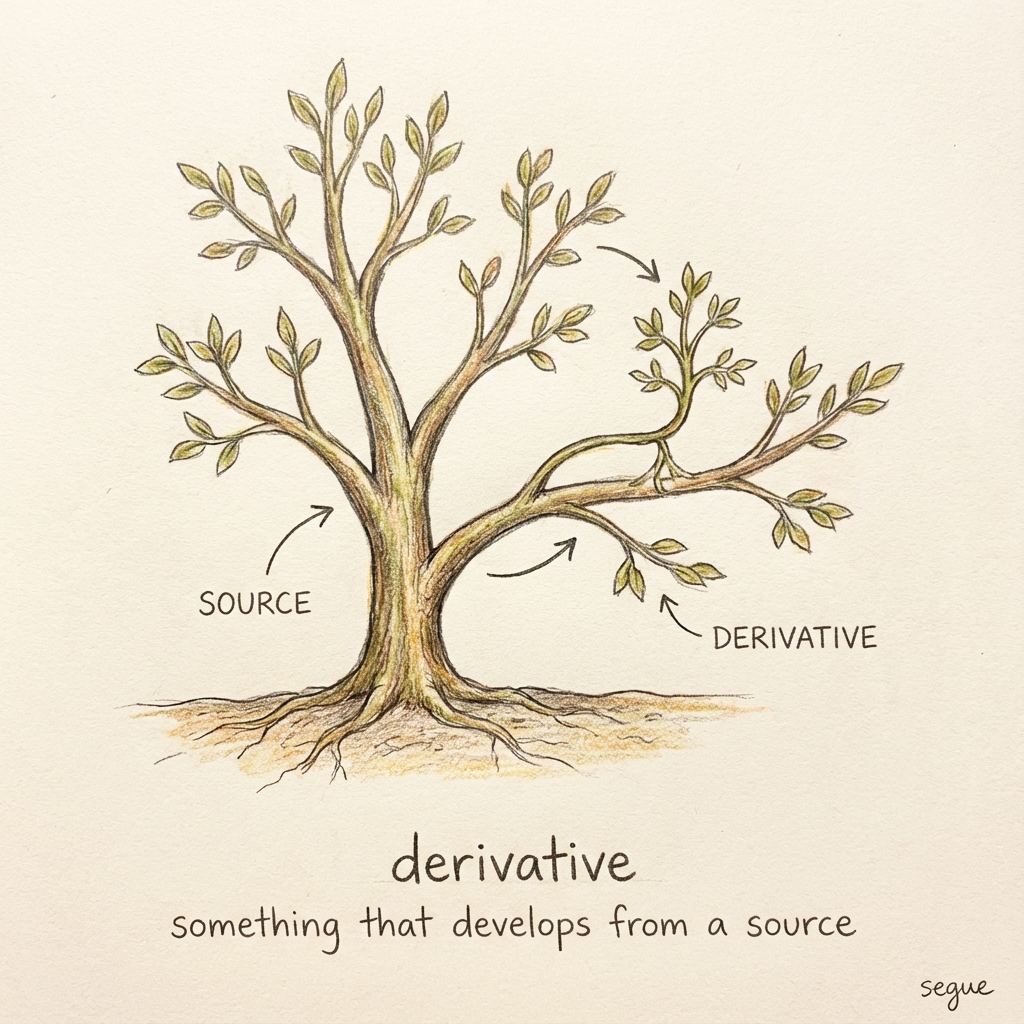
derivative
/dɝˈɪvətɪv/a financial instrument whose value derives from an underlying asset
“Options and futures are common derivatives.”

yield
/ˈjiɫd/the return on an investment, usually expressed as a percentage
“Bond yields rose as prices fell.”
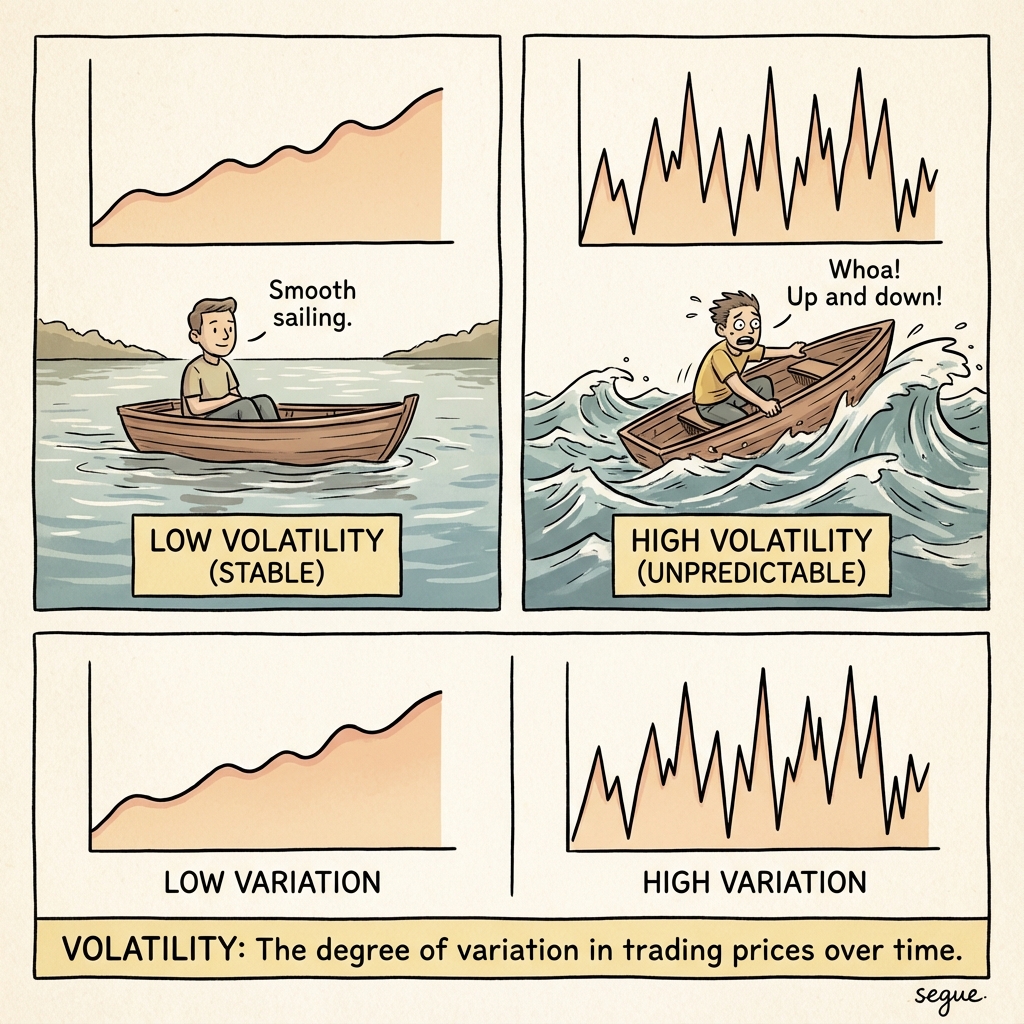
volatility
/ˌvɑɫəˈtɪɫəti/the degree of variation in trading prices over time
“Market volatility spiked during the crisis.”

portfolio
/pɔɹtˈfoʊɫiˌoʊ/a collection of investments held by an individual or institution
“Diversifying your portfolio reduces risk.”
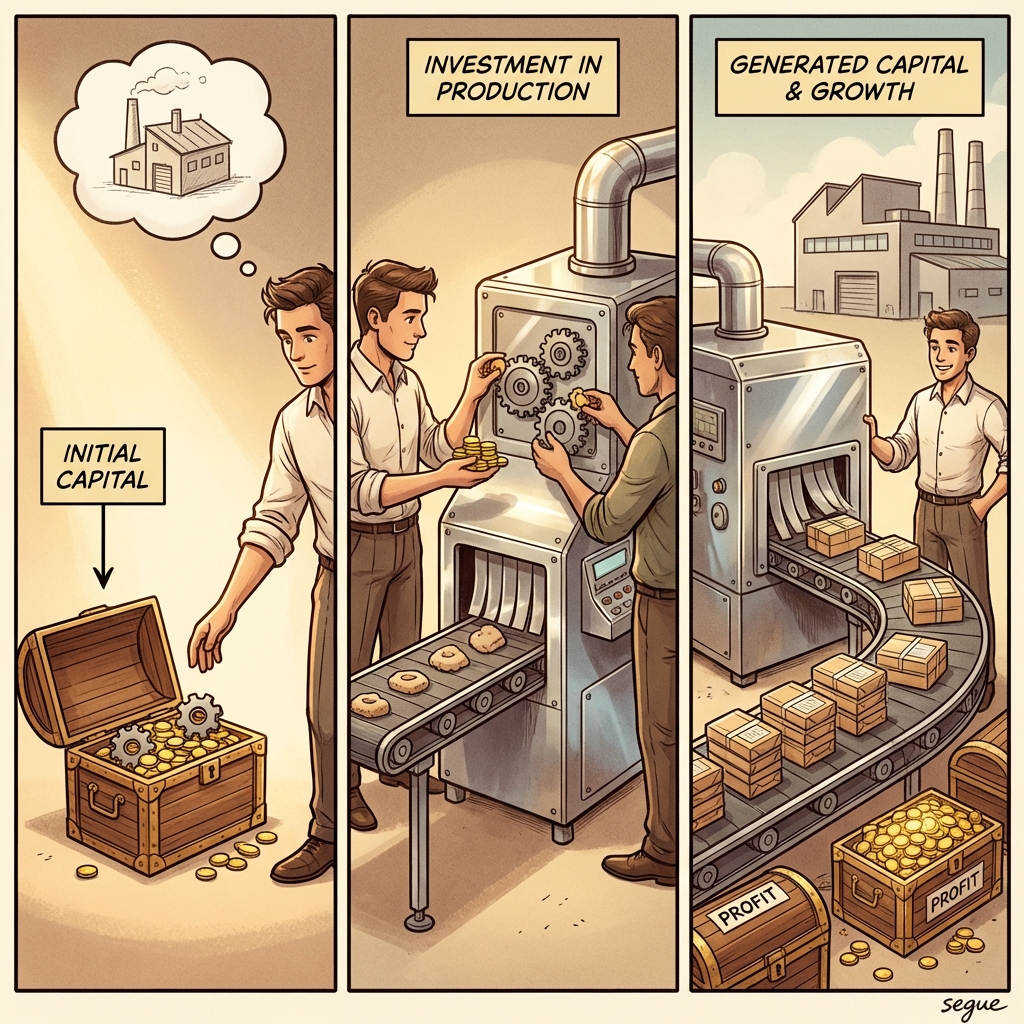
capital
/ˈkæpətəɫ/wealth used to generate more wealth
“The startup raised capital from venture investors.”

asset
/ˈæˌsɛt/anything of value owned by an individual or entity
“Real estate is a major asset class.”
More from Economics & Strategy
Explore other vocabulary categories in this collection.