Loading collection...
🧐
Statistical Inference Vocabulary
Drawing conclusions from data
10 words
All 10 Words
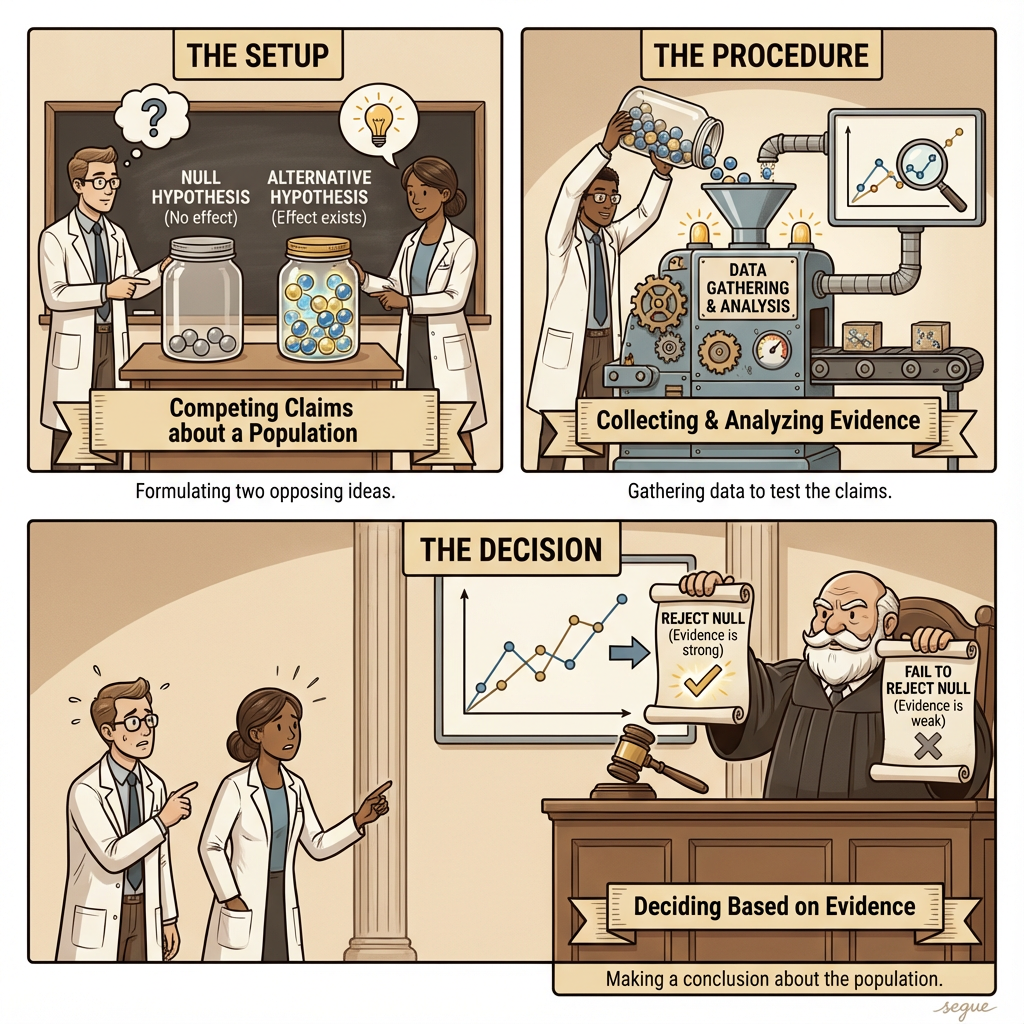
hypothesis testing
/haɪˌpɒθəsɪs ˈtestɪŋ/a procedure for deciding between competing claims about a population
“Hypothesis testing revealed the drug was more effective than placebo.”
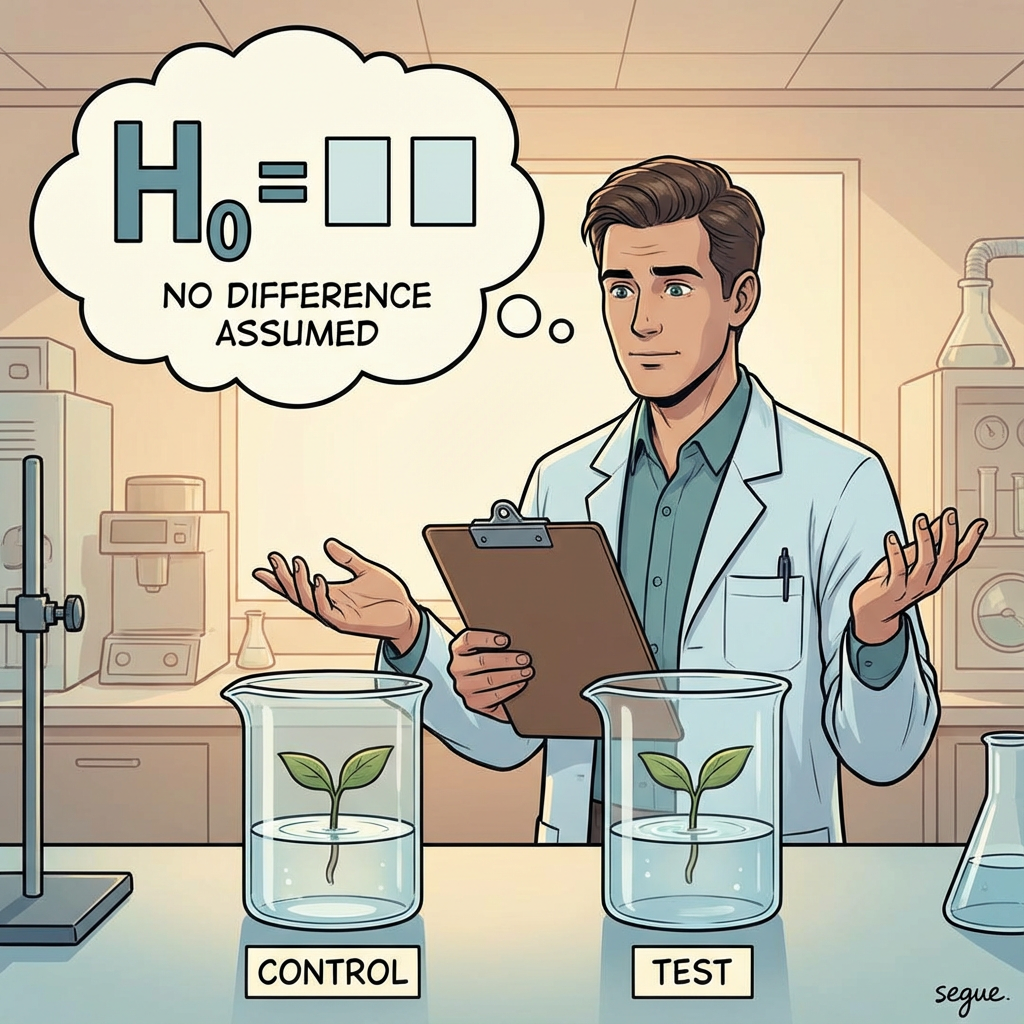
null hypothesis
/ˌnʌl haɪˈpɒθəsɪs/the default assumption that there is no effect or difference
“We reject the null hypothesis if p < 0.05.”
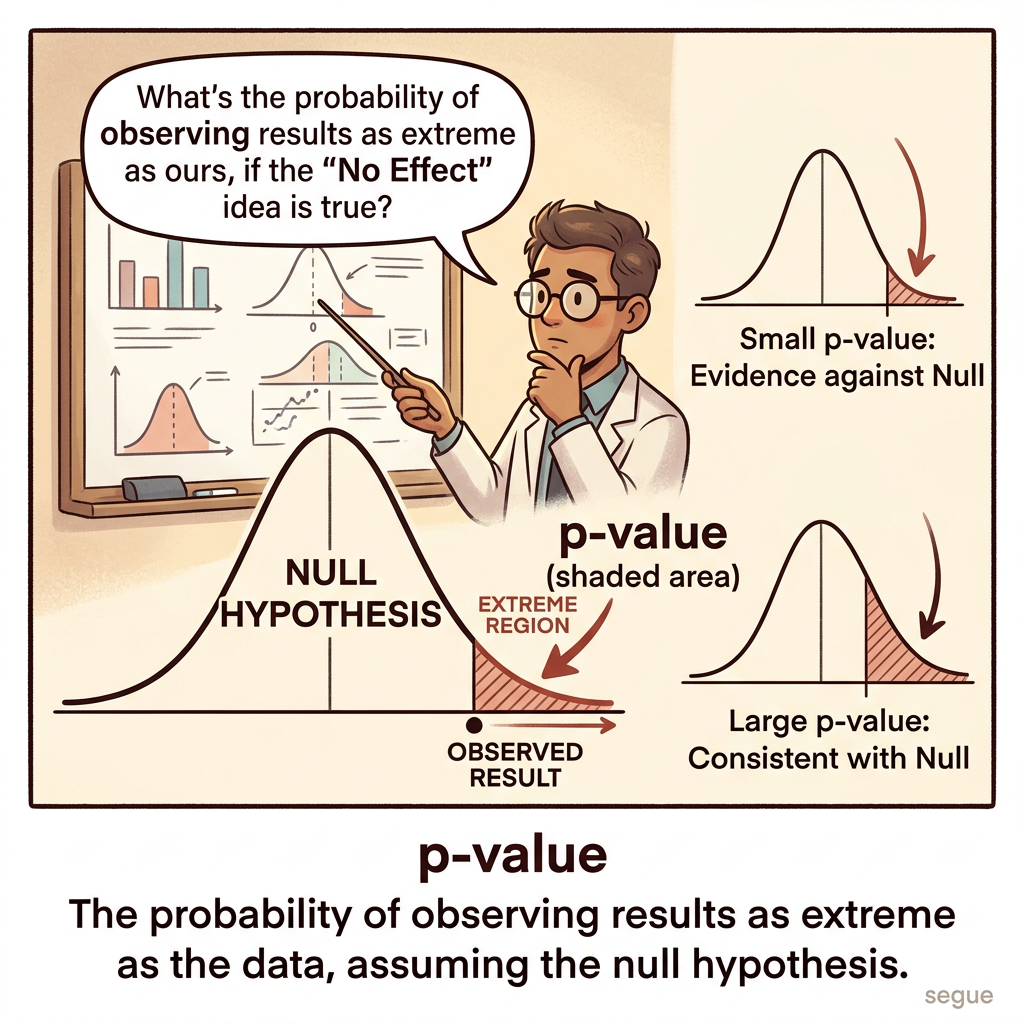
p-value
/ˈpiː ˌvæljuː/the probability of observing results as extreme as the data, assuming the null hypothesis
“A p-value of 0.03 suggests the result is unlikely due to chance.”
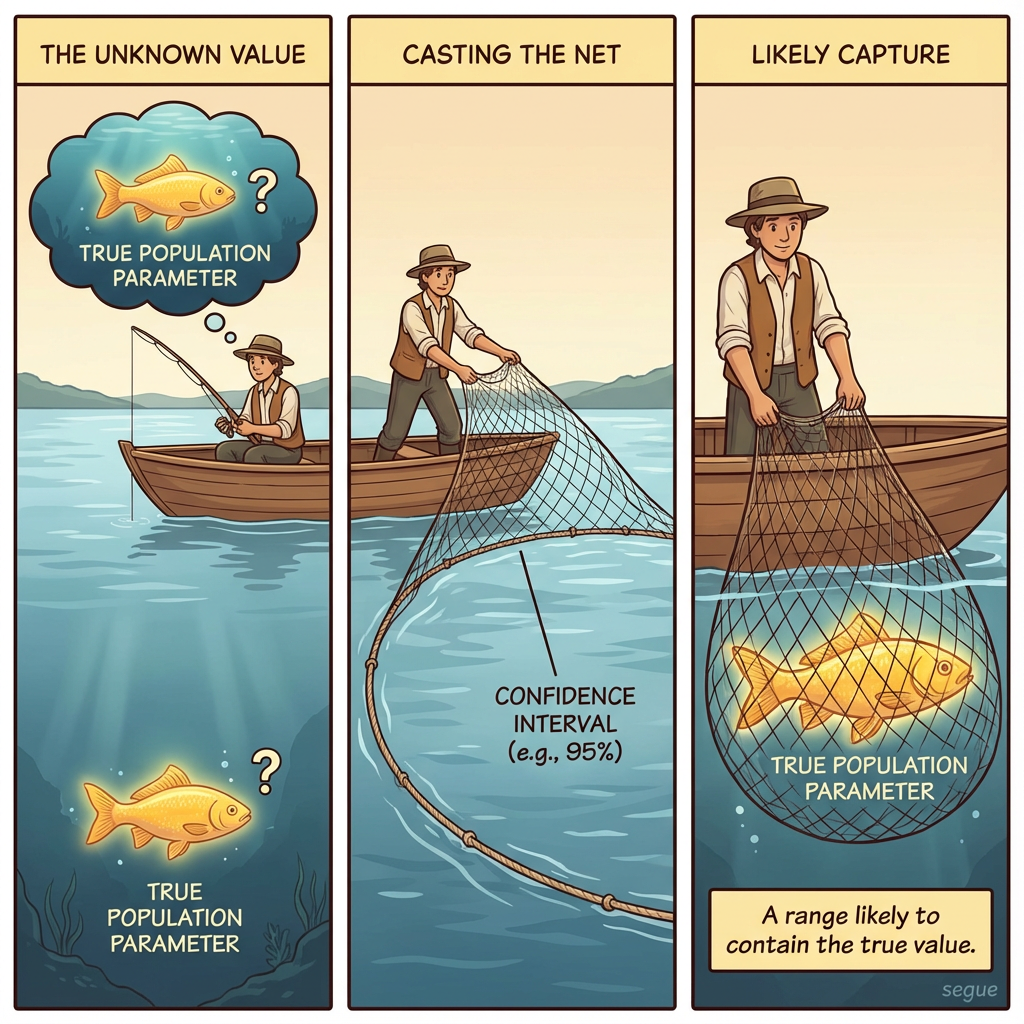
confidence interval
/ˈkɒnfɪdəns ˌɪntərvəl/a range of values likely to contain the true population parameter
“The 95% confidence interval for the mean is 45 to 55.”

significance
/səɡˈnɪfɪkəns/the quality of being statistically unlikely to occur by chance
“The difference was statistically significant at the 0.01 level.”
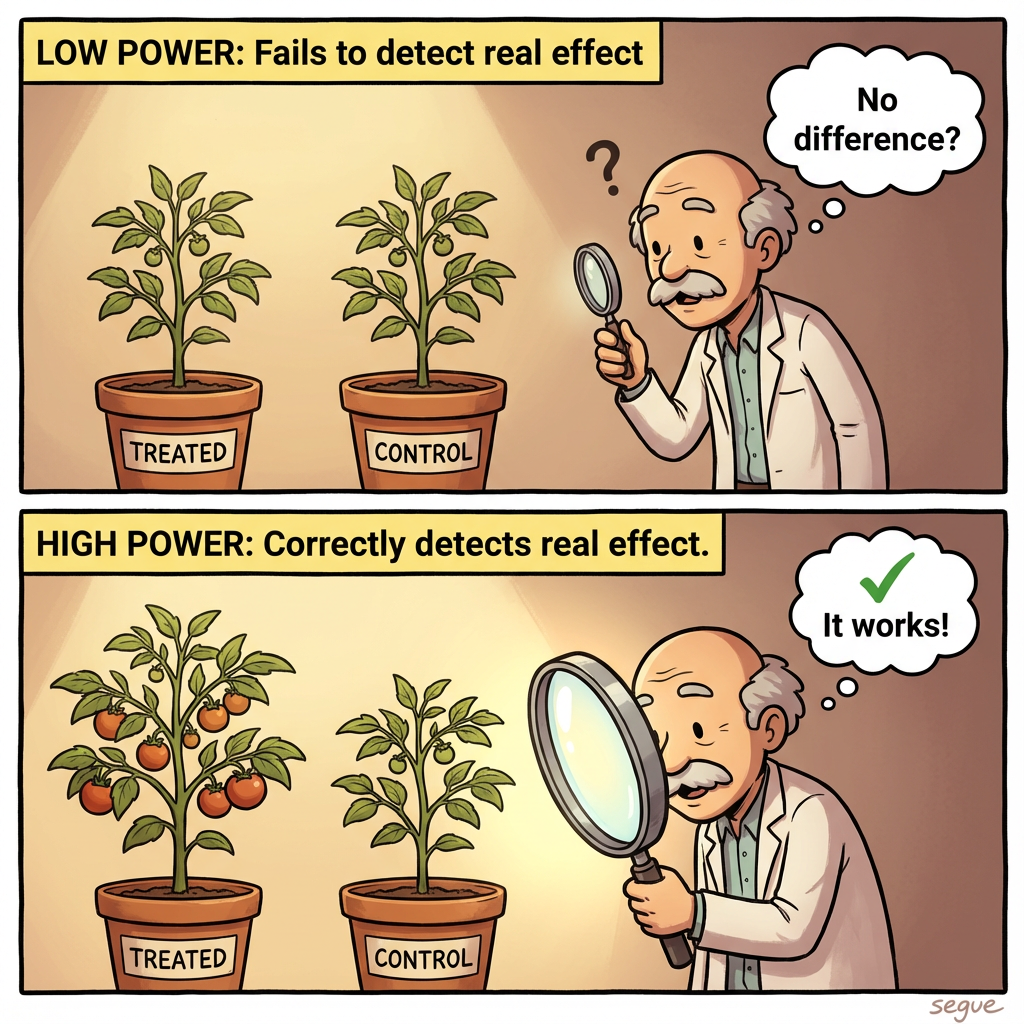
power
/ˈpaʊɝ/the probability of correctly rejecting a false null hypothesis
“We need a larger sample to achieve adequate statistical power.”
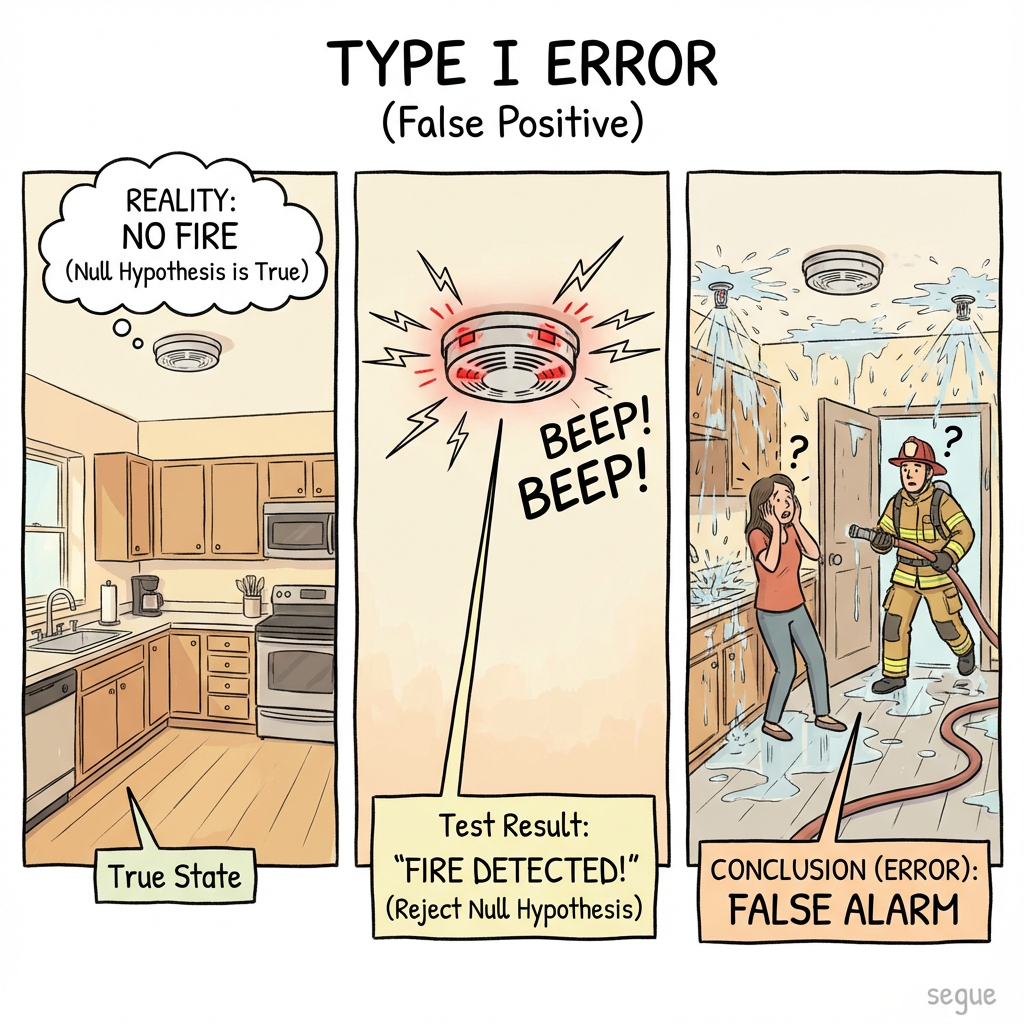
type I error
/ˌtaɪp ˈwʌn ˌerər/incorrectly rejecting a true null hypothesis (false positive)
“Convicting an innocent person is analogous to a type I error.”
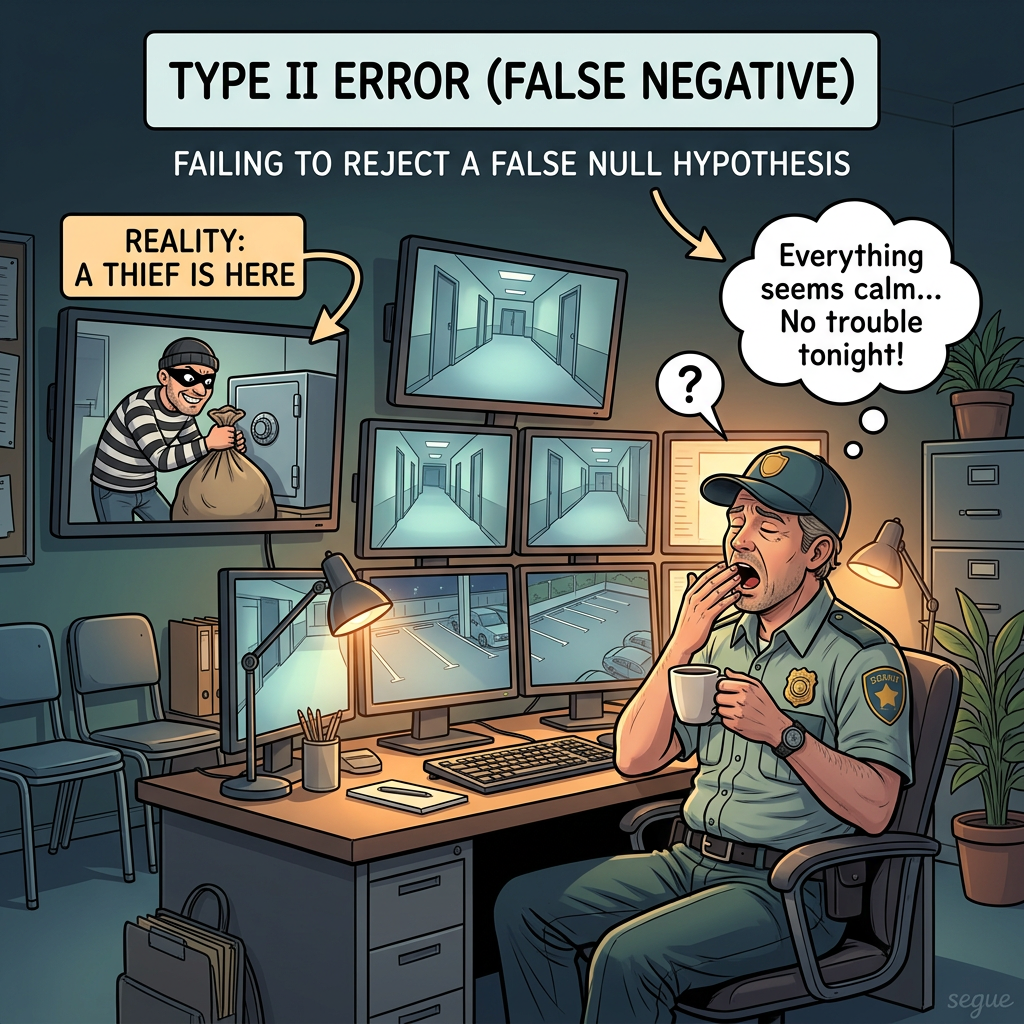
type II error
/ˌtaɪp ˈtuː ˌerər/failing to reject a false null hypothesis (false negative)
“Missing a real disease is a type II error in medical testing.”
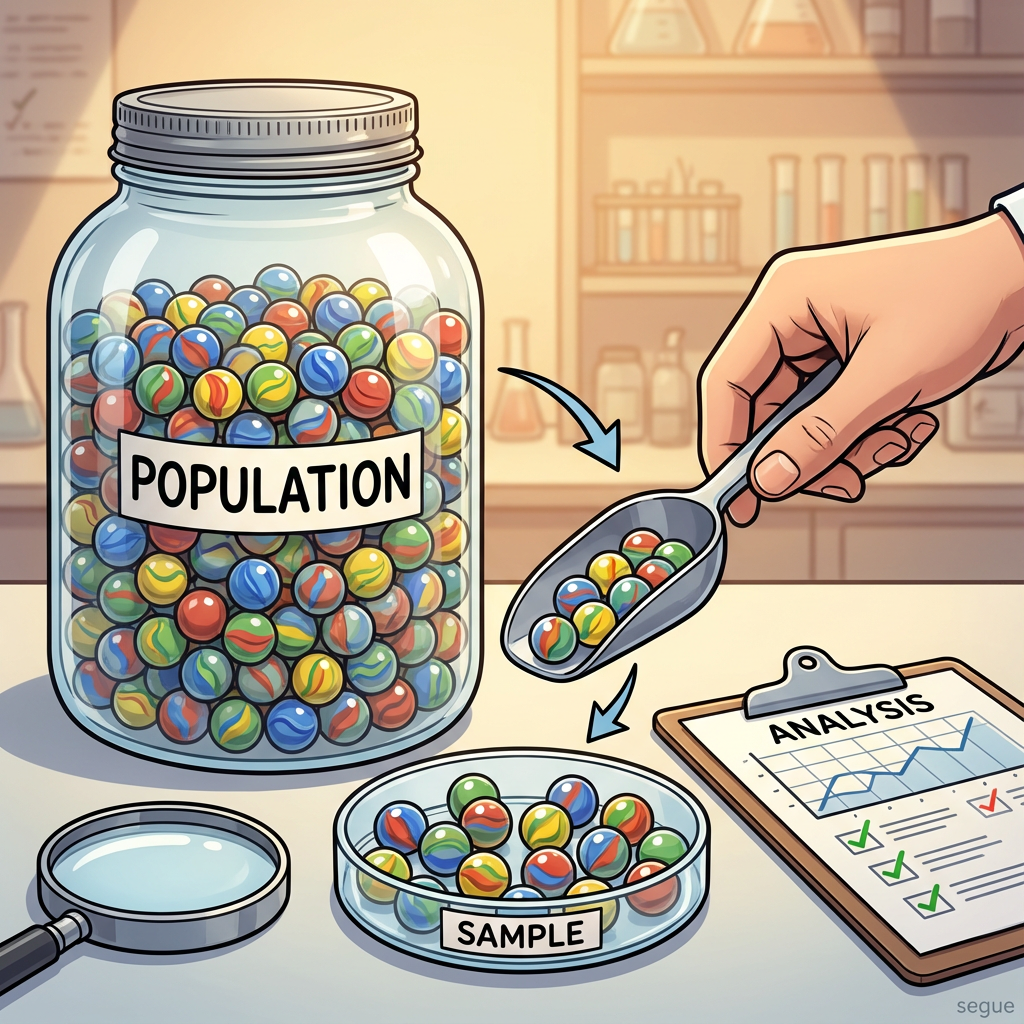
sample
/ˈsæmpəɫ/a subset of a population selected for analysis
“A random sample of 1000 voters was surveyed.”
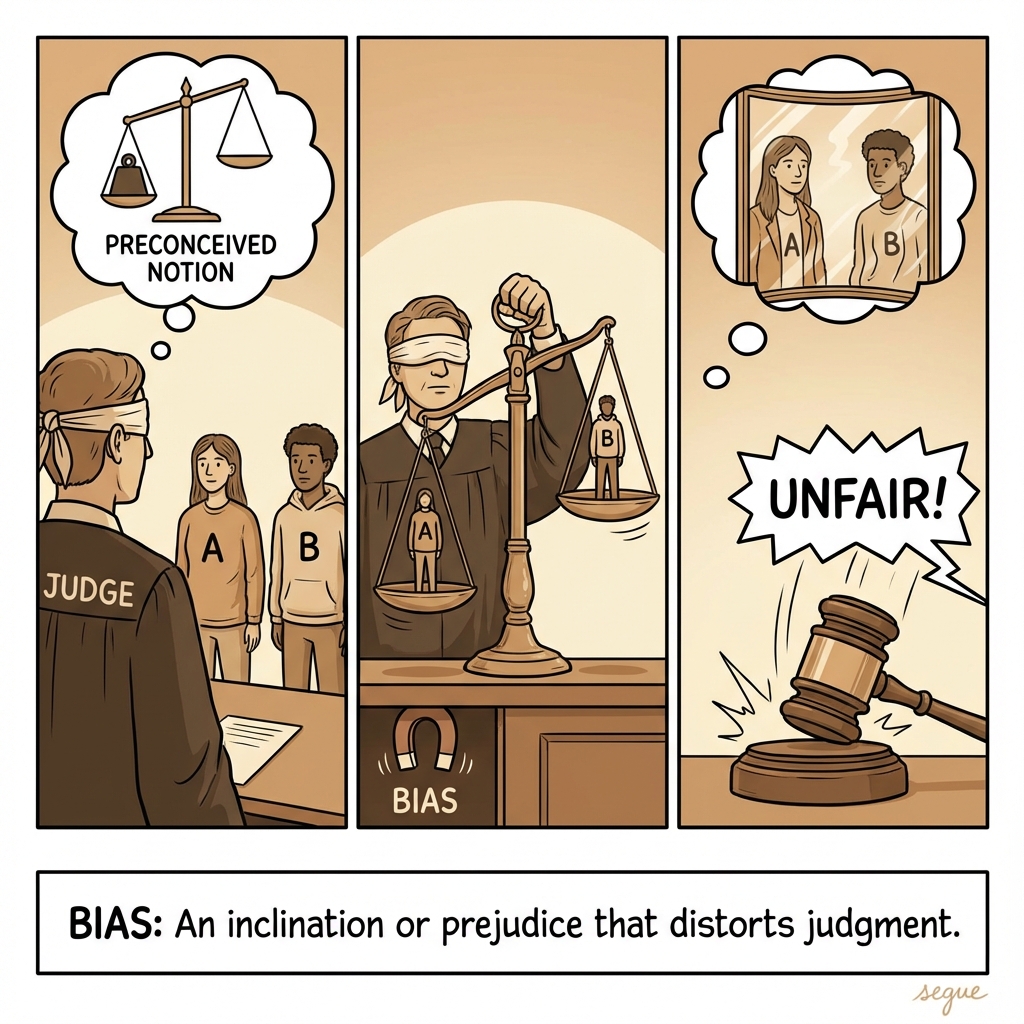
bias
/ˈbaɪəs/systematic error that skews results in a particular direction
“Selection bias can invalidate survey results.”
More from Mathematics & Logic
Explore other vocabulary categories in this collection.