Loading collection...
🔢
Mathematical Foundations Vocabulary
Core concepts and structures in mathematics
10 words
All 10 Words
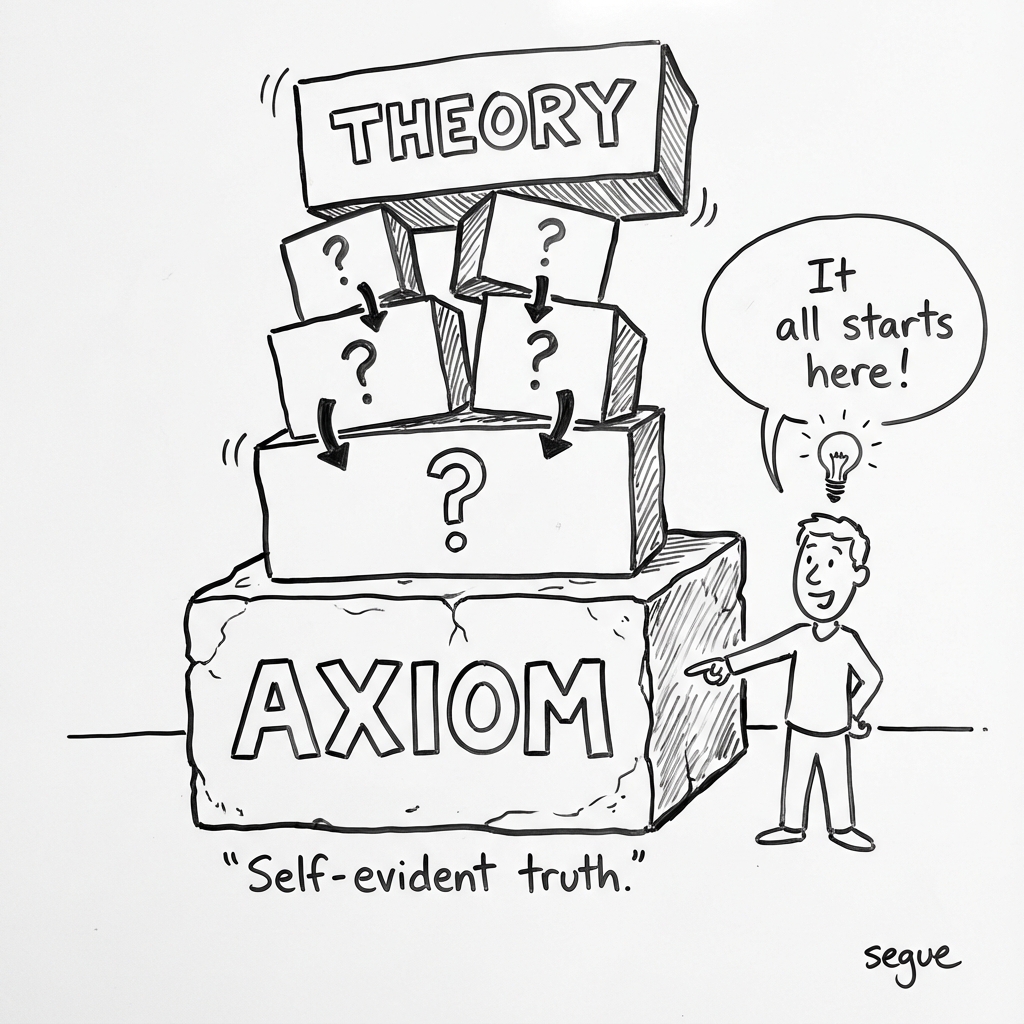
axiom
/ˈæksiəm/a statement accepted as true without proof, serving as a starting point for reasoning
“Euclid's fifth axiom about parallel lines sparked centuries of mathematical inquiry.”
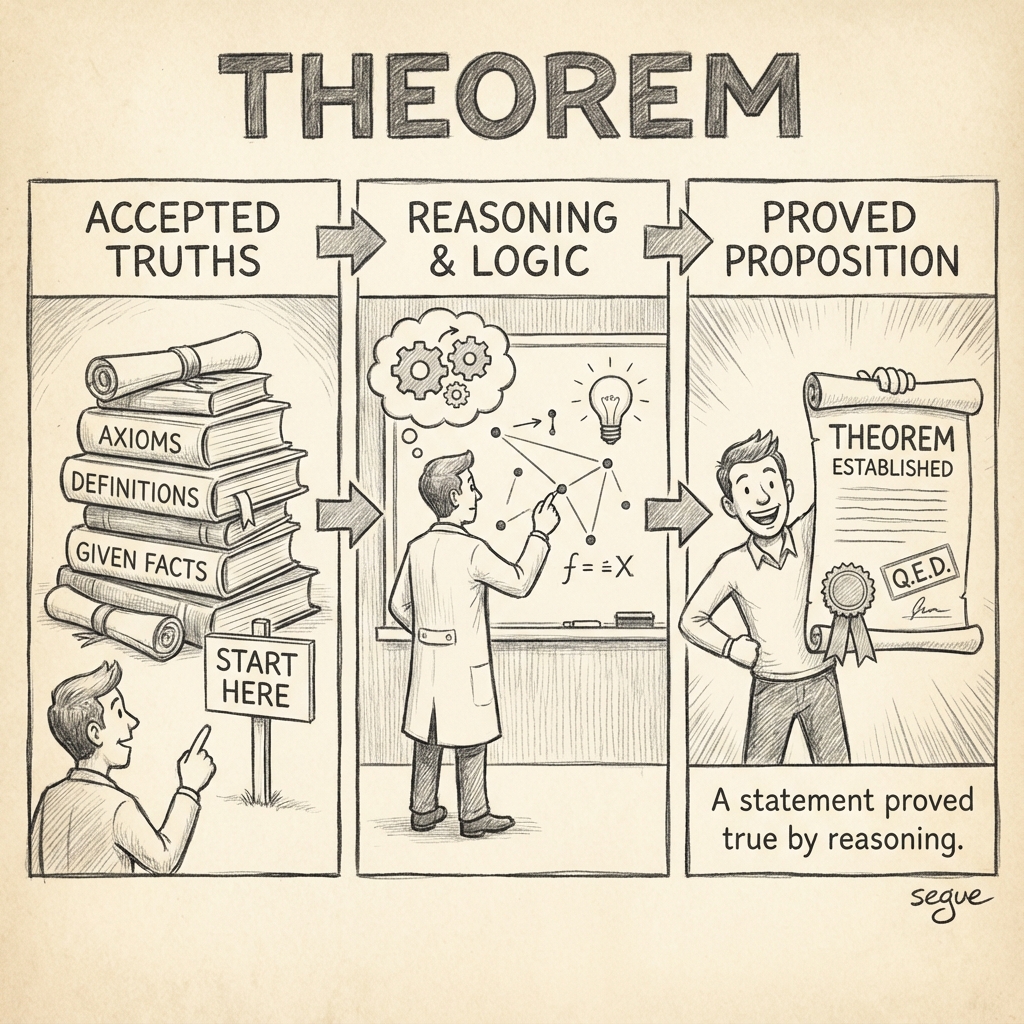
theorem
/ˈθɪɹəm/a statement that has been proven true based on axioms and other theorems
“The Pythagorean theorem relates the sides of a right triangle.”
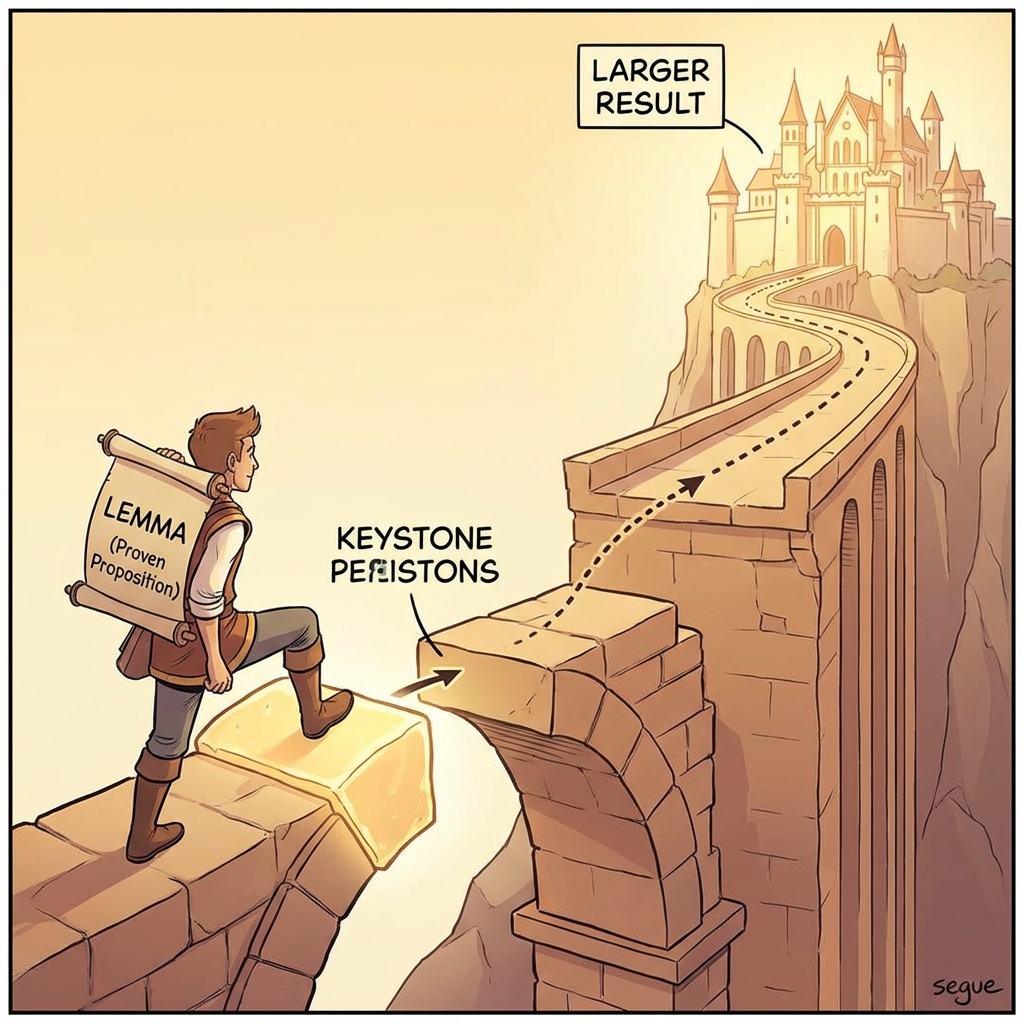
lemma
/ˈɫɛmə/a proven proposition used as a stepping stone to a larger result
“The proof relied on a clever lemma about prime factorization.”
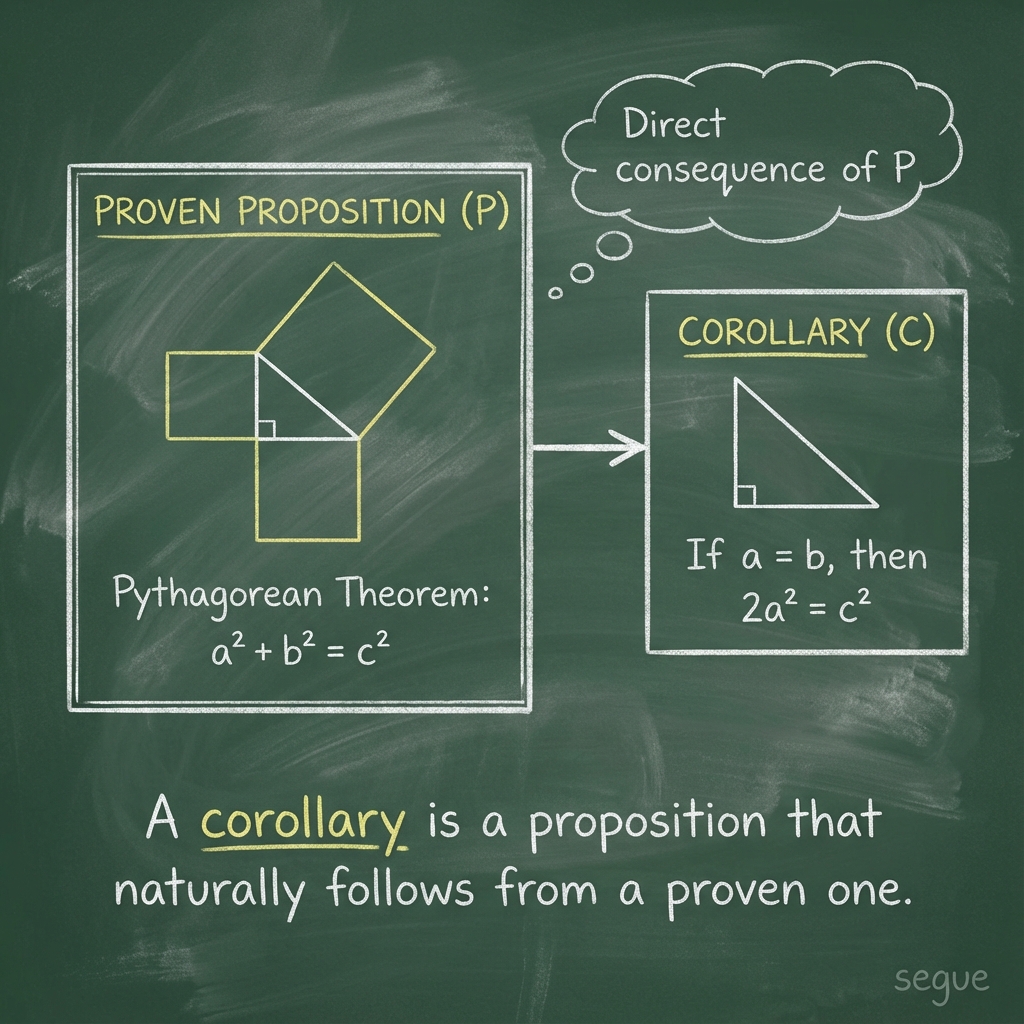
corollary
/ˈkɔɹəˌɫɛɹi/a proposition that follows directly from a proven theorem
“As a corollary, all equilateral triangles are also equiangular.”
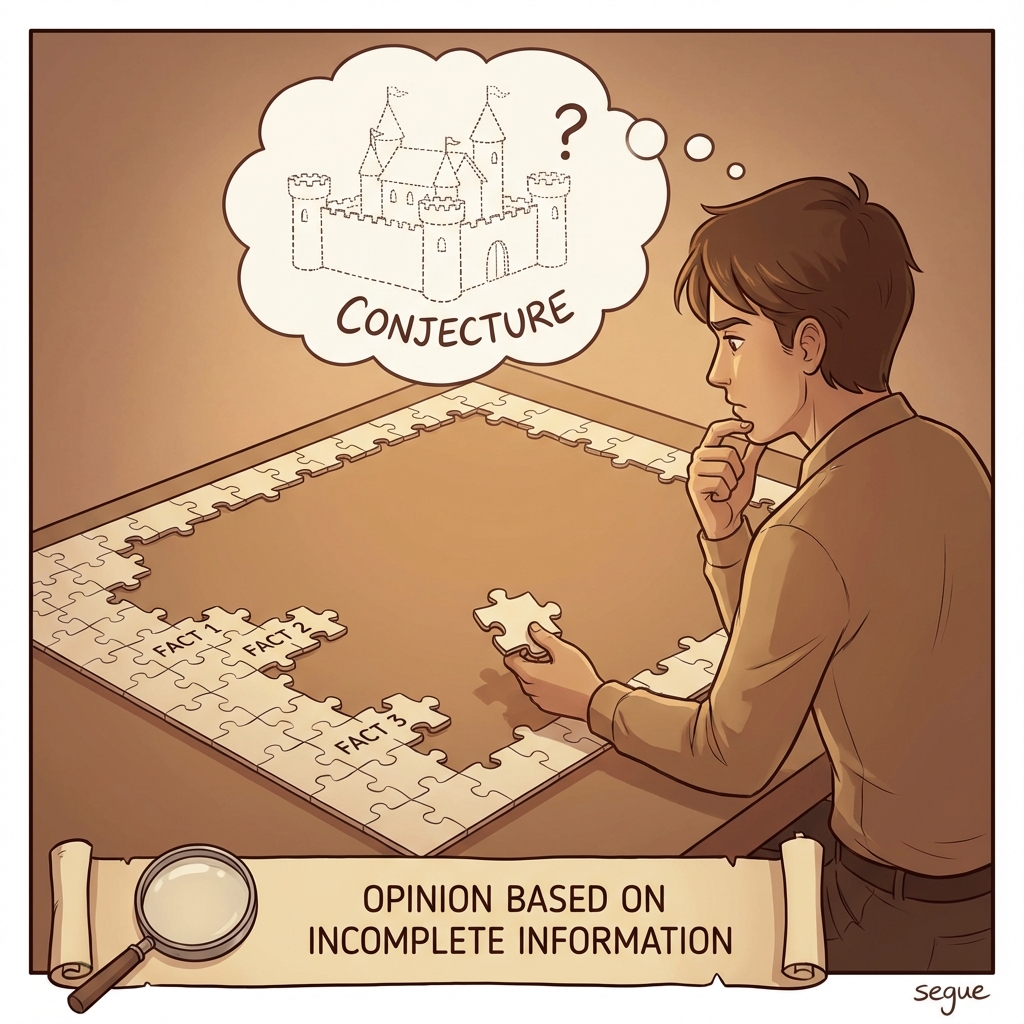
conjecture
/kənˈdʒɛkʃɝ/a proposition believed to be true but not yet proven
“The Riemann conjecture remains one of mathematics' greatest unsolved problems.”
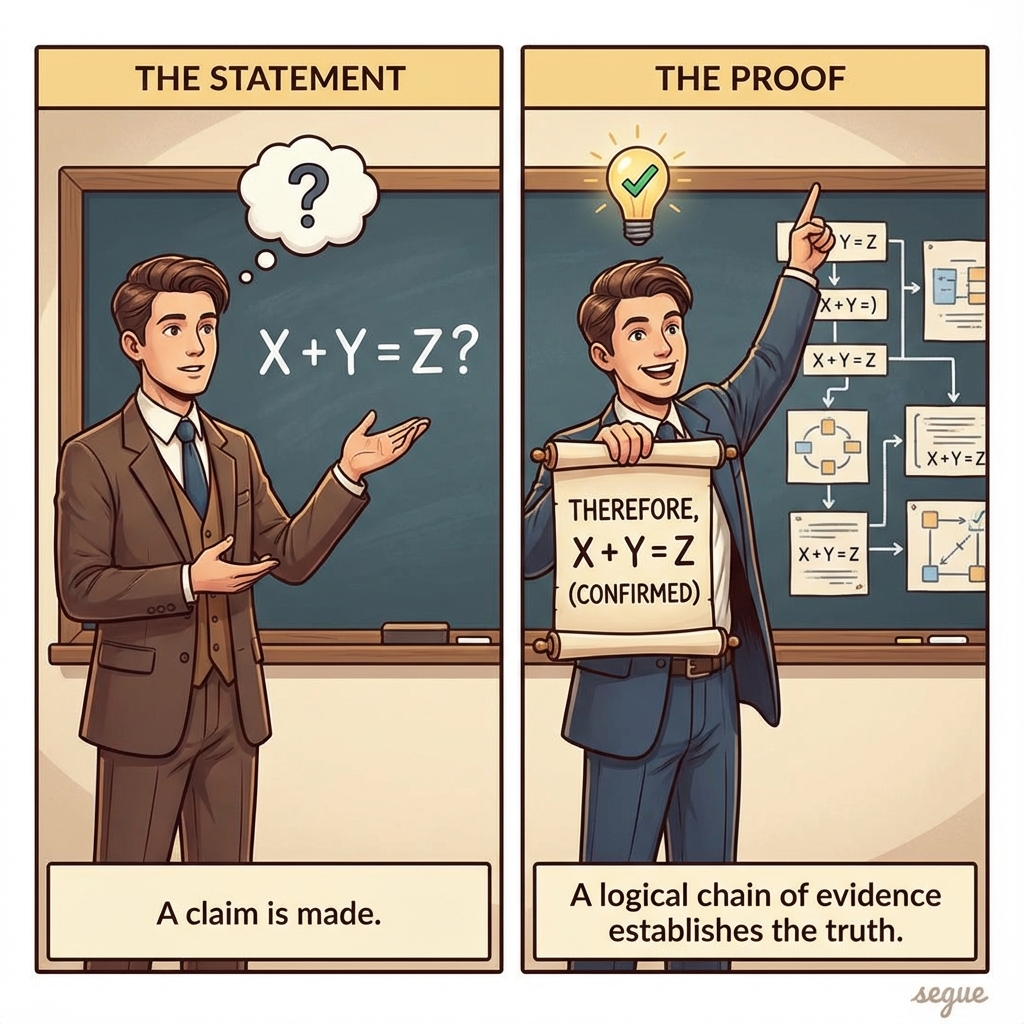
proof
/ˈpɹuf/a logical argument establishing the truth of a statement
“Her elegant proof reduced the problem to a simple contradiction.”
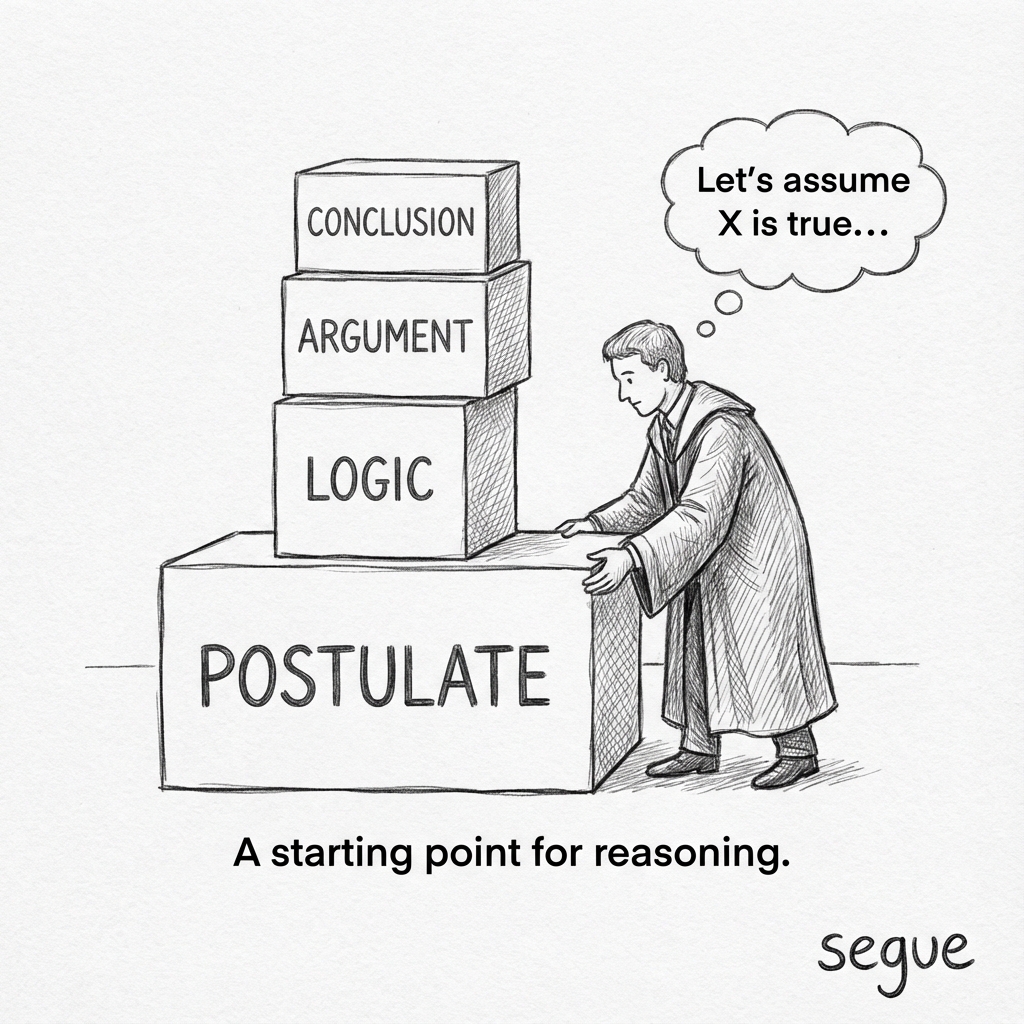
postulate
/ˈpɑstʃəˌɫeɪt/a statement assumed true as a basis for reasoning
“Einstein's postulate that light speed is constant revolutionized physics.”

hypothesis
/haɪˈpɑθəsəs/a proposed explanation or assumption to be tested
“The null hypothesis assumes no significant difference between groups.”
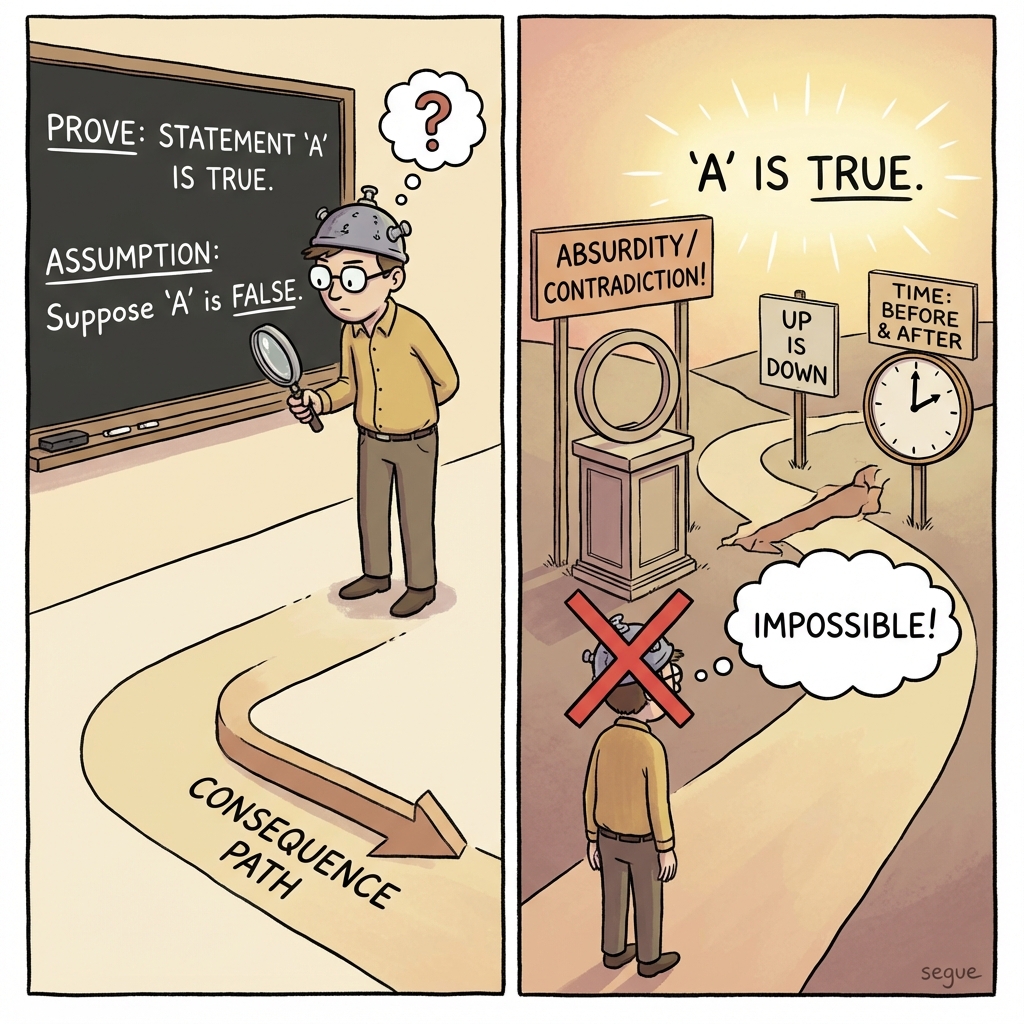
proof by contradiction
/ˌpruːf baɪ ˌkɒntrəˈdɪkʃən/proving a statement by showing its negation leads to an impossibility
“The irrationality of √2 is elegantly shown by proof by contradiction.”
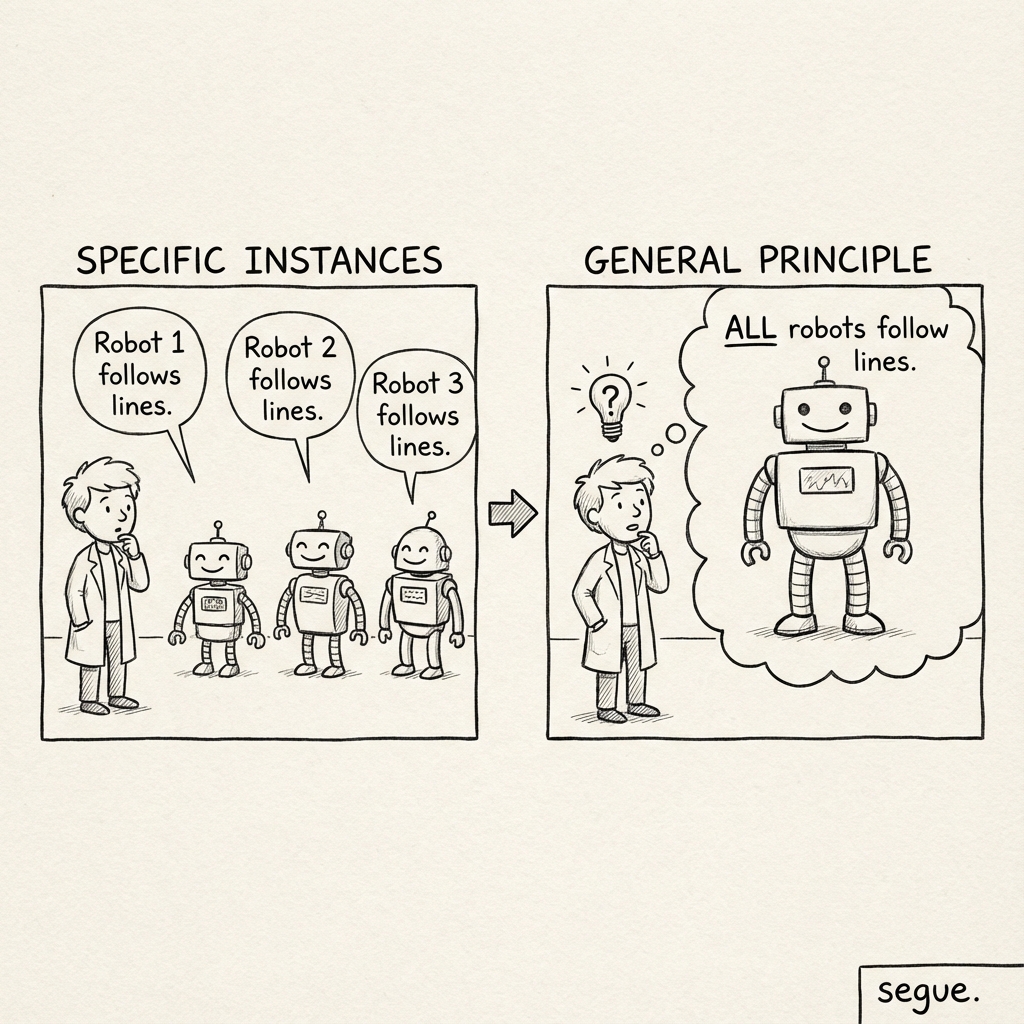
induction
/ˌɪnˈdəkʃən/proving a statement for all natural numbers by establishing a base case and inductive step
“Mathematical induction proves the formula holds for every positive integer.”
More from Mathematics & Logic
Explore other vocabulary categories in this collection.