Loading collection...
📈
Calculus & Analysis Vocabulary
Concepts of change, limits, and continuous mathematics
10 words
All 10 Words
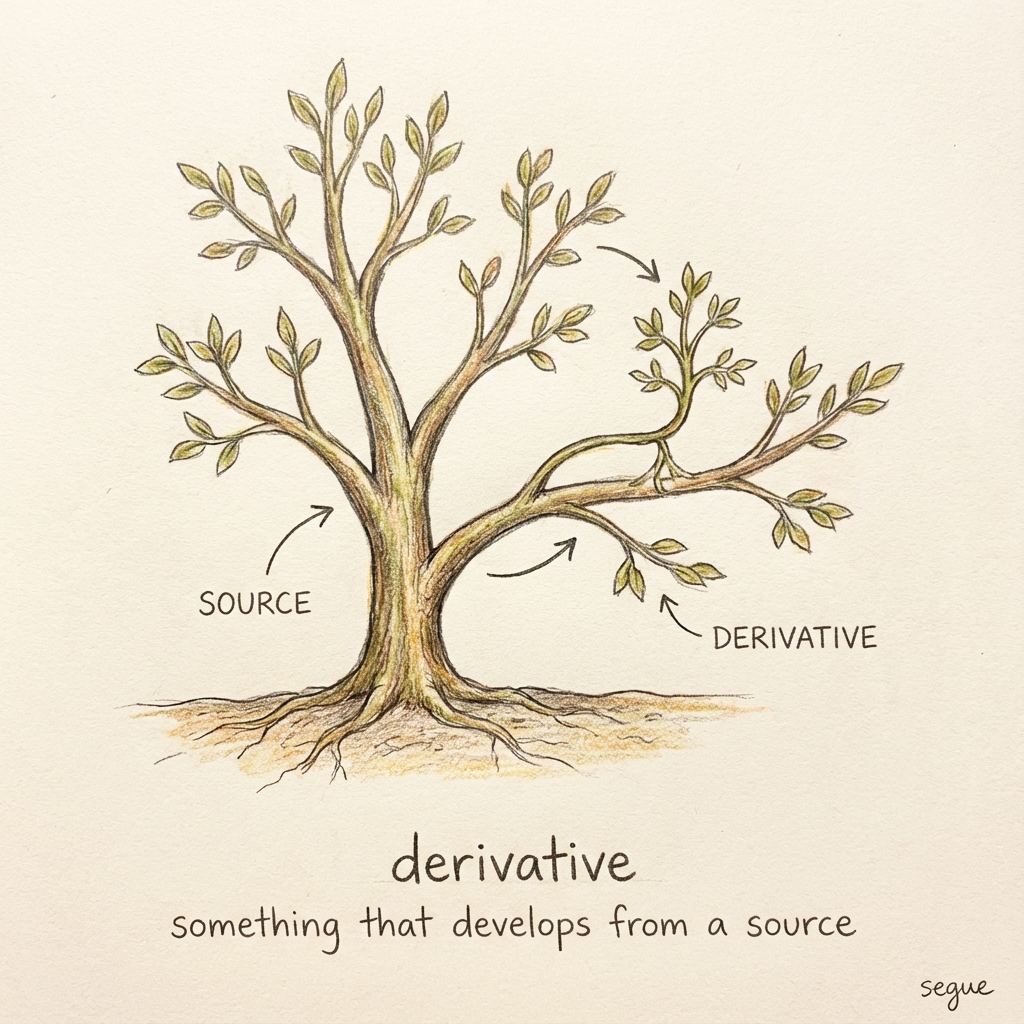
derivative
/dɝˈɪvətɪv/the instantaneous rate of change of a function
“The derivative of position with respect to time is velocity.”
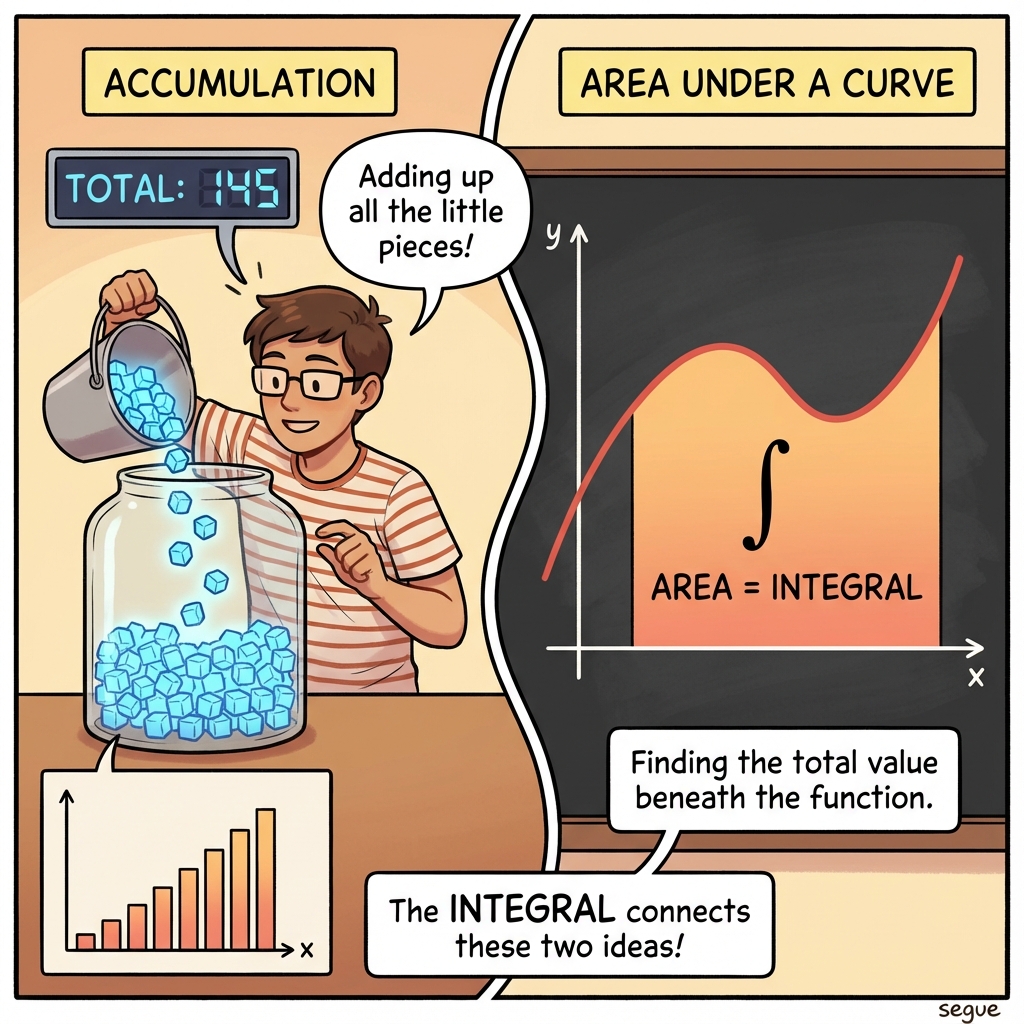
integral
/ˈɪnəɡɹəɫ/the accumulation of quantities, or the area under a curve
“The integral of velocity over time gives displacement.”
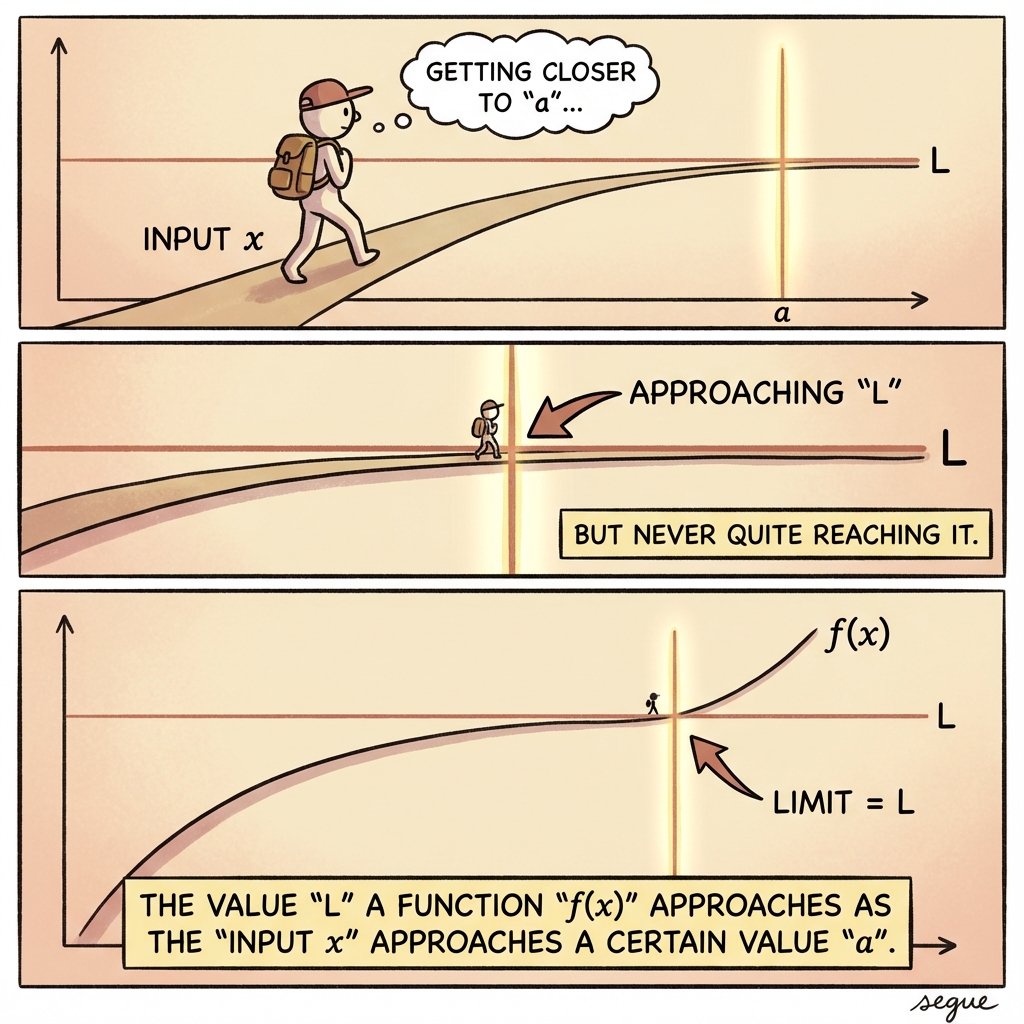
limit
/ˈɫɪmət/the value a function approaches as the input approaches some value
“The limit of 1/x as x approaches infinity is zero.”
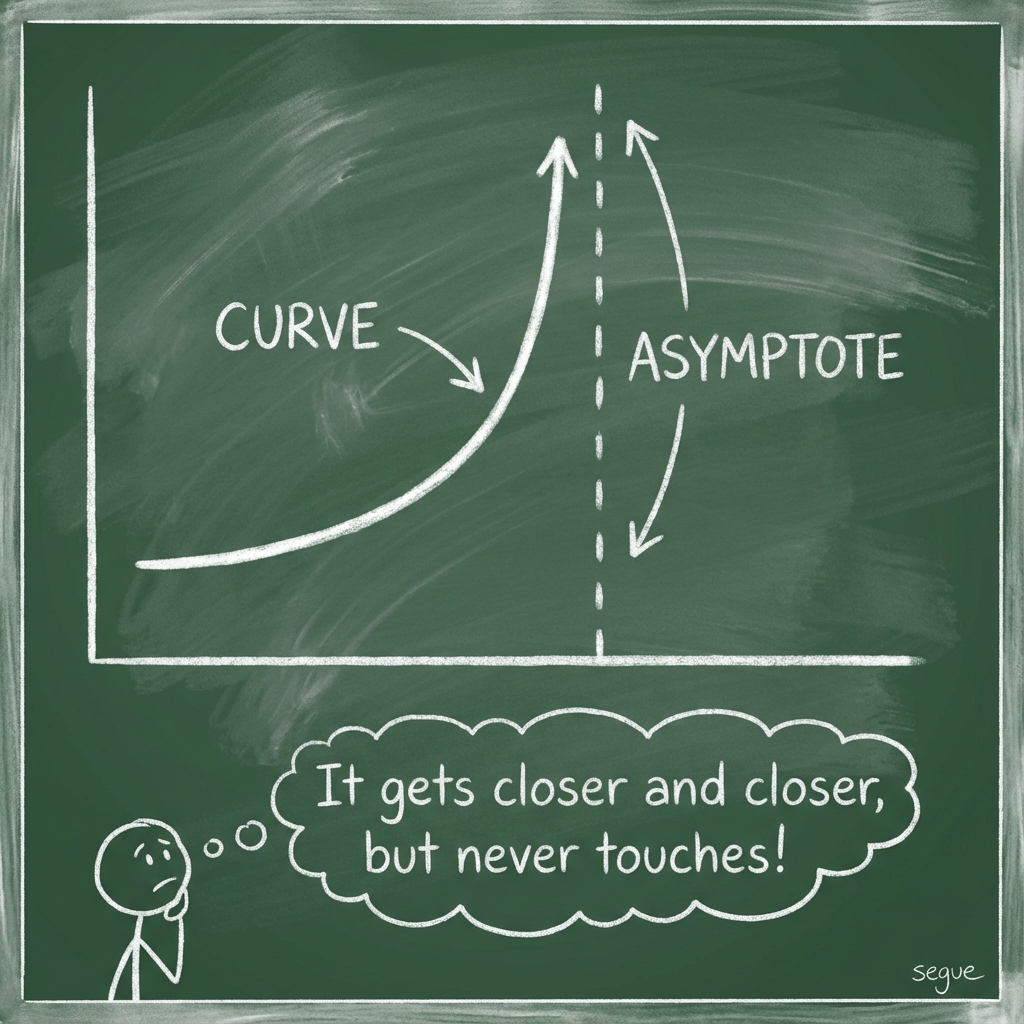
asymptote
/ˈæsəmˌtoʊt/a line that a curve approaches but never touches
“The function has a horizontal asymptote at y = 0.”
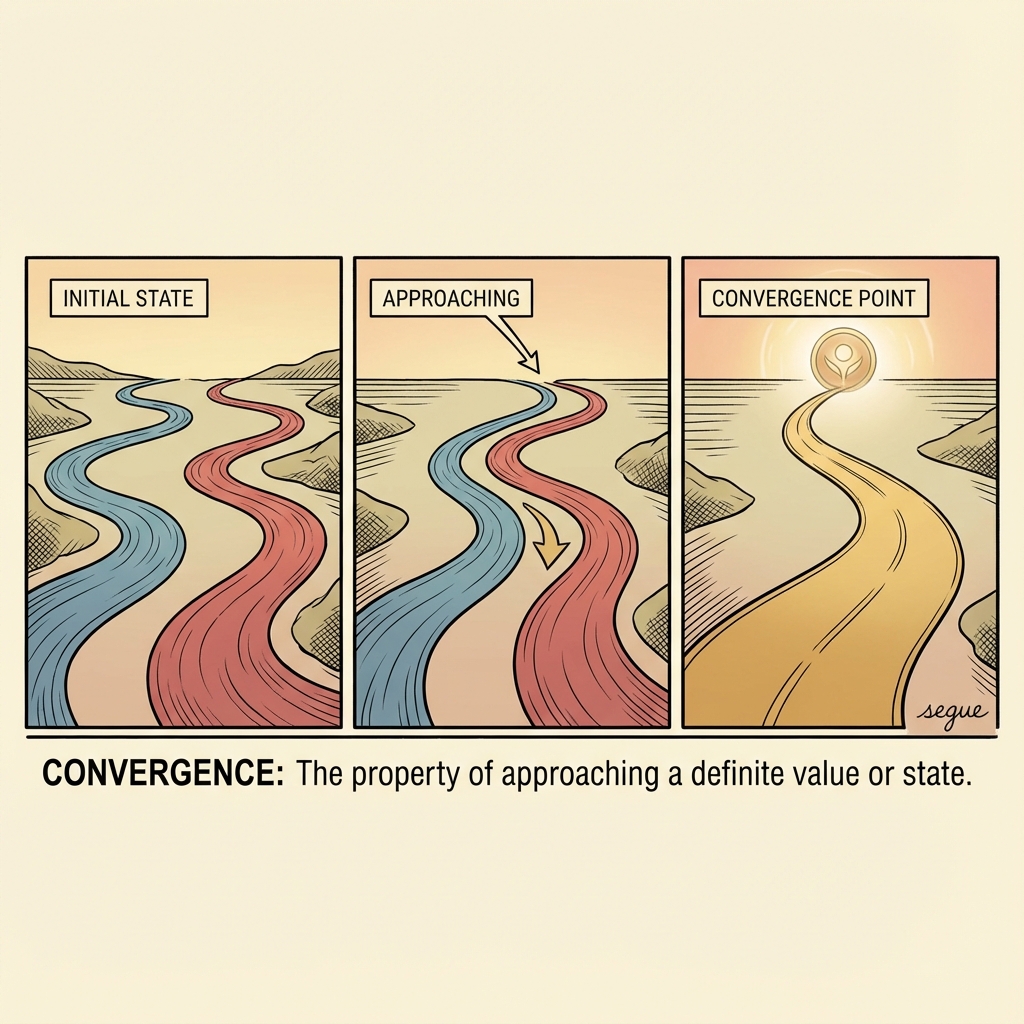
convergence
/kənˈvɝdʒəns/the property of approaching a definite value or state
“The series 1 + 1/2 + 1/4 + ... converges to 2.”
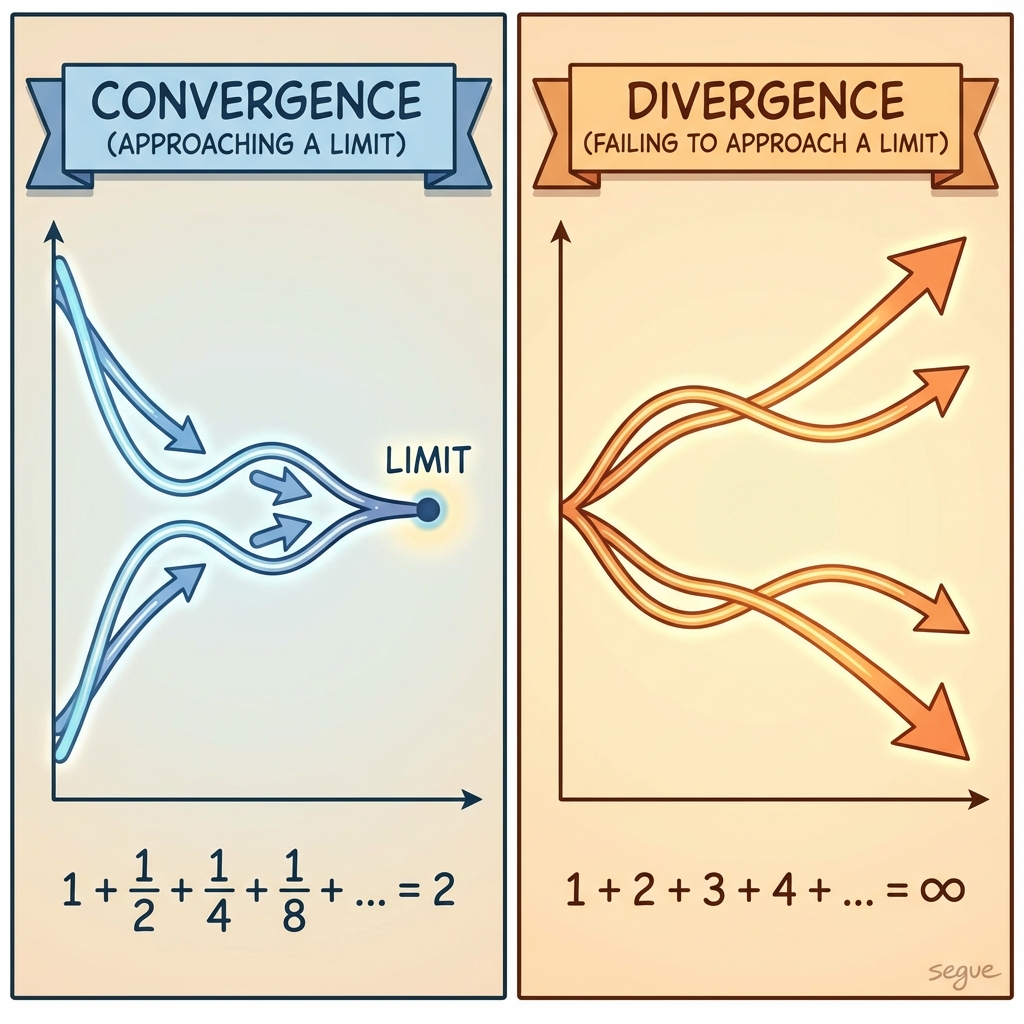
divergence
/daɪˈvɝdʒəns/the property of failing to approach any finite limit
“The harmonic series diverges to infinity.”
continuous
/kənˈtɪnjuəs/having no breaks, jumps, or discontinuities
“A continuous function can be drawn without lifting the pen.”
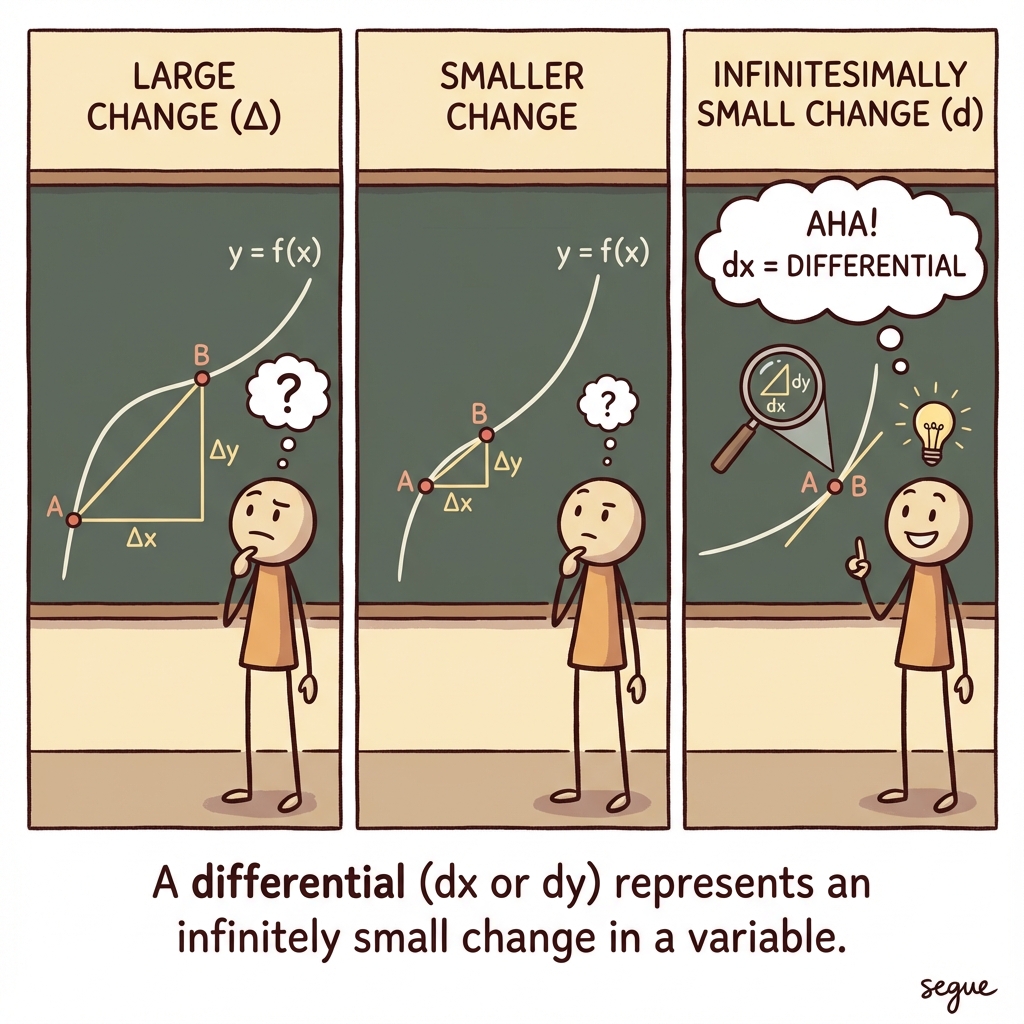
differential
/ˌdɪfɝˈɛnʃəɫ/an infinitesimally small change in a variable
“The differential dx represents an infinitesimal change in x.”
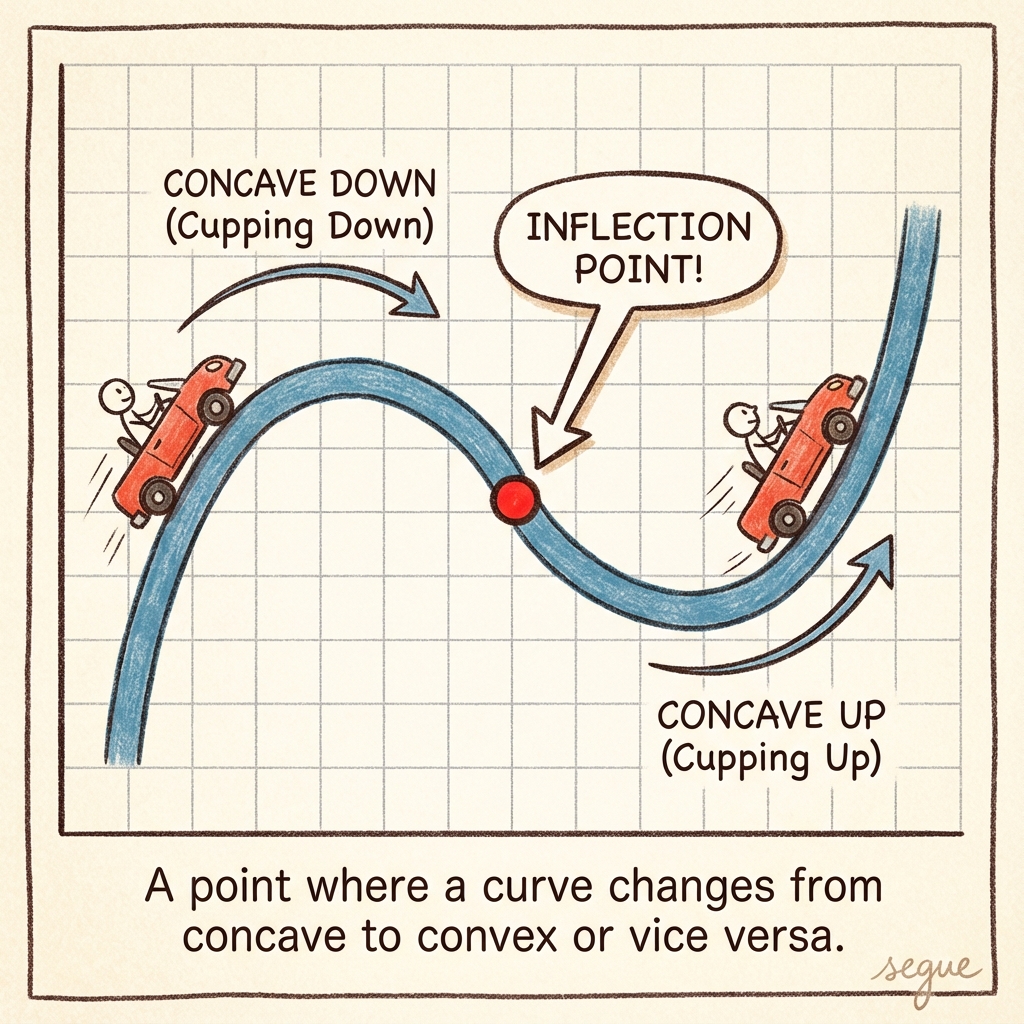
inflection point
/ɪnˈflekʃən ˌpɔɪnt/a point where a curve changes from concave to convex or vice versa
“At the inflection point, the second derivative equals zero.”
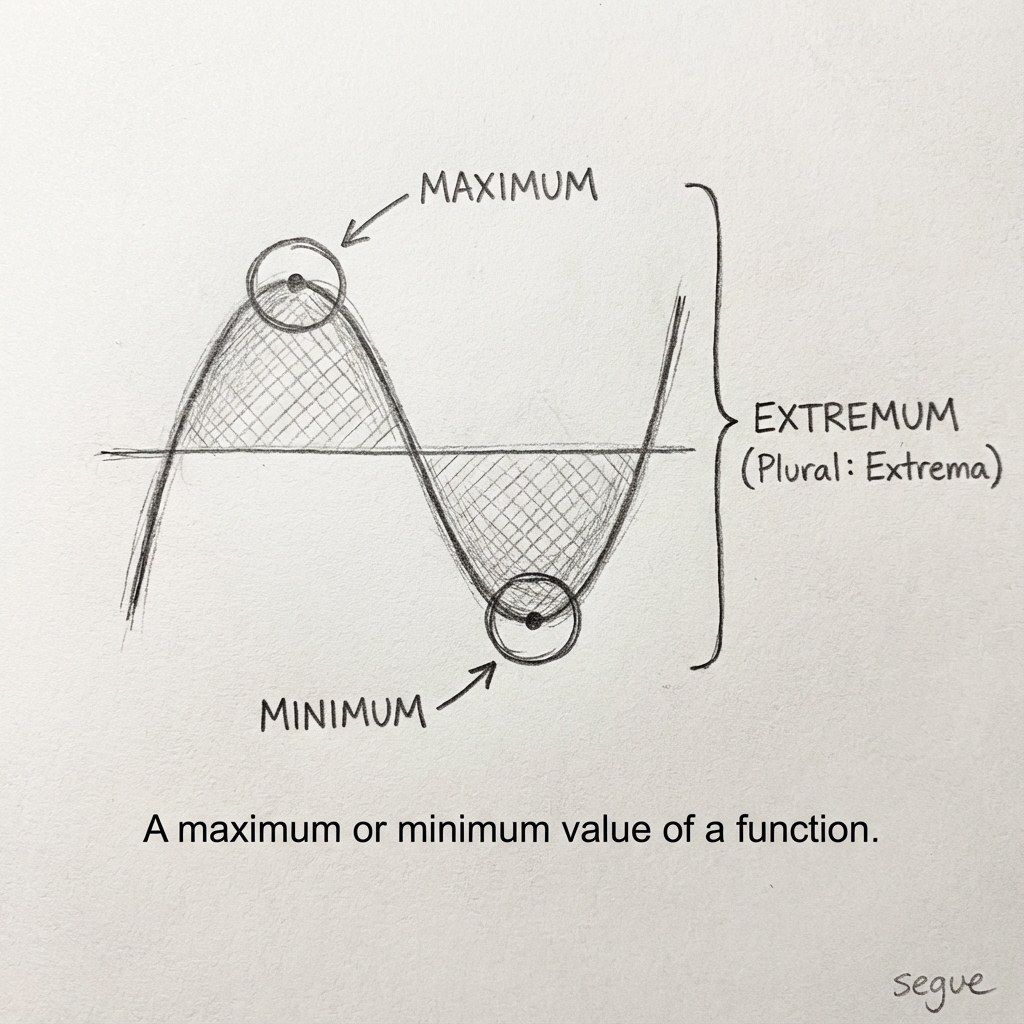
extremum
/ɪkˈstriːməm/a maximum or minimum value of a function
“Finding extrema is essential in optimization problems.”
More from Mathematics & Logic
Explore other vocabulary categories in this collection.