Loading collection...
📐
Geometry & Topology Vocabulary
Shapes, spaces, and their properties
10 words
All 10 Words
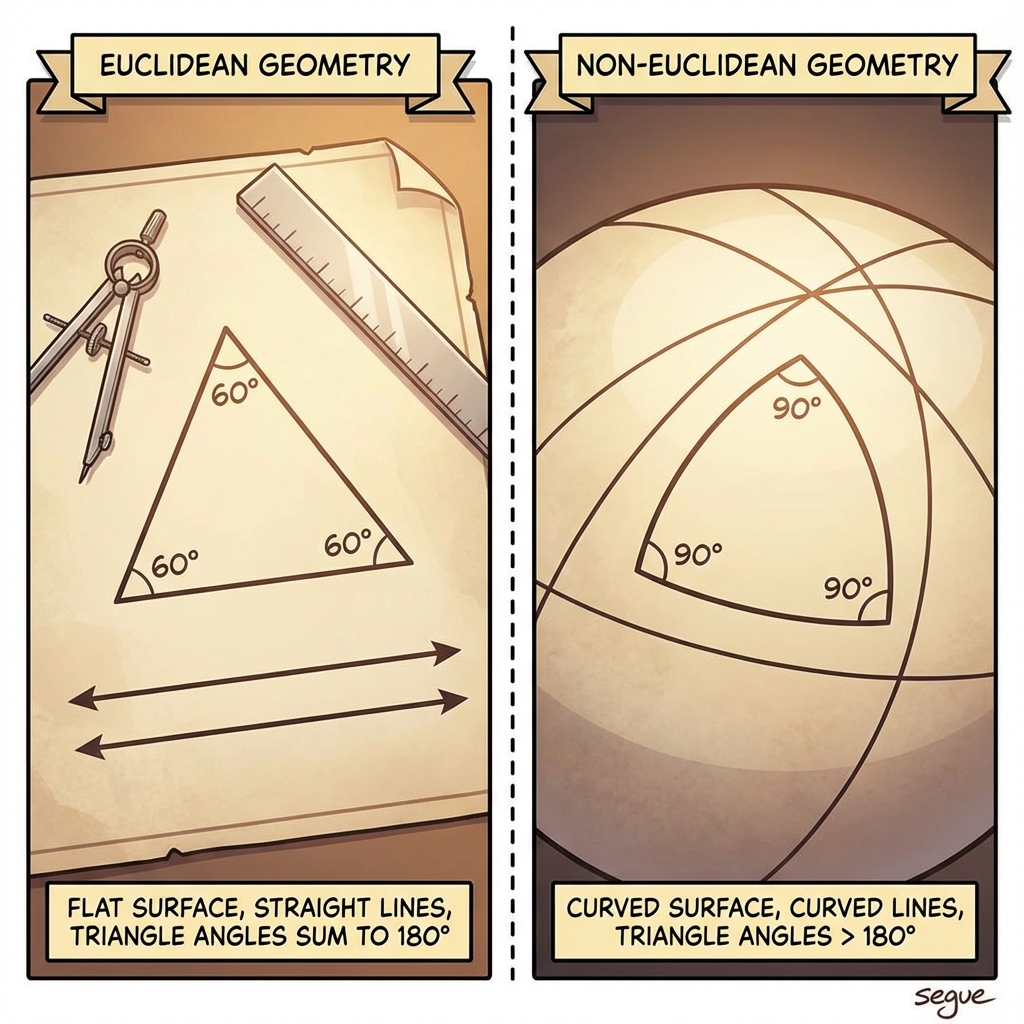
euclidean
/juːˈklɪdiən/relating to ordinary flat geometry based on Euclid's axioms
“In Euclidean space, the angles of a triangle sum to 180 degrees.”
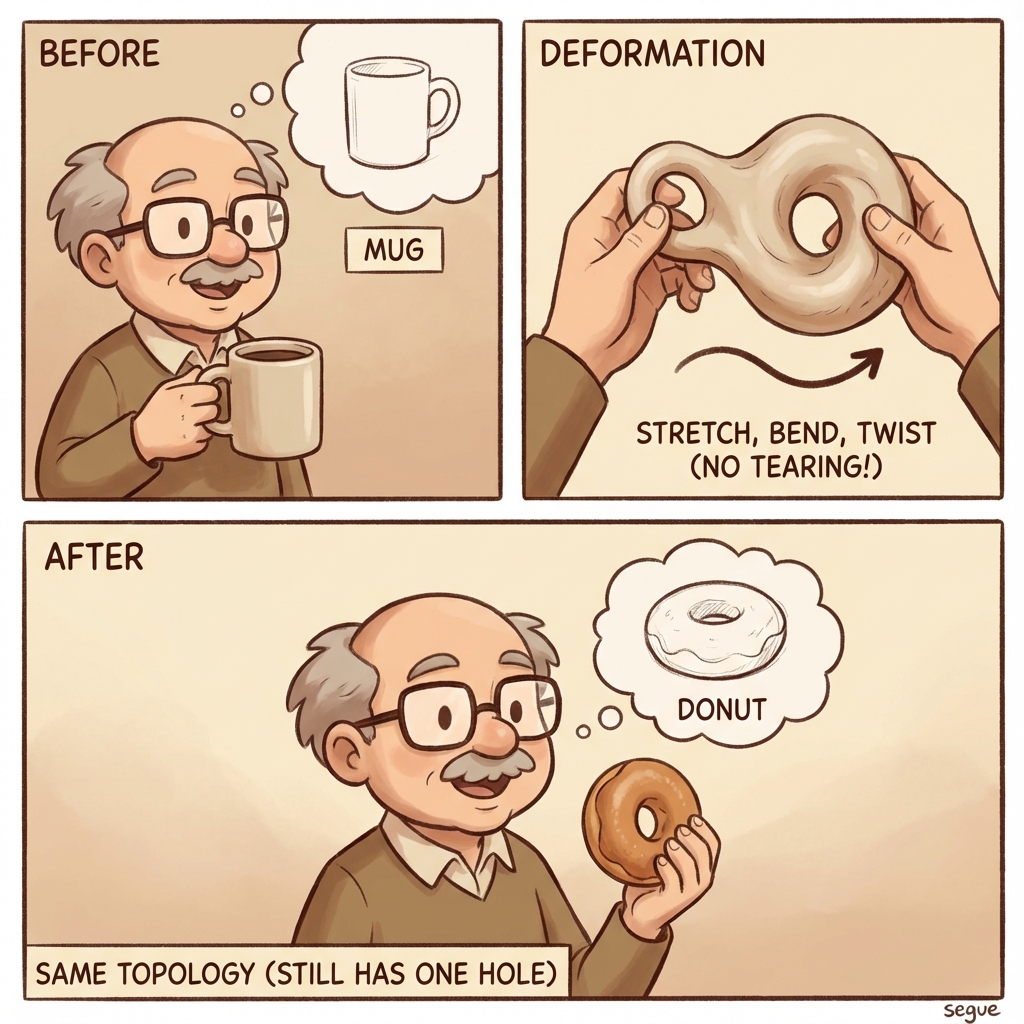
topology
/təˈpɔɫədʒi/the study of properties preserved under continuous deformation
“Topologically, a coffee mug and a donut are equivalent.”
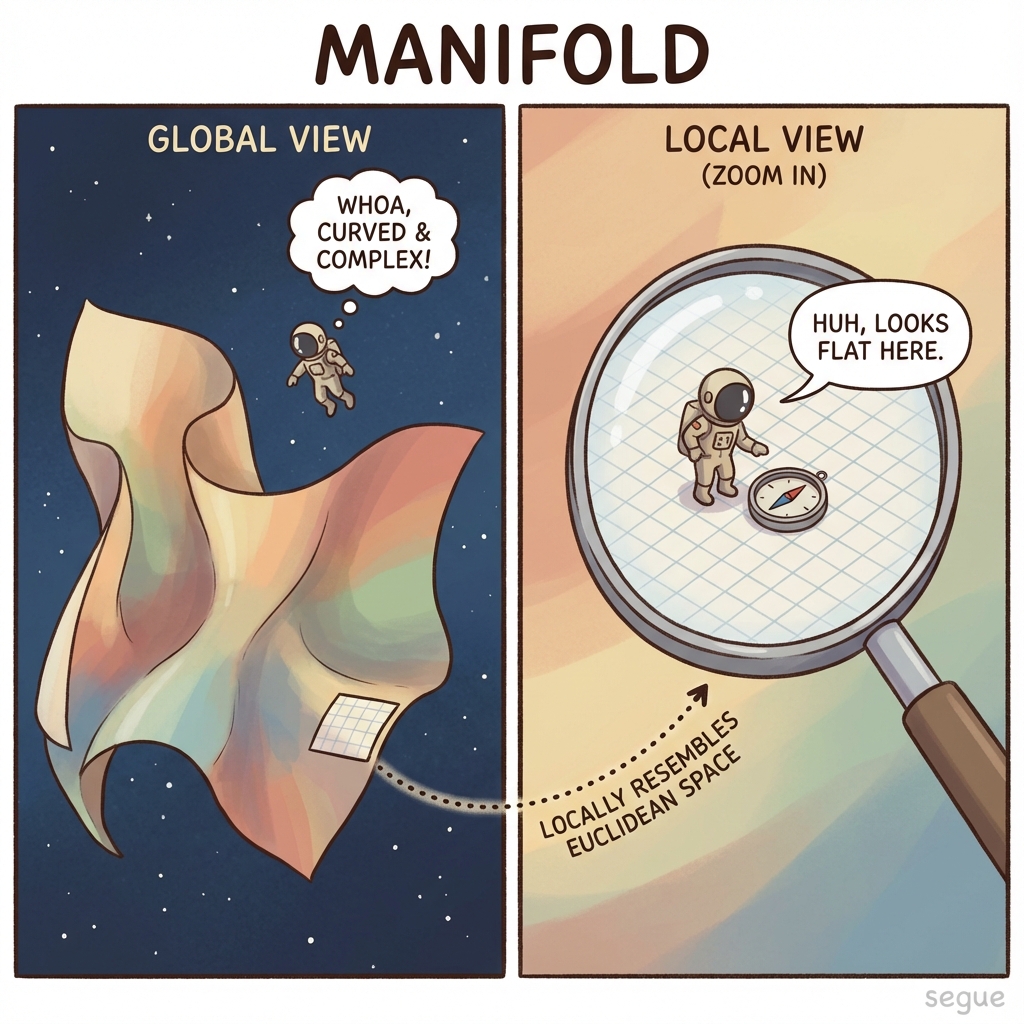
manifold
/ˈmænəˌfoʊɫd/a space that locally resembles Euclidean space
“The surface of a sphere is a two-dimensional manifold.”
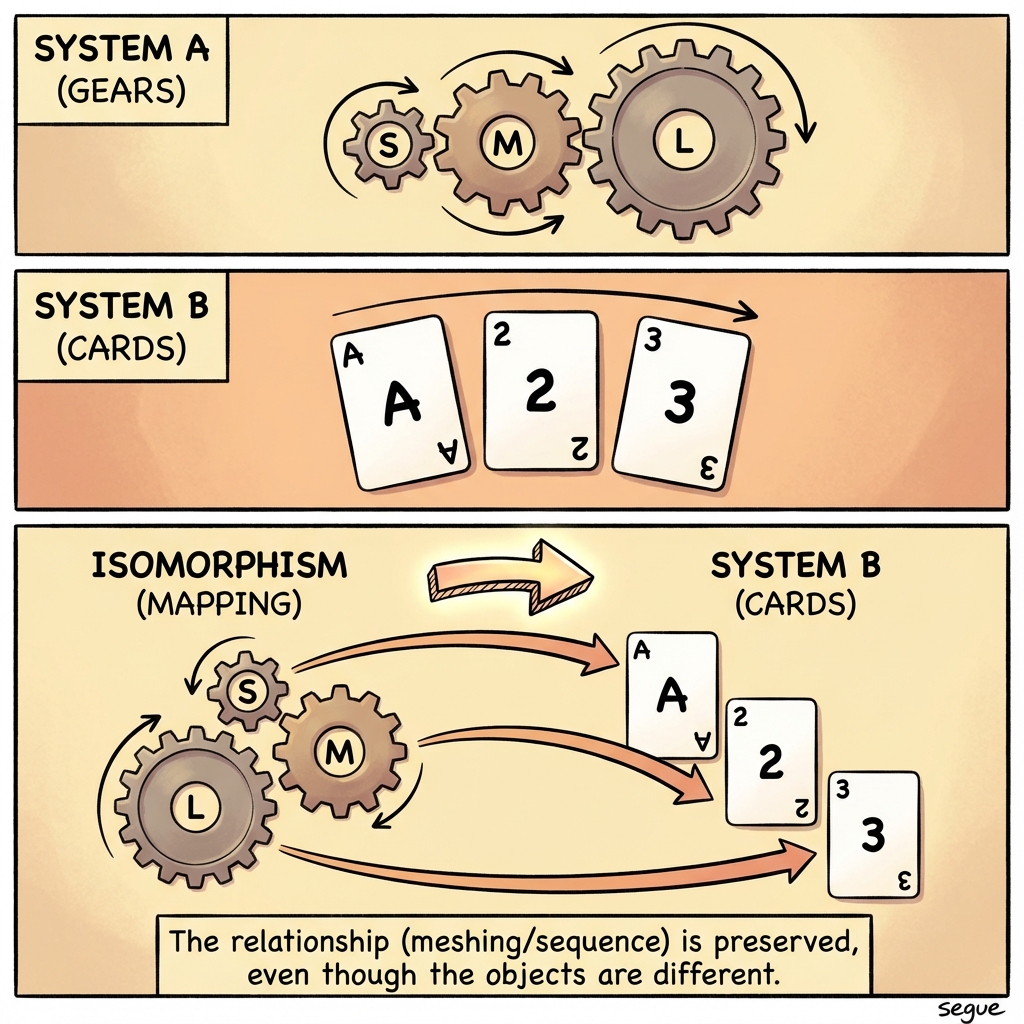
isomorphism
/ˌaɪsəˈmɔɹfɪzəm/a structure-preserving mapping between two mathematical objects
“The groups are isomorphic if there exists a bijective homomorphism between them.”
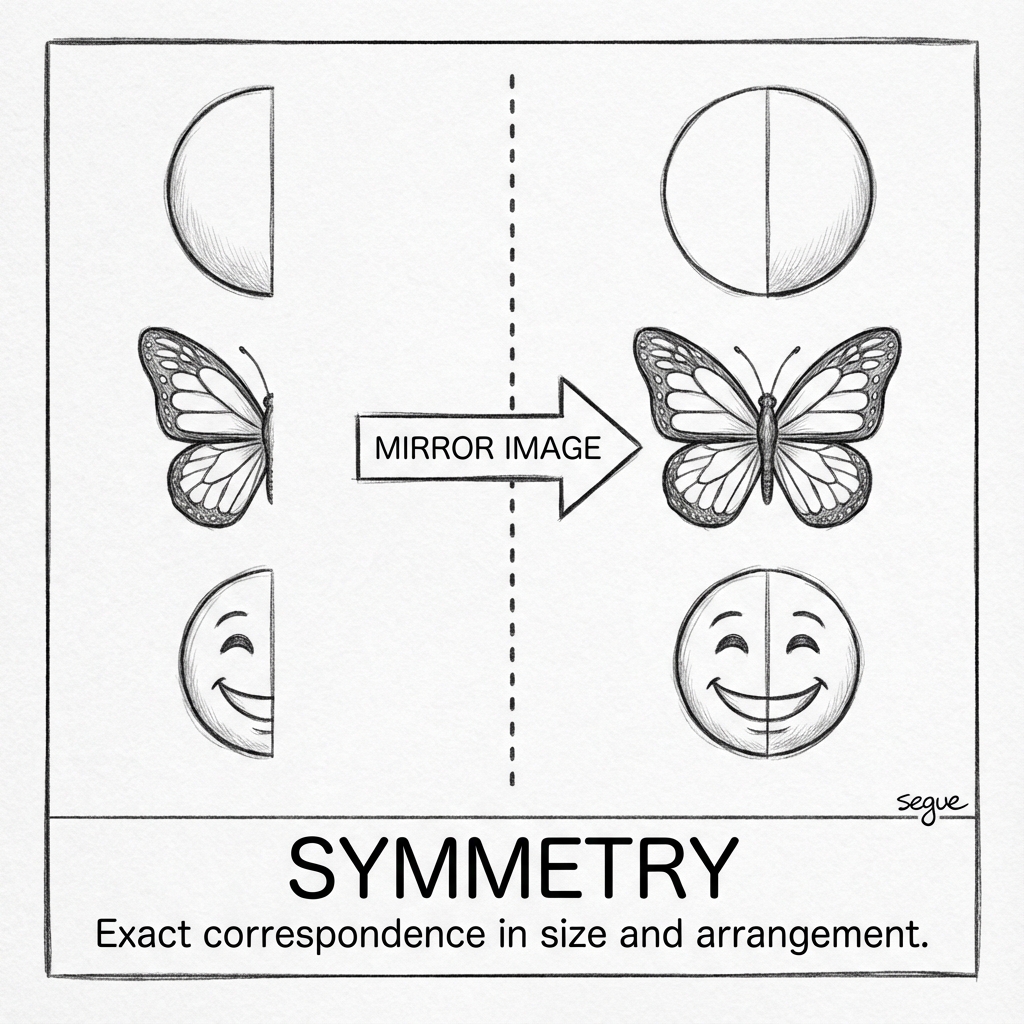
symmetry
/ˈsɪmətɹi/invariance under a transformation
“A circle has infinite rotational symmetry.”
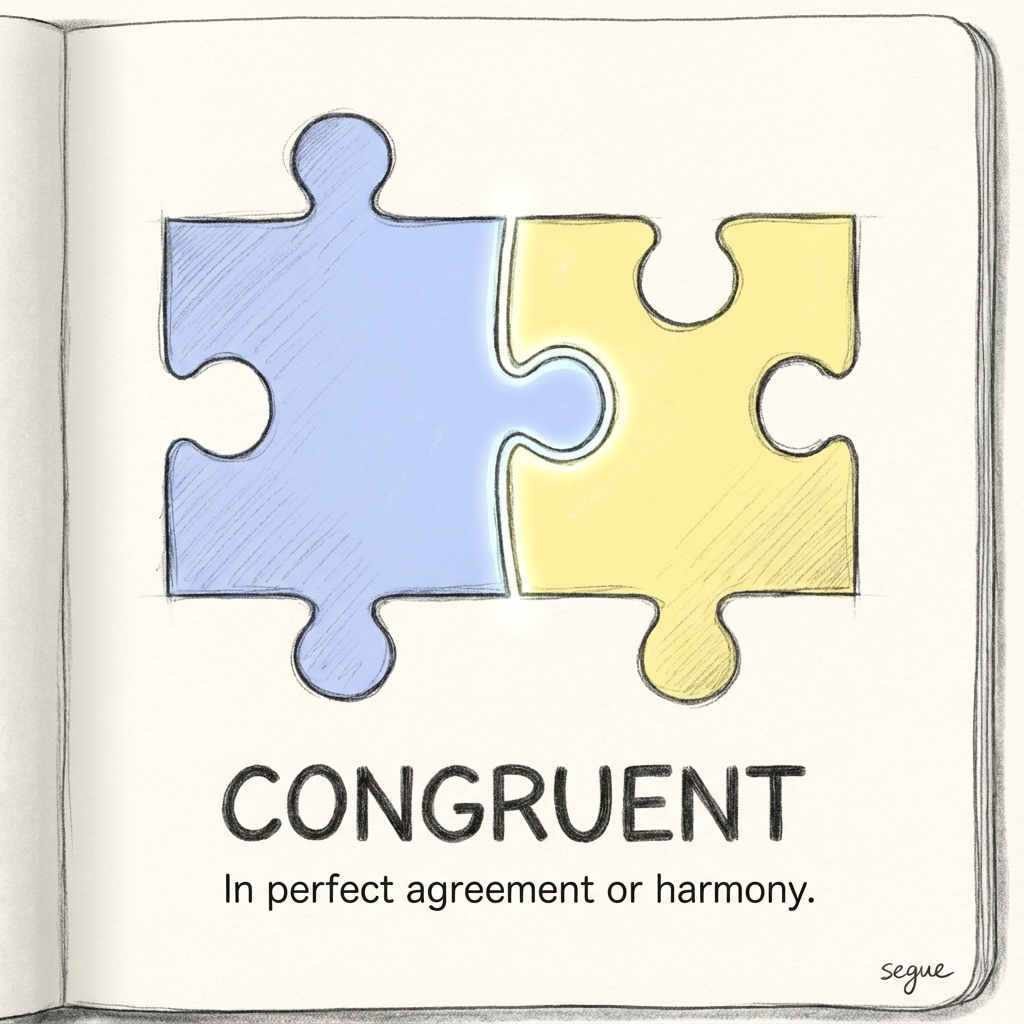
congruent
/ˈkɔnɡɹuˌɛnt/having exactly the same size and shape
“Two triangles are congruent if all corresponding sides and angles are equal.”
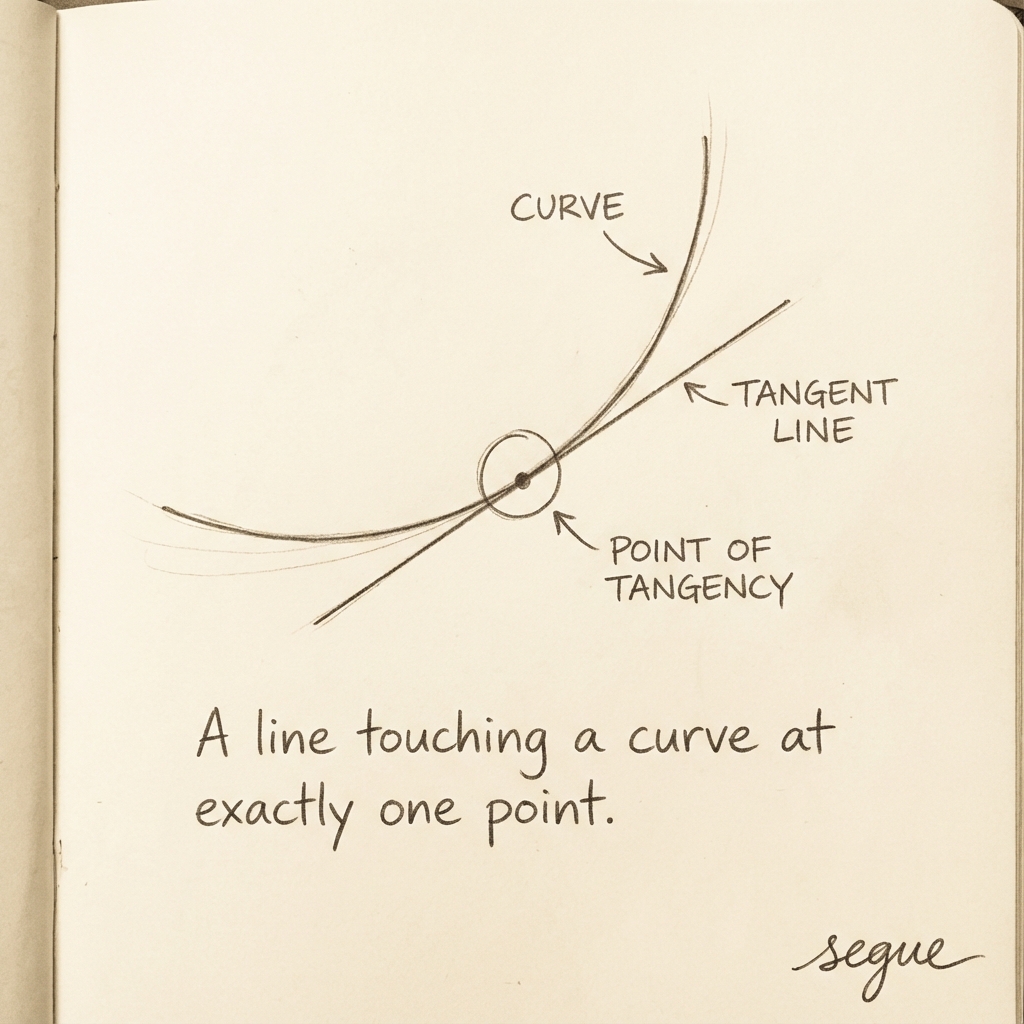
tangent
/ˈtændʒənt/touching a curve at exactly one point
“The tangent line represents the instantaneous slope of the curve.”
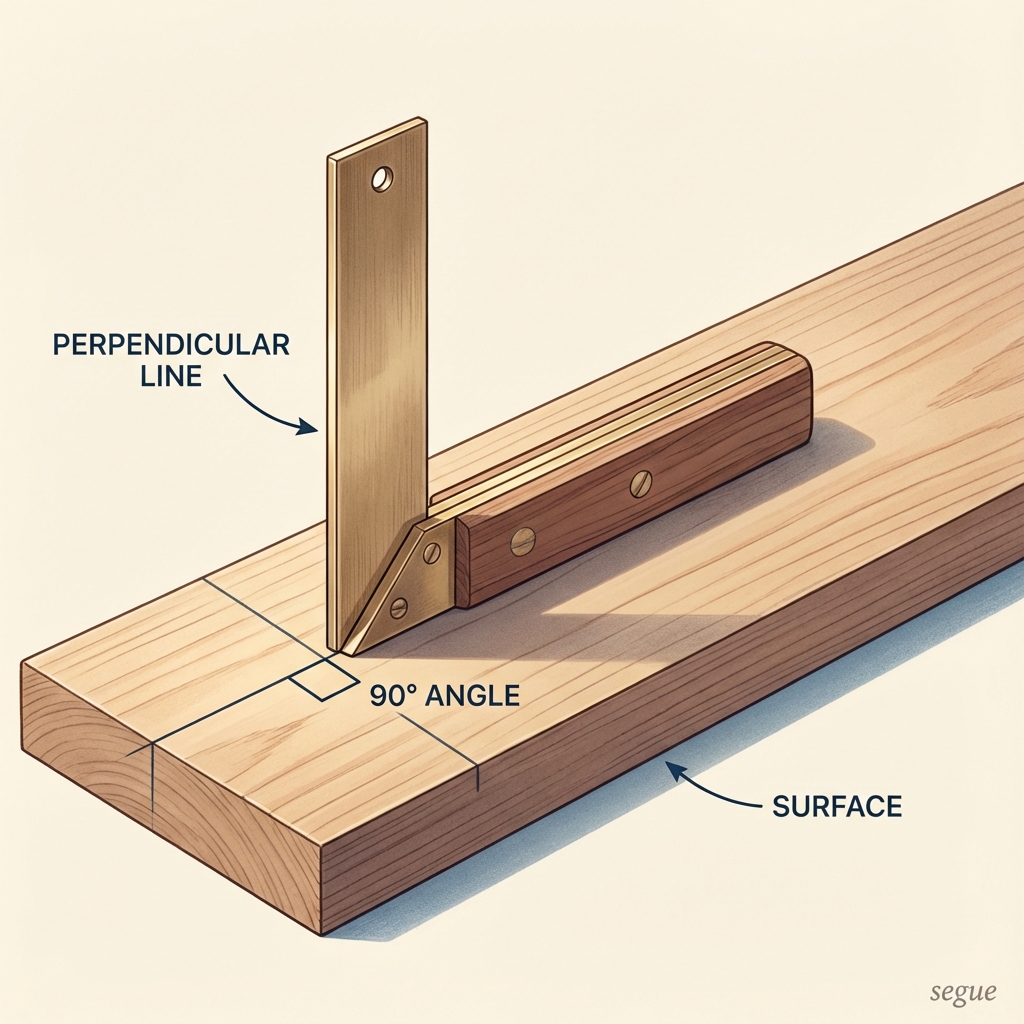
perpendicular
/ˌpɝpənˈdɪkjəɫɝ/at right angles to a line or surface
“The walls are perpendicular to the floor.”
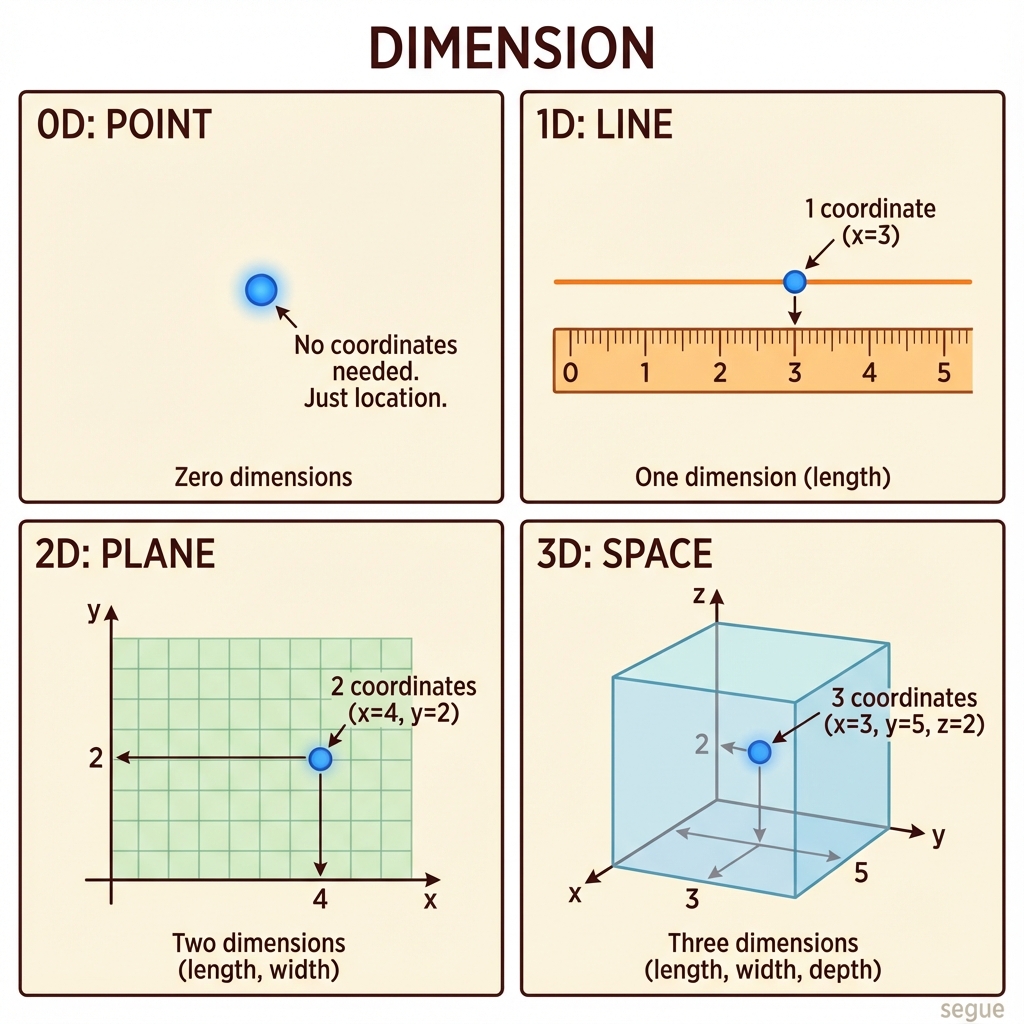
dimension
/dɪˈmɛnʃən/the number of independent coordinates needed to specify a point
“We live in three spatial dimensions.”
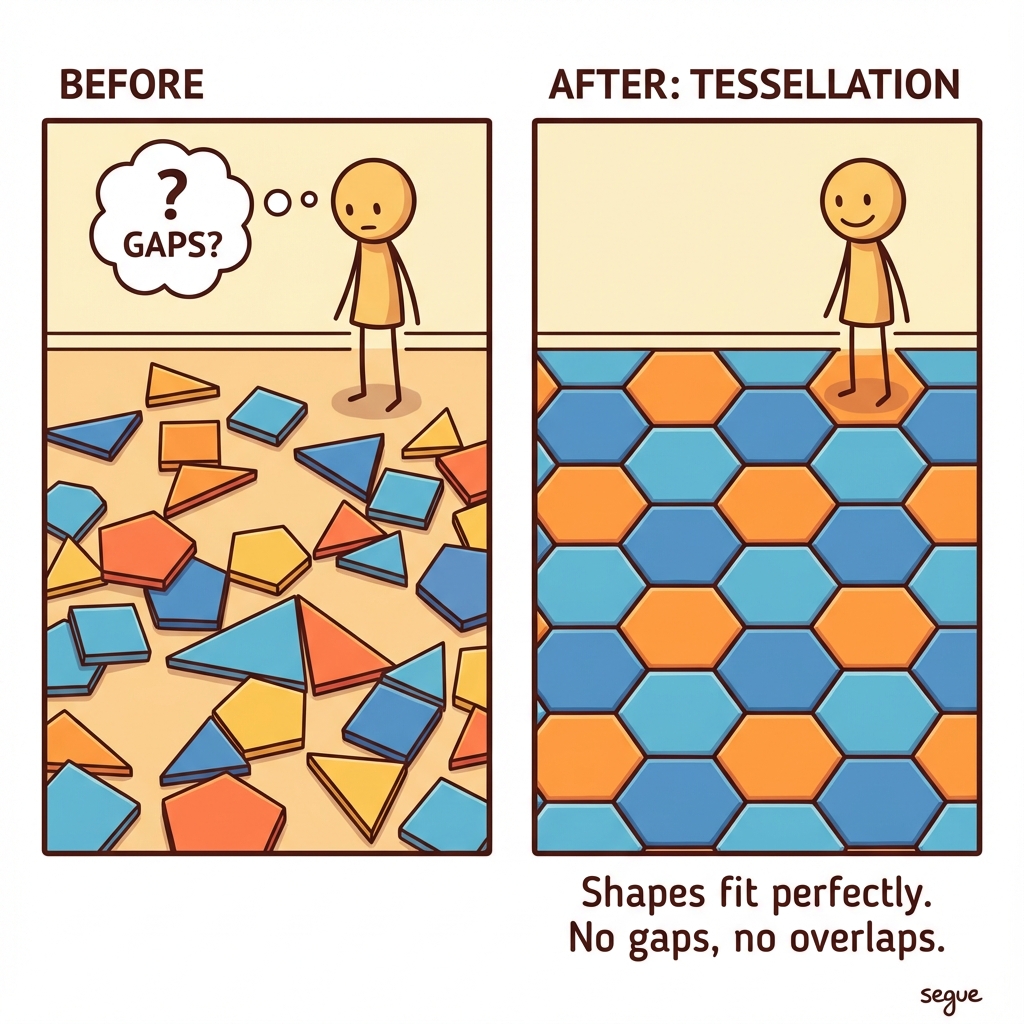
tessellation
/ˌtesəˈleɪʃən/a pattern of shapes that fit together without gaps or overlaps
“Hexagons form a natural tessellation in honeycombs.”
More from Mathematics & Logic
Explore other vocabulary categories in this collection.