Loading collection...
📚
Literary Devices & Terms Vocabulary
Essential vocabulary for literary analysis
10 words
All 10 Words
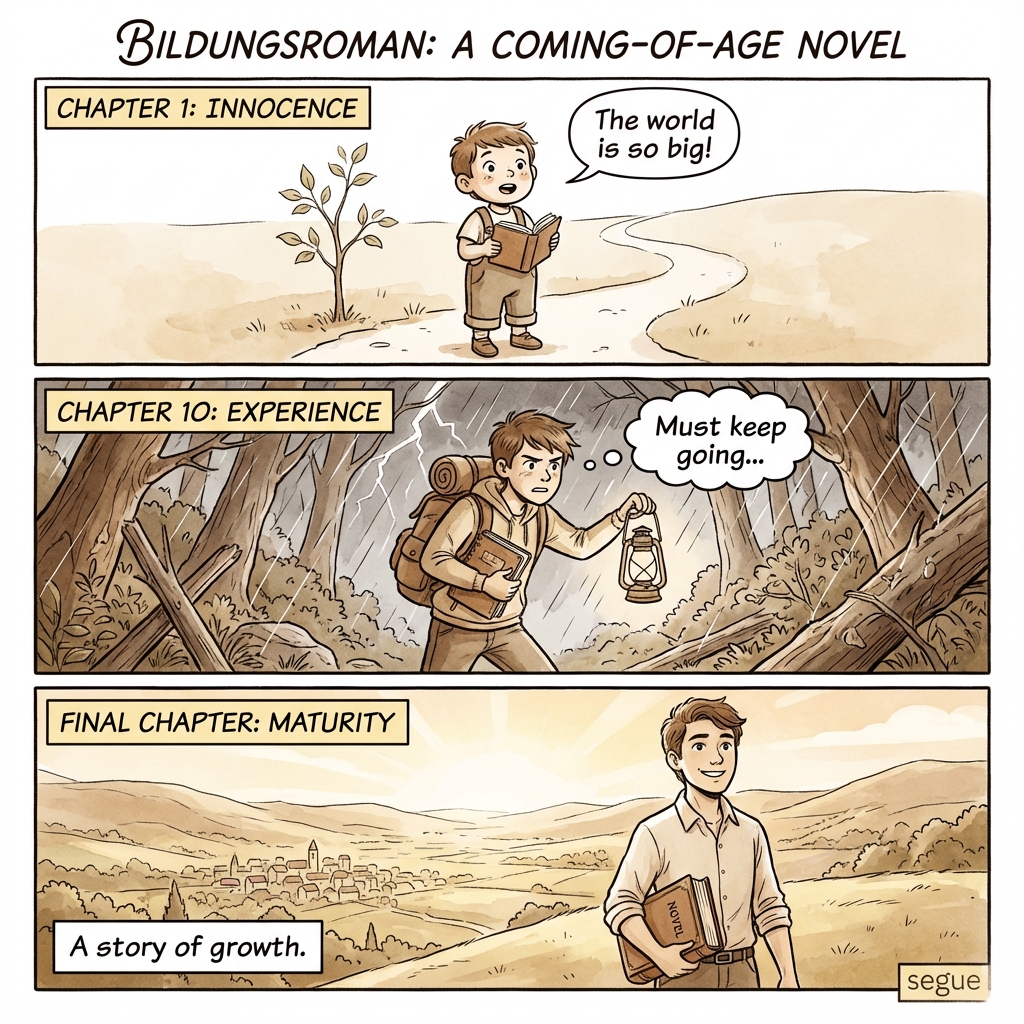
bildungsroman
/ˈbɪldʊŋzroʊˌmɑːn/a coming-of-age novel
“The Catcher in the Rye is a classic bildungsroman.”
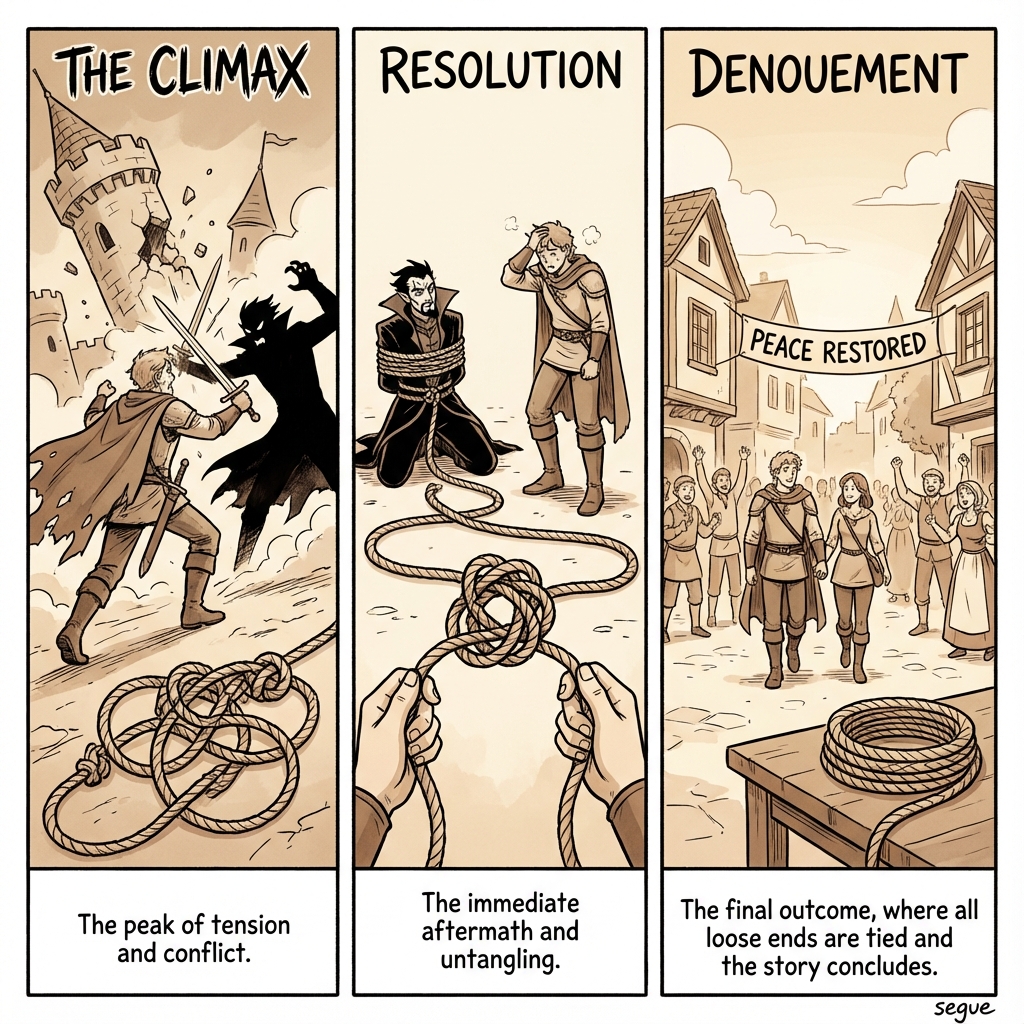
denouement
/ˌdeɪˌnuˈmɑn/the final resolution of a plot
“The denouement revealed the killer's identity.”
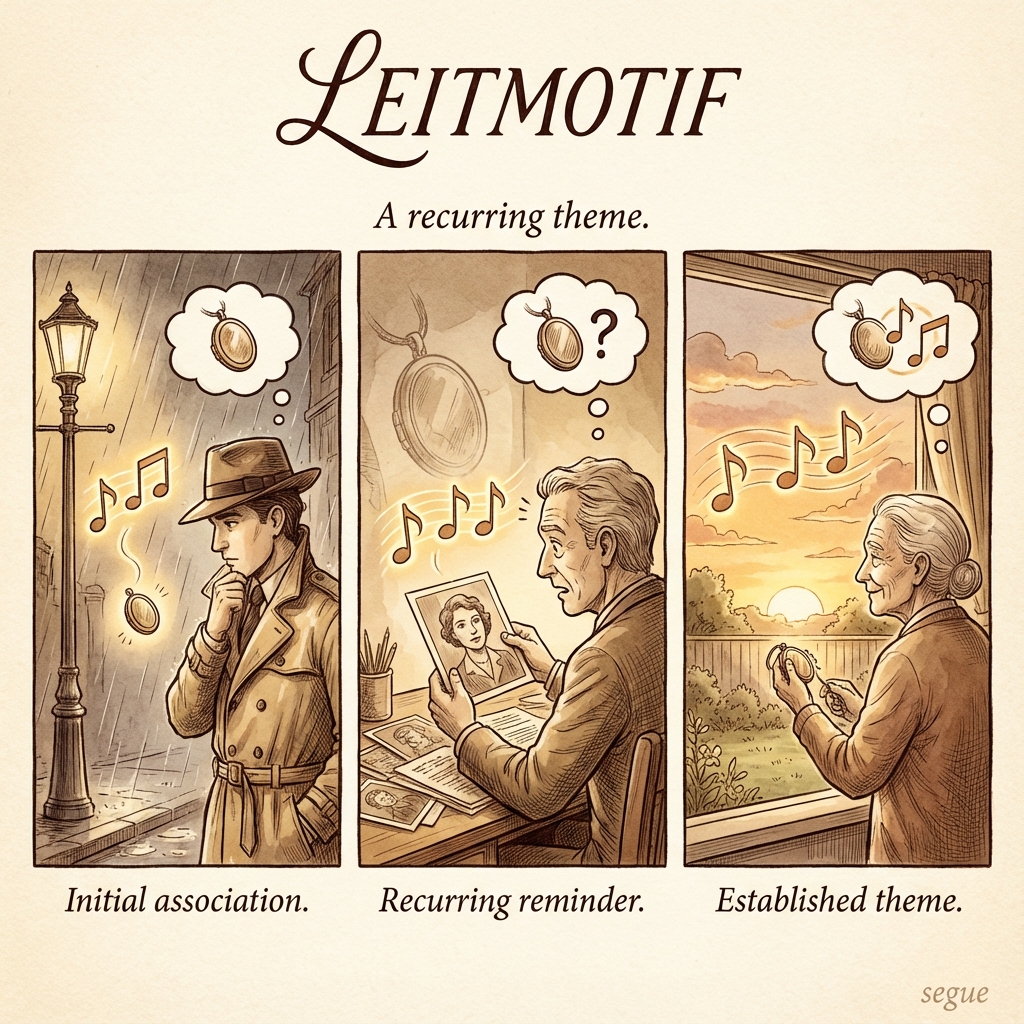
leitmotif
/ˈɫaɪtmoʊˌtif/a recurring theme or image
“Water serves as a leitmotif throughout her poetry.”
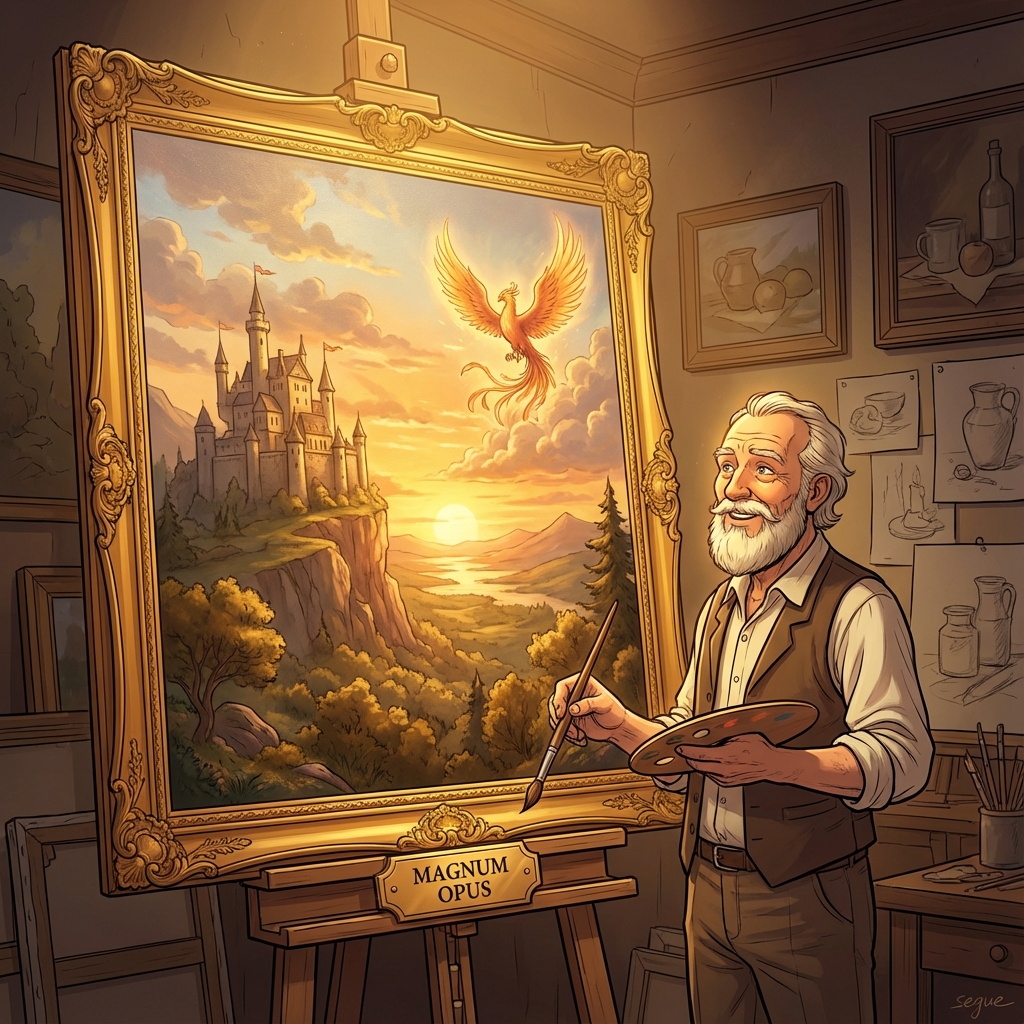
magnum opus
/ˌmæɡnəm ˈoʊpəs/an artist's greatest work
“The symphony was considered his magnum opus.”
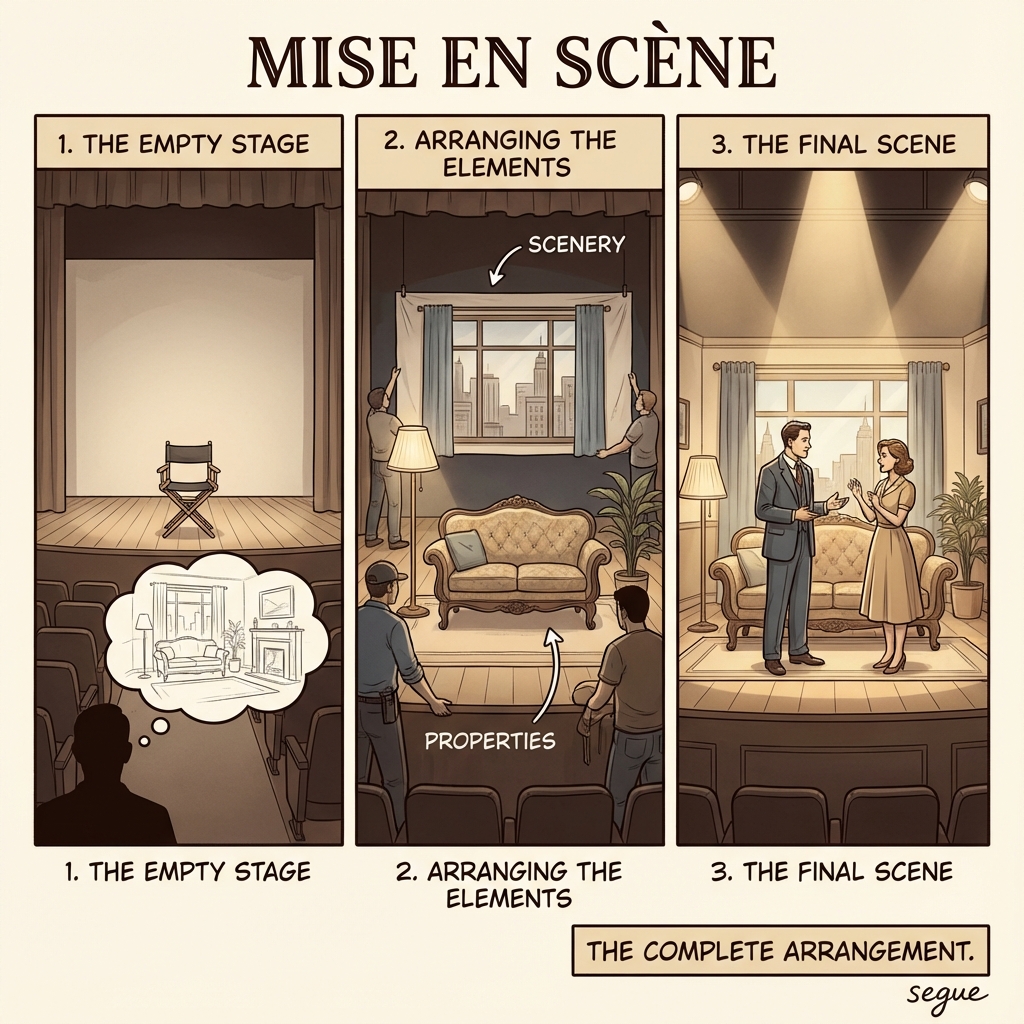
mise en scène
/ˌmiːz ɒn ˈsen/the arrangement of scenery and stage properties
“The film's mise en scène evoked 1920s Paris.”
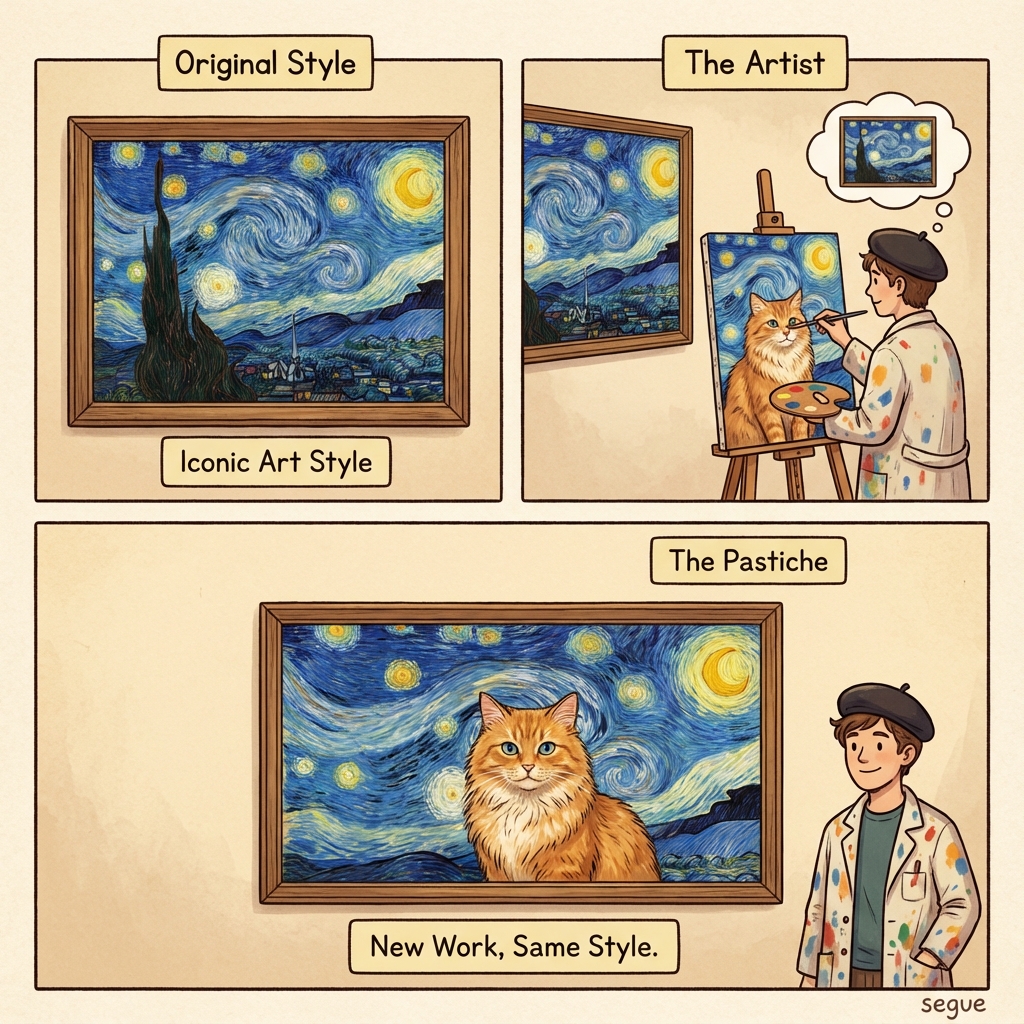
pastiche
/ˌpæsˈtiʃ/a work imitating the style of another artist
“The novel was a pastiche of Victorian detective fiction.”
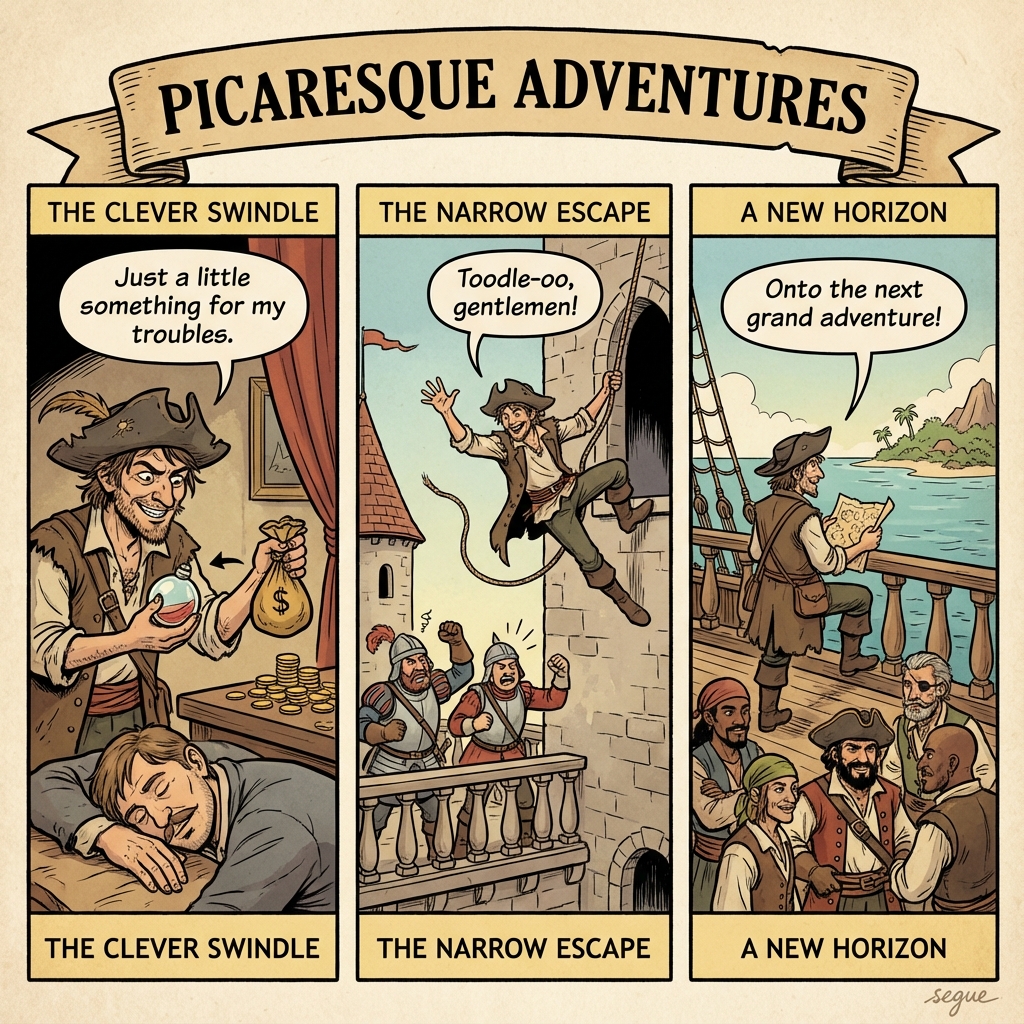
picaresque
/ˌpɪkəˈɹɛsk/relating to a roguish hero's episodic adventures
“The picaresque novel followed a charming con artist.”
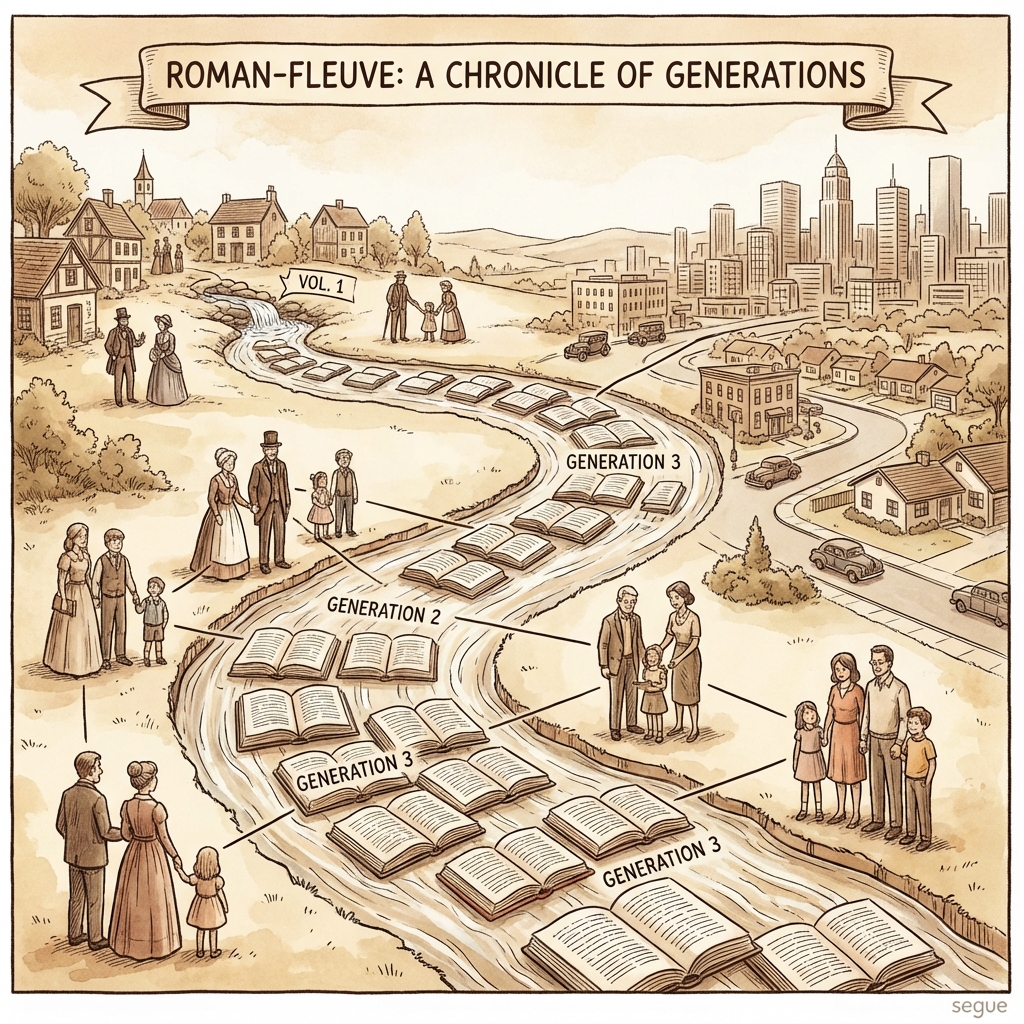
roman-fleuve
/roʊˌmɑːn ˈflɜːv/a series of novels chronicling a family or society
“Proust's work is the ultimate roman-fleuve.”
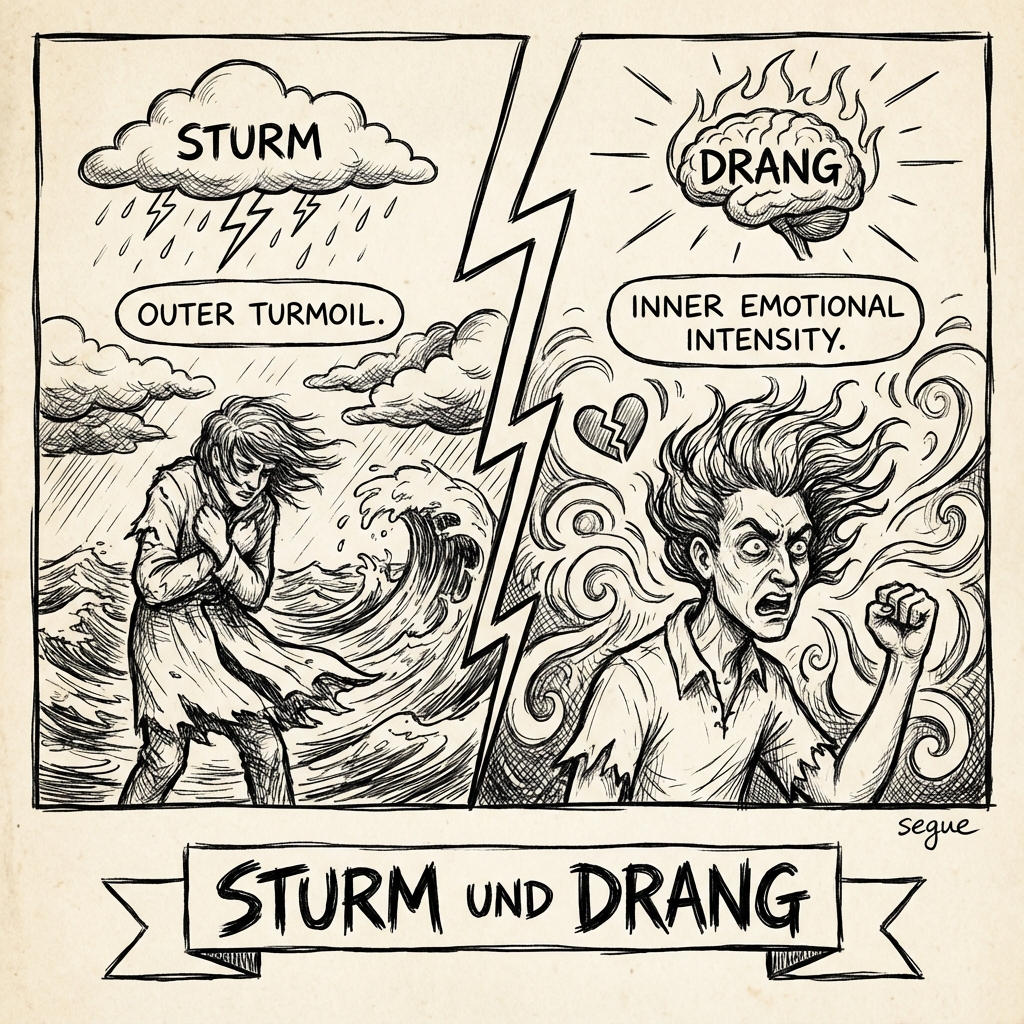
Sturm und Drang
/ˌʃtʊərm ʊnt ˈdrɑːŋ/turmoil and emotional intensity
“The memoir captured the Sturm und Drang of adolescence.”
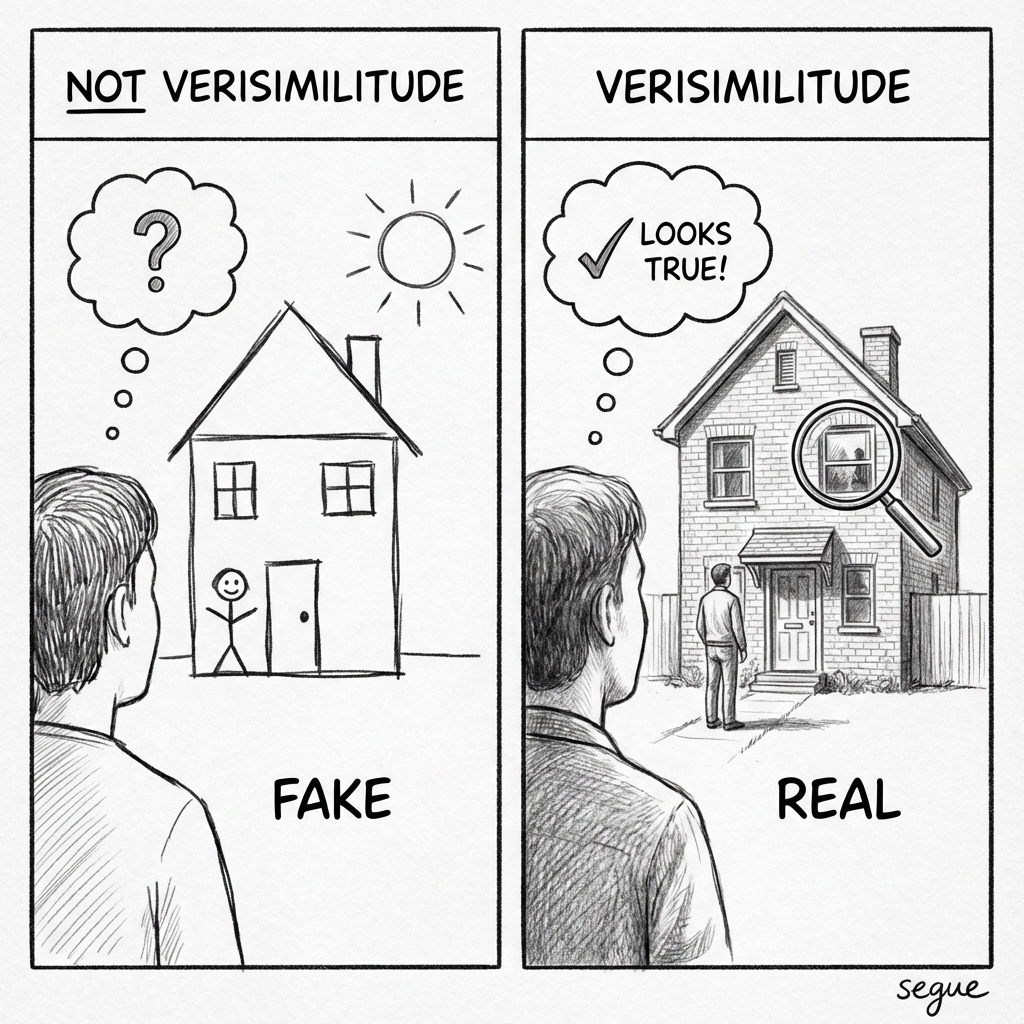
verisimilitude
/ˌvɛɹəsəˈmɪɫəˌtud/the appearance of being true or real
“The novel's verisimilitude made readers believe it was autobiography.”
More from Arts & Culture
Explore other vocabulary categories in this collection.