Loading collection...
🎻
Musical Technique & Expression Vocabulary
Performance and compositional techniques
10 words
All 10 Words
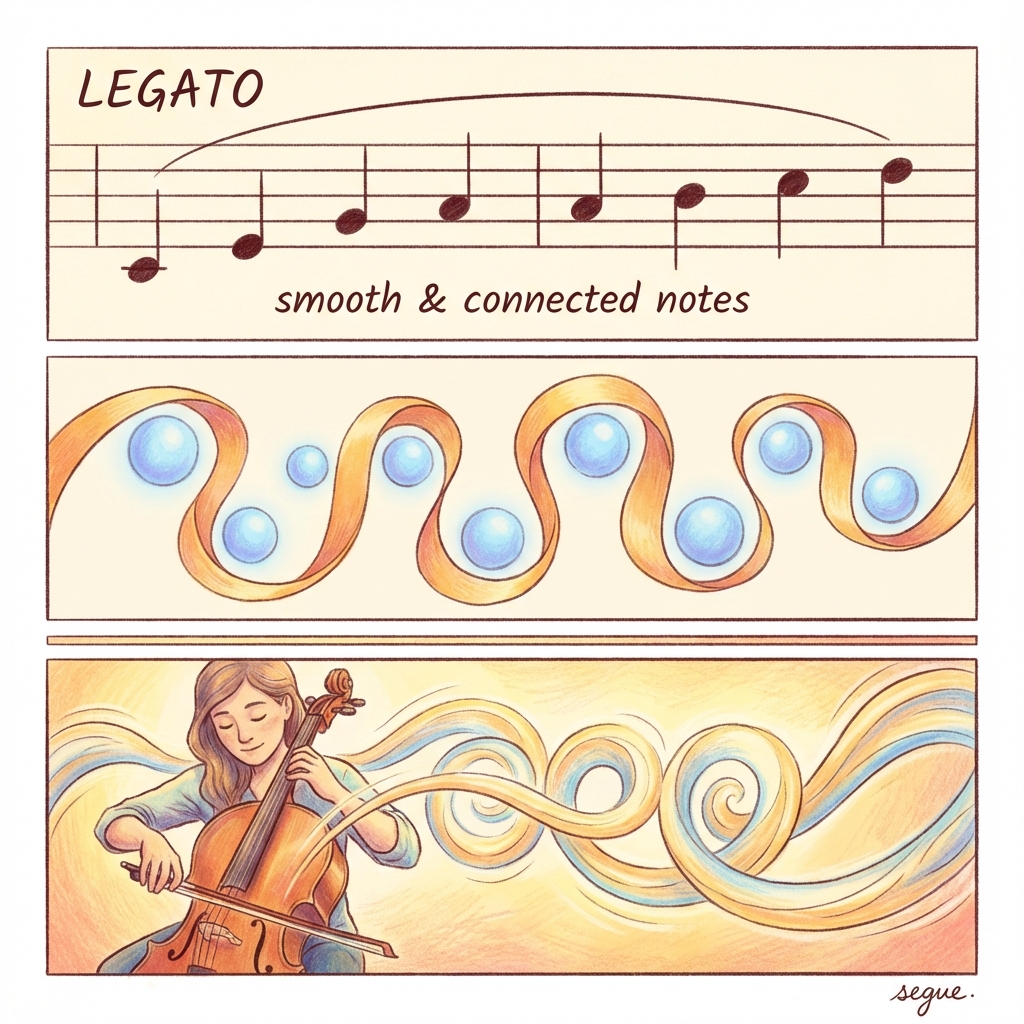
legato
/ɫəˈɡɑˌtoʊ/smooth and connected notes
“The melody flowed in beautiful legato.”
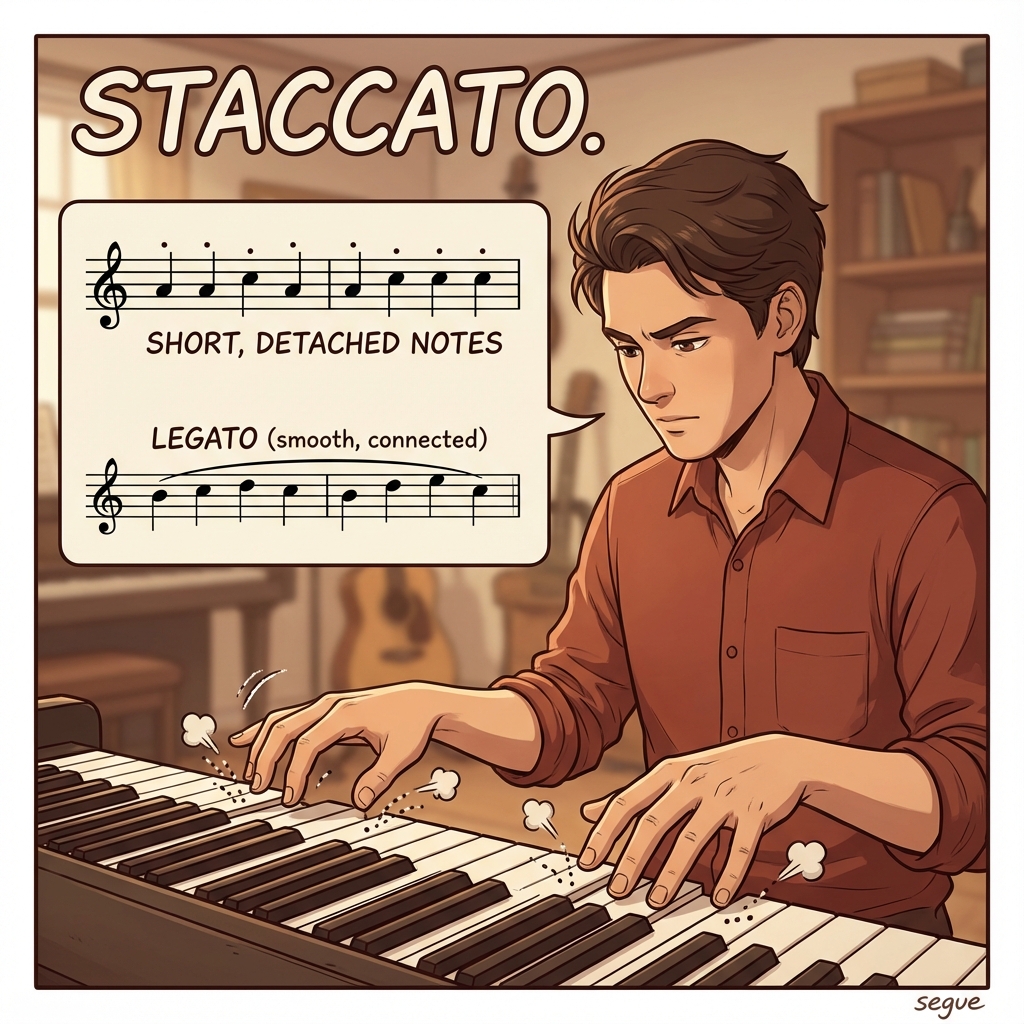
staccato
/stəˈkɑˌtoʊ/short, detached notes
“The staccato passage was crisp and percussive.”
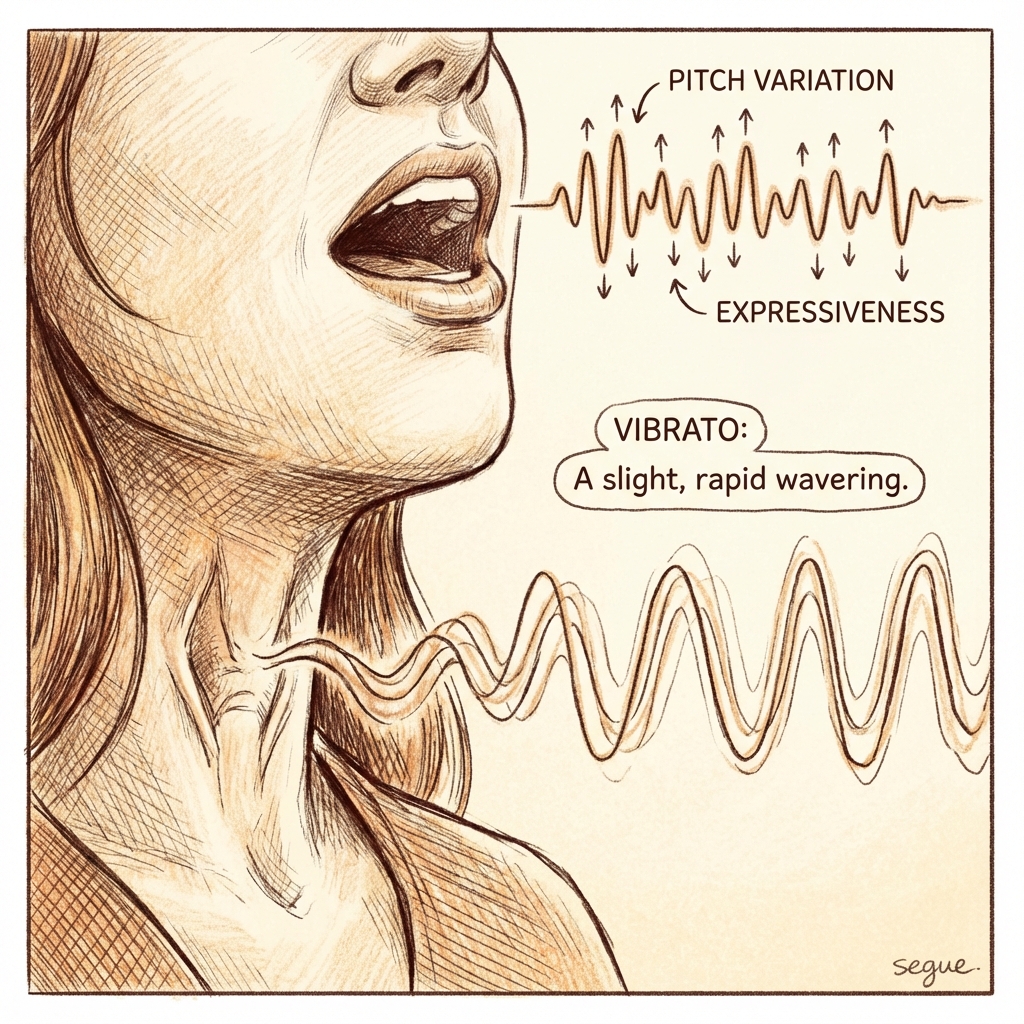
vibrato
/viˈbɹɑtoʊ/slight, rapid variation in pitch for expressiveness
“Her warm vibrato enriched every phrase.”
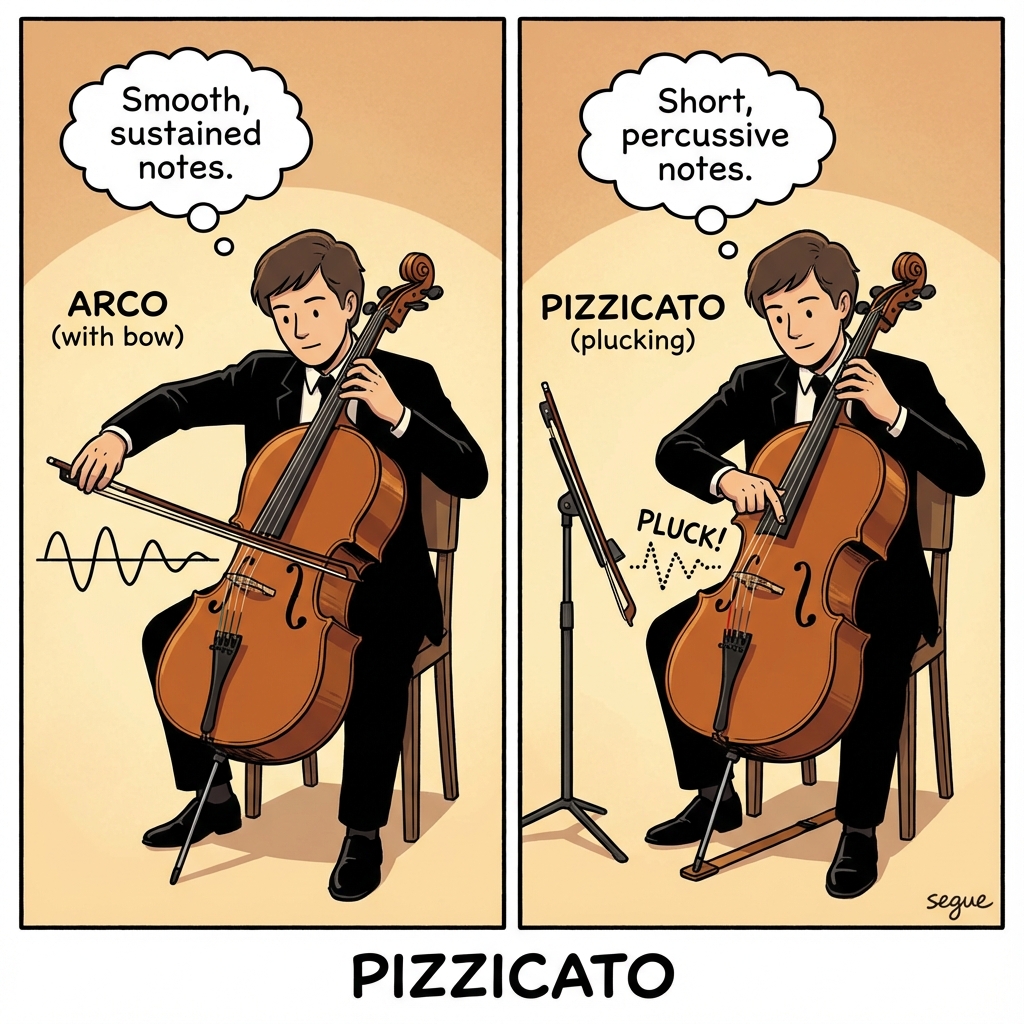
pizzicato
/ˌpɪtsɪˈkɑːtoʊ/plucking strings instead of using the bow
“The pizzicato section was playful.”
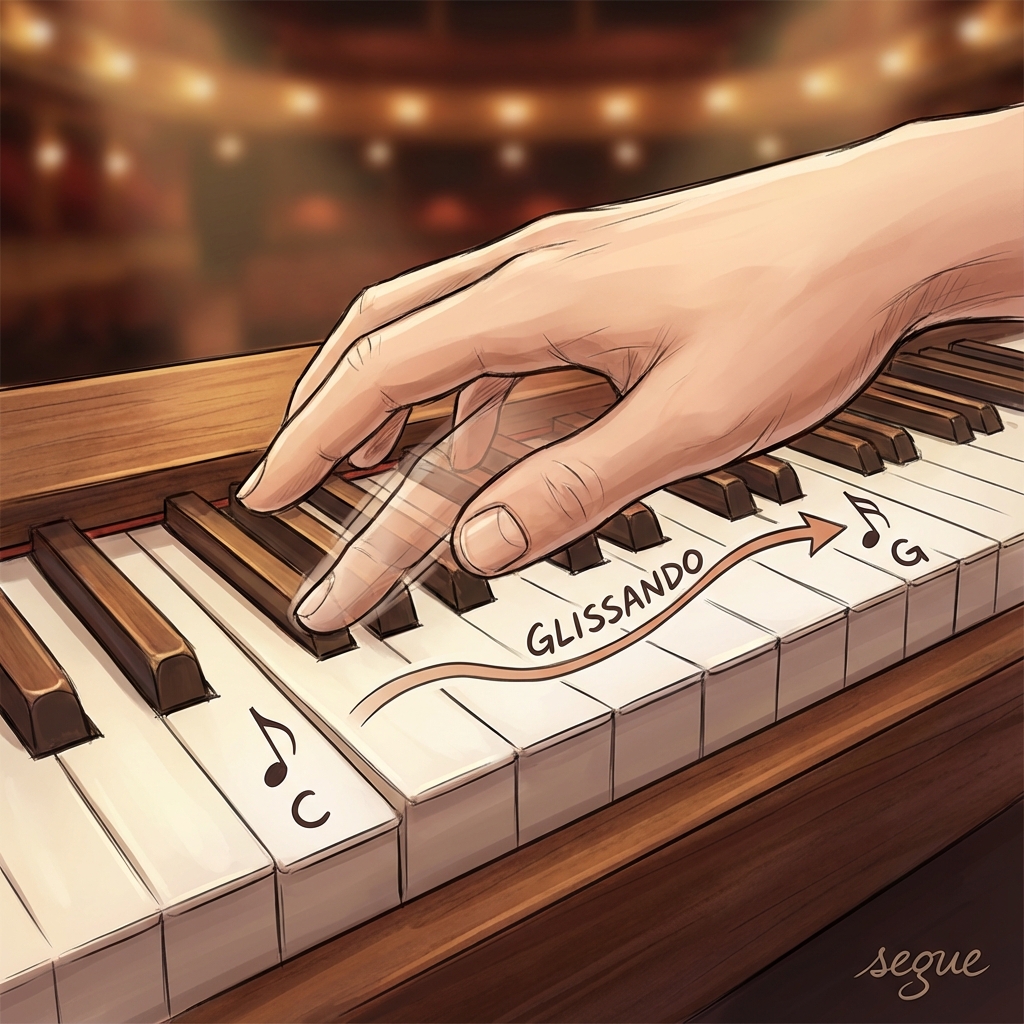
glissando
/ɡlɪˈsɑːndoʊ/a slide from one note to another
“The harp's glissando sparkled.”
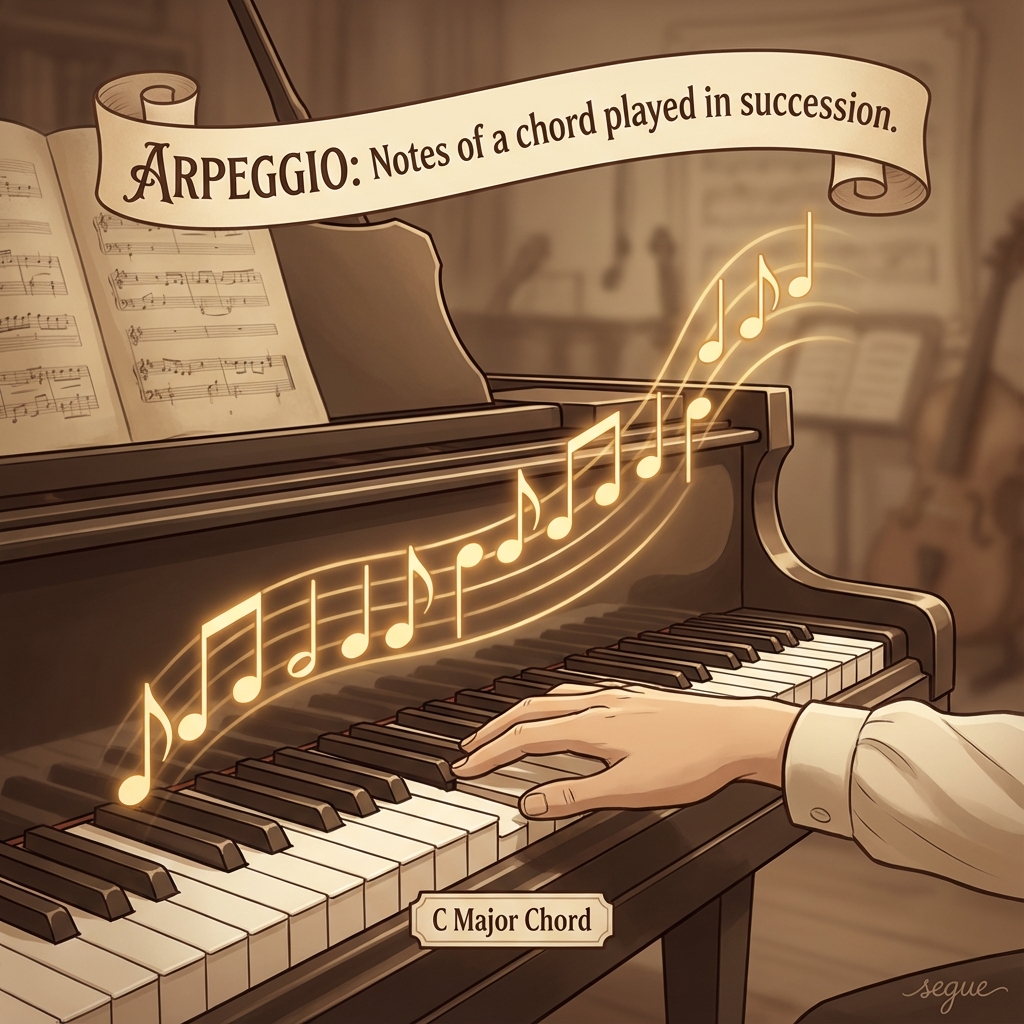
arpeggio
/ɑːrˈpedʒioʊ/notes of a chord played in succession
“The pianist's arpeggios rippled across the keyboard.”
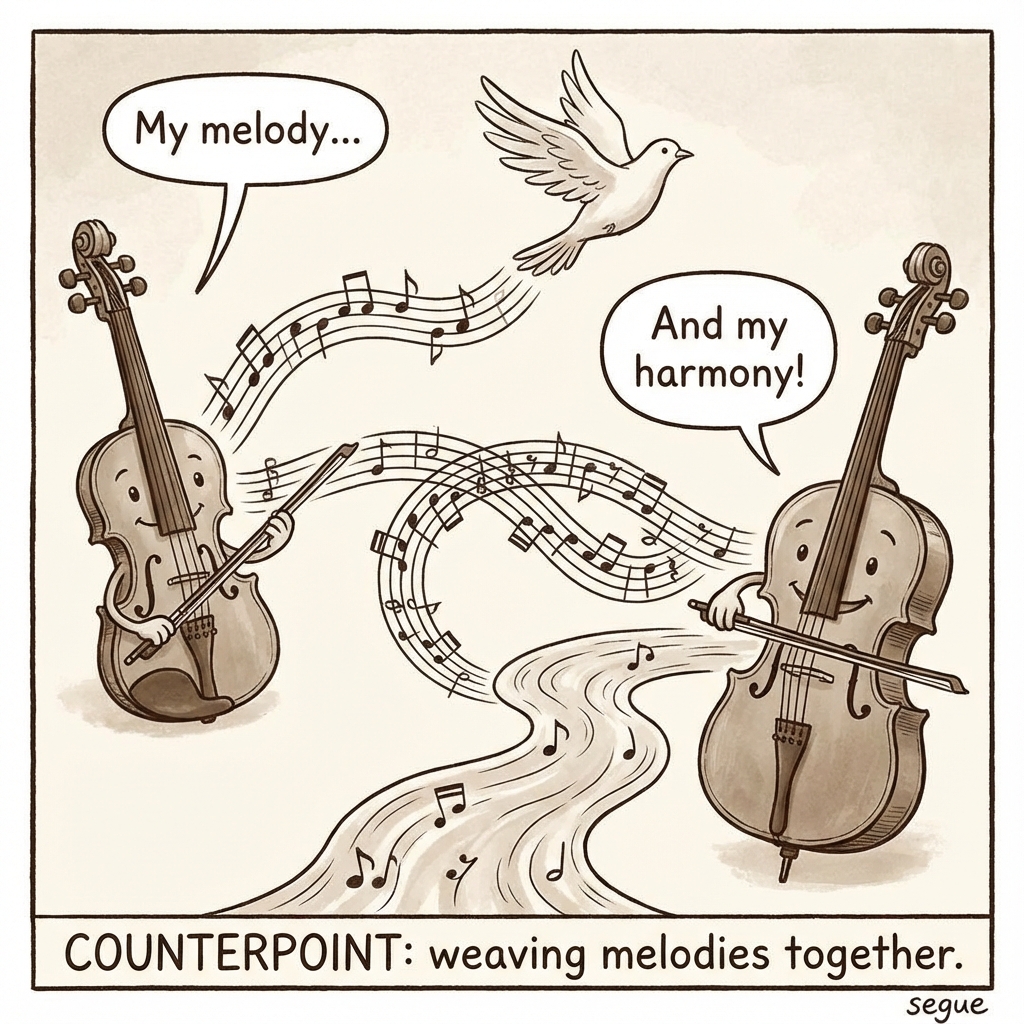
counterpoint
/ˈkaʊntɝˌpɔɪnt/the technique of combining melodies
“Bach was the master of counterpoint.”
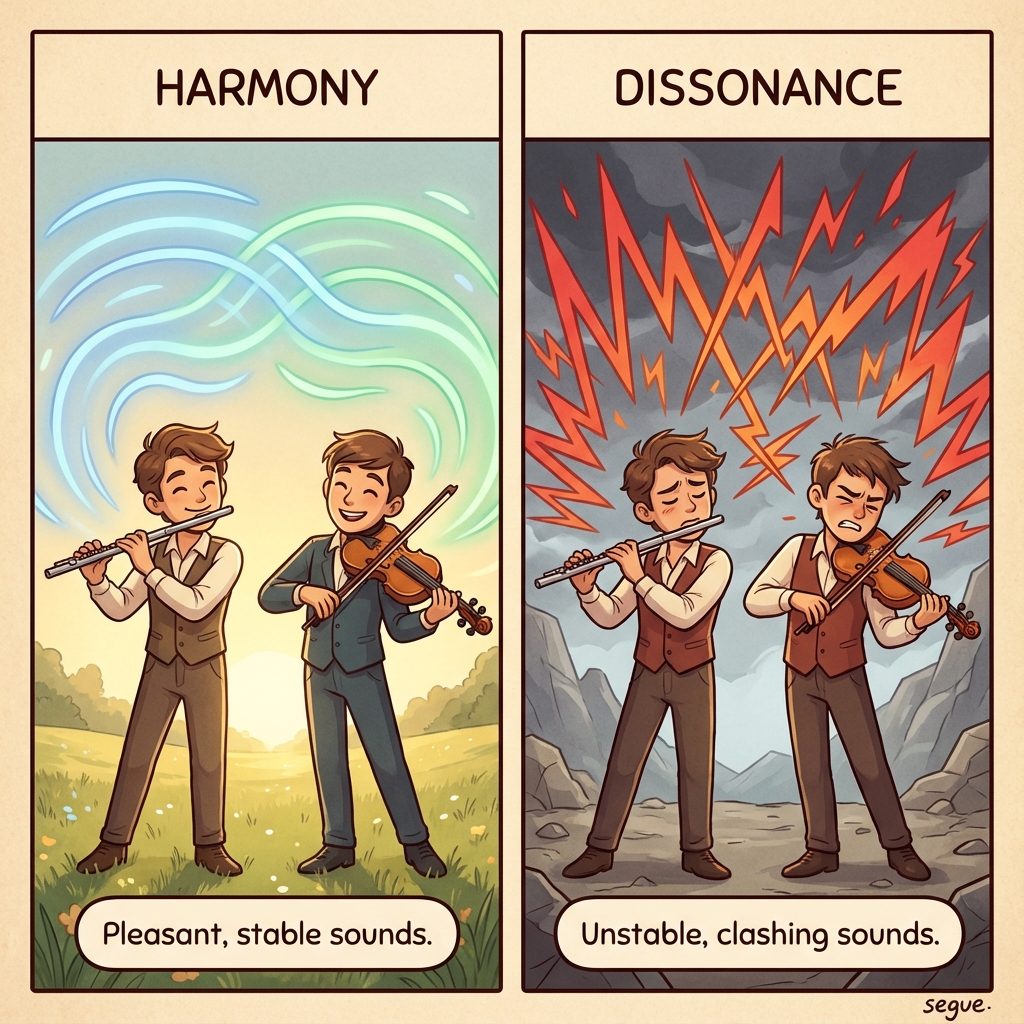
dissonance
/ˈdɪsənəns/a combination of tones that sounds unstable
“The dissonance created tension before resolution.”
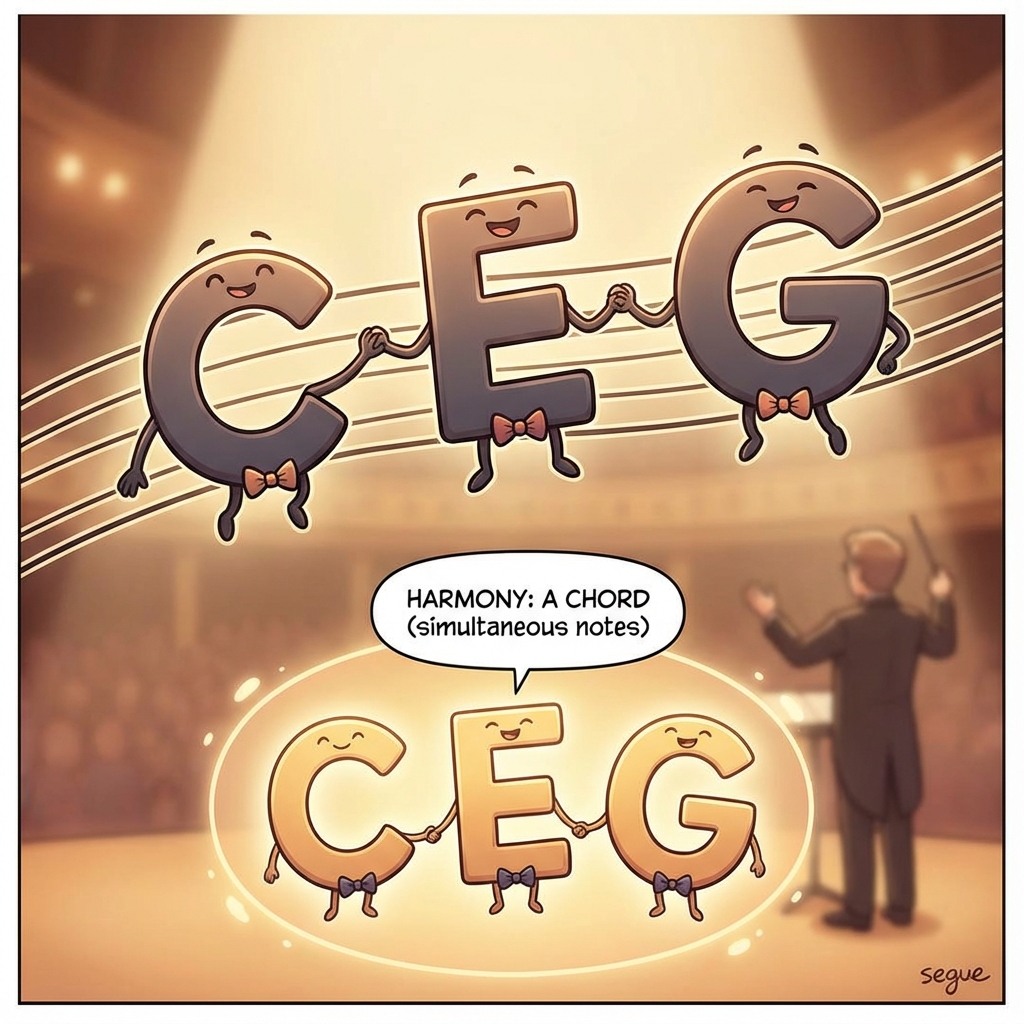
harmony
/ˈhɑɹməni/the combination of simultaneous notes in chords
“The rich harmony supported the melody.”
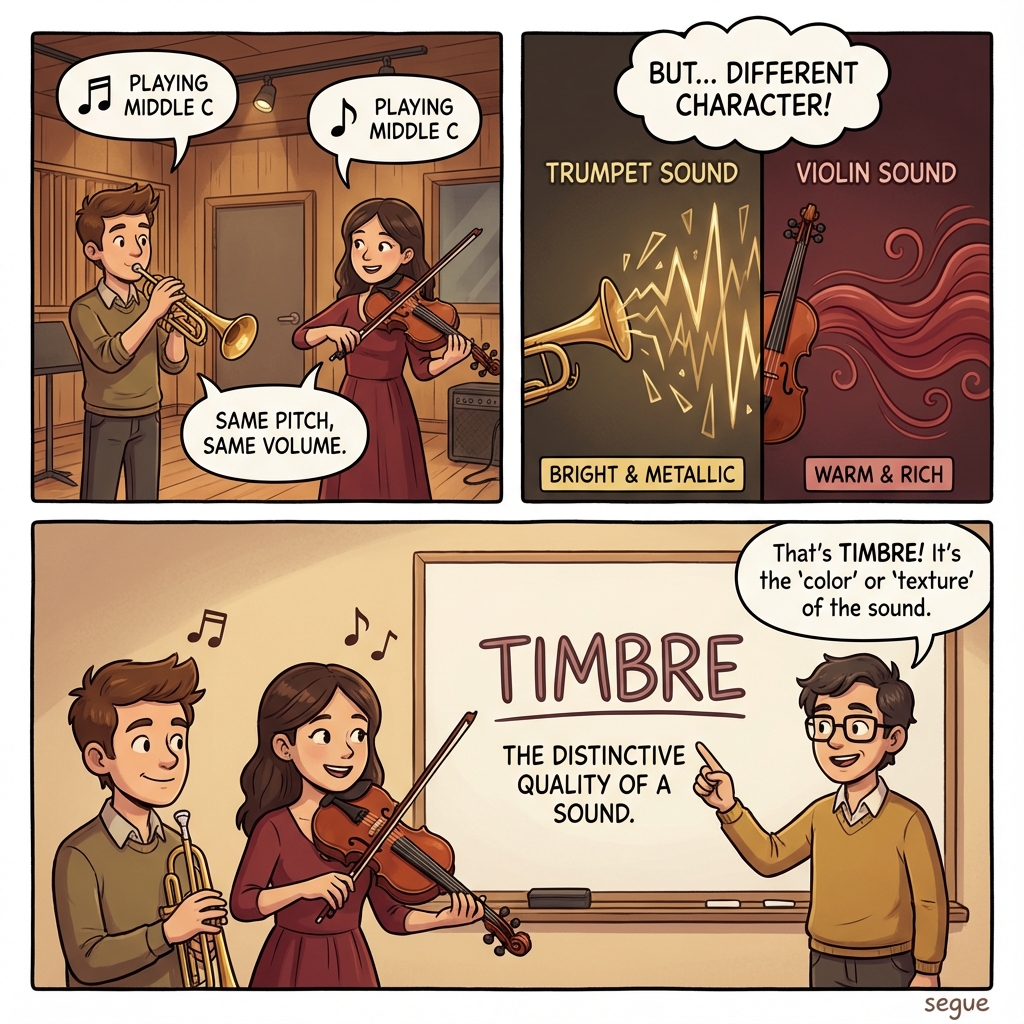
timbre
/ˈtɪmbɝ/the distinctive quality of a sound
“The oboe's plaintive timbre is unmistakable.”
More from Arts & Culture
Explore other vocabulary categories in this collection.