Loading collection...
🏛️
Architectural Elements Vocabulary
Structural and decorative building components
10 words
All 10 Words
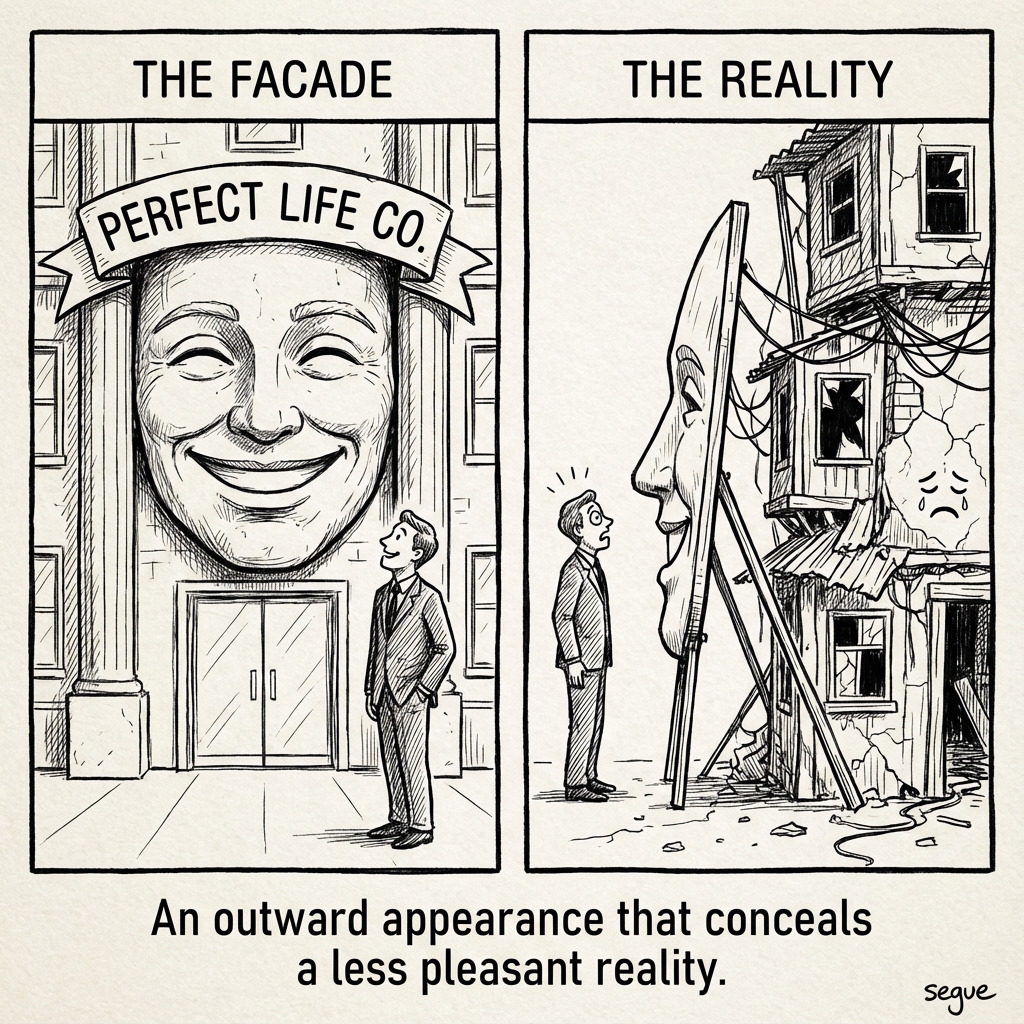
facade
/fəˈsɑd/the front or face of a building
“The ornate facade concealed a simple interior.”
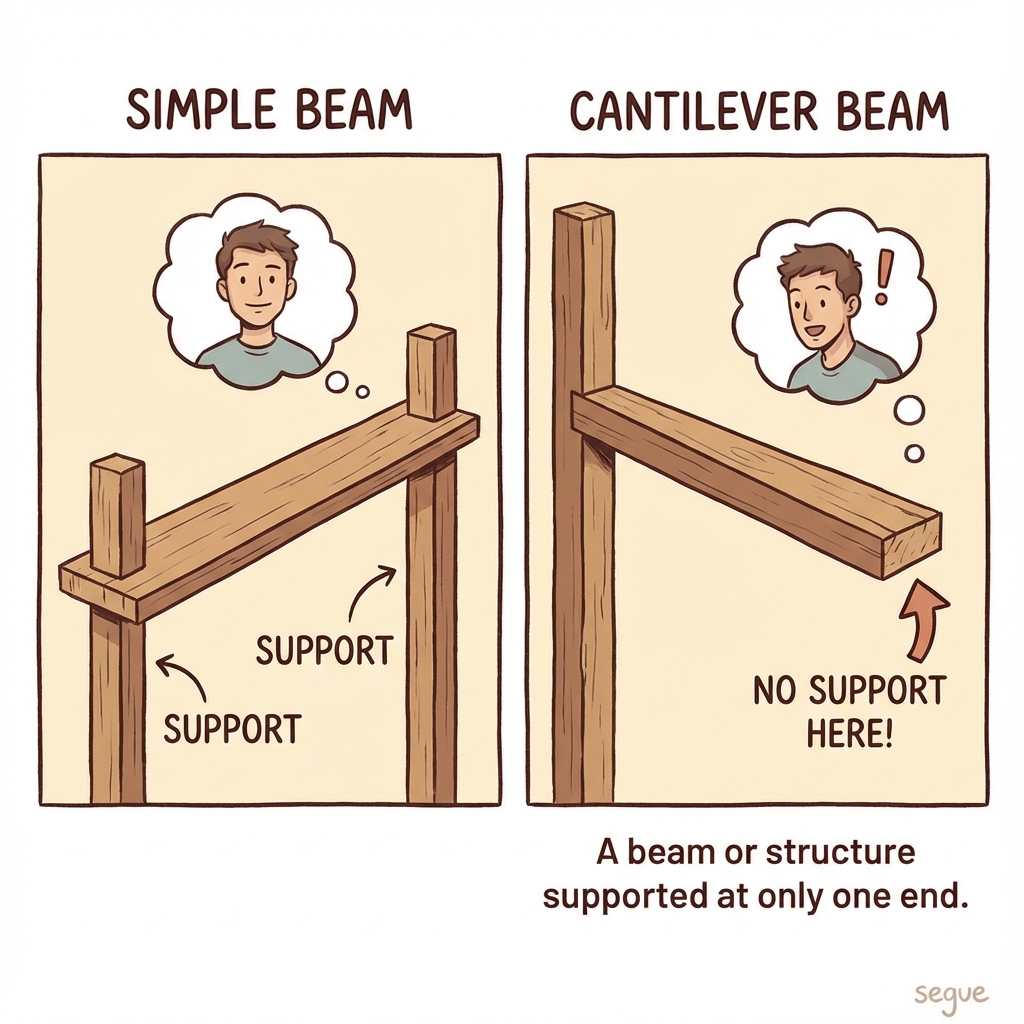
cantilever
/ˈkæntɪˌliːvər/a beam or structure supported at only one end
“The balcony was a dramatic cantilever over the cliff.”
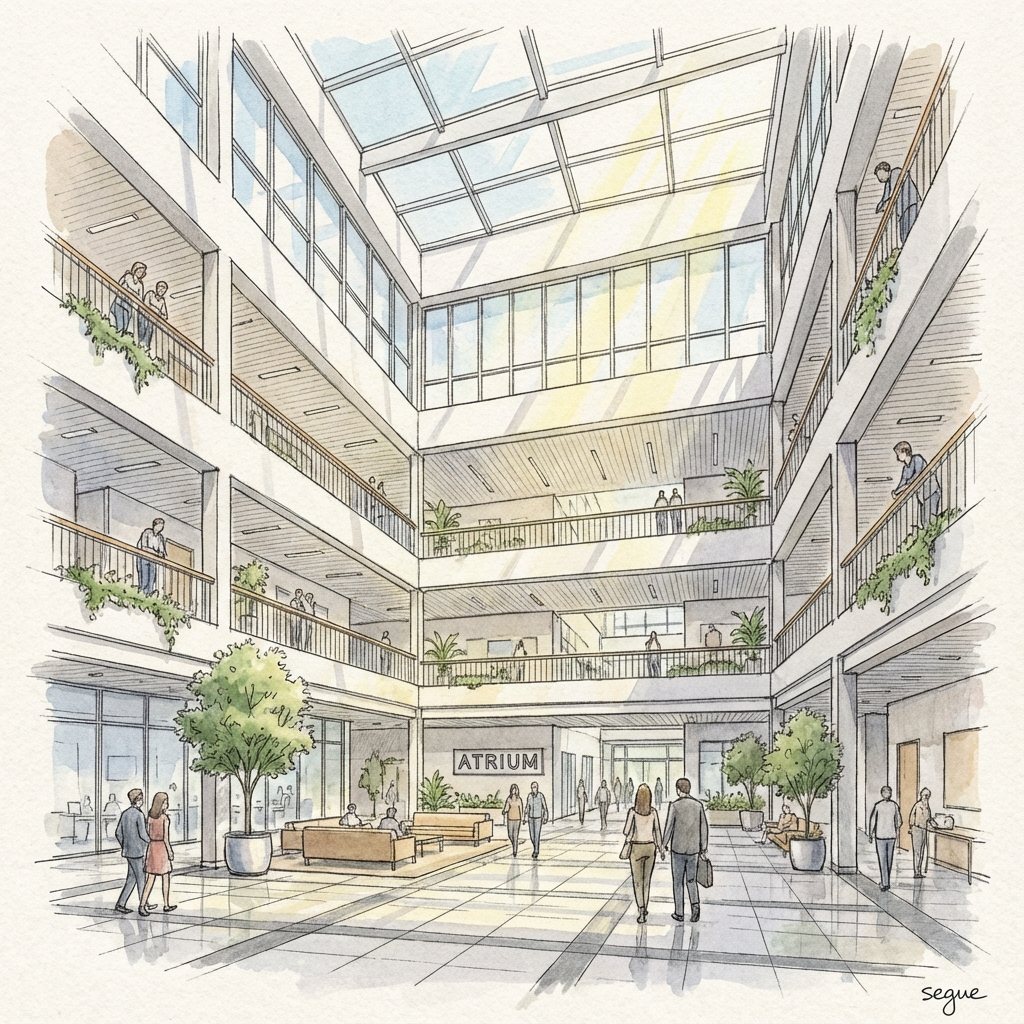
atrium
/ˈeɪtɹiəm/a central open space within a building
“The hotel's atrium rose ten stories with a glass roof.”
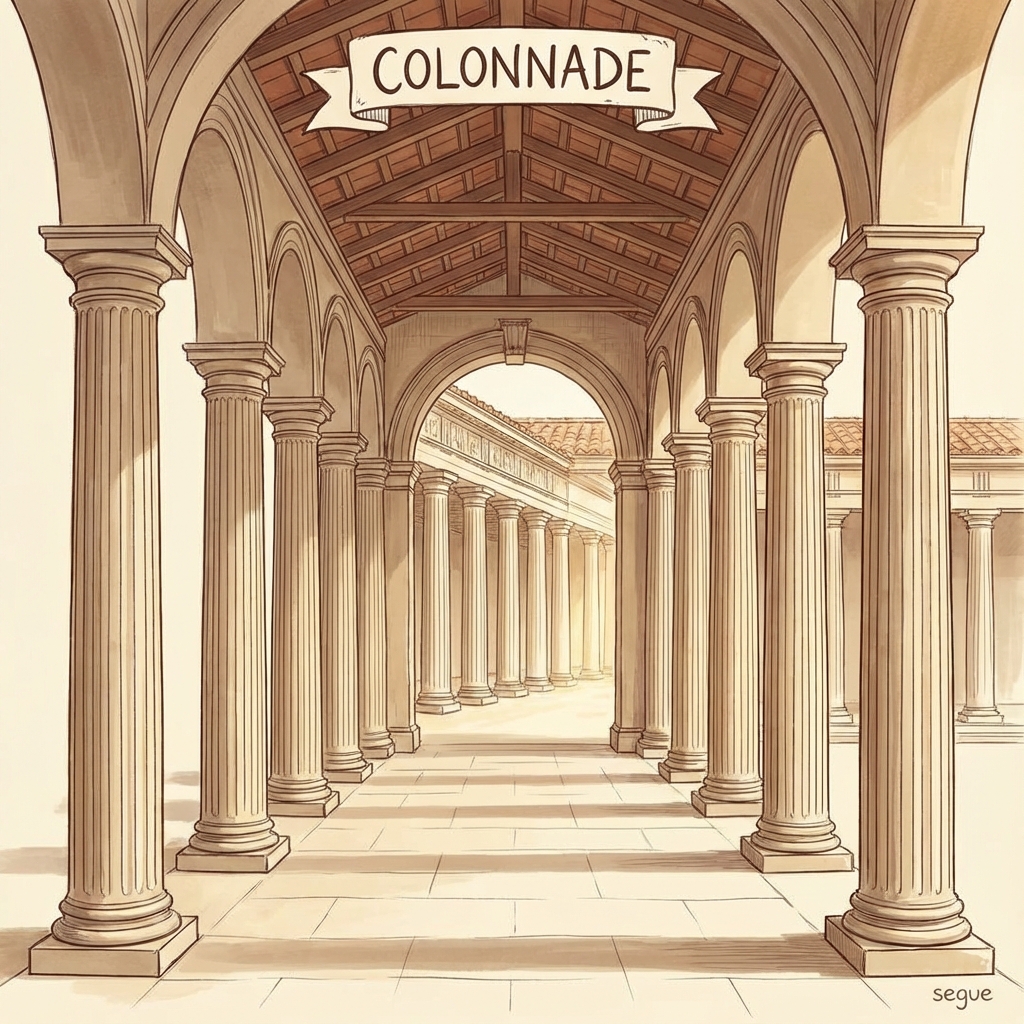
colonnade
/ˌkɑɫəˈneɪd/a row of columns supporting a roof or arches
“The colonnade provided shaded walkways.”
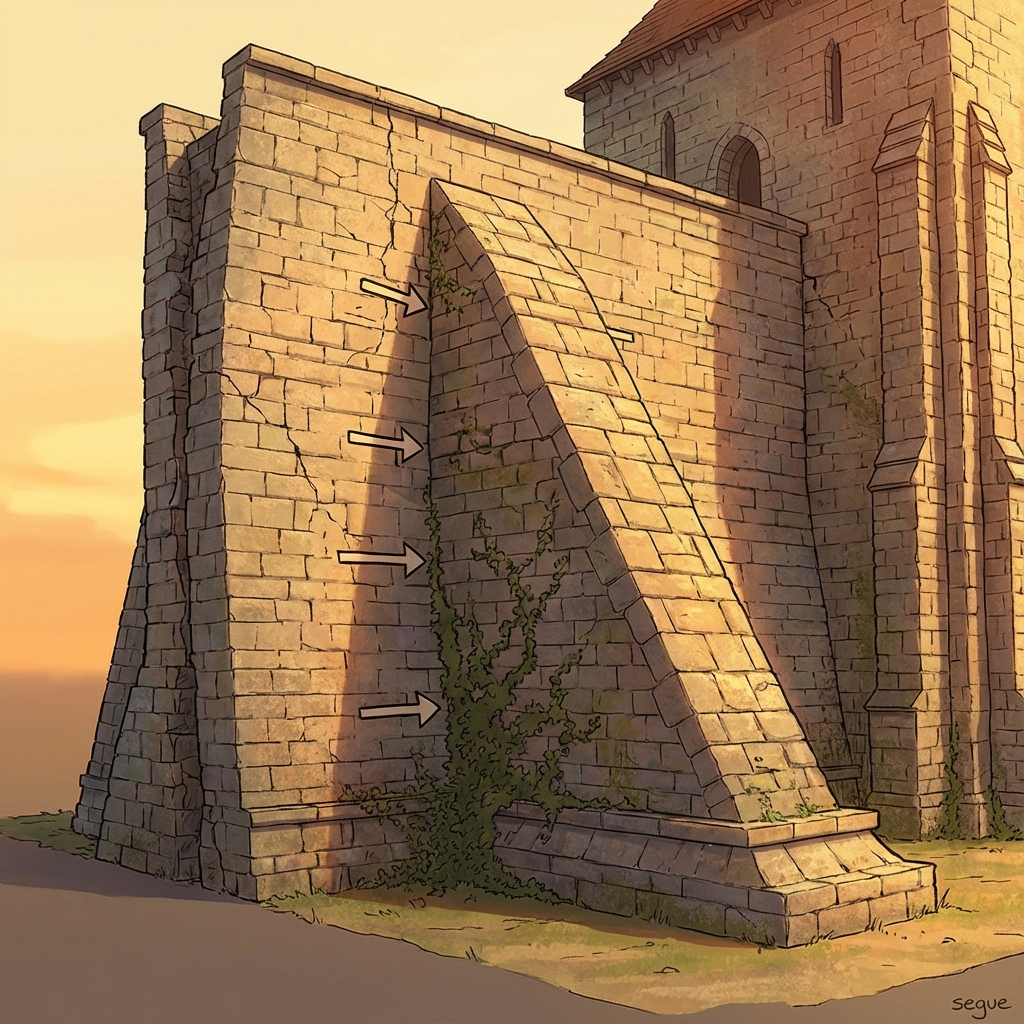
buttress
/ˈbətɹəs/a structure built against a wall for support
“Flying buttresses allowed Gothic cathedrals to soar.”
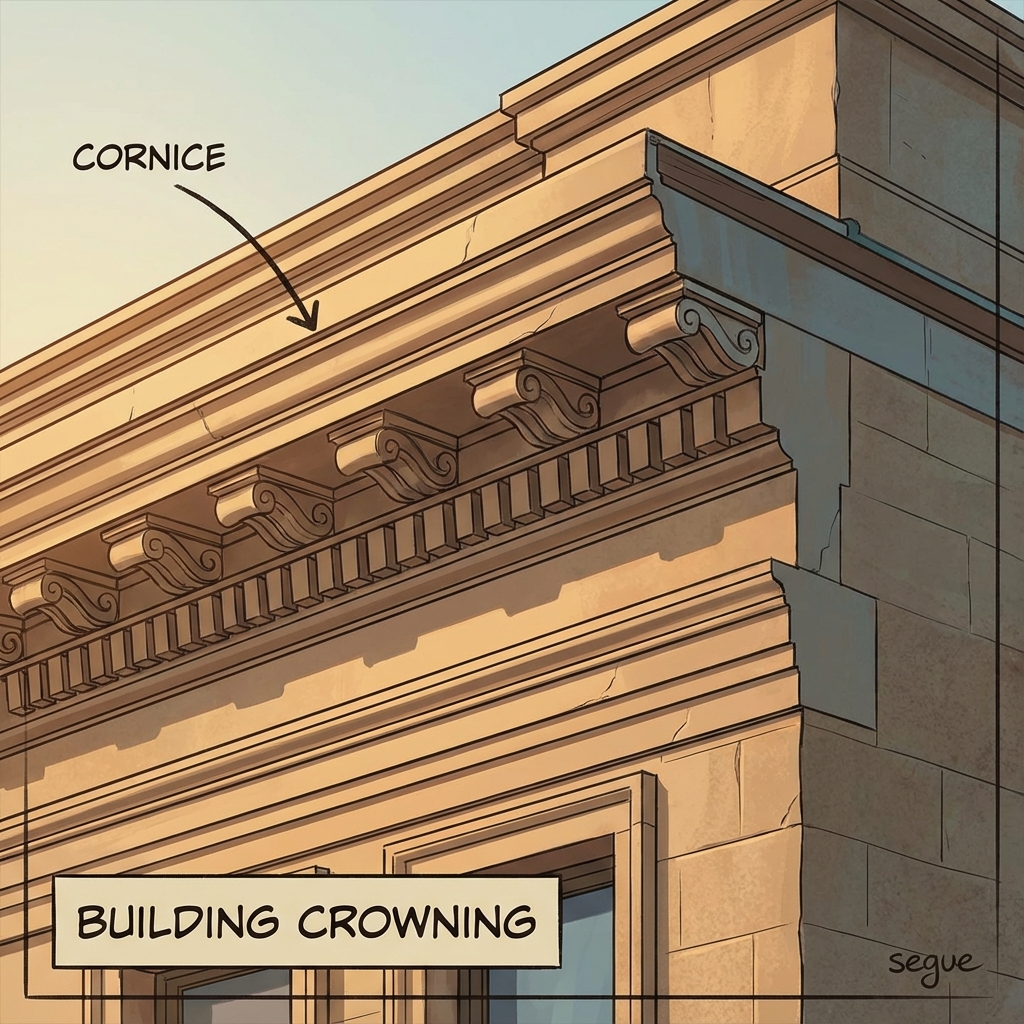
cornice
/ˈkɔːrnɪs/a horizontal molded projection crowning a building
“The elaborate cornice defined the roofline.”
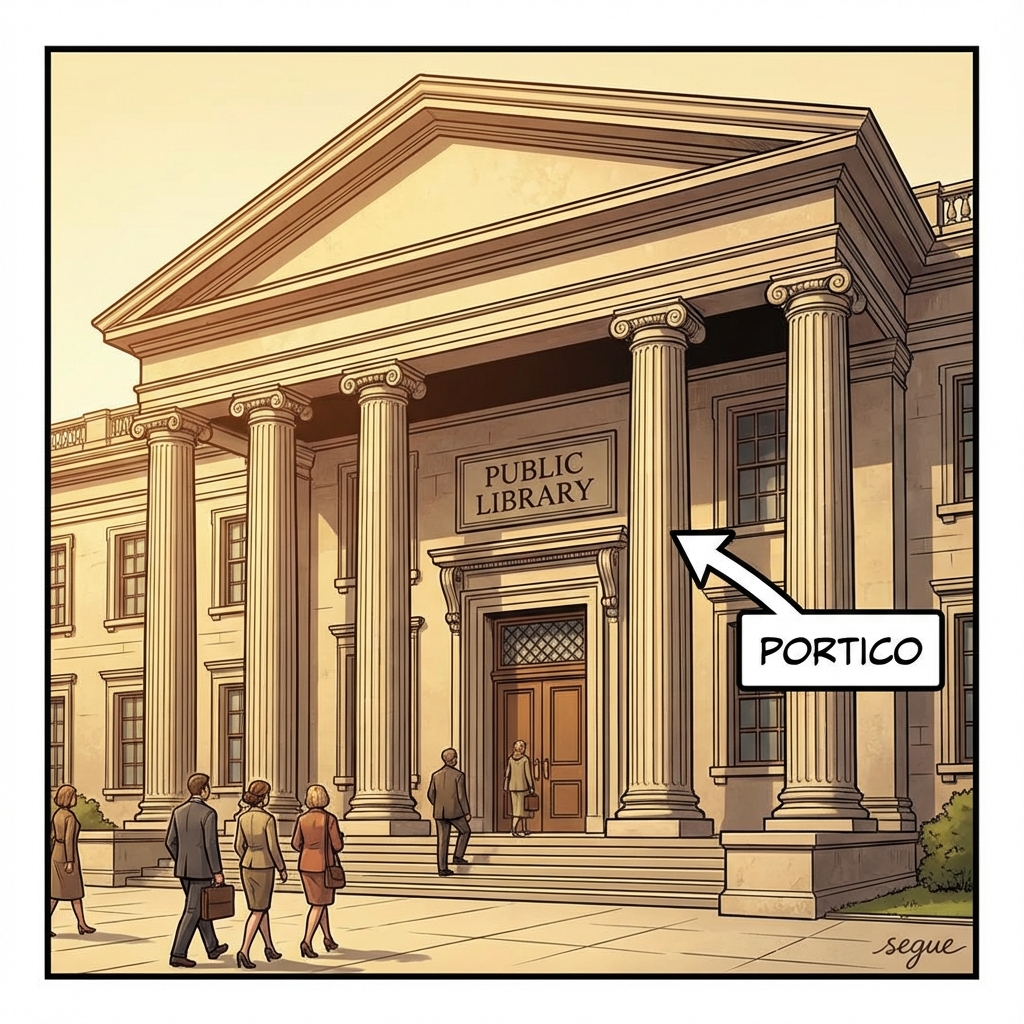
portico
/ˈpɔɹtəˌkoʊ/a covered entrance with columns
“The neoclassical portico announced the building's importance.”
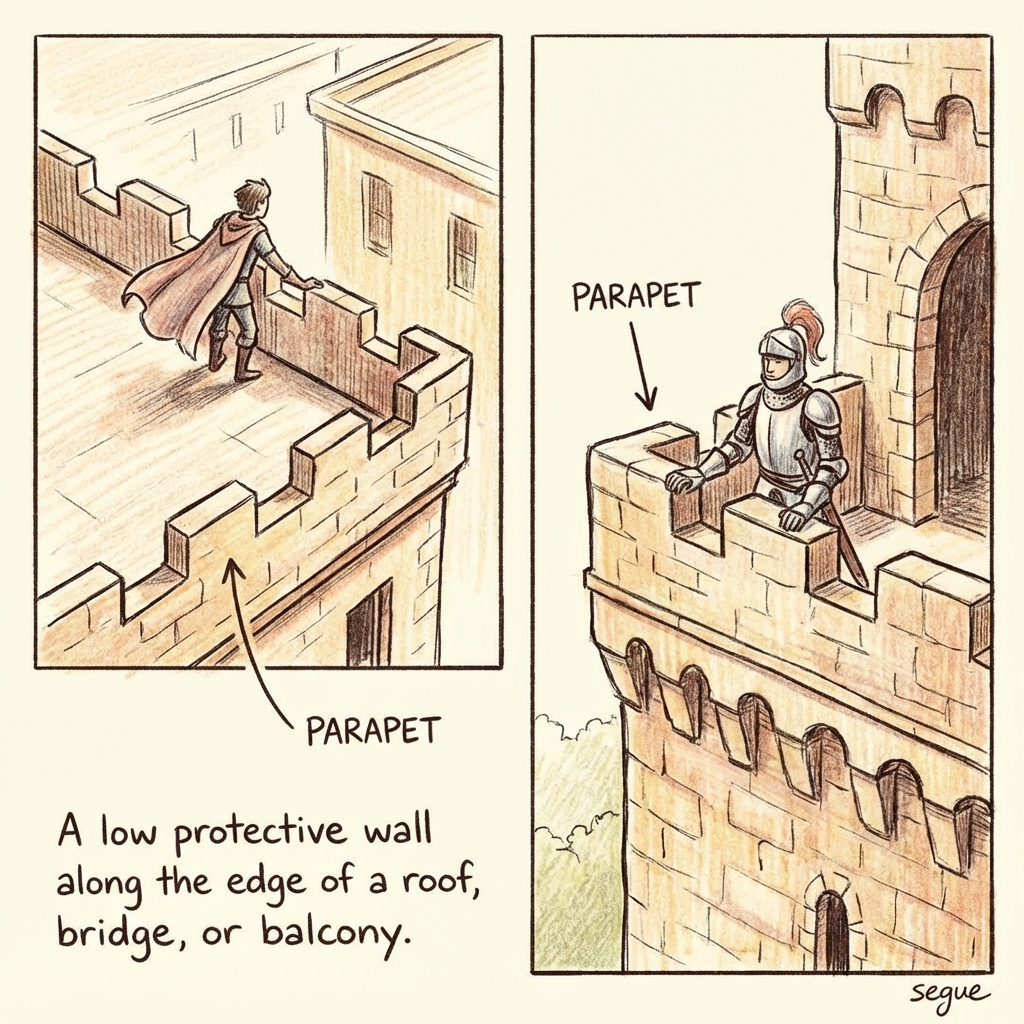
parapet
/ˈpɛɹəˌpɛt/a low wall along the edge of a roof or balcony
“The castle's parapet protected defenders.”
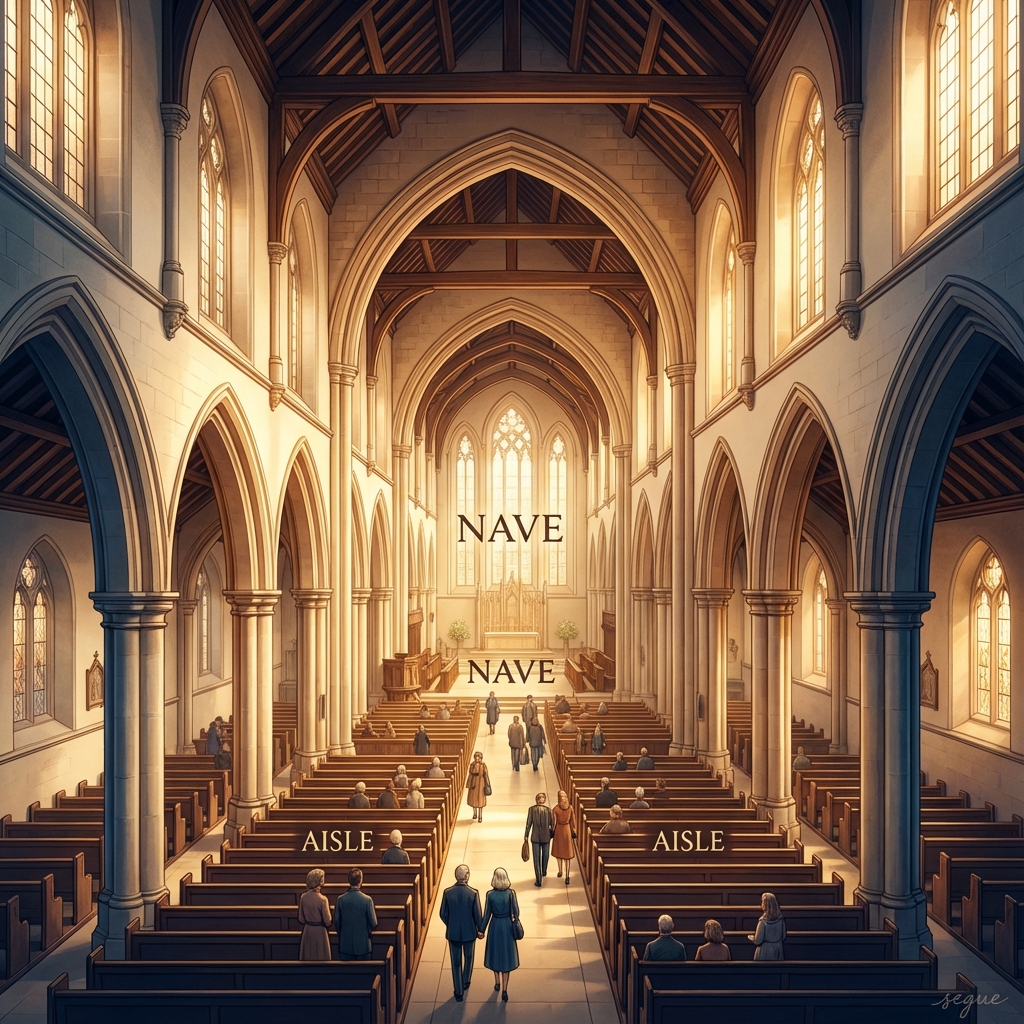
nave
/ˈneɪv/the central part of a church between the aisles
“The nave stretched toward the distant altar.”
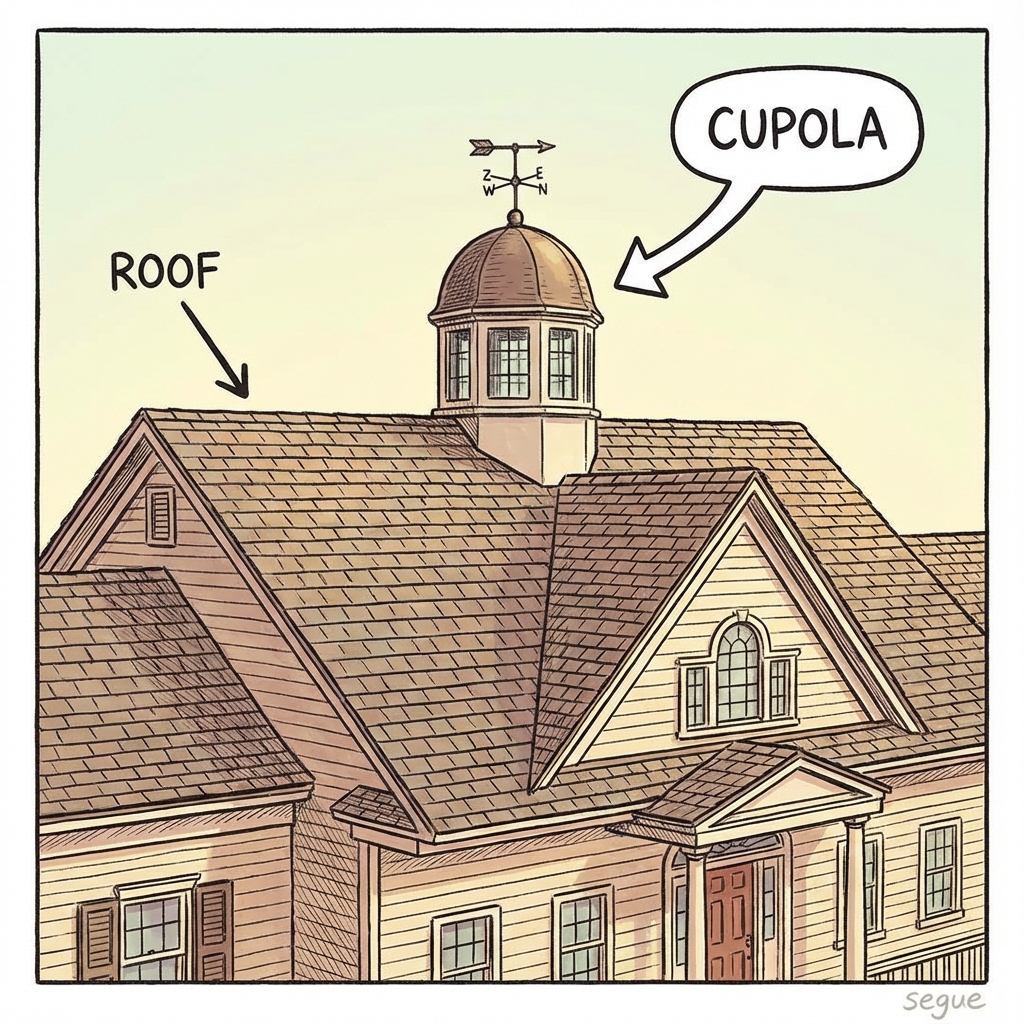
cupola
/kəˈpoʊɫə/a small dome on top of a roof
“The cupola crowned the state capitol.”
More from Arts & Culture
Explore other vocabulary categories in this collection.