Loading collection...
🌆
Urban Design Vocabulary
Planning and shaping of cities and public spaces
10 words
All 10 Words
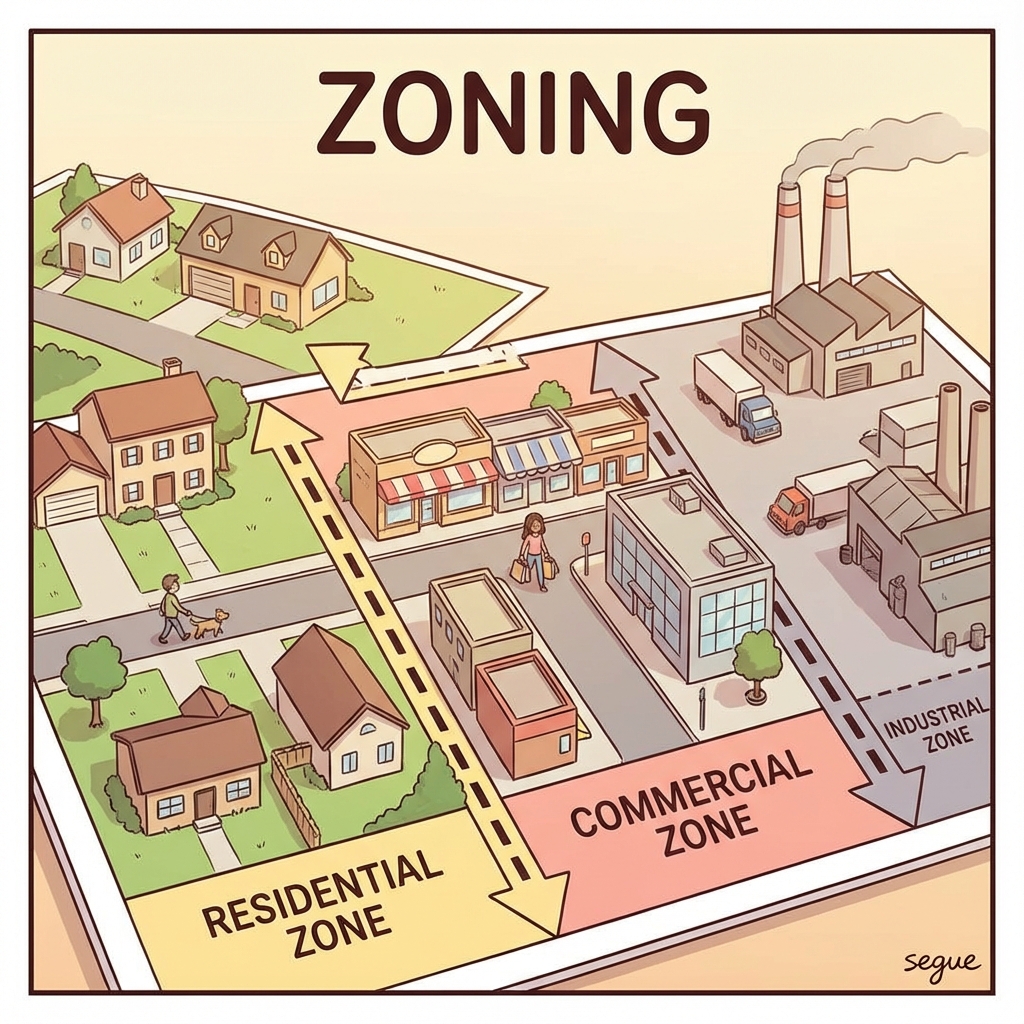
zoning
/ˈzoʊnɪŋ/dividing land into areas designated for specific uses
“Zoning separates industrial from residential areas.”
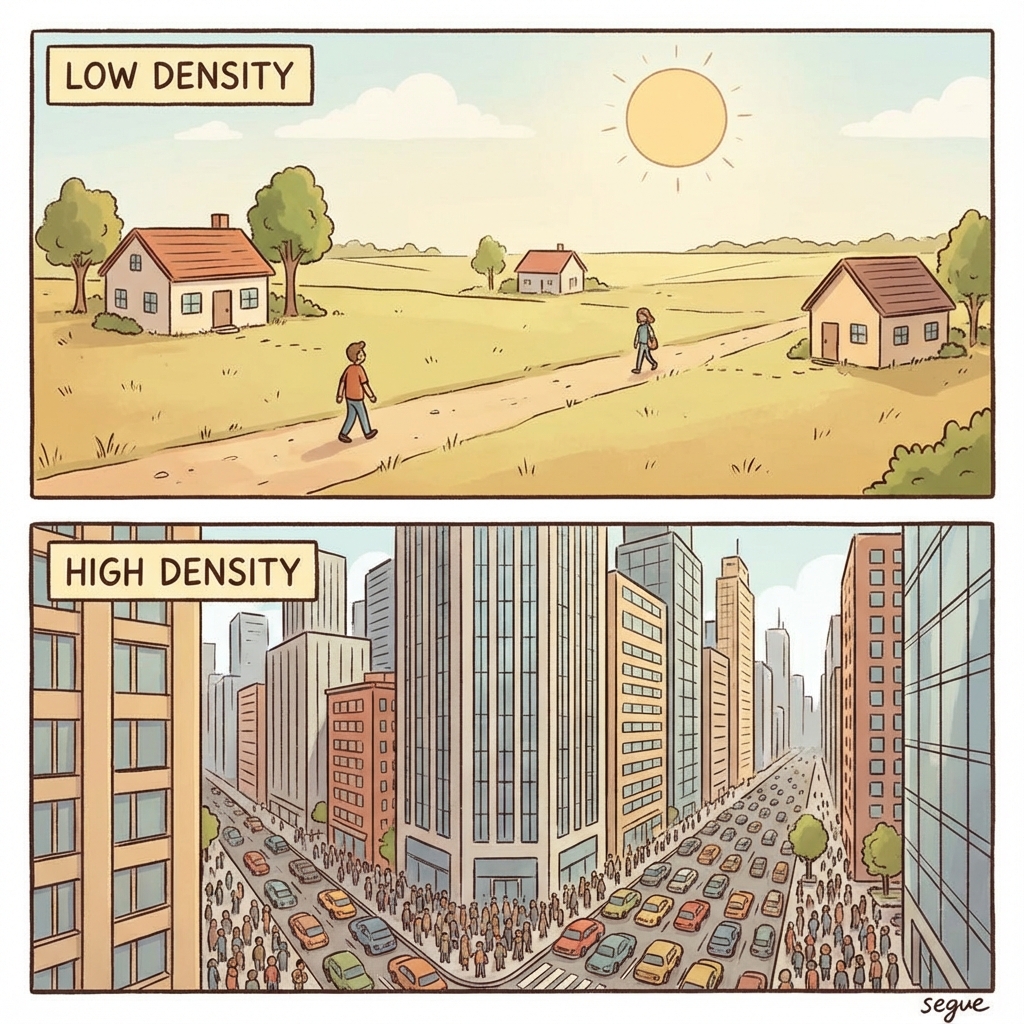
density
/ˈdɛnsəti/the concentration of people or buildings in an area
“High density enables efficient public transit.”
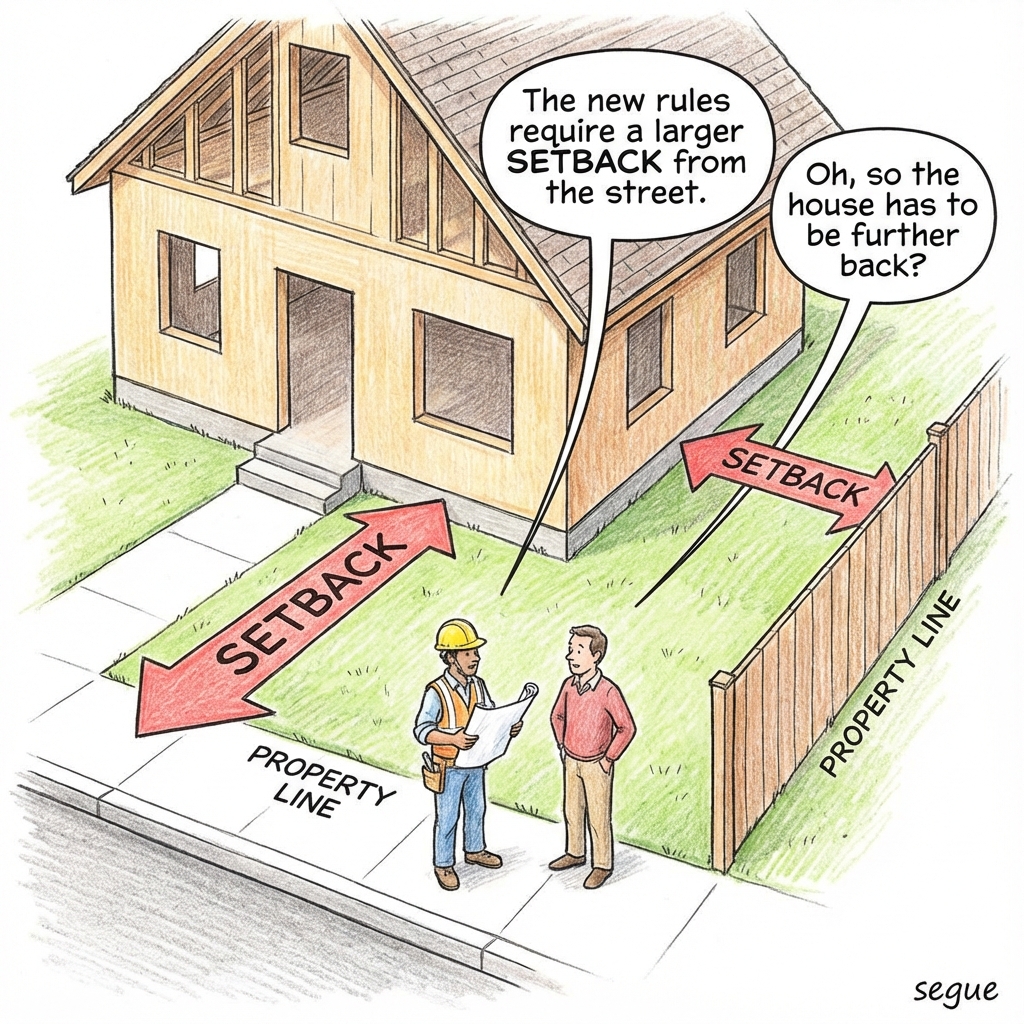
setback
/ˈsɛtˌbæk/the distance a building must be from property lines
“Setback requirements created space for sidewalks.”
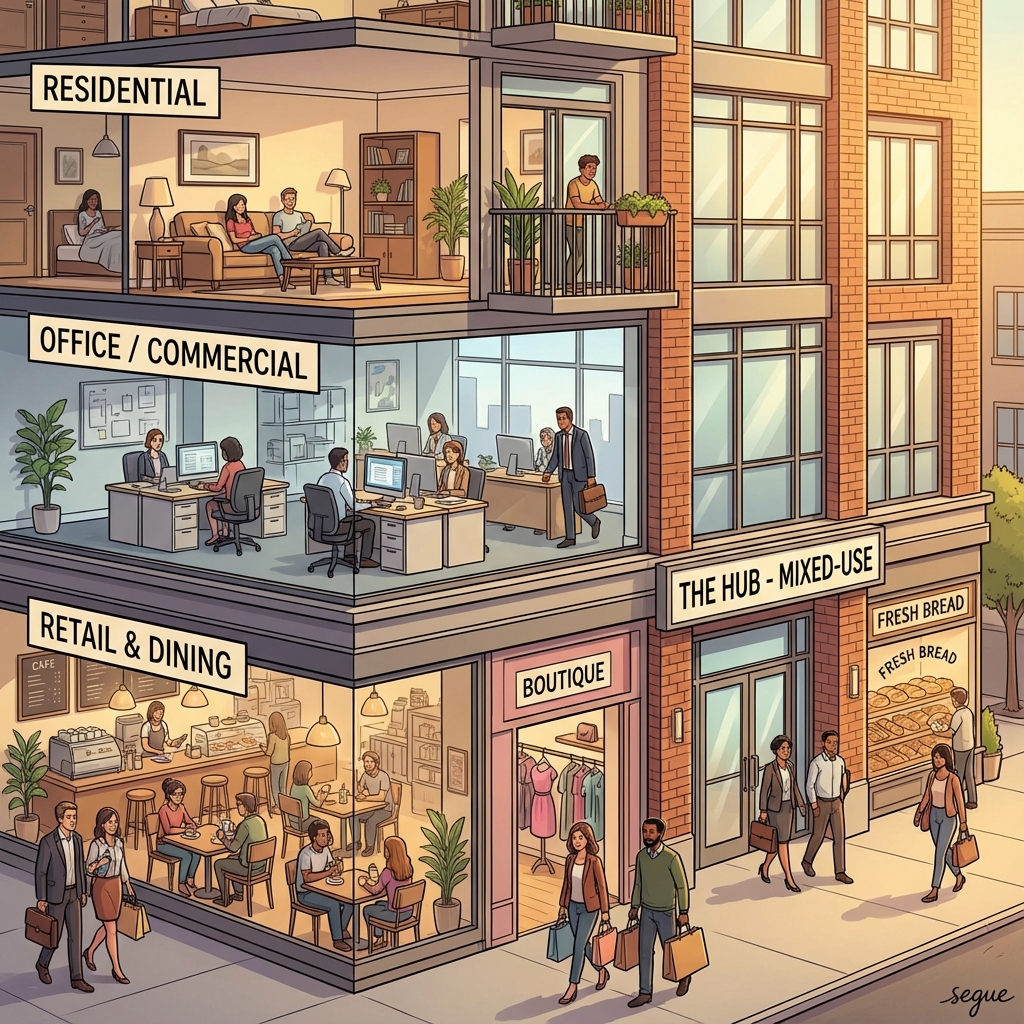
mixed-use
/ˌmɪkst ˈjuːs/combining residential, commercial, and other uses in one area
“Mixed-use development reduces car dependency.”
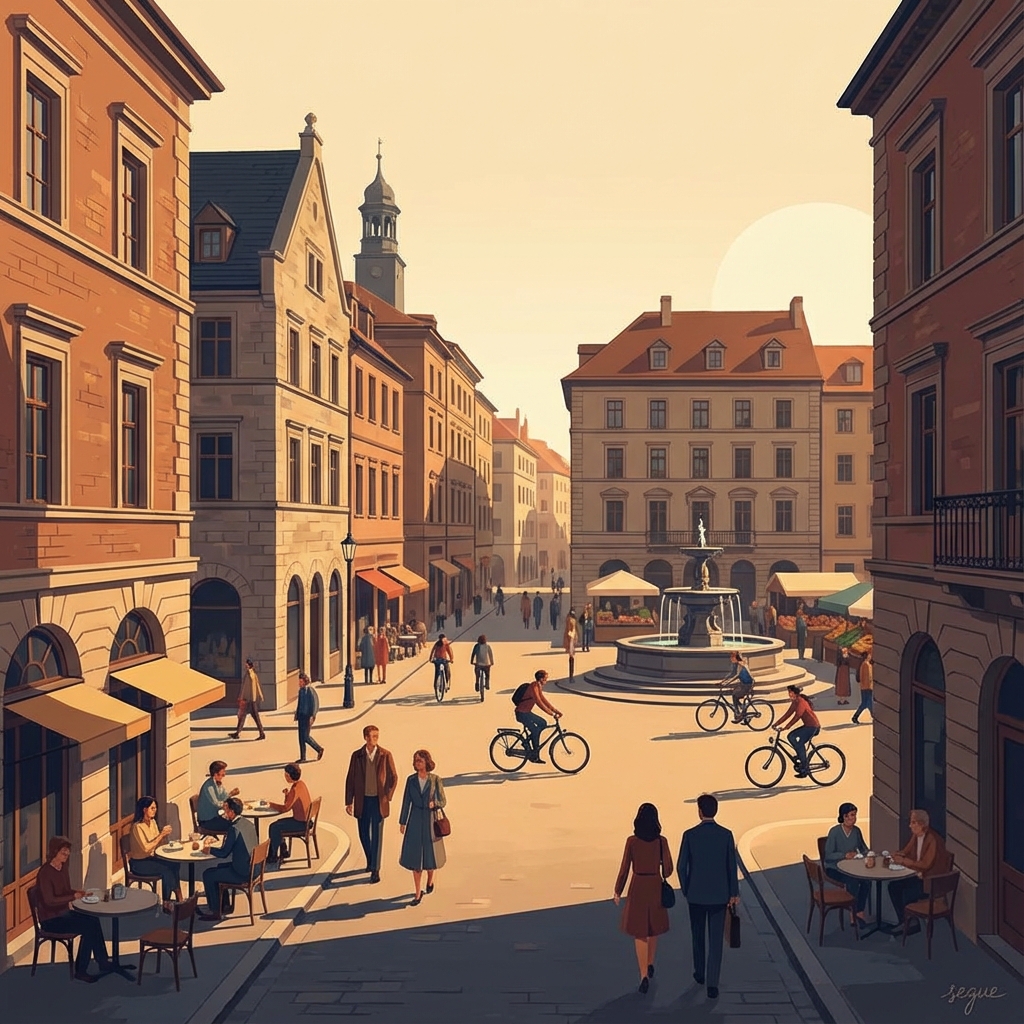
public realm
/ˌpʌblɪk ˈrelm/the shared spaces between buildings in cities
“Plazas and sidewalks form the public realm.”
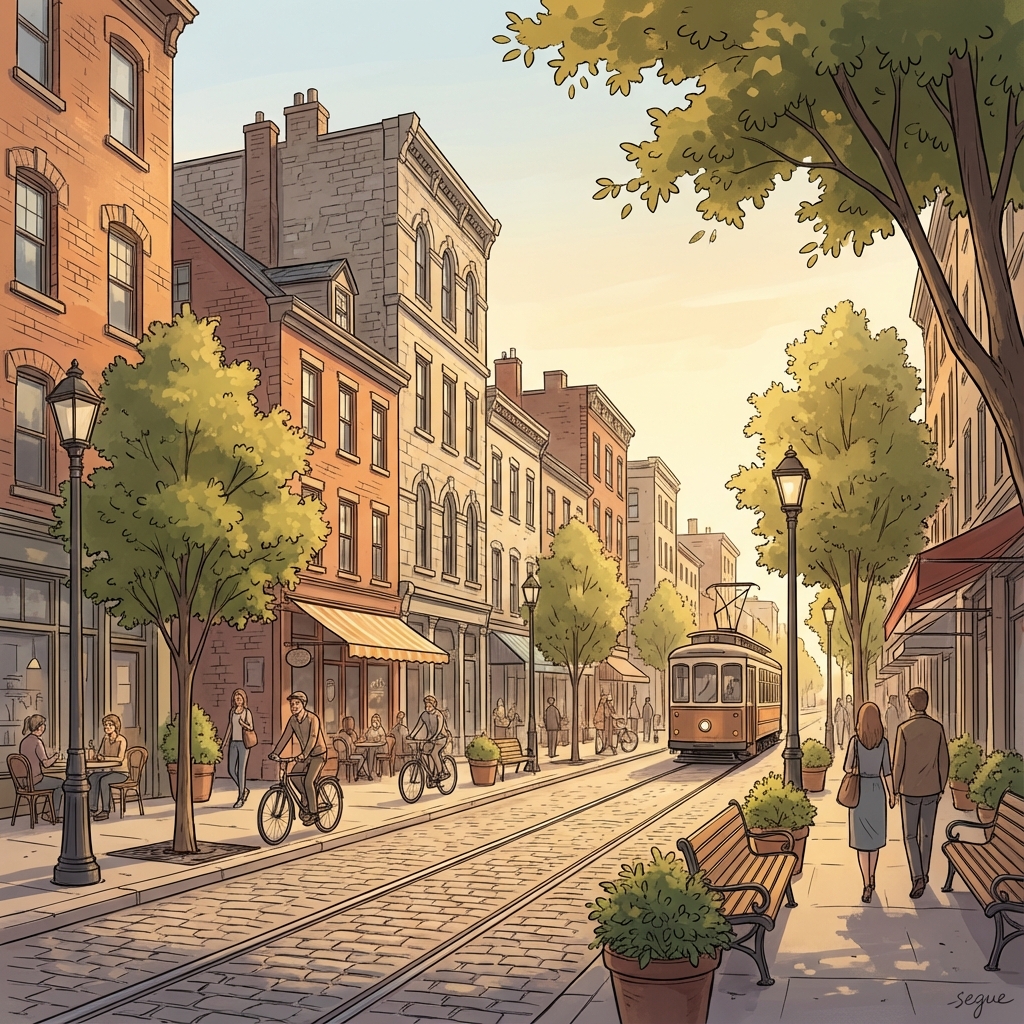
streetscape
/ˈstriːtskeɪp/the visual character of a street
“Trees and benches improved the streetscape.”
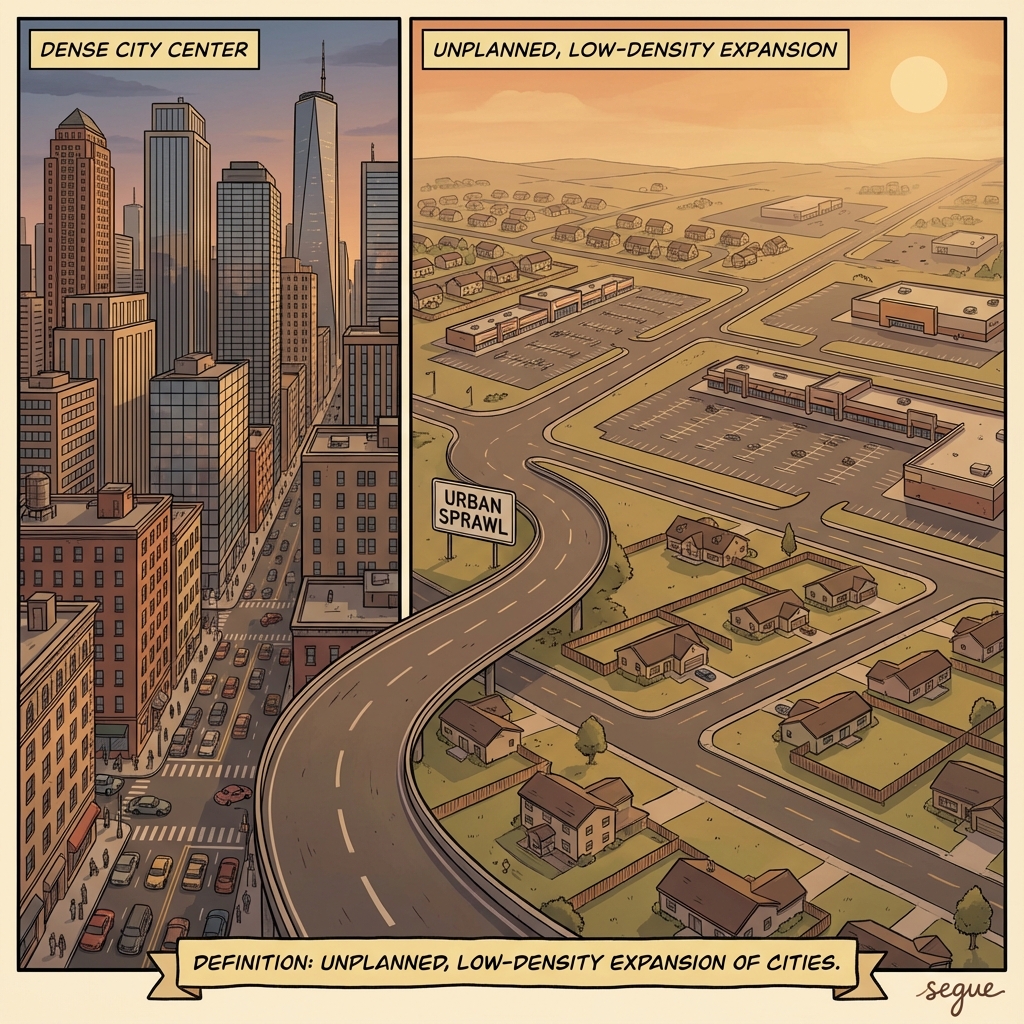
urban sprawl
/ˌɜːrbən ˈsprɔːl/unplanned, low-density expansion of cities
“Urban sprawl increased commuting times.”
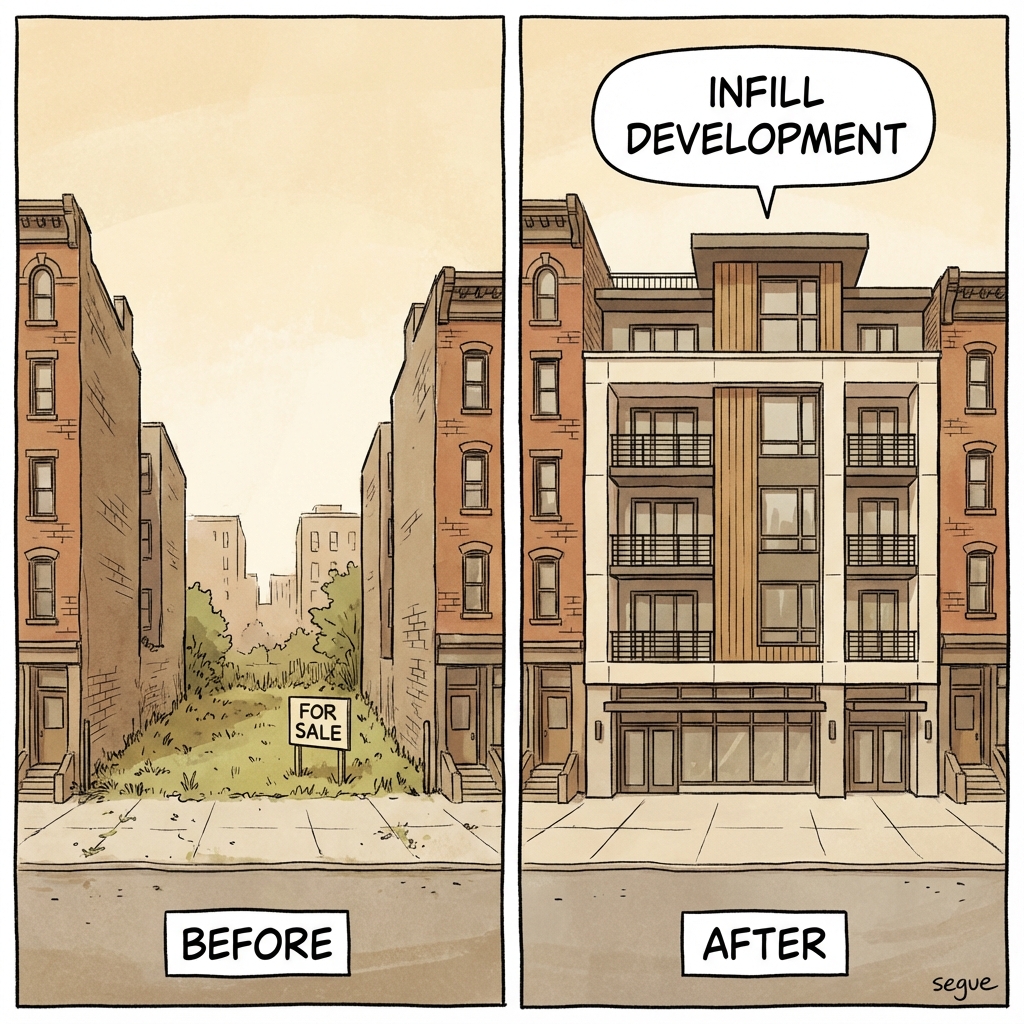
infill
/ˈɪnfɪl/development on vacant or underused land within existing areas
“Infill development revitalized the downtown.”
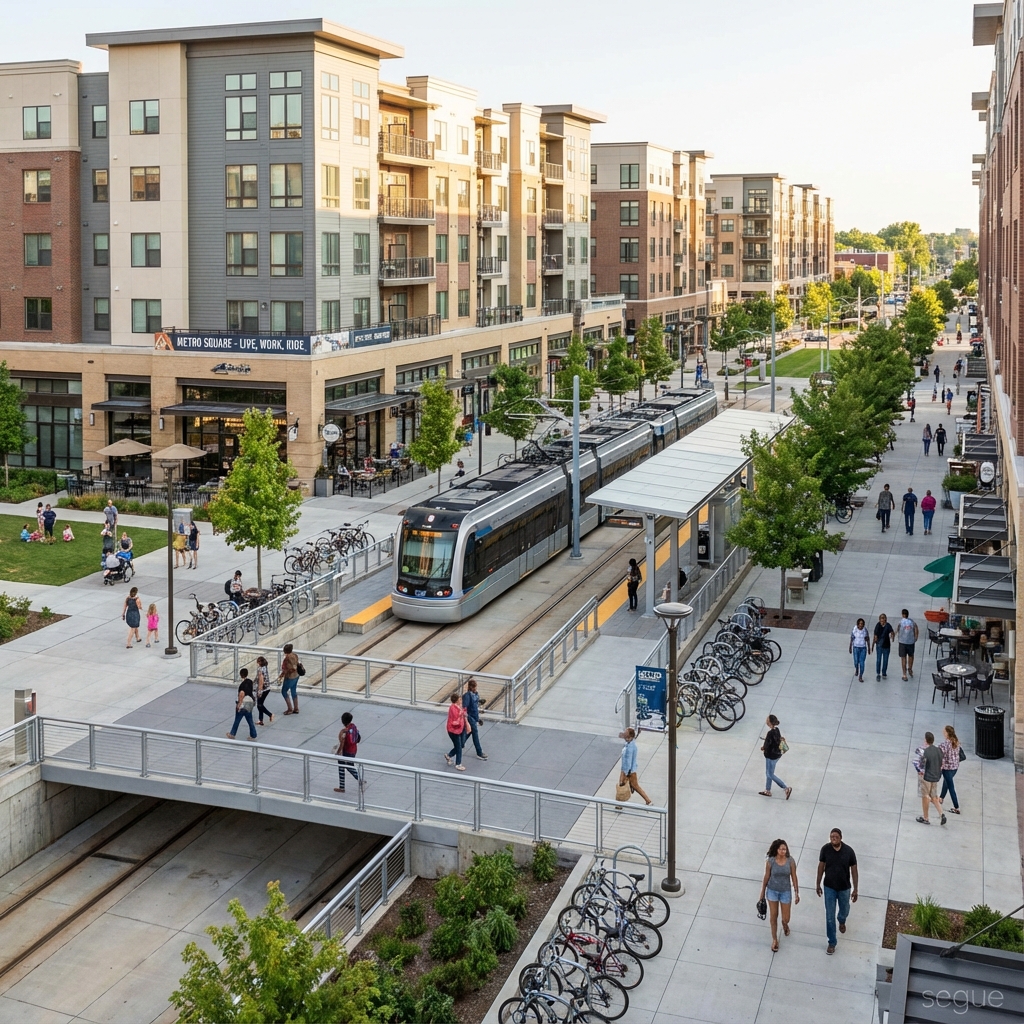
transit-oriented development
/ˈtrænsɪt ˌɔːriˌentɪd dɪˈveləpmənt/dense, walkable communities around transit stations
“Transit-oriented development reduced car use.”
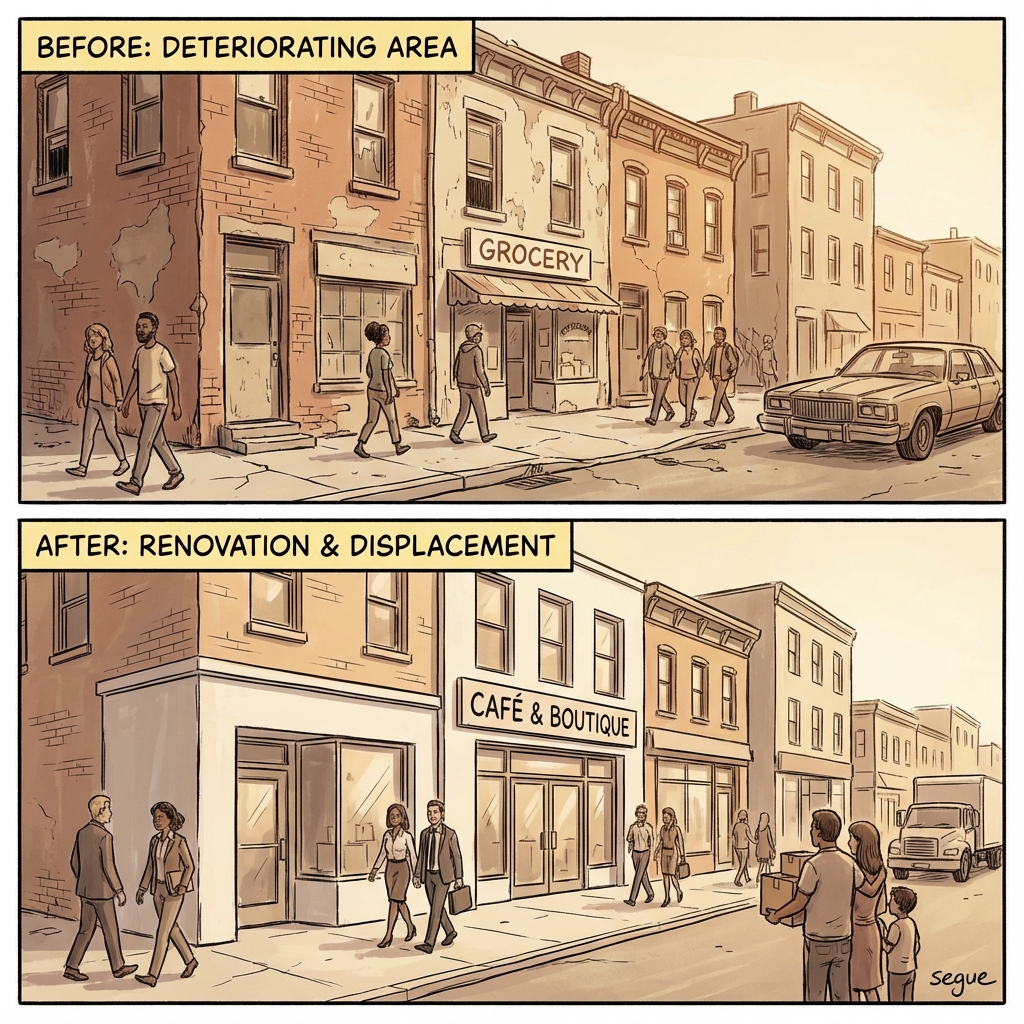
gentrification
/ˌdʒɛntɹɪfɪˈkeɪʃən/renovation of deteriorating areas, often displacing residents
“Gentrification transformed the neighborhood but raised rents.”
More from Arts & Culture
Explore other vocabulary categories in this collection.