Loading collection...
🦅
Roman & Classical References Vocabulary
Latin phrases and Roman cultural allusions
10 words
All 10 Words

Rubicon
/ˈɹubɪkɔn/a point of no return
“Signing the contract meant crossing the Rubicon.”
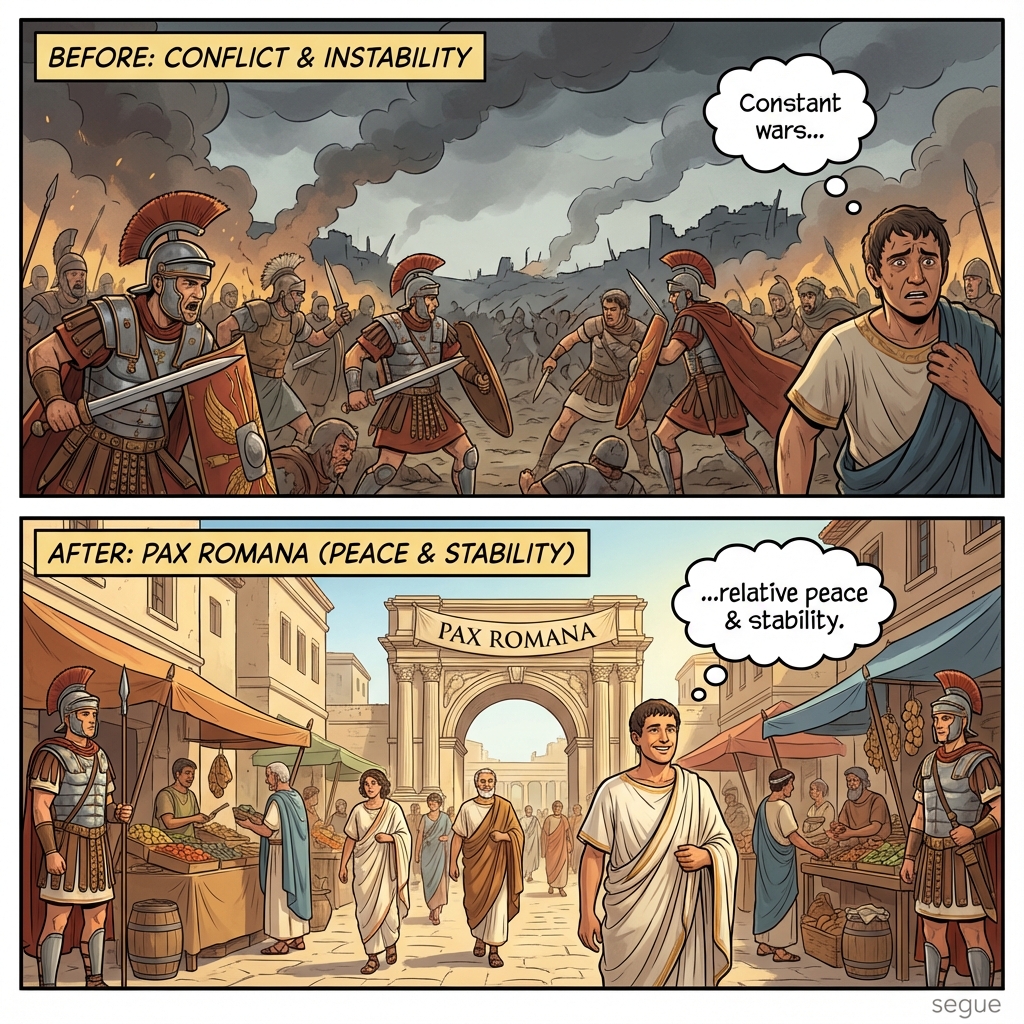
Pax Romana
/ˌpæks roʊˈmɑːnə/a period of relative peace and stability
“The post-war era brought a Pax Americana to the Western world.”
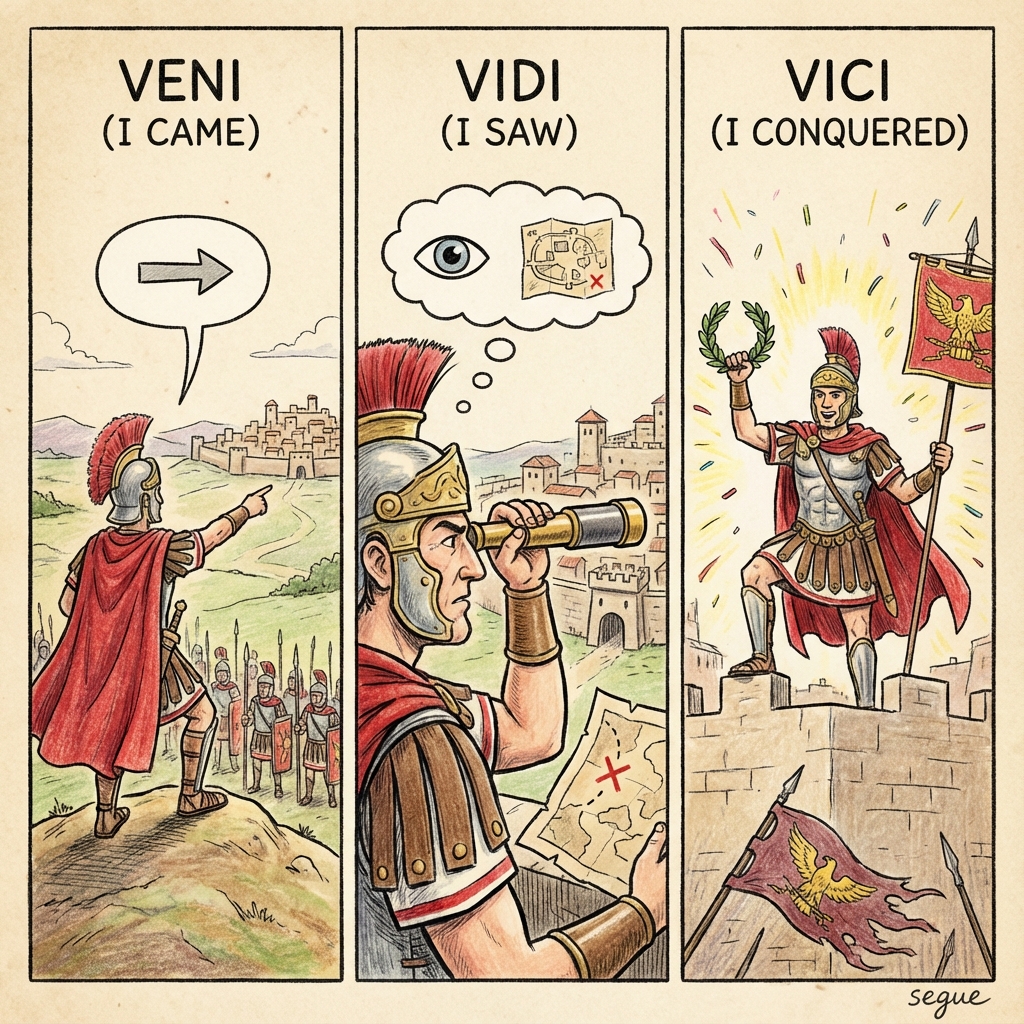
veni, vidi, vici
/ˌveɪni ˈviːdi ˈviːtʃi/I came, I saw, I conquered
“She walked in, presented her case, and won—veni, vidi, vici.”
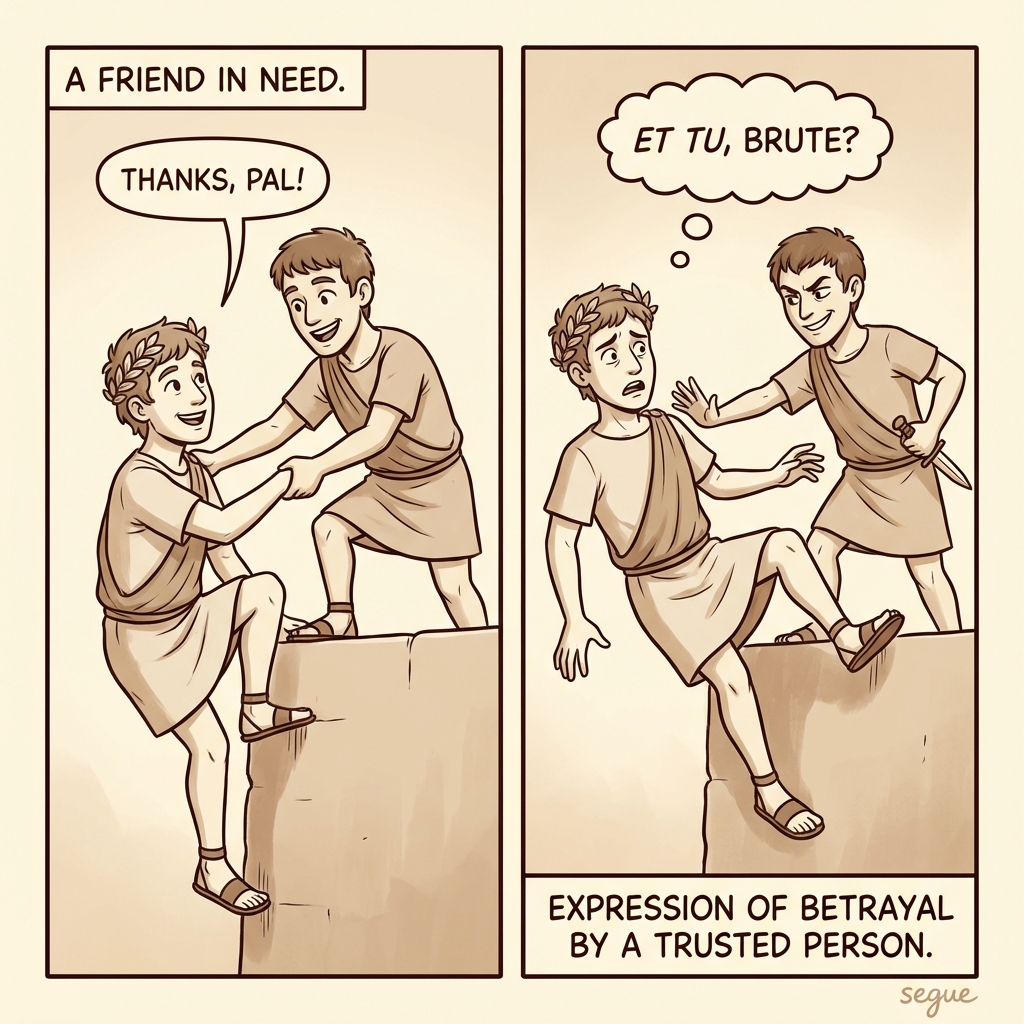
et tu, Brute
/ˌet ˈtuː ˈbruːteɪ/expression of betrayal by a trusted person
“When his partner voted against him, he could only say, 'Et tu, Brute?'”
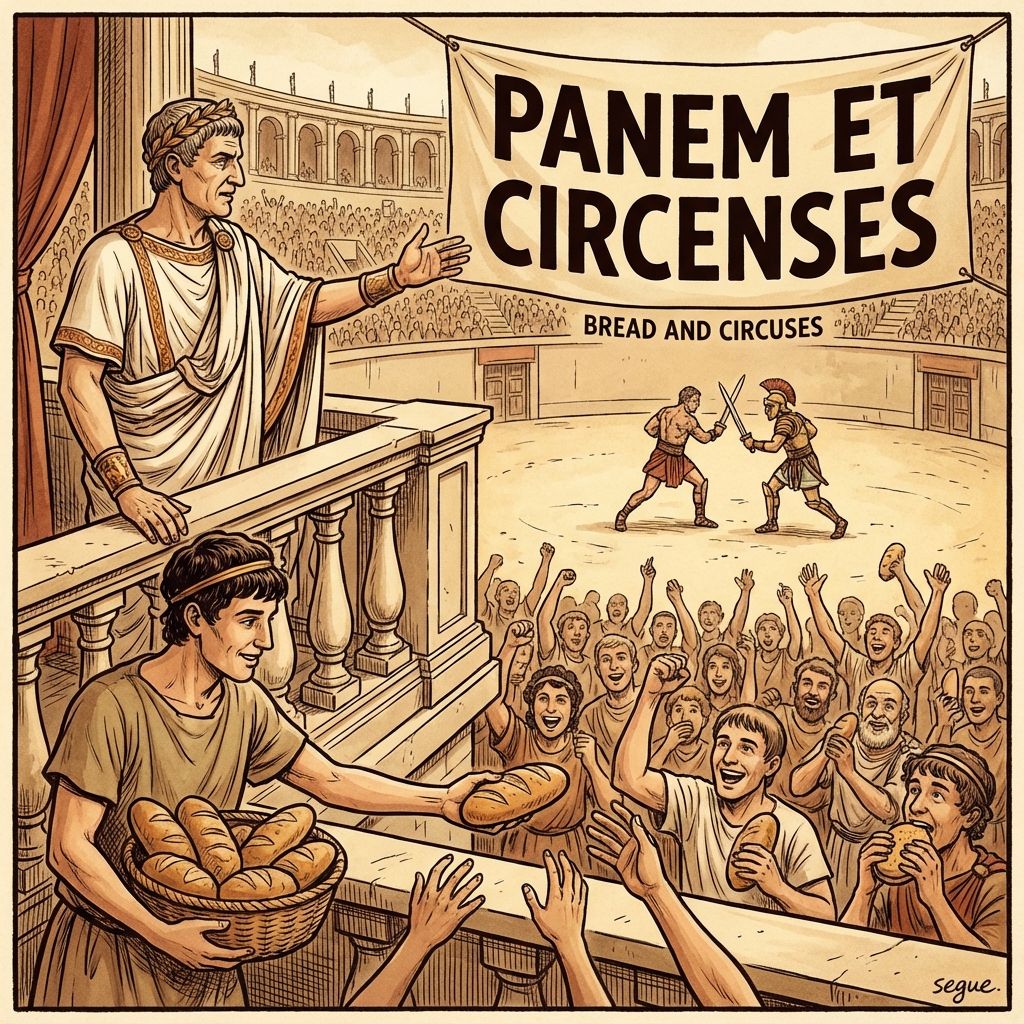
bread and circuses
/ˌbred ənd ˈsɜːrkəsɪz/superficial appeasement of the public
“Critics dismissed the tax rebate as bread and circuses.”
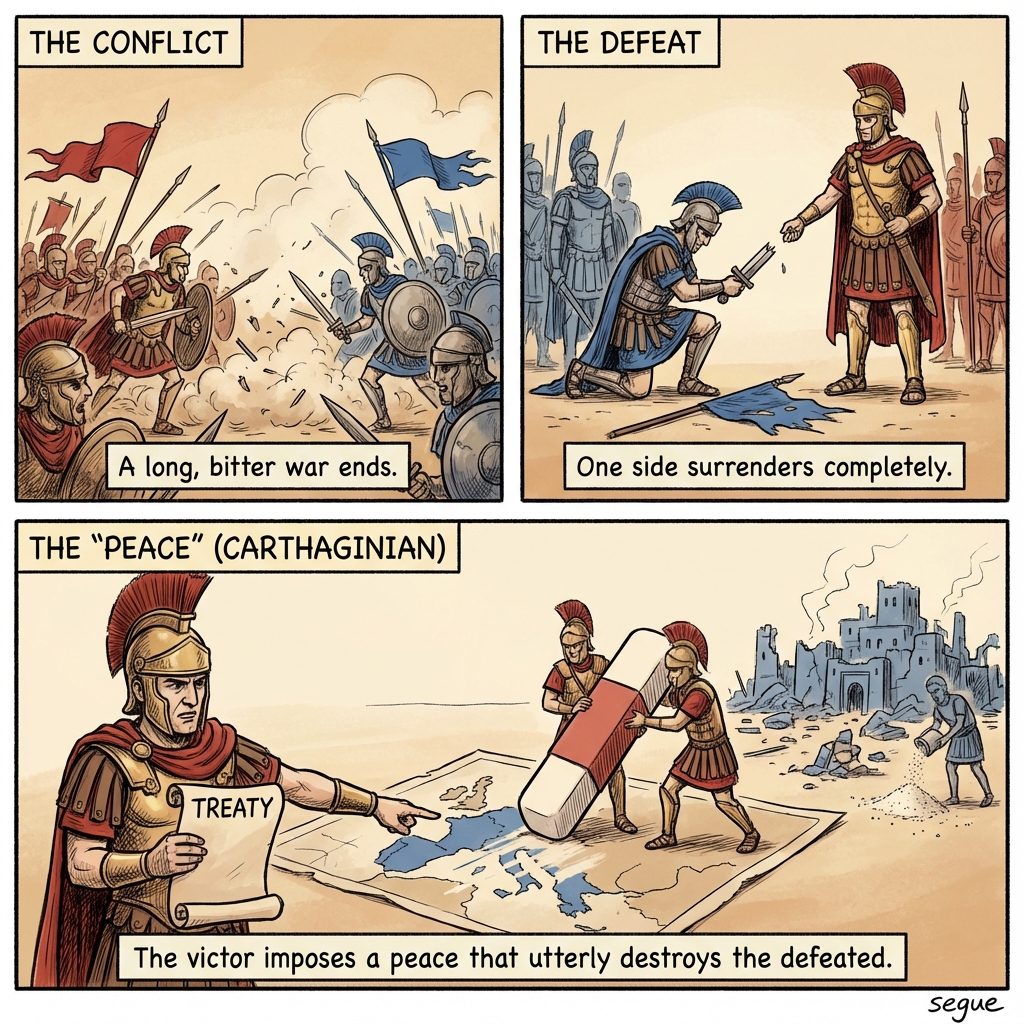
Carthaginian peace
/ˌkɑːrθəˈdʒɪniən ˈpiːs/a brutal peace that destroys the defeated party
“The treaty imposed a Carthaginian peace on the losing nation.”
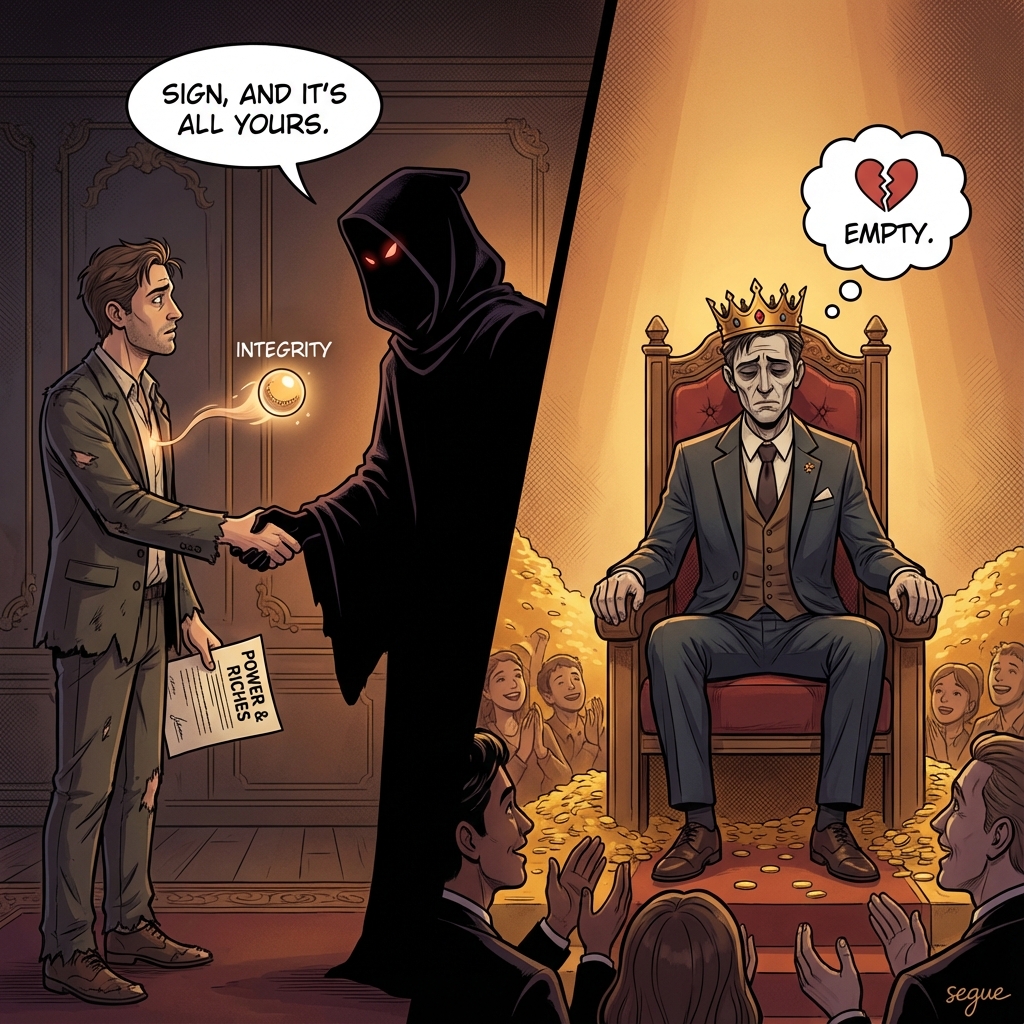
Faustian bargain
/ˈfaʊstiən ˌbɑːrɡən/a deal sacrificing integrity for power or success
“Accepting the funding was a Faustian bargain.”

crossing the Rubicon
/ˌkrɒsɪŋ ðə ˈruːbɪkɒn/taking an irreversible step
“Announcing the merger meant crossing the Rubicon.”

Pyrrhic
/ˈpɪɹɪk/won at too great a cost to be worthwhile
“The hostile takeover was a Pyrrhic success.”
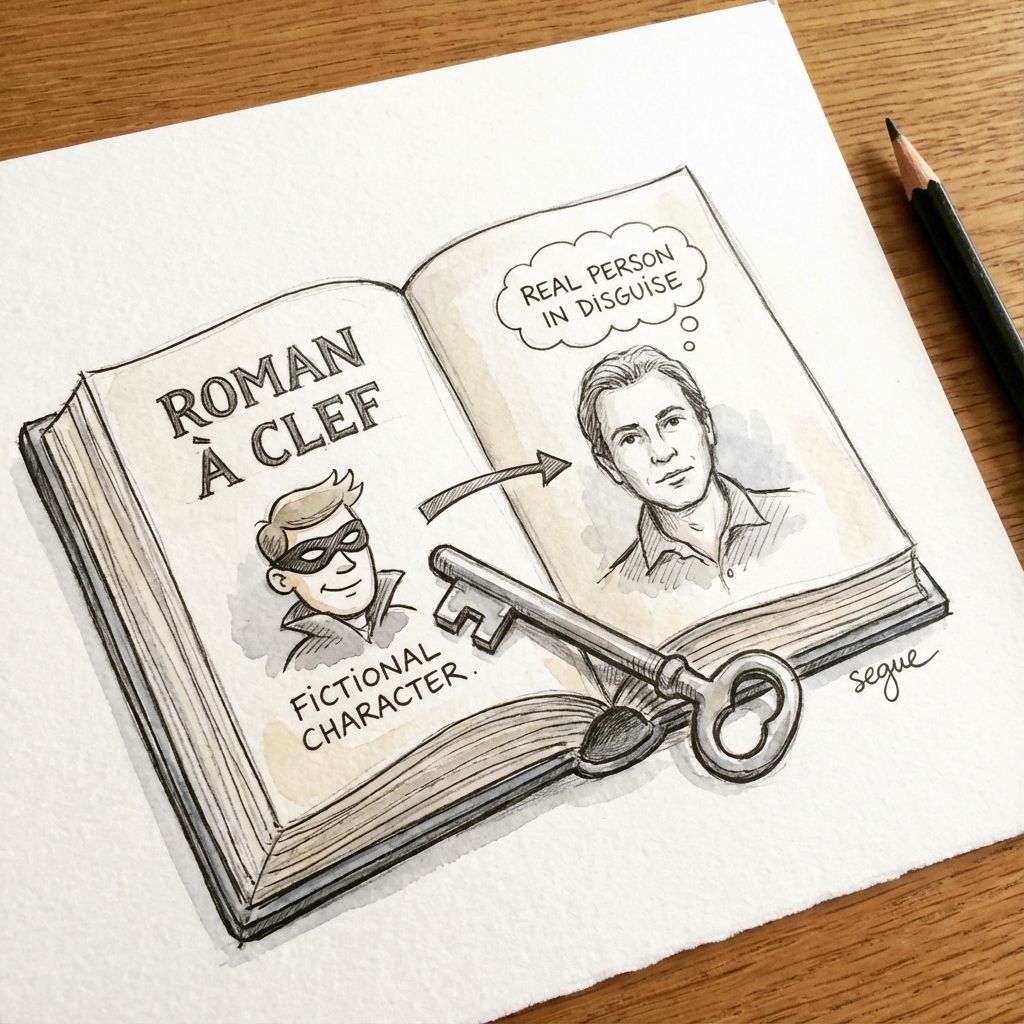
Roman à clef
/roʊˌmɑːn ɑː ˈkleɪ/a novel with real people disguised as fictional characters
“The bestseller was a roman à clef about Silicon Valley.”
More from Arts & Culture
Explore other vocabulary categories in this collection.