Loading collection...
🏗️
Architectural Styles Vocabulary
Historical and contemporary design movements
10 words
All 10 Words
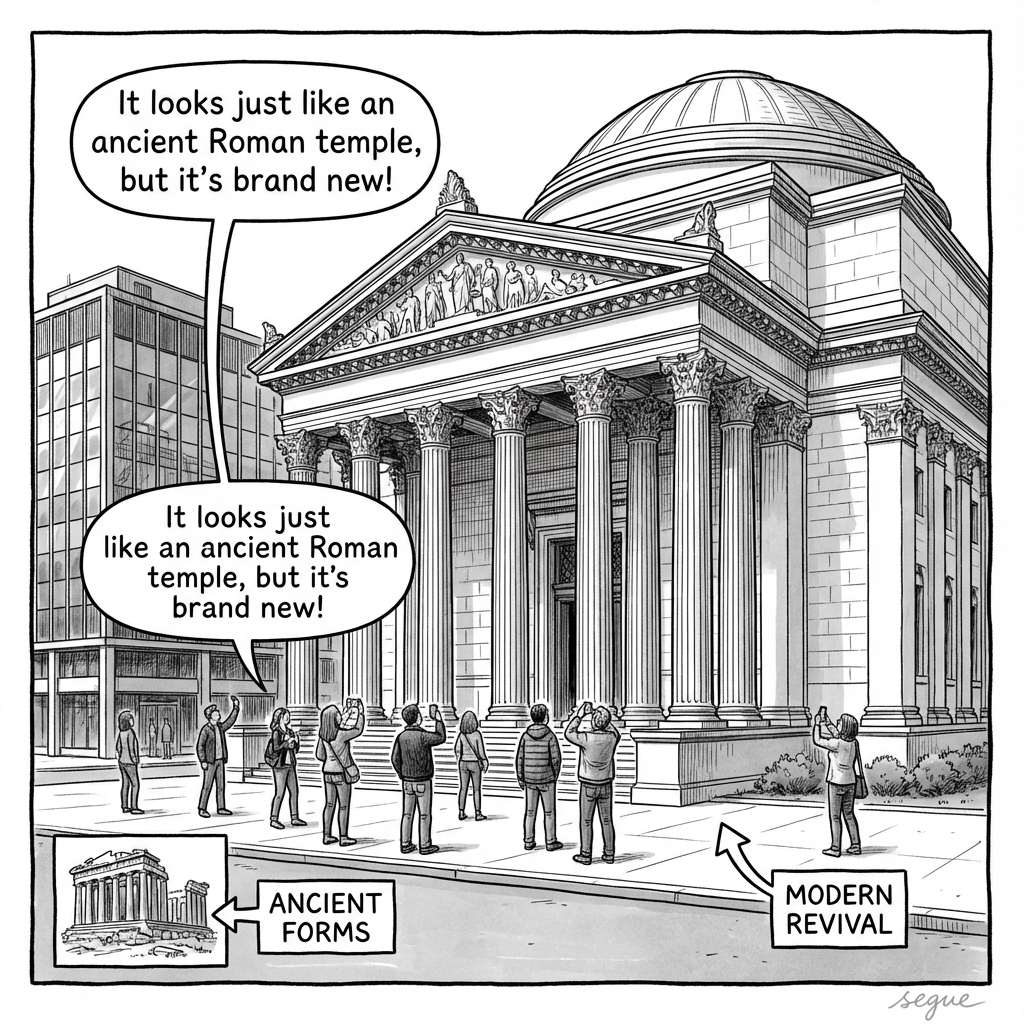
neoclassical
/ˌnioʊˈkɫæsɪkəɫ/reviving ancient Greek and Roman forms
“Neoclassical government buildings evoke democratic ideals.”
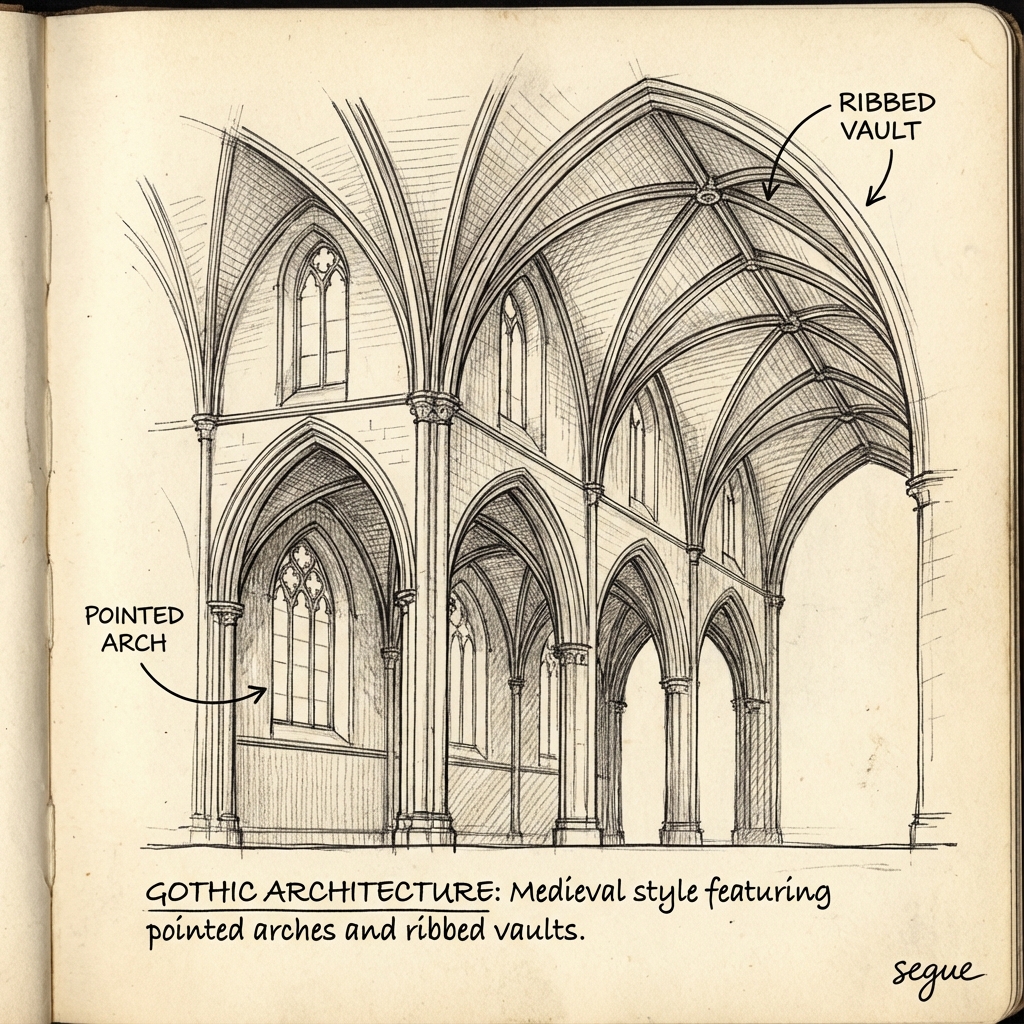
Gothic
/ˈɡɑθɪk/medieval style featuring pointed arches and ribbed vaults
“Gothic cathedrals reached unprecedented heights.”
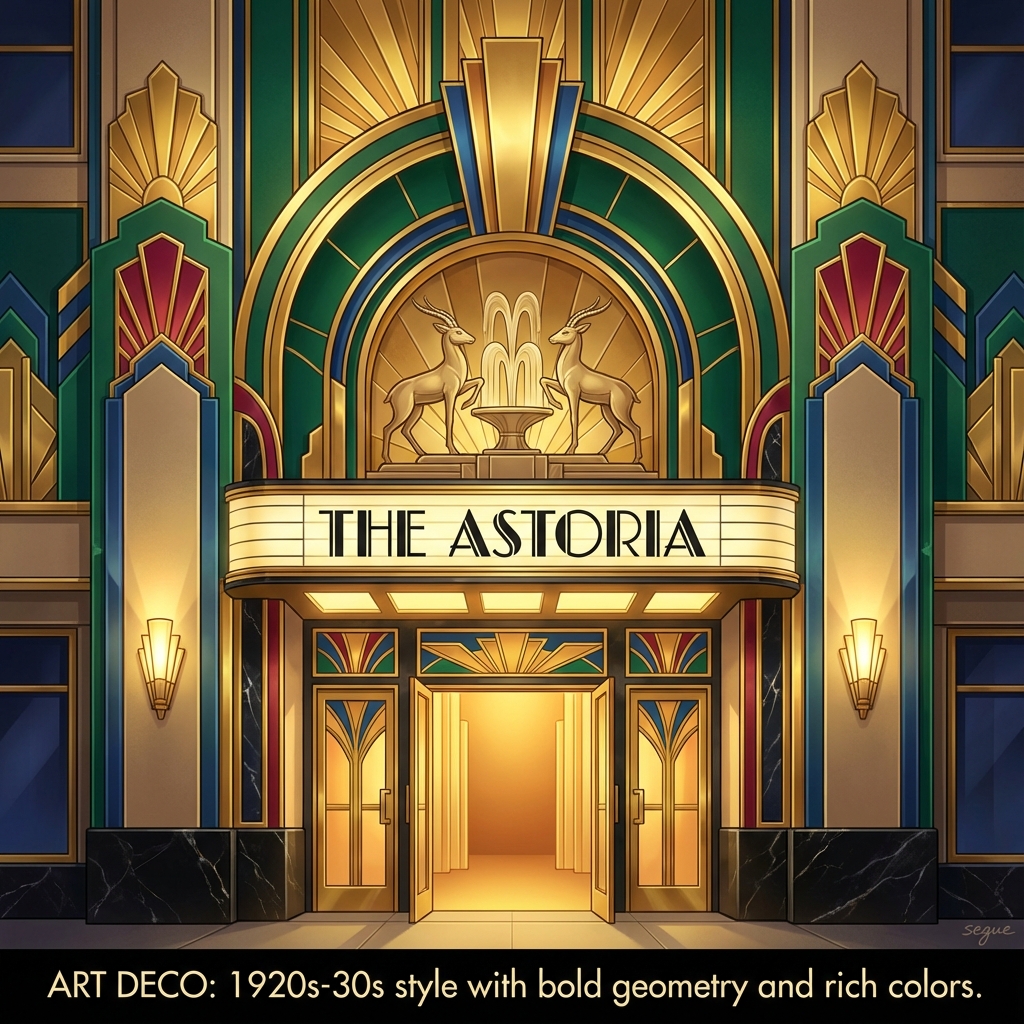
Art Deco
/ˌɑːrt ˈdekoʊ/1920s-30s style with bold geometry and rich colors
“The Chrysler Building exemplifies Art Deco.”
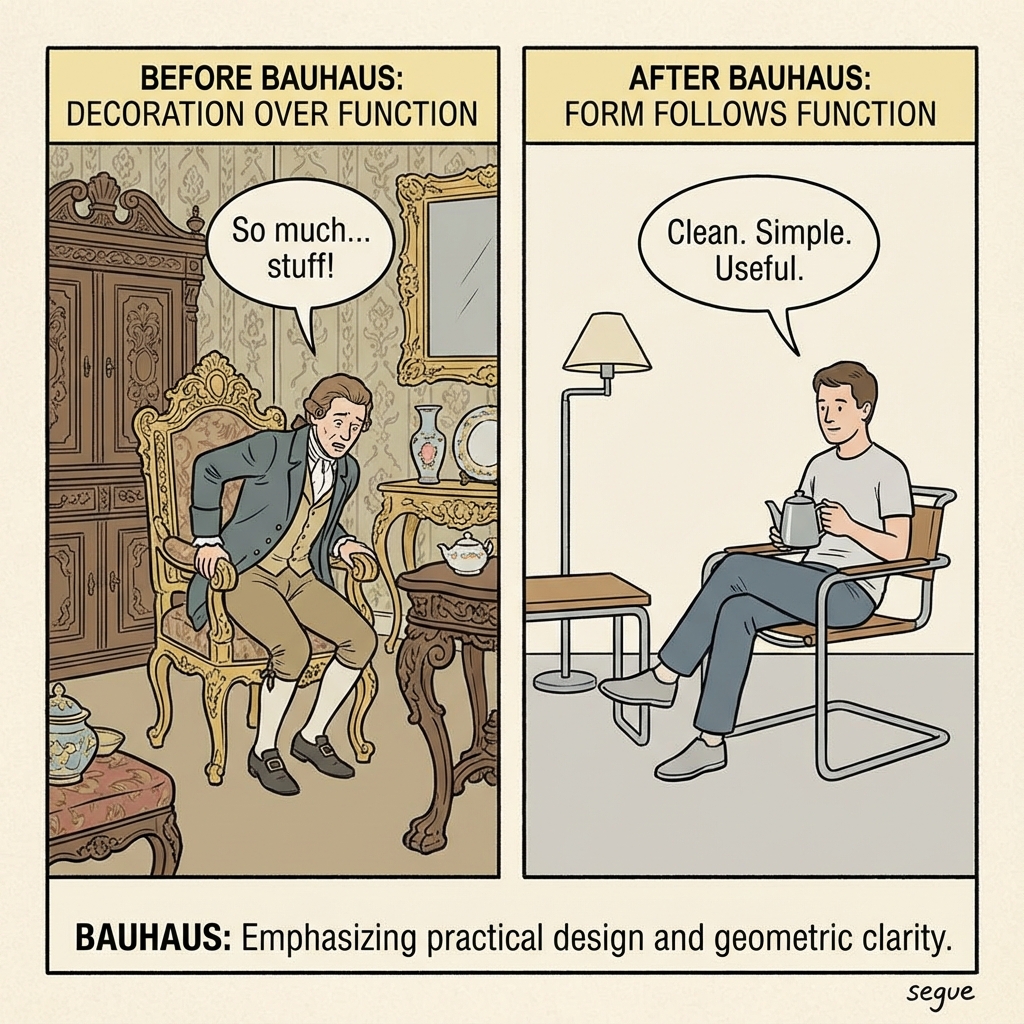
Bauhaus
/ˈbaʊhaʊs/functionalist German design school emphasizing form following function
“Bauhaus principles still influence modern design.”
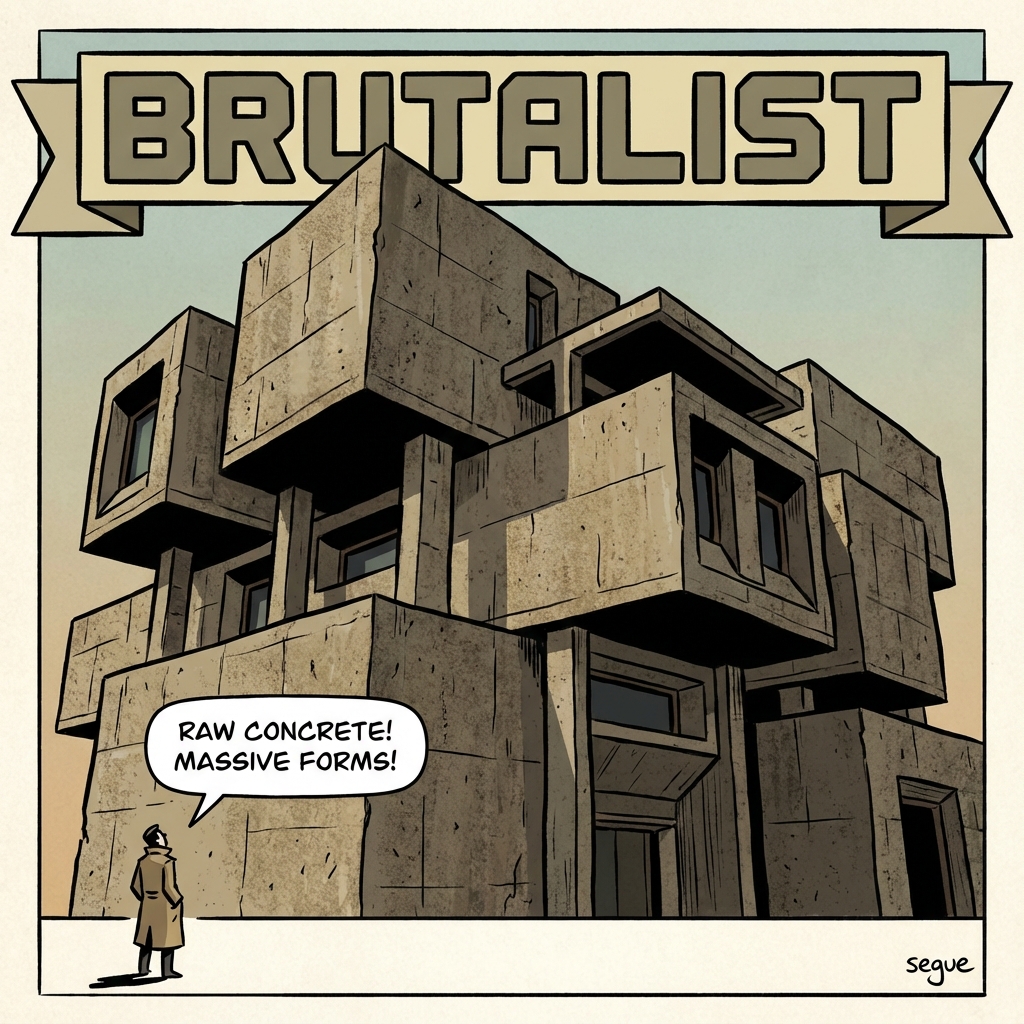
brutalist
/ˈbruːtəlɪst/style featuring raw concrete and massive geometric forms
“Brutalist buildings divided opinion but made bold statements.”
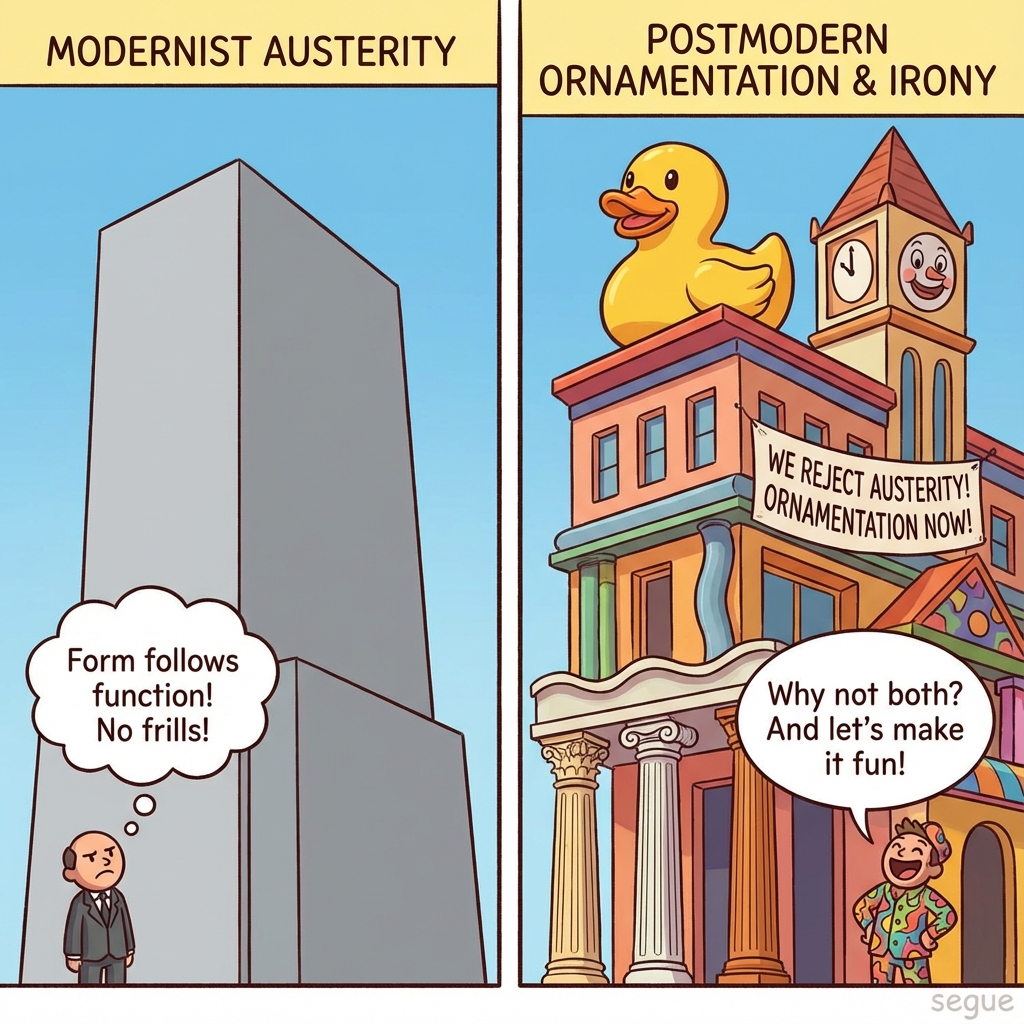
postmodern
/ˌpoʊstˈmɑdɝn/rejecting modernist austerity in favor of ornamentation and irony
“Postmodern architecture playfully references historical styles.”
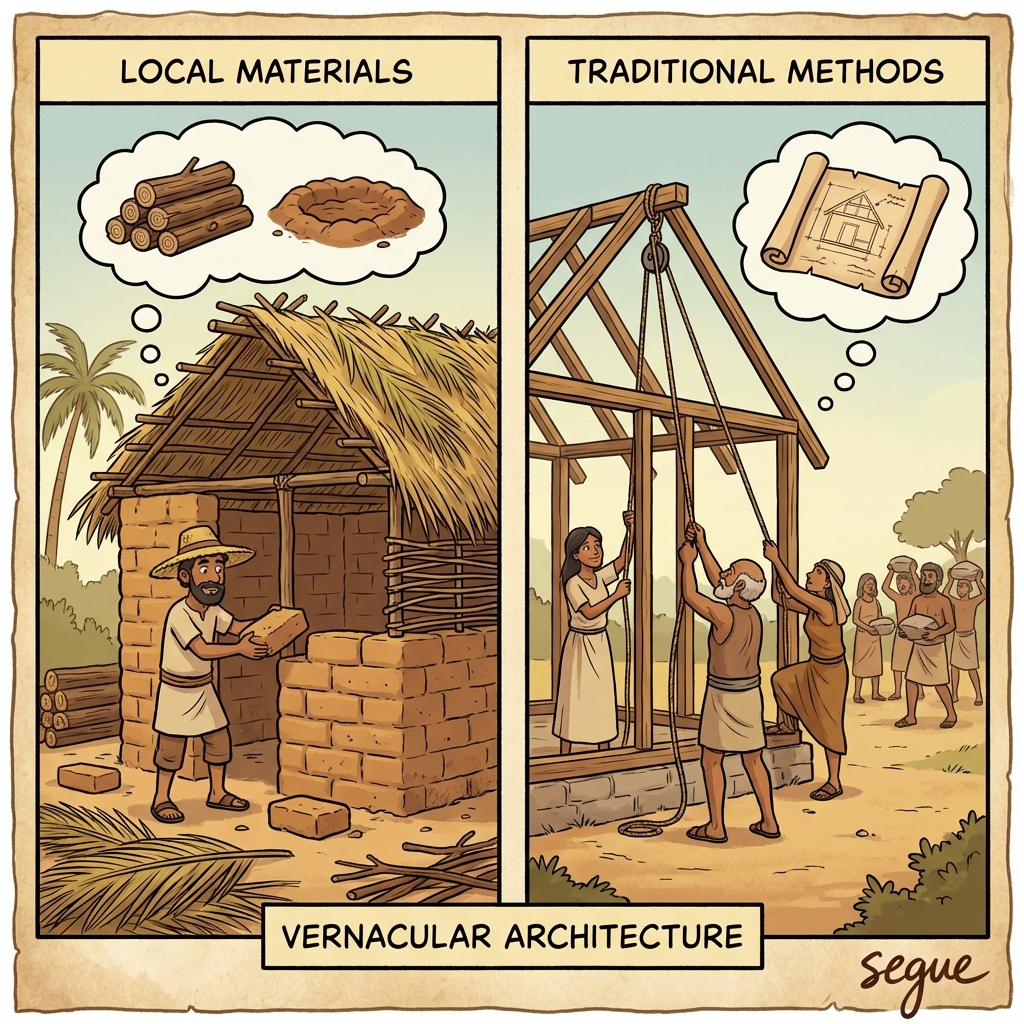
vernacular
/vɝˈnækjəɫɝ/architecture using local materials and traditional methods
“Vernacular cottages reflect regional building traditions.”

minimalist
/ˈmɪnəməɫɪst/style using the fewest possible elements
“The minimalist house featured clean lines and open spaces.”
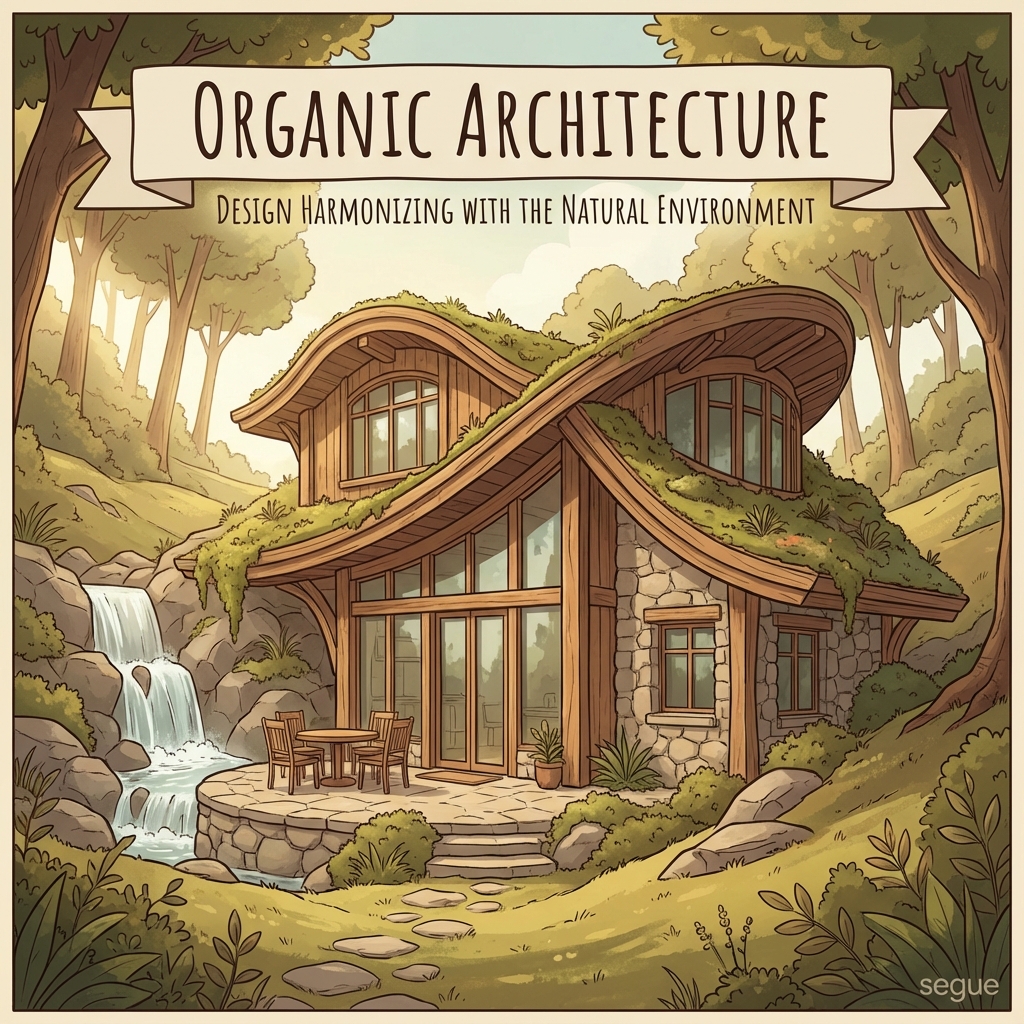
organic architecture
/ɔːrˌɡænɪk ˈɑːrkɪˌtektʃər/design harmonizing with the natural environment
“Fallingwater exemplifies organic architecture.”
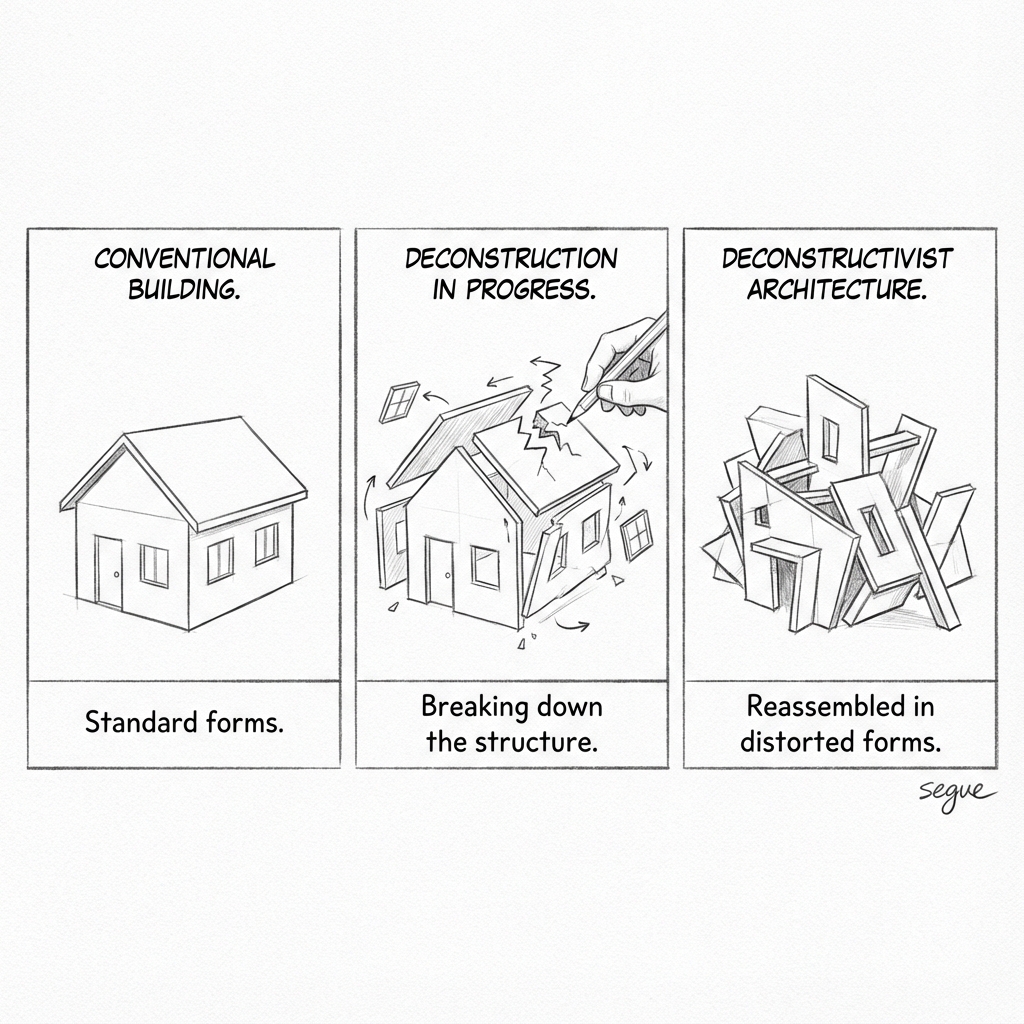
deconstructivist
/ˌdiːkənˈstrʌktɪvɪst/style featuring fragmented, distorted forms
“Gehry's Bilbao museum is deconstructivist.”
More from Arts & Culture
Explore other vocabulary categories in this collection.