Loading collection...
🎼
Musical Forms & Structures Vocabulary
Compositional structures and genres
10 words
All 10 Words
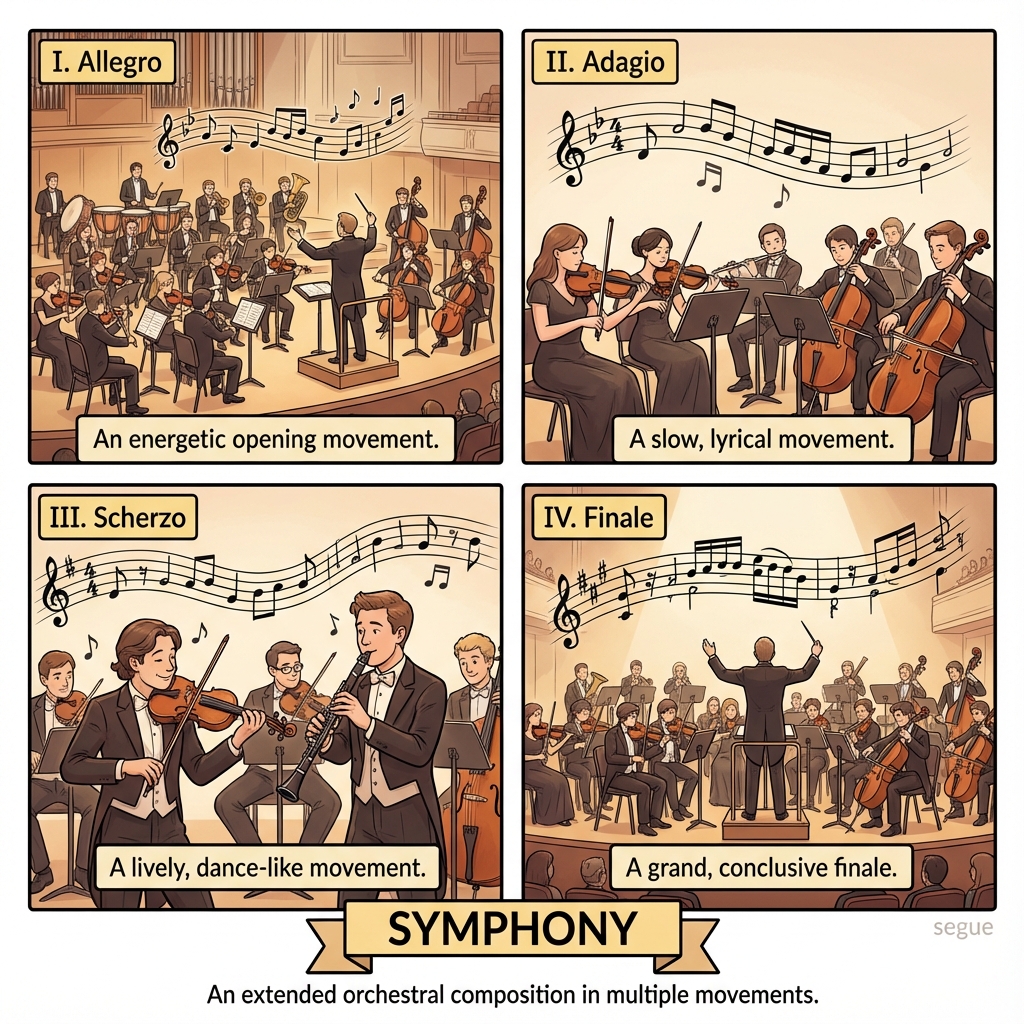
symphony
/ˈsɪmfəni/an extended orchestral composition in multiple movements
“Beethoven's Ninth Symphony changed music forever.”
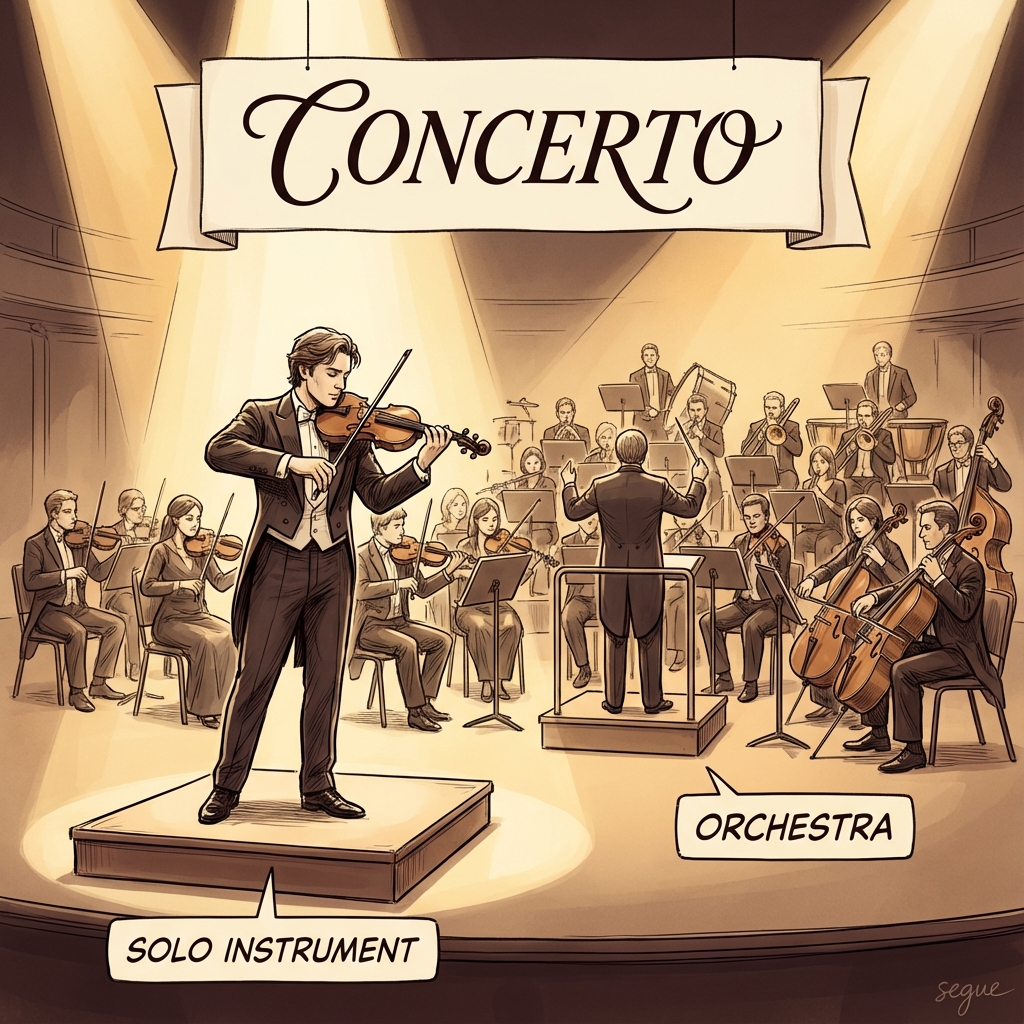
concerto
/kənˈtʃɛɹtoʊ/a composition for solo instrument and orchestra
“The piano concerto showcased the soloist's virtuosity.”
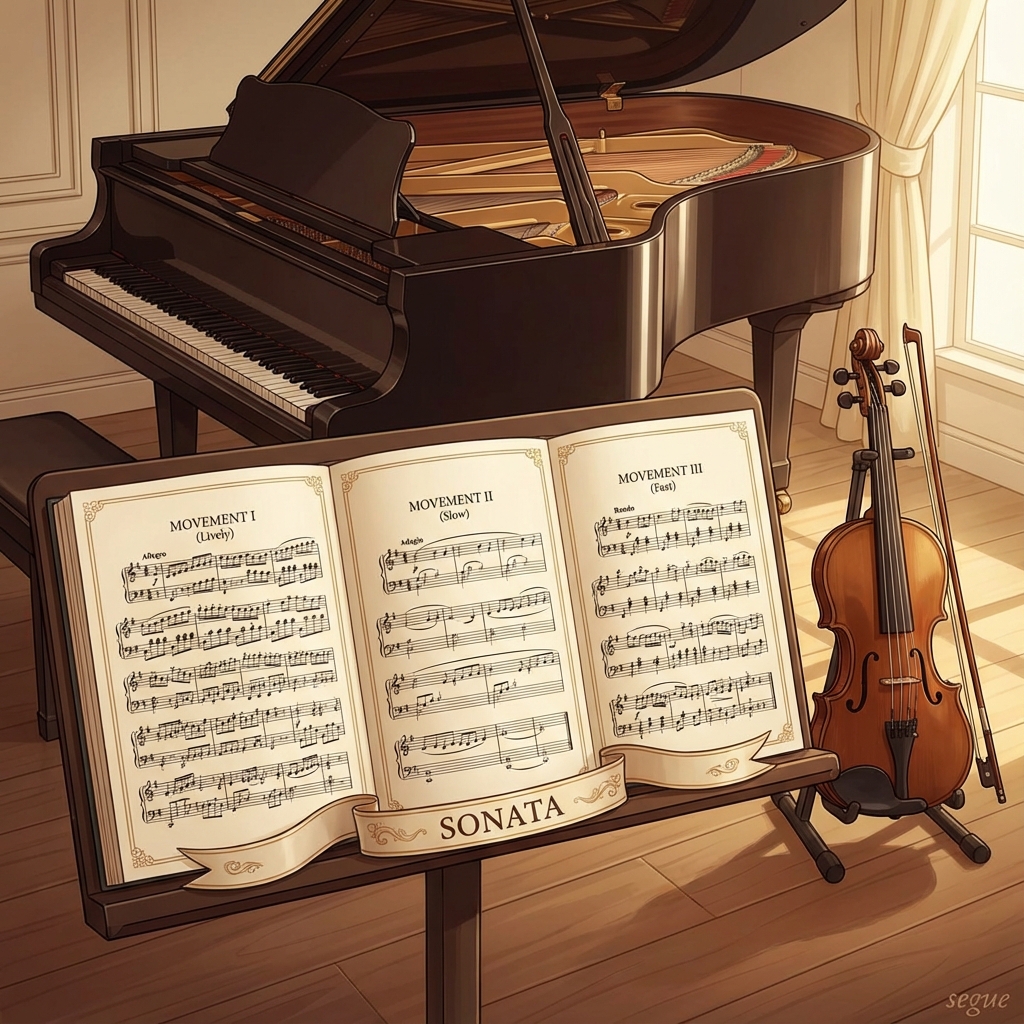
sonata
/səˈnɑtə/a composition for one or two instruments in several movements
“The Moonlight Sonata remains beloved.”
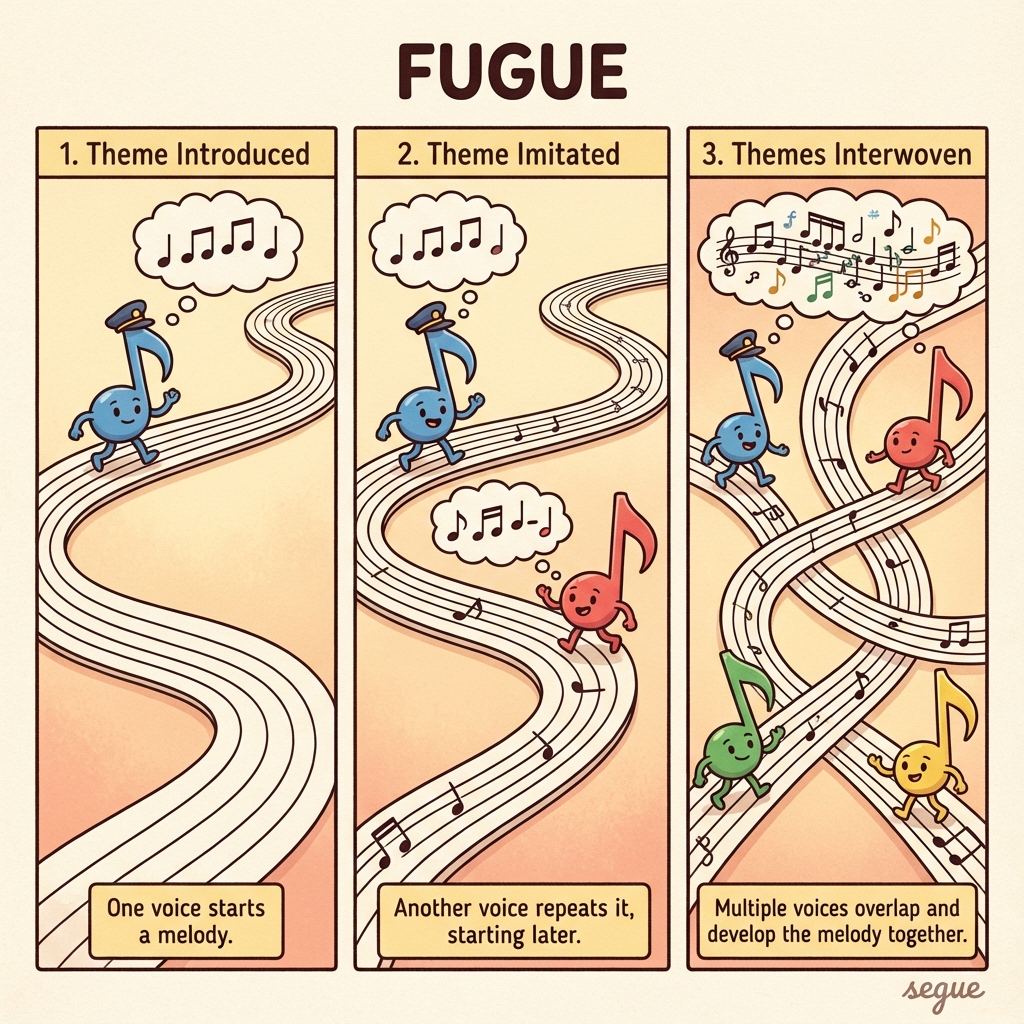
fugue
/ˈfjuɡ/a composition where themes are introduced and developed contrapuntally
“Bach's fugues demonstrate supreme craftsmanship.”
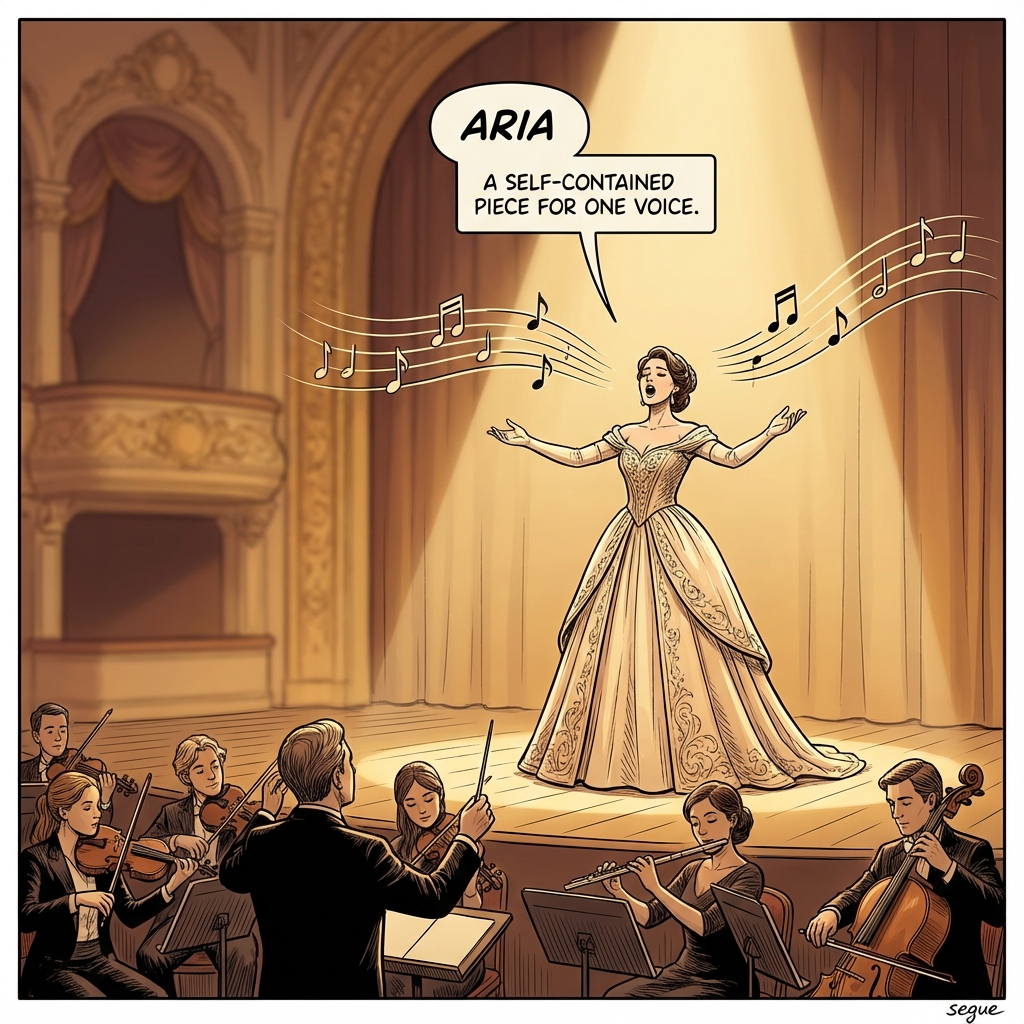
aria
/ˈɑɹiə/a self-contained piece for one voice in an opera
“The soprano's aria brought tears to the audience.”
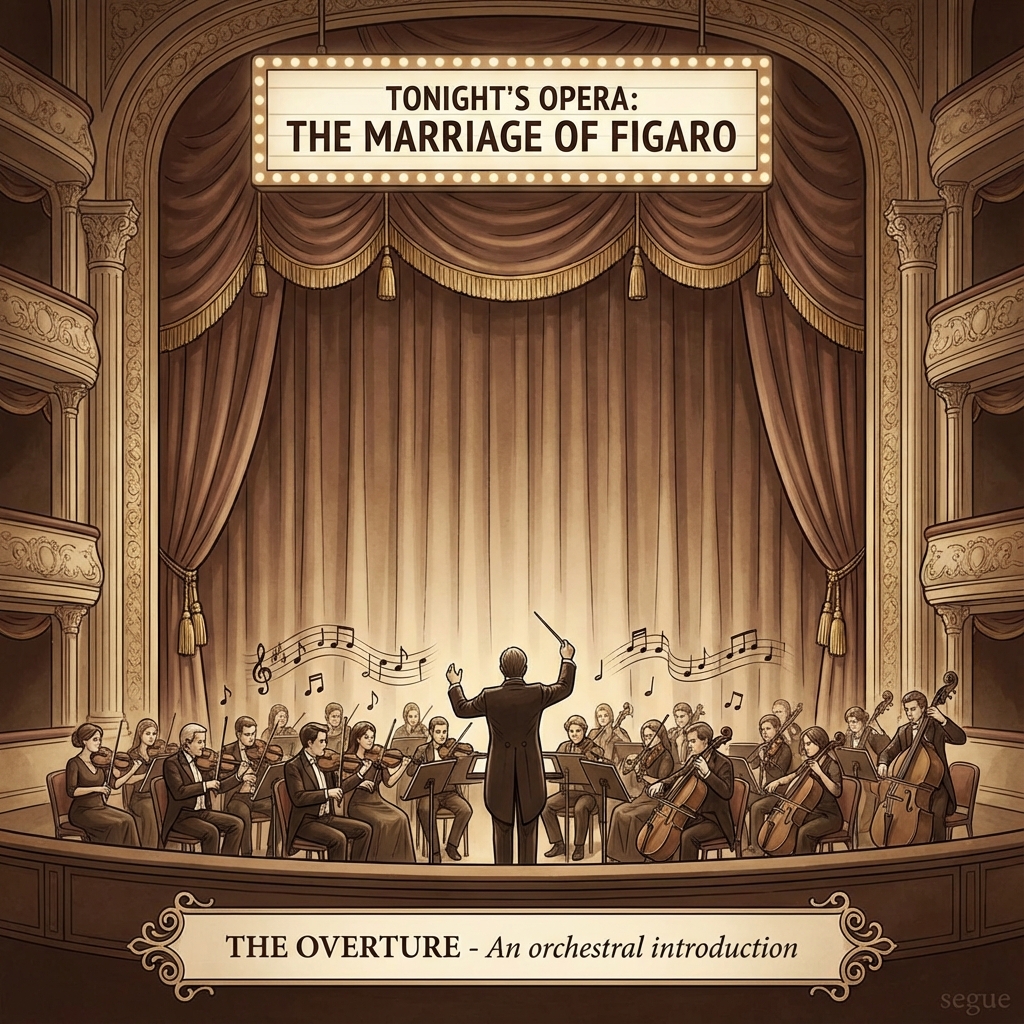
overture
/ˈoʊvɝtʃɝ/an orchestral introduction to an opera or musical work
“The overture previewed the opera's main themes.”
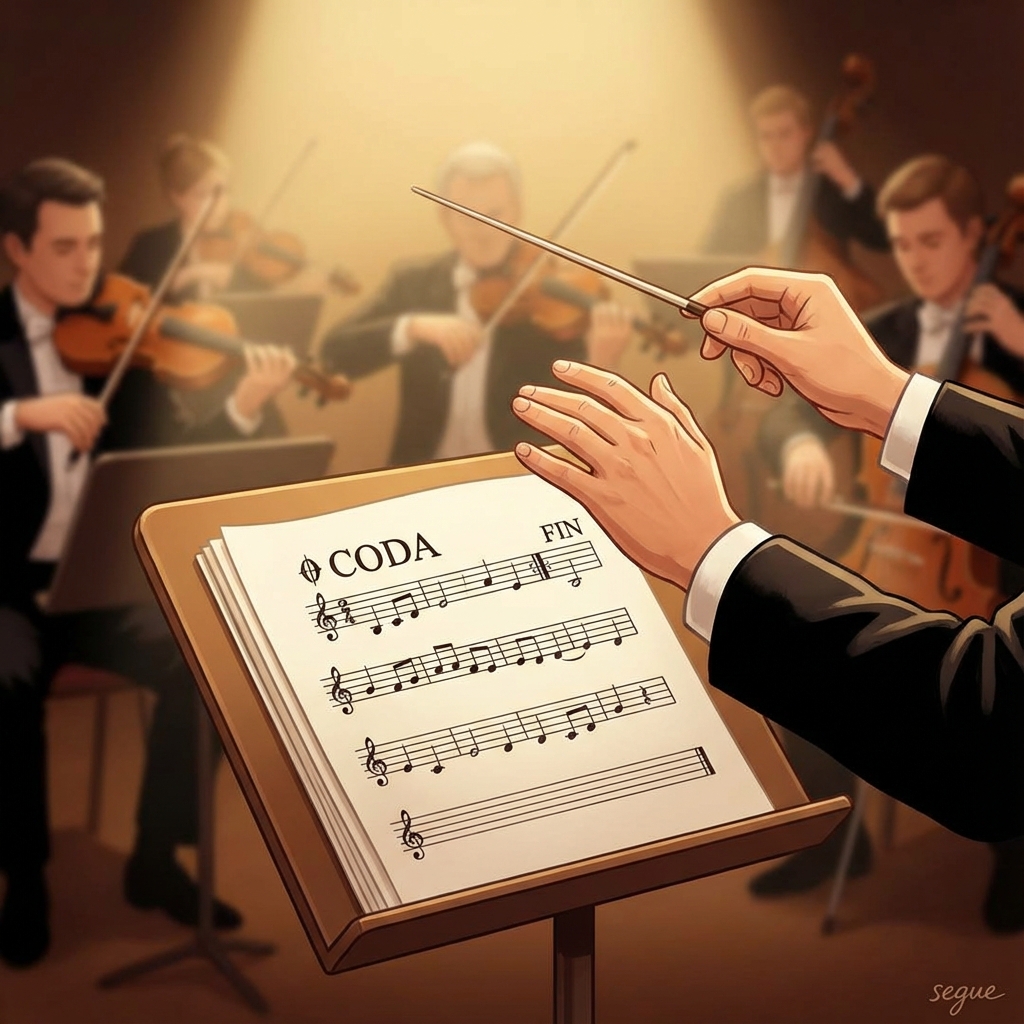
coda
/ˈkoʊdə/a concluding passage bringing a piece to an end
“The coda provided a triumphant finish.”
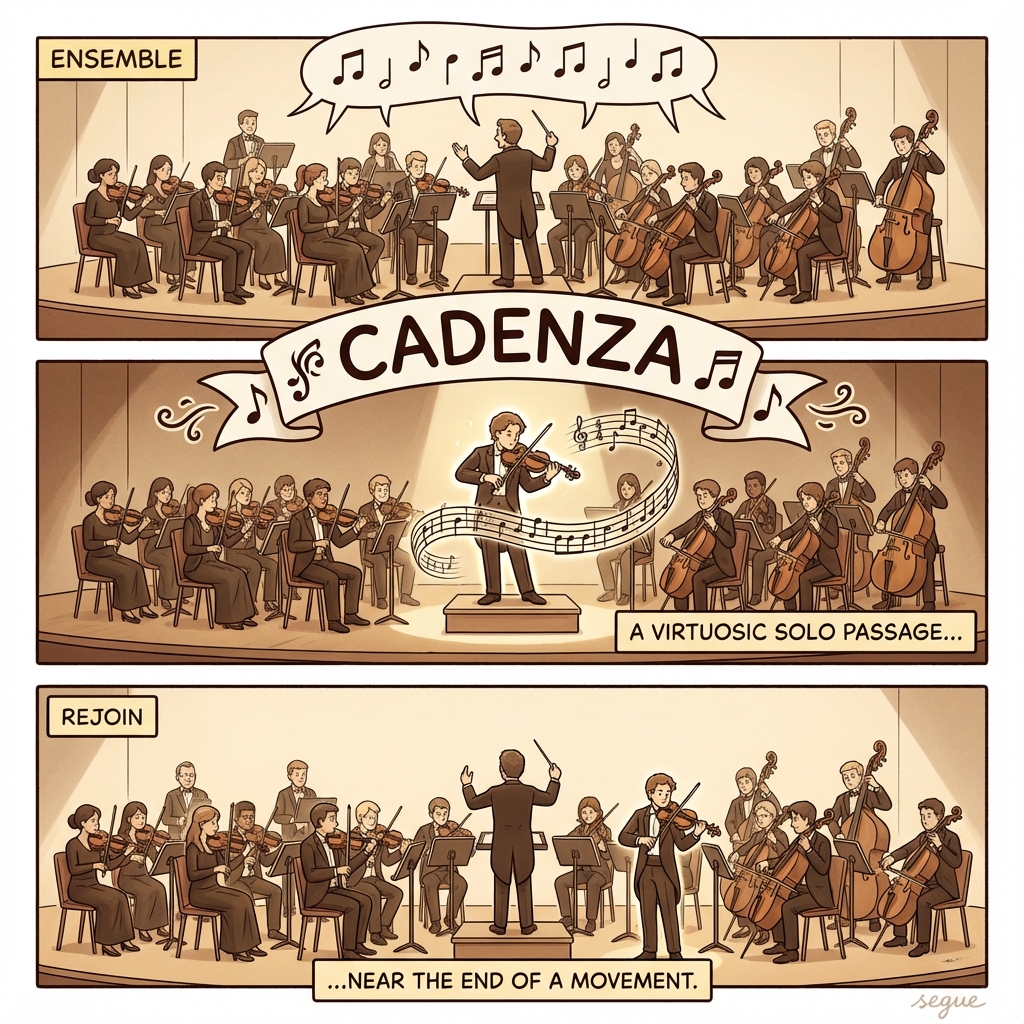
cadenza
/kəˈdenzə/a virtuosic solo passage near the end of a movement
“The violinist's cadenza was breathtaking.”
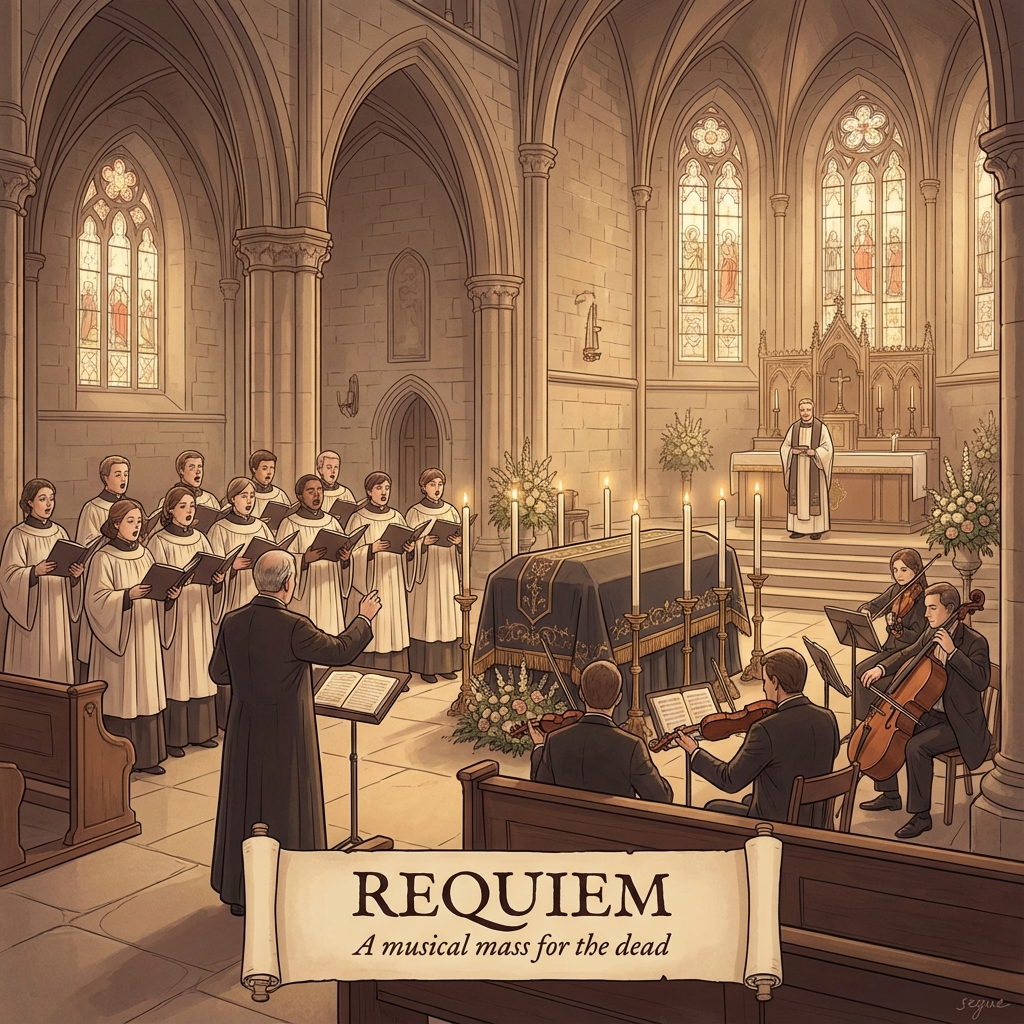
requiem
/ˈɹɛkwiəm/a mass for the dead or a musical setting of it
“Mozart's Requiem was left unfinished at his death.”
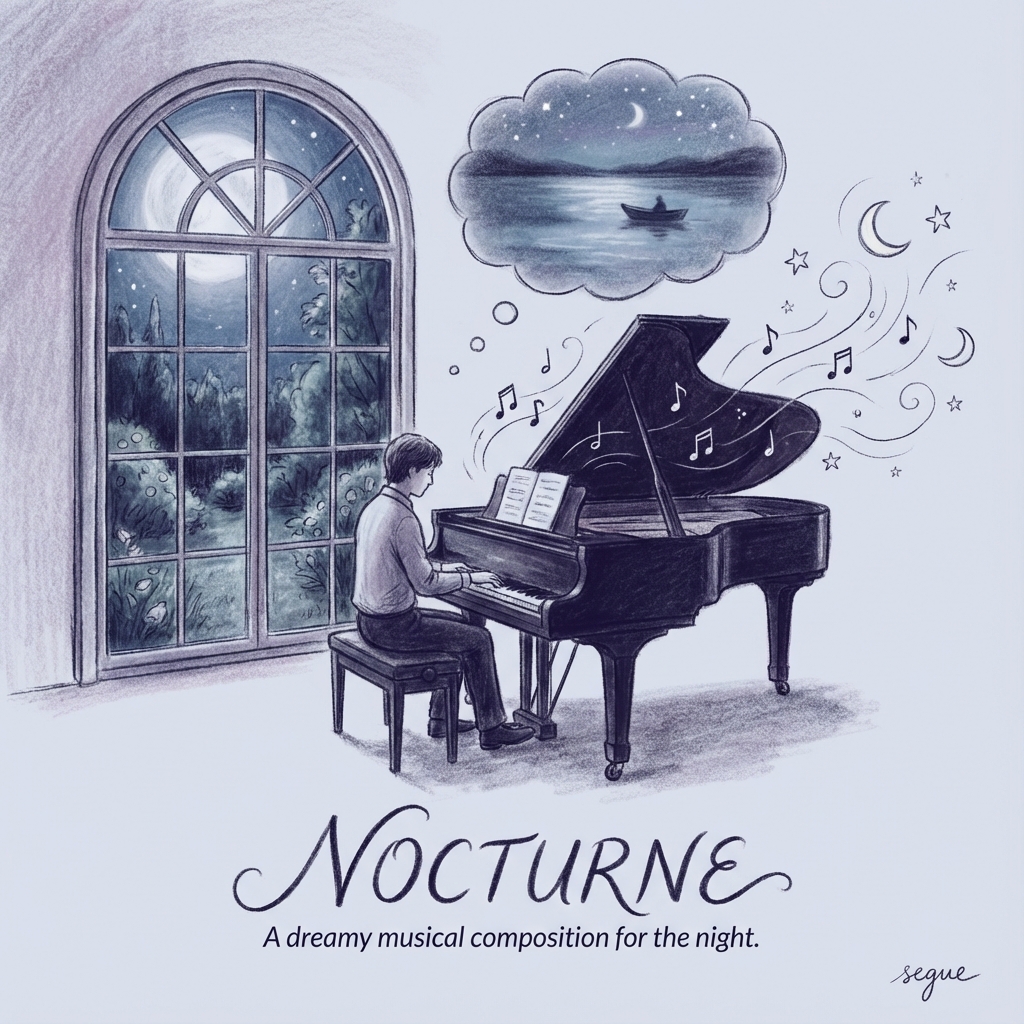
nocturne
/ˈnɒktɜːrn/a dreamy, romantic composition suggesting night
“Chopin's nocturnes define the genre.”
More from Arts & Culture
Explore other vocabulary categories in this collection.