Loading collection...
⚡
Model Optimization Vocabulary
Techniques for making models faster and more efficient
7 words
All 7 Words
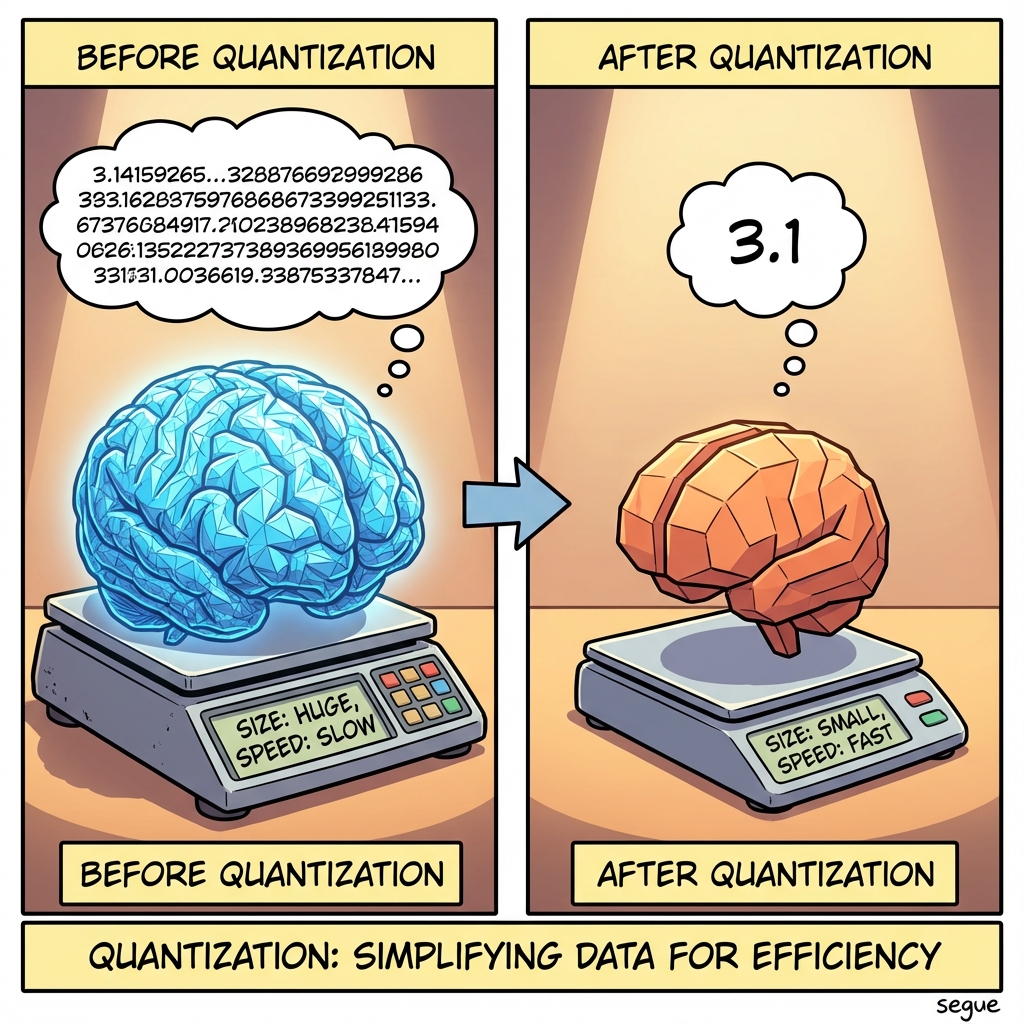
quantization
/ˌkwɒntɪˈzeɪʃən/reducing the precision of model weights (e.g., to 4-bit) to save memory
“4-bit quantization allows running a 70B model on a single GPU.”

LoRA
/ˈlɔːrə/Low-Rank Adaptation; fine-tuning only a small subset of parameters
“LoRA makes fine-tuning large models computationally affordable.”
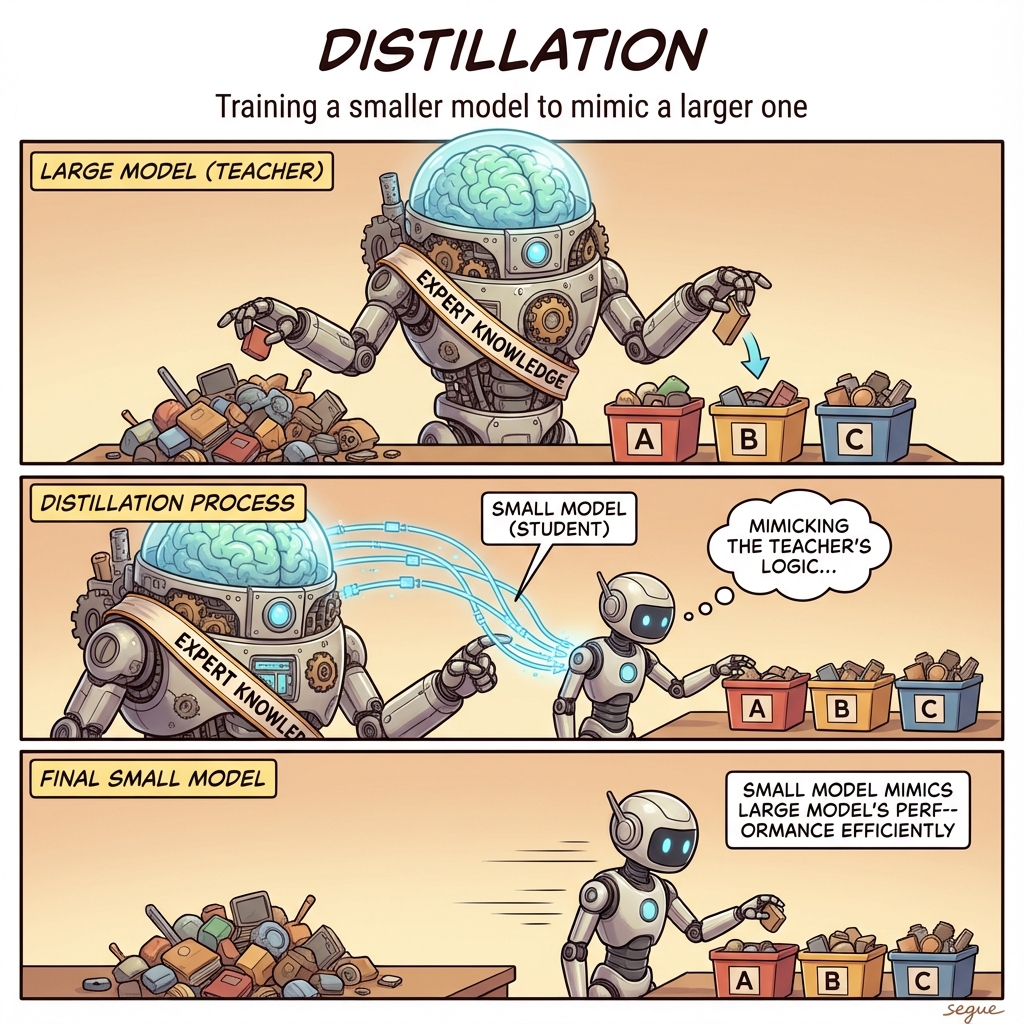
distillation
/ˌdɪstɪˈleɪʃən/training a smaller 'student' model to mimic a larger 'teacher' model
“Distillation produced a small model with near-GPT-4 performance on specific tasks.”

Mixture of Experts
/ˈmɪkstʃər əv ˈekspɜːrts/using multiple specialized sub-models (experts) and routing tokens to them
“Mixture of Experts (MoE) scales capacity without increasing inference cost.”

speculative decoding
/ˈspekjələtɪv diˈkoʊdɪŋ/using a small model to draft tokens for verification by a large model
“Speculative decoding doubled the inference speed without losing quality.”
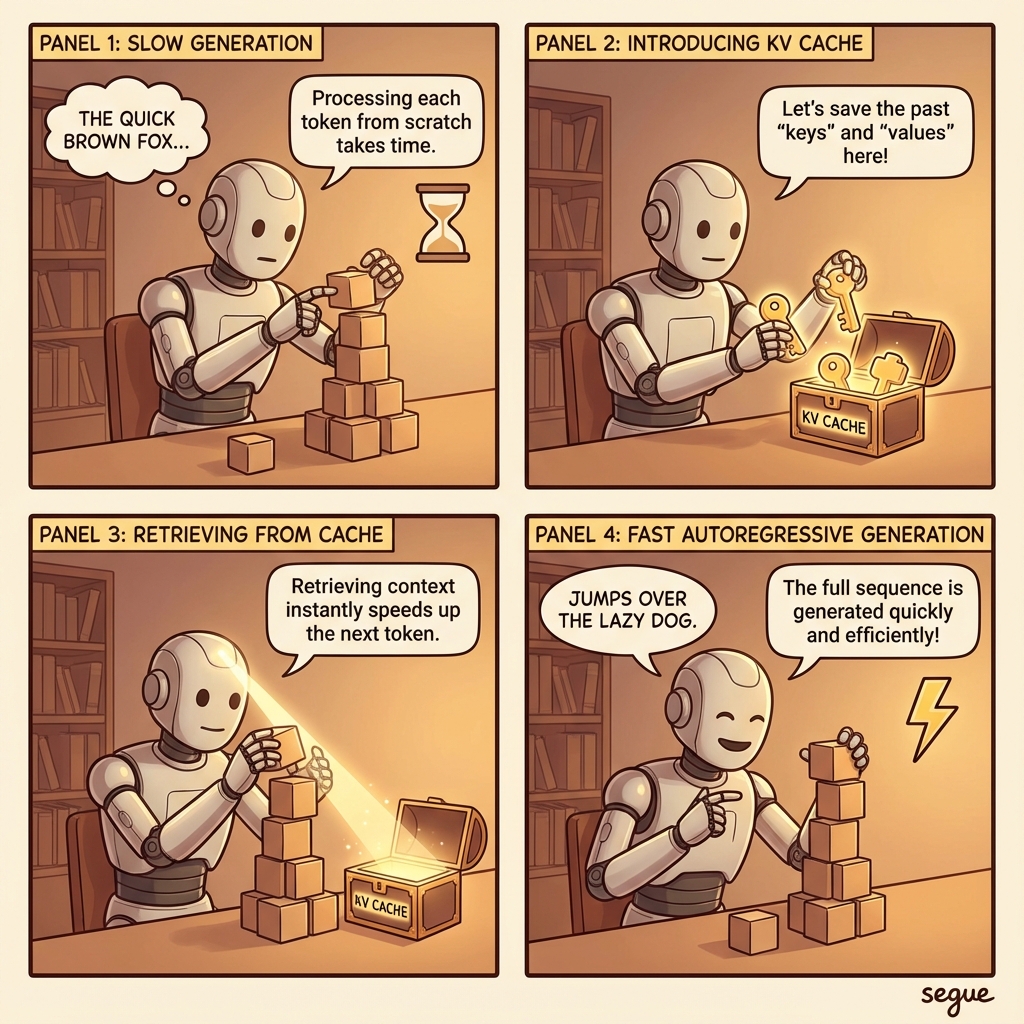
KV cache
/ˌkeɪ ˈviː ˌkæʃ/storing attention calculations to speed up generation
“Optimizing the KV cache usage reduced memory footprint significantly.”
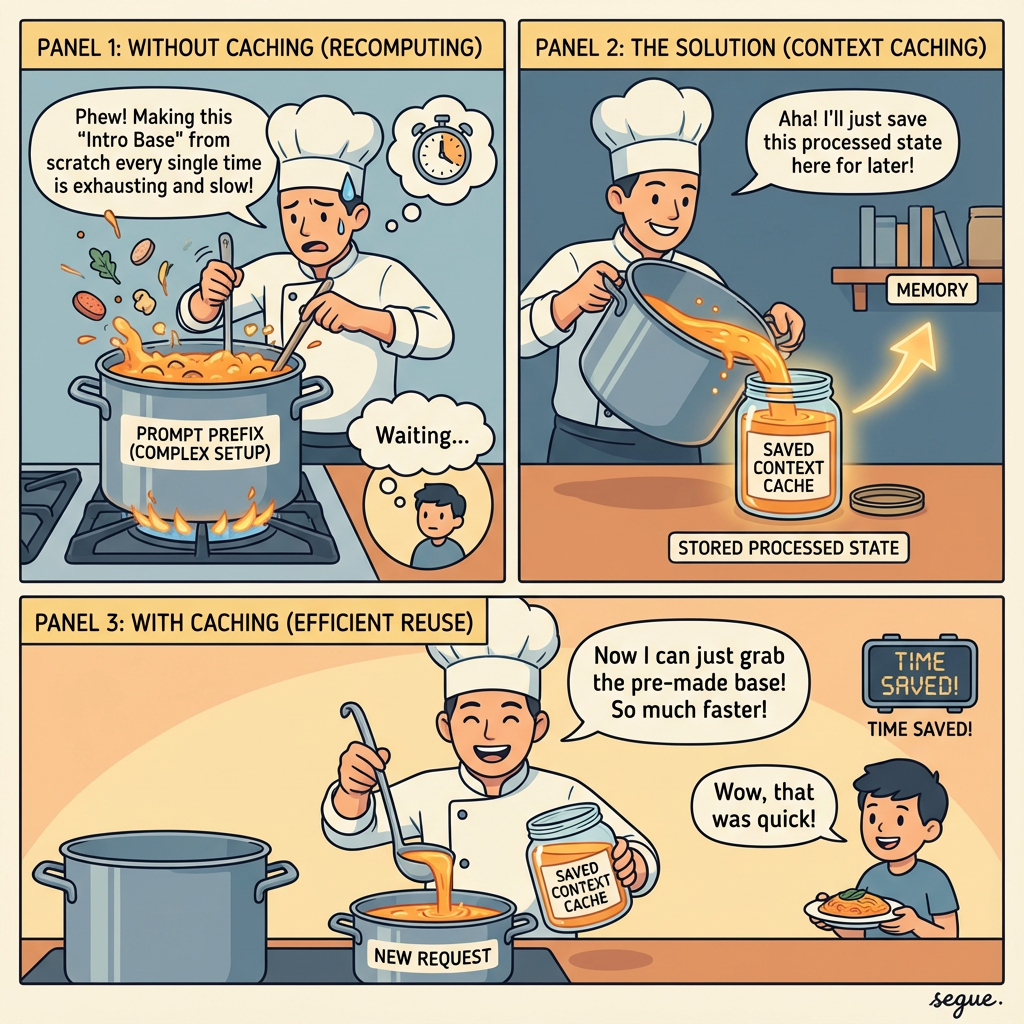
context caching
/ˈkɒntekst ˌkæʃɪŋ/saving the processed state of a prompt prefix to avoid recomputing it
“Context caching is ideal for chatting with long documents.”
More from Artificial Intelligence
Explore other vocabulary categories in this collection.