Loading collection...
🤖
Agentic Systems Vocabulary
Vocabulary for autonomous AI agents and tool use
15 words
All 15 Words
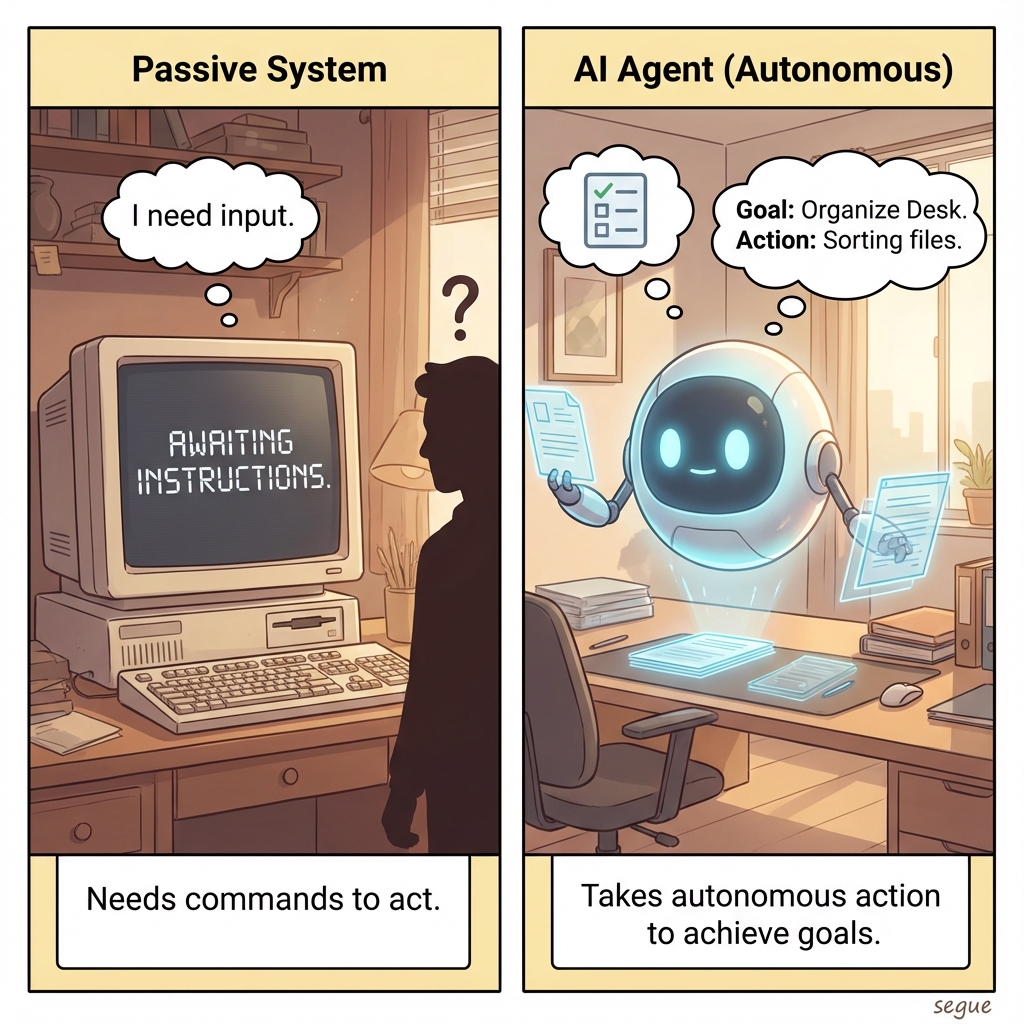
agent
/ˈeɪdʒənt/an AI system that uses a model, tools, and an execution loop to pursue a goal with some degree of autonomy
“The agent decomposed the goal, used tools, checked the results, and requested approval before publishing.”
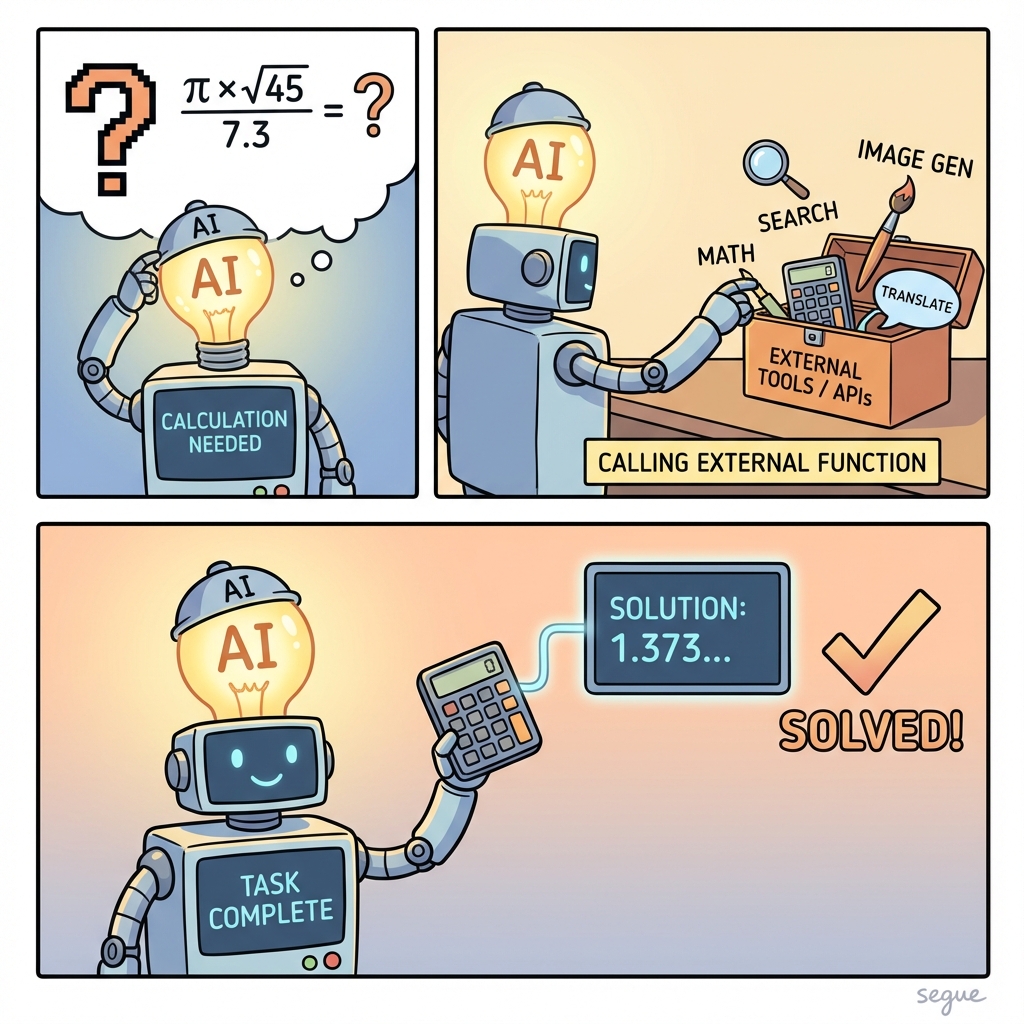
tool use
/ˈtuːl ˌjuːs/a model or agent selecting and requesting external functions, APIs, or services
“Tool use let the assistant request a web search and a calculator instead of inventing current facts or arithmetic.”
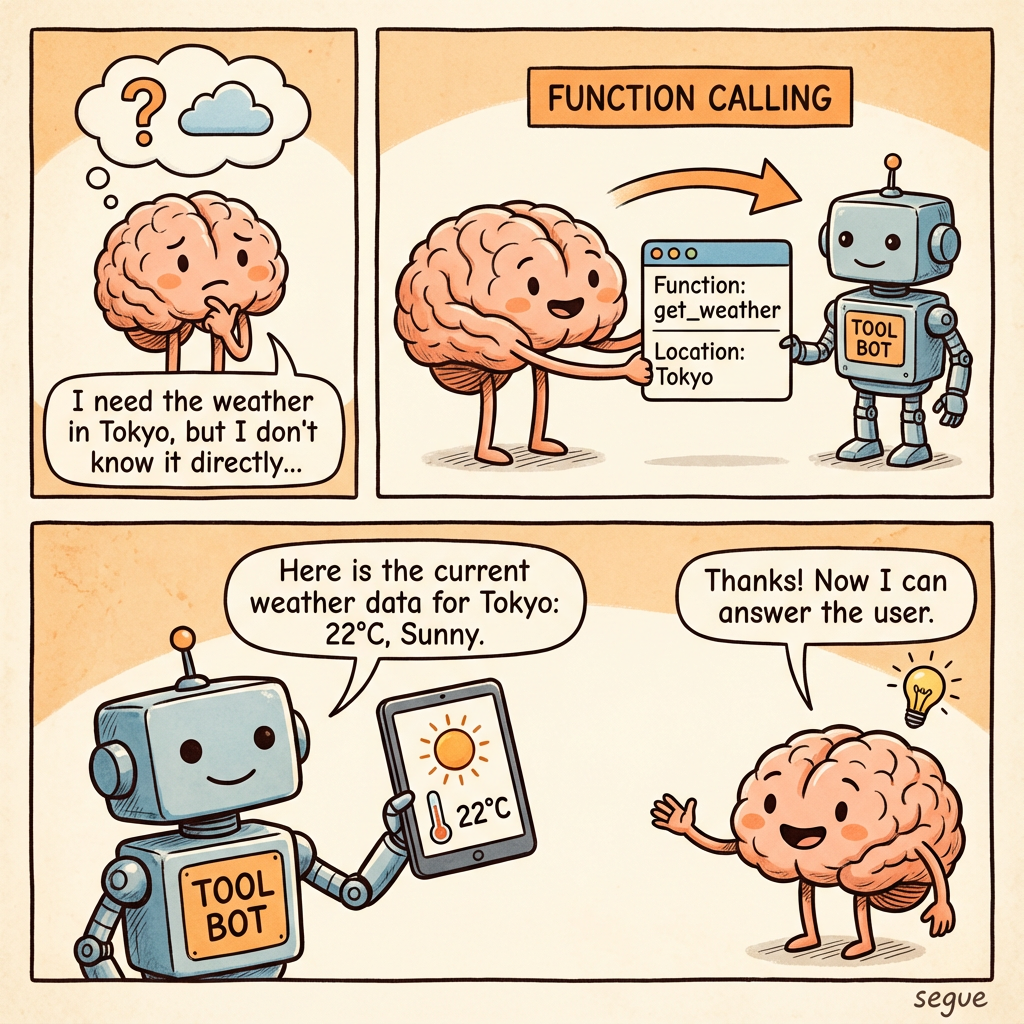
function calling
/ˈfʌŋkʃən ˌkɔːlɪŋ/a protocol where a model returns a structured request to call a named function; the host application typically validates and executes it
“The model requested `get_weather` with a city argument, and the application executed the function.”
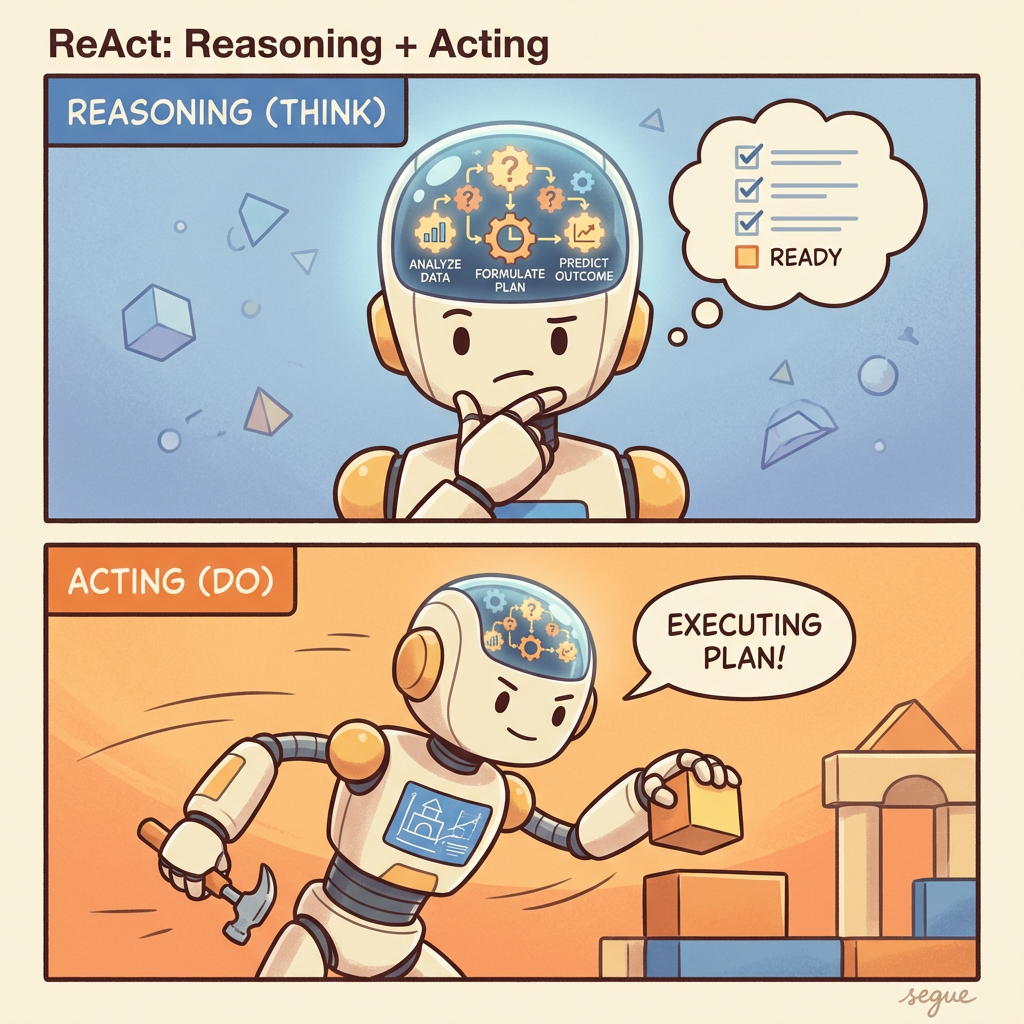
ReAct
/riˈækt/Reasoning + Acting; a pattern that interleaves task reasoning with actions and observations from tools or an environment
“A ReAct loop searched, inspected the result, and then chose the next action.”
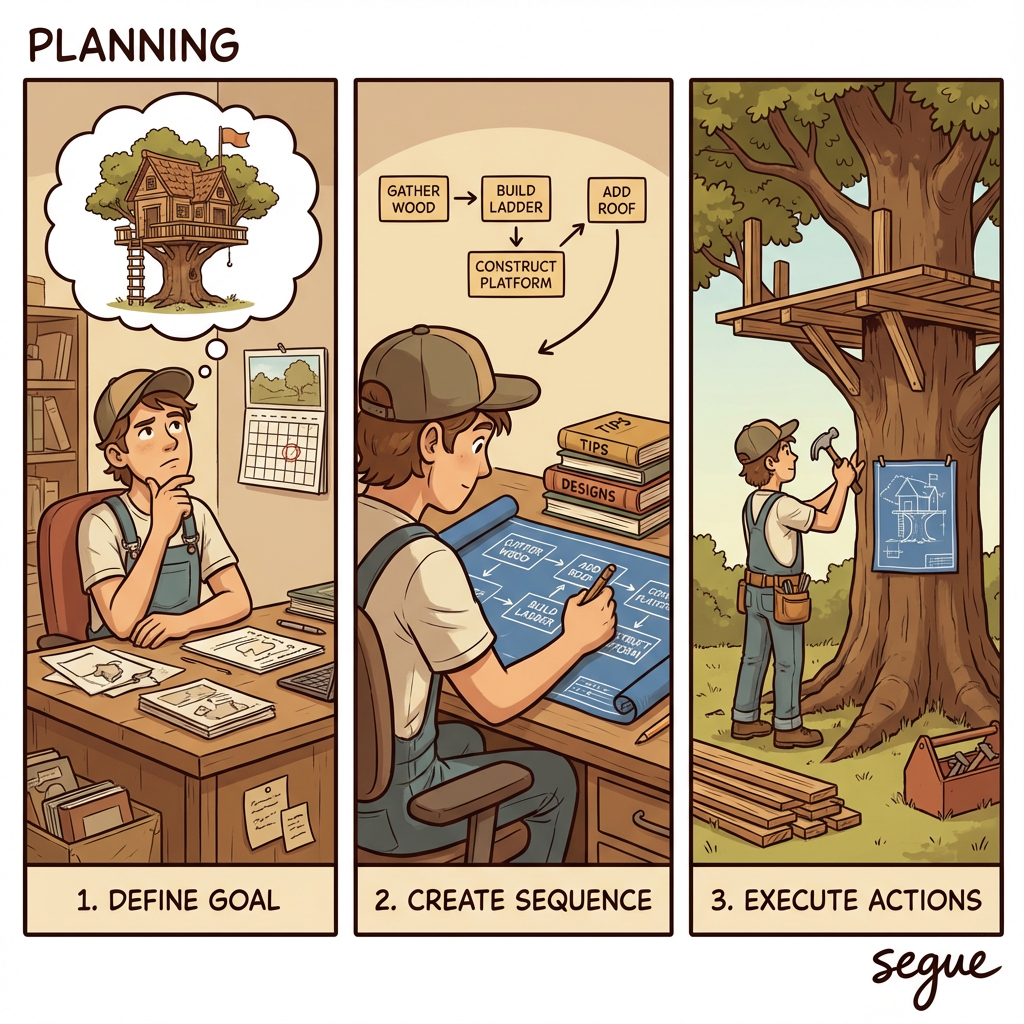
planning
/ˈplænɪŋ/the ability to formulate a sequence of actions to achieve a future goal
“Strategic planning lets the agent handle complex, long-horizon tasks.”
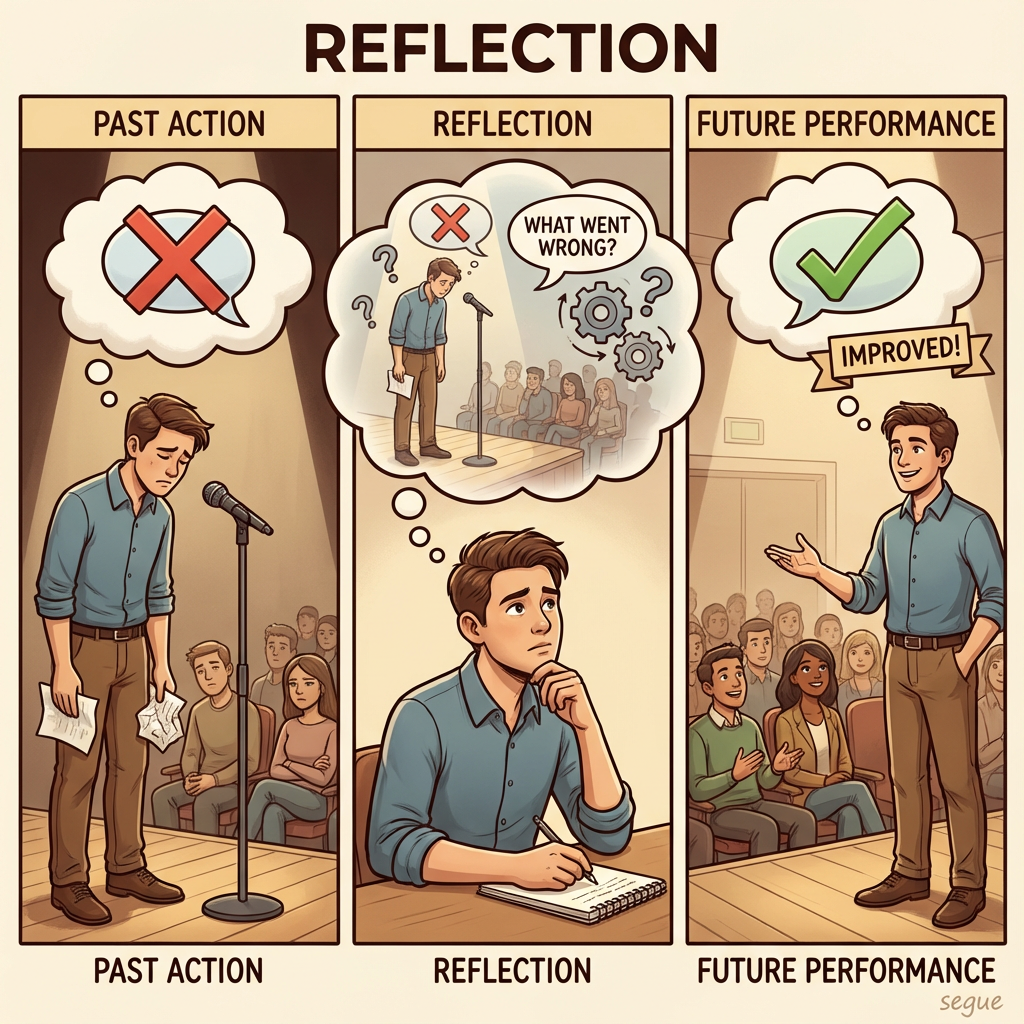
reflection
/rɪˈflekʃən/the process of analyzing past actions to improve future performance
“Through reflection, the agent corrected its own coding error.”
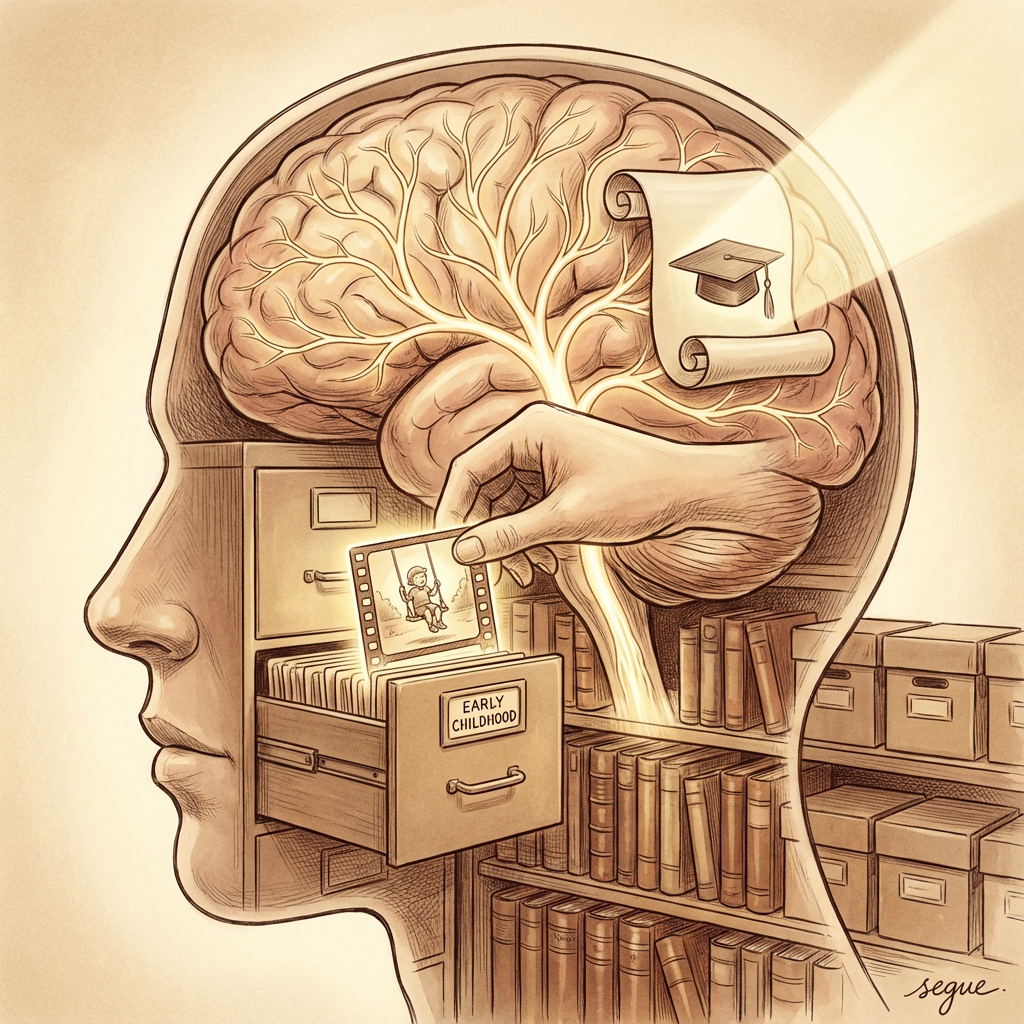
memory
/ˈmeməri/systems for storing and retrieving information over time
“Long-term memory allows the agent to recall user preferences.”
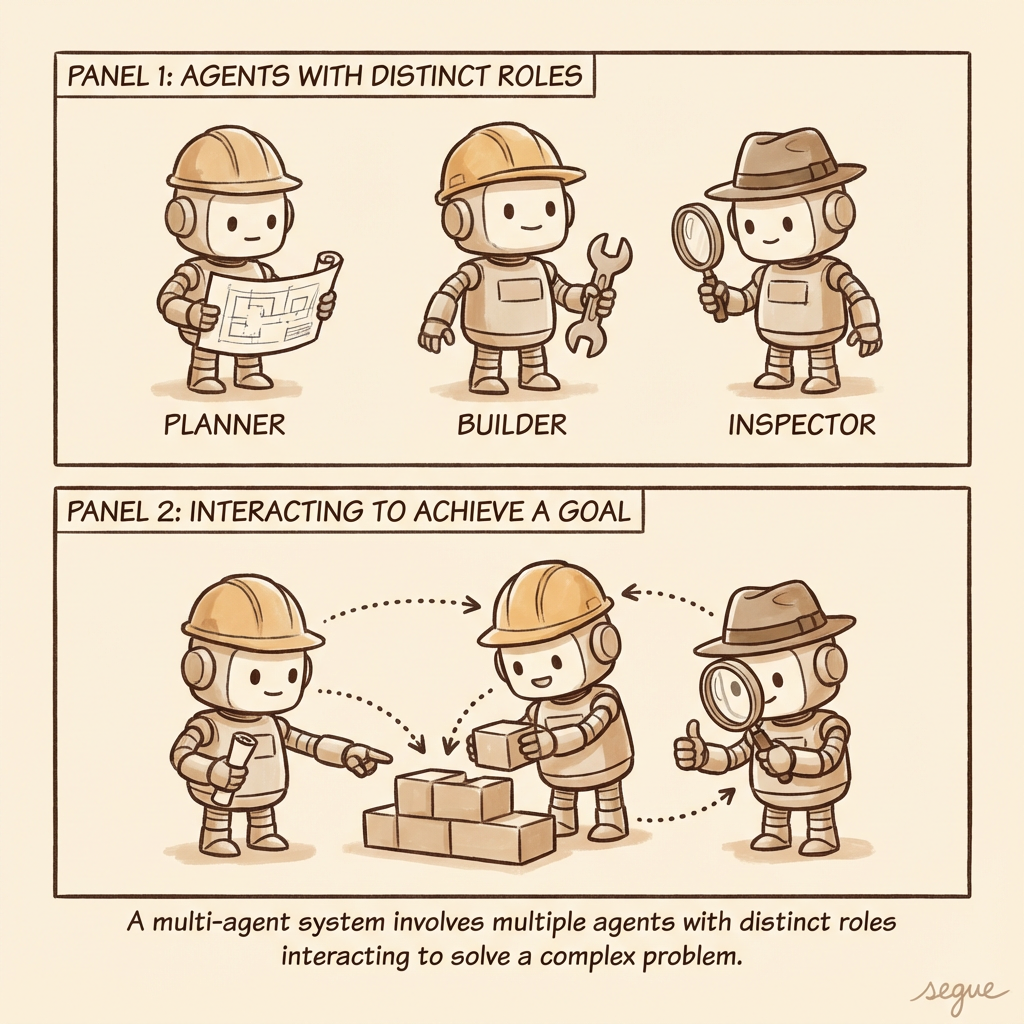
multi-agent
/ˈmʌlti ˌeɪdʒənt/systems involving multiple interacting agents with distinct roles
“A multi-agent team of research, writing, and editing agents wrote the paper.”
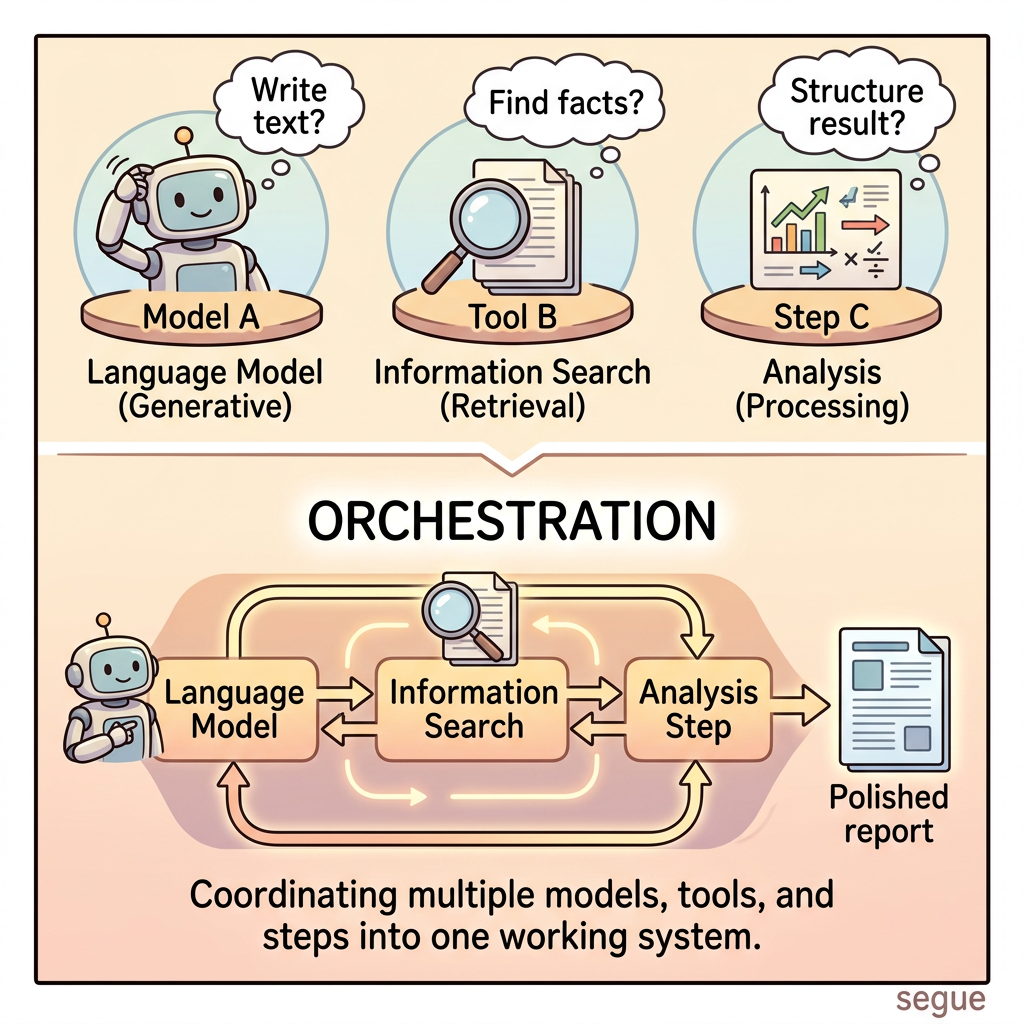
orchestration
/ˌɔːrkɪˈstreɪʃən/coordinating multiple models, tools, and steps into one working system
“The orchestration layer routed easy tickets to a small model and hard ones to a large one.”
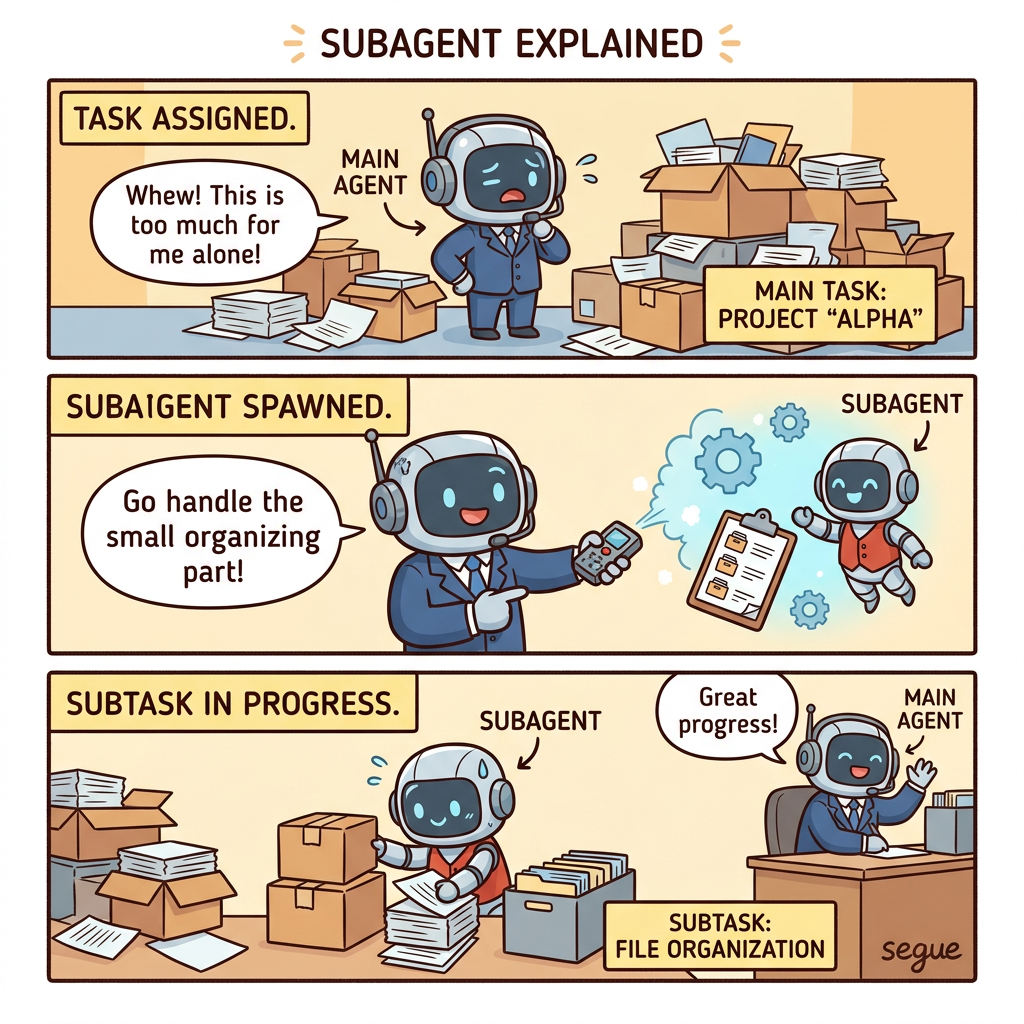
subagent
/ˈsʌbˌeɪdʒənt/a helper agent spawned by another agent to handle a subtask
“The planner spun up a subagent just to verify the citations.”
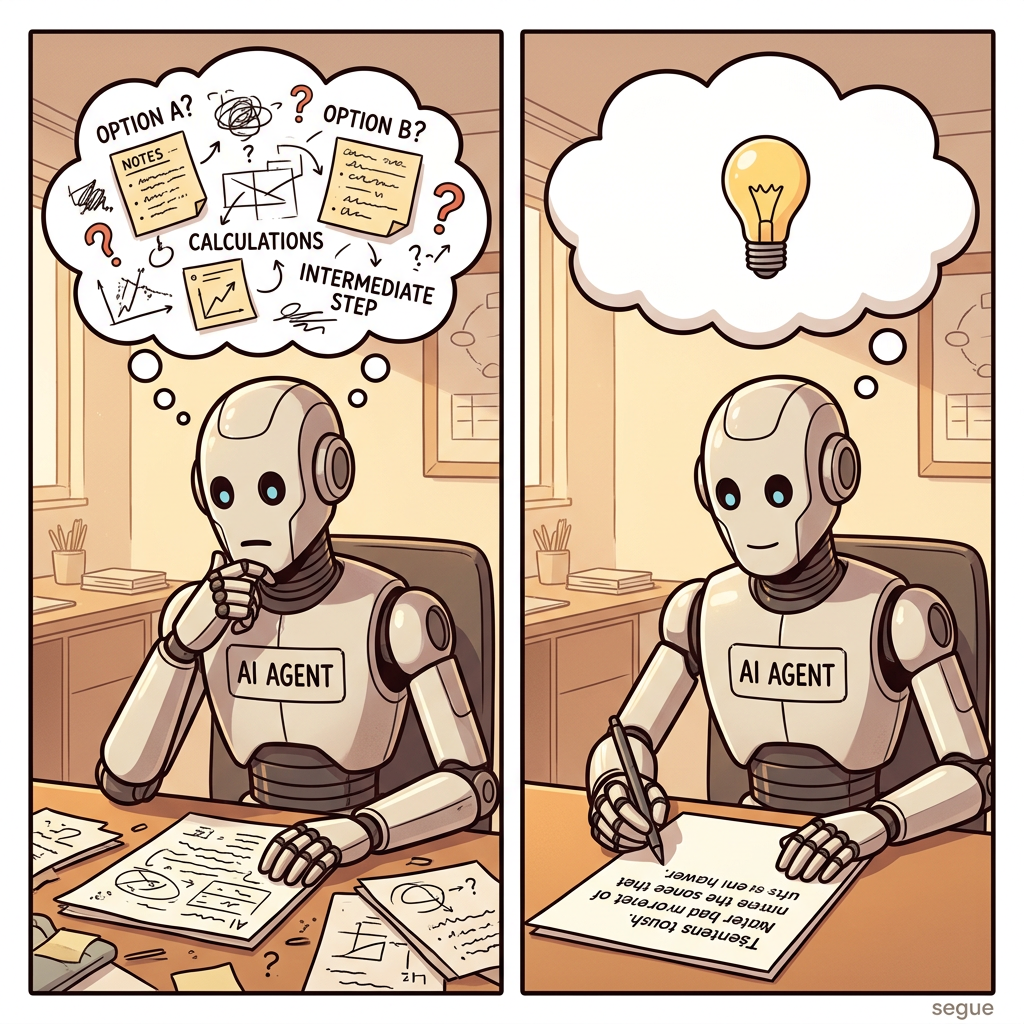
scratchpad
/ˈskrætʃpæd/a temporary workspace for plans, calculations, notes, or intermediate state used while completing a task
“The scratchpad held the agent's plan, calculations, and pending tool results.”
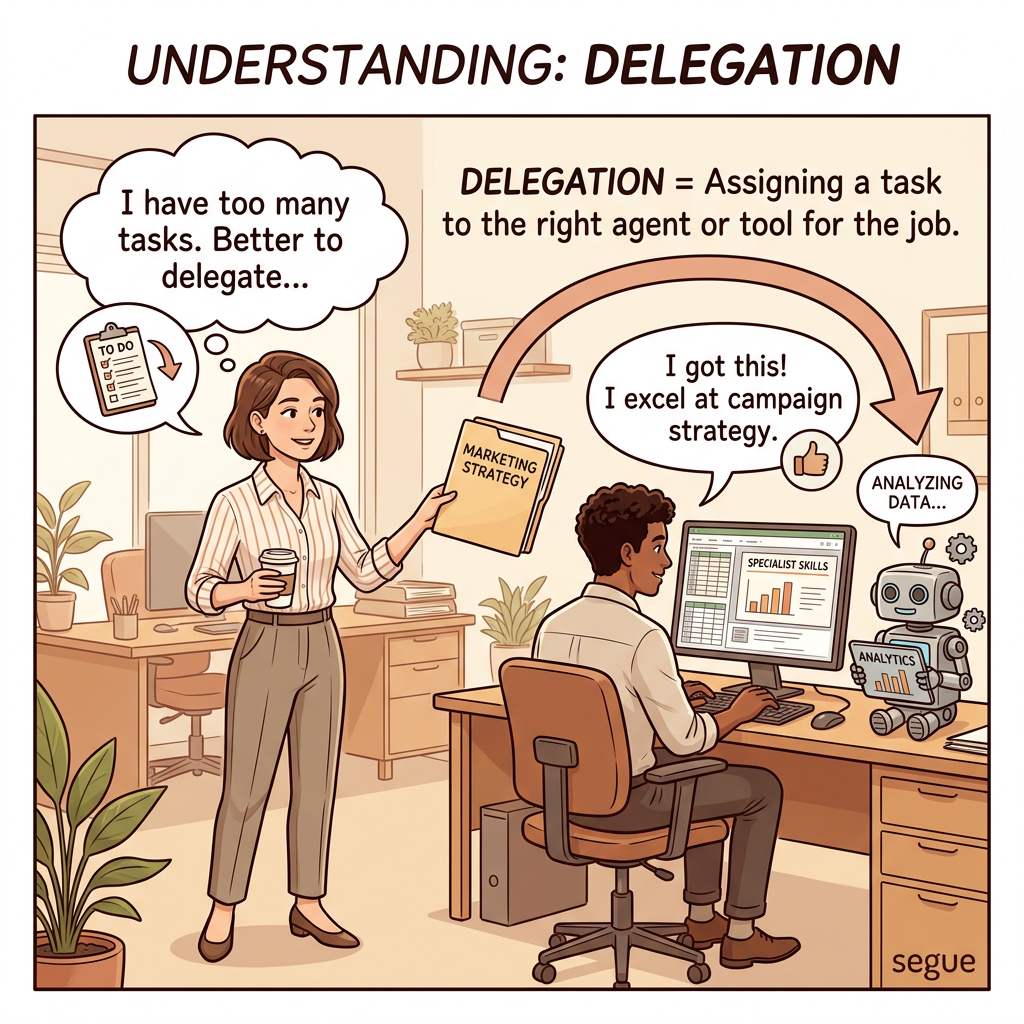
delegation
/ˌdelɪˈɡeɪʃən/assigning a task to another agent or tool better suited to it
“Sensible delegation sent the arithmetic to a calculator instead of the language model.”
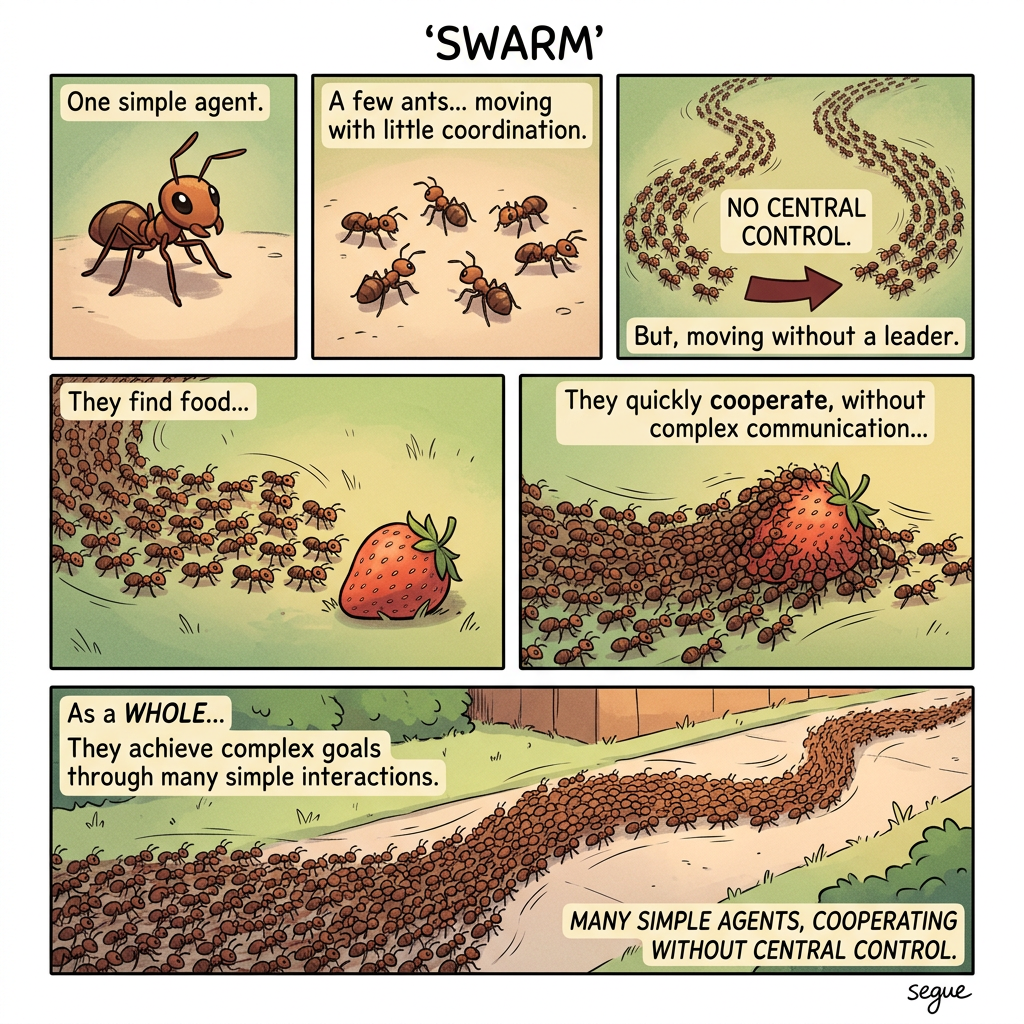
swarm
/swɔːrm/many simple agents cooperating without central control
“A swarm of crawler agents mapped the site in minutes.”
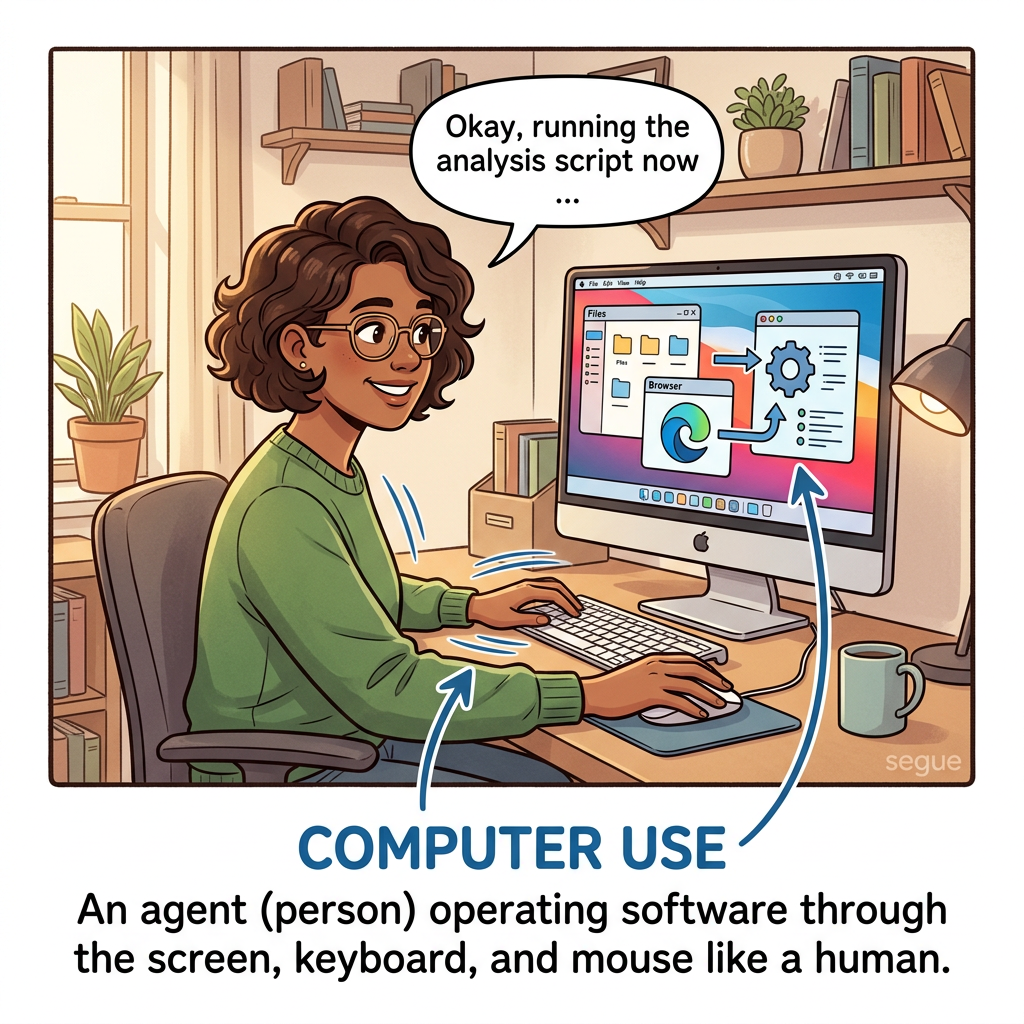
computer use
/kəmˈpjuːtər juːs/an agent operating software through the screen, keyboard, and mouse like a person
“With computer use, the agent filed the expense report in the same web app humans use.”
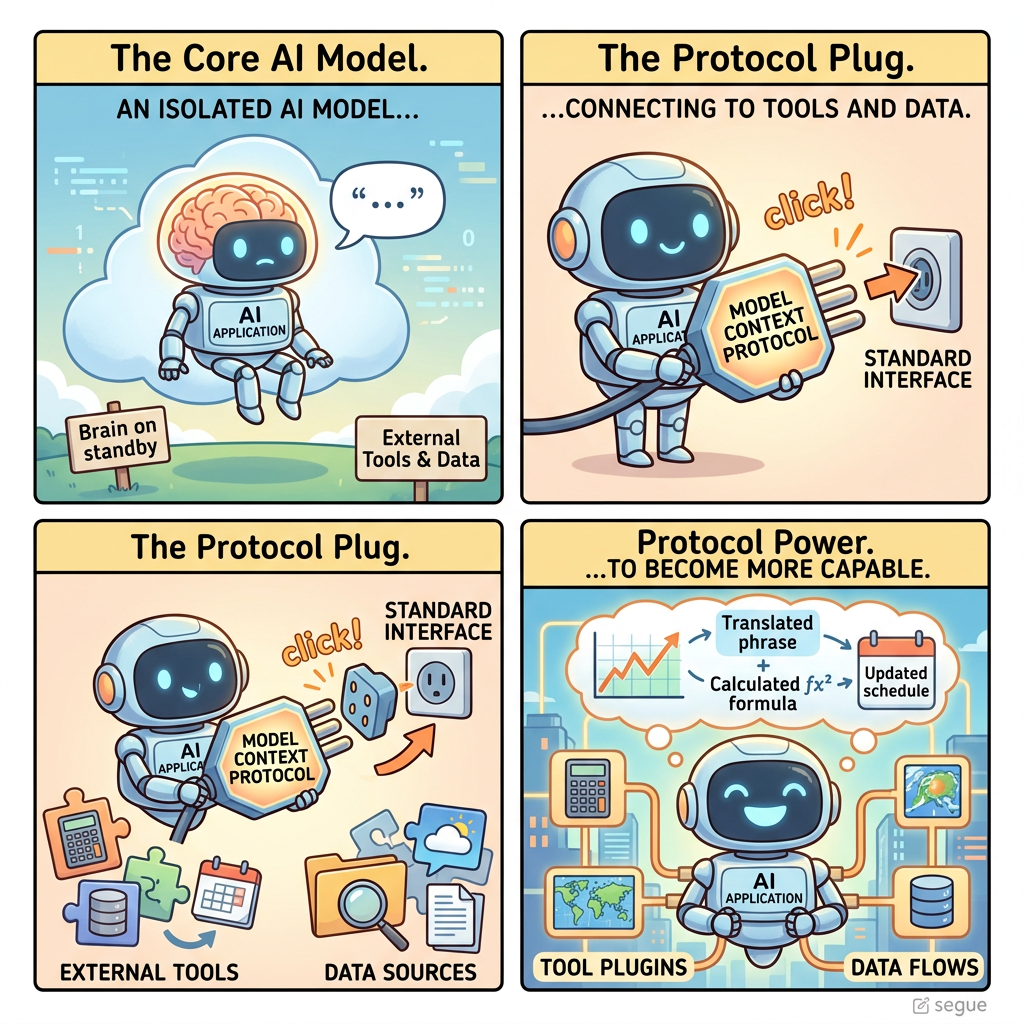
Model Context Protocol
/ˈmɒdl ˈkɒntekst ˈproʊtəkɒl/an open standard letting AI applications plug into external tools and data sources
“Exposing the database through the Model Context Protocol let any assistant query it safely.”
More from Artificial Intelligence
Explore other vocabulary categories in this collection.