Loading collection...
🧠
LLM Architecture Vocabulary
Core concepts of how large language models process and generate text
10 words
All 10 Words
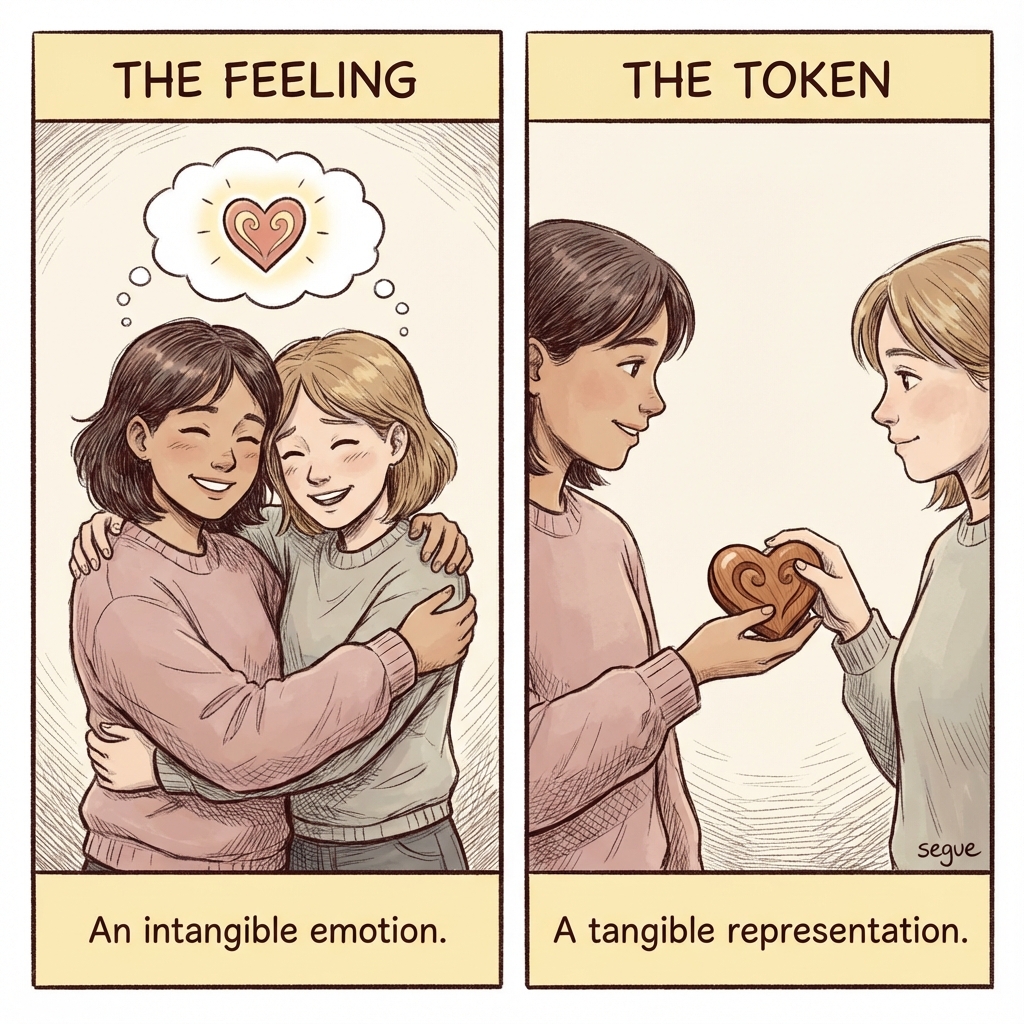
token
/ˈtoʊkən/a unit produced by a tokenizer for model processing; it may represent a word, subword, character, punctuation mark, or byte sequence
“A tokenizer might split 'unbelievable!' into several tokens, including a separate token for the punctuation.”
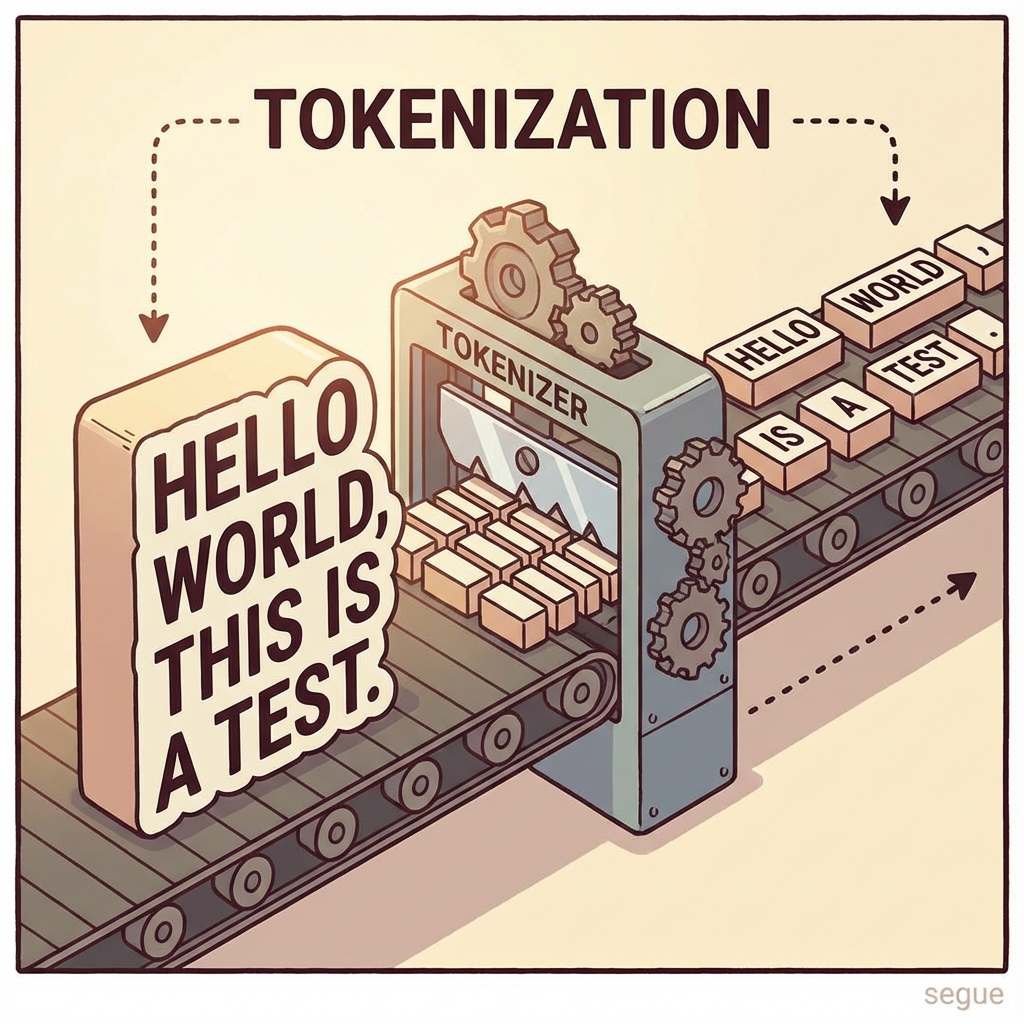
tokenization
/ˌtoʊkənaɪˈzeɪʃən/the process of breaking text into tokens for model processing
“Tokenization affects how the model 'sees' text and can cause character-counting errors.”

attention mechanism
/əˈtenʃən ˌmekənɪzəm/a mechanism that weights relationships among token positions; causal language models normally restrict each position to earlier context
“Attention can help a model connect a pronoun with its antecedent many sentences earlier.”
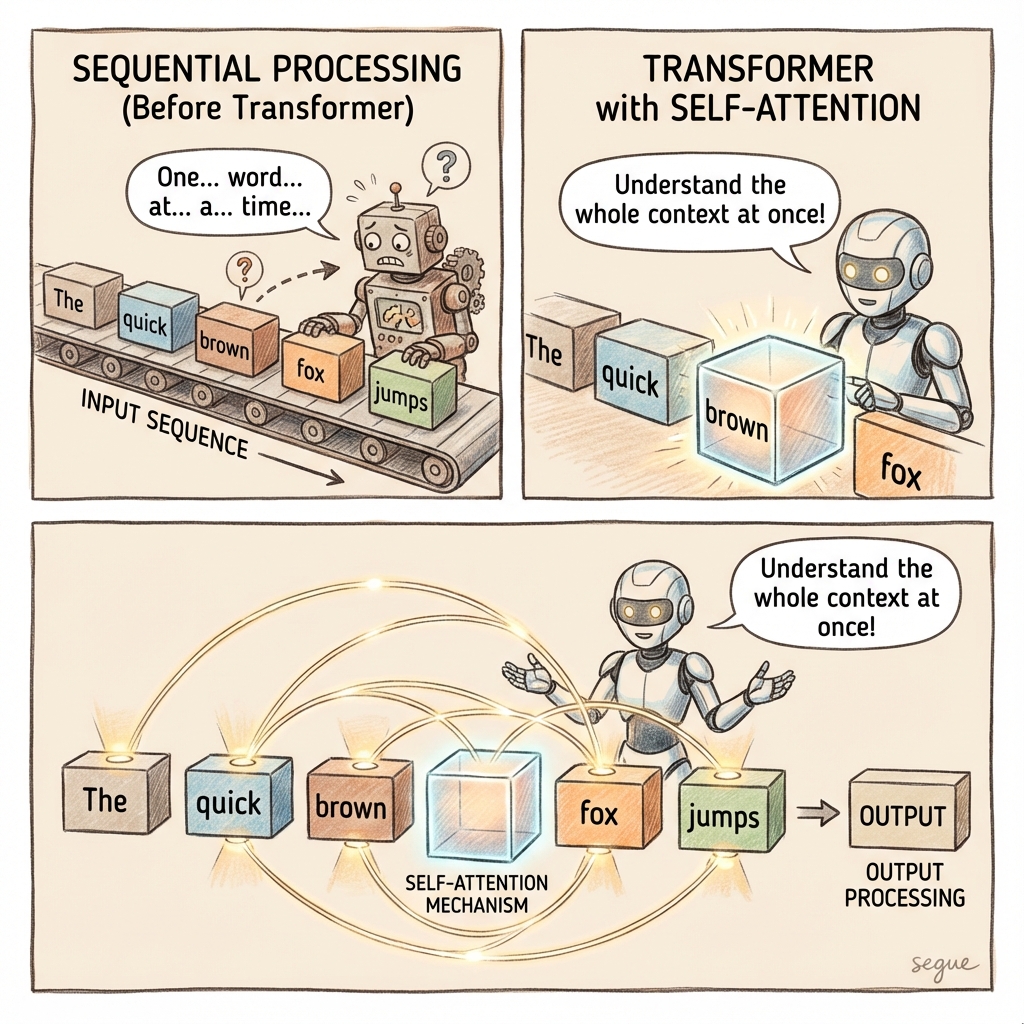
transformer
/tɹænsˈfɔɹmɝ/the neural network architecture underlying modern LLMs, based on self-attention
“The transformer architecture revolutionized NLP by enabling parallel processing of sequences.”
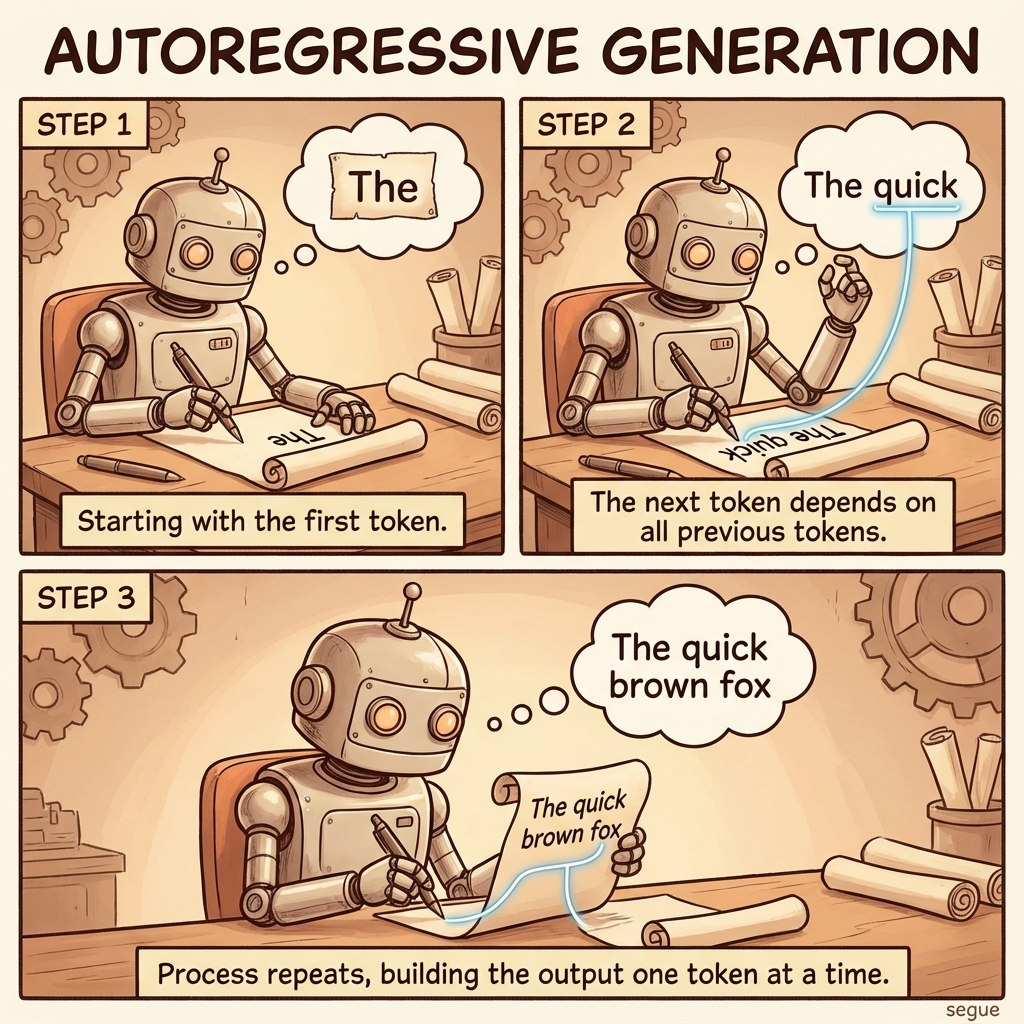
autoregressive generation
/ˌɔːtoʊrɪˈɡresɪv ˌdʒenəˈreɪʃən/producing output one token at a time, where each token depends on all previous tokens
“Autoregressive generation means the model can't revise earlier words once they're written.”
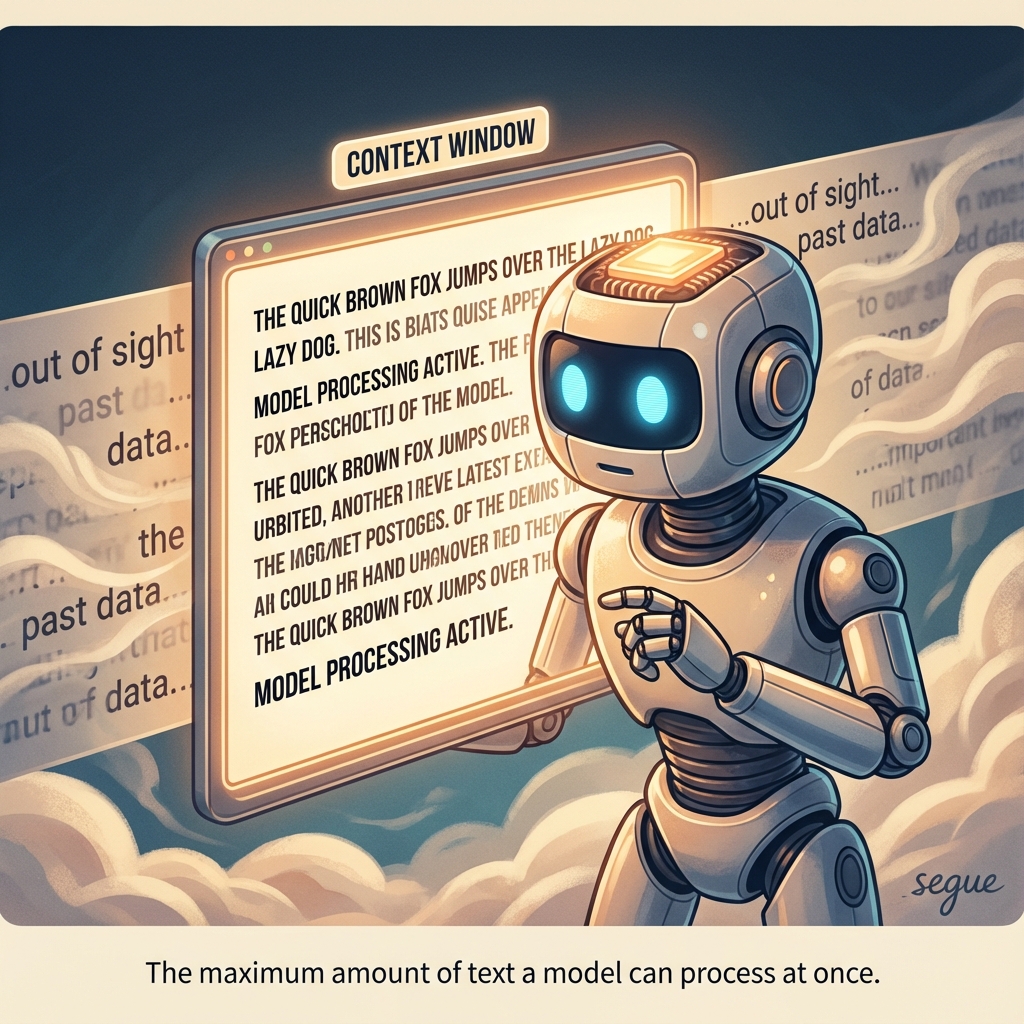
context window
/ˈkɒntekst ˌwɪndoʊ/the finite token budget a model can process for a request, including instructions, inputs, prior turns, tool data, and generated output
“A long document, chat history, and tool results can collectively fill the context window.”
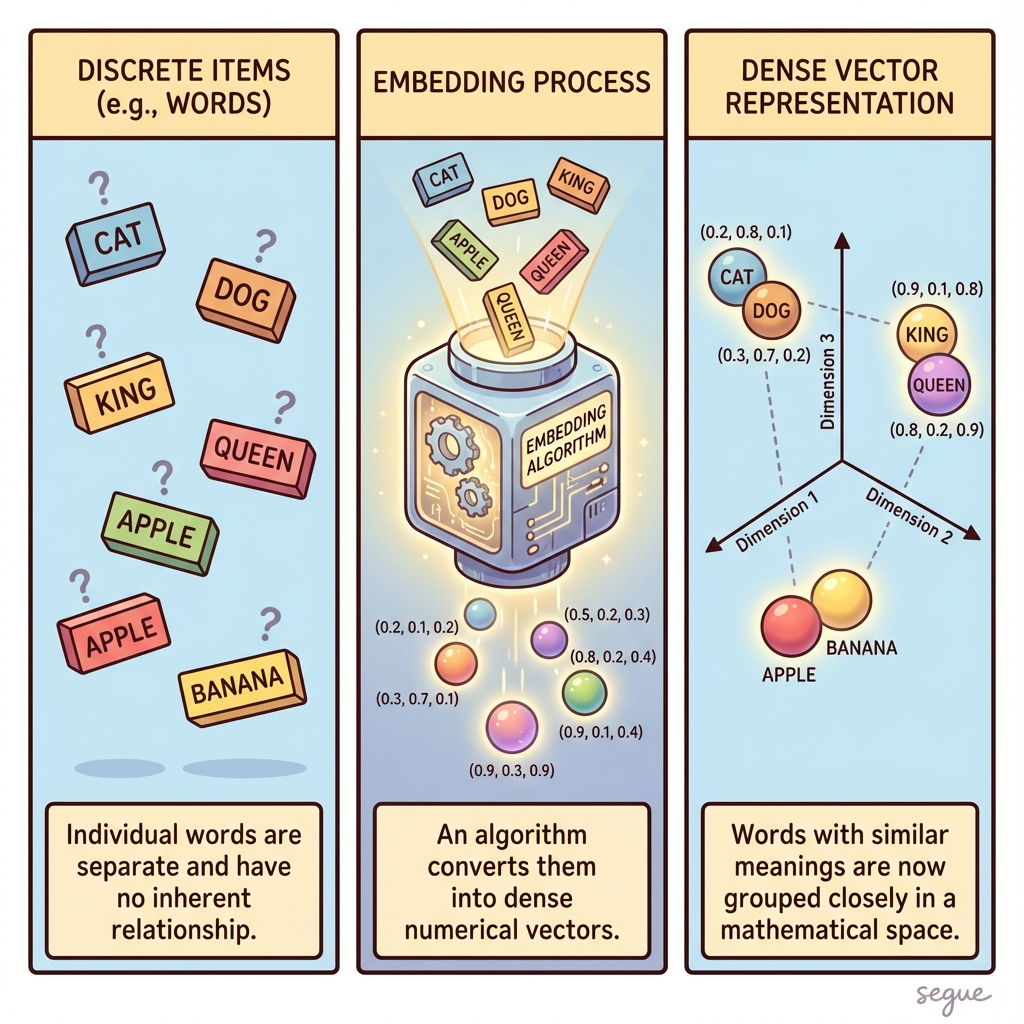
embedding
/ɛmˈbɛdɪŋ/a dense vector representation of text in high-dimensional space where similar concepts are geometrically close
“In embedding space, 'king' - 'man' + 'woman' approximately equals 'queen'.”

latent space
/ˈleɪtənt ˌspeɪs/the high-dimensional space where neural networks represent concepts as directions and positions
“Concepts exist in latent space as directions, making analogical reasoning geometric.”
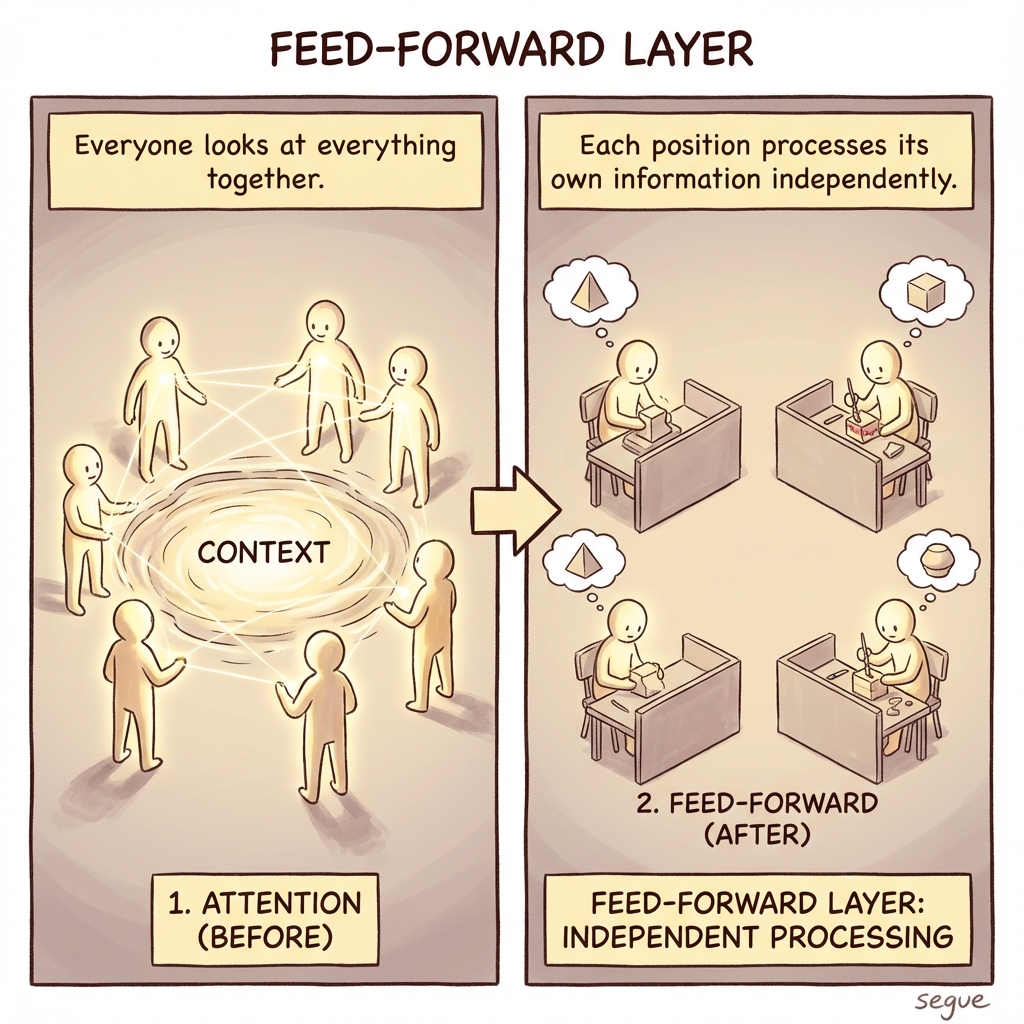
feed-forward layer
/ˌfiːd ˈfɔːrwərd ˌleɪər/neural network layers that process each position independently after attention
“Feed-forward layers transform the attention outputs into richer representations.”
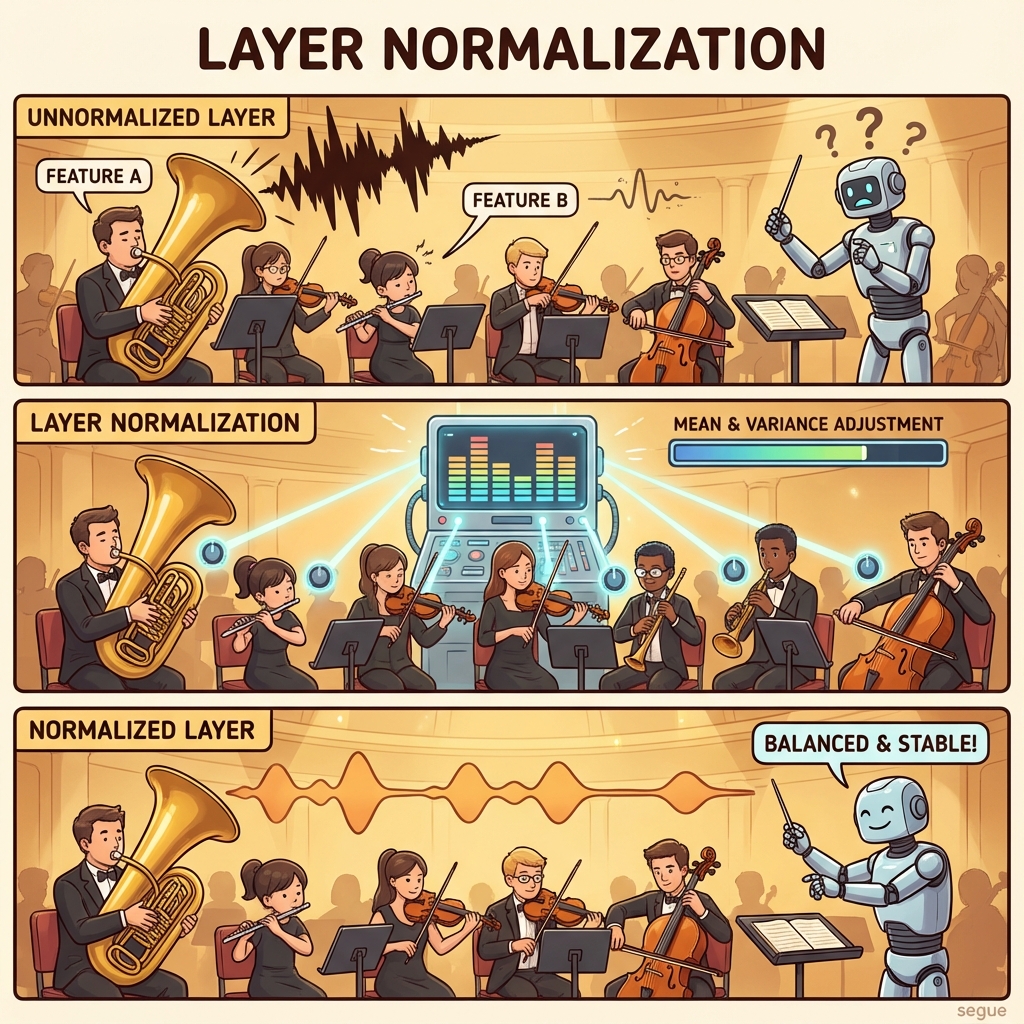
layer normalization
/ˈleɪər ˌnɔːrməlaɪˈzeɪʃən/a technique to stabilize training by normalizing activations across features
“Layer normalization helps transformers train more stably on long sequences.”
More from Artificial Intelligence
Explore other vocabulary categories in this collection.