Loading collection...
🎚️
Practical Tone Controls Vocabulary
Useful style words for shaping how an answer reads without changing what it must accomplish
12 words
All 12 Words
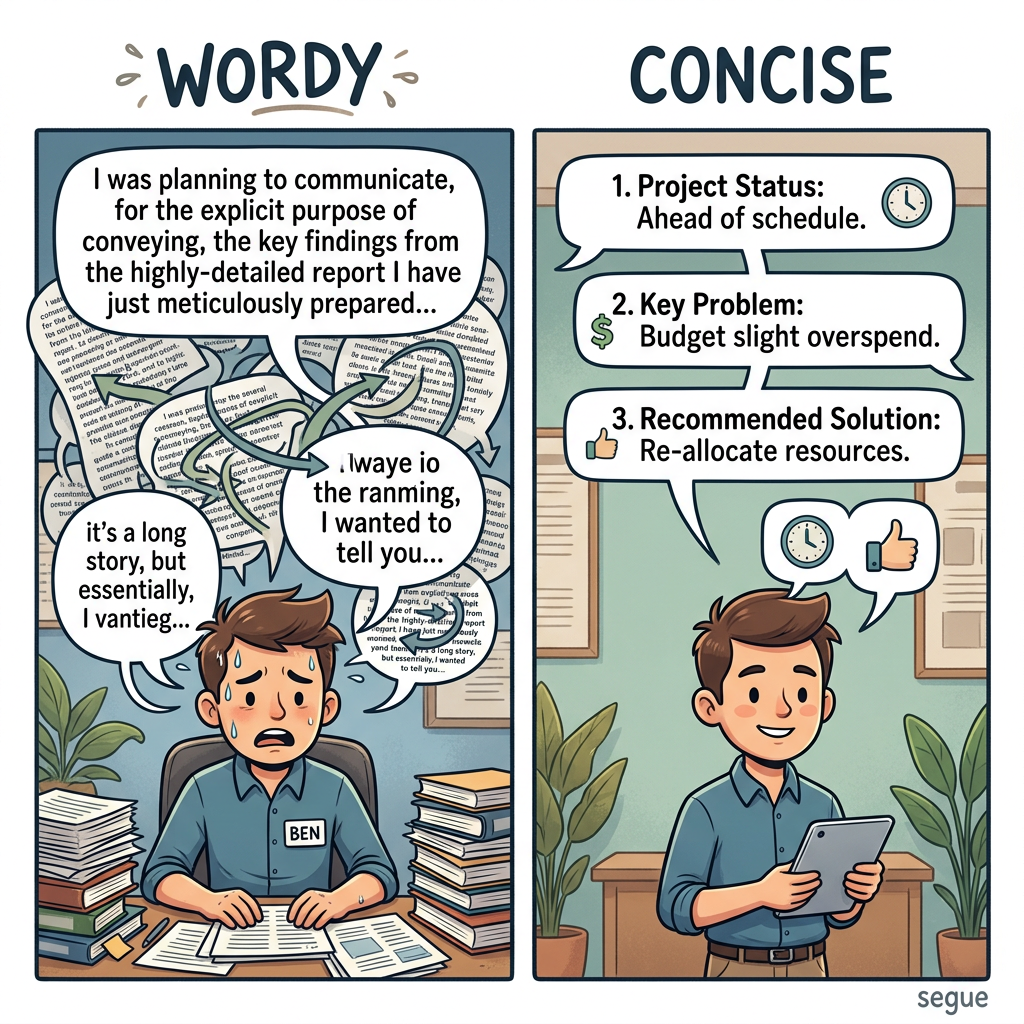
concise
/kənˈsaɪs/brief while retaining the information necessary for the purpose
“Make the update concise: one decision, two reasons, and the next action.”
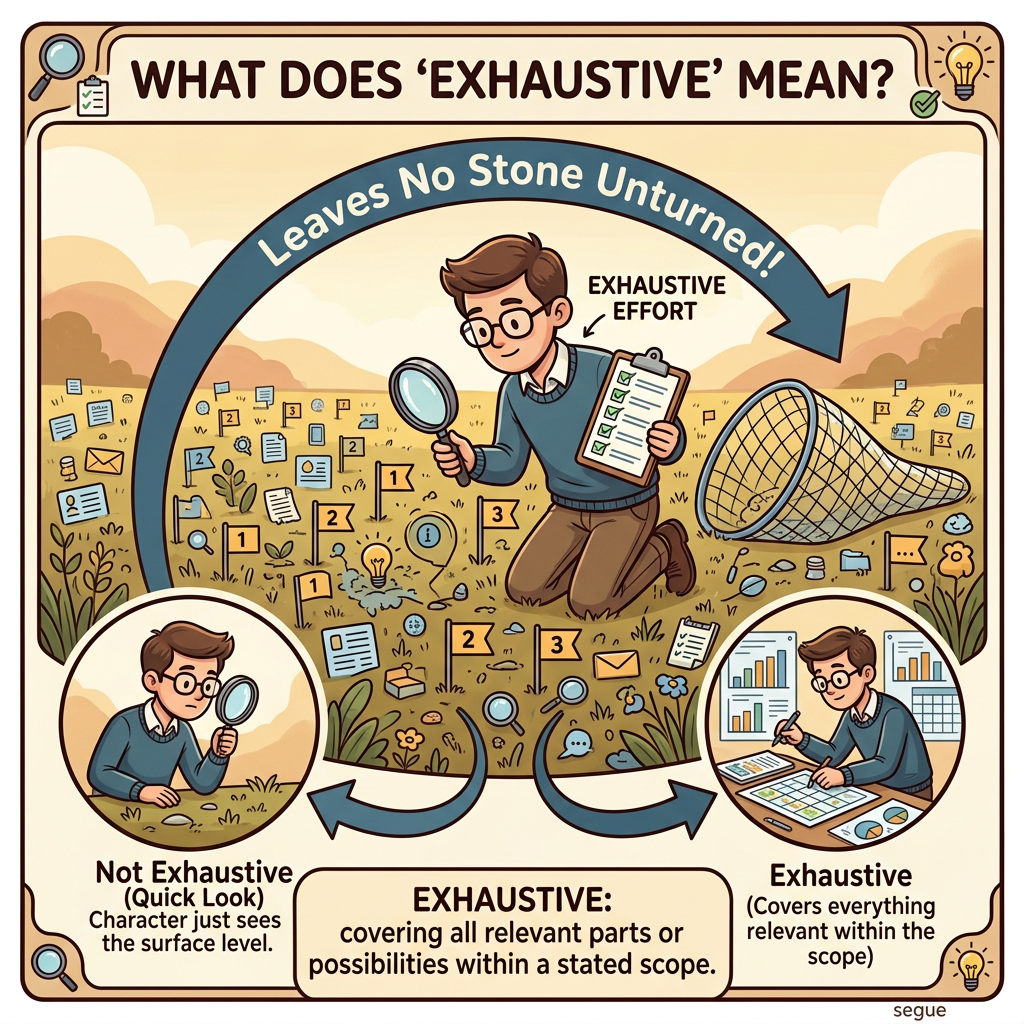
exhaustive
/ɪɡˈzɔːstɪv/covering all relevant parts or possibilities within a stated scope
“Give an exhaustive list of failure cases for these three input types.”
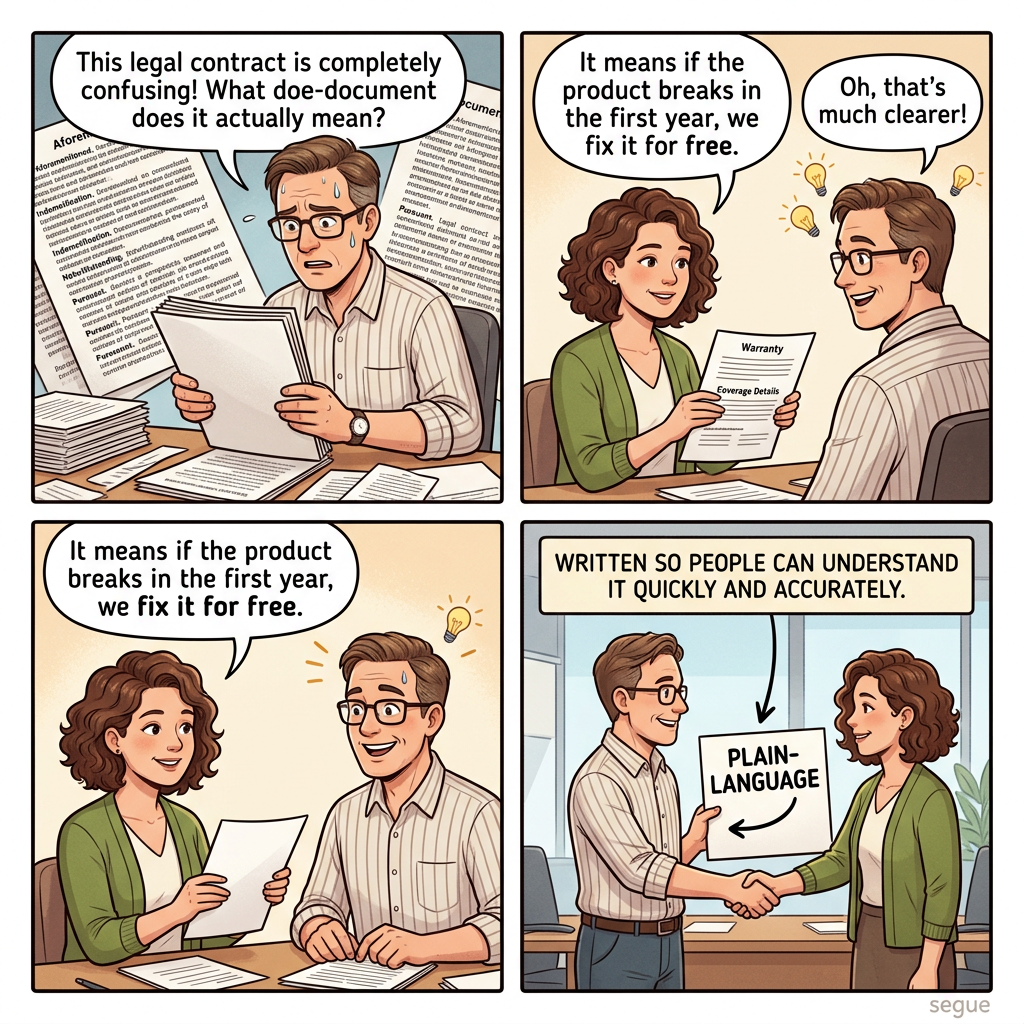
plain-language
/ˌpleɪn ˈlæŋɡwɪdʒ/written so the intended audience can understand it quickly and accurately
“Rewrite the insurance clause in plain-language for first-time policyholders.”
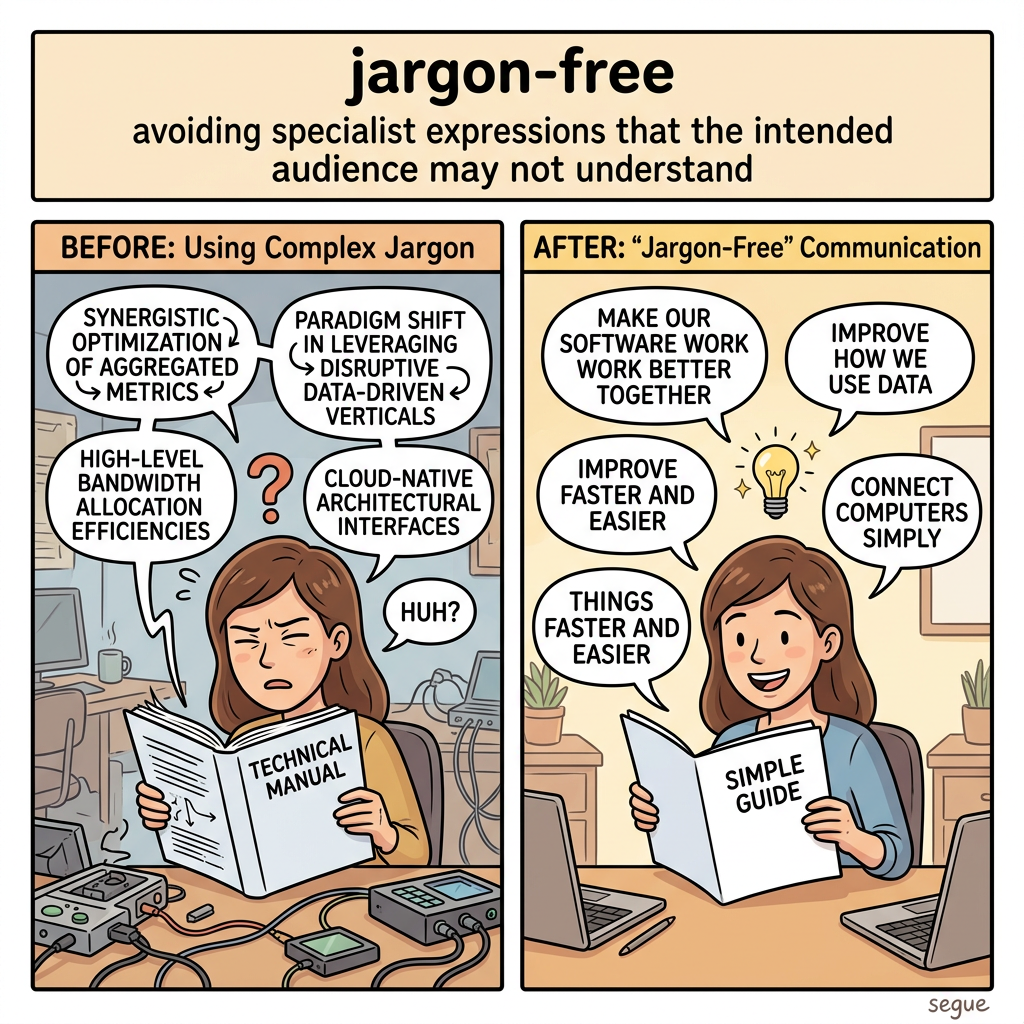
jargon-free
/ˌdʒɑːrɡən ˈfriː/avoiding specialist expressions that the intended audience may not understand
“Keep the customer explanation jargon-free, replacing latency with waiting time.”
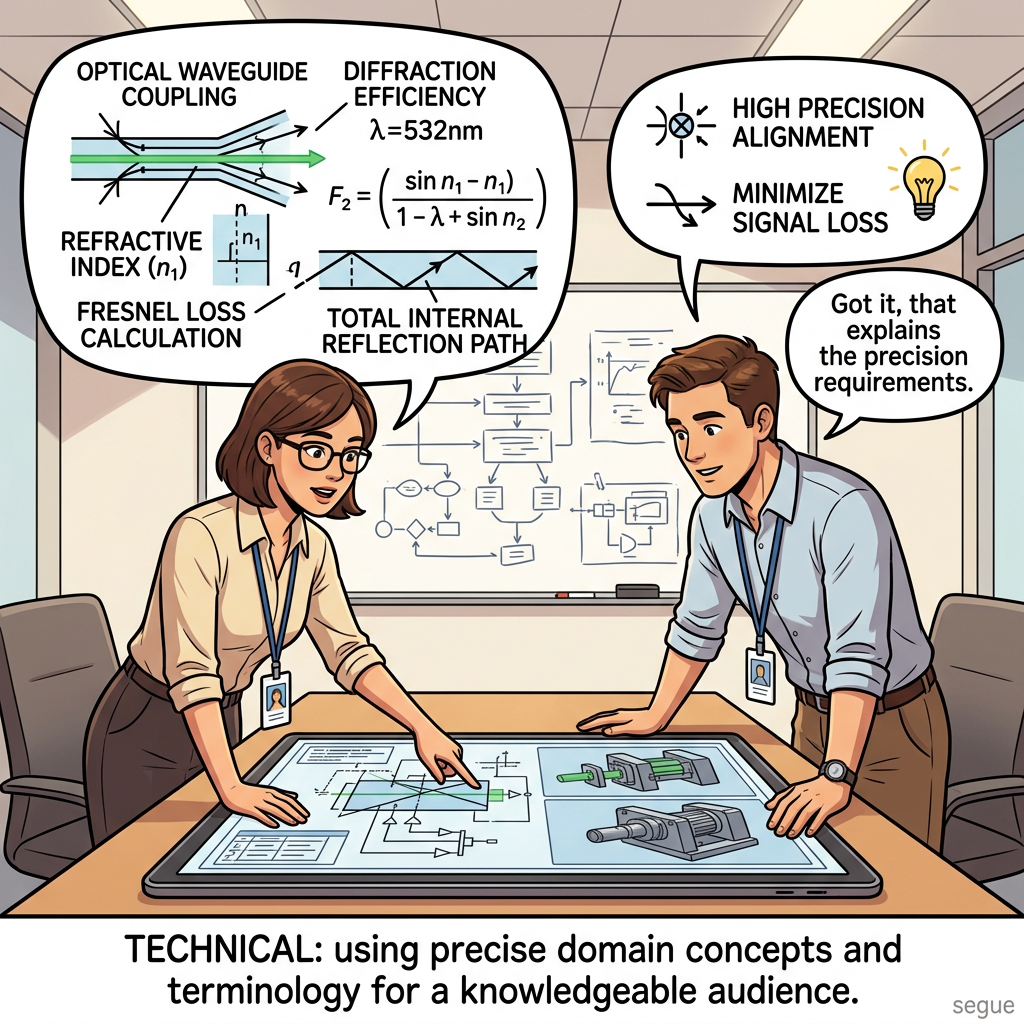
technical
/ˈteknɪkəl/using precise domain concepts and terminology for a knowledgeable audience
“Provide a technical explanation for database engineers, including isolation levels.”
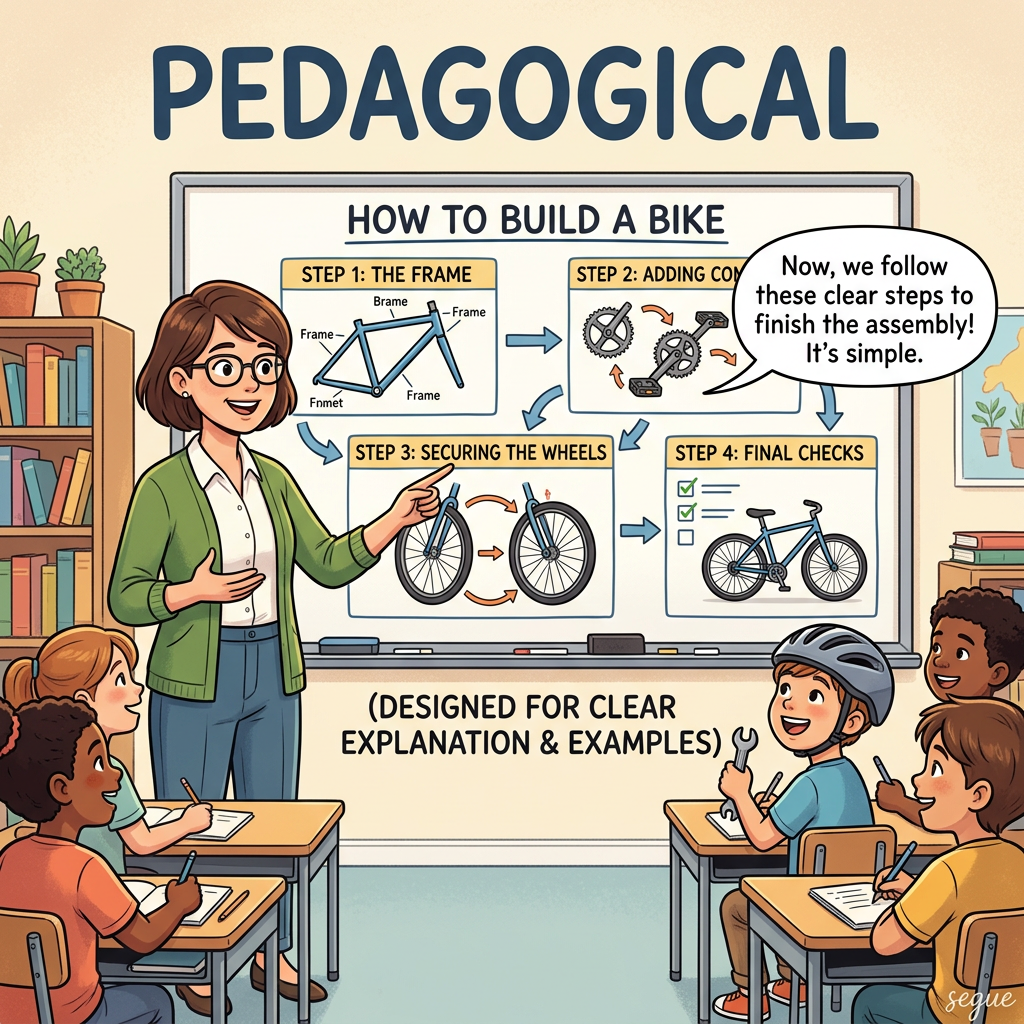
pedagogical
/ˌpedəˈɡɒdʒɪkəl/designed to teach through clear sequencing, explanation, and useful examples
“Use a pedagogical tone that introduces the concept before the formula.”

neutral
/ˈnjuːtrəl/even-handed in wording, without advocating a side unless the evidence requires a conclusion
“Summarize both proposals in neutral language before comparing their costs.”

empathetic
/ˌempəˈθetɪk/showing accurate awareness of another person's feelings and perspective
“Write an empathetic reply that acknowledges the delay and its impact.”
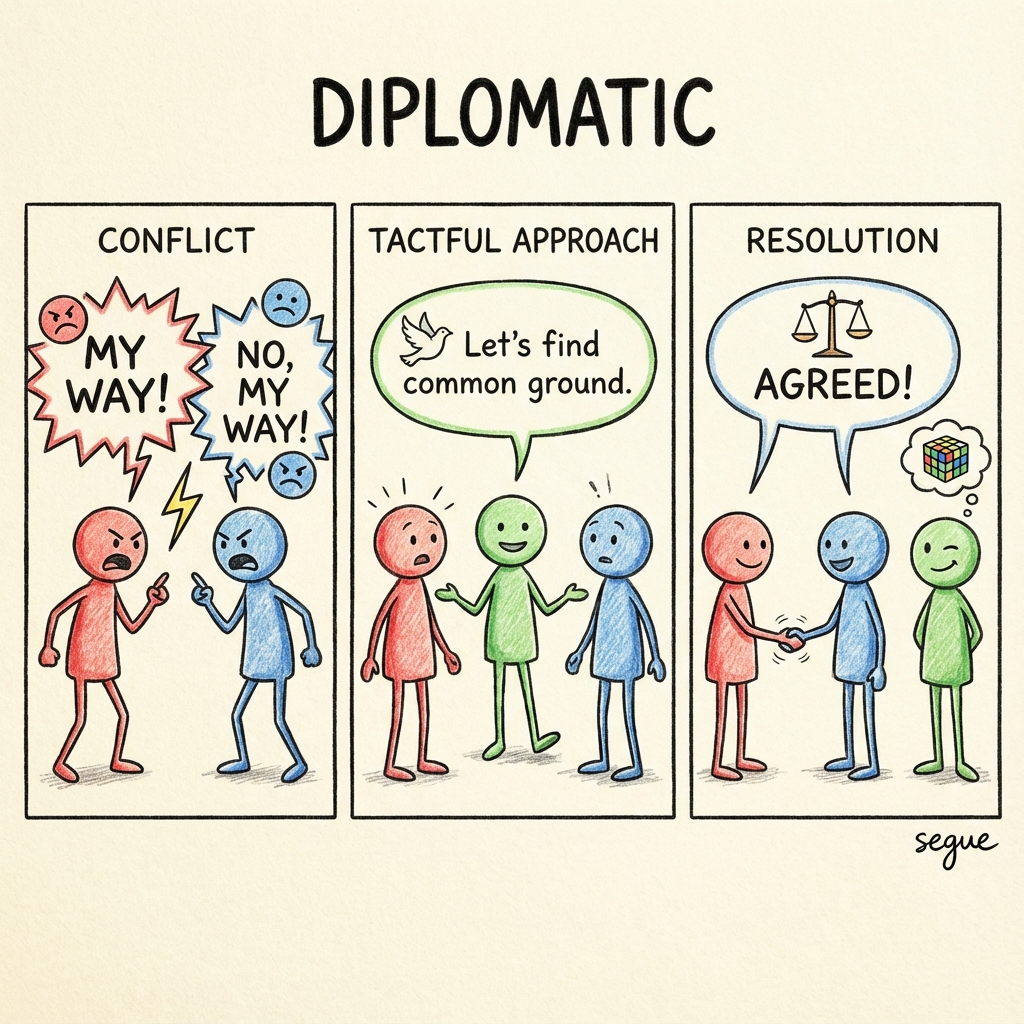
diplomatic
/ˌdɪpləˈmætɪk/tactful about disagreement, risk, or sensitive relationships while remaining clear
“Give diplomatic feedback that identifies the missed deadline without assigning motives.”

assertive
/əˈsɜːrtɪv/direct and confident about needs or conclusions without becoming hostile
“Use an assertive tone to decline the request and state the boundary.”

skimmable
/ˈskɪməbəl/organized so a reader can quickly locate the main ideas and actions
“Make the incident report skimmable with short headings and bullet points.”

actionable
/ˈækʃənəbəl/specific enough to guide a concrete decision or next step
“Turn each finding into an actionable recommendation with an owner and deadline.”
More from LLM Fluency
Explore other vocabulary categories in this collection.