Loading collection...
🧭
Prompt Anatomy Vocabulary
The parts of a strong request: purpose, boundaries, requirements, and completion criteria
11 words
All 11 Words

objective
/əbˈdʒektɪv/the specific outcome a prompt asks the model to achieve
“State the objective first: compare the three proposals and recommend one.”

audience
/ˈɔːdiəns/the intended reader or user whose knowledge, needs, and expectations should shape the response
“Naming new managers as the audience led the model to explain each legal term.”
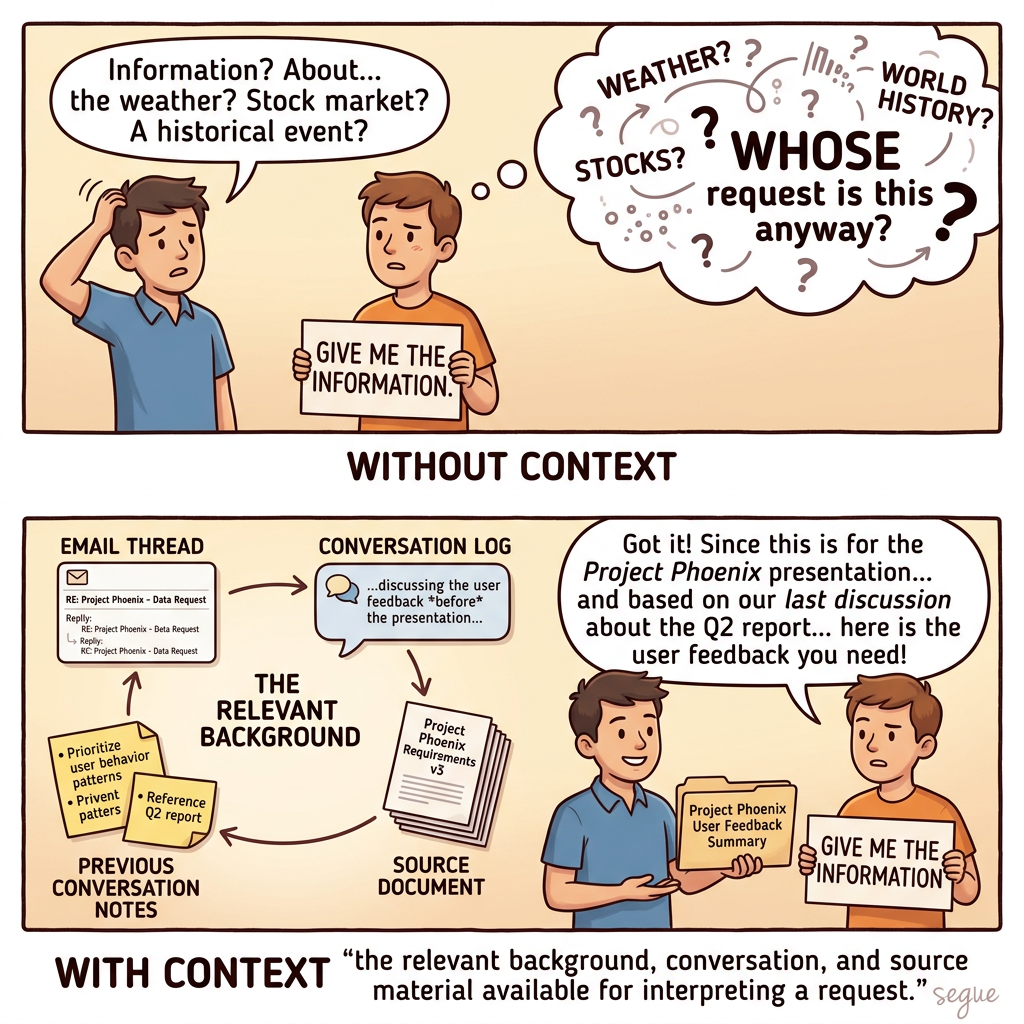
context
/ˈkɒntekst/the relevant background, conversation, and source material available for interpreting a request
“I supplied the customer history as context before asking for a reply.”
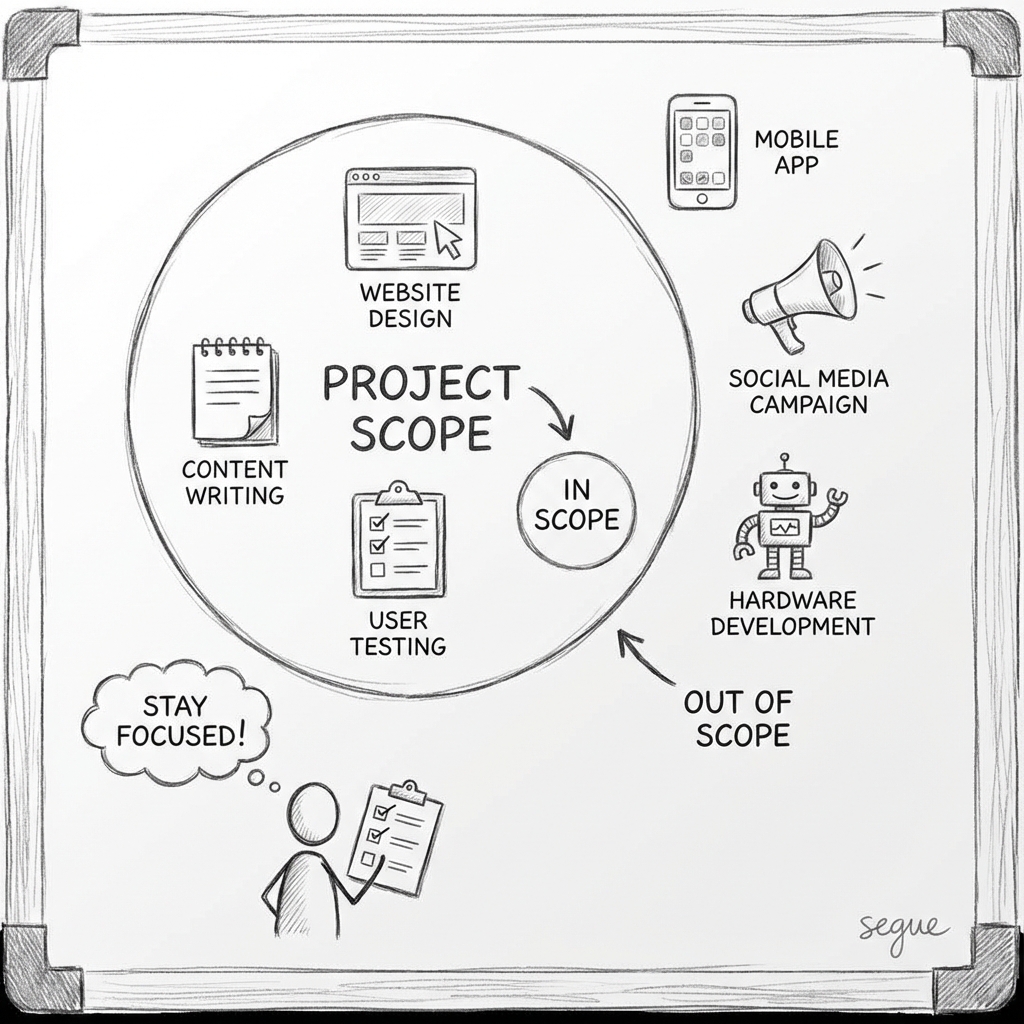
scope
/skoʊp/the boundary of what a task includes and excludes
“Keep the scope to onboarding emails; do not redesign the product tour.”
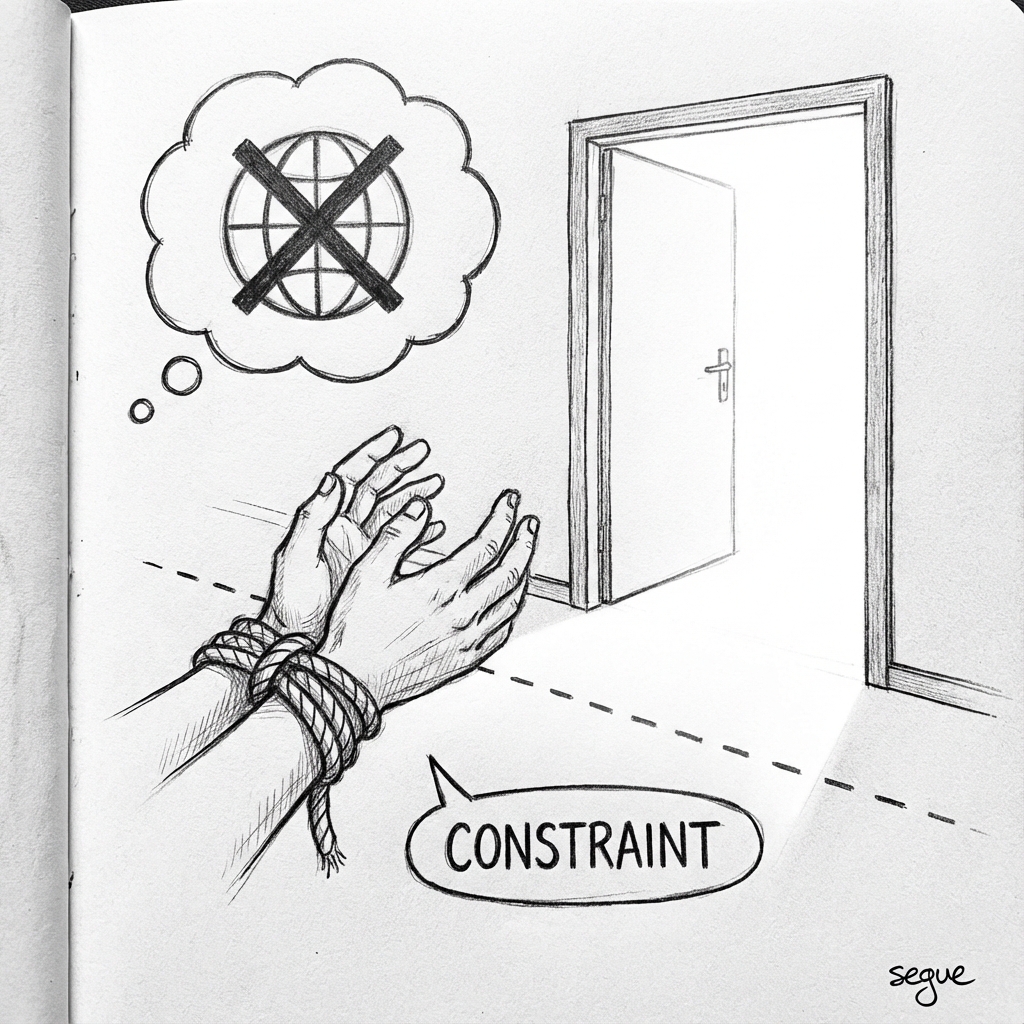
constraint
/kənˈstreɪnt/a limit or rule the response must respect
“The 200-word limit and ban on legal jargon were explicit constraints.”
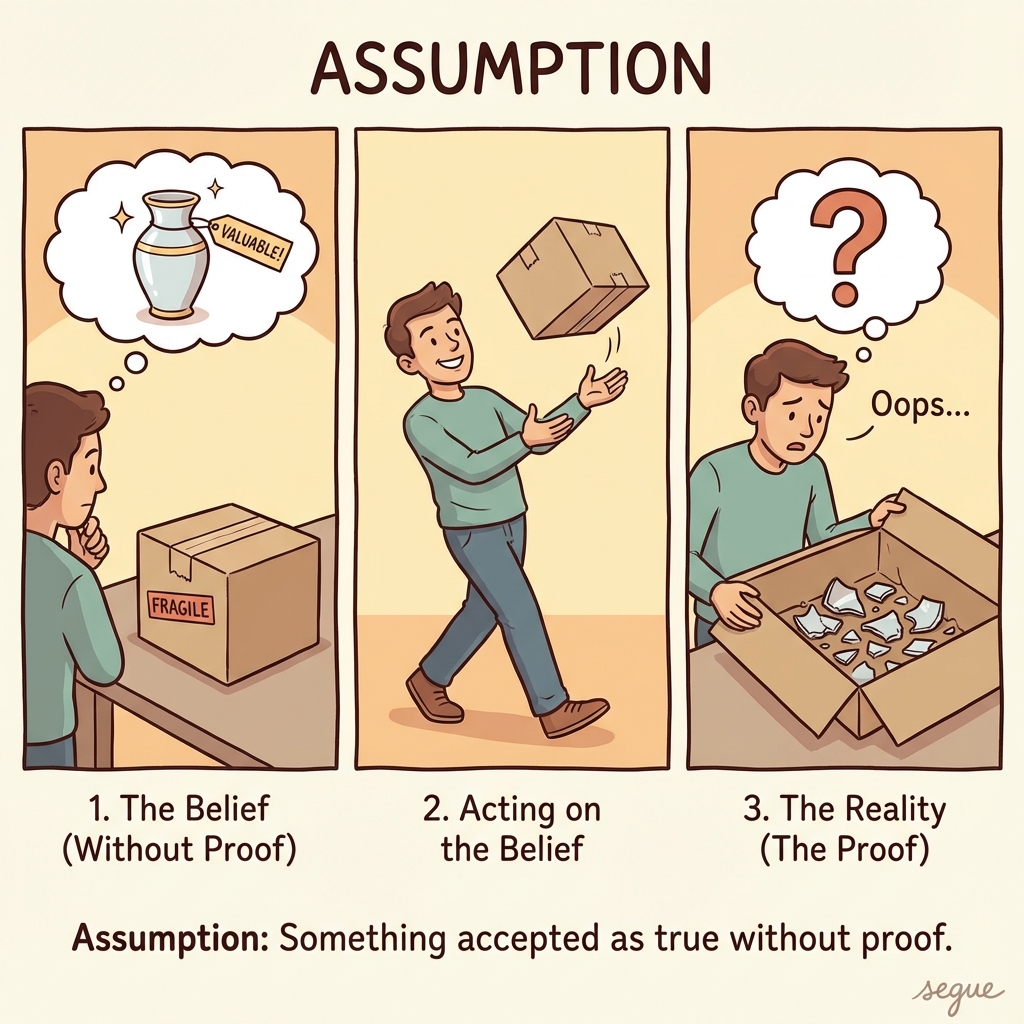
assumption
/əˈsʌmpʃən/a premise treated as true for the task even though it has not been established
“List every assumption you make about the budget before calculating the forecast.”
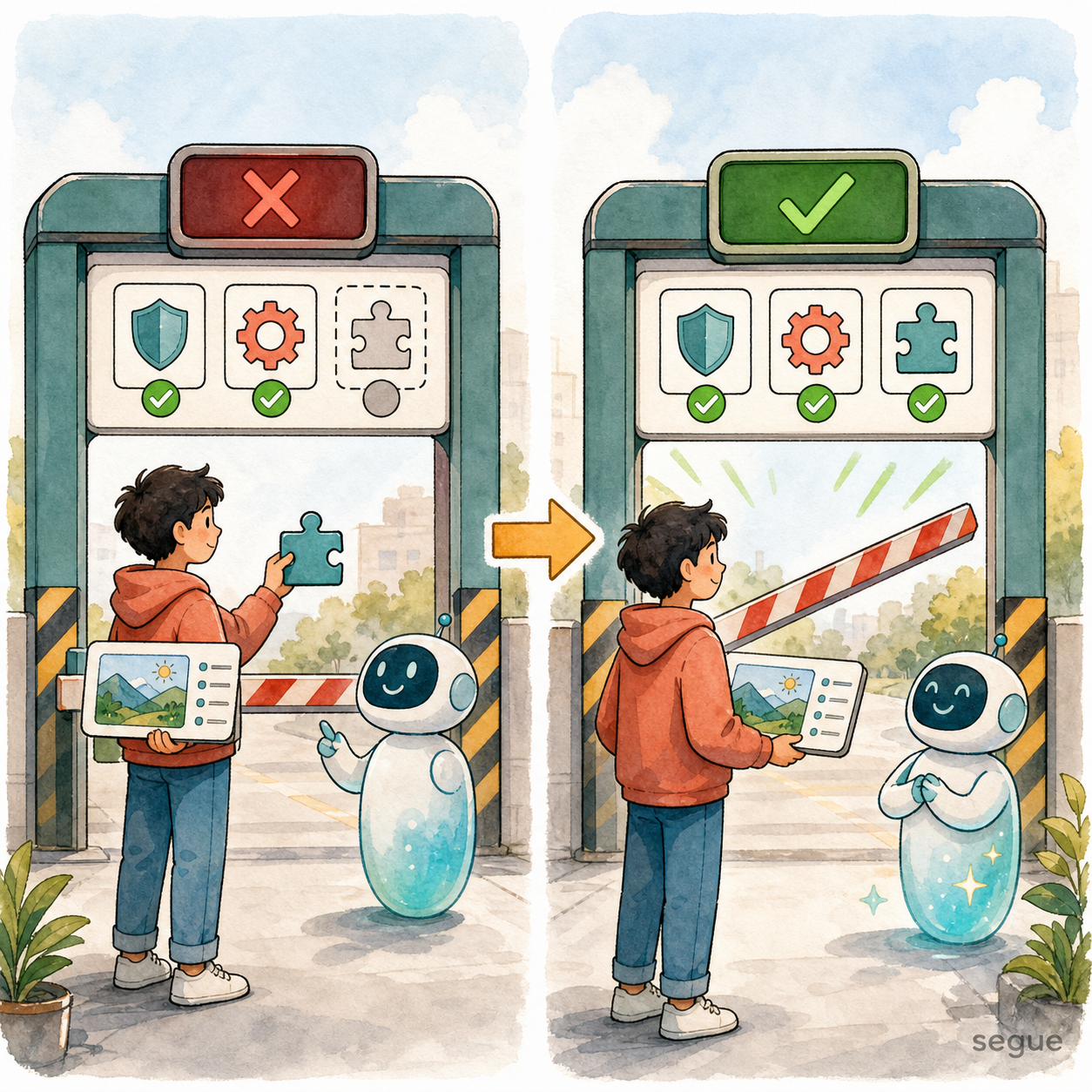
requirement
/rɪˈkwaɪərmənt/a condition the result must satisfy to be acceptable
“One requirement was that every recommendation cite a supplied policy.”

non-goal
/ˌnɒn ˈɡoʊl/an outcome deliberately excluded from a task to prevent unnecessary work
“Choosing a new database is a non-goal; we are only improving the query.”
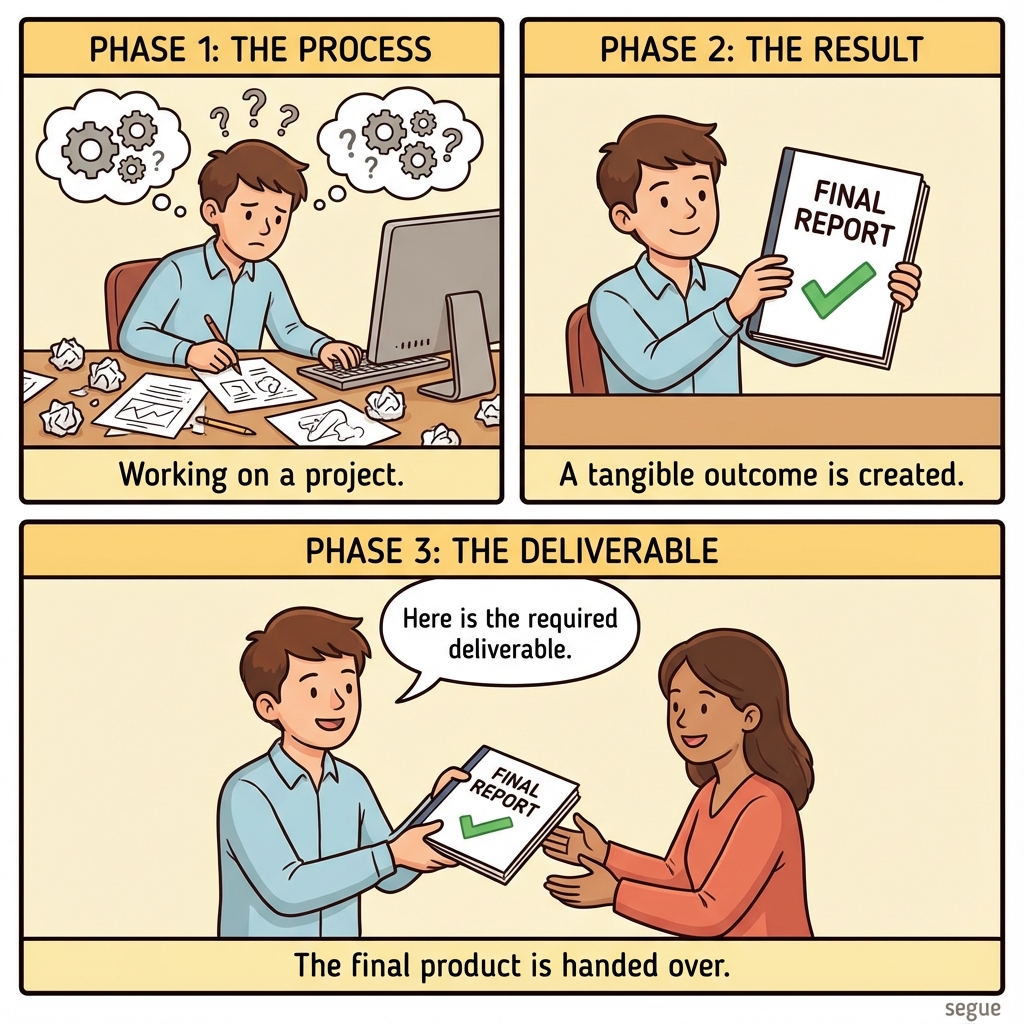
deliverable
/dɪˈlɪvərəbəl/the concrete artifact or result a prompt asks the model to produce
“The deliverable is a decision memo with a table and a five-line recommendation.”

acceptance criterion
/əkˈseptəns kraɪˈtɪəriən/an observable condition used to decide whether an output meets a requirement
“An acceptance criterion required every CSV row to contain a valid date.”

definition of done
/ˌdefɪˈnɪʃən əv ˈdʌn/a shared checklist of conditions that marks a task as complete
“Our definition of done included passing tests, updated docs, and no unresolved warnings.”
More from LLM Fluency
Explore other vocabulary categories in this collection.