Loading collection...
📚
Context & Evidence Vocabulary
Vocabulary for supplying trustworthy information and managing what the model can use
10 words
All 10 Words
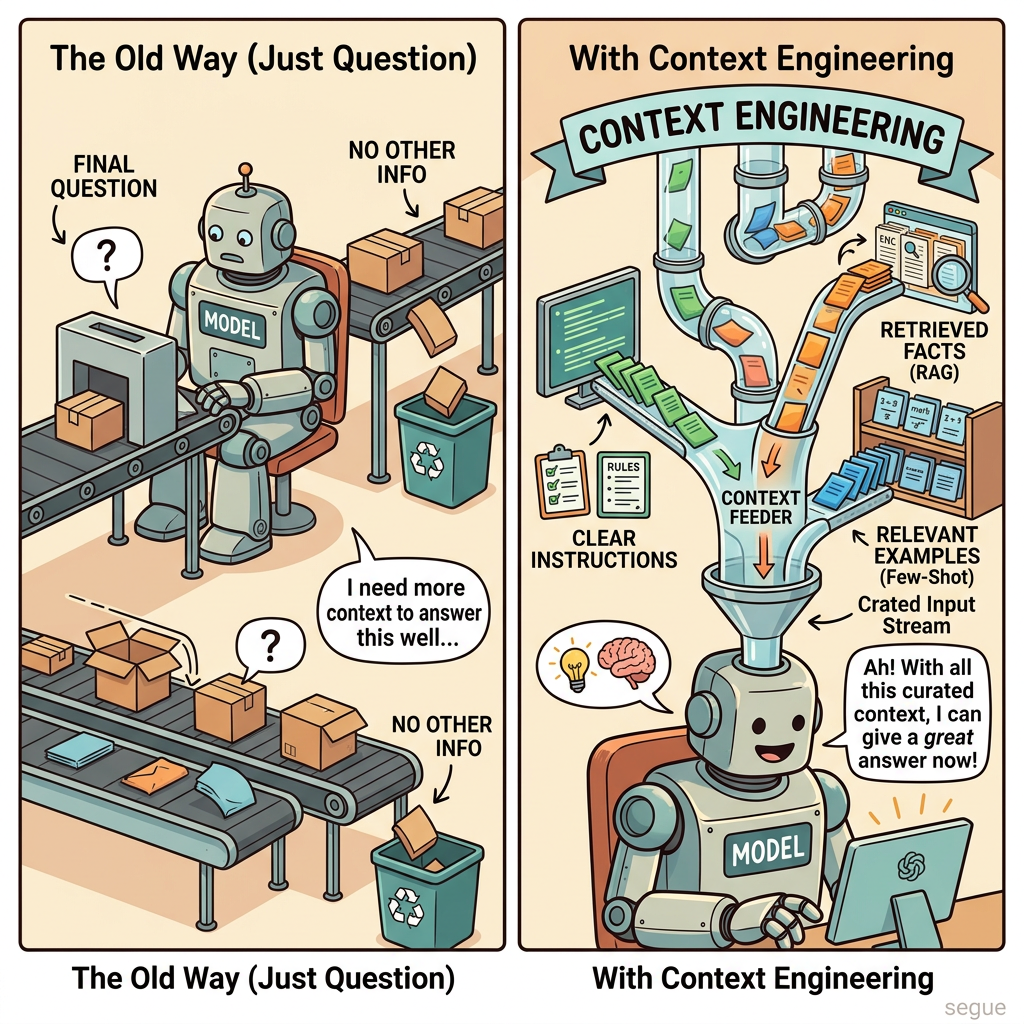
context engineering
/ˈkɒntekst ˌendʒɪˈnɪərɪŋ/designing what information, tools, instructions, and state a model receives at each step
“Context engineering gave the assistant the relevant account record without loading the entire database.”
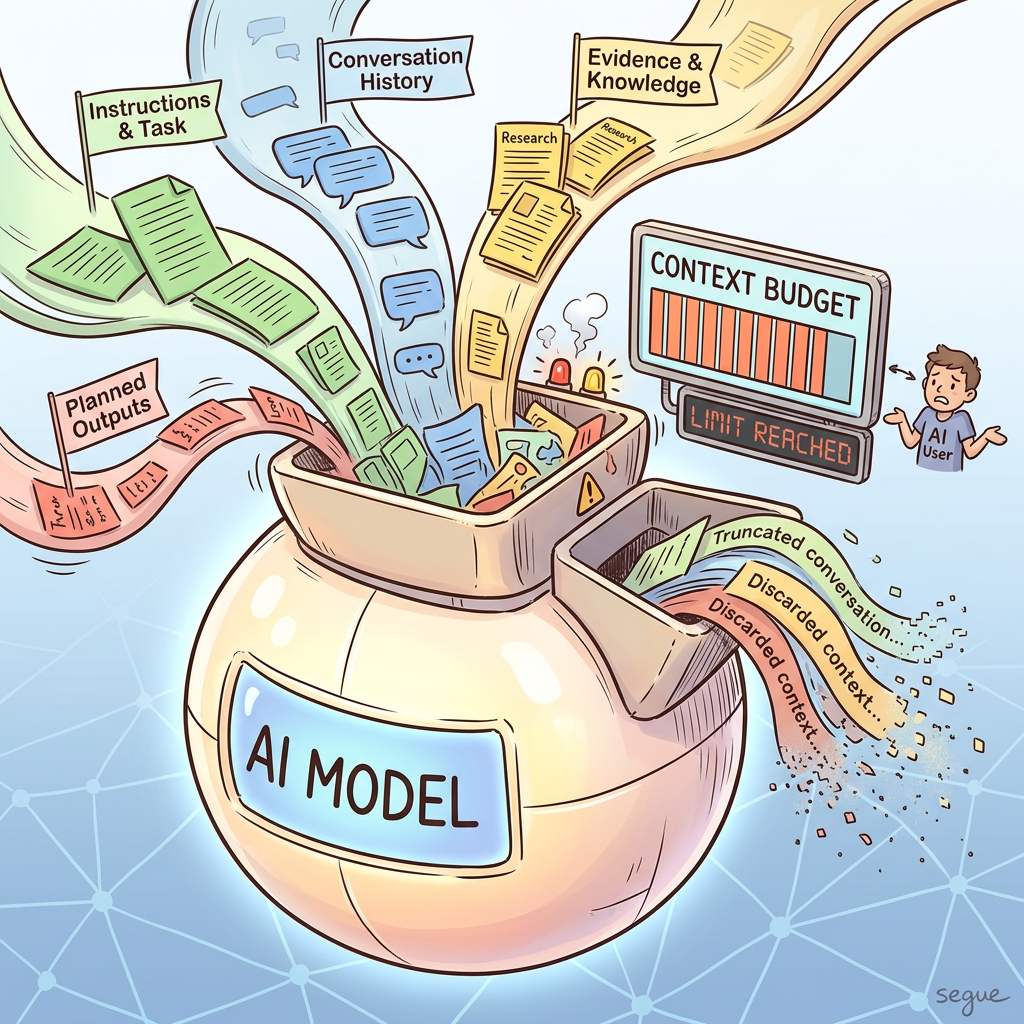
context budget
/ˈkɒntekst ˌbʌdʒɪt/the limited amount of model input available for instructions, conversation, evidence, and outputs
“We preserved context budget by retrieving only the policy sections relevant to the question.”

source of truth
/ˌsɔːrs əv ˈtruːθ/the designated authoritative record used when copies or claims disagree
“The signed contract, not the sales notes, was the source of truth for renewal dates.”

reference material
/ˈrefərəns məˌtɪəriəl/documents, data, or examples supplied as supporting information for a task
“I attached the style guide as reference material for the rewrite.”

provenance
/ˈprɒvənəns/the origin and history of information, including how it was collected or transformed
“The report recorded each statistic's provenance so reviewers could trace it to the dataset.”
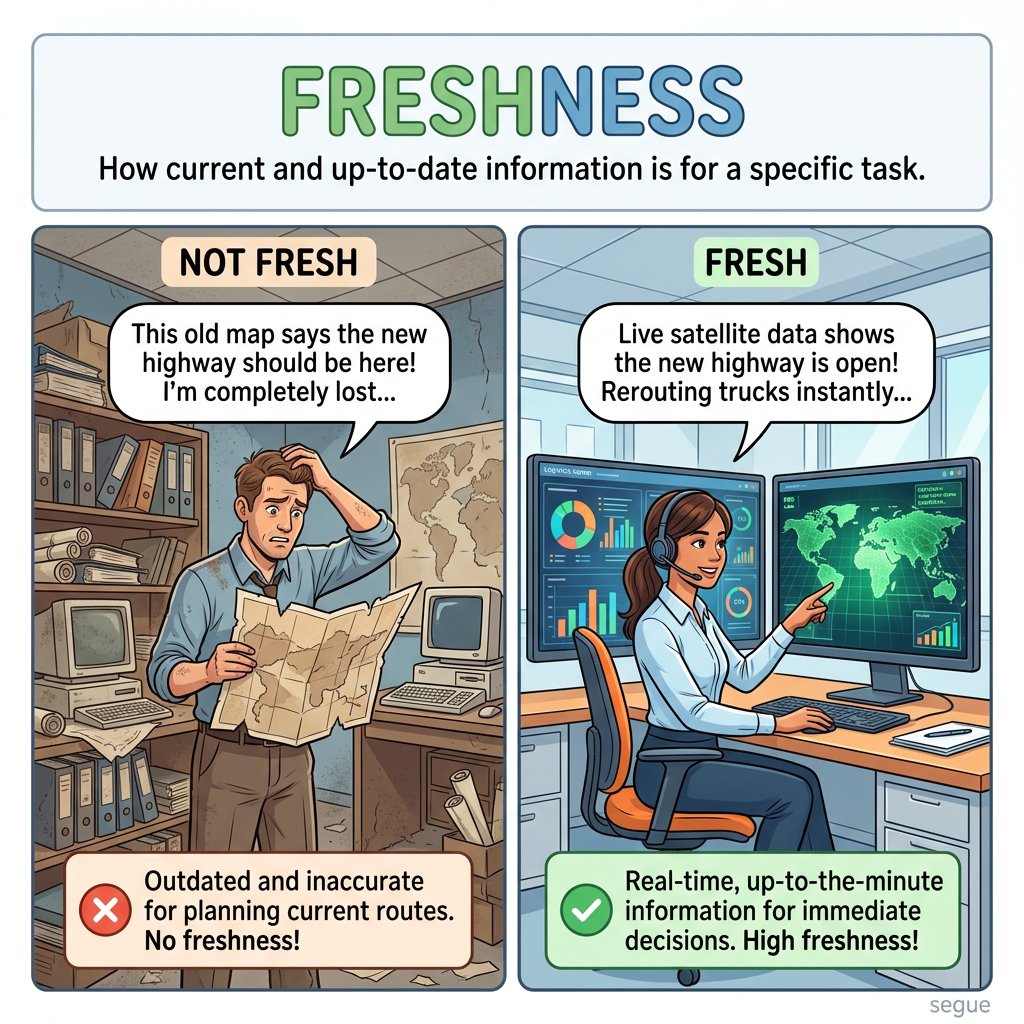
freshness
/ˈfreʃnəs/the degree to which information is current enough for the task
“Price comparisons need daily freshness, while the historical overview does not.”

knowledge cutoff
/ˈnɒlɪdʒ ˌkʌtɒf/the point after which a model's training knowledge is not expected to include new events or facts
“Because the question concerned a recent law, I checked live sources rather than relying on the knowledge cutoff.”
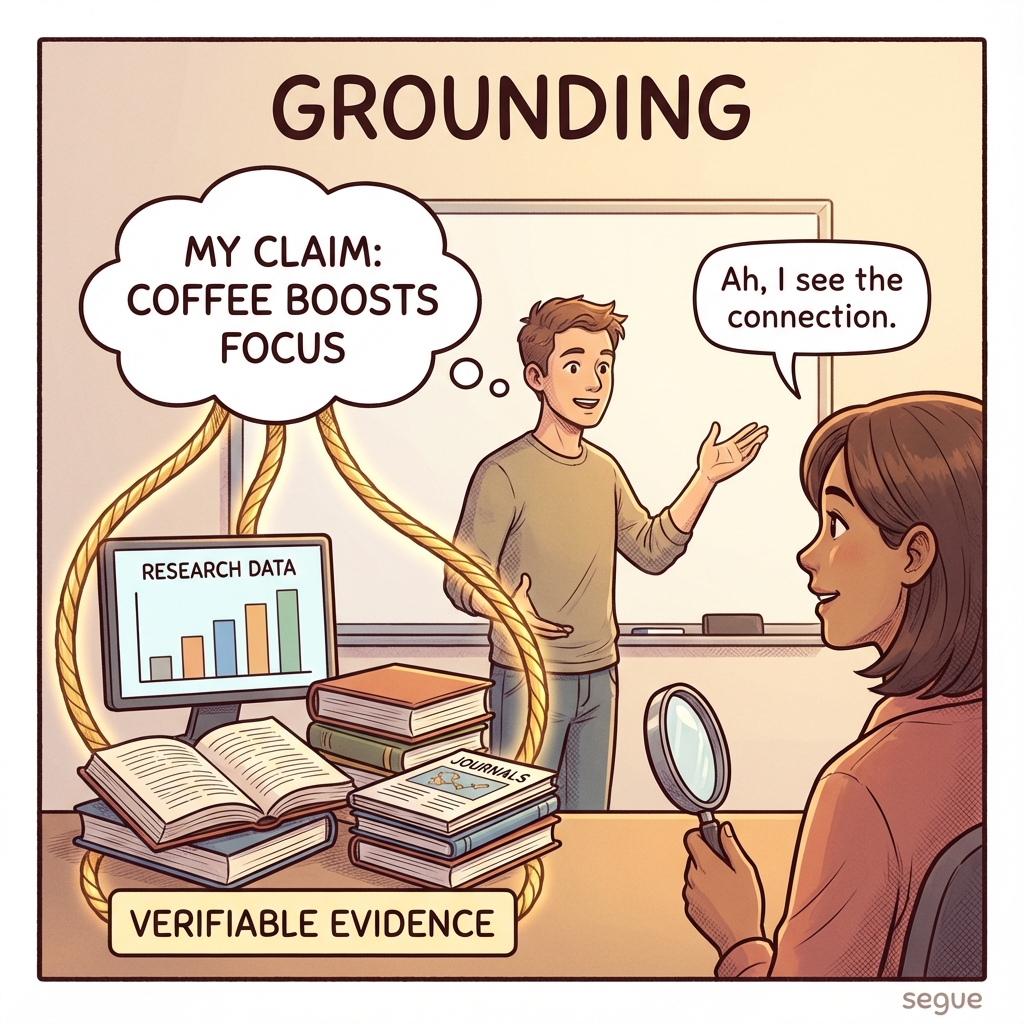
grounding
/ˈɡraʊndɪŋ/connecting a model's response to supplied, retrieved, or observed evidence
“Grounding the summary in the meeting transcript reduced unsupported details.”

citation
/saɪˈteɪʃən/an attribution that points readers to the source supporting a claim
“Each market-size claim included a citation to the exact table it used.”
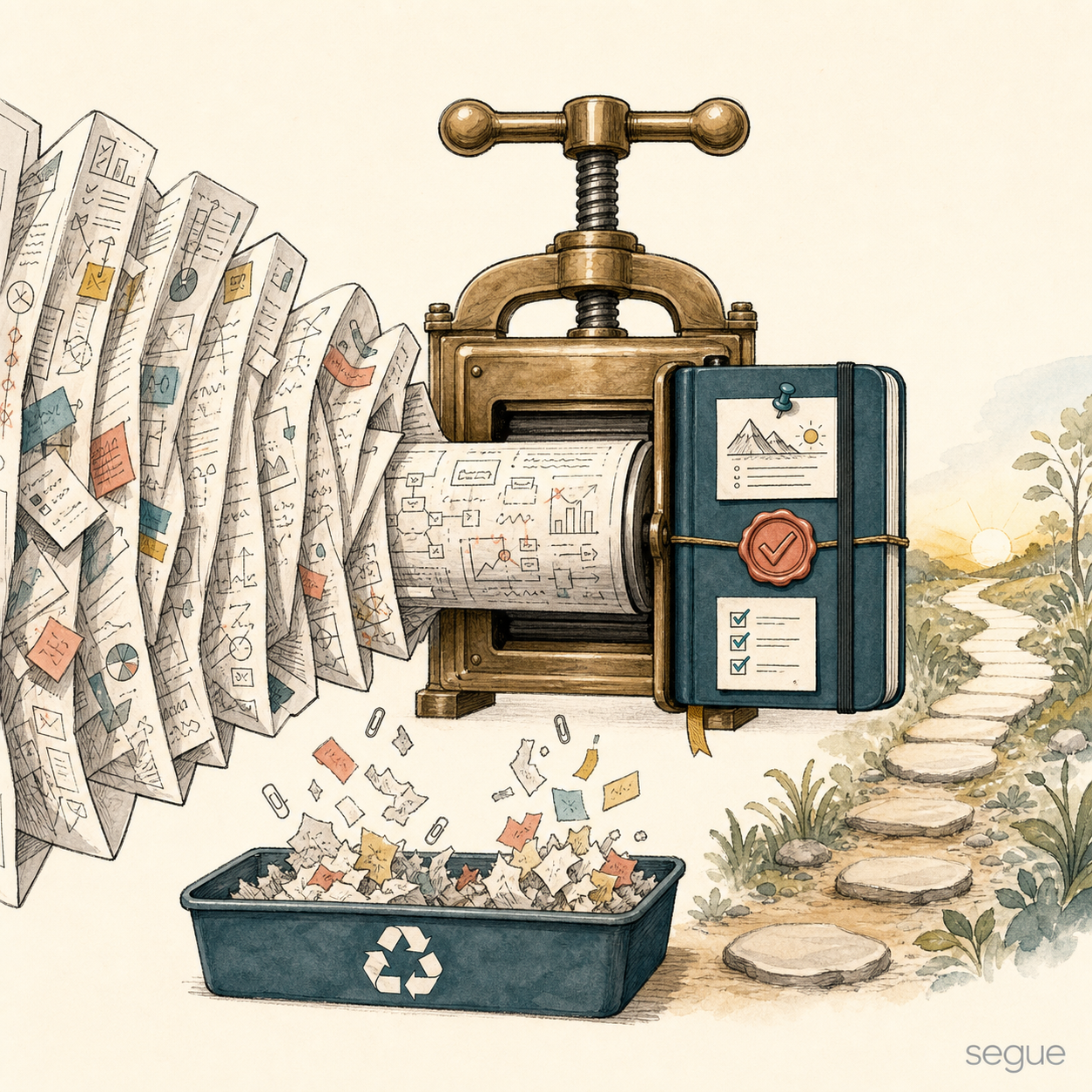
context compaction
/ˈkɒntekst kəmˈpækʃən/shortening accumulated context while preserving the facts, decisions, and state needed to continue
“Context compaction turned a long agent history into a concise project brief.”
More from LLM Fluency
Explore other vocabulary categories in this collection.