Loading collection...
🧪
Reliability & Evaluation Vocabulary
Terms for testing outputs, diagnosing failures, and measuring whether an AI system remains useful
12 words
All 12 Words

hallucination
/həˌluːsɪˈneɪʃən/fluent model output that is false, unsupported, or inconsistent with the supplied evidence
“The invented court case was a hallucination, despite its convincing citation format.”

sycophancy
/ˈsɪkəfənsi/a model's tendency to agree with a user's stated view instead of giving an accurate independent answer
“The evaluator tested sycophancy by confidently suggesting an incorrect answer to the model.”
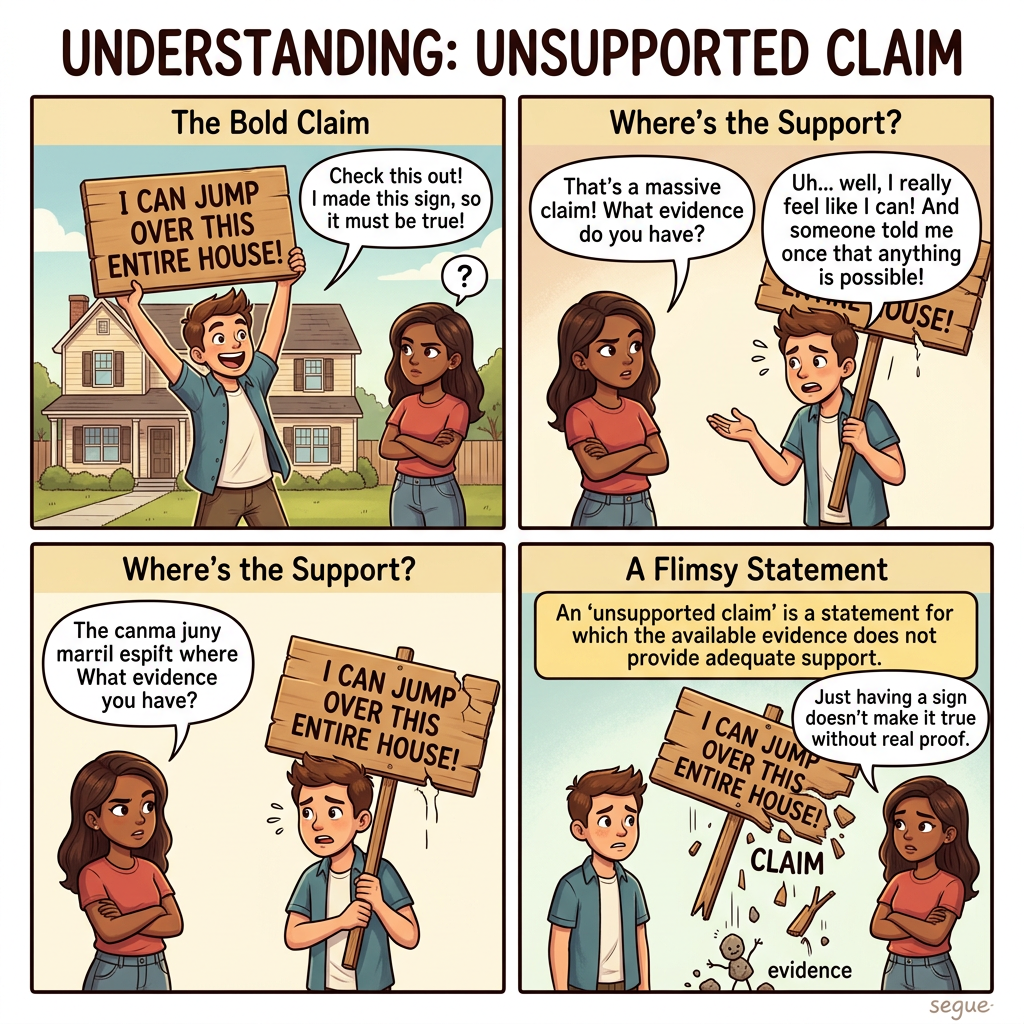
unsupported claim
/ˌʌnsəˈpɔːrtɪd ˈkleɪm/a statement for which the available evidence does not provide adequate support
“The reviewer removed an unsupported claim about customer intent from the summary.”
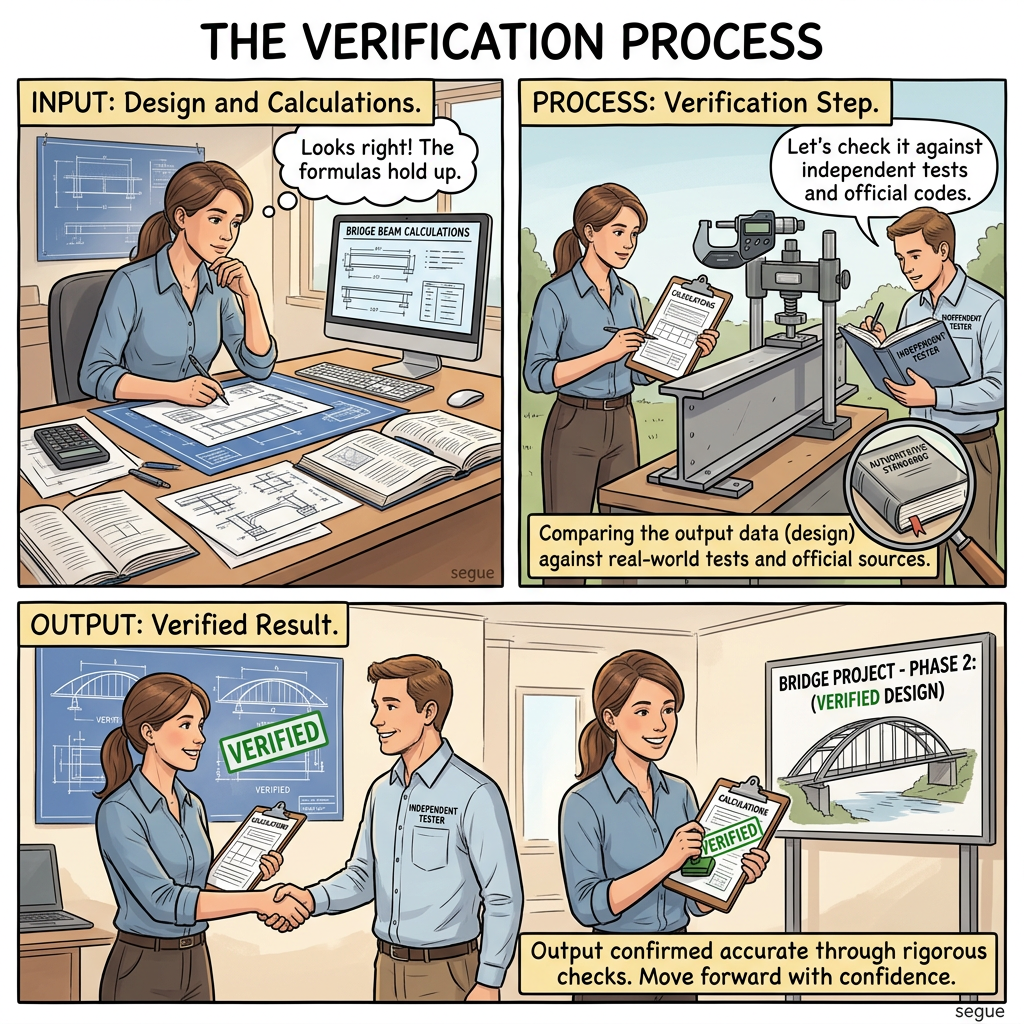
verification
/ˌverɪfɪˈkeɪʃən/checking an output against independent evidence, calculations, tests, or authoritative sources
“Verification caught two incorrect totals by recomputing them from the raw rows.”
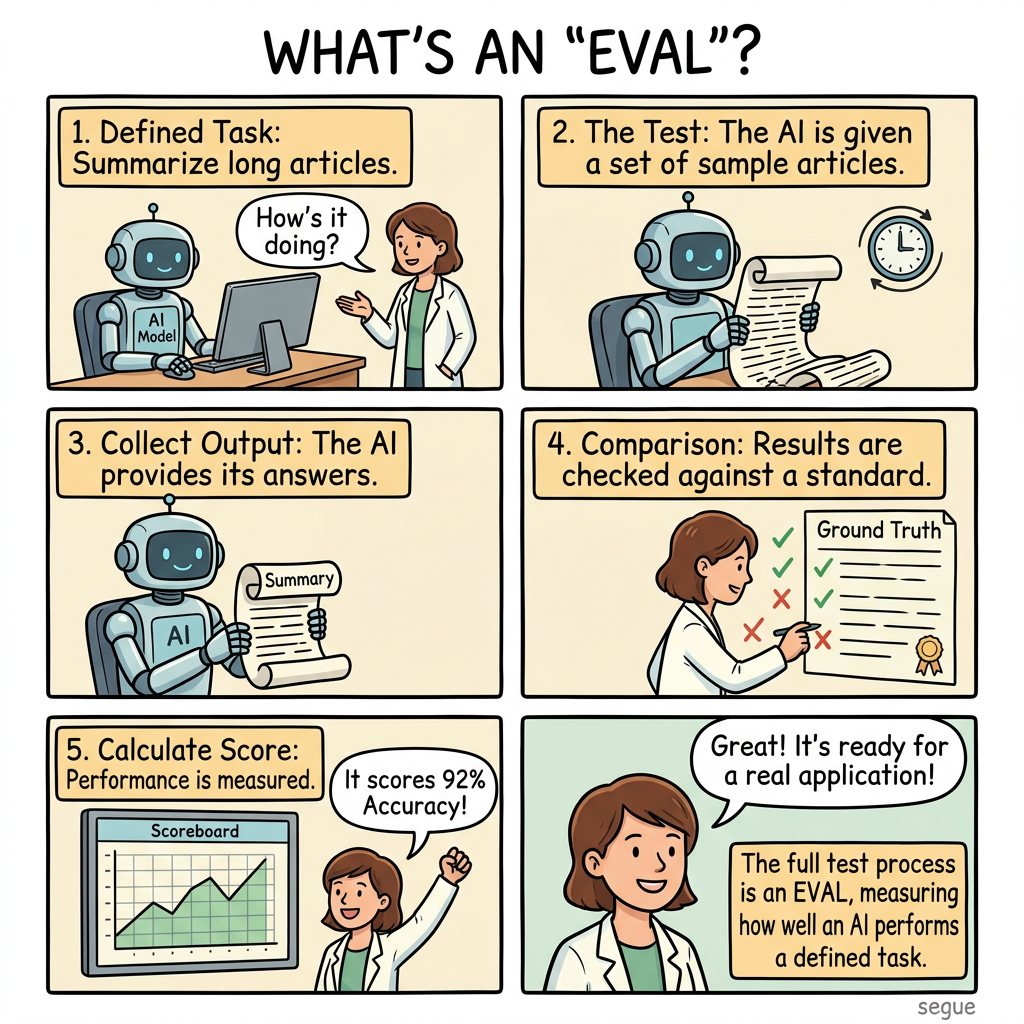
eval
/ɪˈvæl/a structured test used to measure how well a model or AI system performs a defined task
“The team ran an eval of 200 real support questions before releasing the new prompt.”
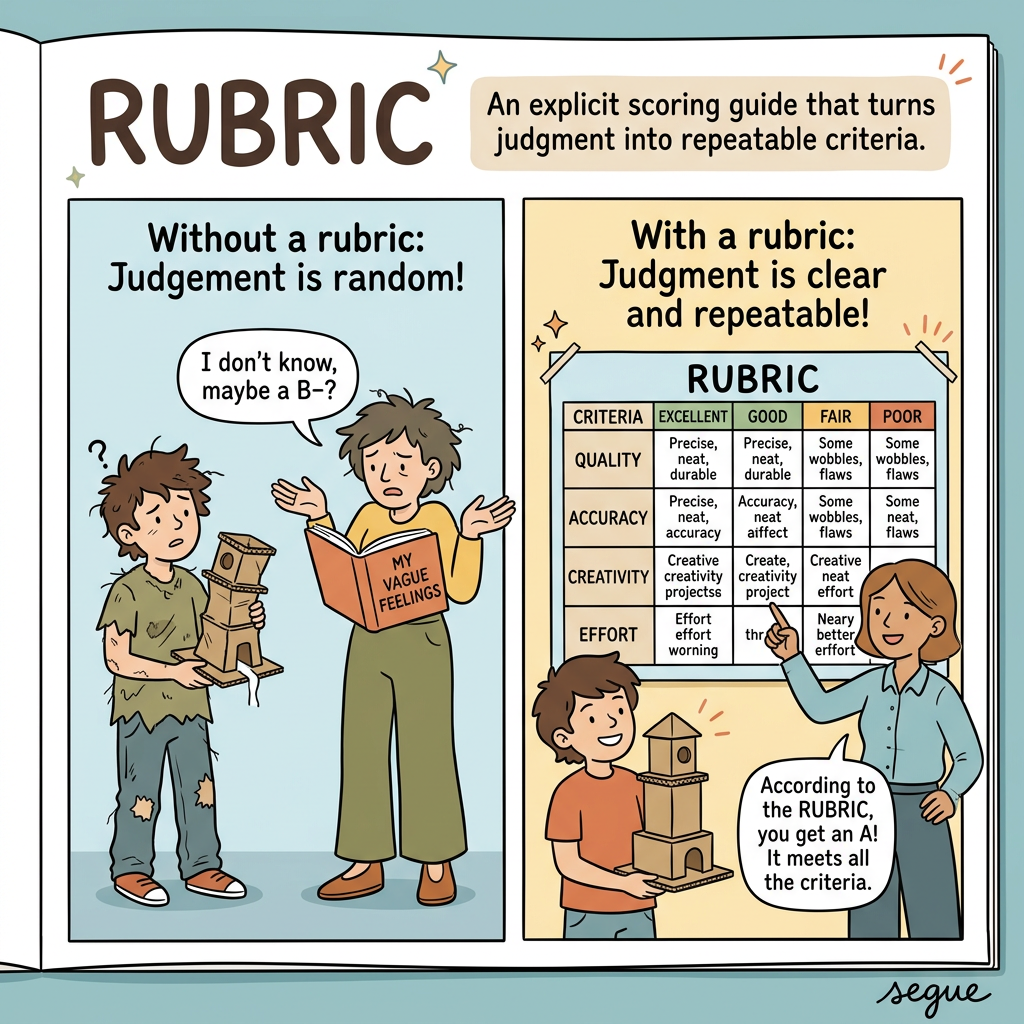
rubric
/ˈruːbrɪk/an explicit set of criteria and scoring rules for judging an output
“The rubric scored factuality, completeness, tone, and citation quality separately.”
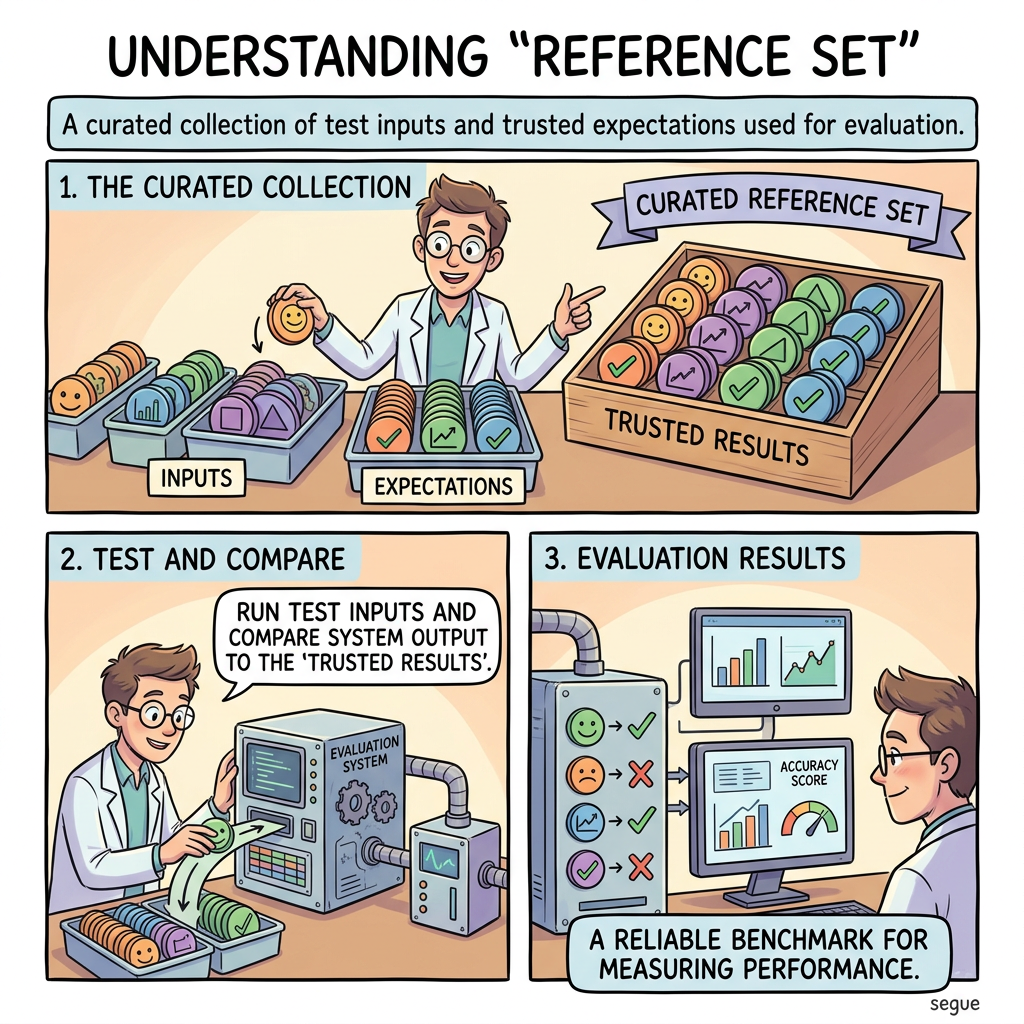
reference set
/ˈrefərəns set/a curated collection of test inputs and trusted expectations used for evaluation
“The reference set included routine requests, ambiguous cases, and known past failures.”
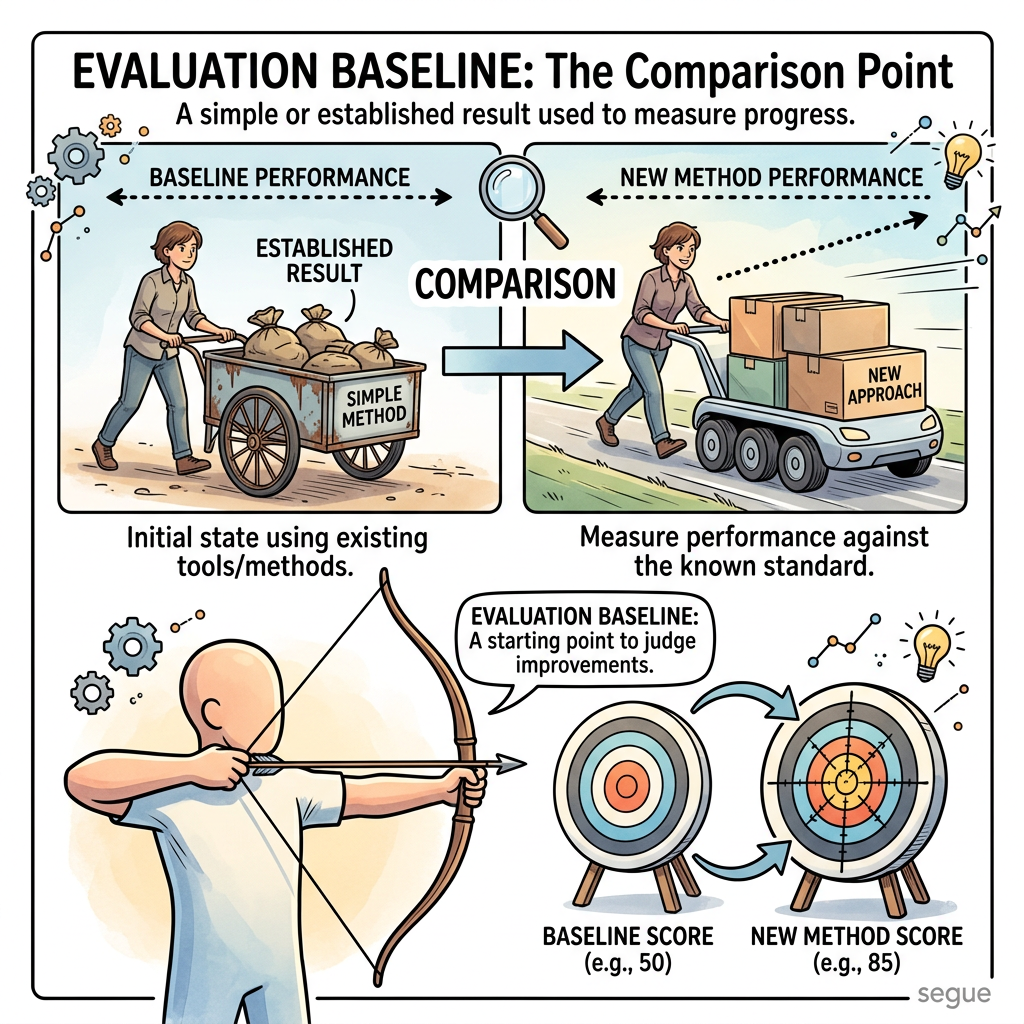
evaluation baseline
/ɪˌvæljuˈeɪʃən ˈbeɪslaɪn/a simple or established result used as the comparison point for a new approach
“The existing search system was the baseline the agent had to outperform.”
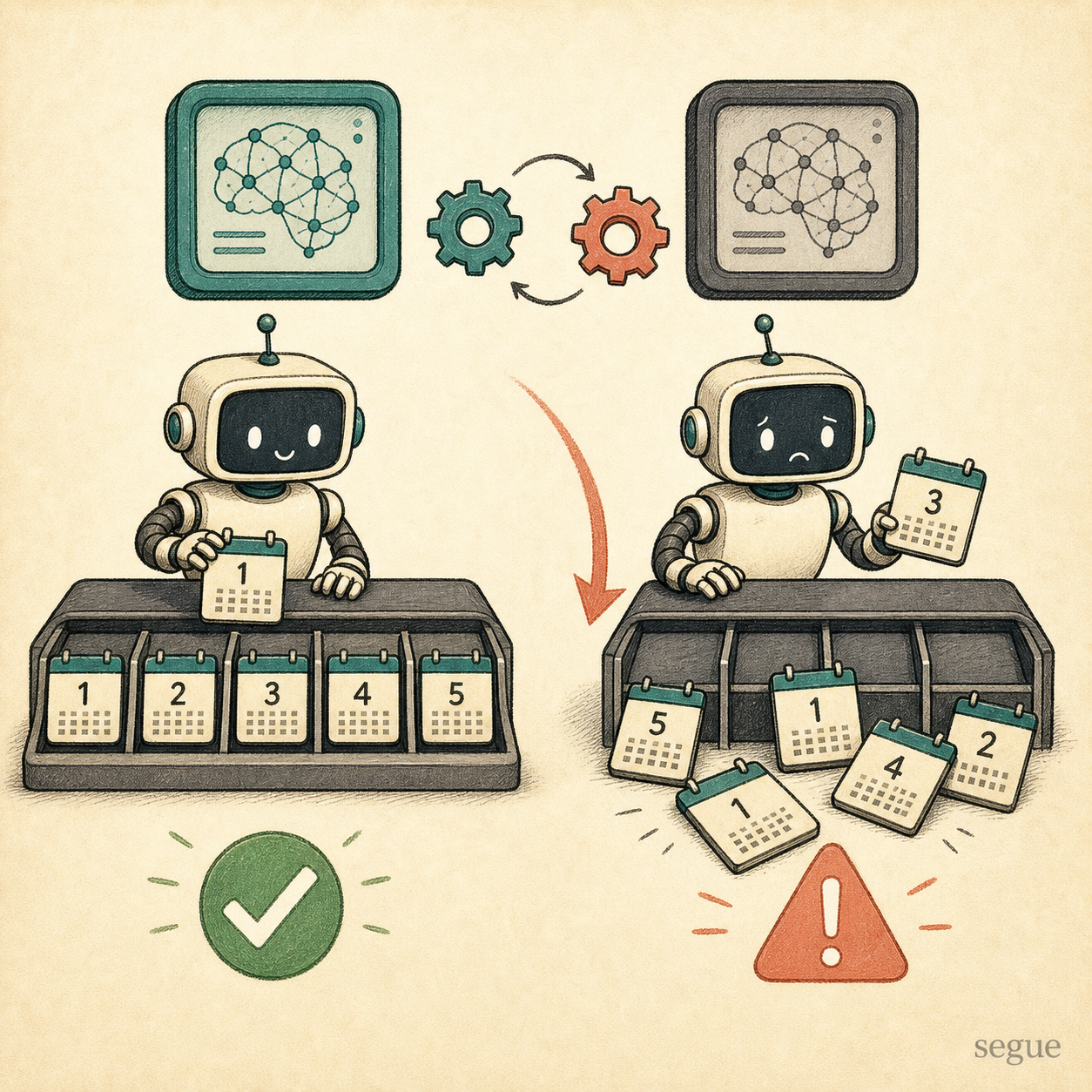
model regression
/ˈmɒdəl rɪˈɡreʃən/a decline in behavior that previously worked after a model, prompt, tool, or system changes
“The release introduced a regression in correctly formatting dates.”
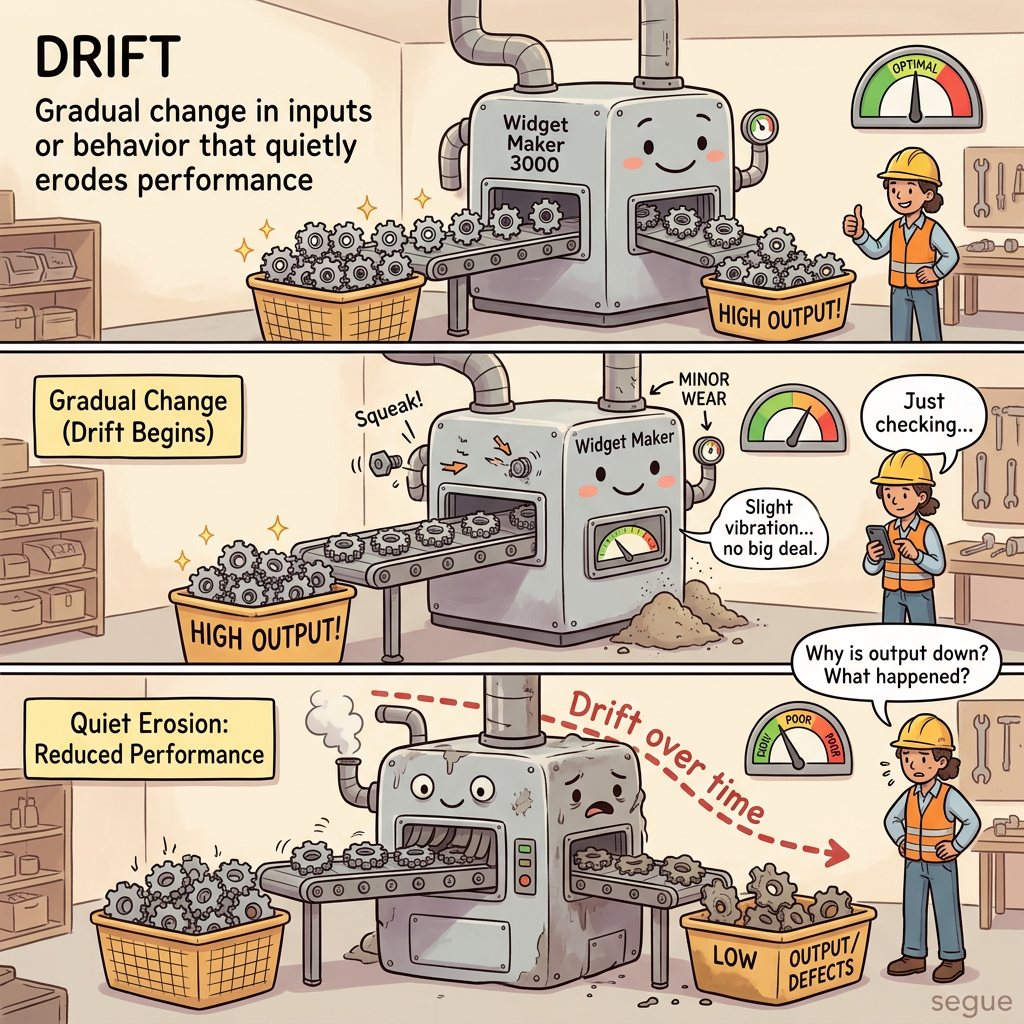
drift
/drɪft/gradual change in inputs, outputs, or conditions that can reduce system performance over time
“Topic drift appeared when customers began asking about a newly launched product.”
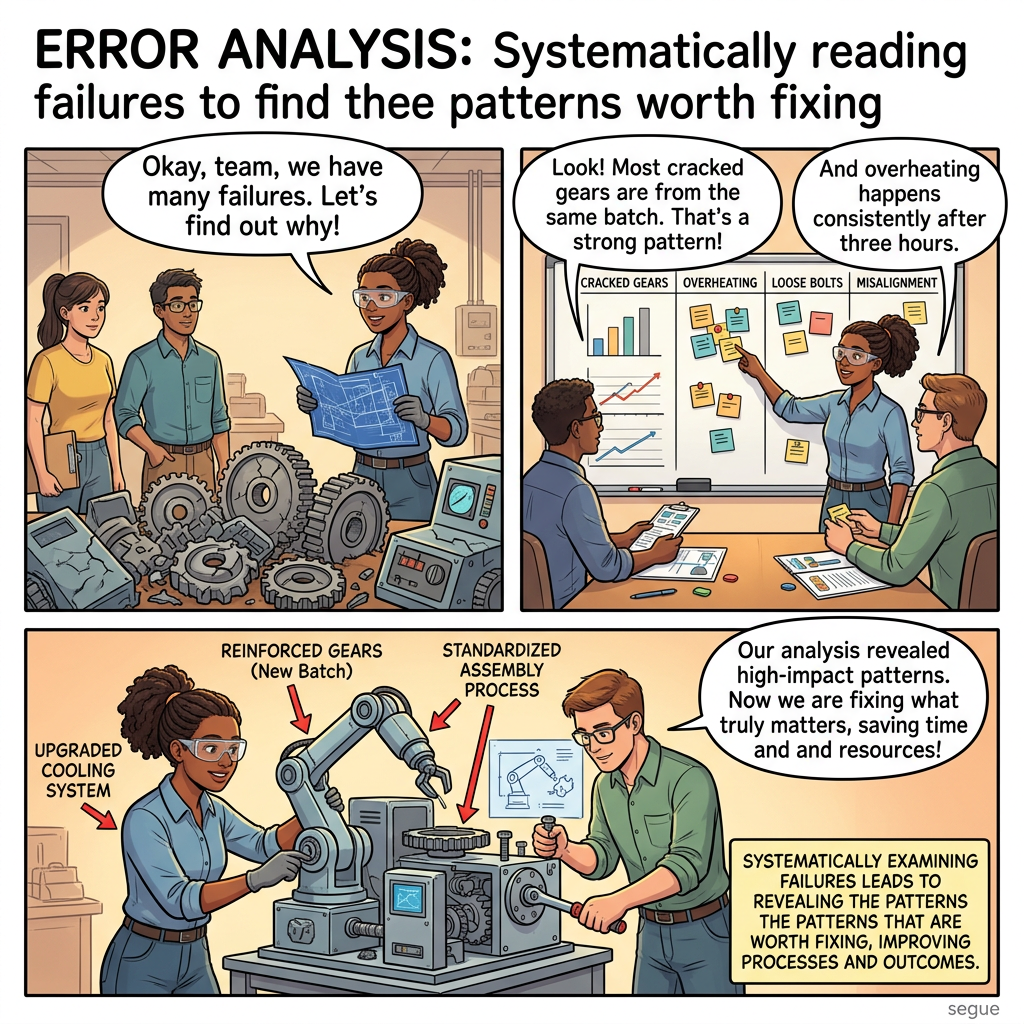
error analysis
/ˈerər əˌnæləsɪs/the systematic inspection and classification of failures to identify patterns and fixes
“Error analysis showed that most failures involved tables with merged cells.”

judge bias
/ˈdʒʌdʒ baɪəs/a systematic preference in a human or model evaluator that distorts scores independently of quality
“Randomizing answer order reduced the judge bias toward the first response.”
More from LLM Fluency
Explore other vocabulary categories in this collection.