Loading collection...
🦉
Wisdom & Intelligence Vocabulary
Words describing mental acuity, wisdom, and understanding
22 words
All 22 Words

sagacious
/səˈɡeɪʃəs/having keen mental discernment and good judgment
“The sagacious investor anticipated the market crash.”

astute
/əˈstut/having an ability to accurately assess situations
“Her astute observations helped solve the problem.”

perspicacious
/pɝspəˈkeɪʃəs/having a ready insight into things; shrewd
“The perspicacious detective noticed what others missed.”

discerning
/dɪˈsɝnɪŋ/having or showing good judgment
“A discerning reader will notice the subtle irony.”

shrewd
/ˈʃɹud/having sharp powers of judgment; astute
“The shrewd negotiator secured favorable terms.”

erudite
/ˈɛɹəˌdaɪt/having or showing great knowledge or learning
“The erudite professor could discuss any topic.”

learned
/ˈɫɝnd/having much knowledge acquired by study
“The learned scholar published extensively on medieval history.”
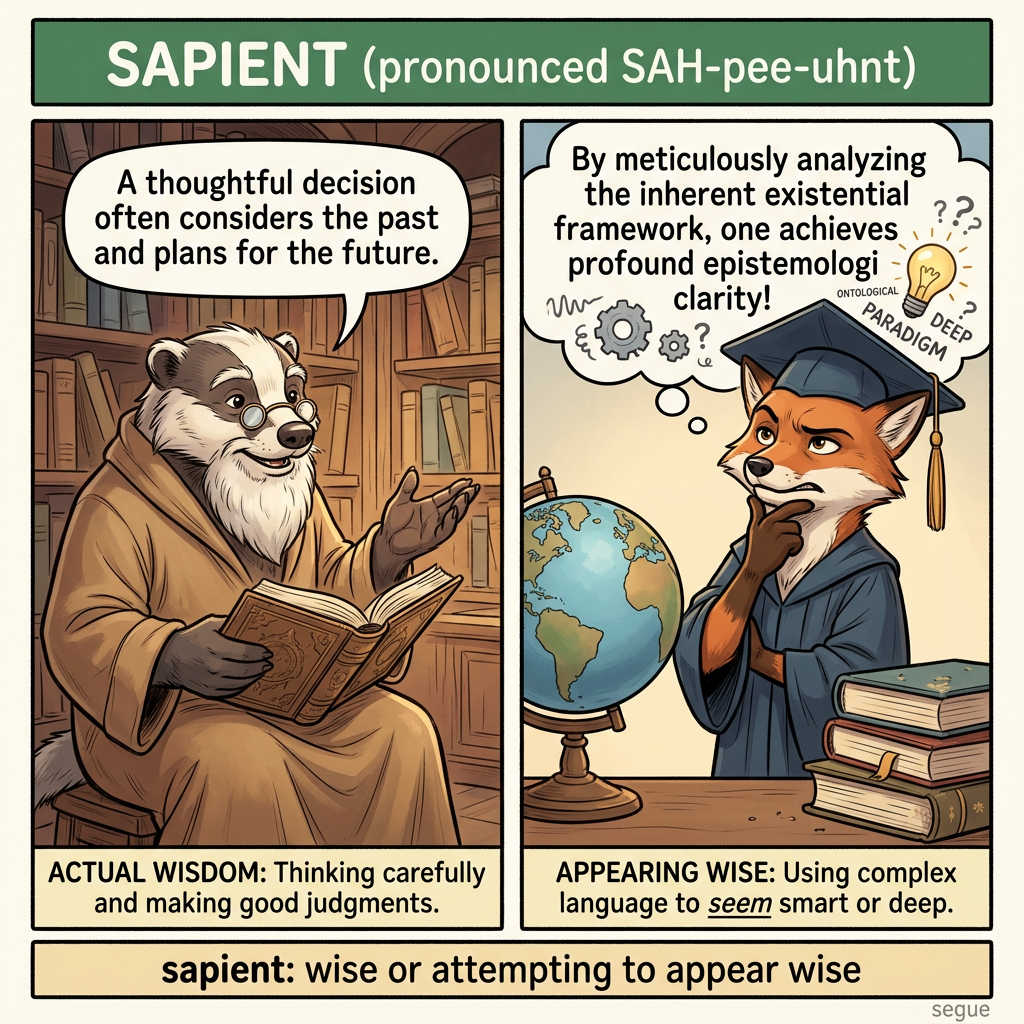
sapient
/ˈseɪpiənt/wise or attempting to appear wise
“The sapient elder offered guidance to the village.”
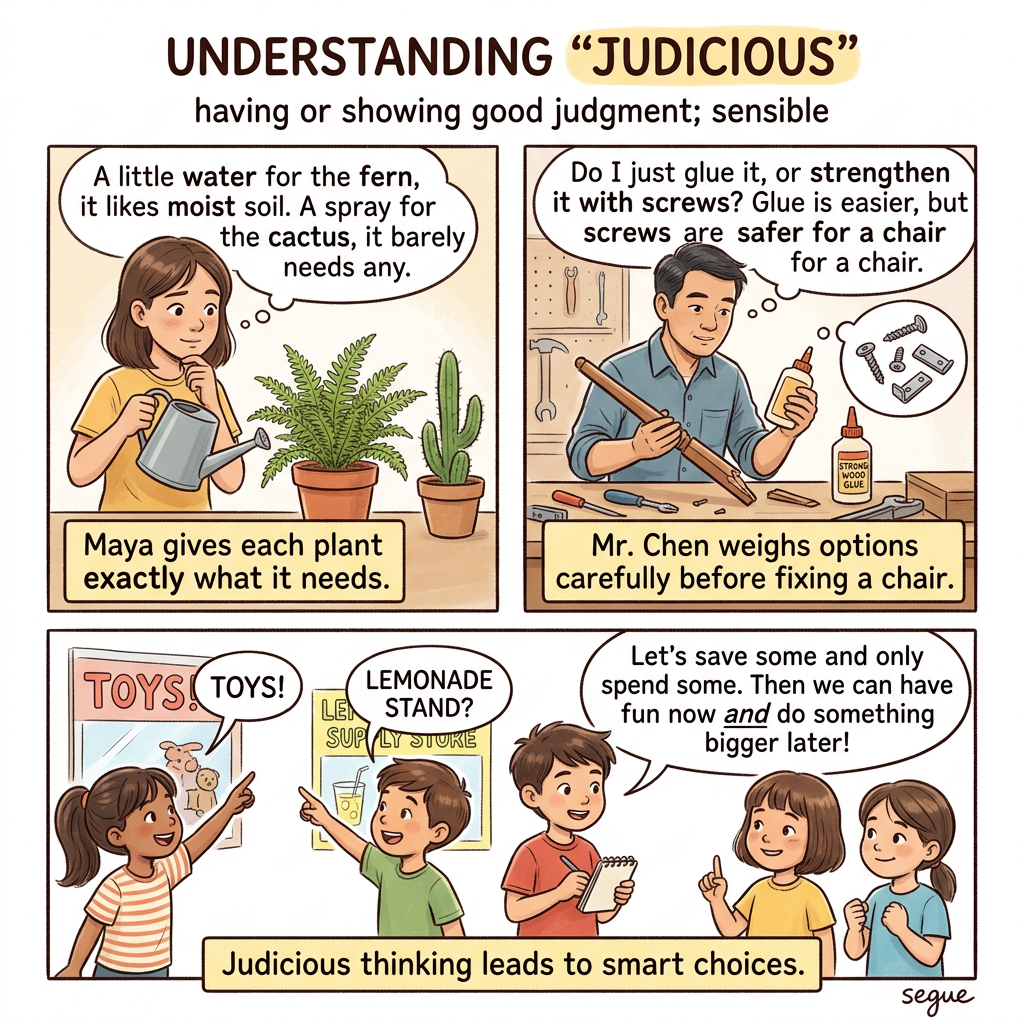
judicious
/dʒuˈdɪʃəs/having or showing good judgment; sensible
“A judicious use of resources ensured the project's success.”

prescient
/ˈpɹɛsiənt/having knowledge of events before they take place
“His prescient warning about the crisis went unheeded.”

omniscient
/ɑmˈnɪʃənt/knowing everything; having unlimited knowledge
“The omniscient narrator revealed each character's thoughts.”
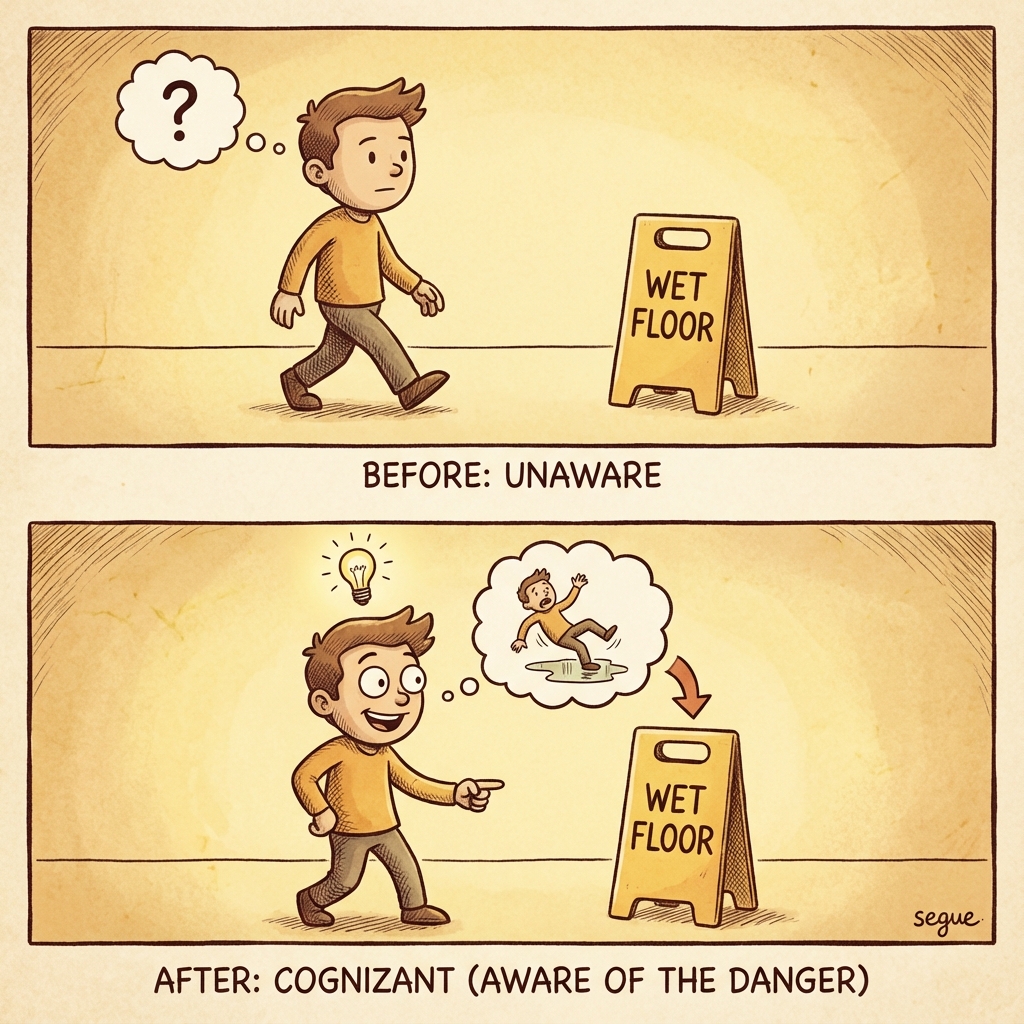
cognizant
/ˈkɑɡnəzənt/having knowledge or awareness
“She was cognizant of the risks involved.”

acumen
/əkˈjumən/the ability to make good judgments and quick decisions
“Her business acumen made the company profitable.”

savvy
/ˈsævi/shrewdness and practical knowledge
“His political savvy helped him navigate the bureaucracy.”

sagacity
/səˈɡæsɪti/the quality of being sagacious; wisdom
“The leader's sagacity guided the nation through crisis.”

prudent
/ˈpɹudənt/acting with care and thought for the future
“It would be prudent to save for emergencies.”

circumspect
/ˈsɝkəmˌspɛkt/wary and unwilling to take risks
“She was circumspect about sharing personal details.”
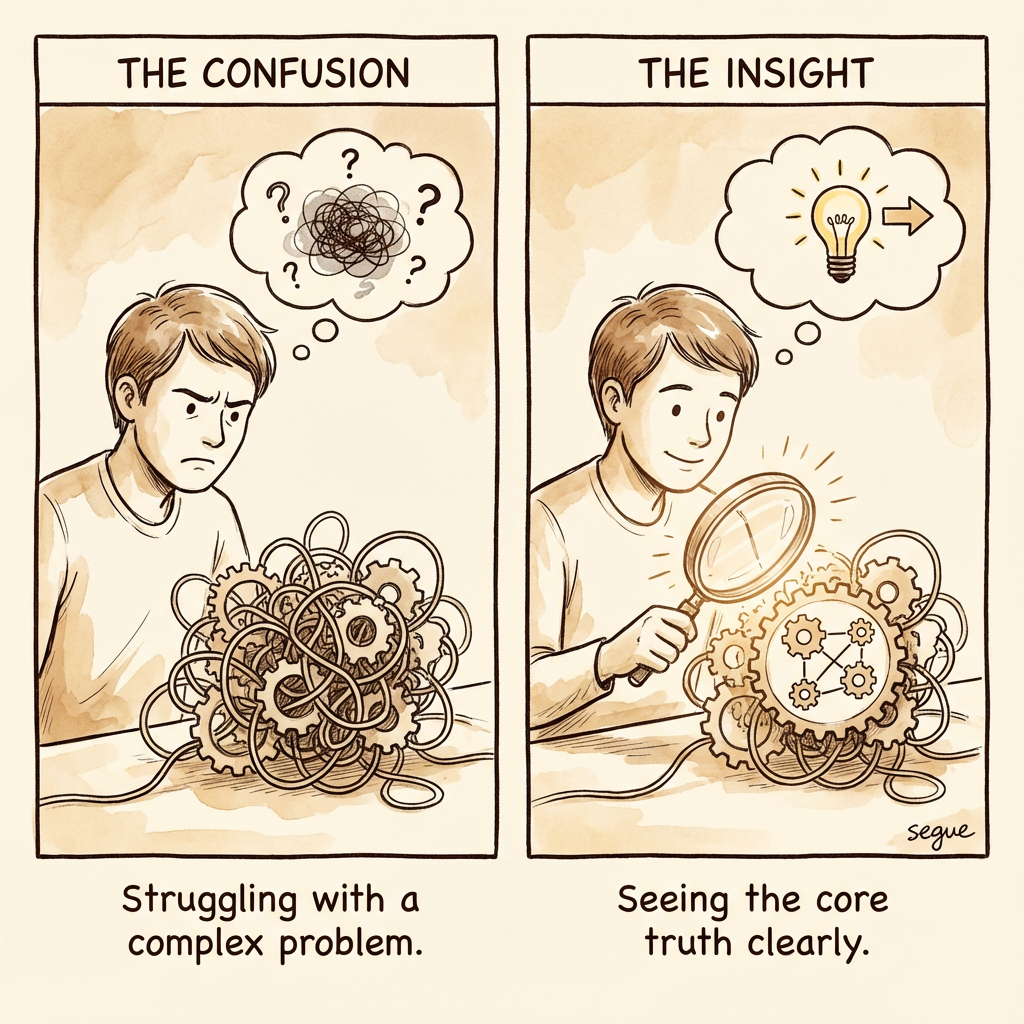
insightful
/ˈɪnˌsaɪtfəɫ/having or showing deep understanding
“His insightful analysis changed how we viewed the problem.”

perceptive
/pɝˈsɛptɪv/having keen insight or understanding
“The perceptive child noticed her mother's sadness.”
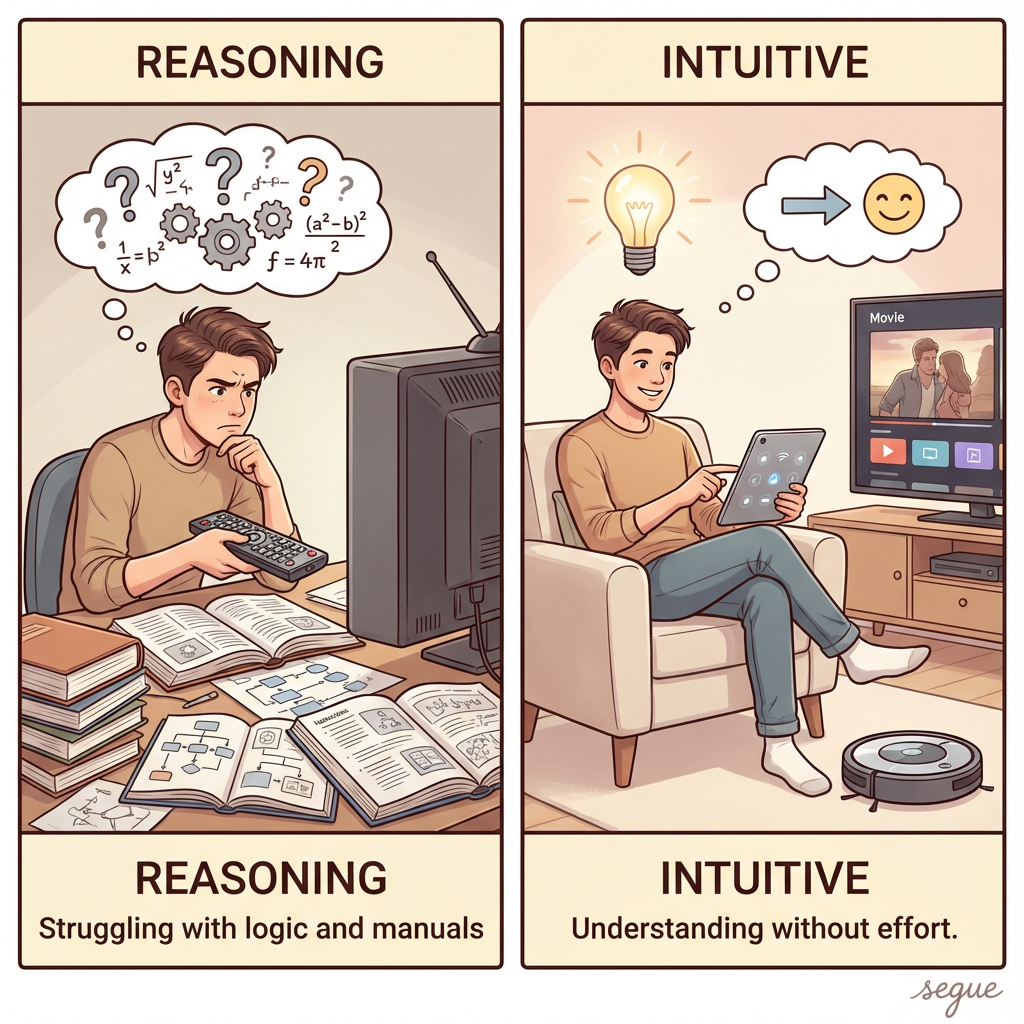
intuitive
/ˌɪnˈtuətɪv/using or based on intuition rather than conscious reasoning
“She had an intuitive understanding of human nature.”

cerebral
/ˈsɛɹəbɹəɫ/intellectual rather than emotional or physical
“His cerebral approach to the problem yielded a unique solution.”

pensive
/ˈpɛnsɪv/engaged in, involving, or reflecting deep or serious thought
“He looked pensive as he stared out the window.”
More from Success & Knowledge
Explore other vocabulary categories in this collection.