Loading collection...
🖥️
UX/UI Vocabulary Vocabulary
Core terms for user experience and interface design
10 words
All 10 Words
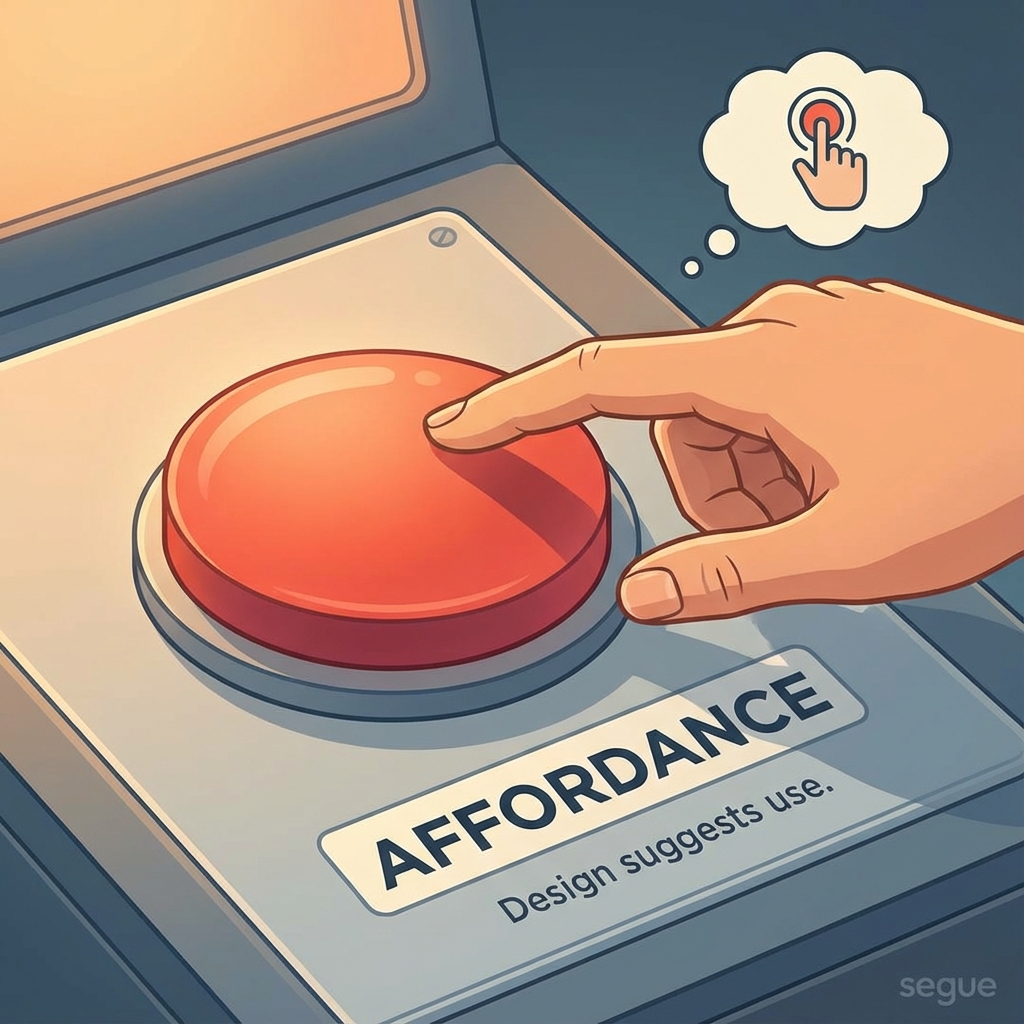
affordance
/əˈfɔːrdəns/a design quality suggesting how an object should be used
“The button's raised appearance provides affordance for clicking.”
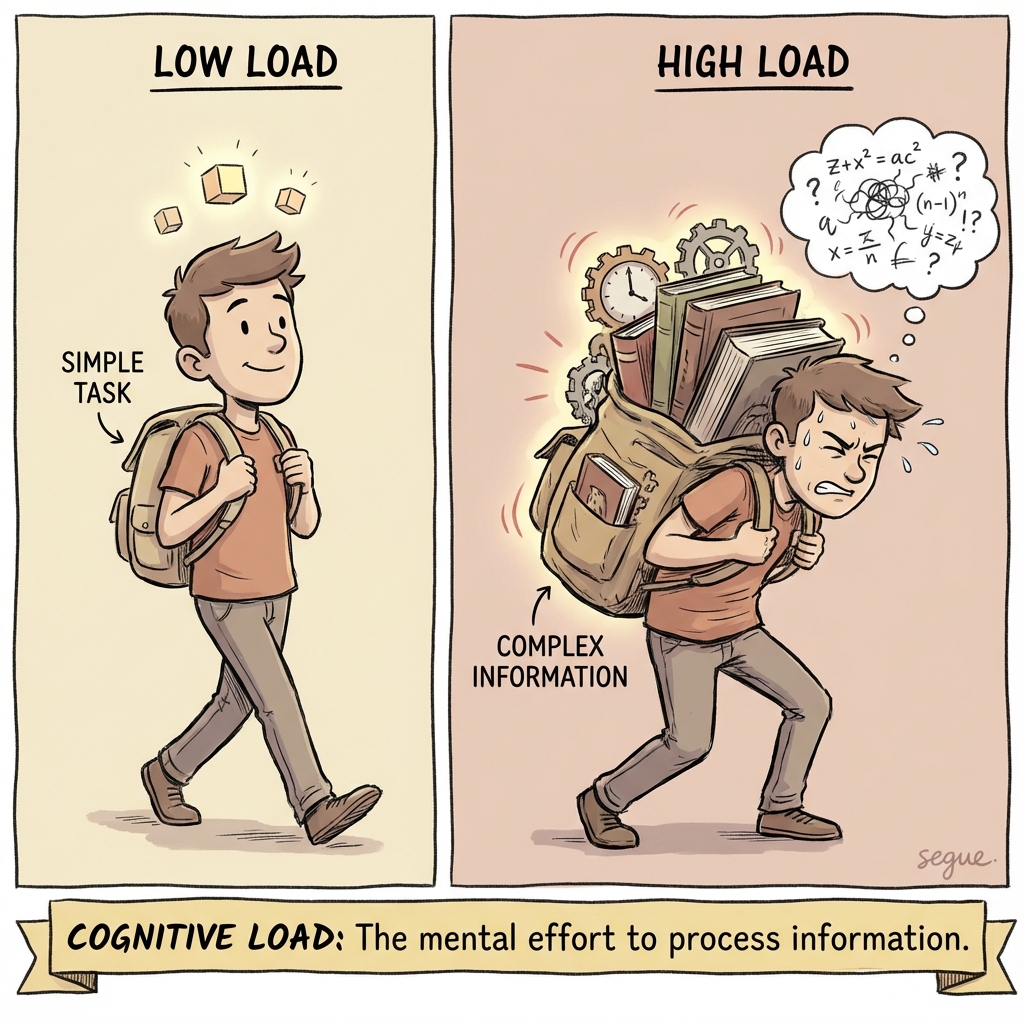
cognitive load
/ˌkɒɡnɪtɪv ˈloʊd/the mental effort required to process information
“Reducing cognitive load helps users complete tasks faster.”
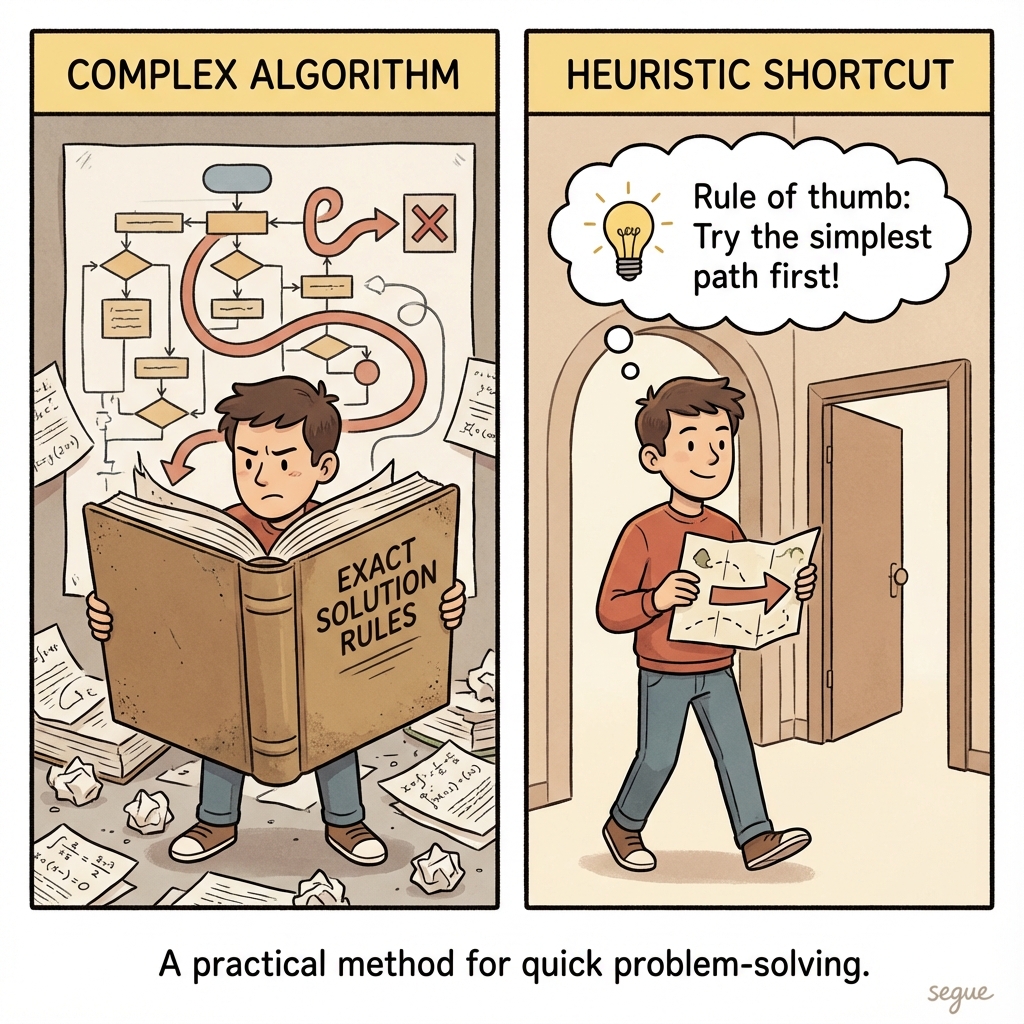
heuristic
/hjʊˈɹɪstɪk/a practical rule of thumb for evaluating usability
“Nielsen's heuristics guide interface evaluation.”
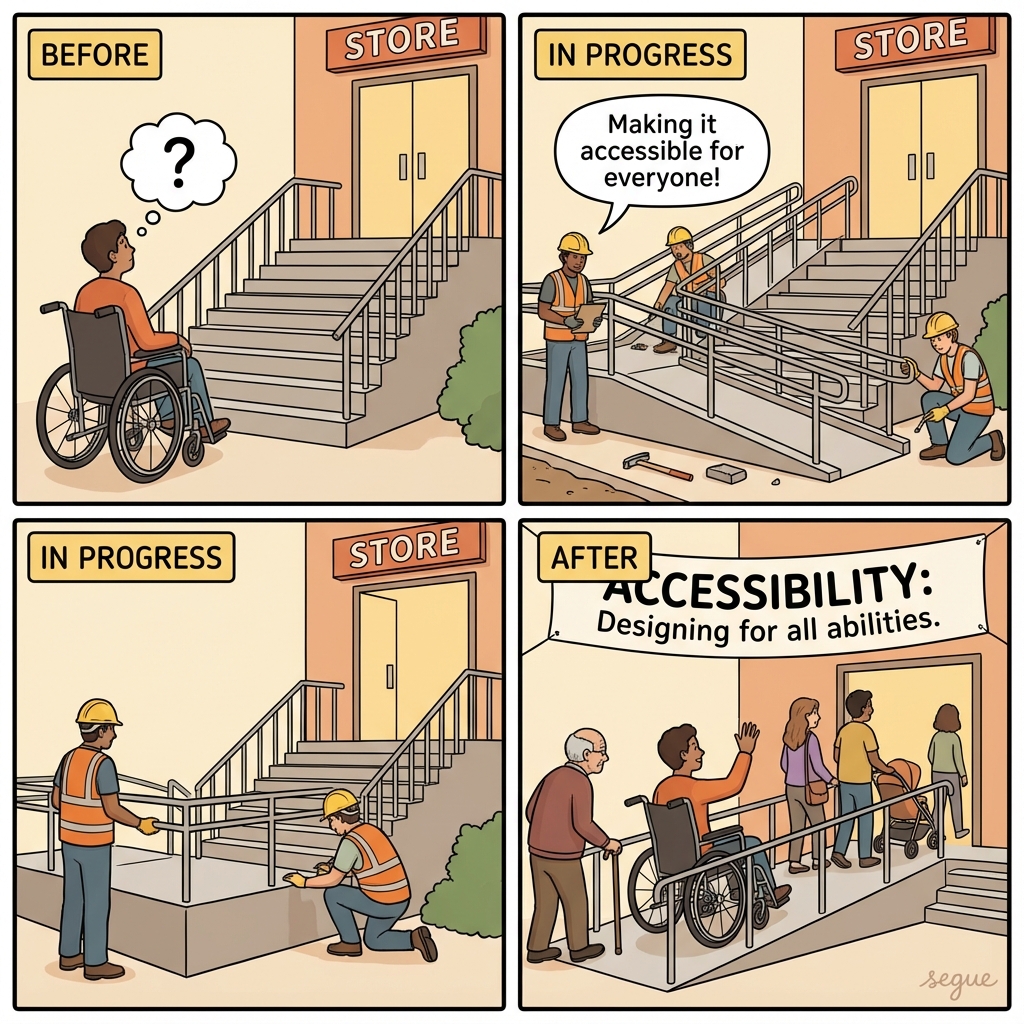
accessibility
/ˌæksɛsəˈbɪɫɪti/designing for users of all abilities and disabilities
“Accessibility requirements shaped the color contrast choices.”
usability
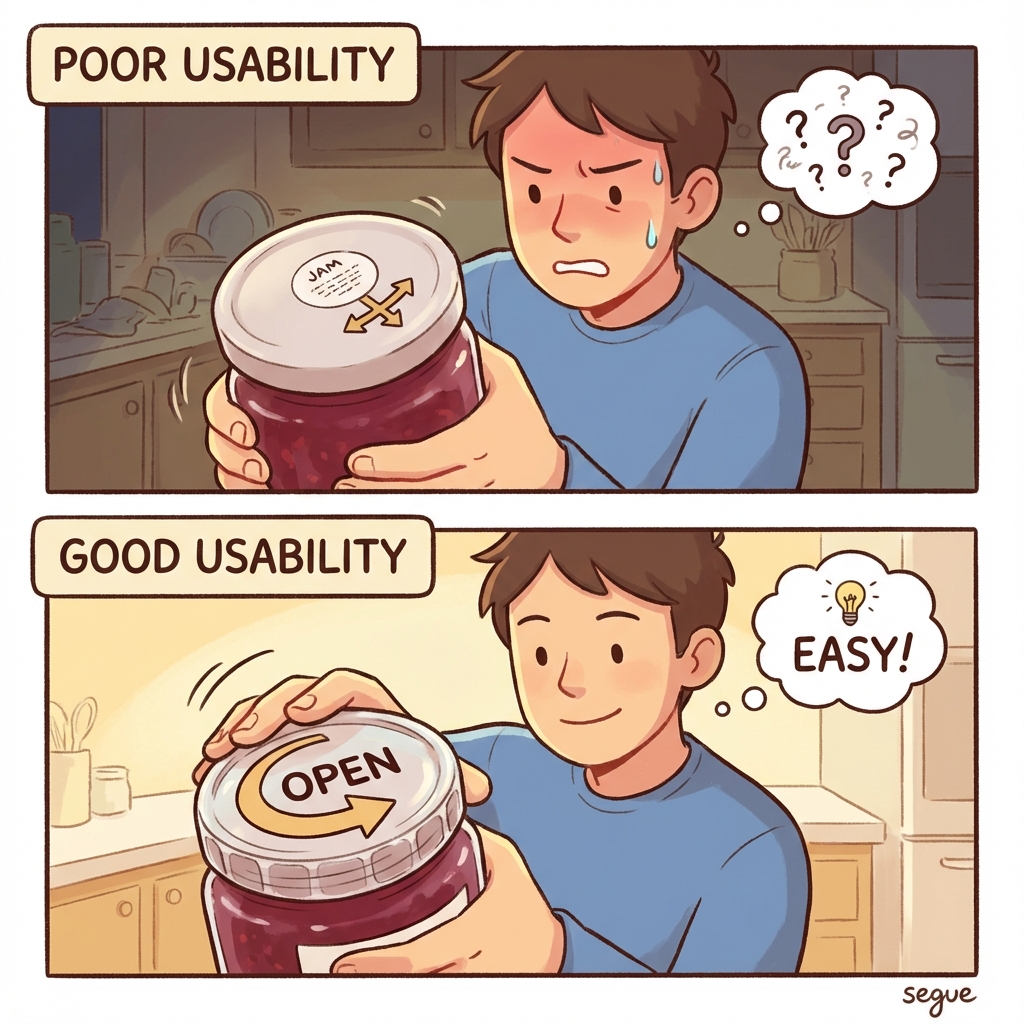
/ˌjuːzəˈbɪlɪti/the ease with which users can accomplish their goals
“Usability testing revealed the form was too complex.”
wireframe
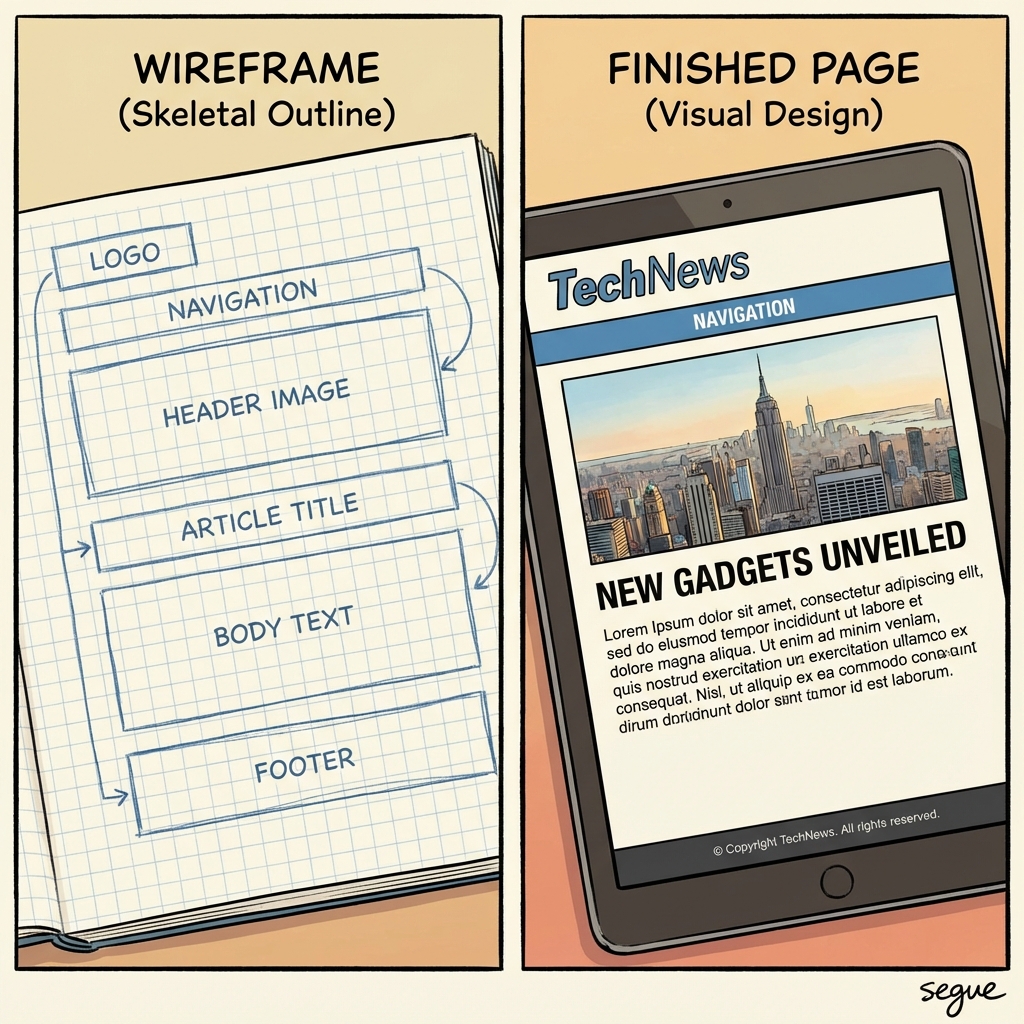
/ˈwaɪərfreɪm/a skeletal outline of a page layout without visual design
“The wireframe established the basic information hierarchy.”
mockup
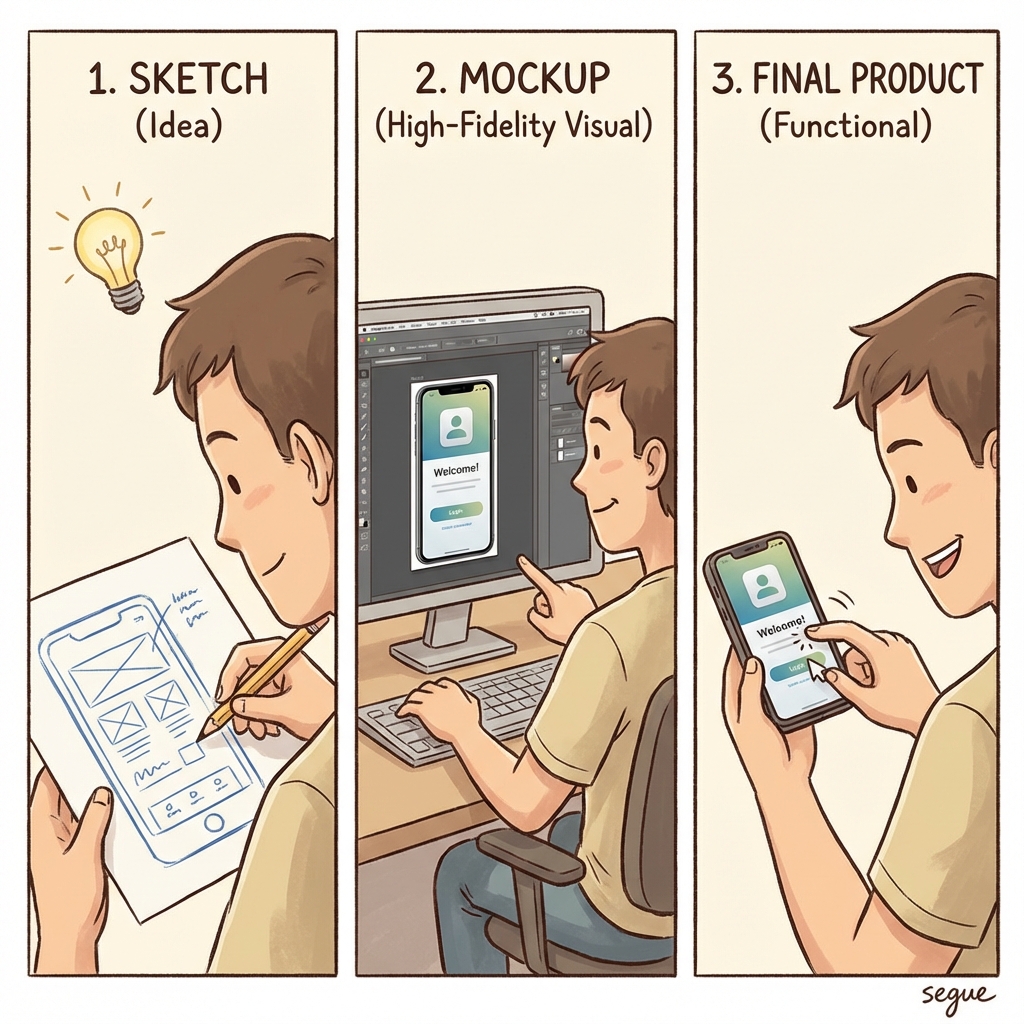
/ˈmɒkʌp/a high-fidelity visual representation of a design
“The mockup showed exactly how the final product would look.”

friction
/ˈfɹɪkʃən/any obstacle that slows or prevents user goal completion
“Removing friction from checkout increased conversions.”

onboarding
/ˈɒnbɔːrdɪŋ/the process of introducing users to a product
“Effective onboarding reduced user drop-off by 40%.”

information architecture
/ˌɪnfərˈmeɪʃən ˈɑːrkɪˌtektʃər/the structural design of shared information environments
“Good information architecture makes content findable.”
More from Design & UX
Explore other vocabulary categories in this collection.