Loading collection...
🔍
User Research Vocabulary
Methods for understanding user needs and behaviors
10 words
All 10 Words
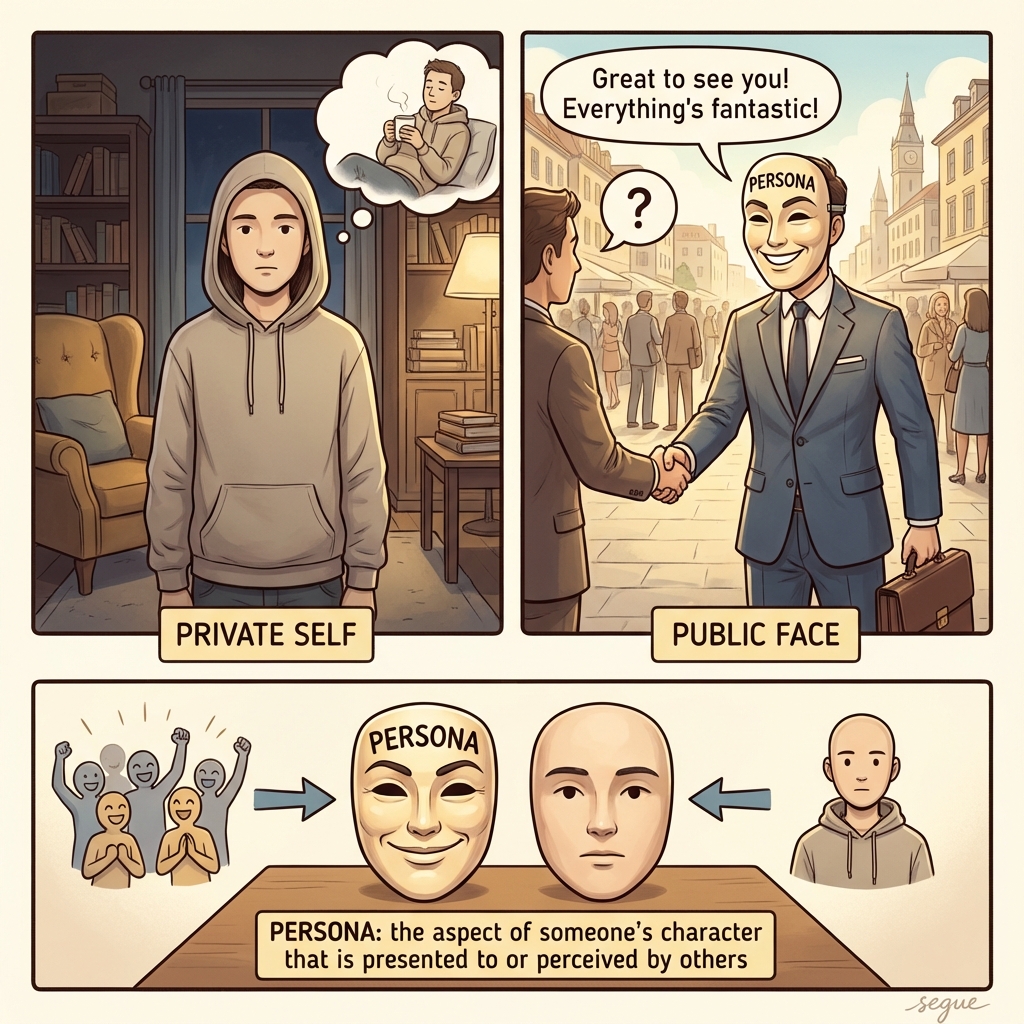
persona
/pɝˈsoʊnə/a fictional character representing a user type
“The primary persona was a time-pressed working parent.”
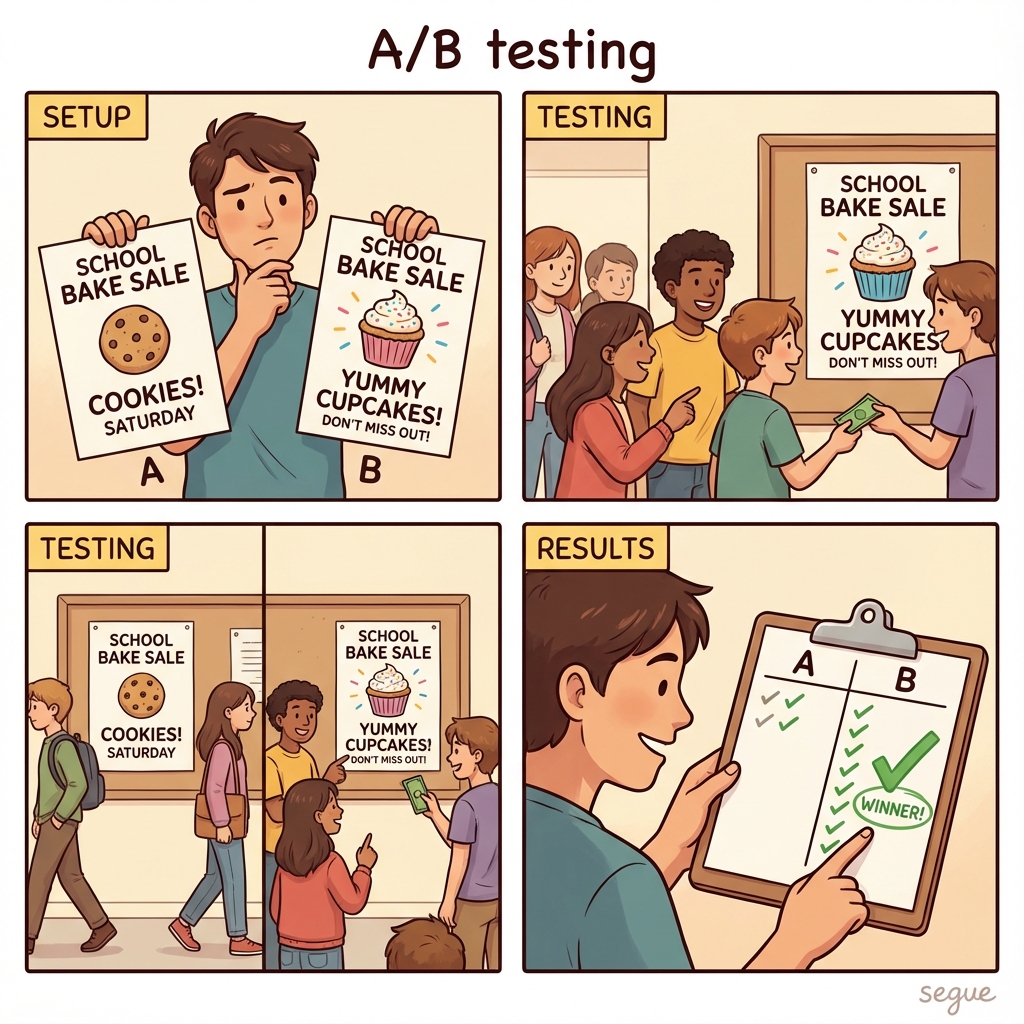
A/B testing
/ˌeɪ ˈbiː ˌtestɪŋ/comparing two versions to determine which performs better
“A/B testing proved the shorter form converted better.”
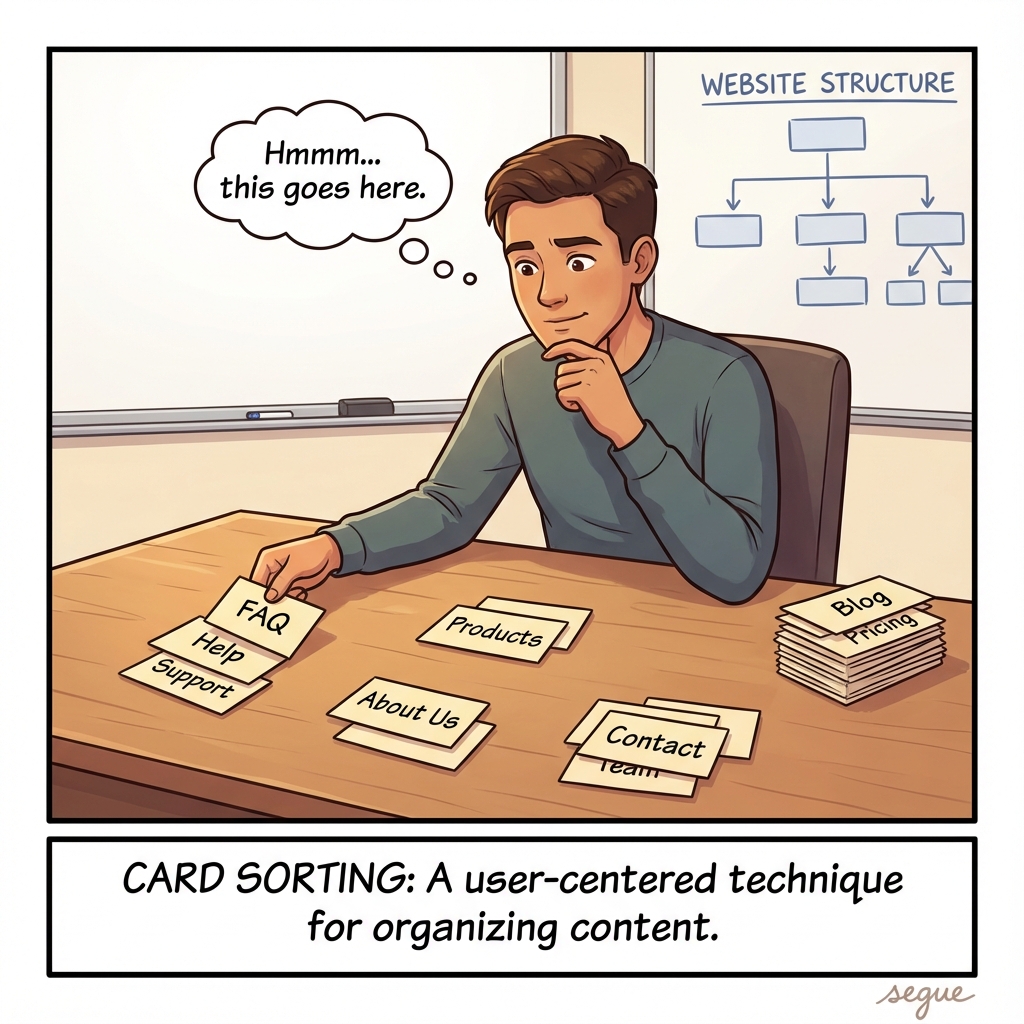
card sorting
/ˈkɑːrd ˌsɔːrtɪŋ/a technique where users organize content into groups
“Card sorting revealed unexpected category groupings.”
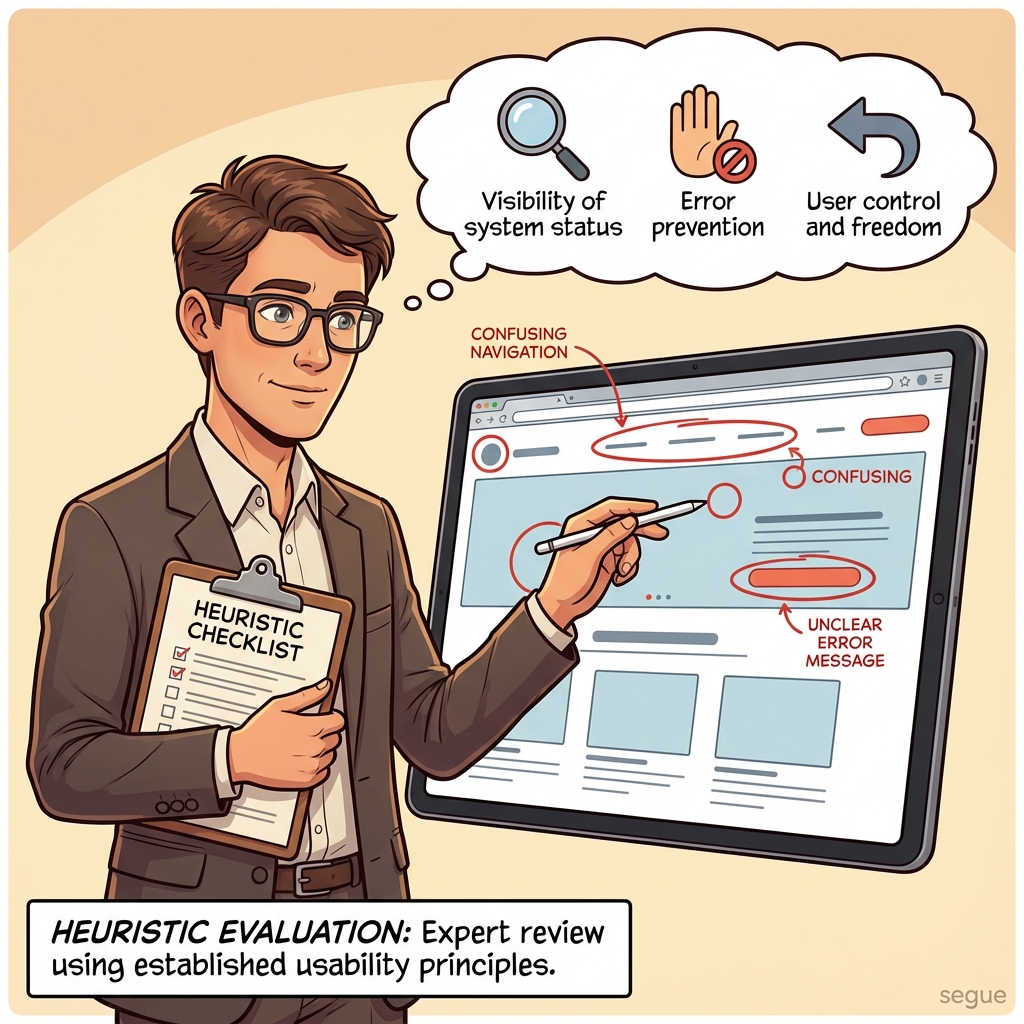
heuristic evaluation
/hjʊˌrɪstɪk ɪˌvæljuˈeɪʃən/expert review using established usability principles
“The heuristic evaluation identified navigation issues.”
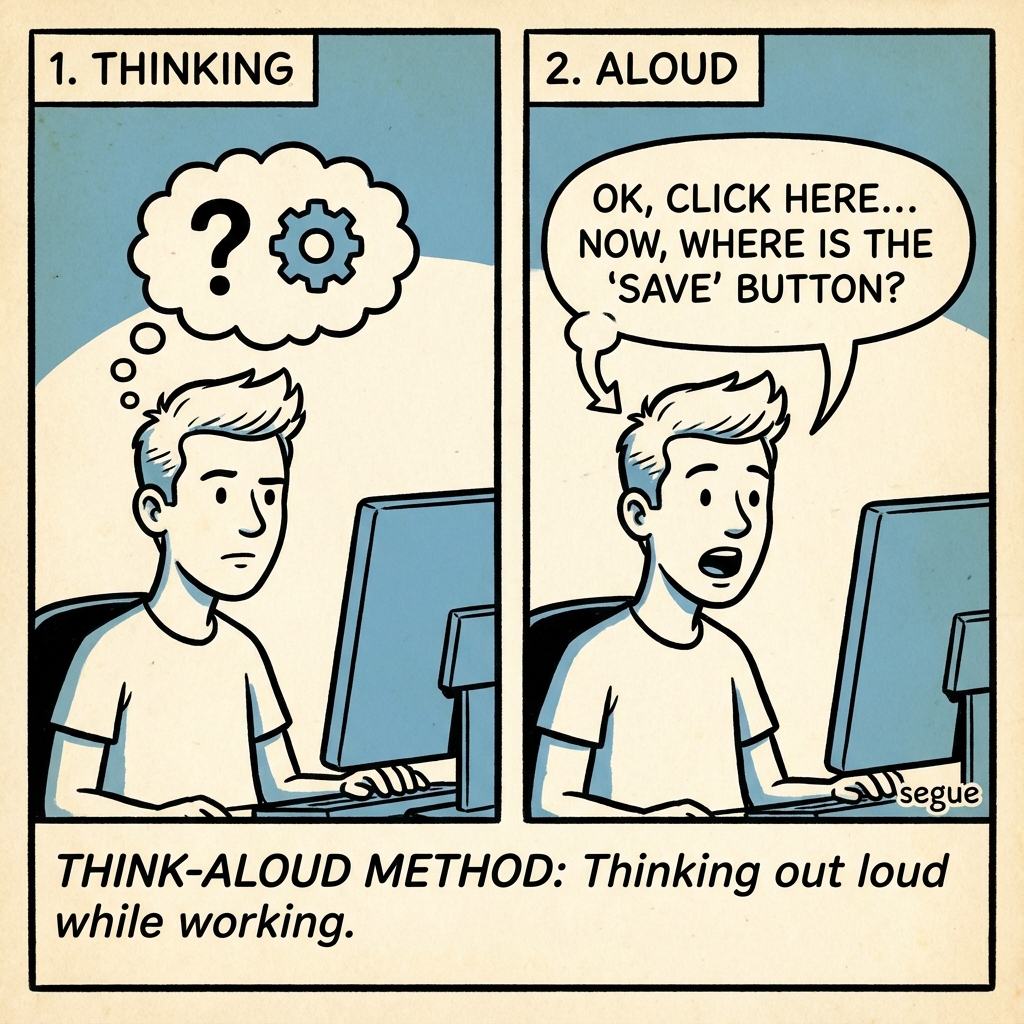
think-aloud
/ˈθɪŋk əˌlaʊd/users verbalize thoughts while completing tasks
“Think-aloud protocols revealed user confusion points.”
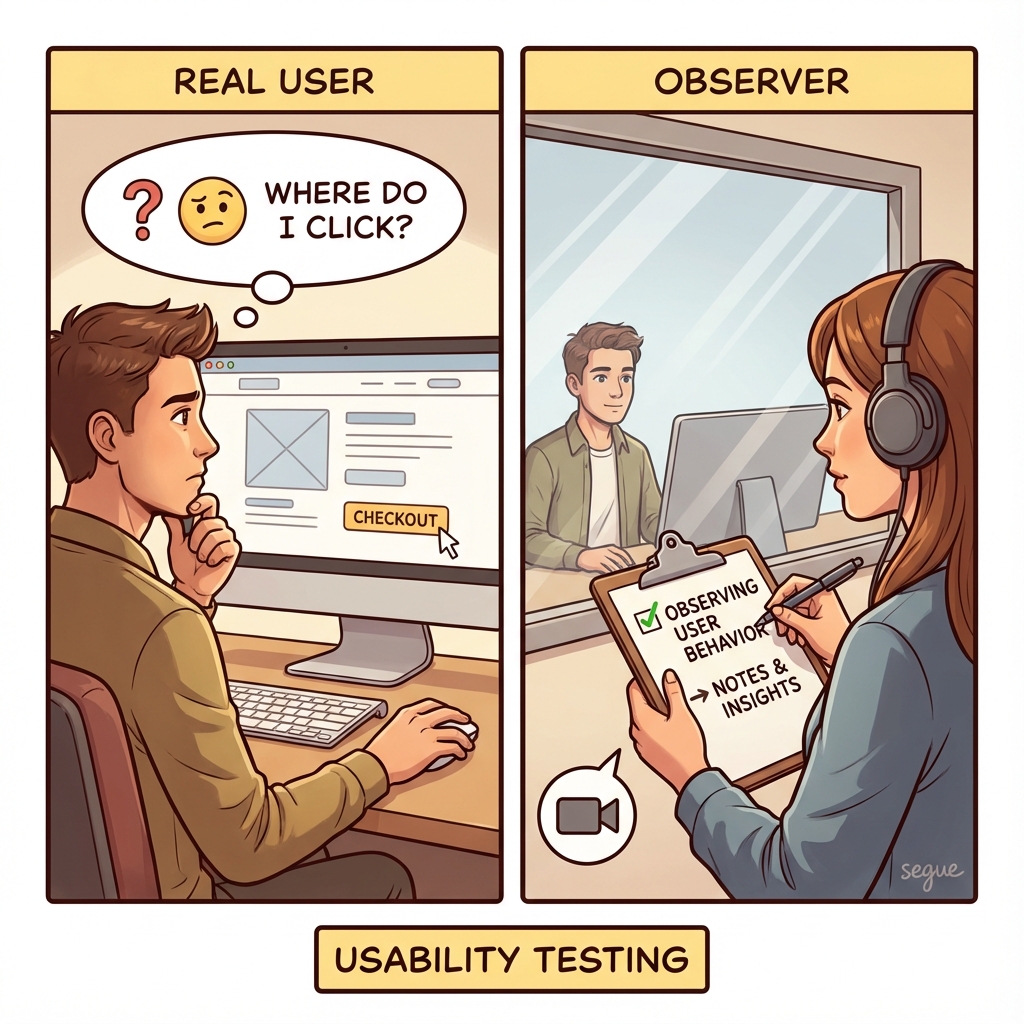
usability testing
/ˌjuːzəˈbɪlɪti ˌtestɪŋ/observing real users attempting to complete tasks
“Usability testing uncovered critical workflow issues.”
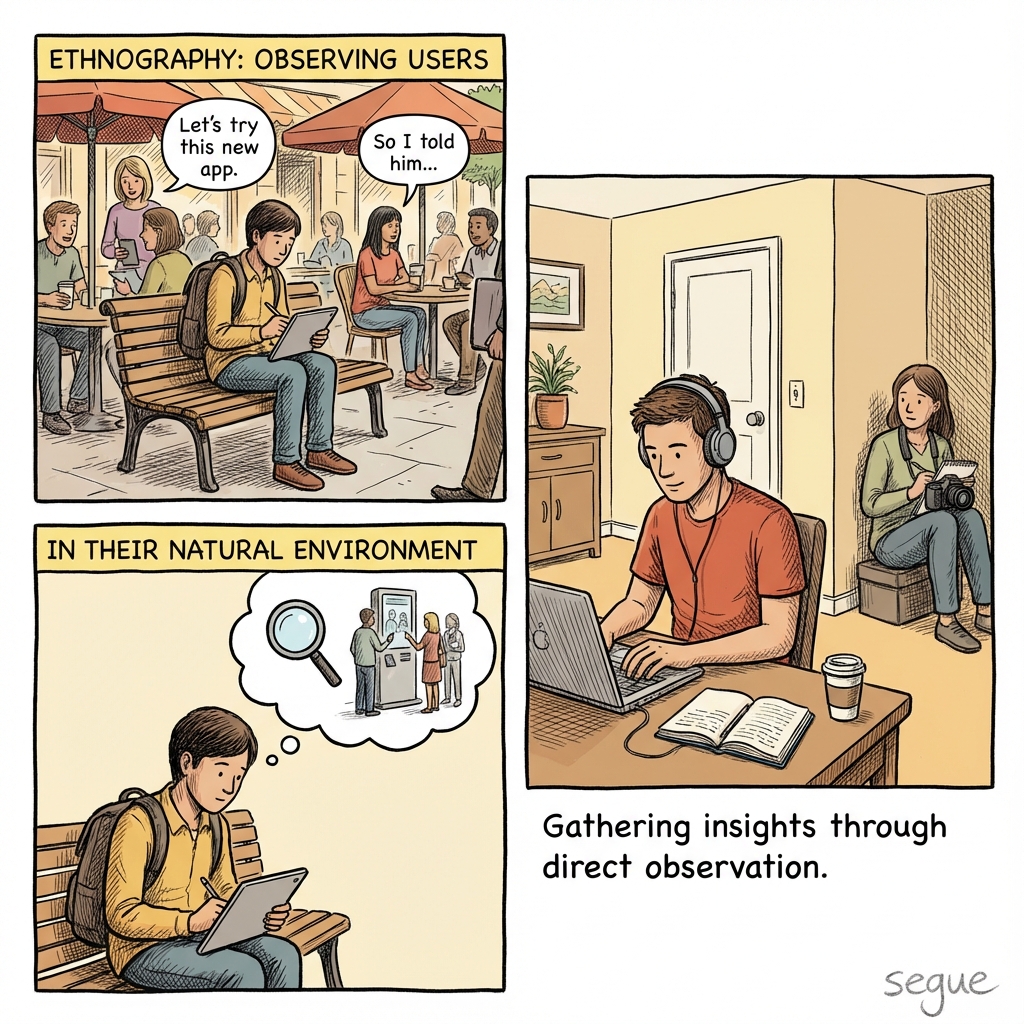
ethnography
/eθˈnɒɡrəfi/observing users in their natural environment
“Ethnographic research revealed unarticulated needs.”
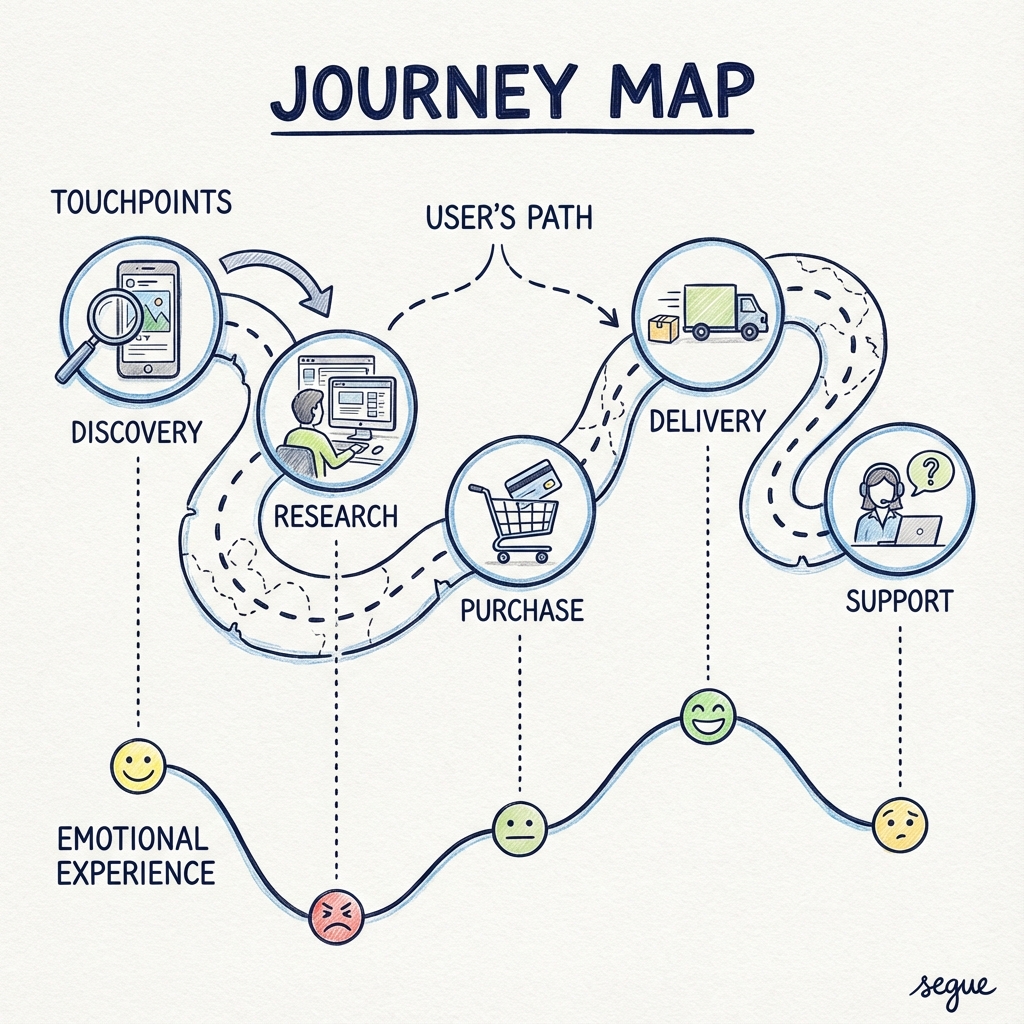
journey map
/ˈdʒɜːrni ˌmæp/visualization of user experience across touchpoints
“The journey map highlighted pain points in onboarding.”
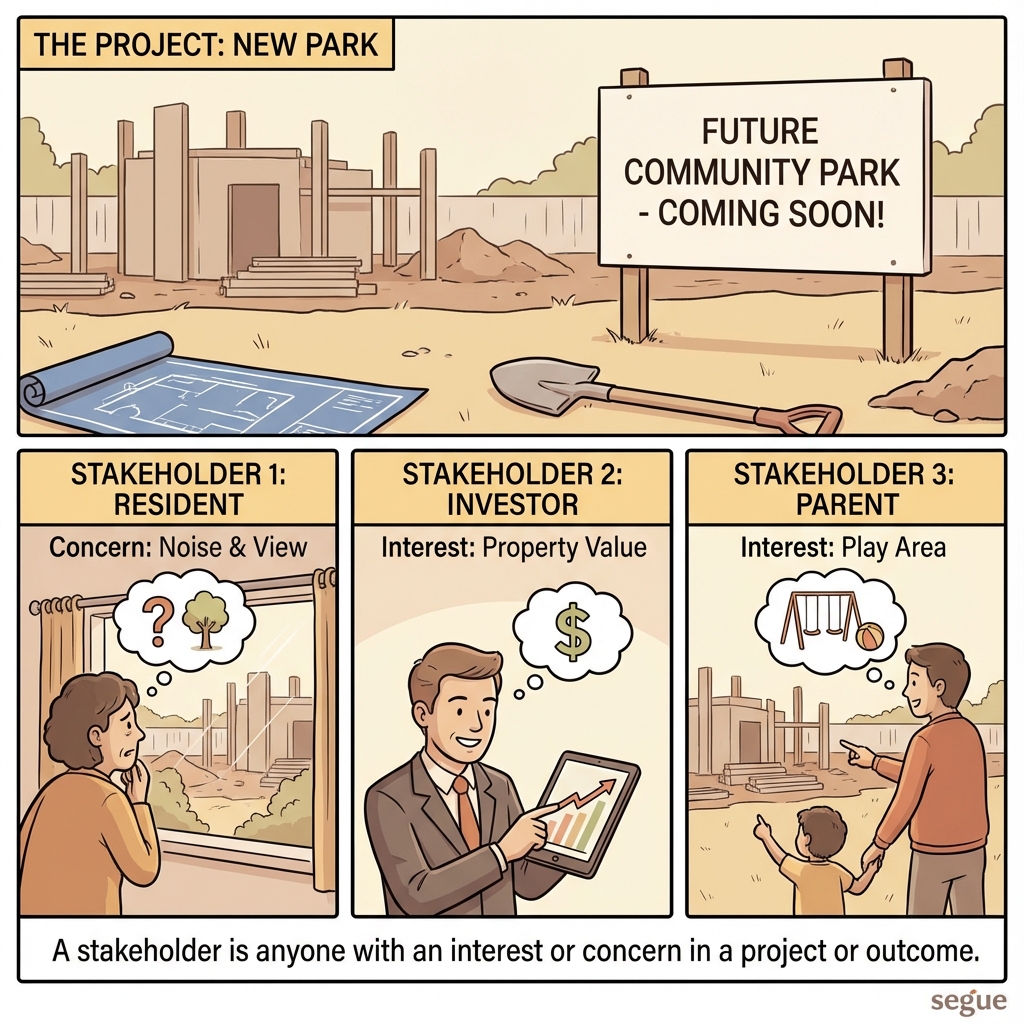
stakeholder
/ˈsteɪkˌhoʊɫdɝ/anyone with an interest in the design outcome
“Stakeholder interviews aligned business and user goals.”
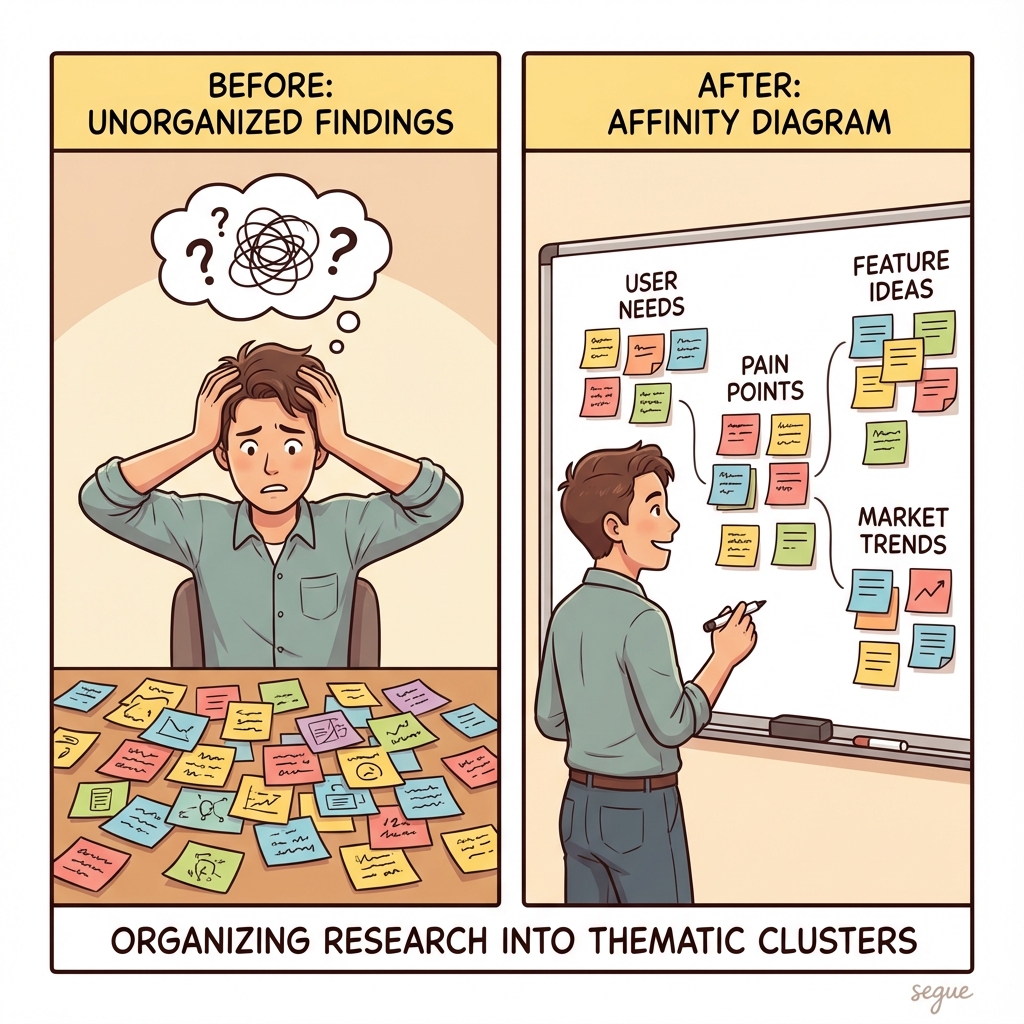
affinity diagram
/əˈfɪnɪti ˌdaɪəɡræm/organizing research findings into thematic clusters
“The affinity diagram synthesized 200 interview notes.”
More from Design & UX
Explore other vocabulary categories in this collection.