Loading collection...
🏆
Success & Achievement Vocabulary
Words describing victory, accomplishment, and triumph
22 words
All 22 Words
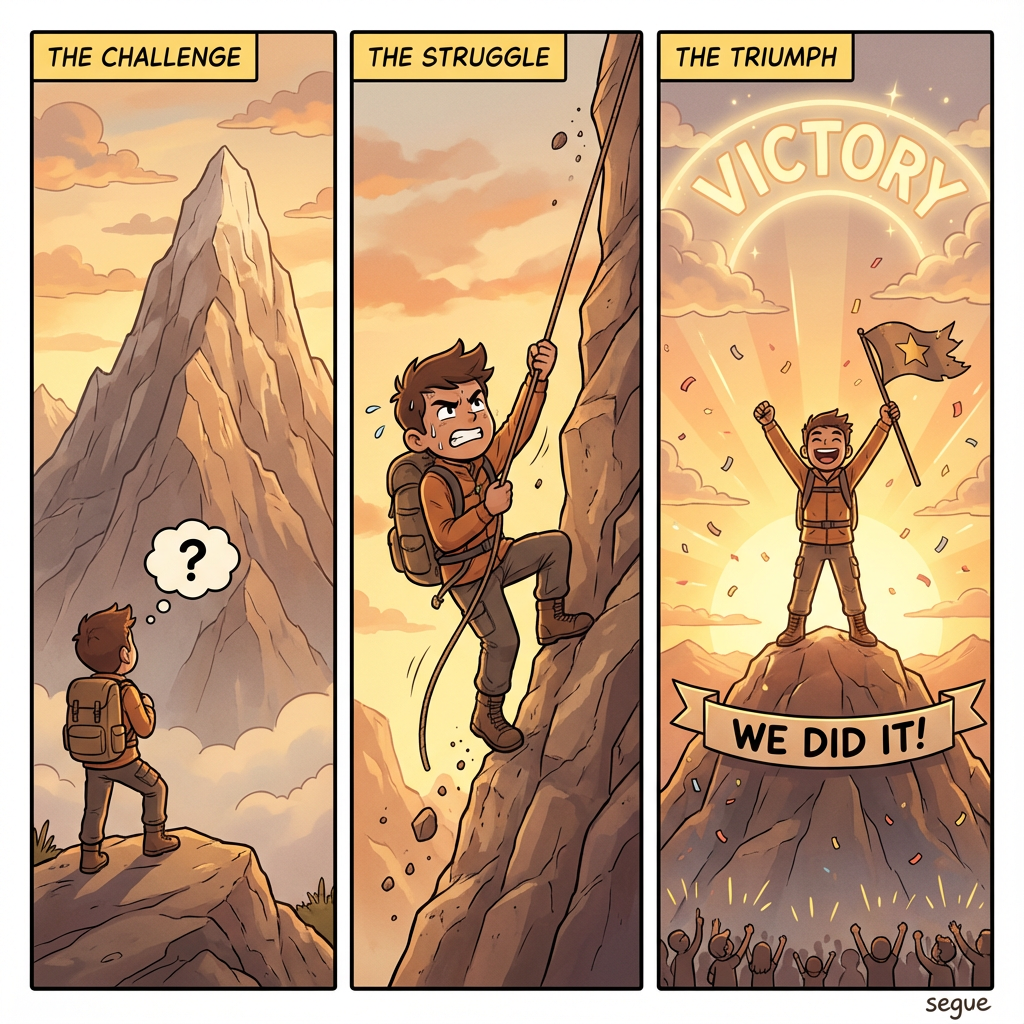
triumph
/ˈtɹaɪəmf/a great victory or achievement
“The moon landing was a triumph of human ingenuity.”

coup
/ˈku/a notable or successful stroke or move; a brilliant action
“Signing the star player was a major coup for the team.”

feat
/ˈfit/an achievement that requires great skill or strength
“Climbing Everest without oxygen is an incredible feat.”
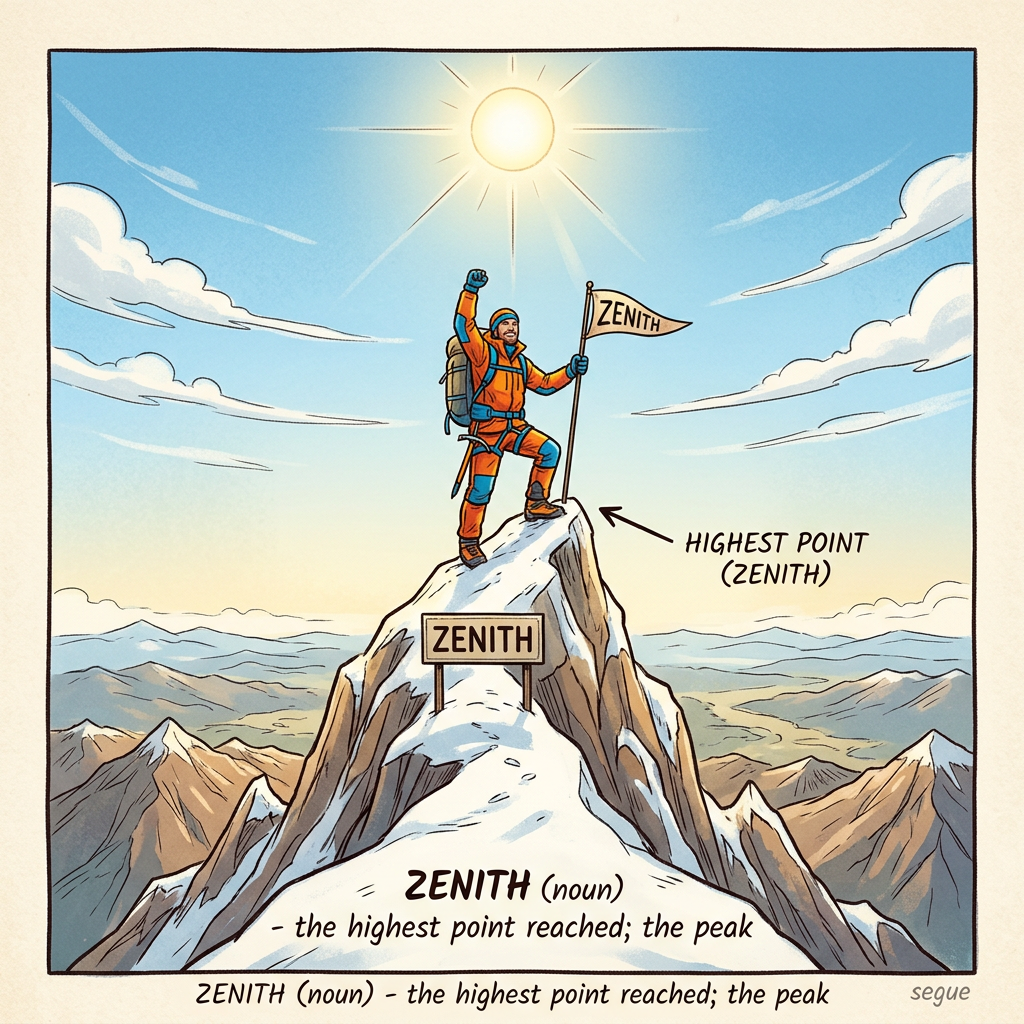
zenith
/ˈzinəθ/the highest point reached; the peak
“She reached the zenith of her career at forty.”
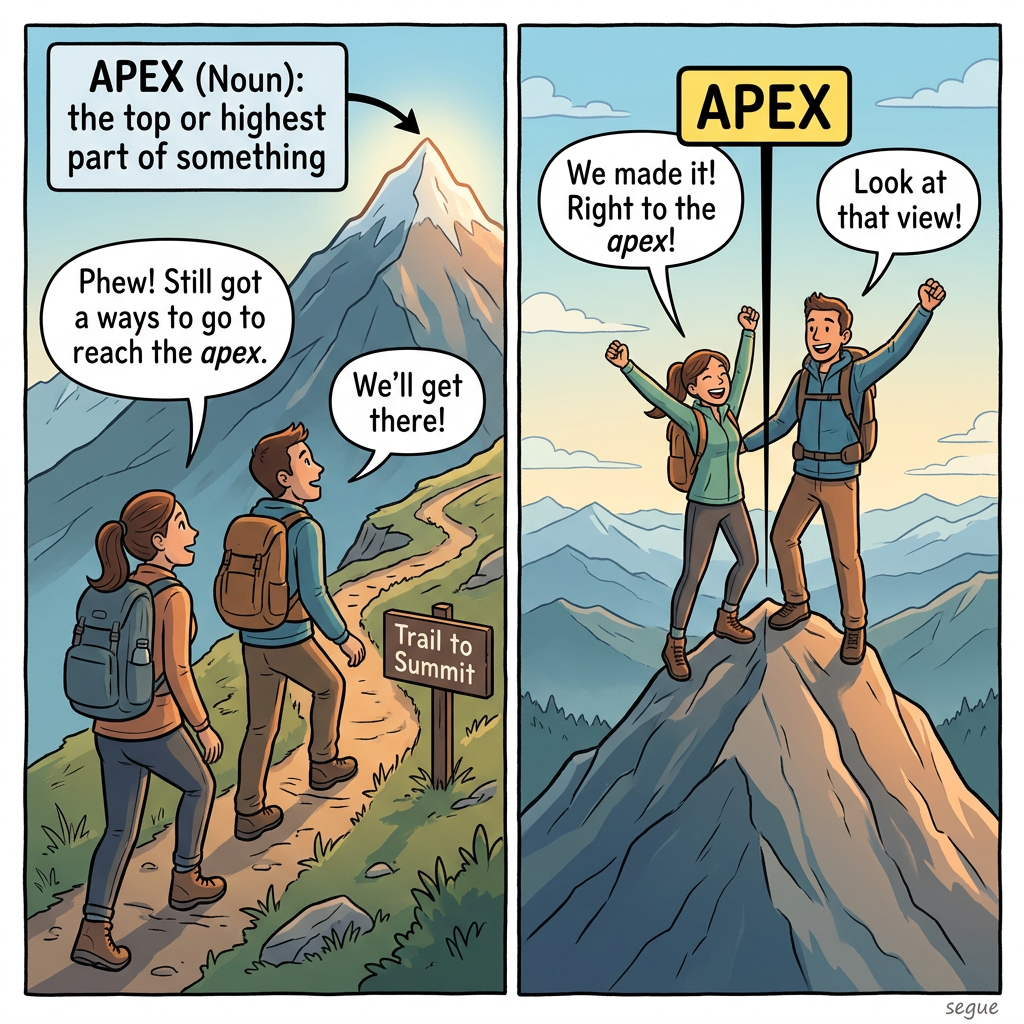
apex
/ˈeɪˌpɛks/the top or highest part of something
“He stood at the apex of the corporate hierarchy.”

pinnacle
/ˈpɪnəkəɫ/the most successful point; the culmination
“Winning the Nobel Prize was the pinnacle of his achievements.”
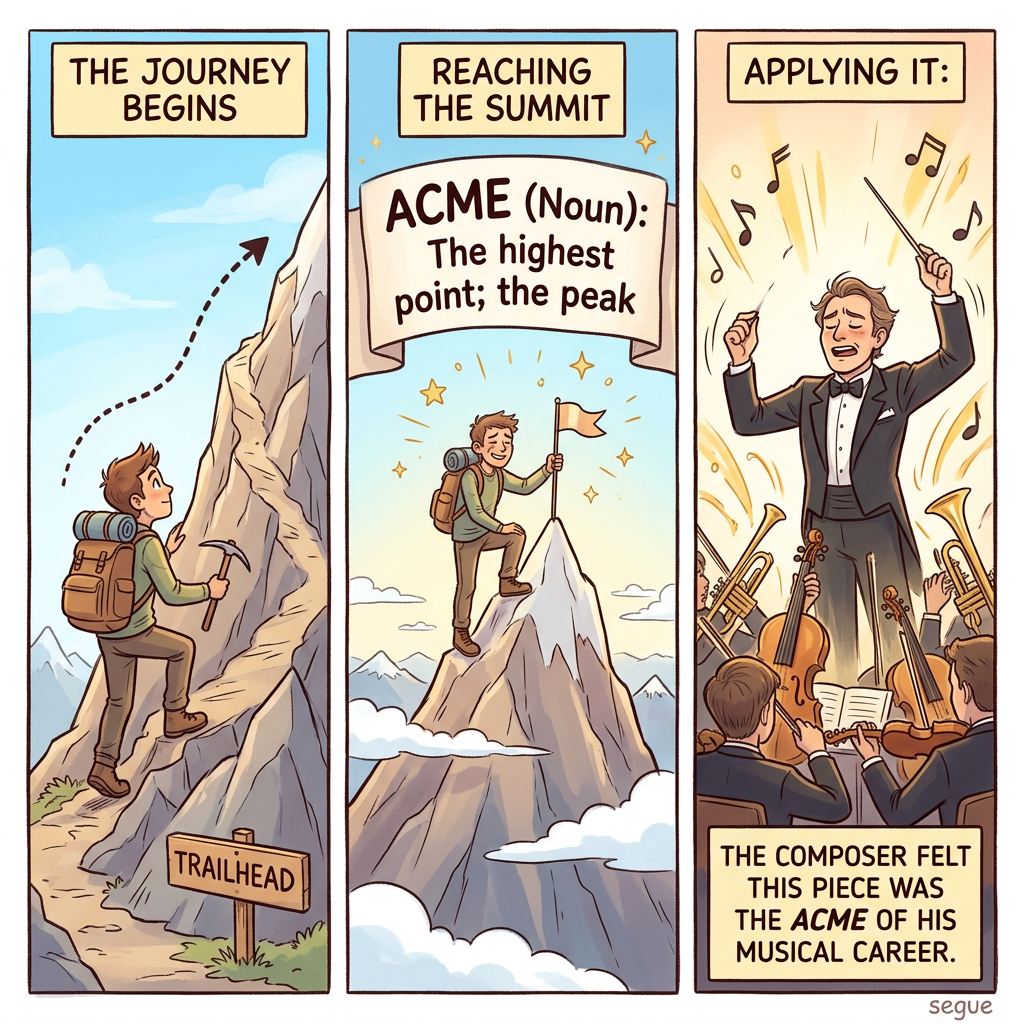
acme
/ˈækmi/the point at which something is at its best
“The company reached the acme of its influence in the 1990s.”
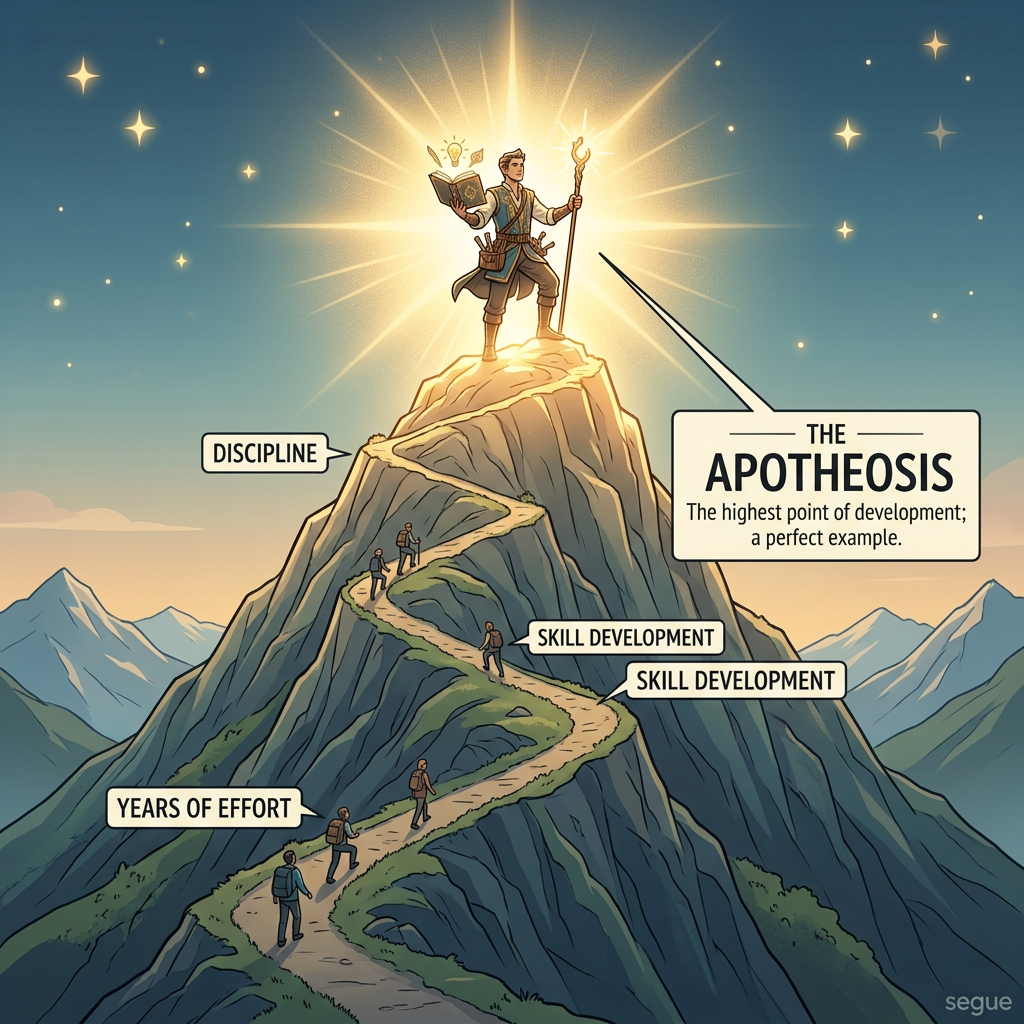
apotheosis
/əˌpɑθiˈoʊsəs/the highest point of development; a perfect example
“The symphony is the apotheosis of Romantic music.”
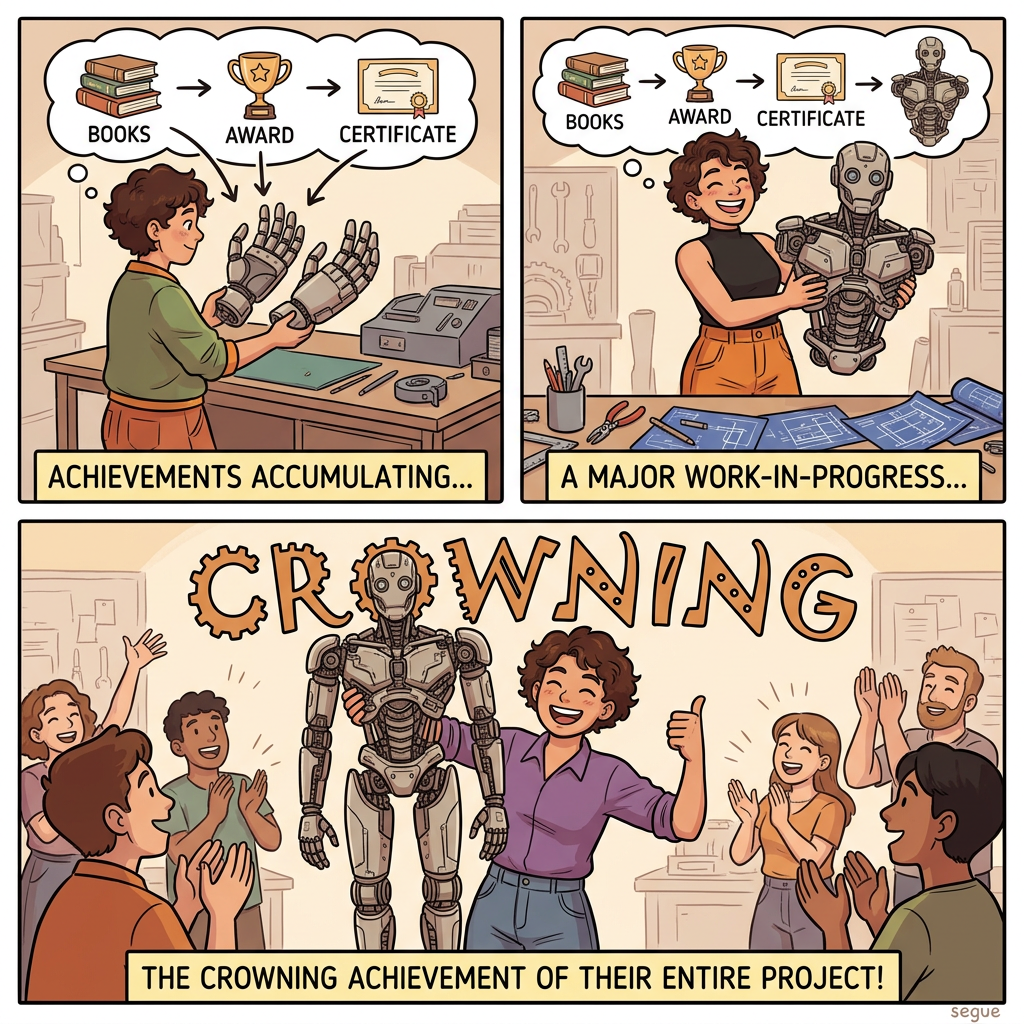
crowning
/ˈkɹaʊnɪŋ/forming the climax of a series of achievements
“The discovery was her crowning achievement.”

consummate
/ˈkɑnsəˌmeɪt/to make complete or perfect
“The treaty consummated years of diplomatic effort.”
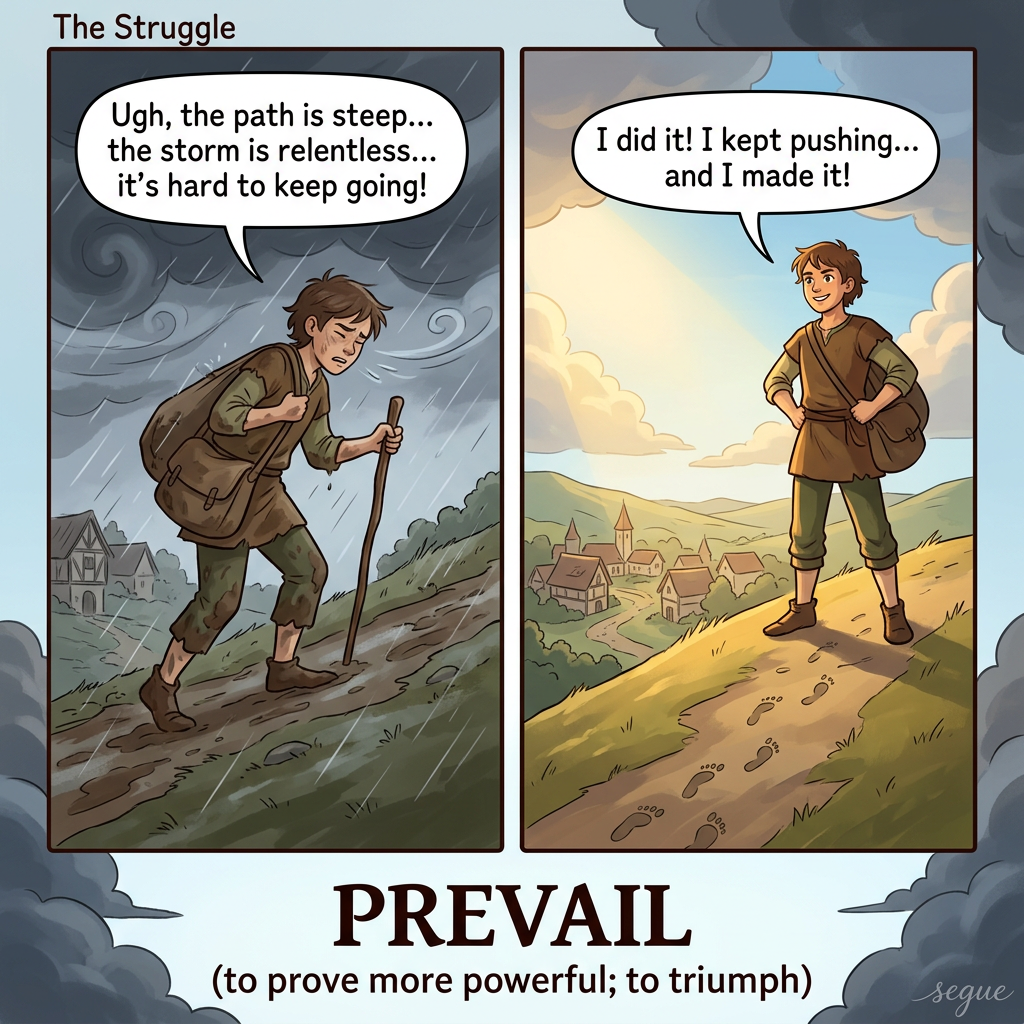
prevail
/pɹiˈveɪɫ/to prove more powerful; to triumph
“Justice will prevail in the end.”
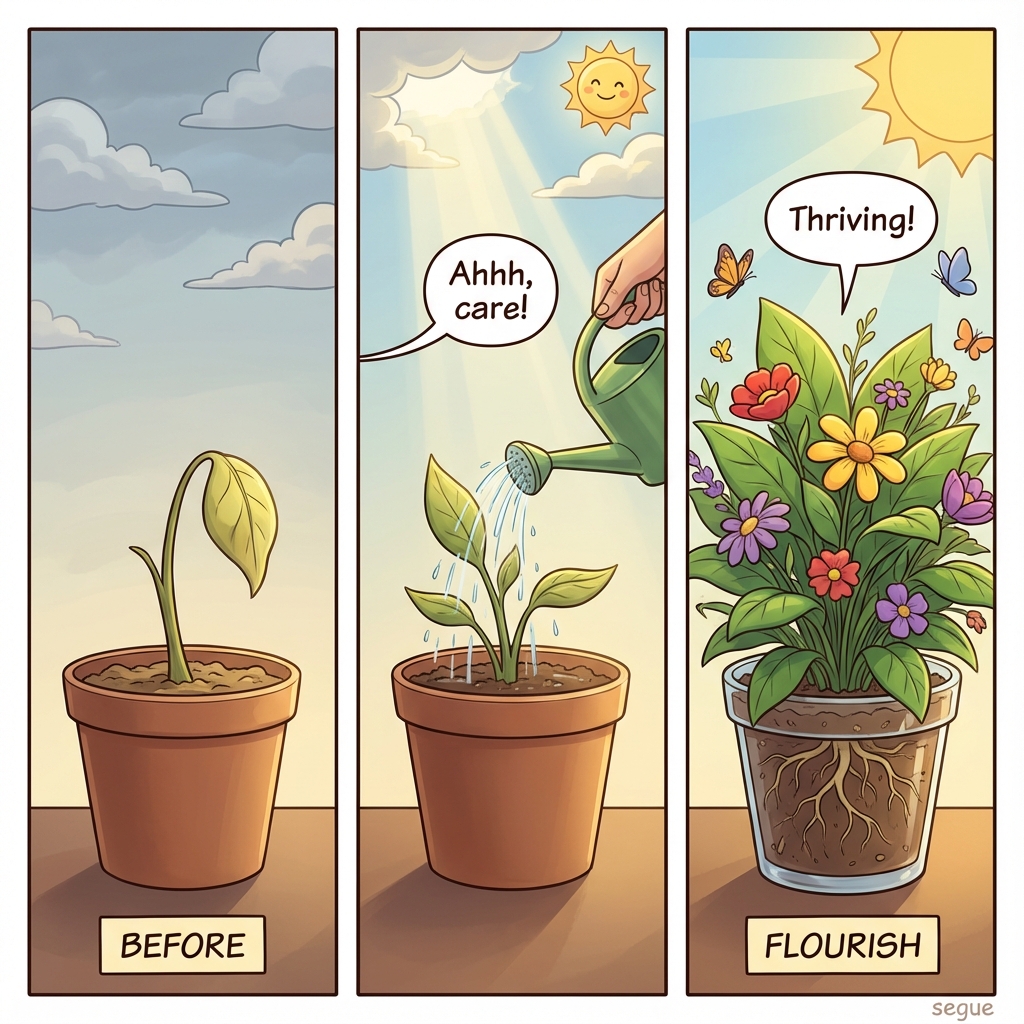
flourish
/ˈfɫɝɪʃ/to grow or develop in a healthy way
“The arts flourished during the Renaissance.”
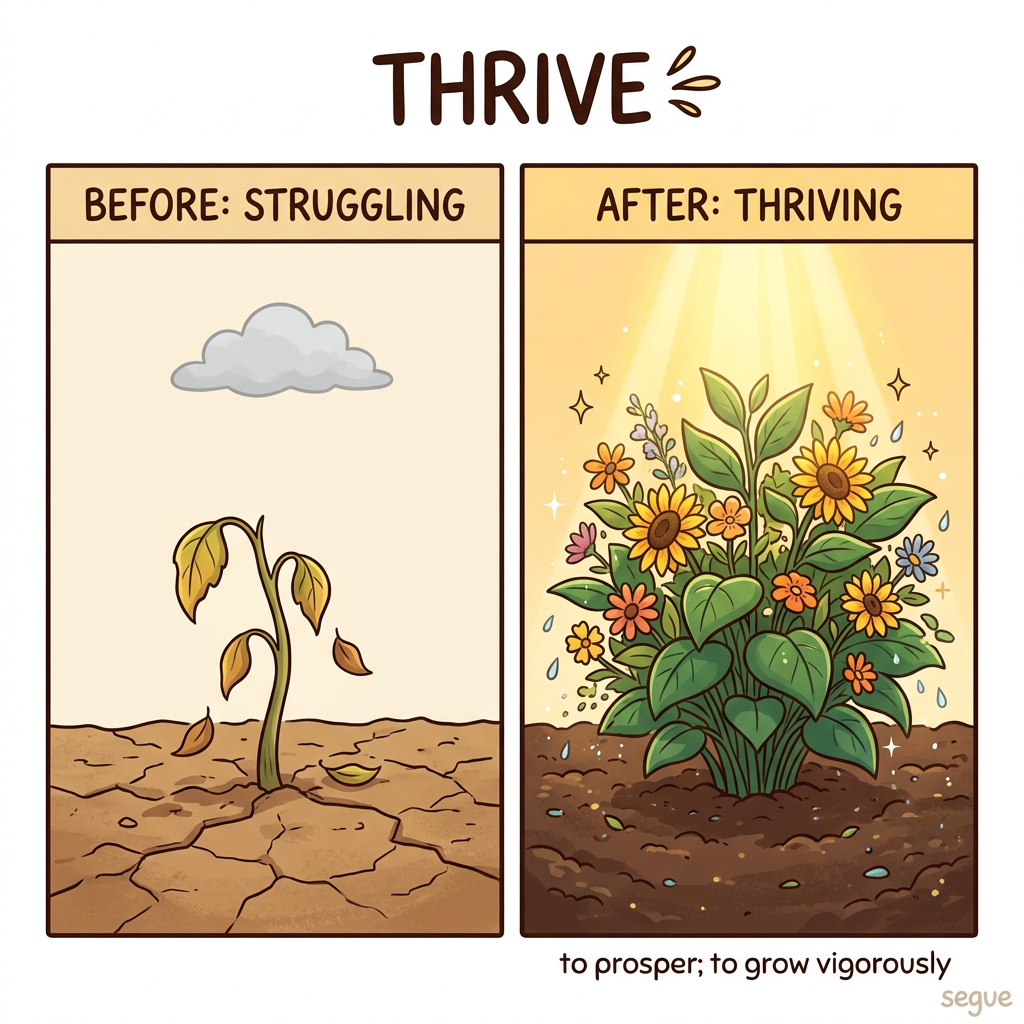
thrive
/ˈθɹaɪv/to prosper; to grow vigorously
“Some businesses thrive in economic downturns.”
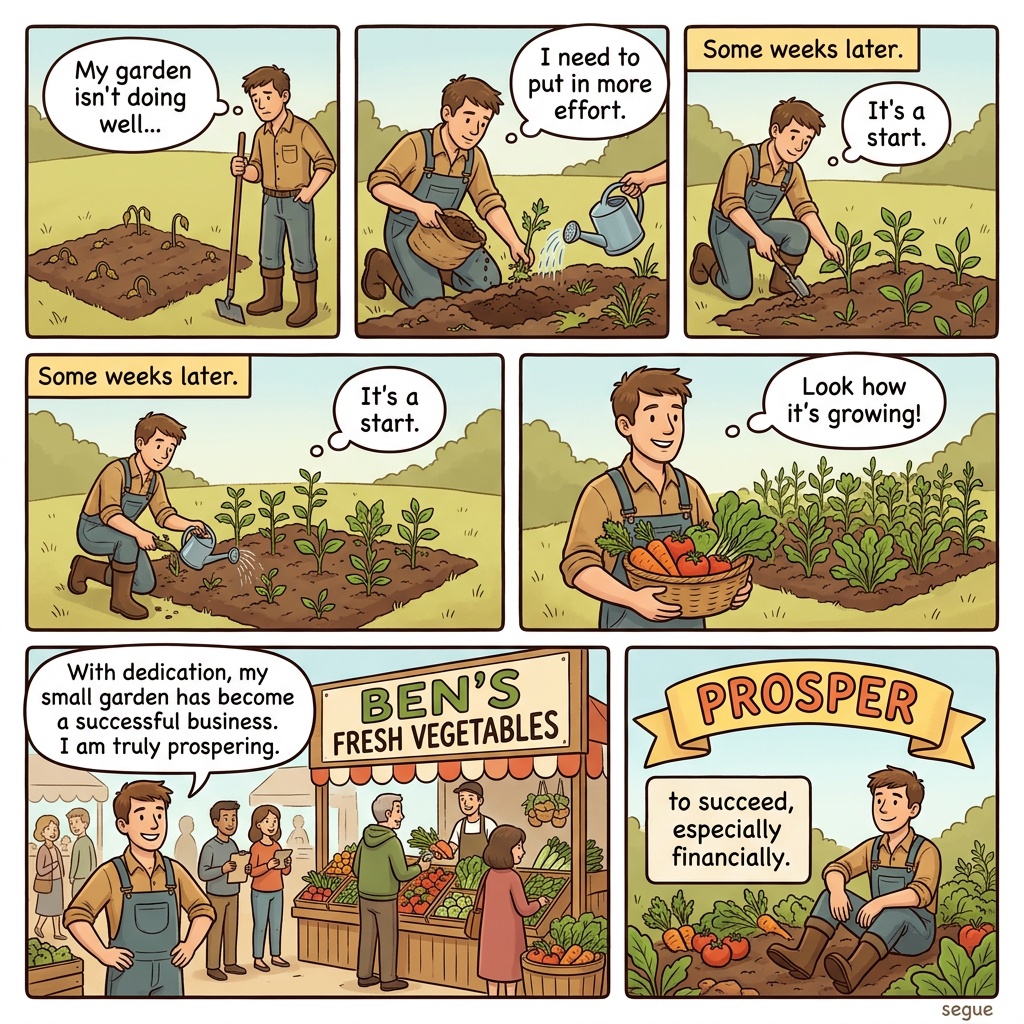
prosper
/ˈpɹɑspɝ/to succeed, especially financially
“The region prospered under the new policies.”
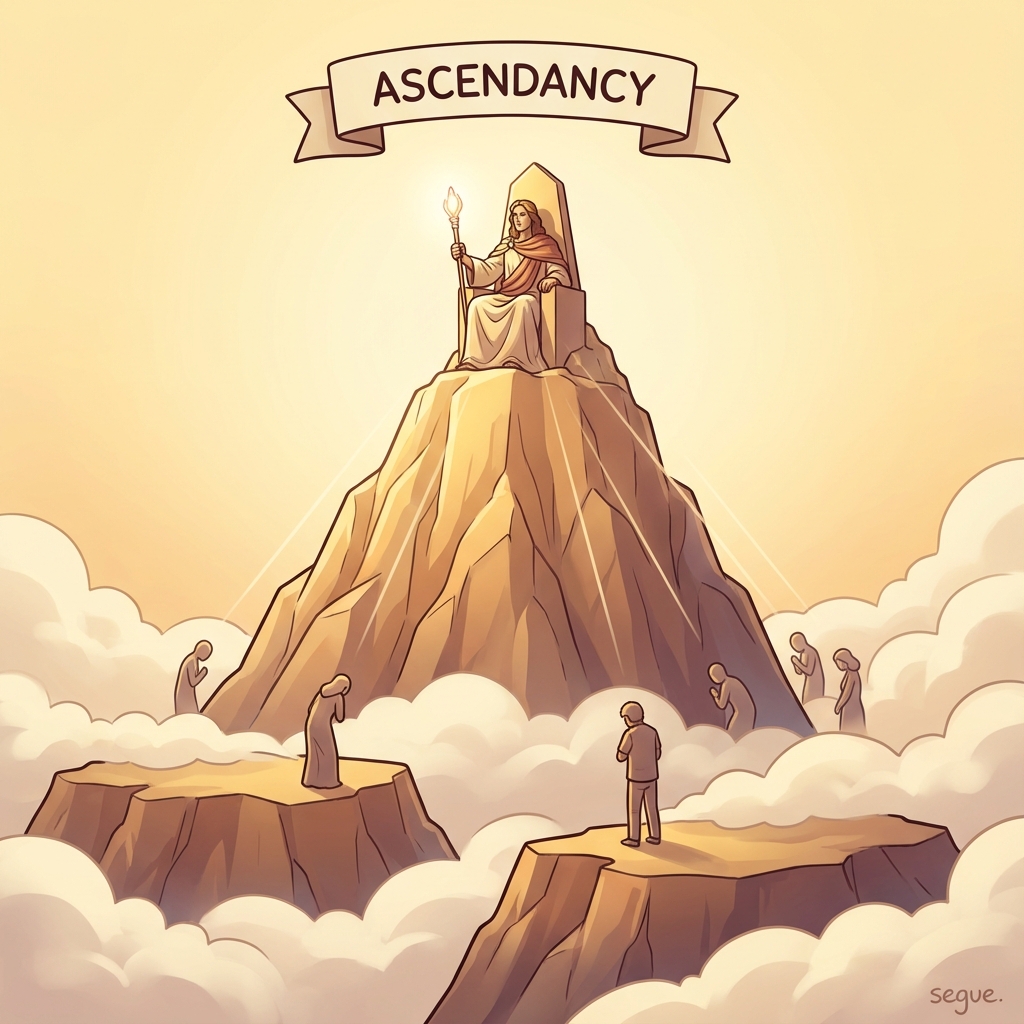
ascendancy
/əˈsɛndənsi/occupation of a position of dominant power
“The company's ascendancy in the market seemed unstoppable.”
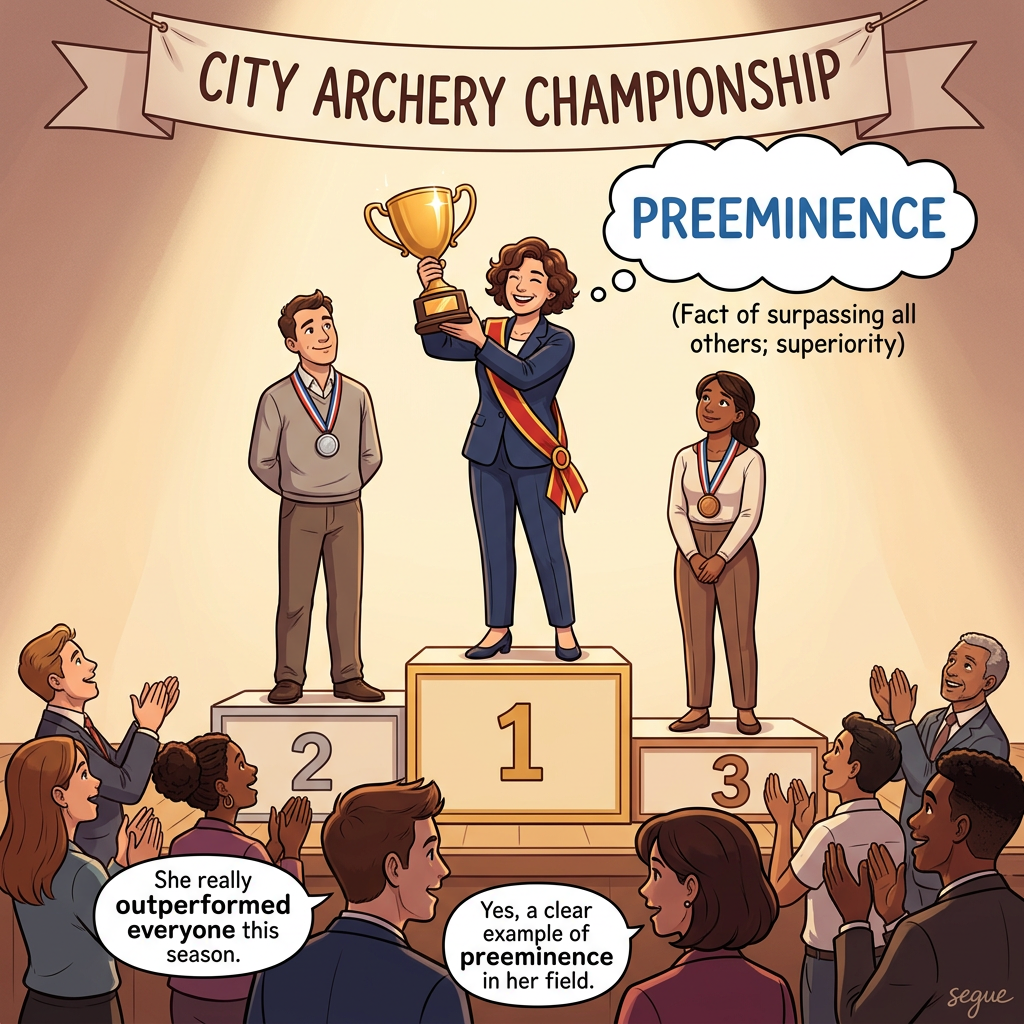
preeminence
/pɹiˈɛmənəns/the fact of surpassing all others; superiority
“The university's preeminence in research is recognized globally.”
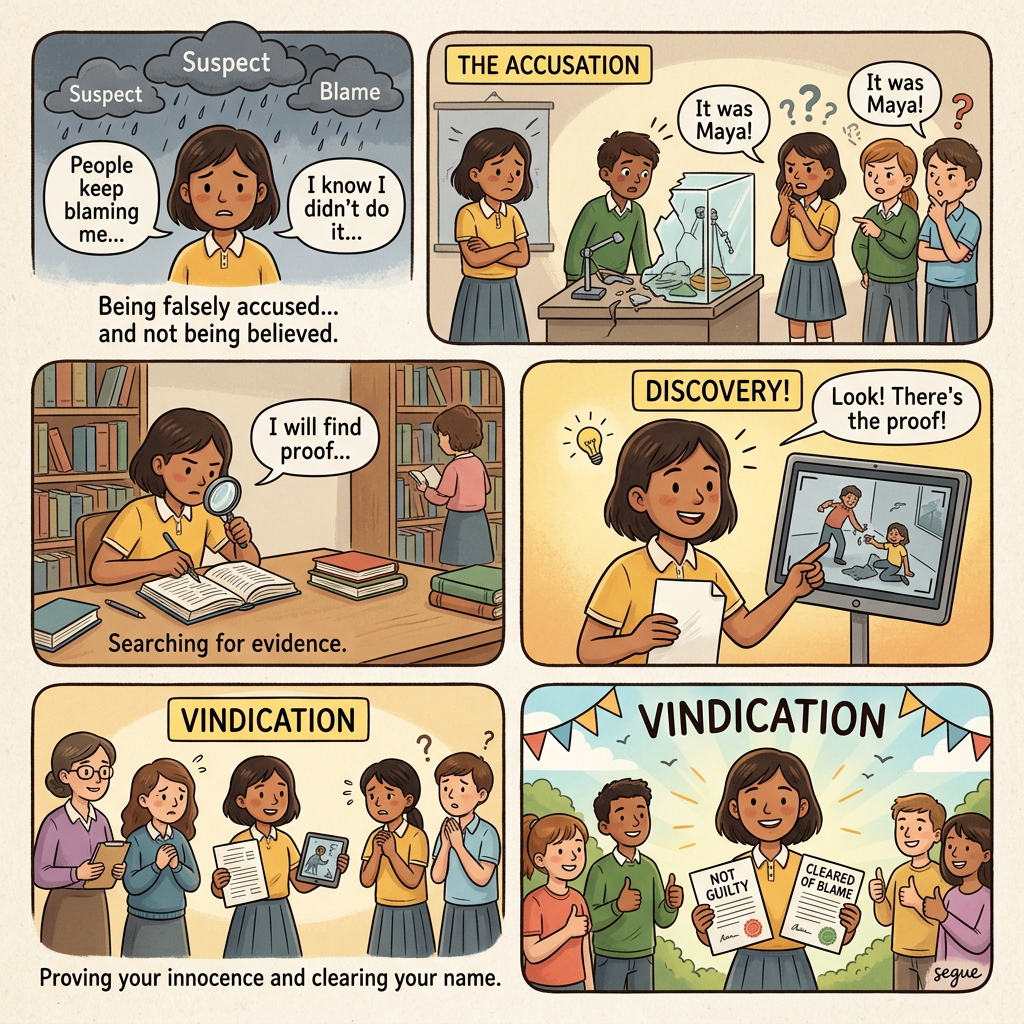
vindication
/vɪndəˈkeɪʃən/the action of clearing someone of blame; proof of being right
“The verdict was a vindication of her integrity.”

watershed
/ˈwɑtɝˌʃɛd/an event marking a turning point
“The election proved to be a watershed moment in history.”
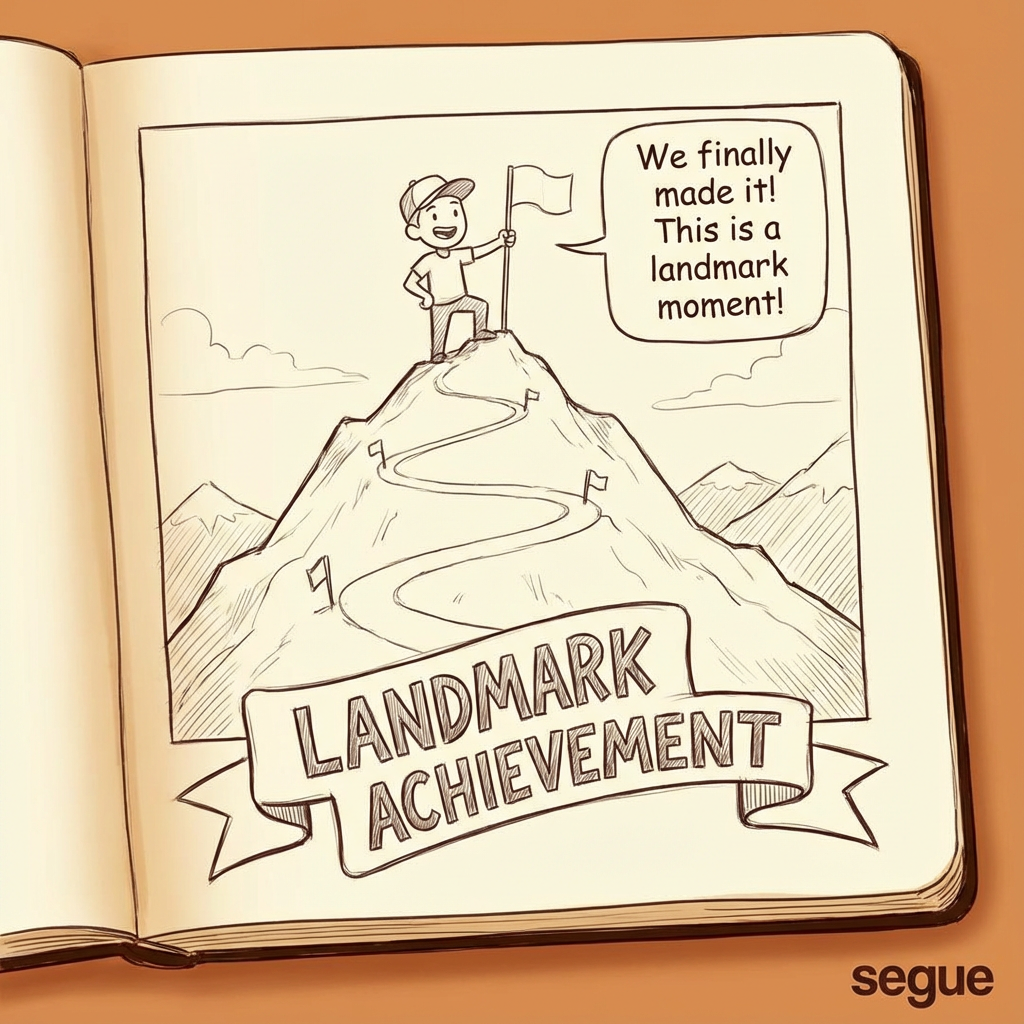
landmark
/ˈɫændˌmɑɹk/an important event or achievement
“The ruling was a landmark decision for civil rights.”

milestone
/ˈmaɪɫˌstoʊn/a significant stage or event in development
“Reaching one million users was a major milestone.”
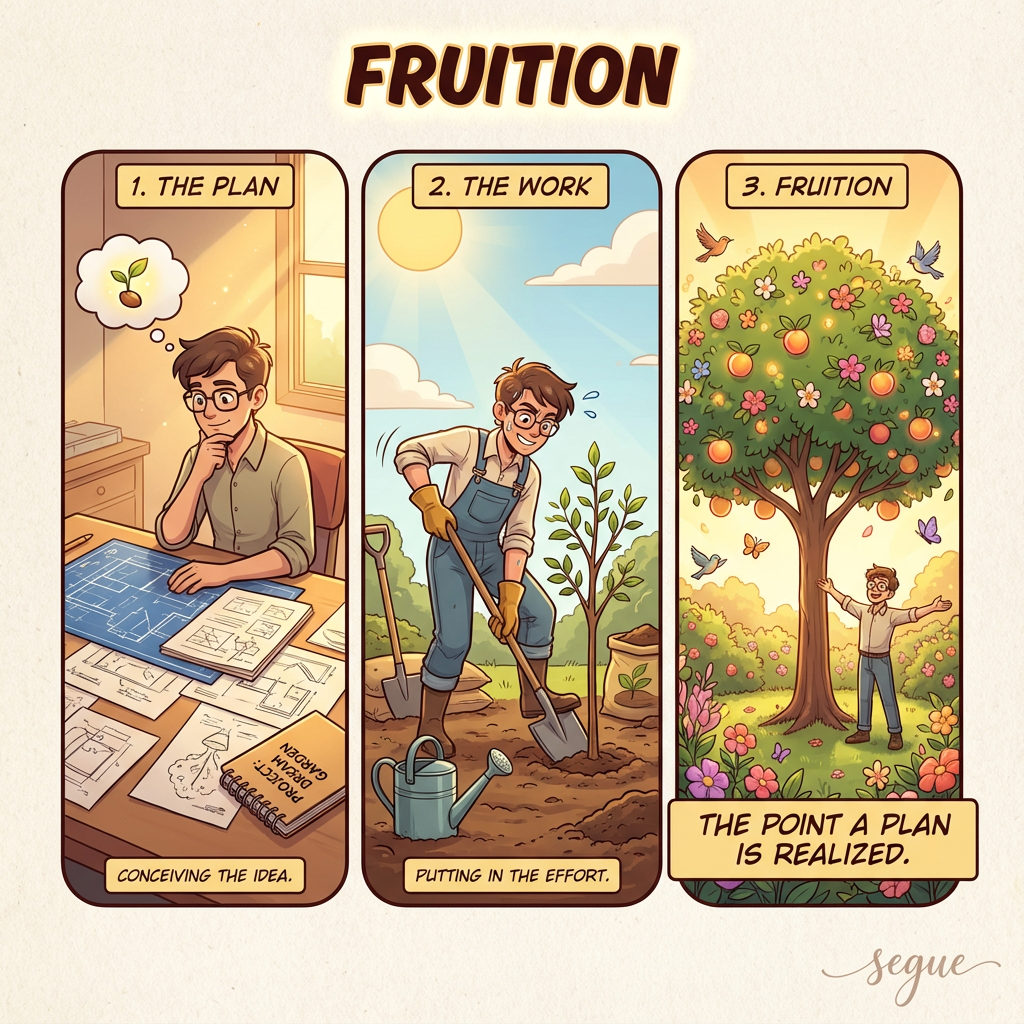
fruition
/fɹuˈɪʃən/the point at which a plan or project is realized
“Her dreams finally came to fruition.”

acclaim
/əˈkɫeɪm/enthusiastic and public praise
“The novel received critical acclaim.”
More from Success & Knowledge
Explore other vocabulary categories in this collection.