Loading collection...
🎨
Style & Voice Vocabulary
Terms for describing and analyzing prose style
8 words
All 8 Words
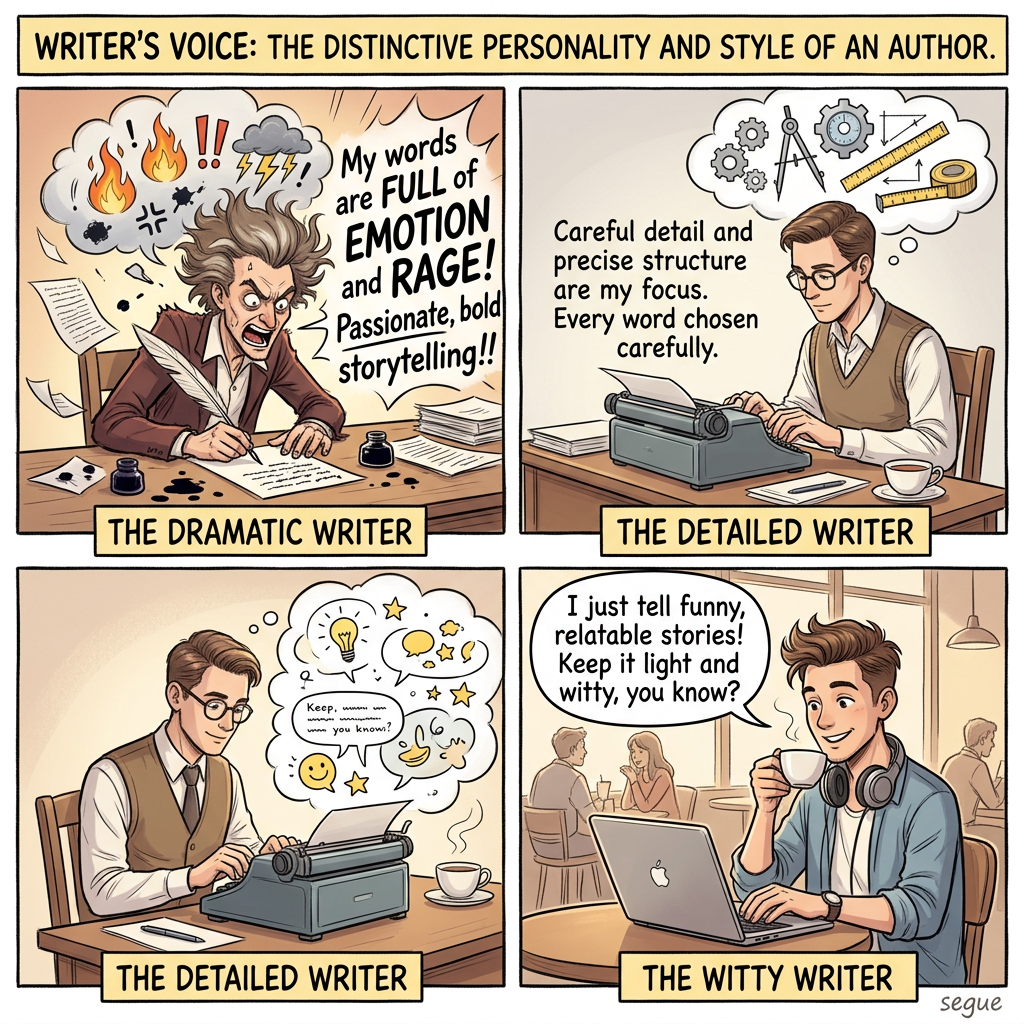
voice
/ˈvɔɪs/the distinctive personality and style of a writer
“Hemingway's voice is spare and muscular. Didion's is precise and melancholic.”
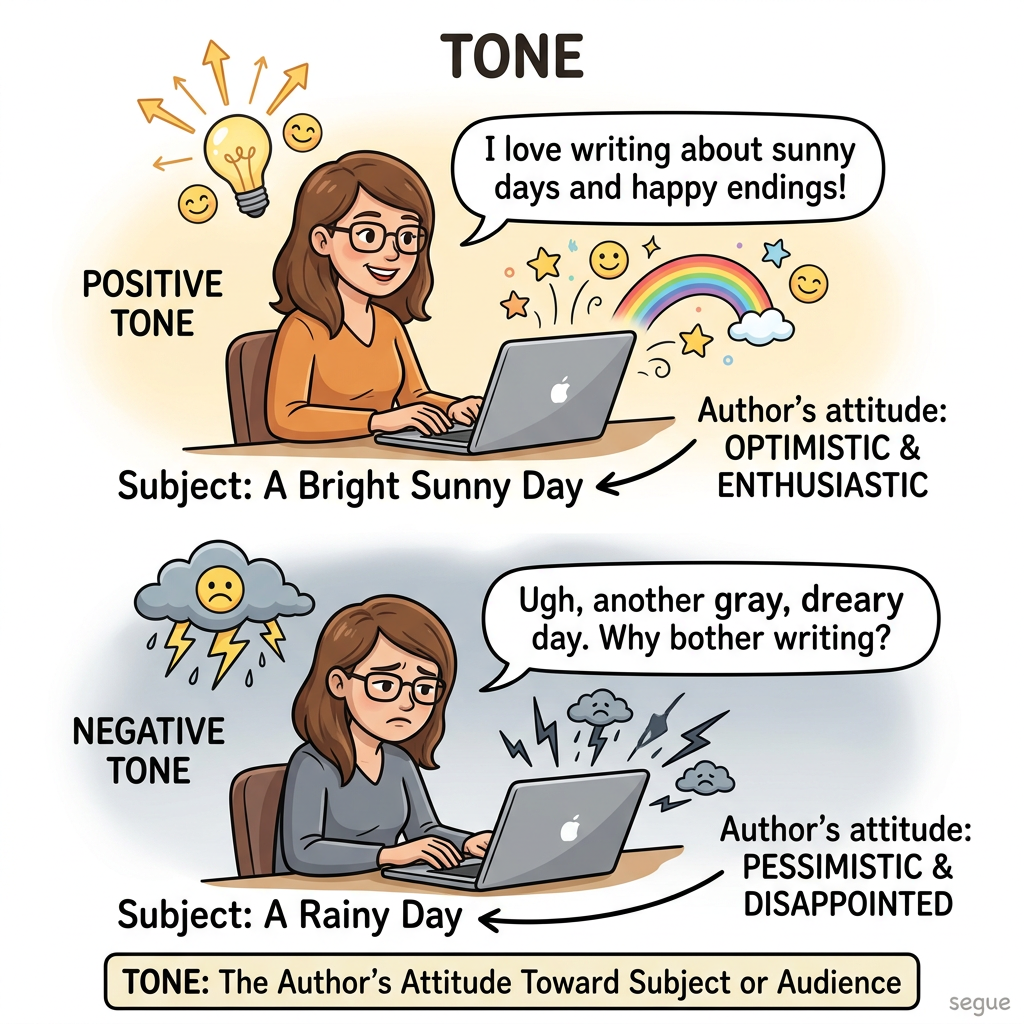
tone
/ˈtoʊn/the author's attitude toward subject or audience
“The tone was ironic, understated, almost mocking.”
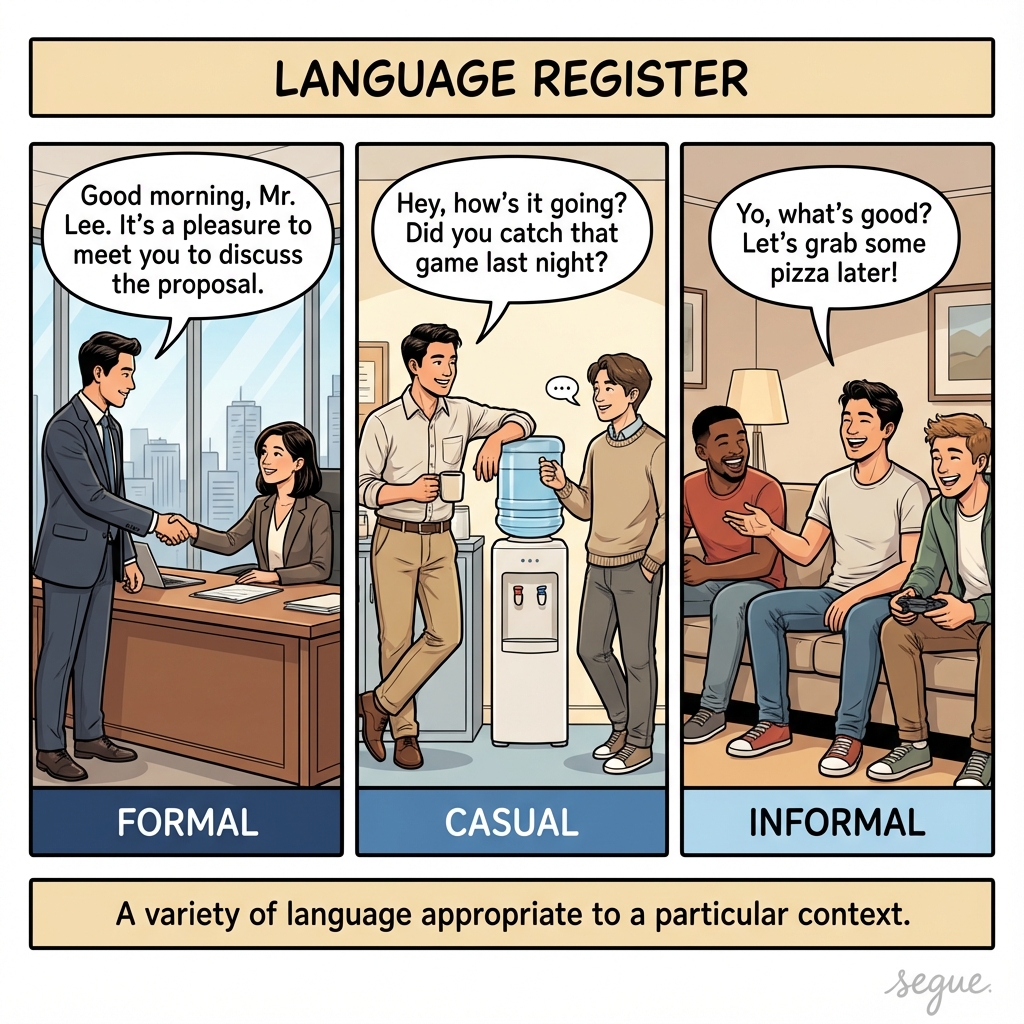
register
/ˈɹɛdʒɪstɝ/the level of formality in language
“Academic register vs. casual register. Know when to switch.”
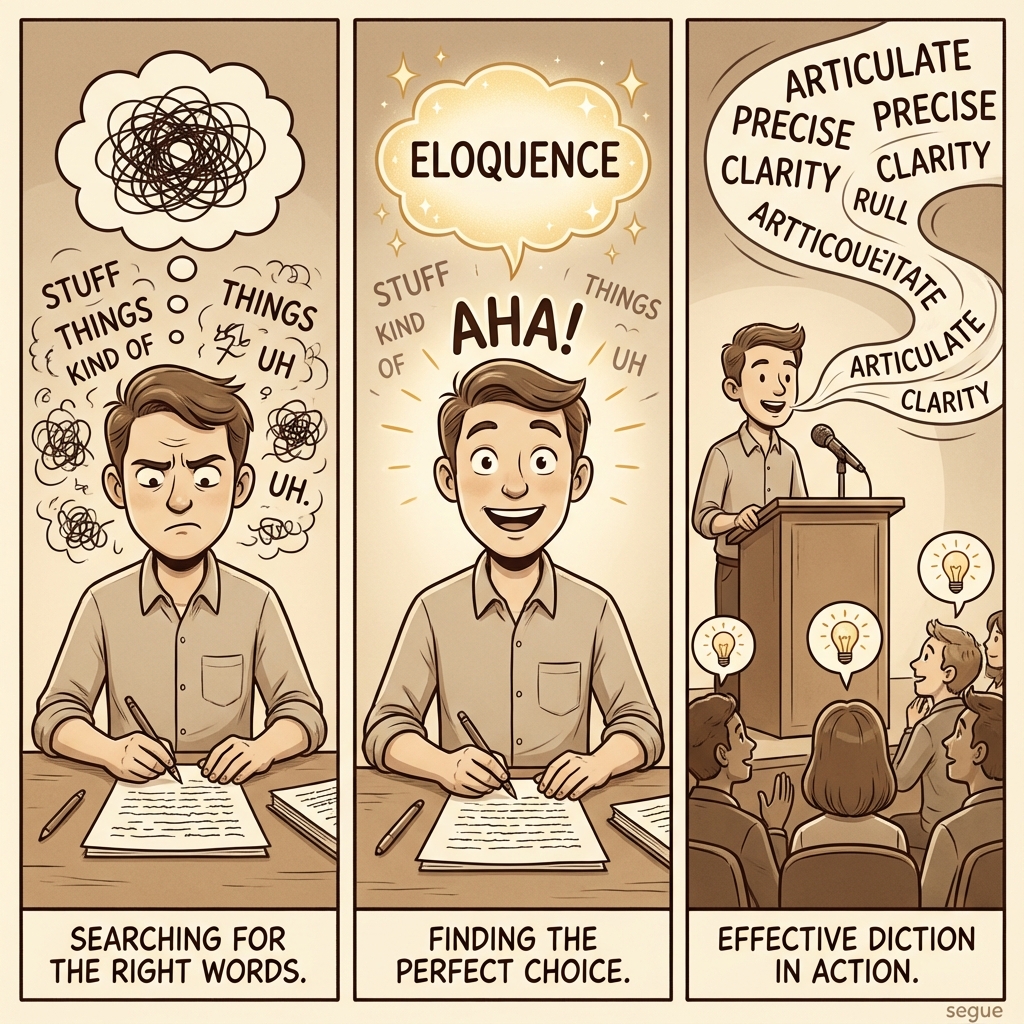
diction
/ˈdɪkʃən/word choice and vocabulary level
“Elevated diction: 'commence.' Plain diction: 'start.'”
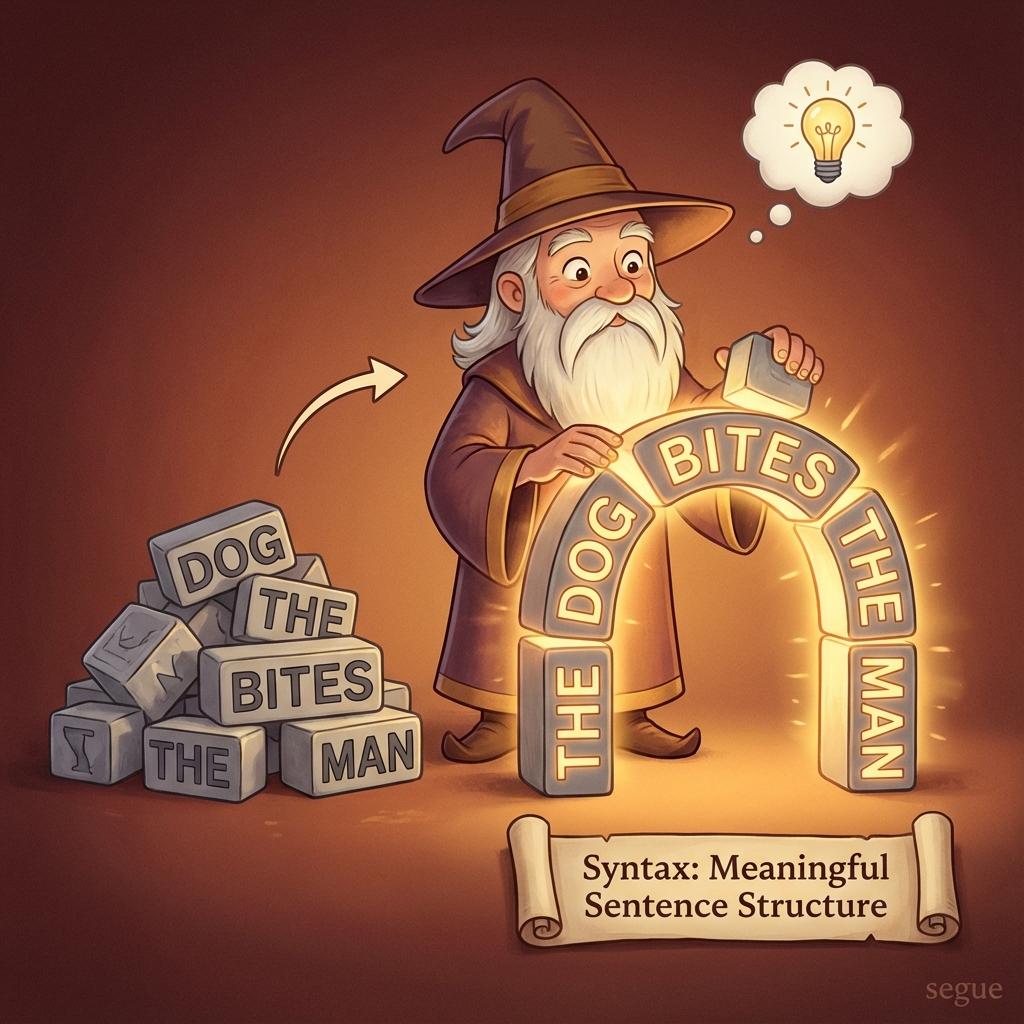
syntax
/ˈsɪnˌtæks/the arrangement of words and phrases
“Short syntax punches. Longer, more elaborate syntax unfolds with deliberate patience.”
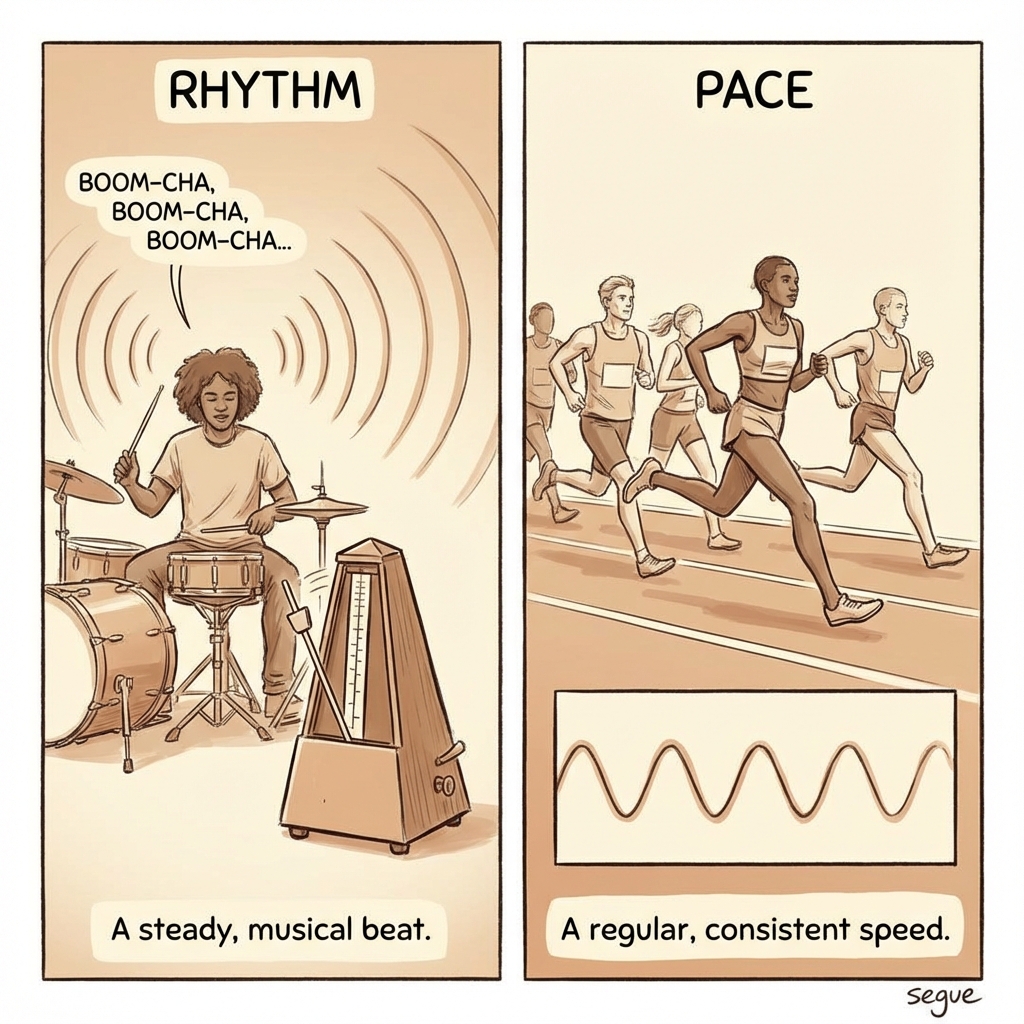
cadence
/ˈkeɪdəns/the rhythm and flow of prose
“The cadence of his sentences rose and fell like breathing.”
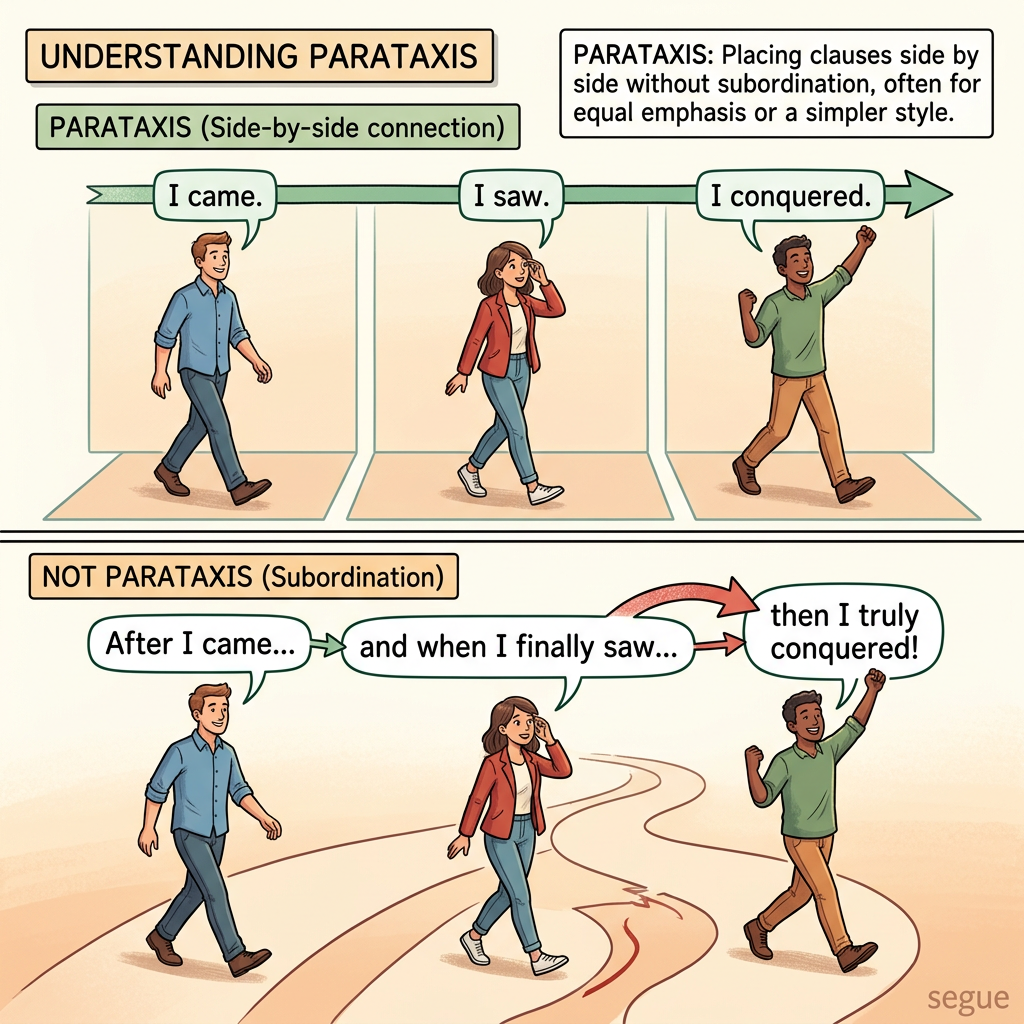
parataxis
/ˌpærəˈtæksɪs/placing clauses side by side without subordination
“I came. I saw. I conquered. Each clause independent, equal.”
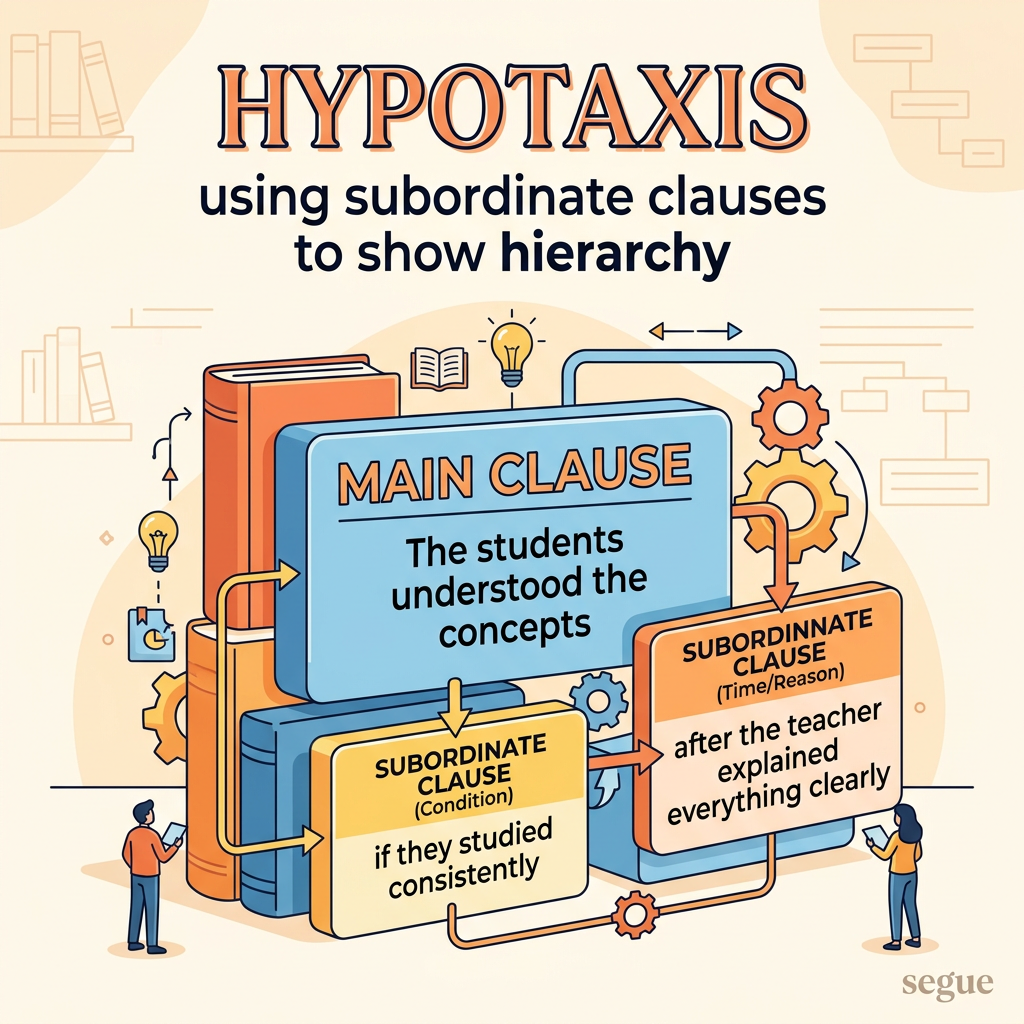
hypotaxis
/ˌhaɪpoʊˈtæksɪs/using subordinate clauses to show hierarchy
“Because he saw the opportunity, and although he was afraid, he acted.”
More from The Writer's Craft
Explore other vocabulary categories in this collection.