Loading collection...
🌉
Sophisticated Transitions Vocabulary
Elegant connectors for flowing prose and persuasive writing
22 words
All 22 Words

moreover
/mɔˈɹoʊvɝ/as a further matter; besides
“The plan is expensive. Moreover, it's unlikely to succeed.”
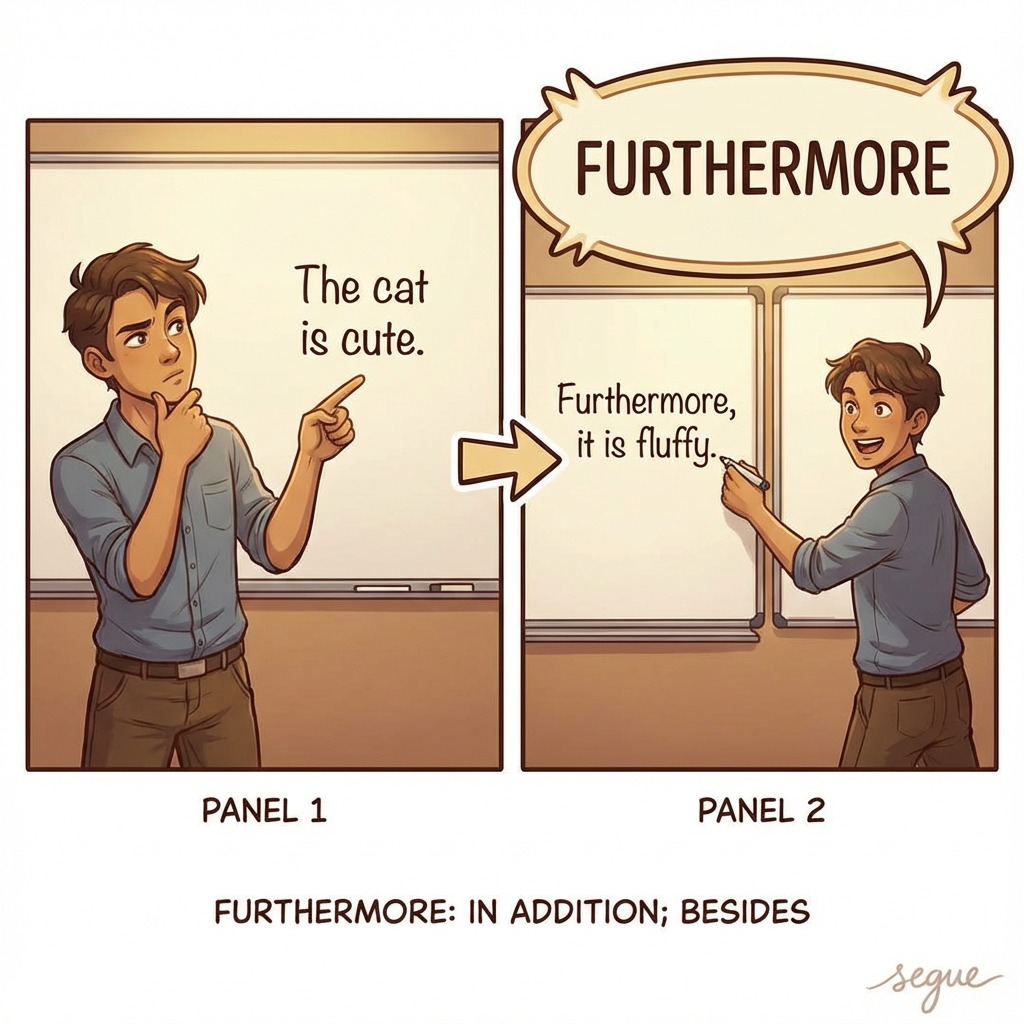
furthermore
/ˈfɝðɝˌmɔɹ/in addition; besides
“The evidence is compelling. Furthermore, it's irrefutable.”

nevertheless
/ˌnɛvɝðəˈɫɛs/in spite of that; notwithstanding
“The task was difficult. Nevertheless, she persevered.”
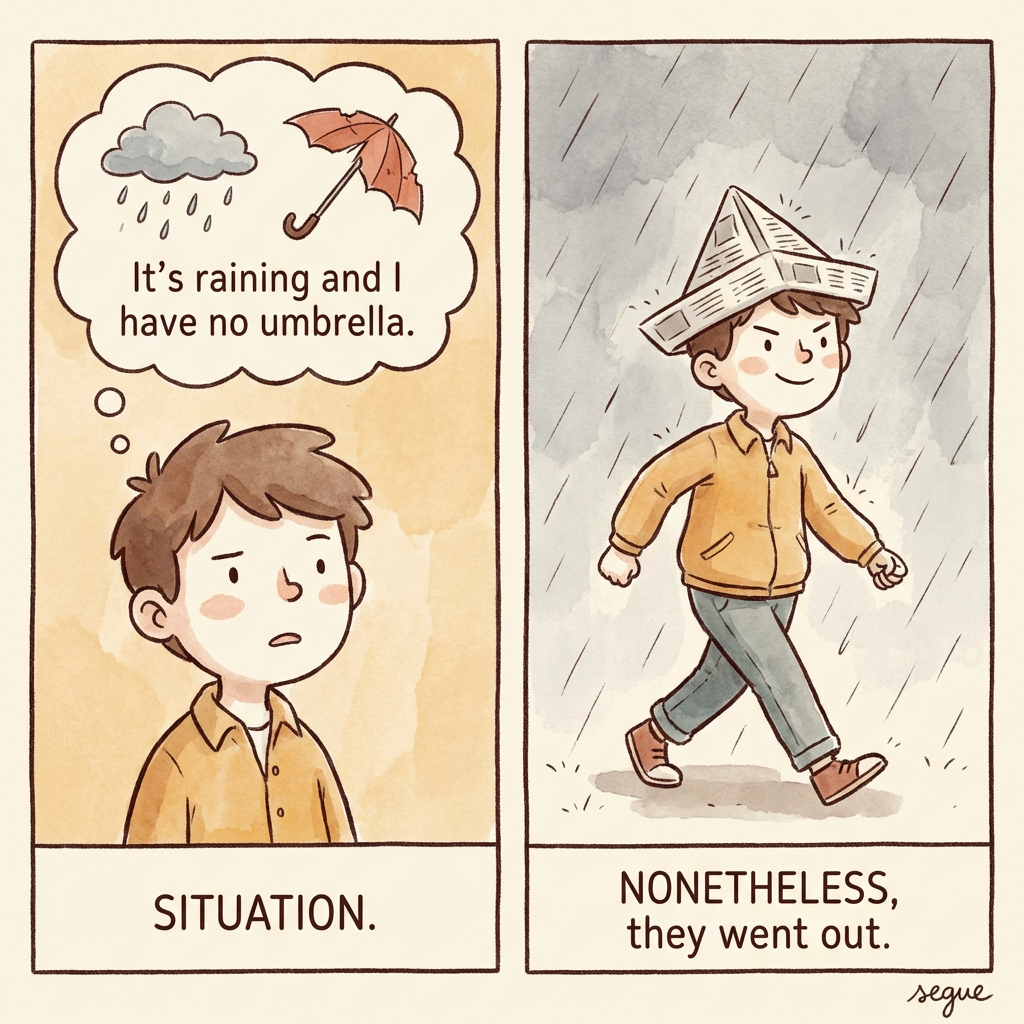
nonetheless
/ˌnənðəˈɫɛs/in spite of what has just been said
“The odds were against him. Nonetheless, he succeeded.”
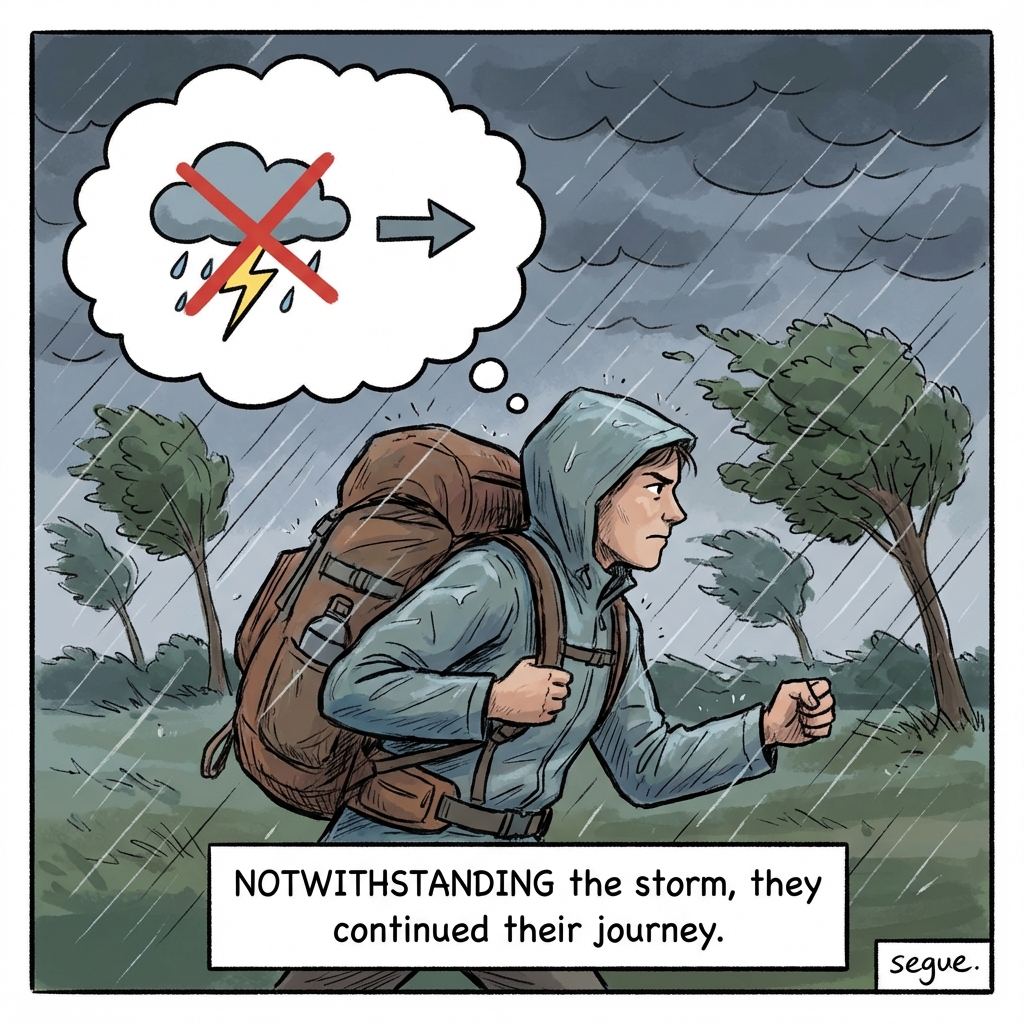
notwithstanding
/ˌnɑtwɪθˈstændɪŋ/in spite of; although
“Notwithstanding the risks, they proceeded with the plan.”

hitherto
/ˈhɪˌðɝˈtu/until now or until the point in question
“The hitherto unknown artist gained sudden fame.”

heretofore
/ˌhɪɹtəˈfɔɹ/before now; previously
“The company faced challenges heretofore unseen.”

henceforth
/ˈhɛnsˈfɔɹθ/from this time on; from now on
“Henceforth, all meetings will be recorded.”
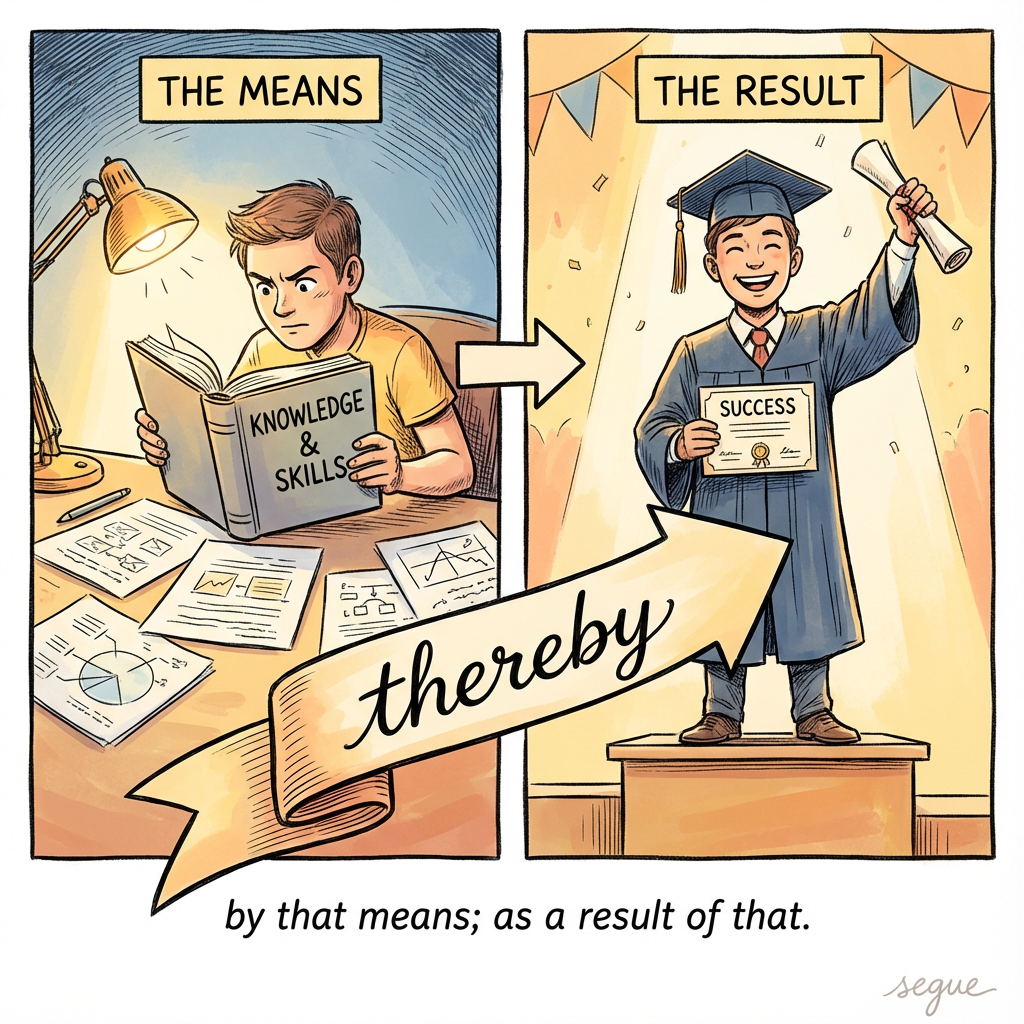
thereby
/ˈðɛɹˈbaɪ/by that means; as a result of that
“He resigned, thereby ending the controversy.”
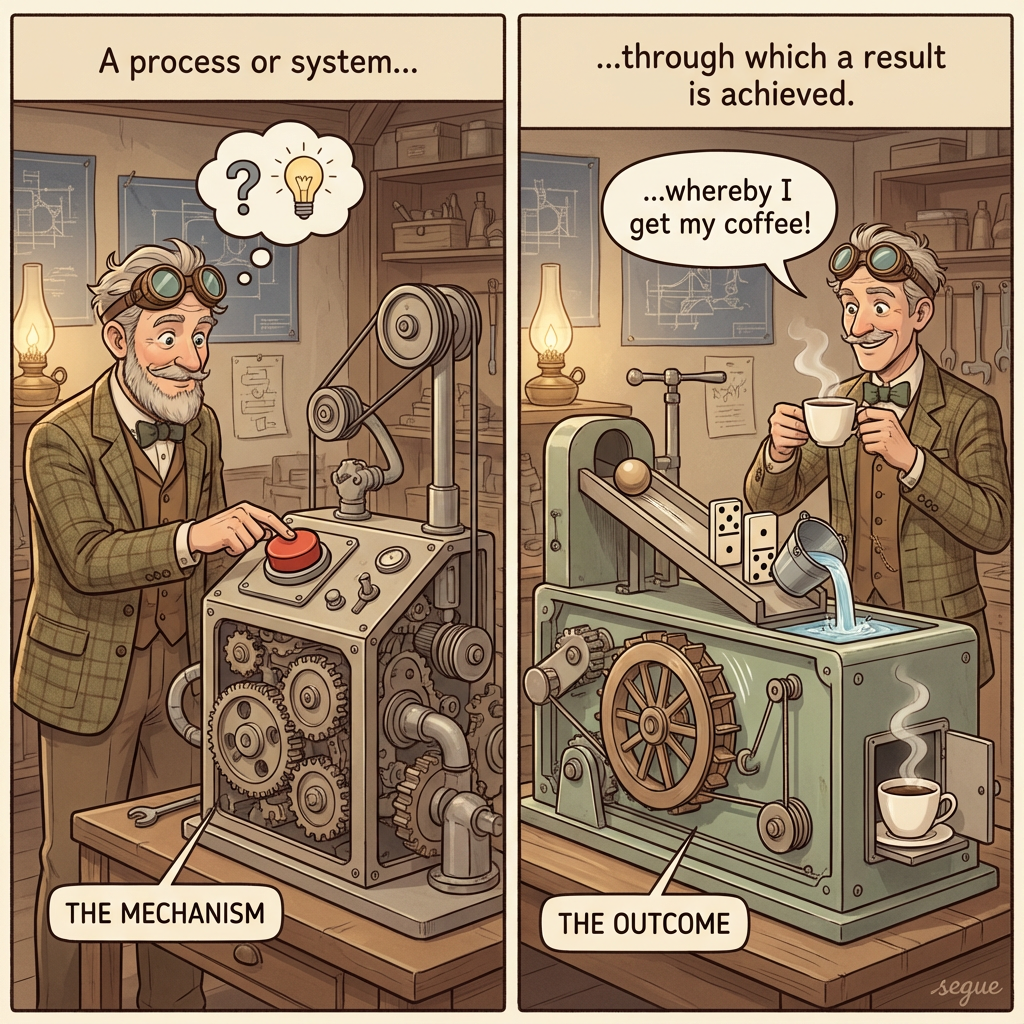
whereby
/hwɛɹˈbaɪ/by which; through which
“They created a system whereby complaints could be tracked.”
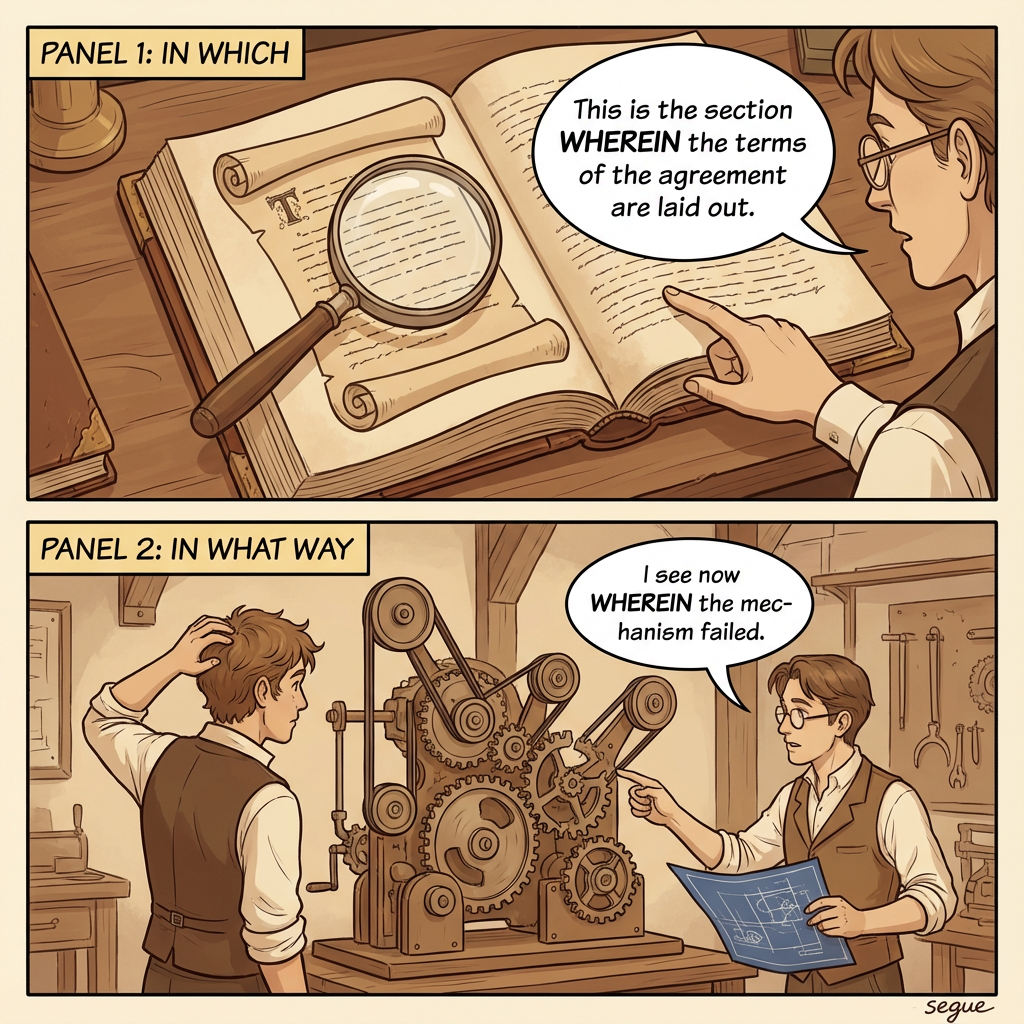
wherein
/hwɛˈɹɪn/in which; in what way
“This is the situation wherein we find ourselves.”

whereupon
/ˈhwɛɹəˈpɑn/immediately after which
“She made the announcement, whereupon chaos ensued.”

insofar
/ˈɪnsəfɑɹ/to the extent that
“Insofar as the law permits, we will proceed.”

inasmuch
/ˌɪˈnæsmək/considering that; since
“Inasmuch as you have apologized, I will forgive you.”
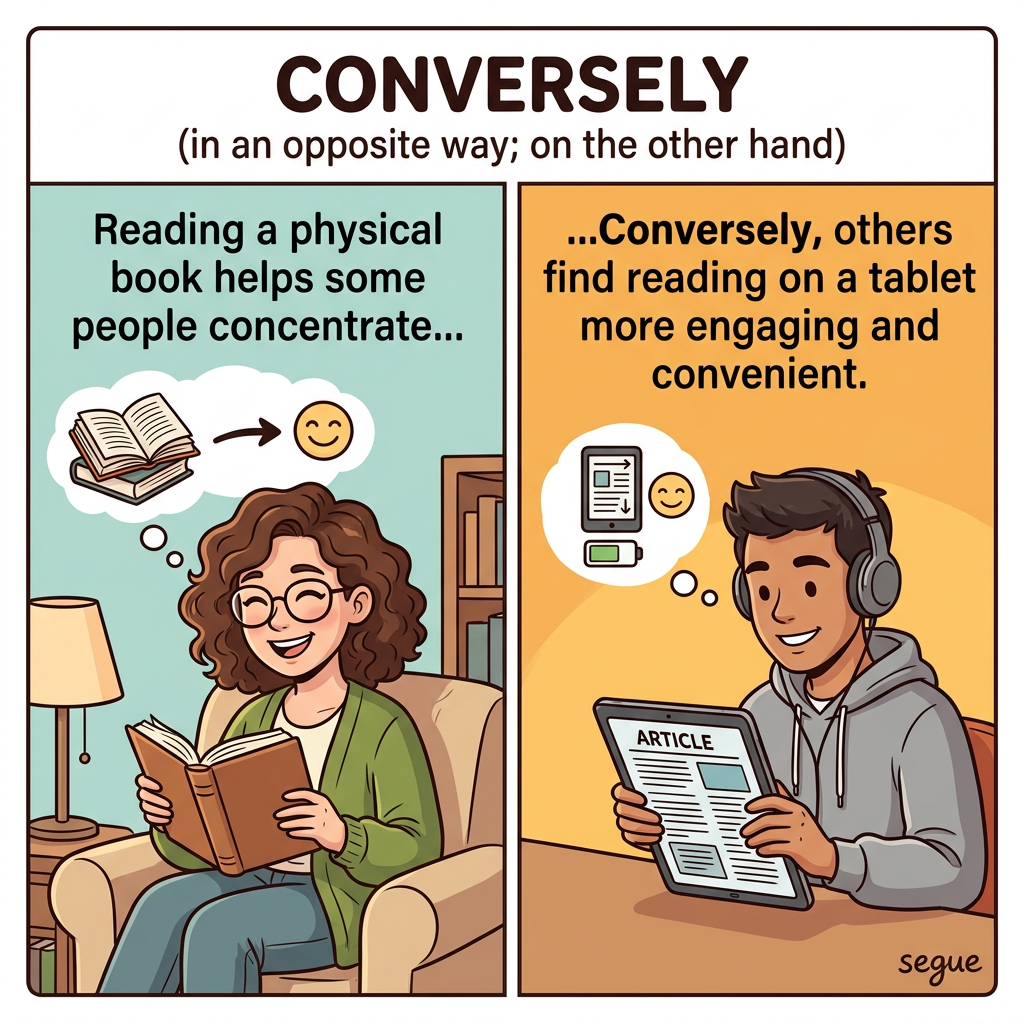
conversely
/ˈkɑnvɝsɫi/in an opposite way; on the other hand
“The rich got richer. Conversely, the poor got poorer.”
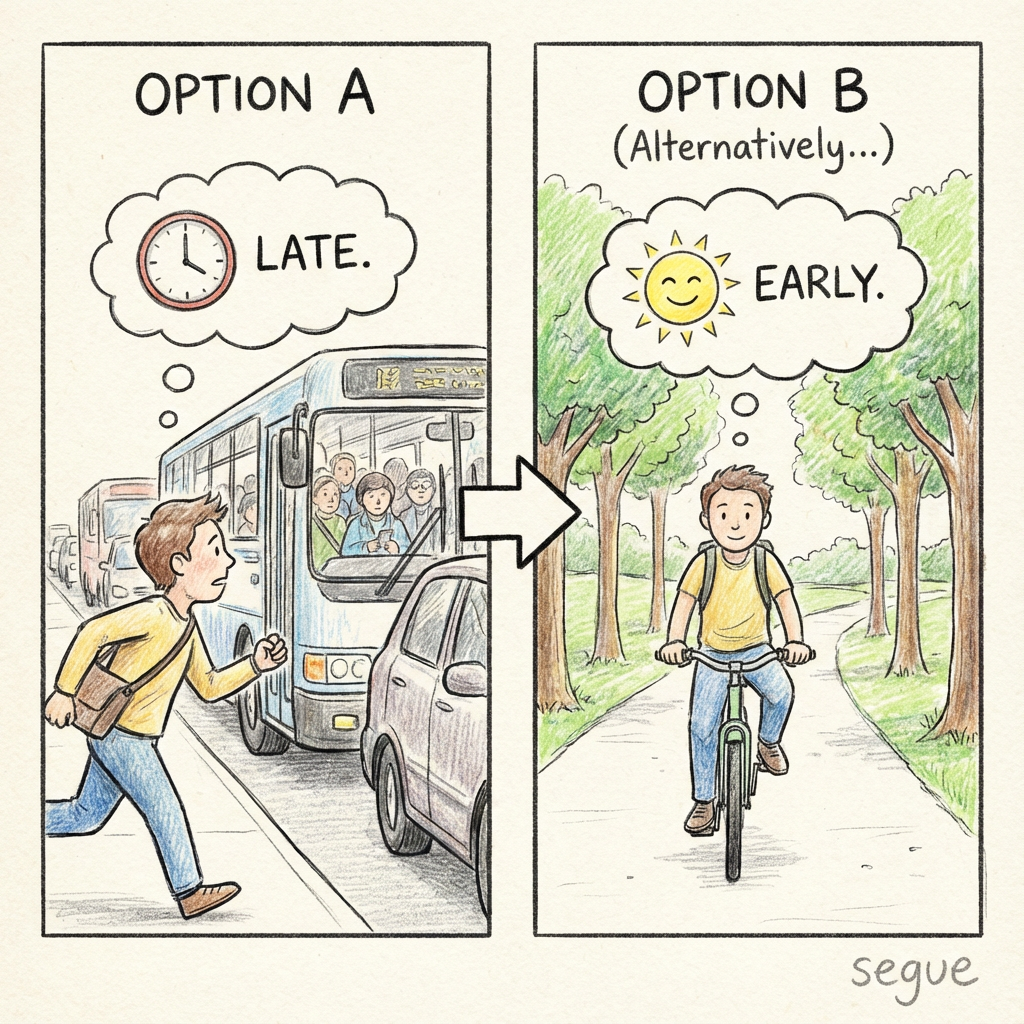
alternatively
/ɔɫˈtɝnətɪvɫi/as another option or possibility
“We could wait. Alternatively, we could proceed now.”

correspondingly
/ˌkɔɹəˈspɑndɪŋɫi/in a way that matches or relates to something
“Demand increased, and prices rose correspondingly.”
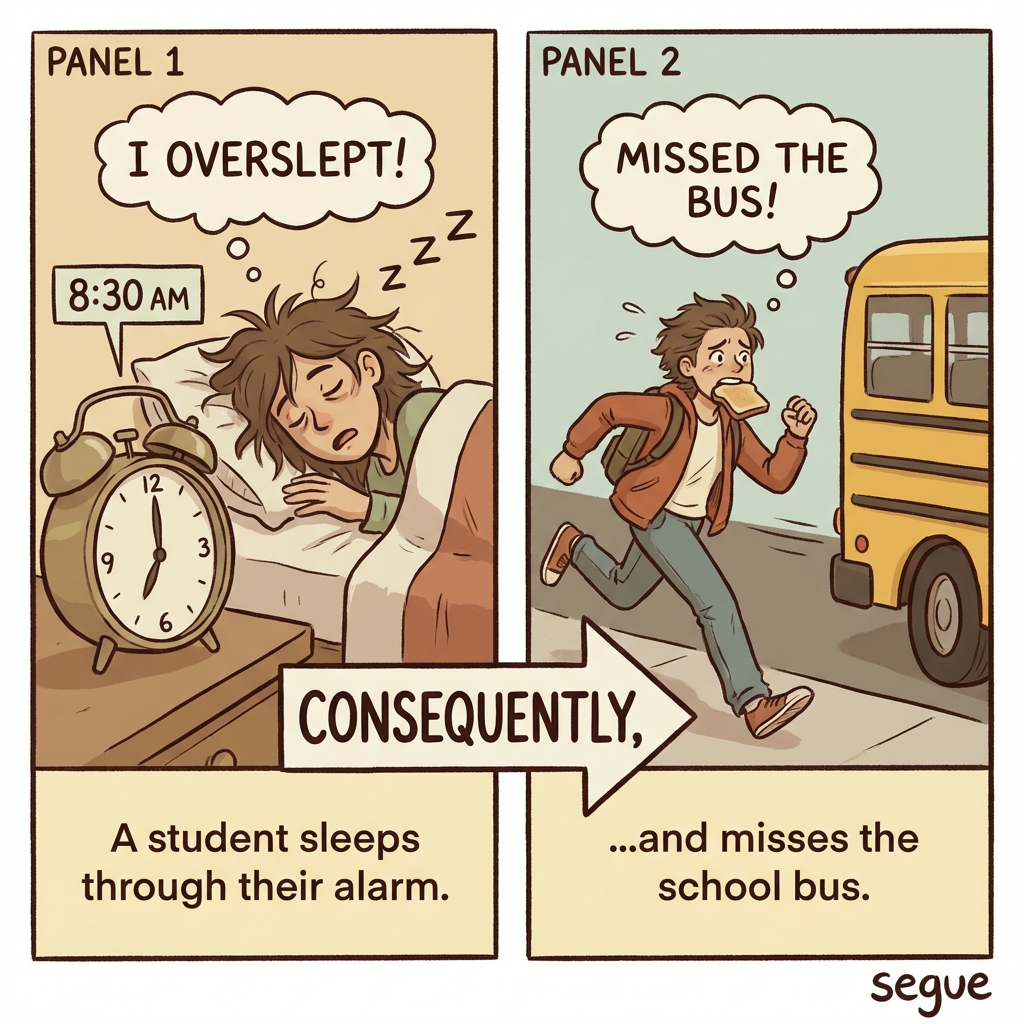
consequently
/ˈkɑnsəˌkwɛntɫi/as a result; therefore
“He failed to prepare, and consequently, he failed.”
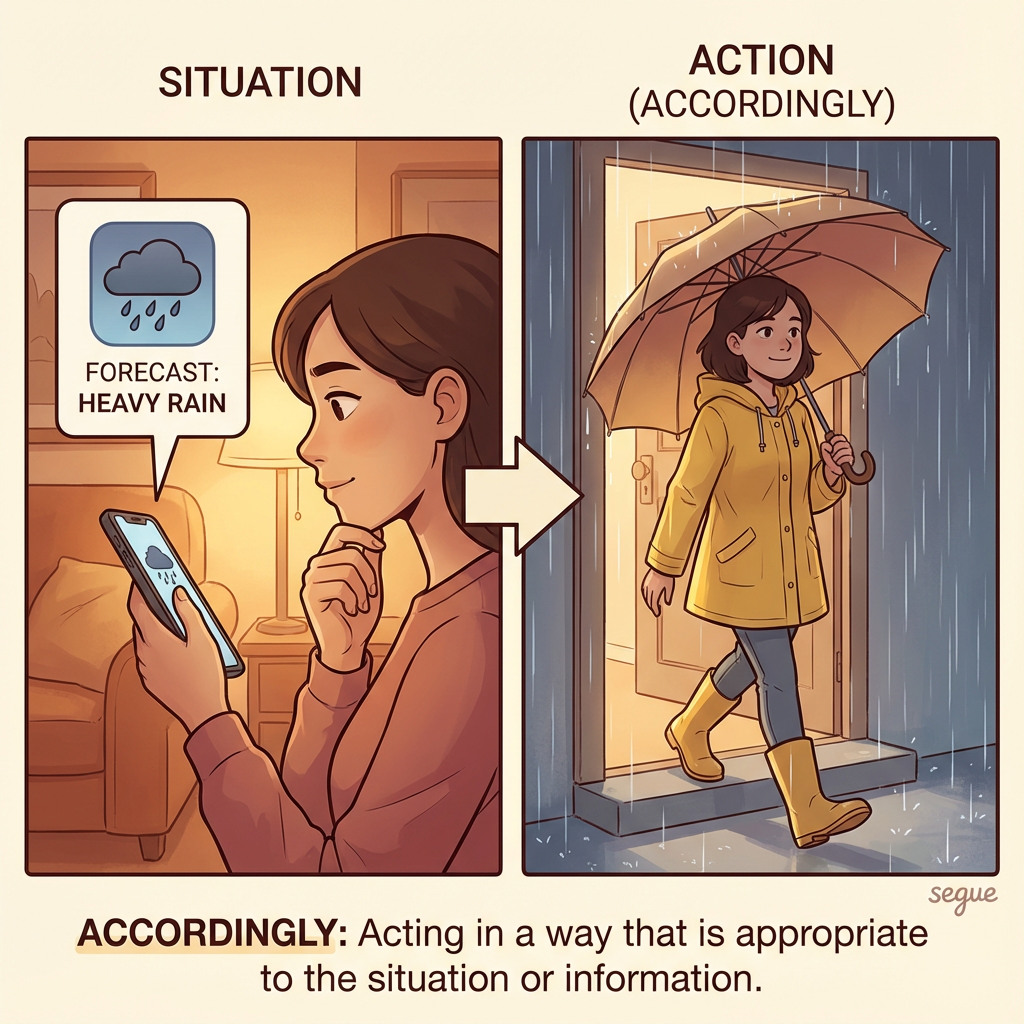
accordingly
/əˈkɔɹdɪŋɫi/in a way that is appropriate; consequently
“The situation changed, and we adjusted accordingly.”
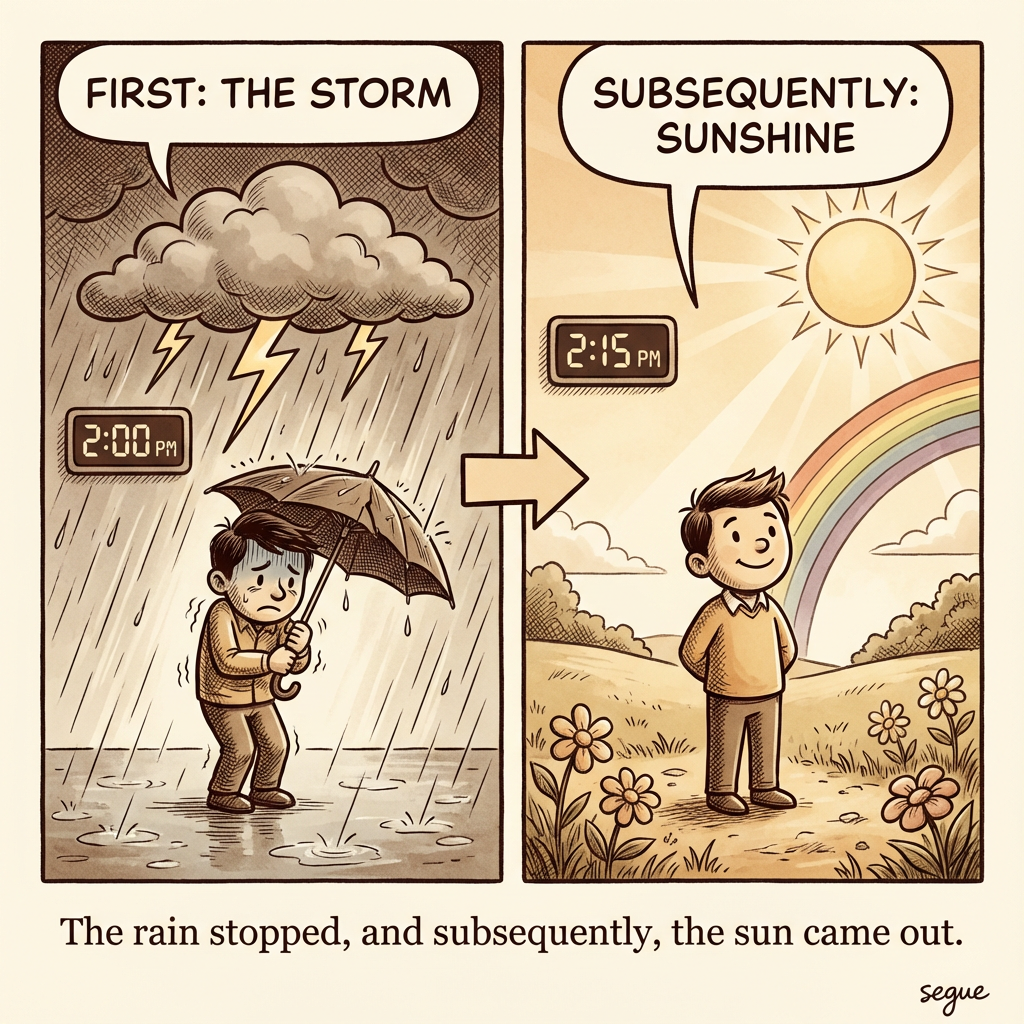
subsequently
/ˈsəbsəkwəntɫi/after a particular thing has happened
“He was arrested and subsequently released on bail.”
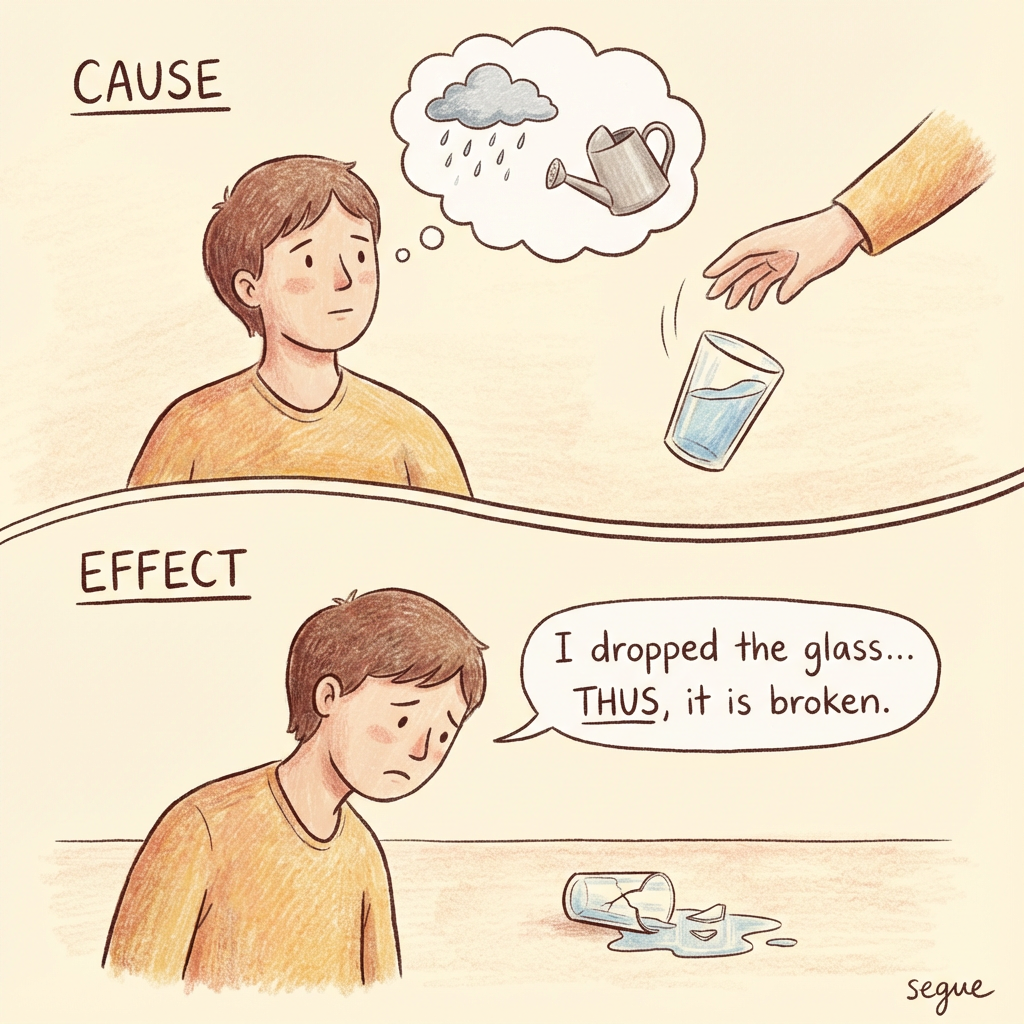
thus
/ˈðəs/as a result or consequence of this; therefore
“He is the eldest son and thus heir to the estate.”

hence
/ˈhɛns/as a consequence; for this reason
“The roads were covered in ice; hence it was not safe to drive.”
More from Logic & Reasoning
Explore other vocabulary categories in this collection.