Loading collection...
💻
Software Development Vocabulary
Technical terms for programming and software engineering
22 words
All 22 Words
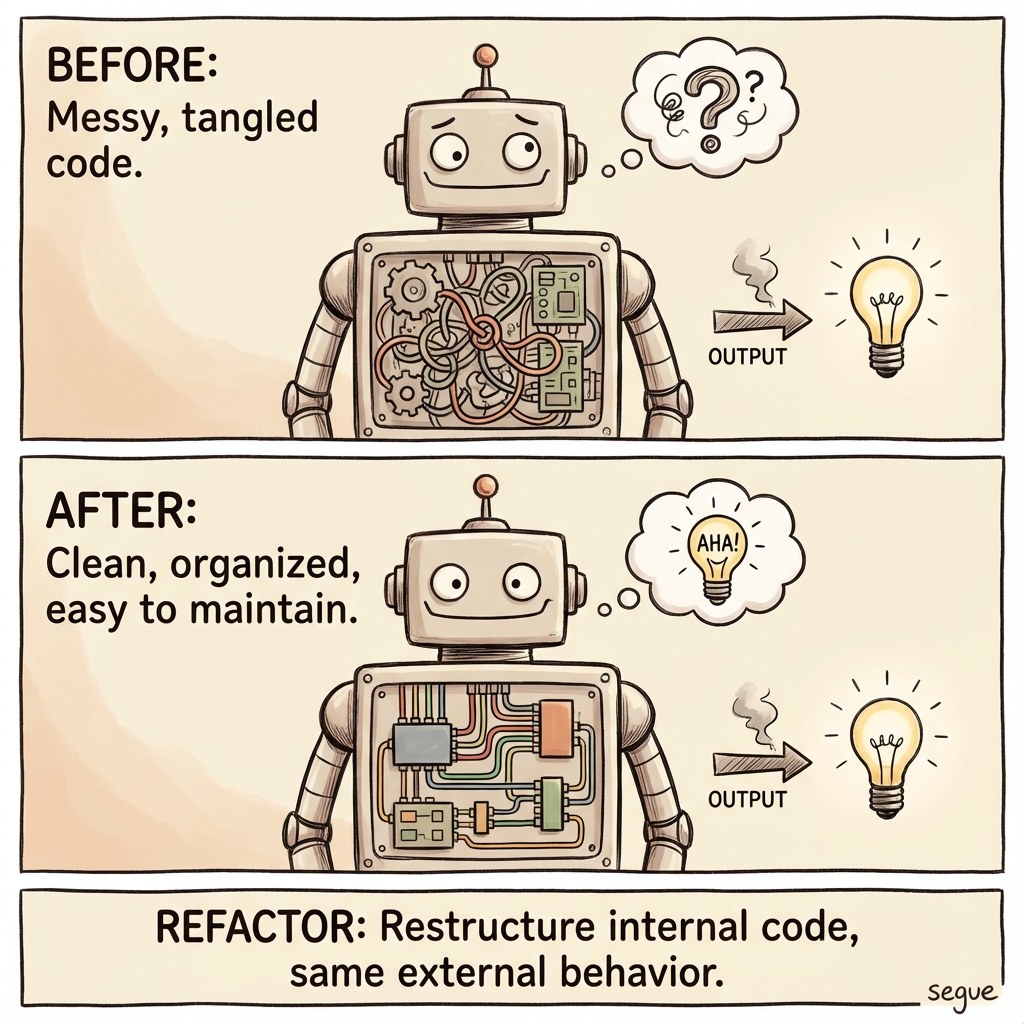
refactor
/riːˈfæktər/Restructure existing code without changing its external behavior
“We need to refactor this legacy codebase to improve maintainability.”
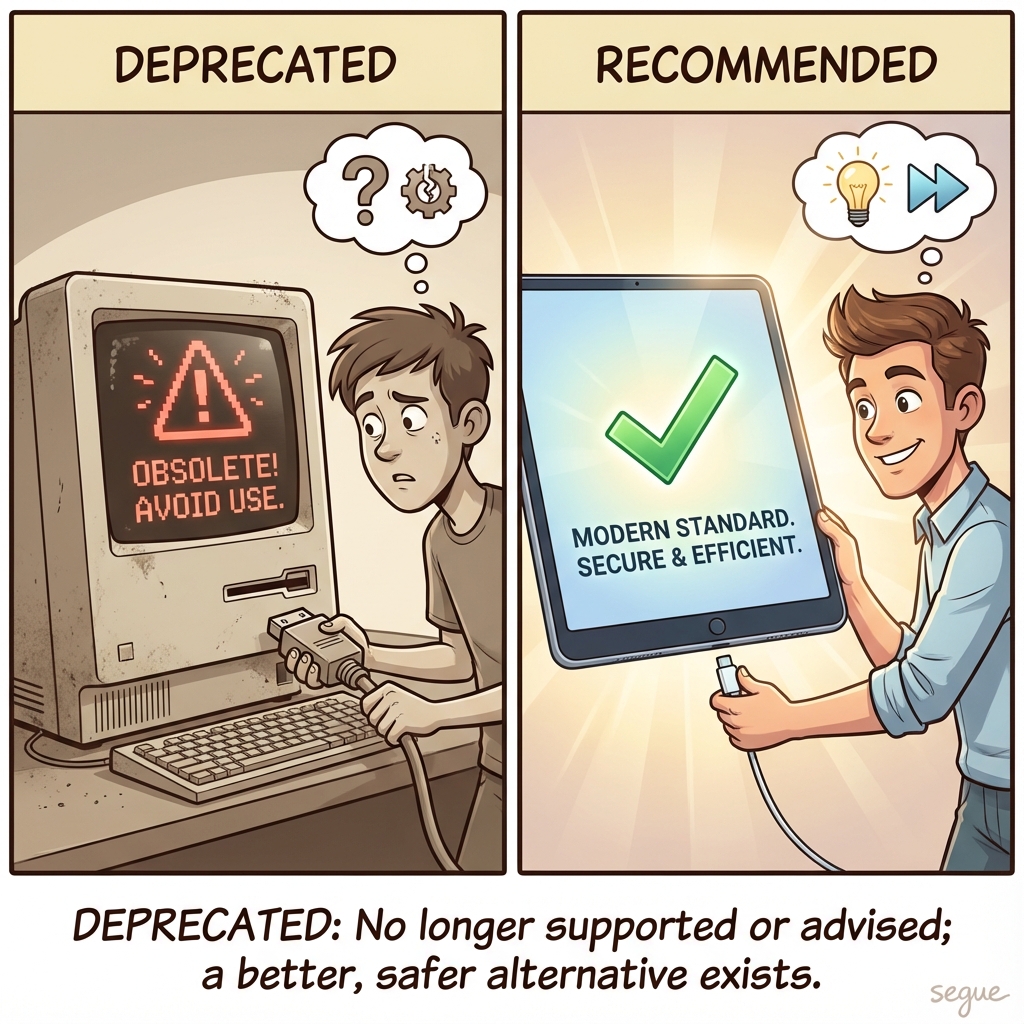
deprecated
/ˈdɛpɹəˌkeɪtəd/Marked as obsolete and scheduled for removal
“This API endpoint is deprecated and will be removed in the next version.”
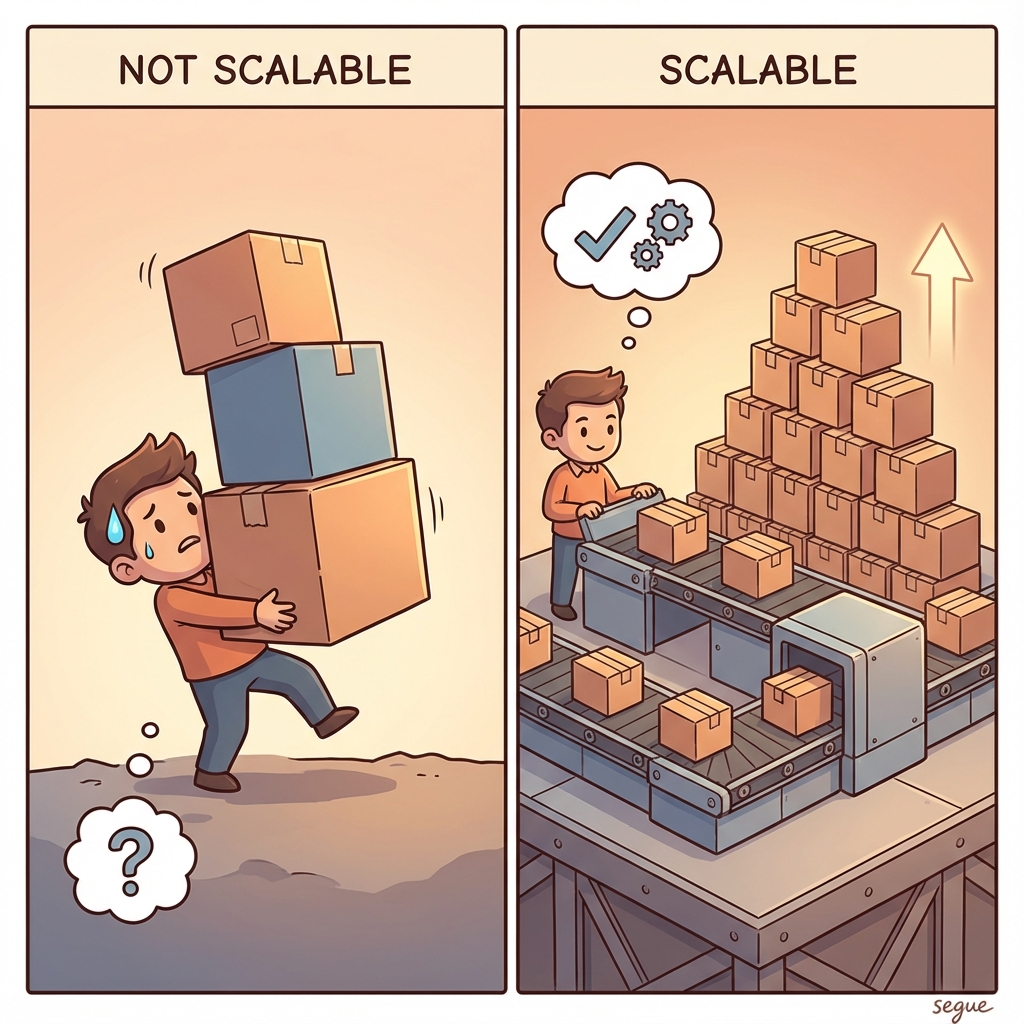
scalable
/ˈskeɪɫəbəɫ/Able to handle increased load or growth efficiently
“The architecture must be scalable to support millions of users.”
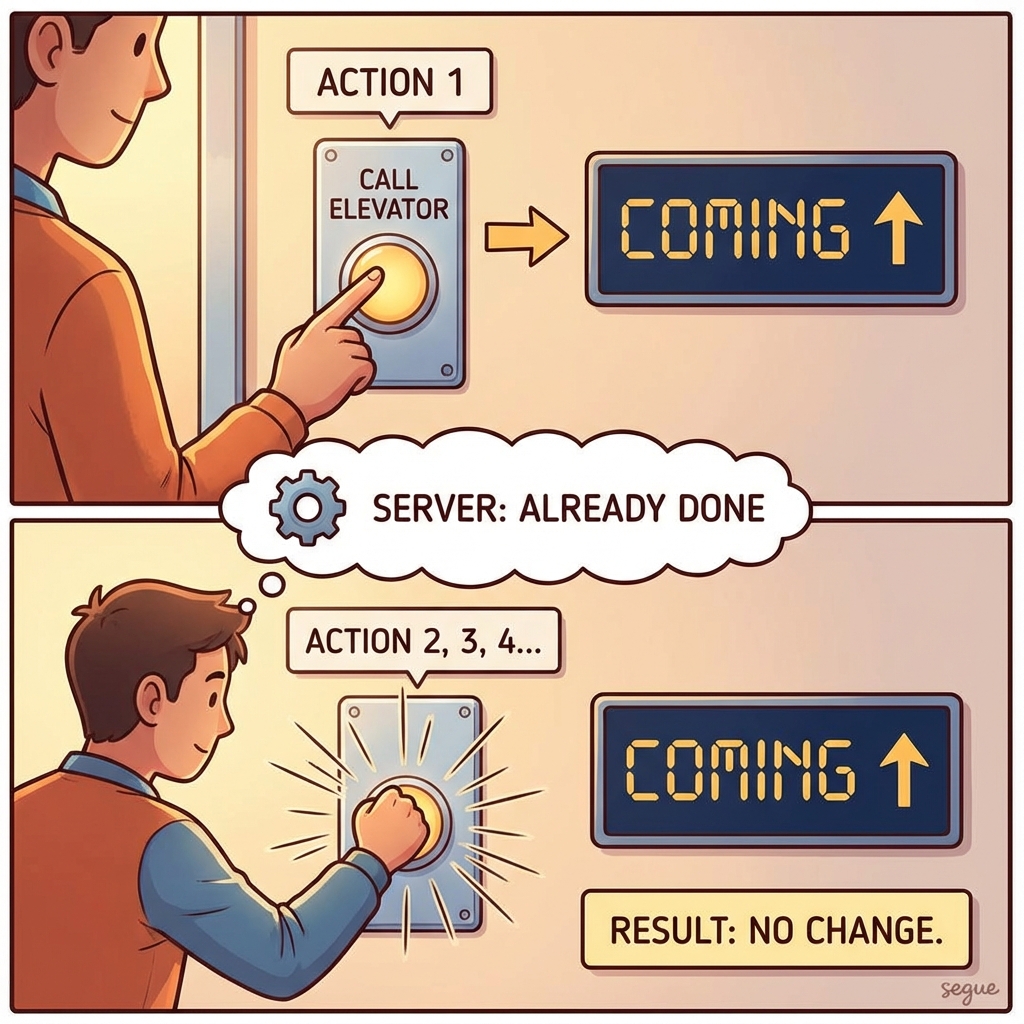
idempotent
/aɪˈdempətənt/Producing the same result regardless of how many times it's executed
“All our API endpoints should be idempotent to handle retries safely.”
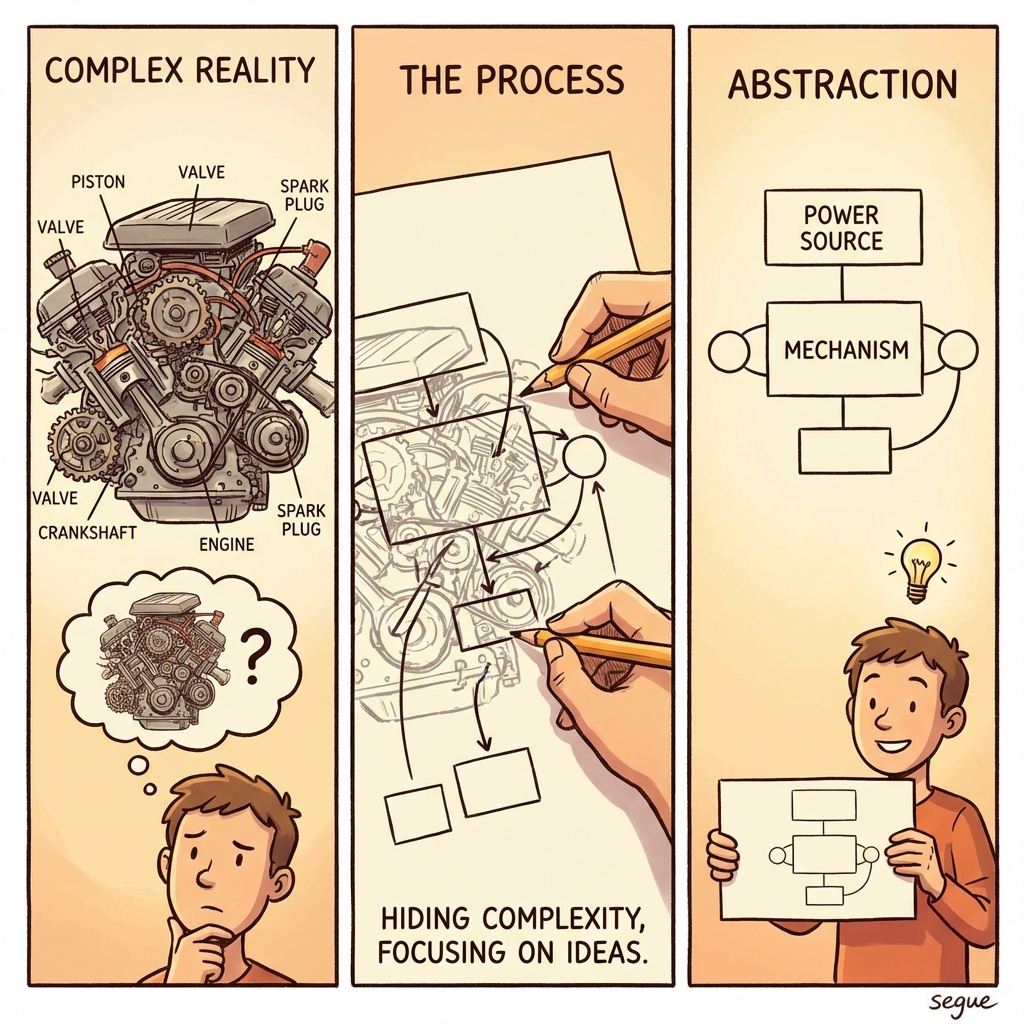
abstraction
/æbˈstɹækʃən/Hiding complex implementation details behind a simpler interface
“Good abstraction allows developers to work without understanding every detail.”
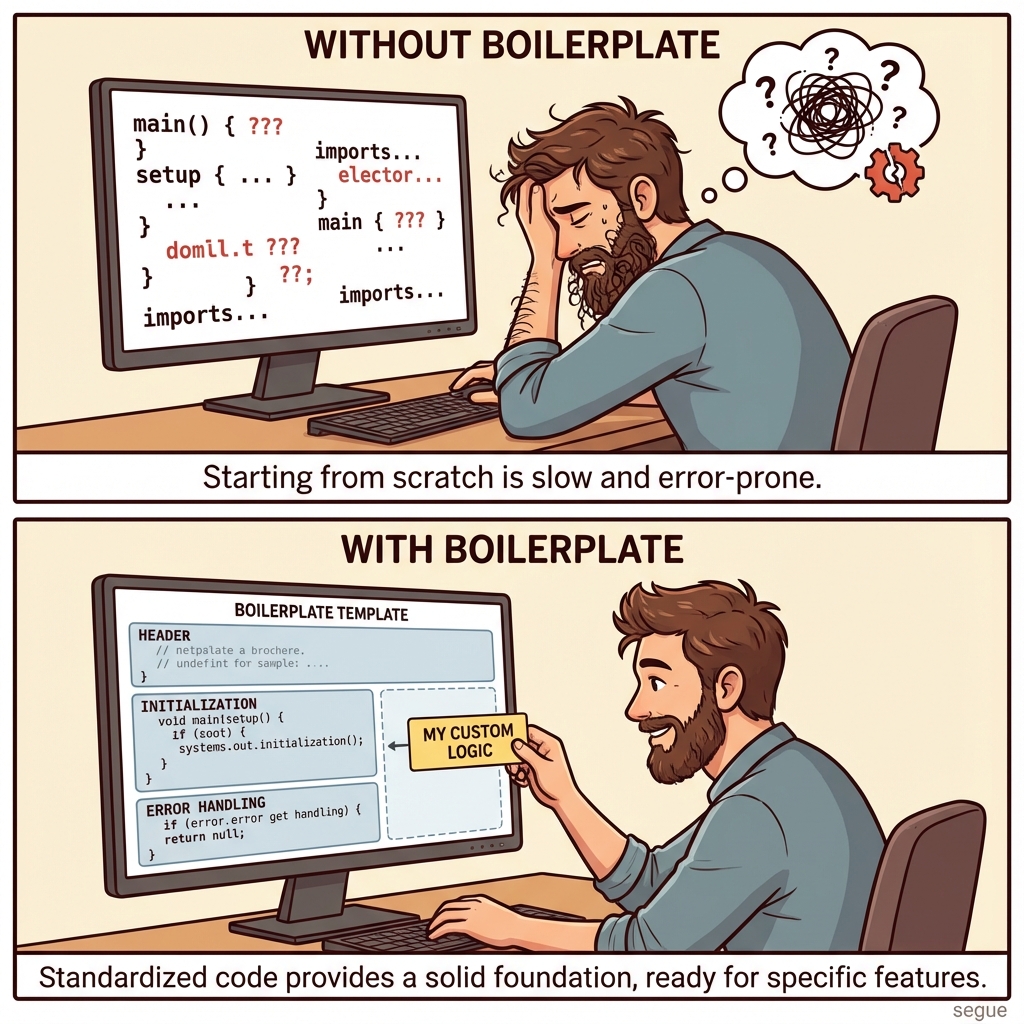
boilerplate
/ˈbɔɪɫɝˌpɫeɪt/Standardized code that must be included with little modification
“The framework reduces boilerplate so you can focus on business logic.”
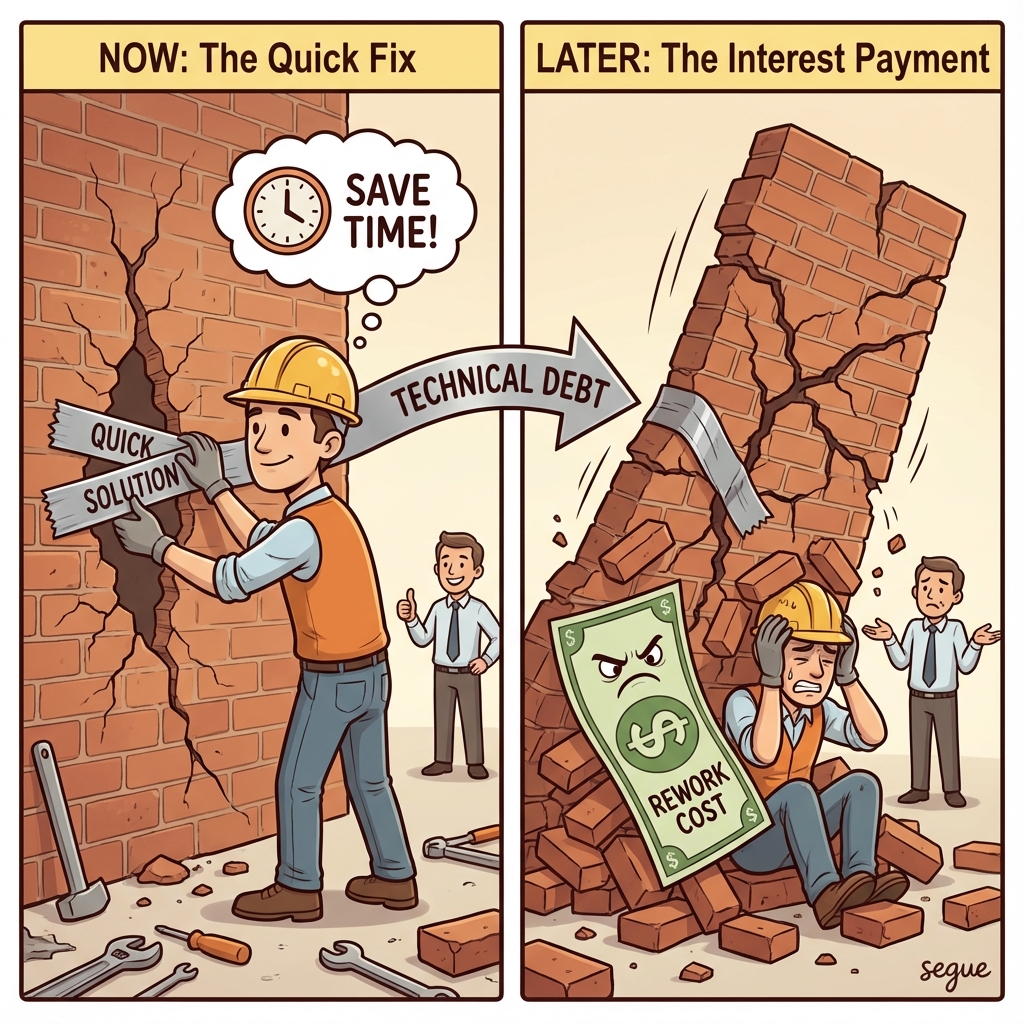
technical debt
/ˌteknɪkəl ˈdet/Implied cost of future rework caused by choosing quick solutions
“We've accumulated significant technical debt that's slowing down development.”
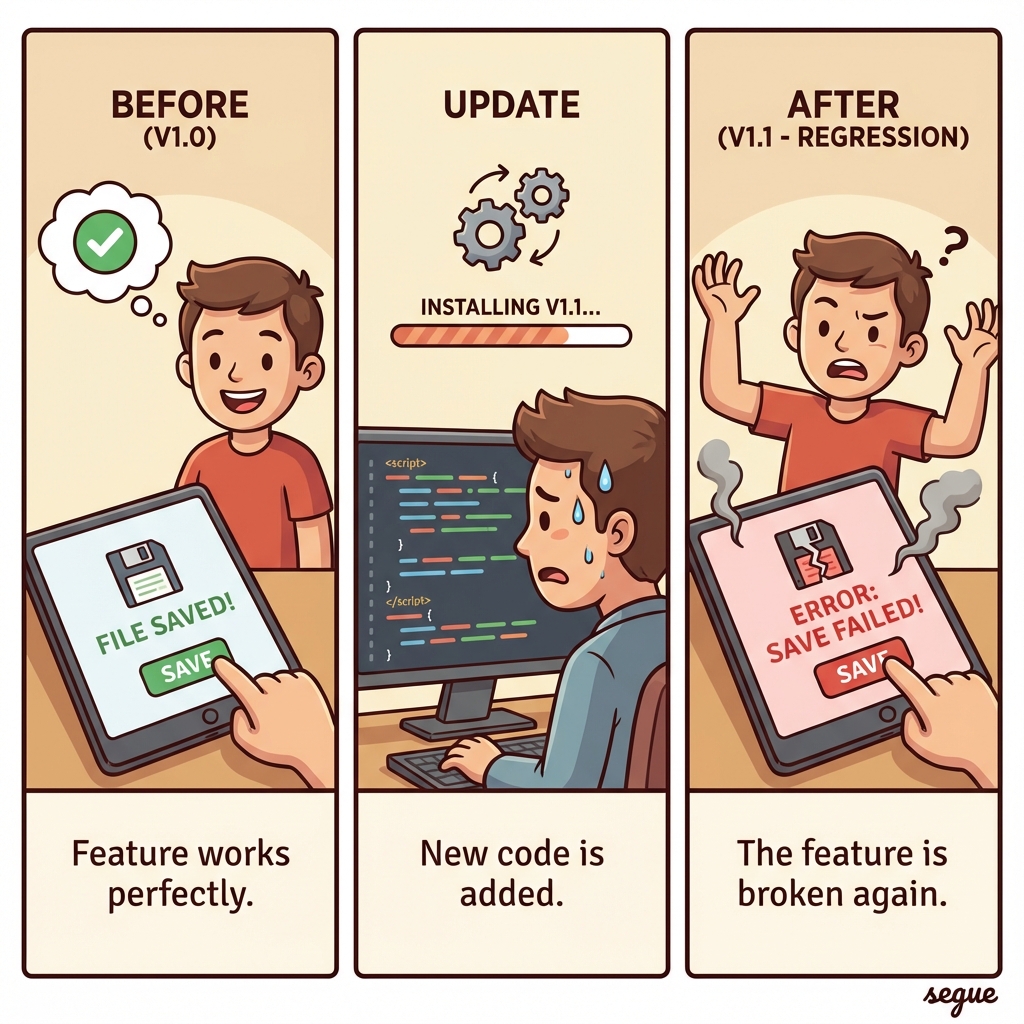
regression
/ɹəˈɡɹɛʃən/A bug that causes a feature that worked before to stop working
“The new release introduced a regression in the payment flow.”
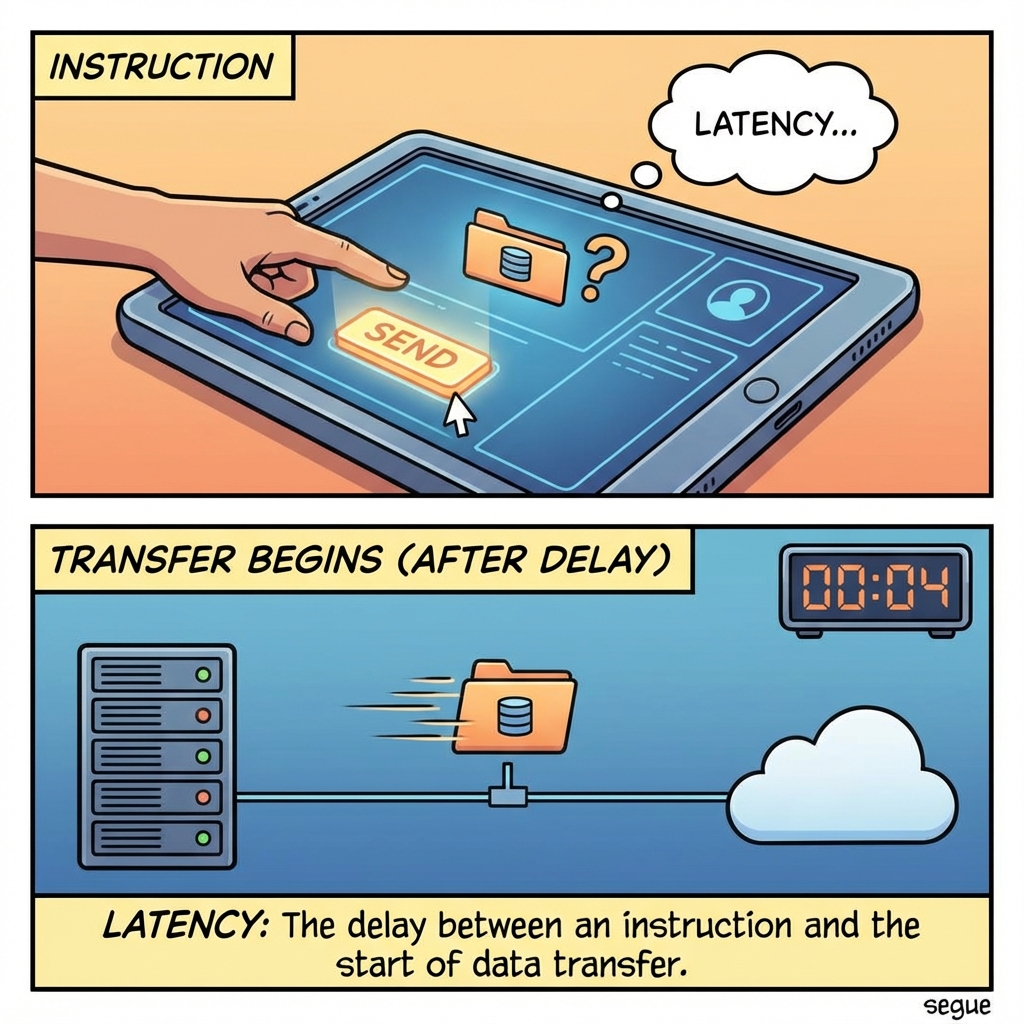
latency
/ˈɫeɪtənsi/The delay before a transfer of data begins
“We reduced latency by deploying servers closer to our users.”
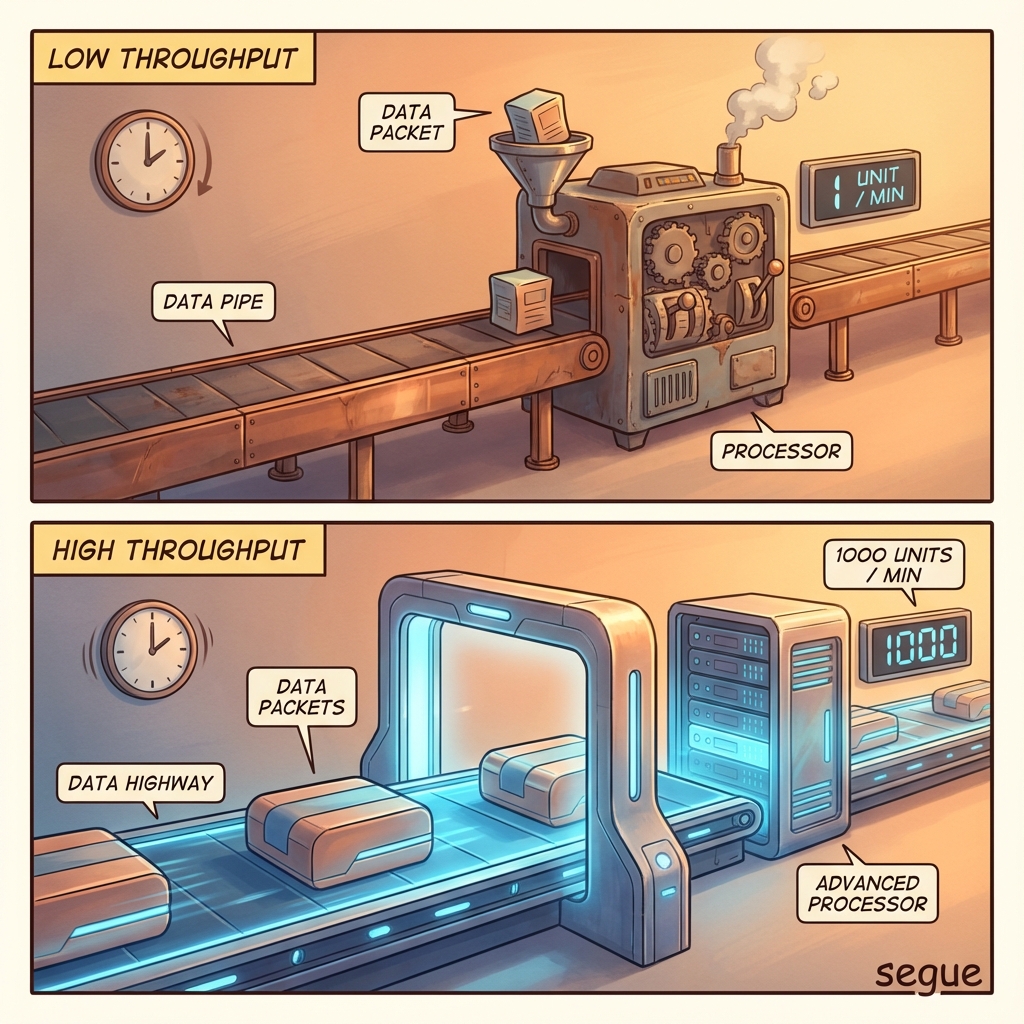
throughput
/ˈθɹuˌpʊt/The amount of data processed in a given time period
“The new database configuration doubled our throughput.”
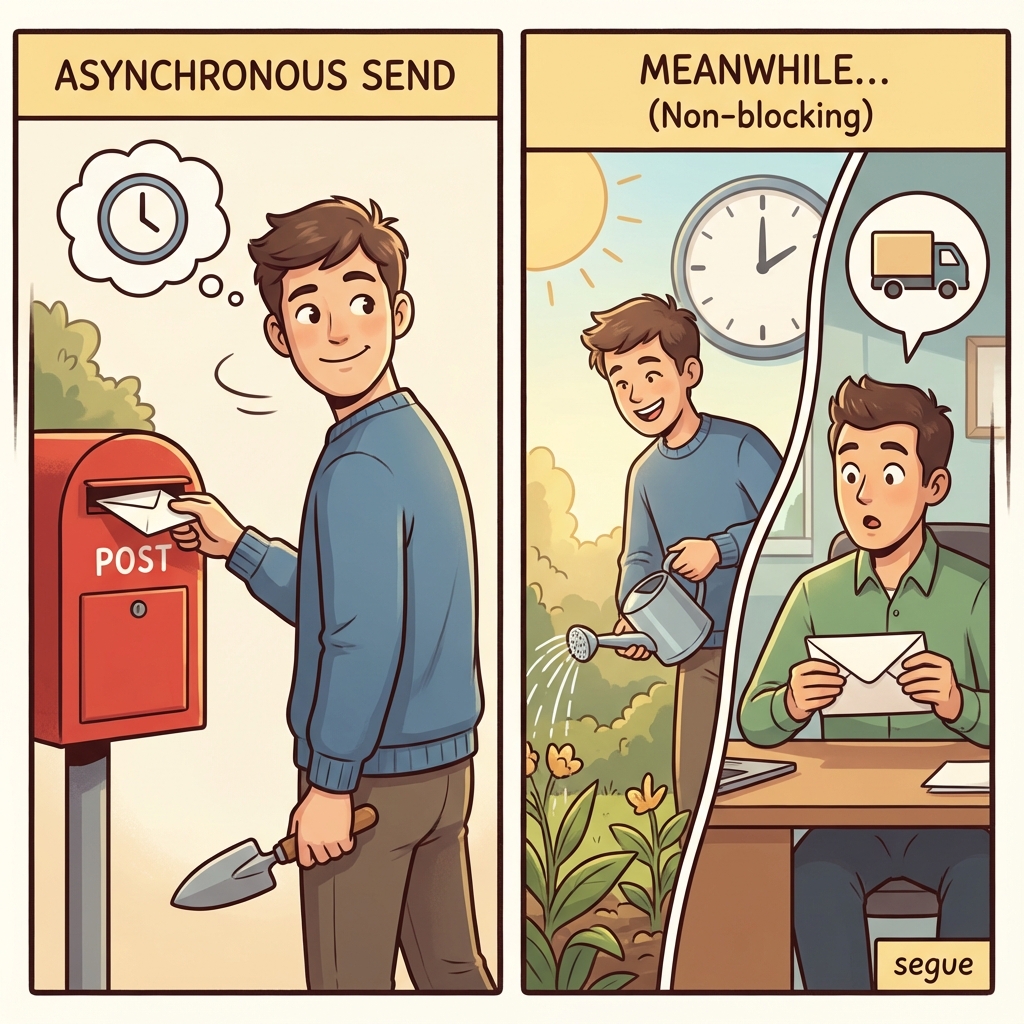
asynchronous
/ˈeɪˈsɪŋkɹənəs/Not occurring at the same time; non-blocking operations
“Asynchronous processing prevents the UI from freezing during long operations.”
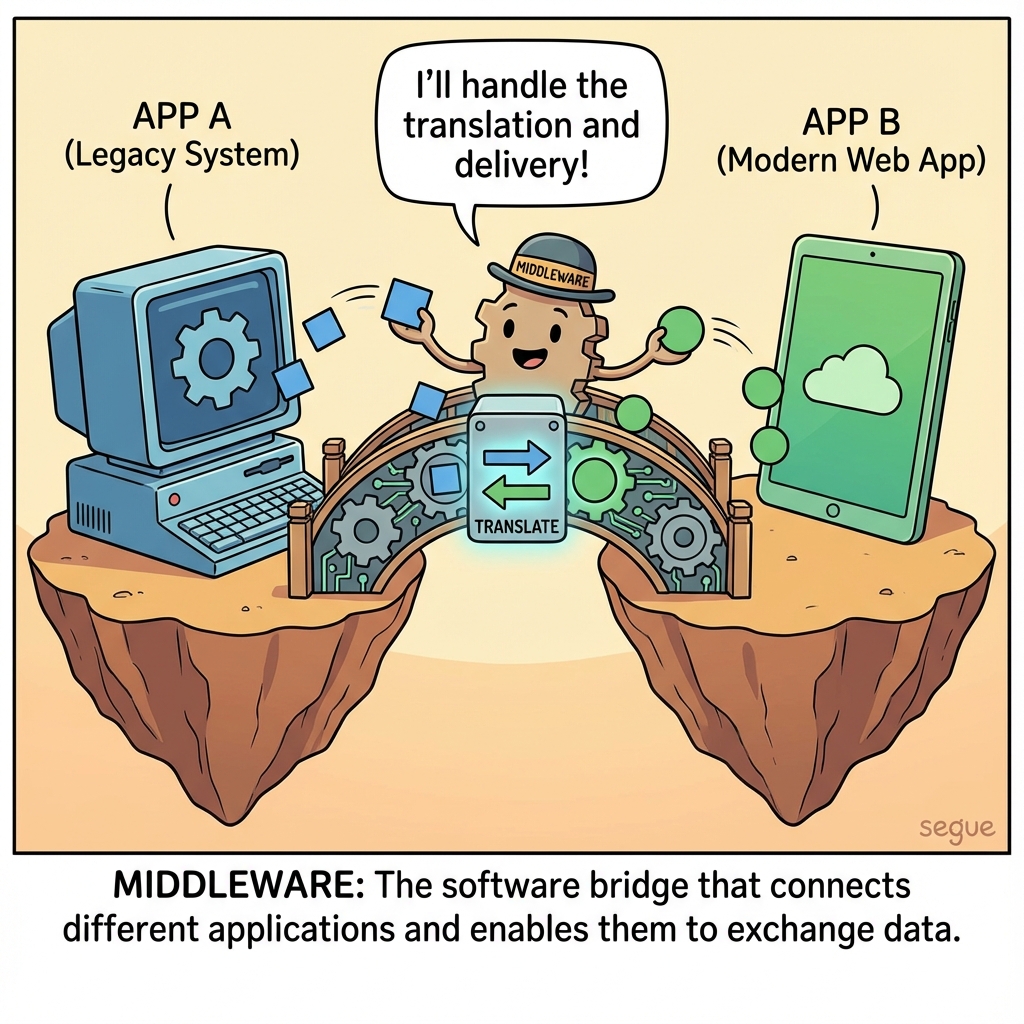
middleware
/ˈmɪdəlweər/Software that acts as a bridge between different applications
“The authentication middleware validates tokens before requests reach the API.”
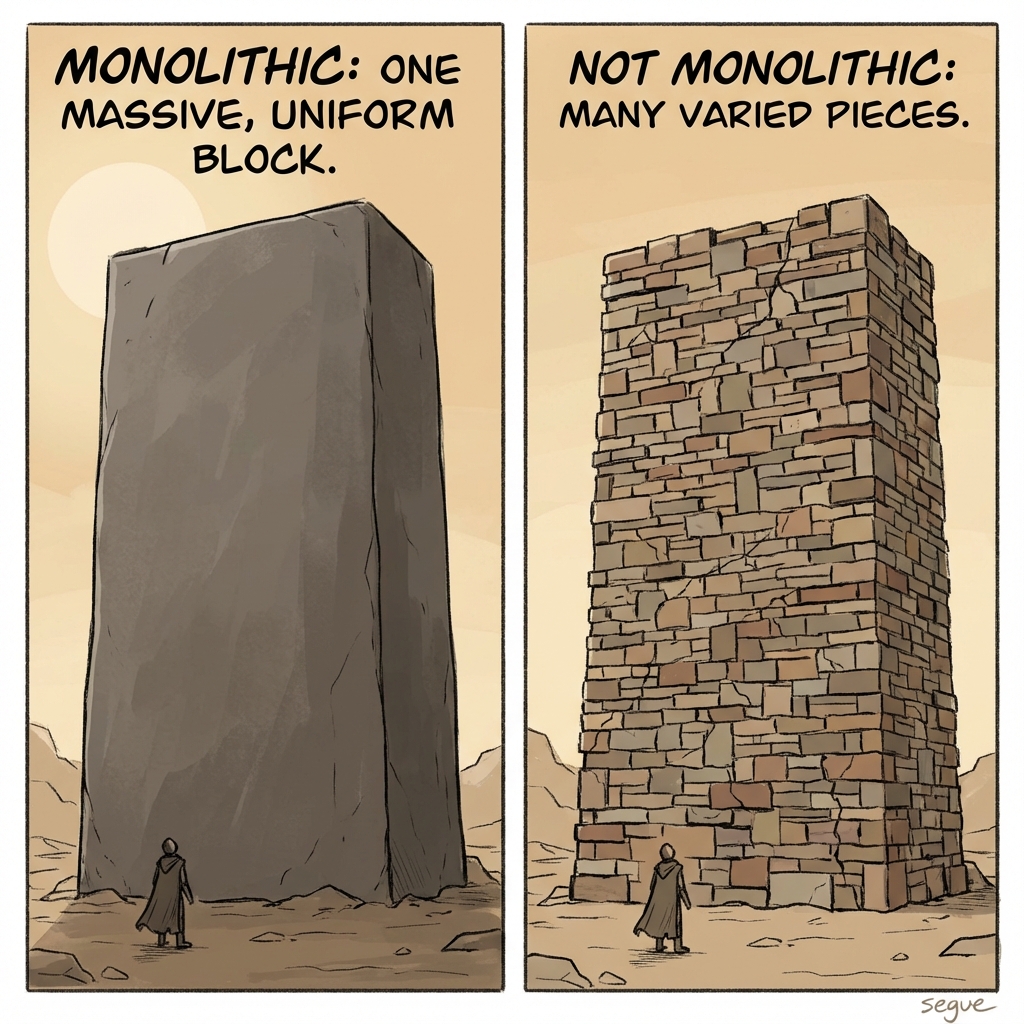
monolithic
/ˌmɑnəˈɫɪθɪk/A single-tiered software application with all components unified
“We're breaking down the monolithic application into microservices.”
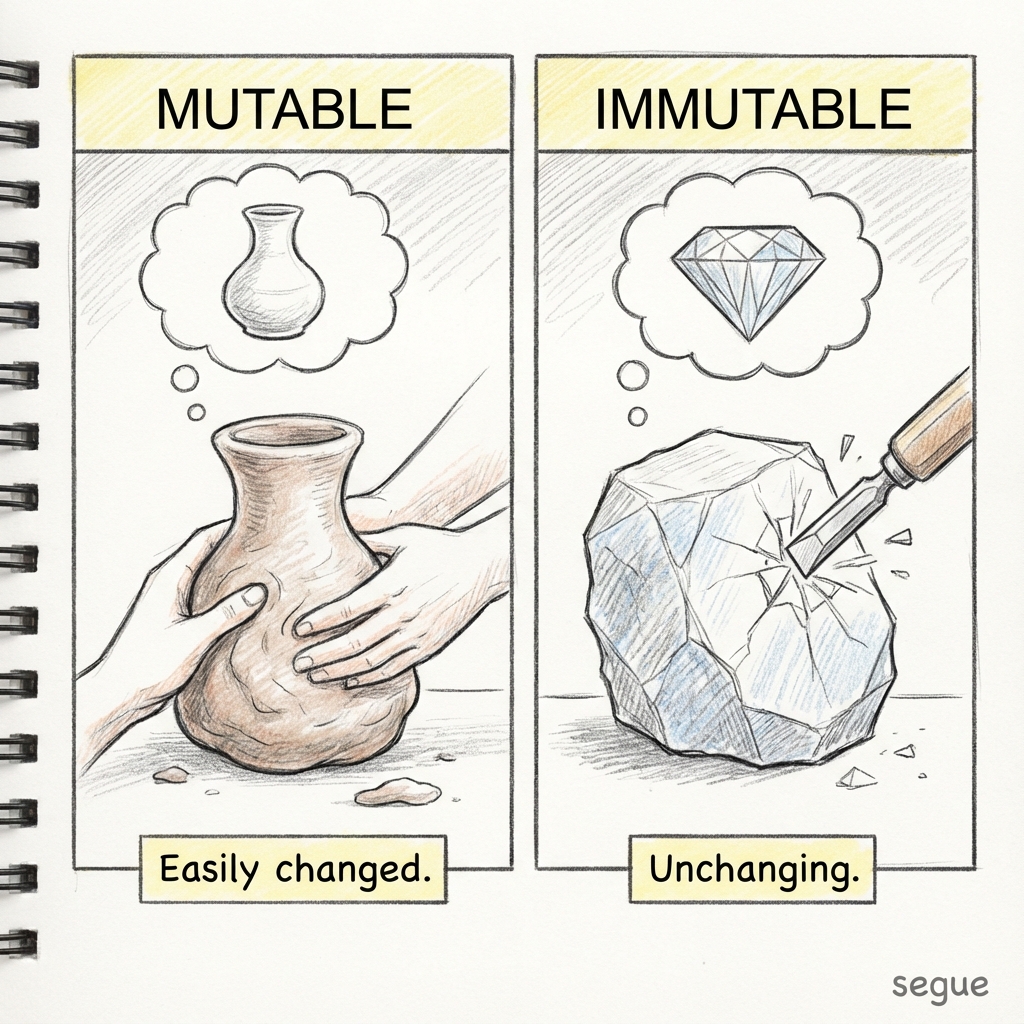
immutable
/ˌɪmˈjutəbəɫ/Unable to be changed after creation
“Using immutable data structures prevents accidental state mutations.”
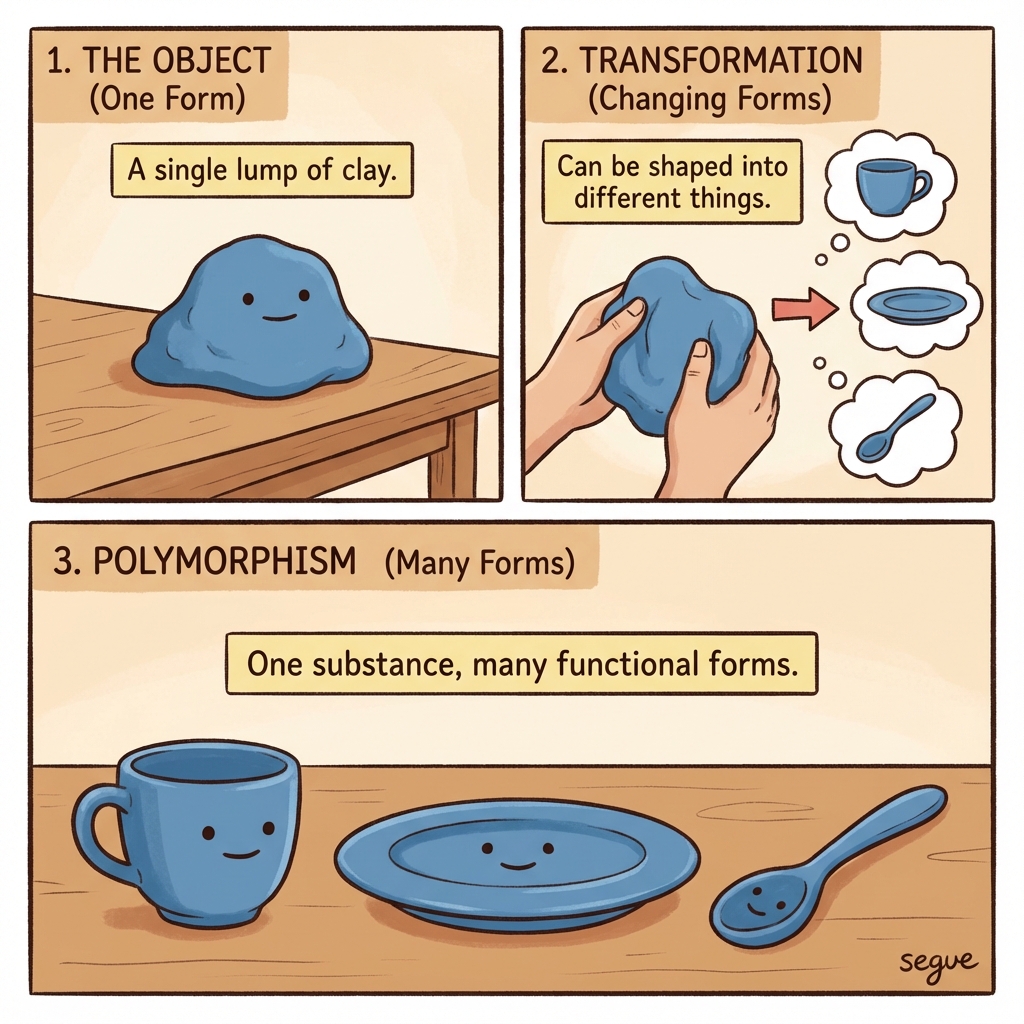
polymorphism
/ˌpɑˌɫiˈmɔɹfɪzm/The ability of objects to take many forms
“Polymorphism allows us to write flexible, reusable code.”
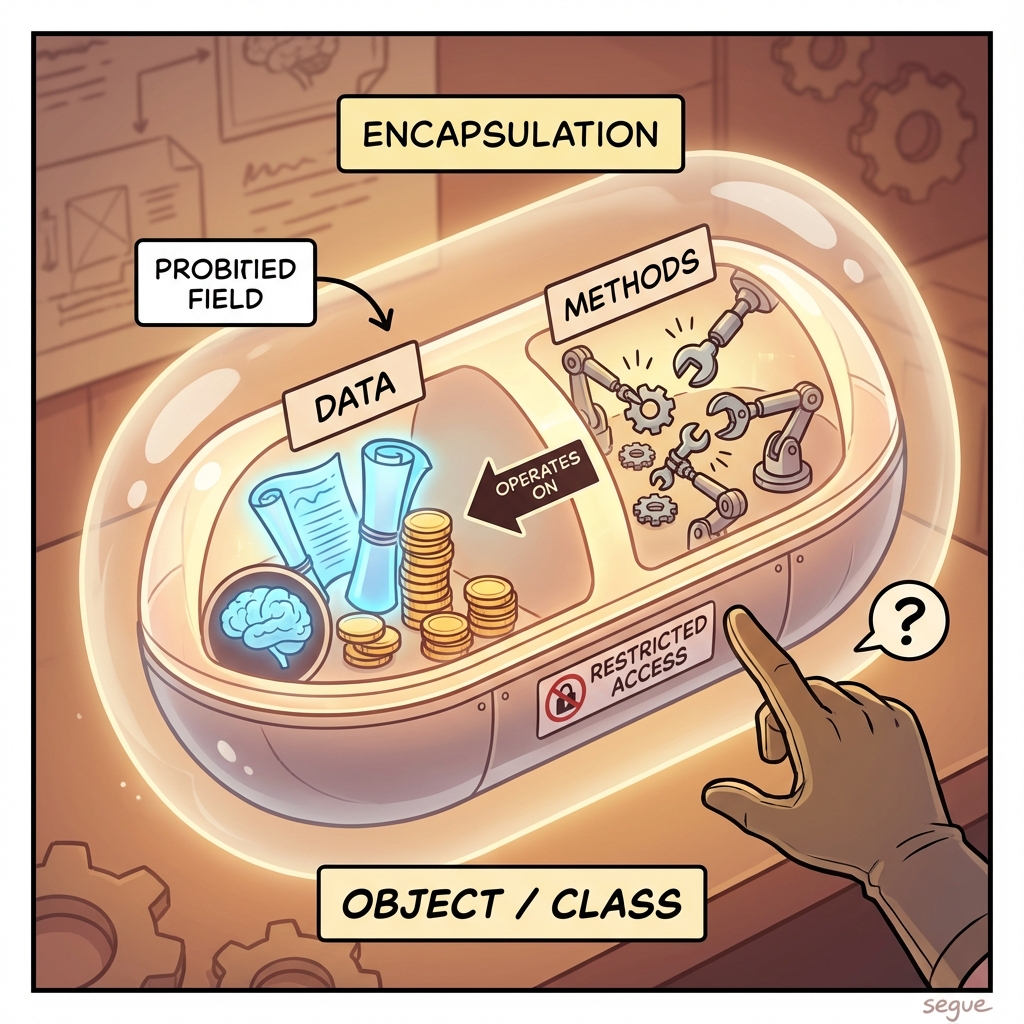
encapsulation
/ɪnˌkæpsjʊˈleɪʃən/Bundling data with methods that operate on that data
“Encapsulation protects internal state from external interference.”
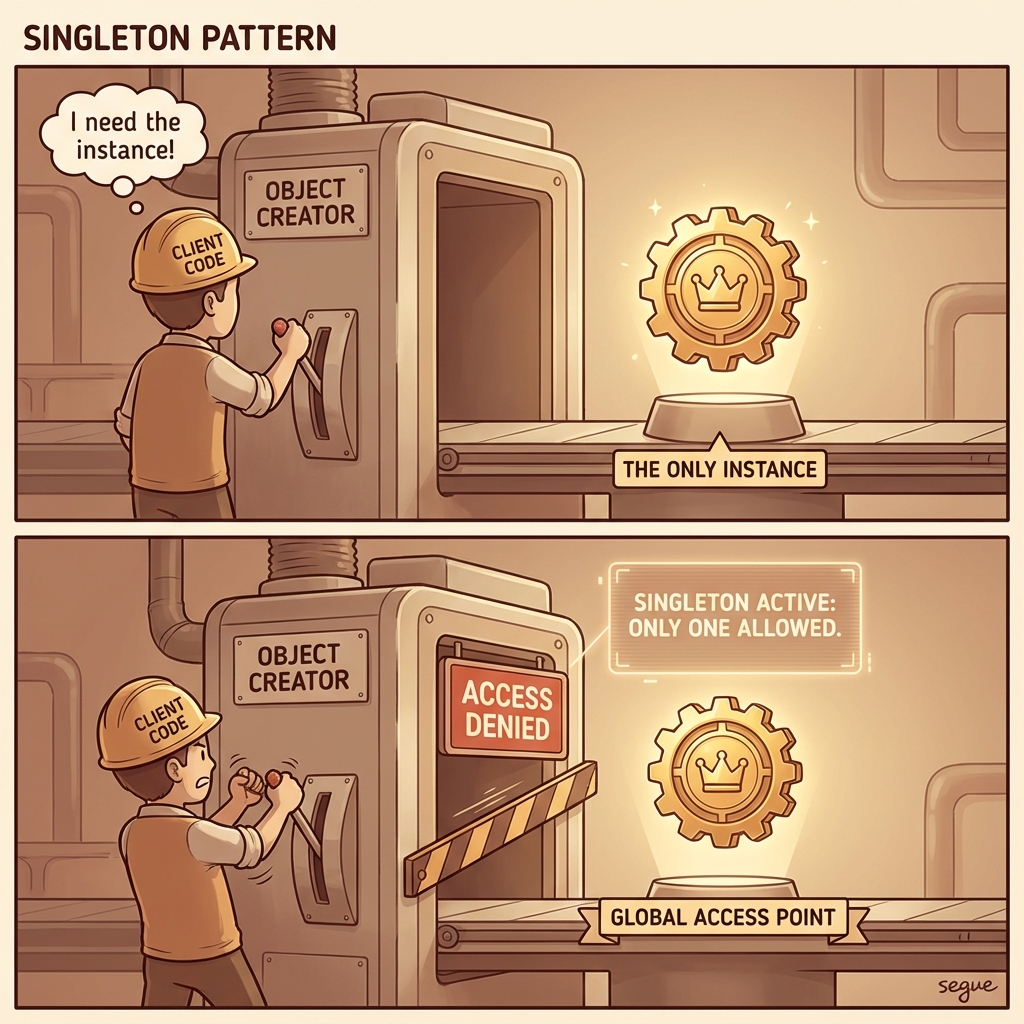
singleton
/ˈsɪŋɡəɫtən/A design pattern restricting instantiation to one object
“The database connection pool is implemented as a singleton.”
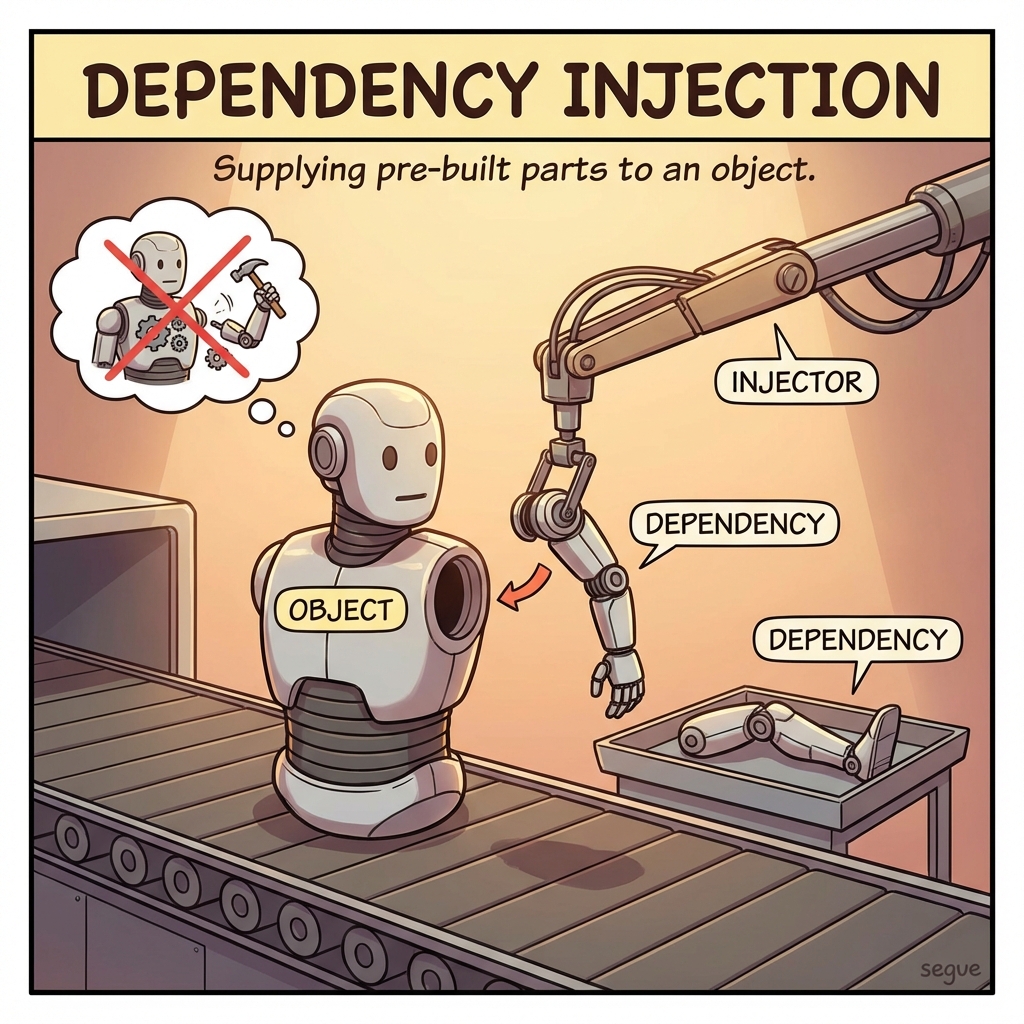
dependency injection
/dɪˈpendənsi ɪnˌdʒekʃən/Supplying dependencies to an object rather than creating them internally
“Dependency injection makes our code more testable and modular.”
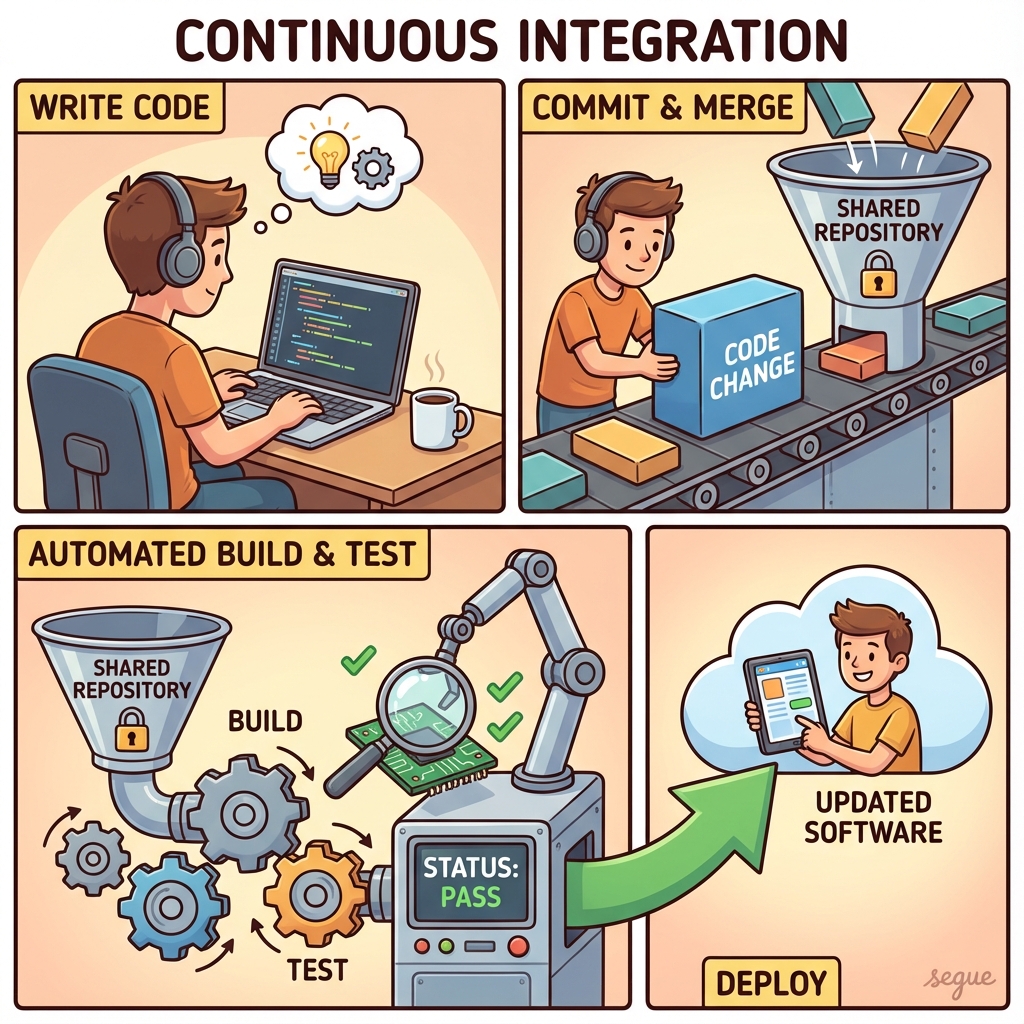
continuous integration
/kənˌtɪnjuəs ˌɪntɪˈɡreɪʃən/Frequently merging code changes into a shared repository
“Continuous integration catches bugs early in the development cycle.”
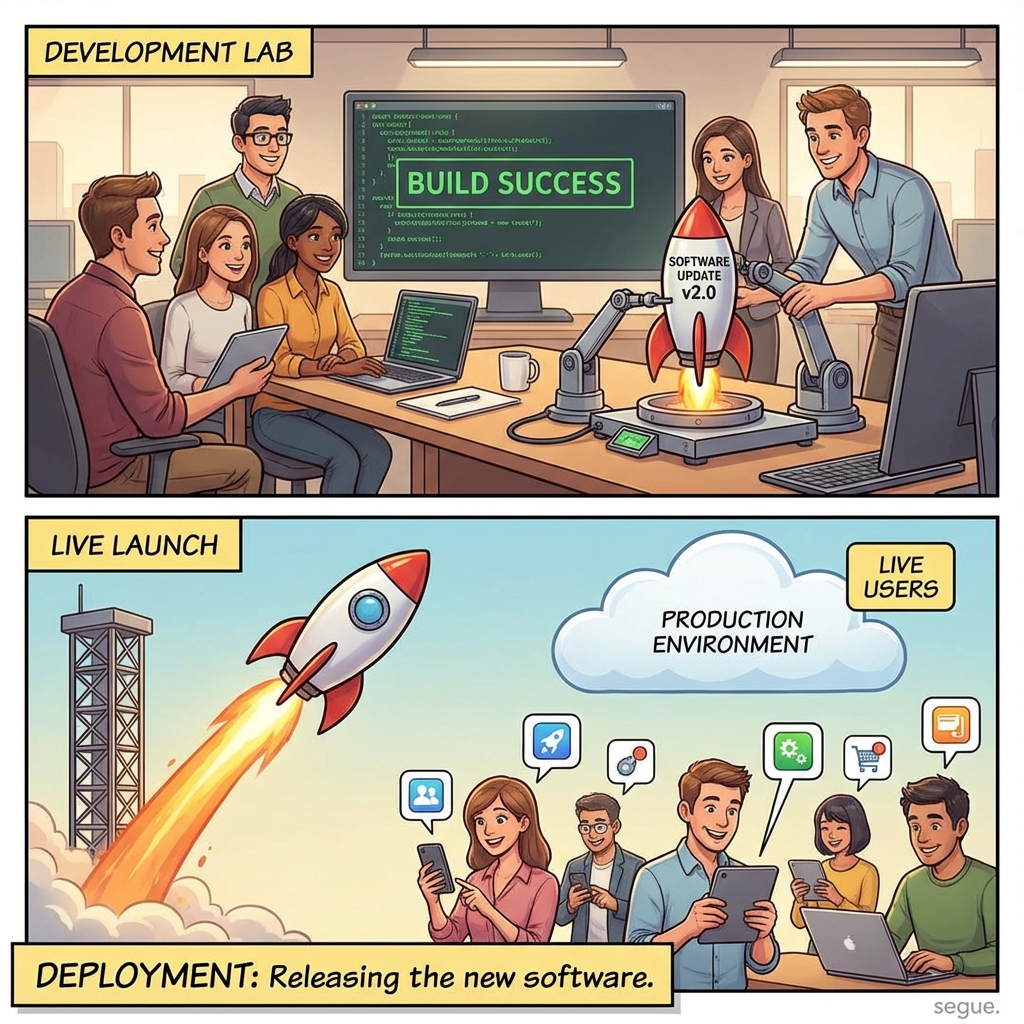
deployment
/dɪˈpɫɔɪmənt/The process of releasing software to a production environment
“The deployment pipeline automates testing and release processes.”
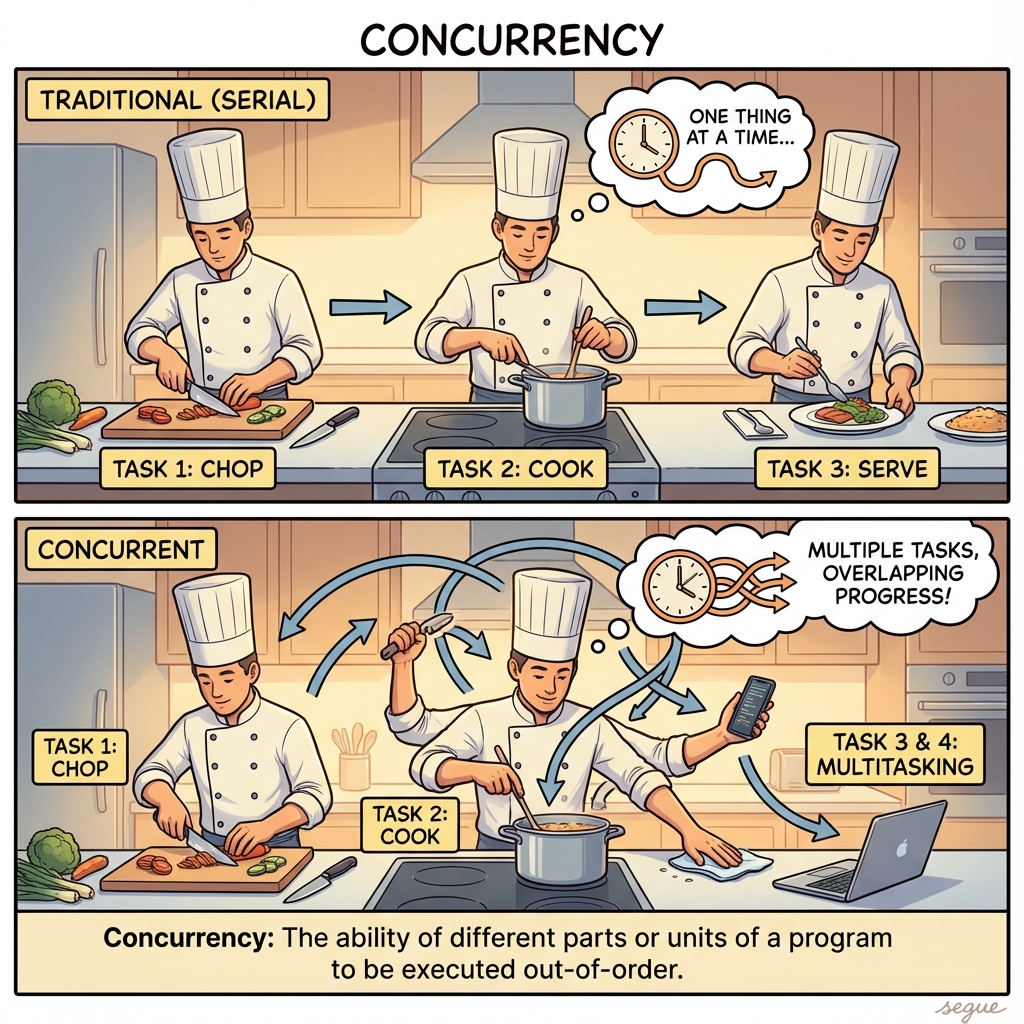
concurrency
/kənˈkʌrənsi/The ability of different parts or units of a program to be executed out-of-order
“Concurrency improves performance on multi-core processors.”
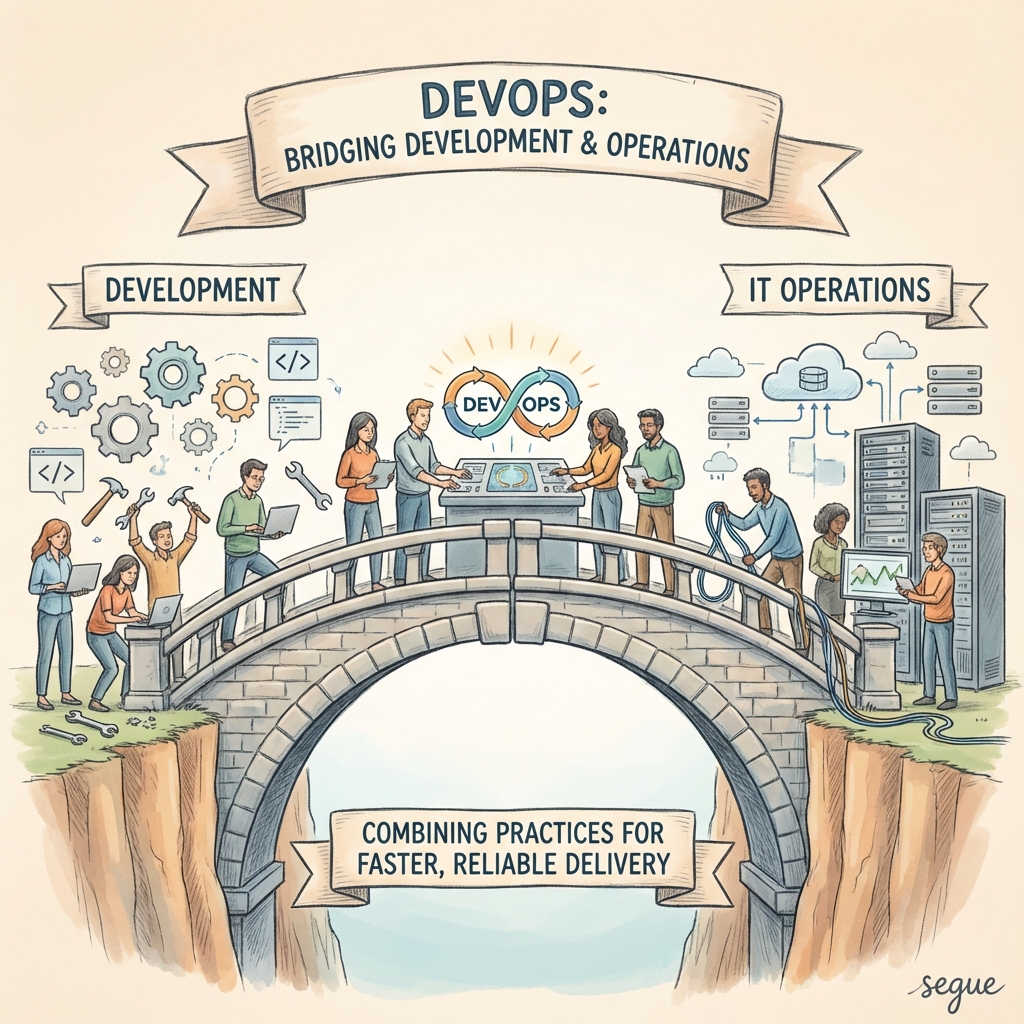
devops
/ˈdevɒps/A set of practices that combines software development and IT operations
“DevOps practices have shortened our development cycle.”
More from Professional & Legal
Explore other vocabulary categories in this collection.