Loading collection...
🪞
Self-Perception Biases Vocabulary
Distortions in how we view ourselves
10 words
All 10 Words
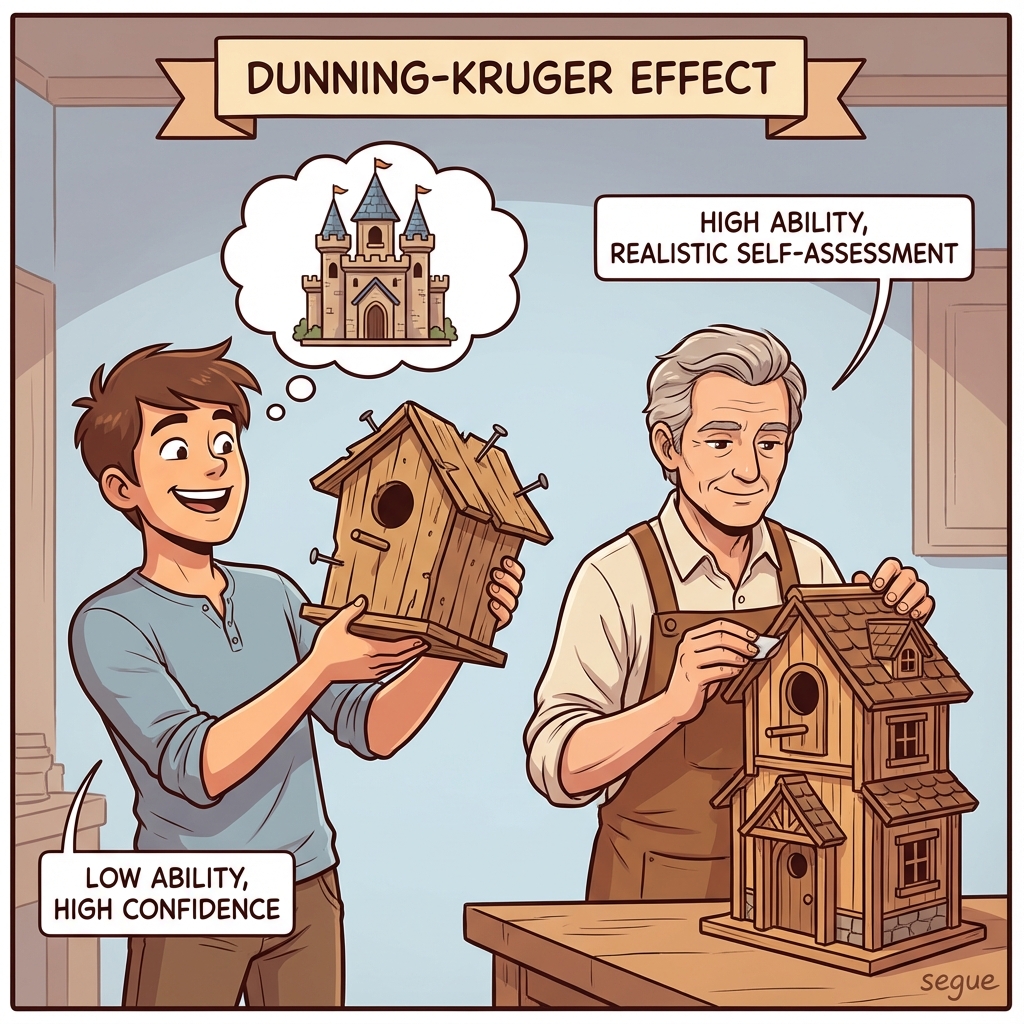
Dunning-Kruger effect
/ˌdʌnɪŋ ˈkruːɡər ɪˌfekt/the tendency for unskilled individuals to overestimate their ability
“The Dunning-Kruger effect explains why the loudest voice isn't always the most expert.”

impostor syndrome
/ɪmˈpɒstər ˌsɪndroʊm/persistent feelings of inadequacy despite evident success
“Despite her promotion, impostor syndrome made her feel she'd fooled everyone.”
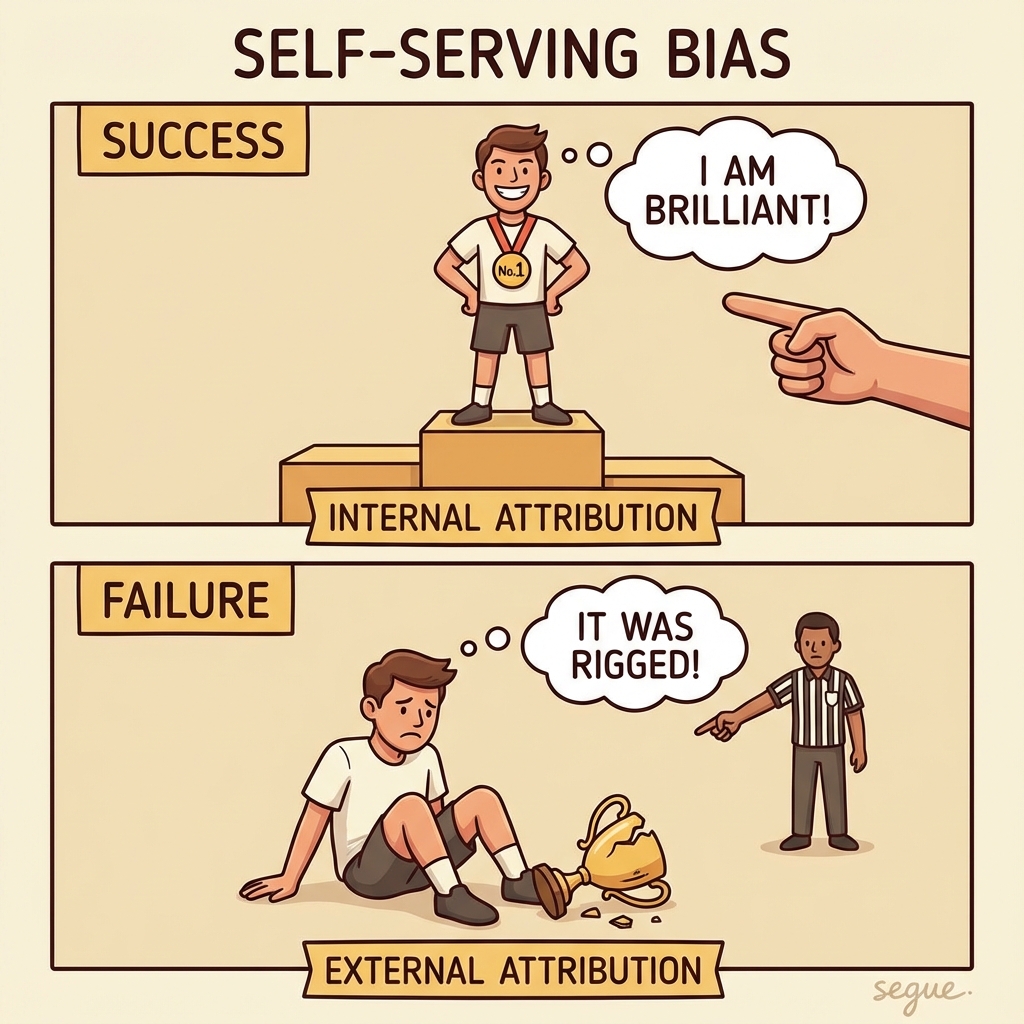
self-serving bias
/ˌself ˌsɜːrvɪŋ ˈbaɪəs/attributing success to oneself and failure to external factors
“Self-serving bias: 'I aced it because I'm smart; I failed because the test was unfair.'”

optimism bias
/ˈɒptɪmɪzəm ˌbaɪəs/believing oneself less likely to experience negative events
“Optimism bias makes smokers think lung cancer happens to other people.”

illusory superiority
/ɪˌluːsəri suːˌpɪəriˈɒrɪti/overestimating one's qualities relative to others
“Illusory superiority: 90% of drivers think they're above average.”
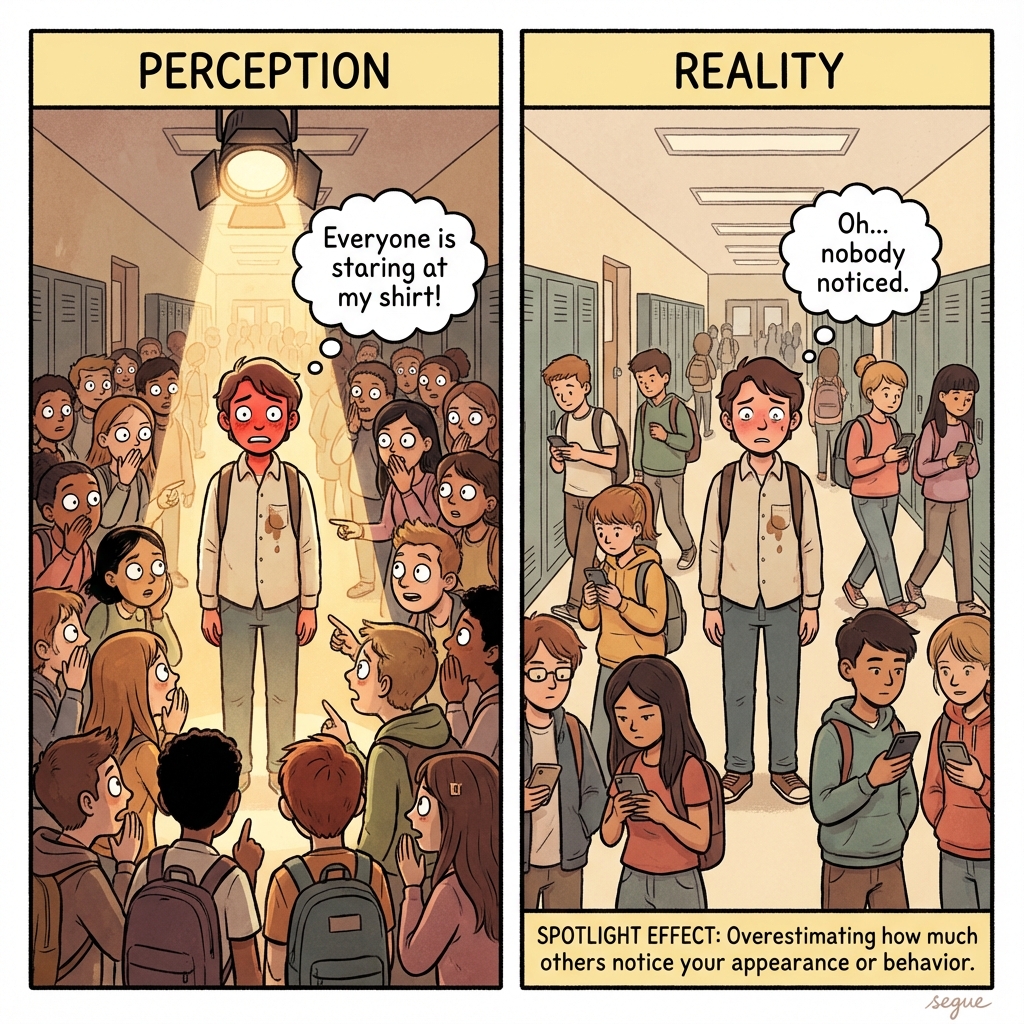
spotlight effect
/ˈspɒtlaɪt ɪˌfekt/overestimating how much others notice your appearance or behavior
“The spotlight effect made him think everyone noticed his small stain.”
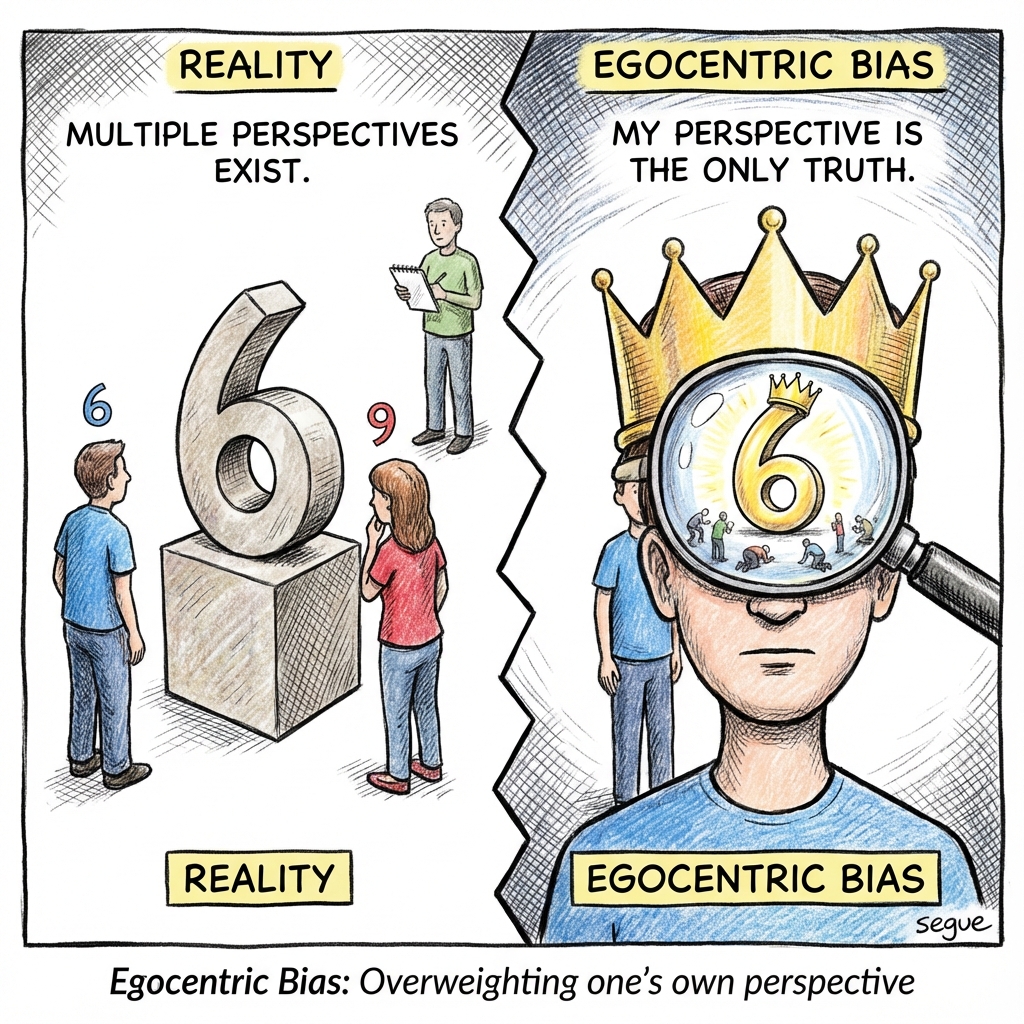
egocentric bias
/ˌiːɡoʊˈsentrɪk ˌbaɪəs/overweighting one's own perspective
“Egocentric bias made her assume her experience was universal.”

self-enhancement
/ˌself ɪnˈhænsmənt/the tendency to describe oneself more positively than warranted
“Self-enhancement in resumes is expected, but outright fabrication crosses a line.”
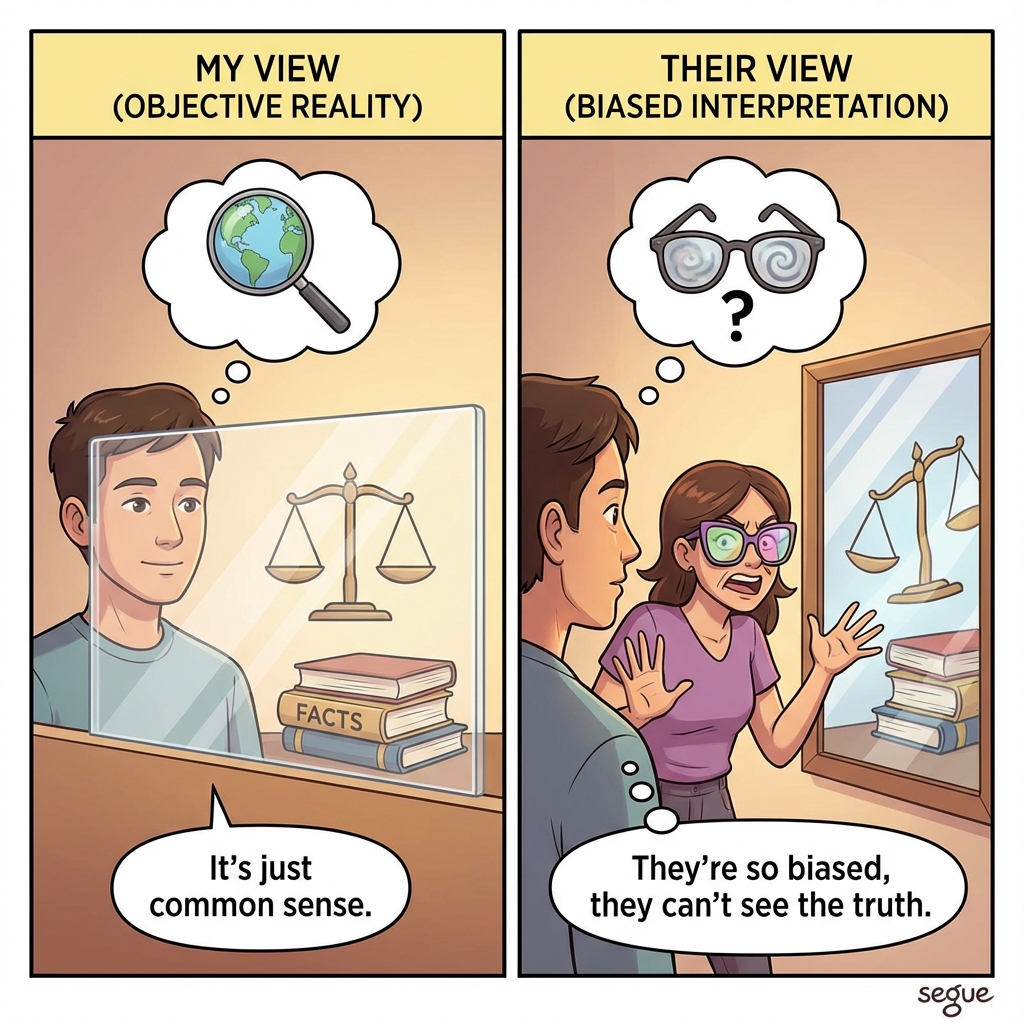
naive realism
/naɪˌiːv ˈriːəlɪzəm/believing one sees the world objectively while others are biased
“Naive realism: 'I'm just stating facts; you're the one being political.'”
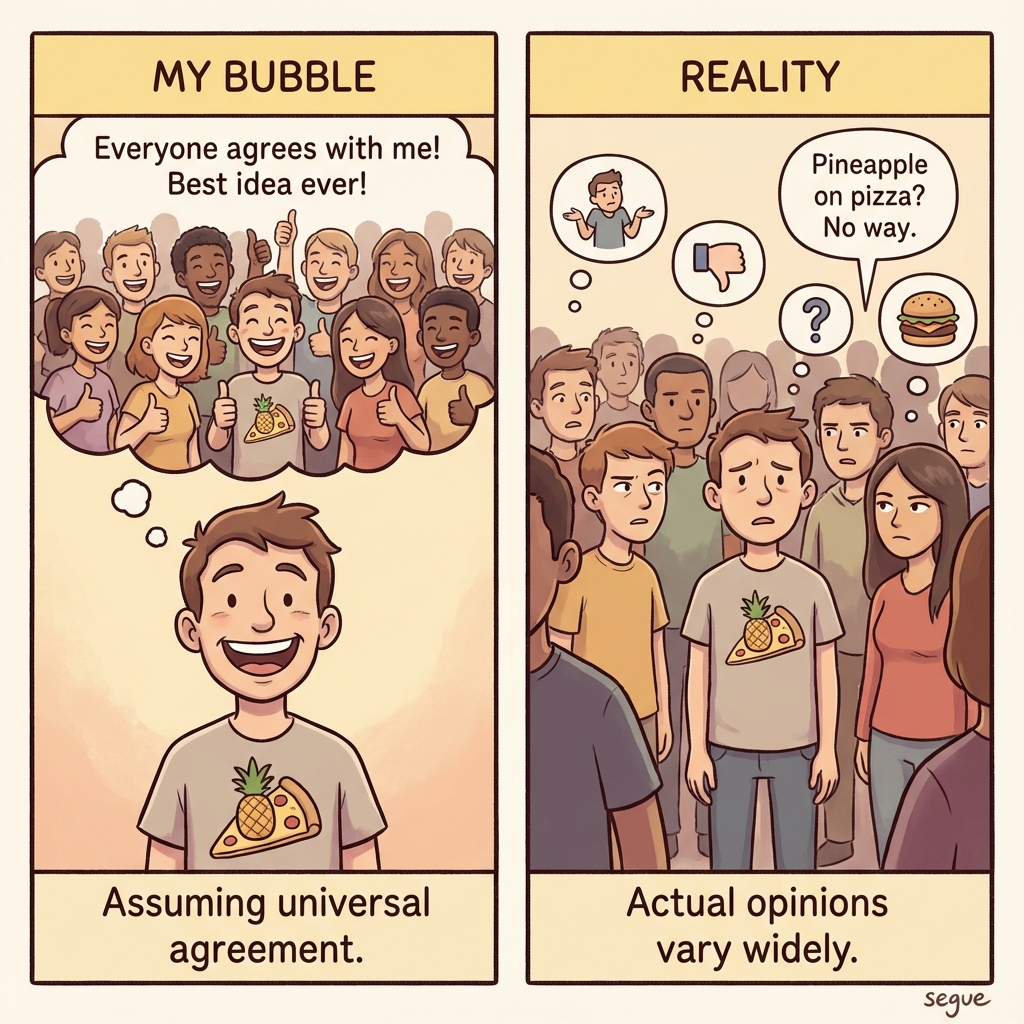
false consensus effect
/ˌfɔːls kənˈsensəs ɪˌfekt/overestimating how much others share one's opinions
“The false consensus effect made him shocked that anyone could disagree.”
More from Emotions & Mind
Explore other vocabulary categories in this collection.