Loading collection...
💡
Revealed & Obvious Vocabulary
Words about disclosure, clarity, and transparency
22 words
All 22 Words

overt
/ˈoʊvɝt/done or shown openly; plainly apparent
“His overt hostility made collaboration impossible.”

manifest
/ˈmænəˌfɛst/clear or obvious to the eye or mind
“Her talent was manifest from an early age.”

patent
/ˈpætənt/easily recognizable; obvious
“The patent absurdity of the claim was evident to all.”

palpable
/ˈpæɫpəbəɫ/able to be touched or felt; easily perceived
“The tension in the room was palpable.”

conspicuous
/kənˈspɪkjuəs/standing out so as to be clearly visible
“His absence was conspicuous at the meeting.”
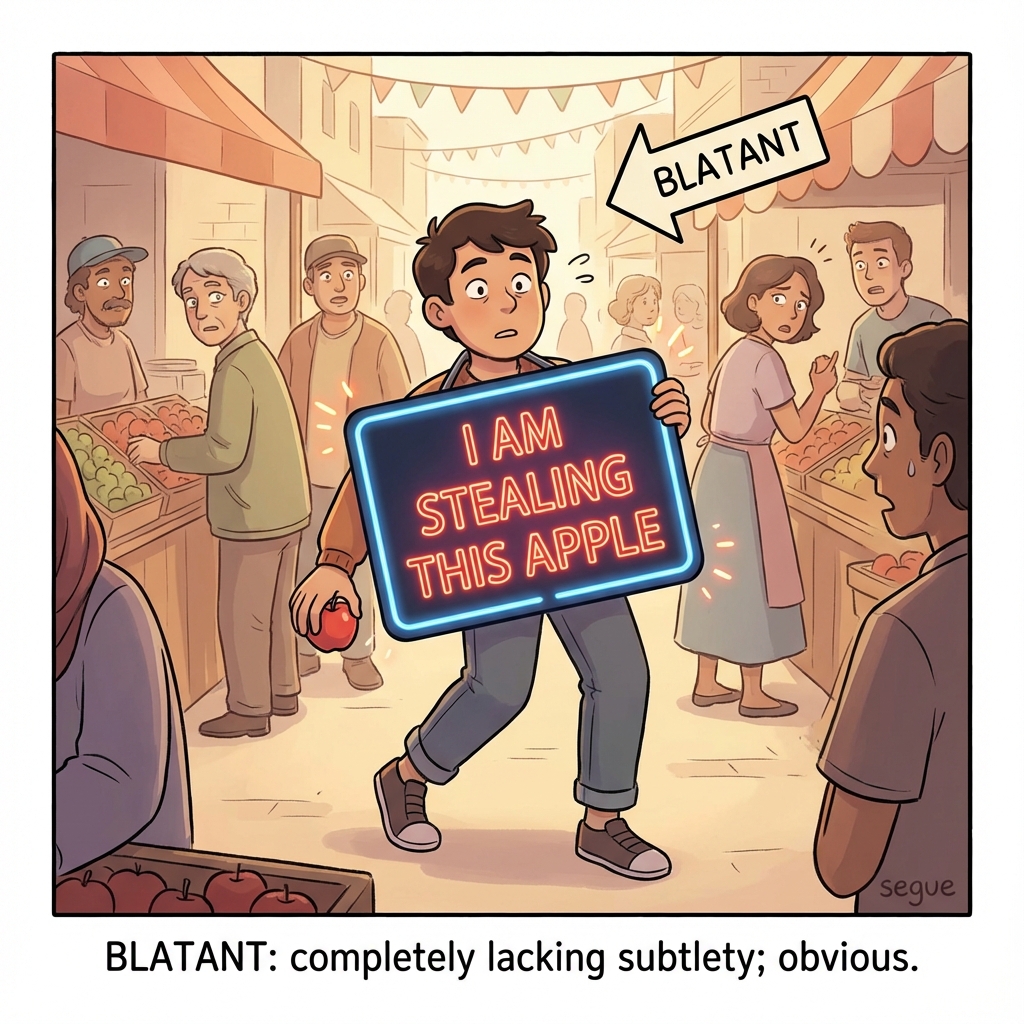
blatant
/ˈbɫeɪtənt/completely lacking subtlety; obvious
“The blatant lie insulted everyone's intelligence.”

flagrant
/ˈfɫeɪɡɹənt/conspicuously offensive or bad
“The flagrant disregard for rules led to penalties.”

glaring
/ˈɡɫɛɹɪŋ/very obvious and disturbing
“The report contained glaring errors.”

stark
/ˈstɑɹk/sharply evident; complete or blunt
“The stark reality was hard to accept.”

transparent
/tɹænˈspɛɹənt/easy to perceive or detect; obvious
“His motives were transparent to everyone.”
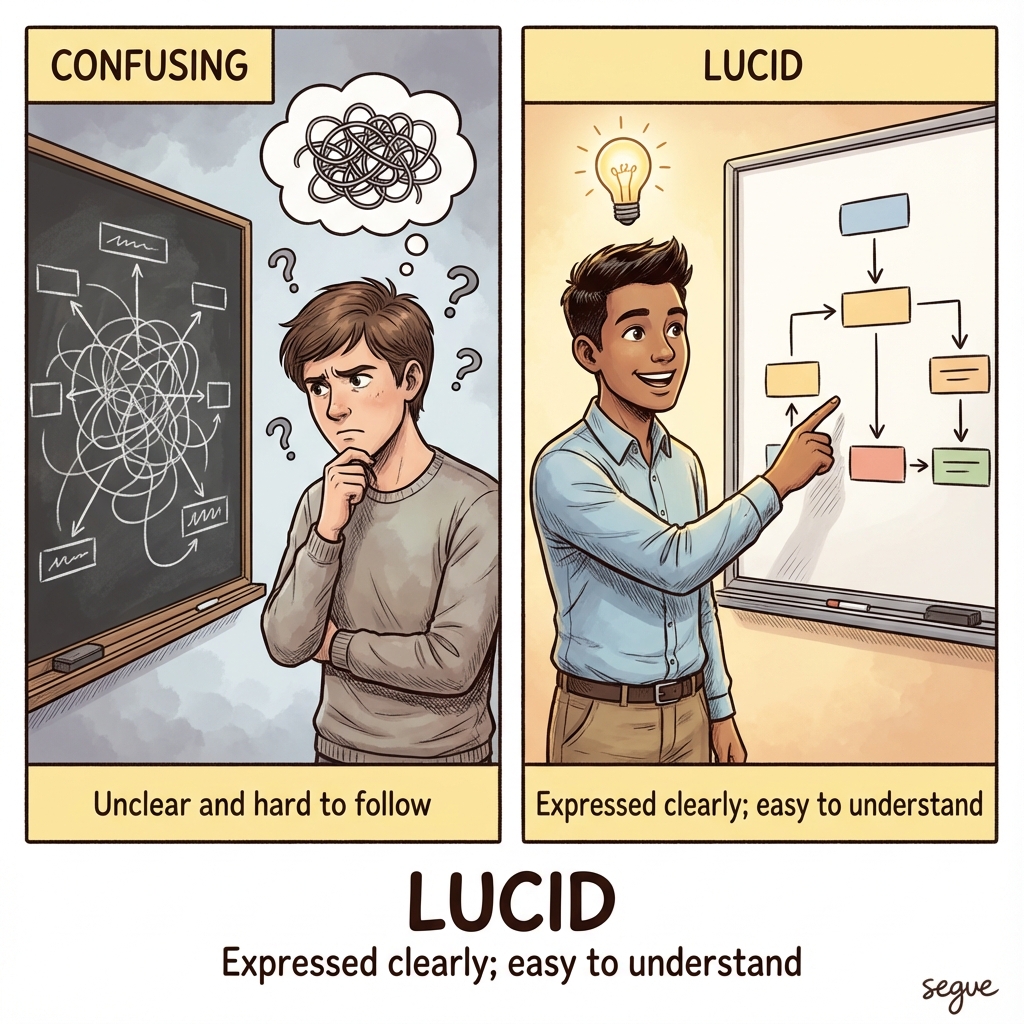
lucid
/ˈɫusəd/expressed clearly; easy to understand
“Her lucid explanation clarified everything.”

explicit
/ɪksˈpɫɪsət/stated clearly and in detail; leaving no doubt
“The instructions were explicit about the procedure.”
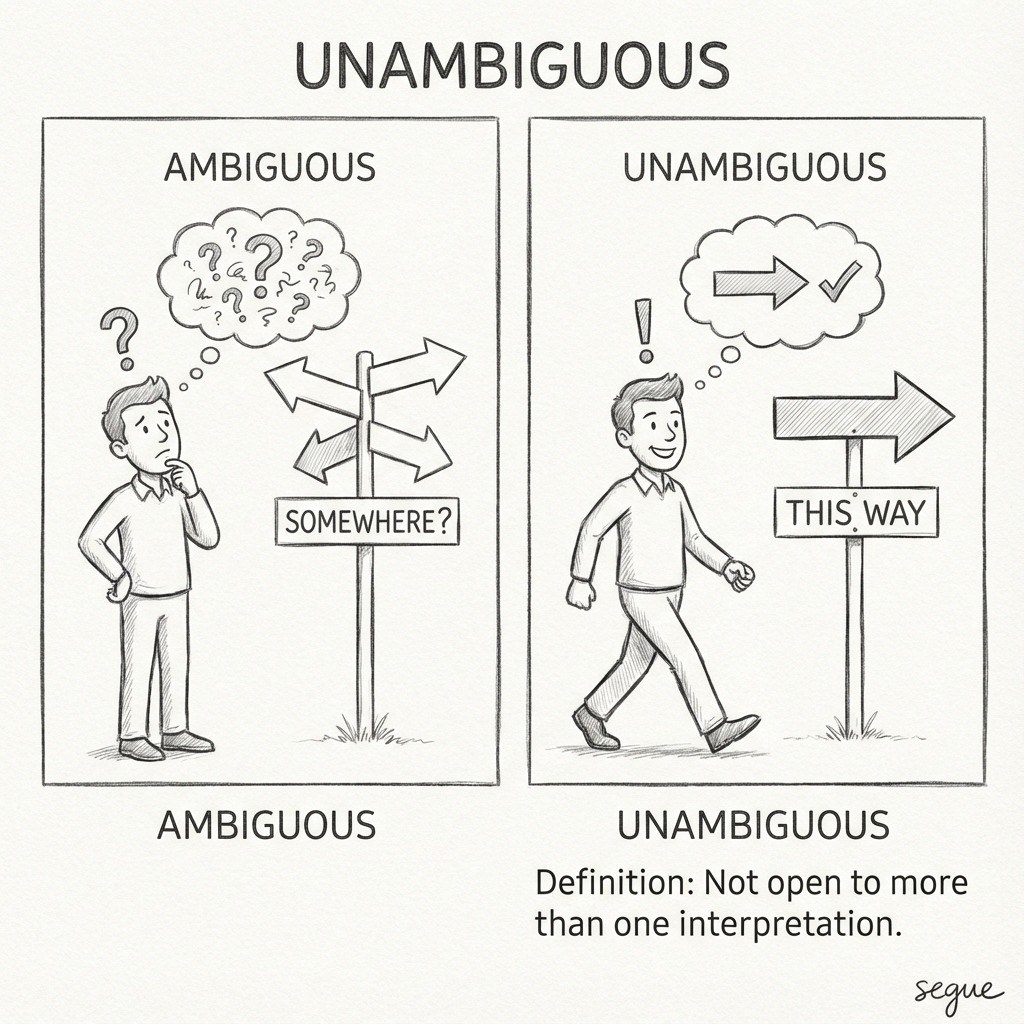
unambiguous
/ˌənæmˈbɪɡjəwəs/not open to more than one interpretation
“The law must be clear and unambiguous.”

unmistakable
/ˌənmɪˈsteɪkəbəɫ/not able to be mistaken for anything else
“The unmistakable sound of thunder rolled across the sky.”
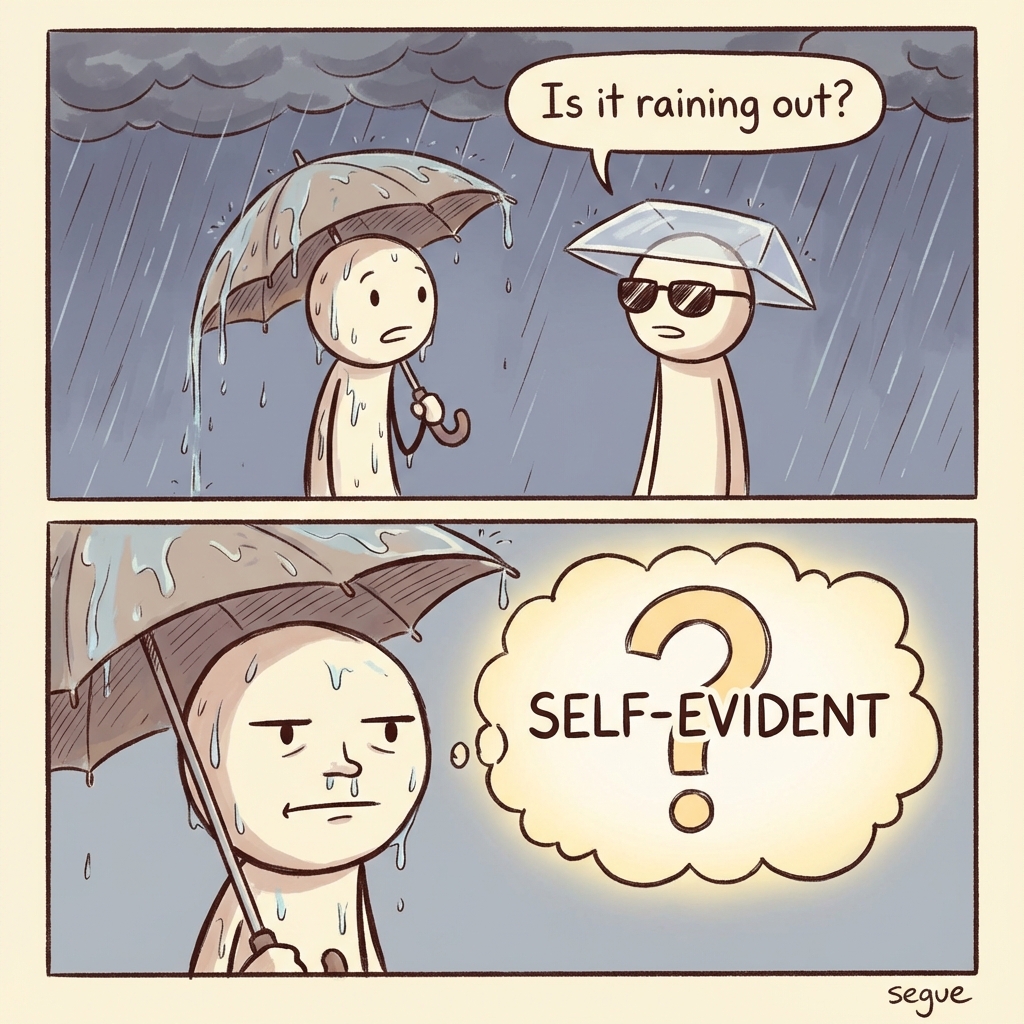
self-evident
/ˌself ˈevɪdənt/not needing to be demonstrated or explained
“The conclusion was self-evident from the data.”
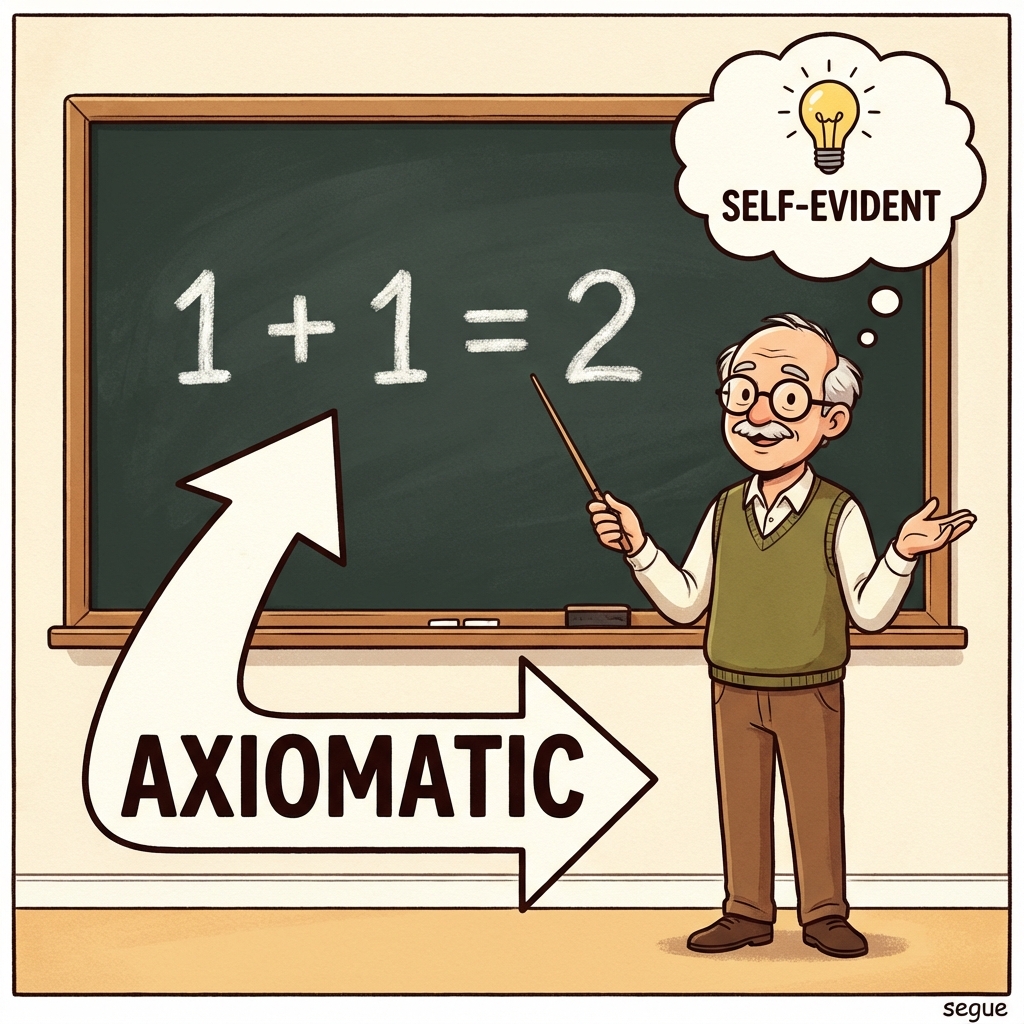
axiomatic
/ˌæksiəˈmætɪk/self-evident or unquestionable
“It is axiomatic that supply affects price.”
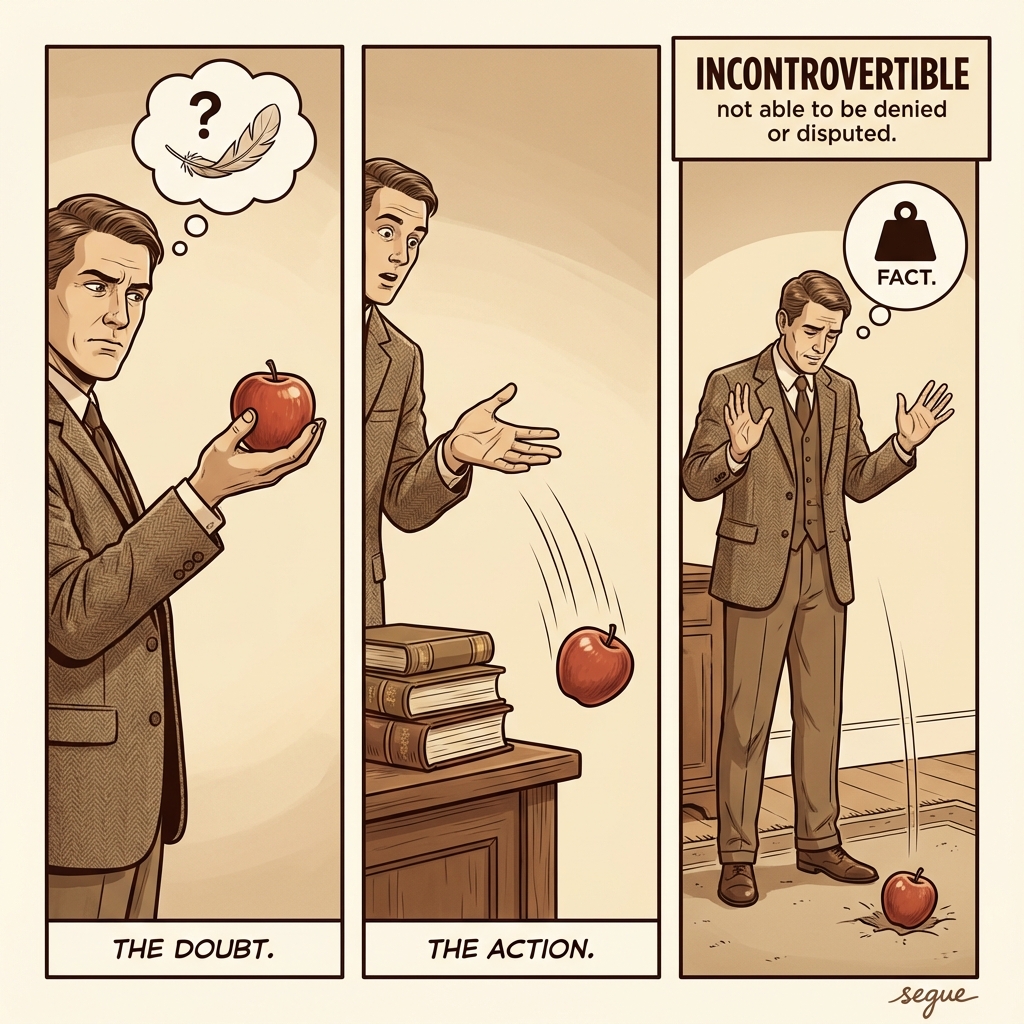
incontrovertible
/ˌɪŋˌkɑntɹoʊˈvɝtɪbəɫ/not able to be denied or disputed
“The evidence was incontrovertible.”
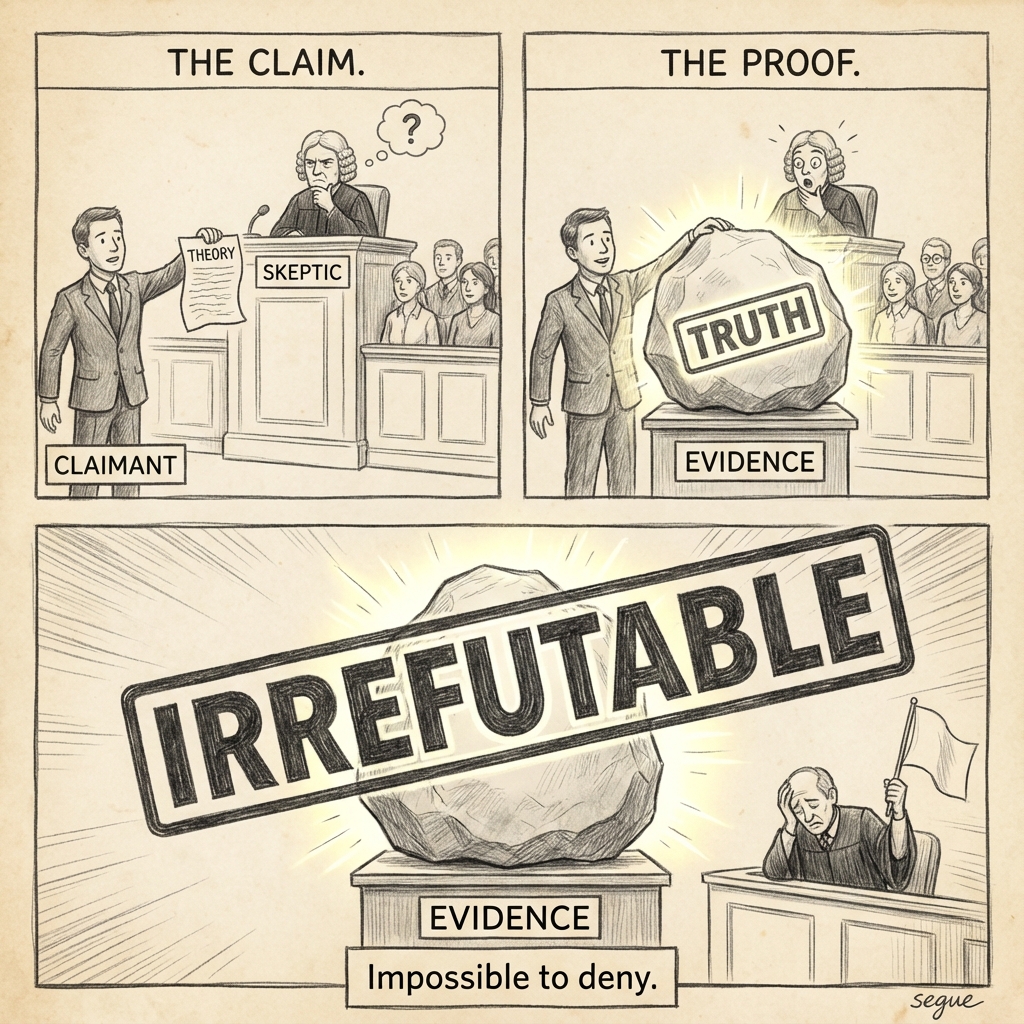
irrefutable
/ˌɪɹəfˈjutəbəɫ/impossible to deny or disprove
“She presented irrefutable proof of his guilt.”
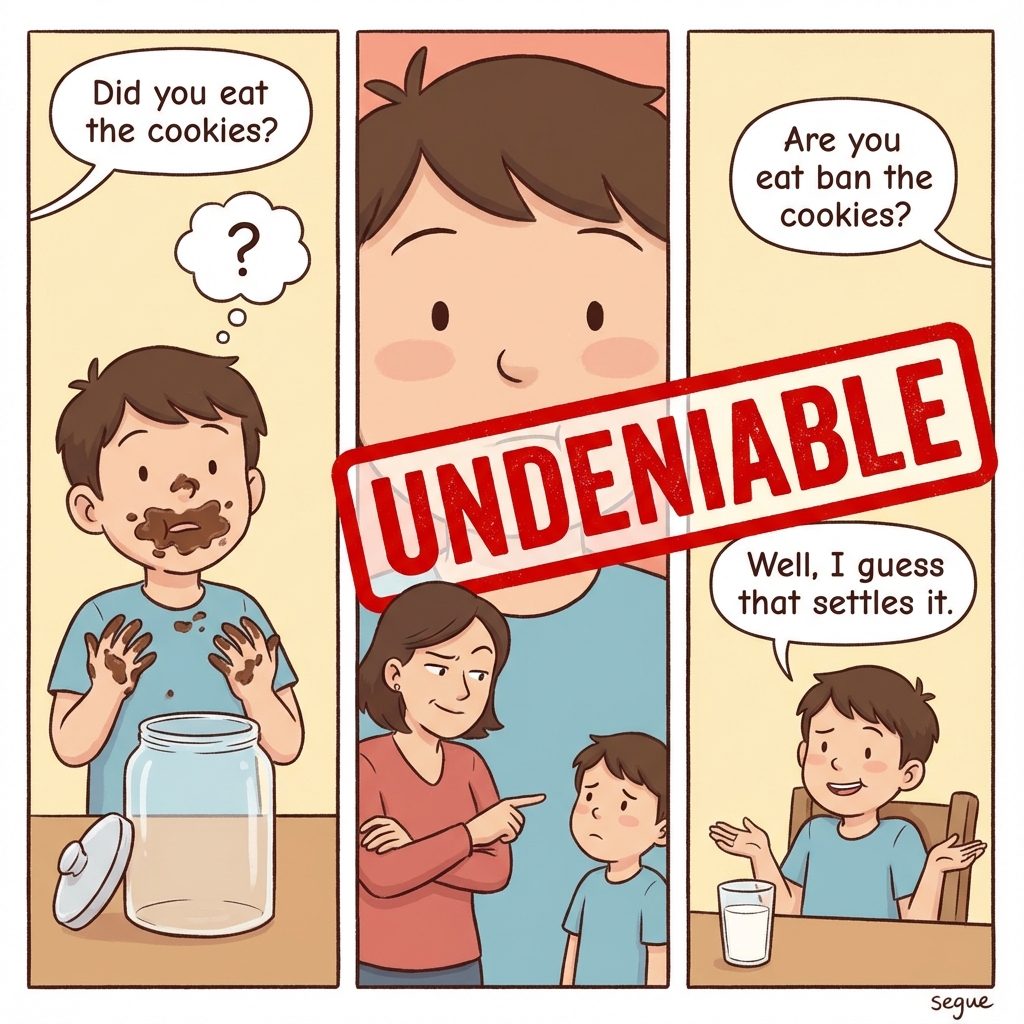
undeniable
/ˌəndɪˈnaɪəbəɫ/unable to be denied or disputed
“His influence on the industry is undeniable.”

divulge
/daɪˈvəɫdʒ/to make known private or sensitive information
“She refused to divulge her sources.”

prominent
/ˈpɹɑmənənt/important; famous; sticking out
“He was a prominent member of the community.”
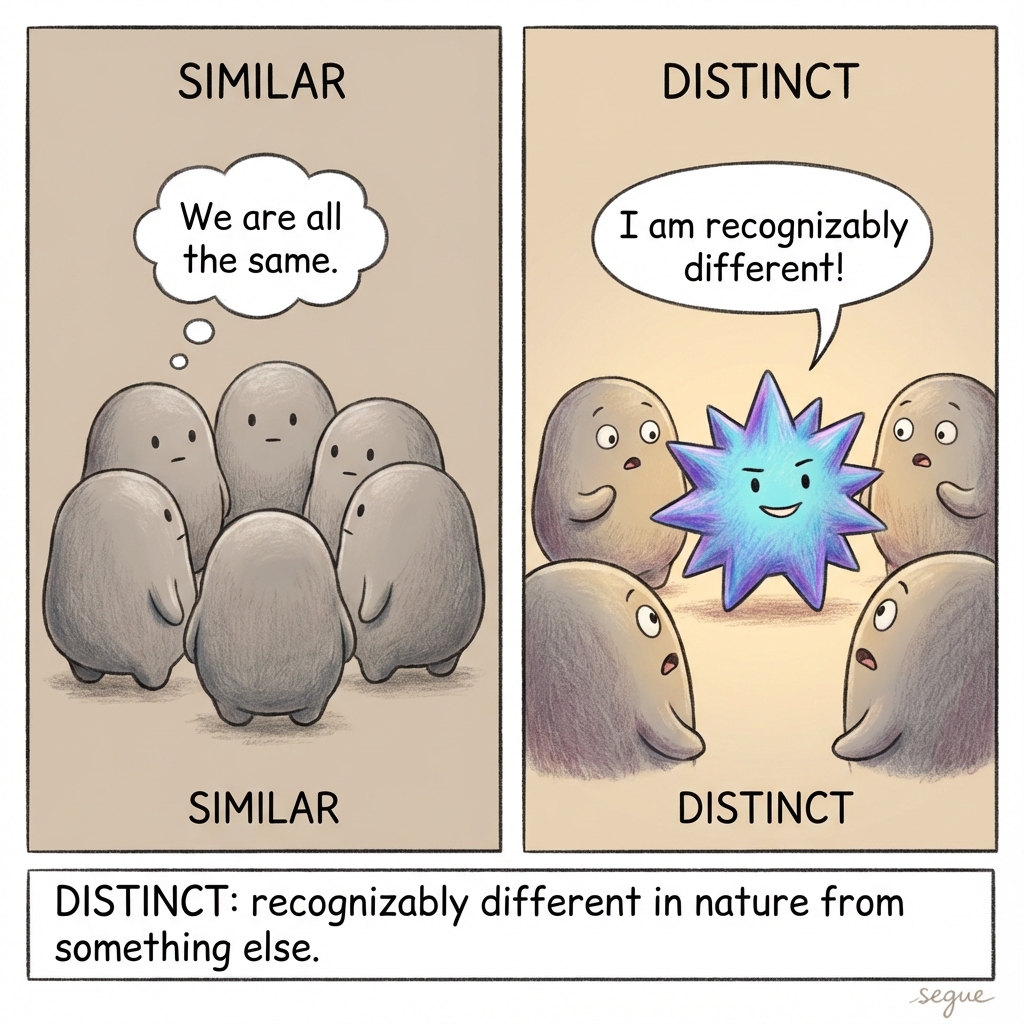
distinct
/dɪˈstɪŋkt/recognizably different in nature from something else
“There was a distinct smell of gas.”
More from Success & Knowledge
Explore other vocabulary categories in this collection.