Loading collection...
💭
Reasoning Biases Vocabulary
Errors in logical thinking and inference
10 words
All 10 Words
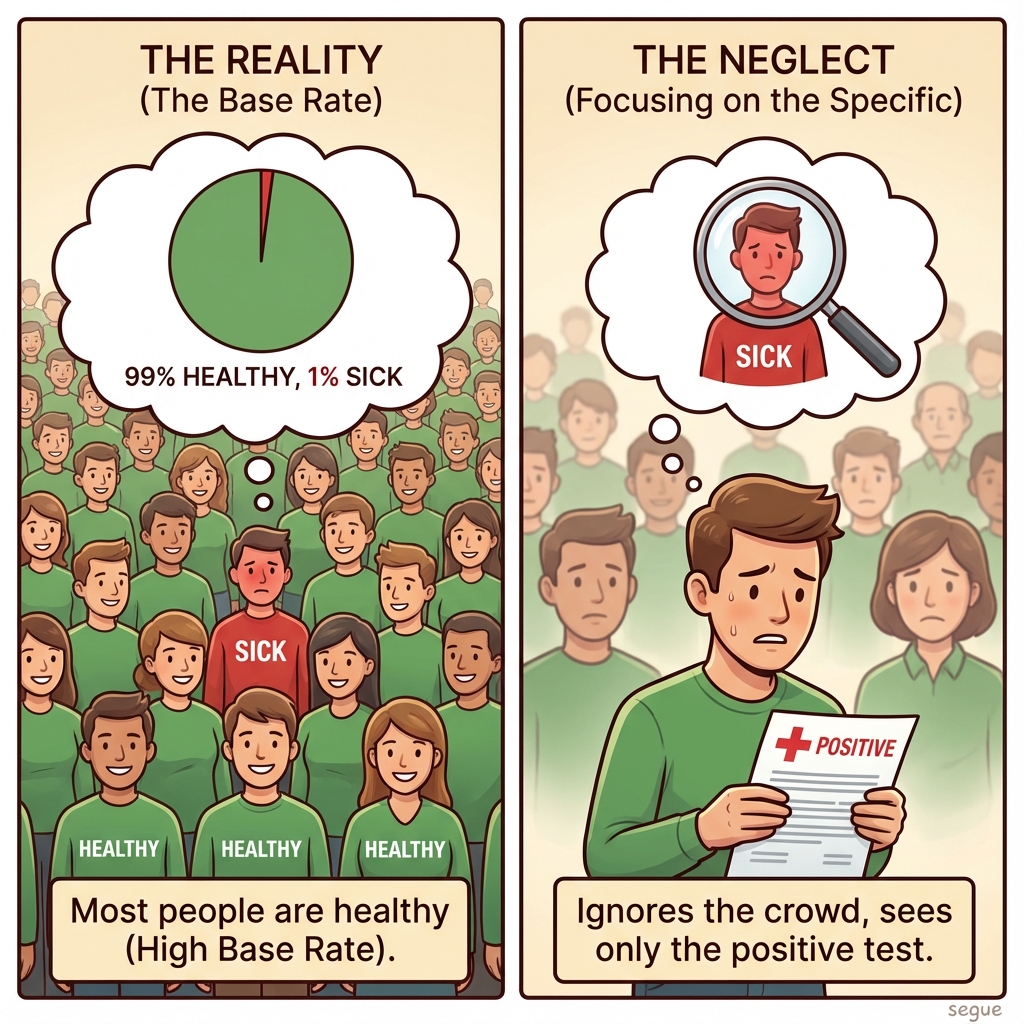
base rate neglect
/ˌbeɪs ˌreɪt nɪˈɡlekt/ignoring general prevalence when evaluating specific probabilities
“Base rate neglect: assuming a positive test means disease, ignoring that most people are healthy.”
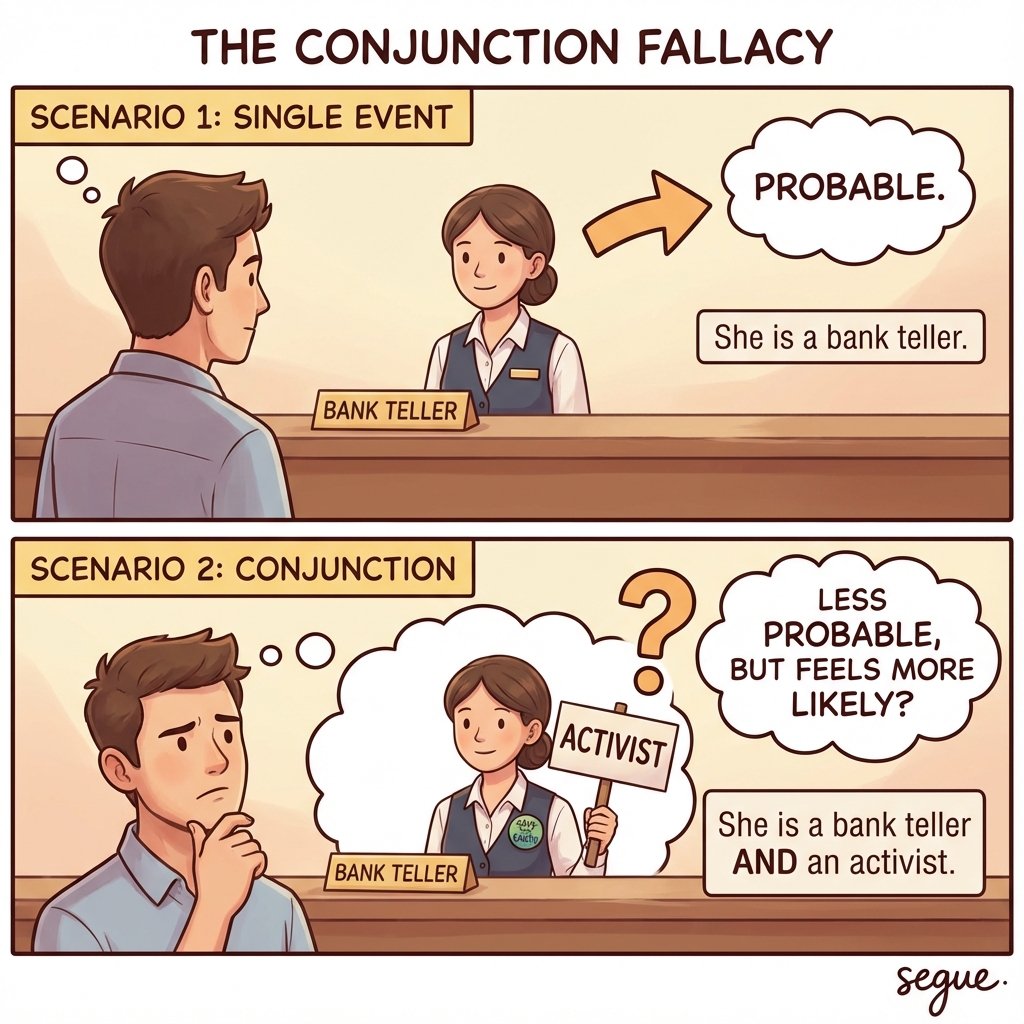
conjunction fallacy
/kənˈdʒʌŋkʃən ˌfæləsi/judging a combination of events as more likely than a single event
“The conjunction fallacy: thinking 'bank teller and feminist' is more likely than just 'bank teller.'”
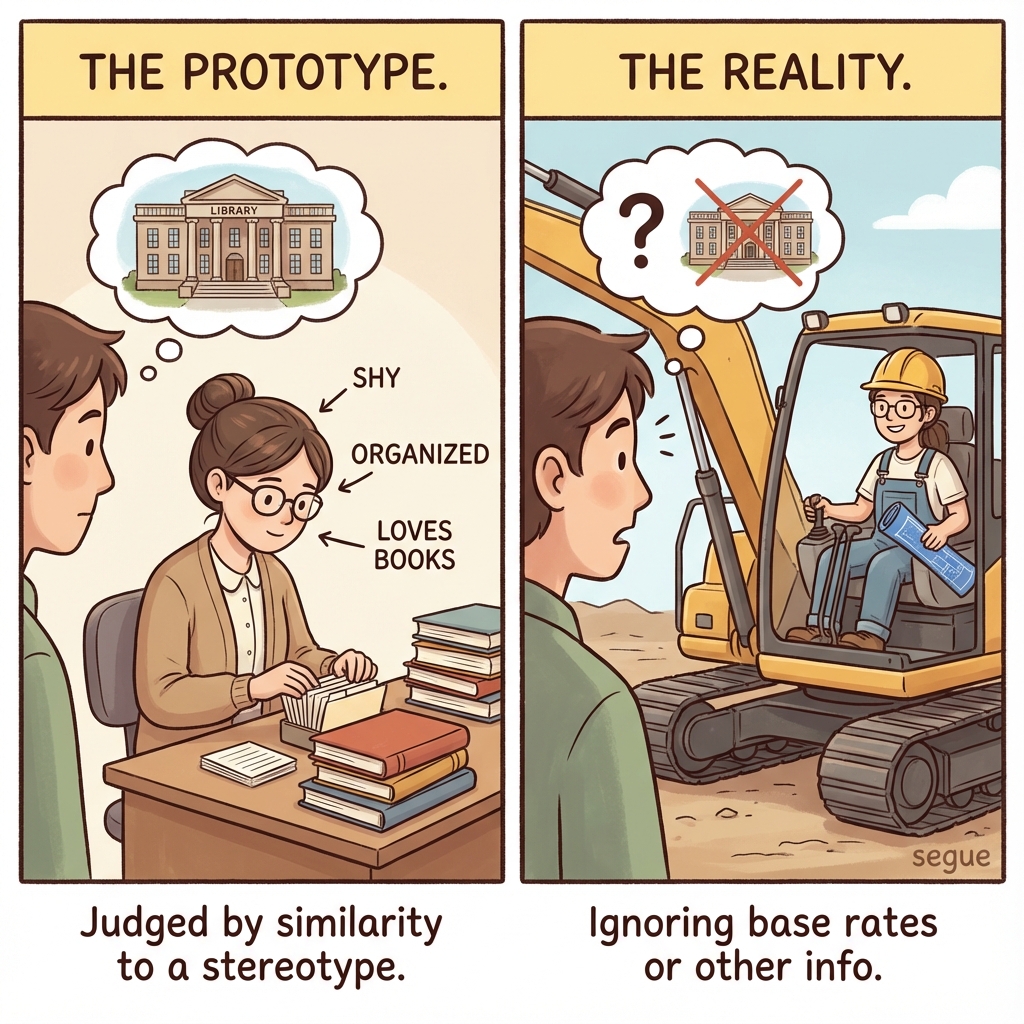
representativeness heuristic
/ˌreprɪˌzentətɪvnəs hjʊˈrɪstɪk/judging probability by similarity to a prototype
“The representativeness heuristic makes people think coin flips should 'look random.'”
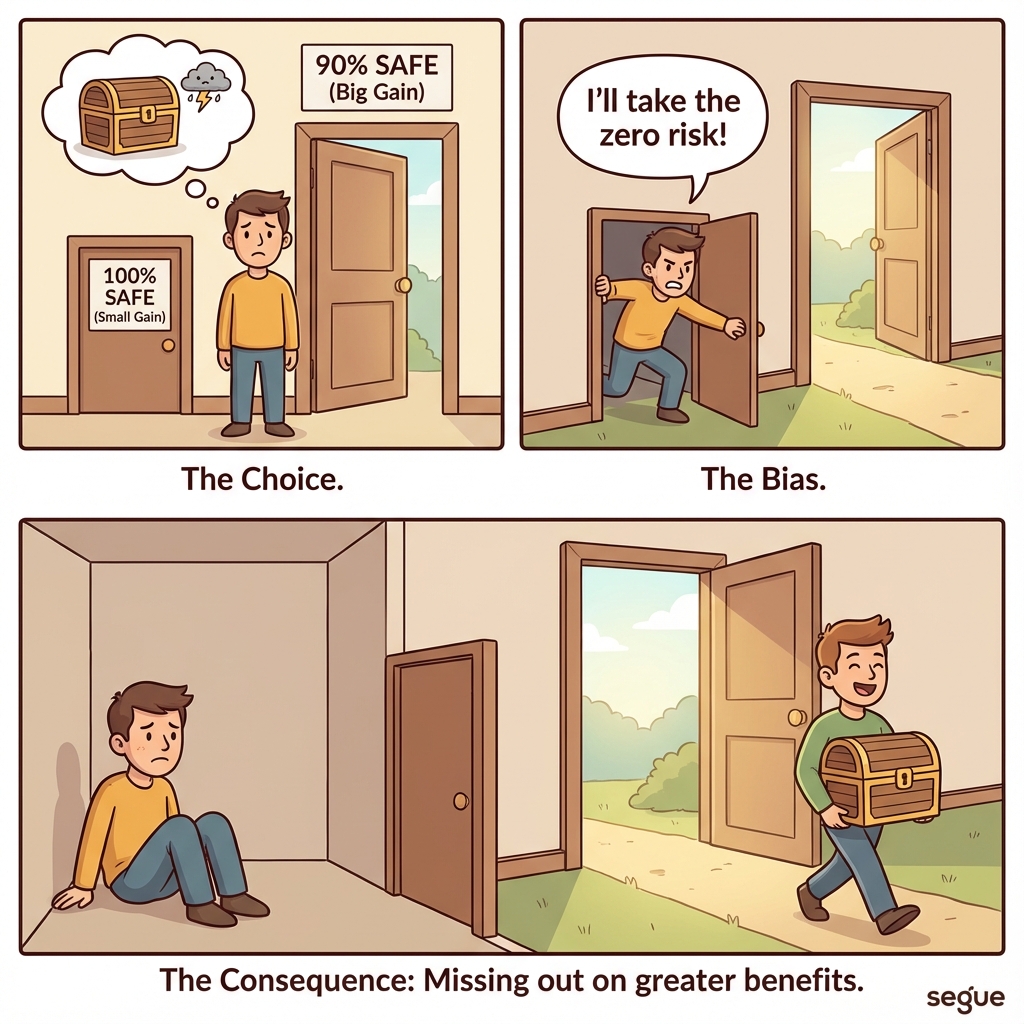
zero-risk bias
/ˌzɪəroʊ ˈrɪsk ˌbaɪəs/preferring complete elimination of risk over greater overall reduction
“Zero-risk bias: choosing to eliminate one small risk entirely over reducing a bigger one.”
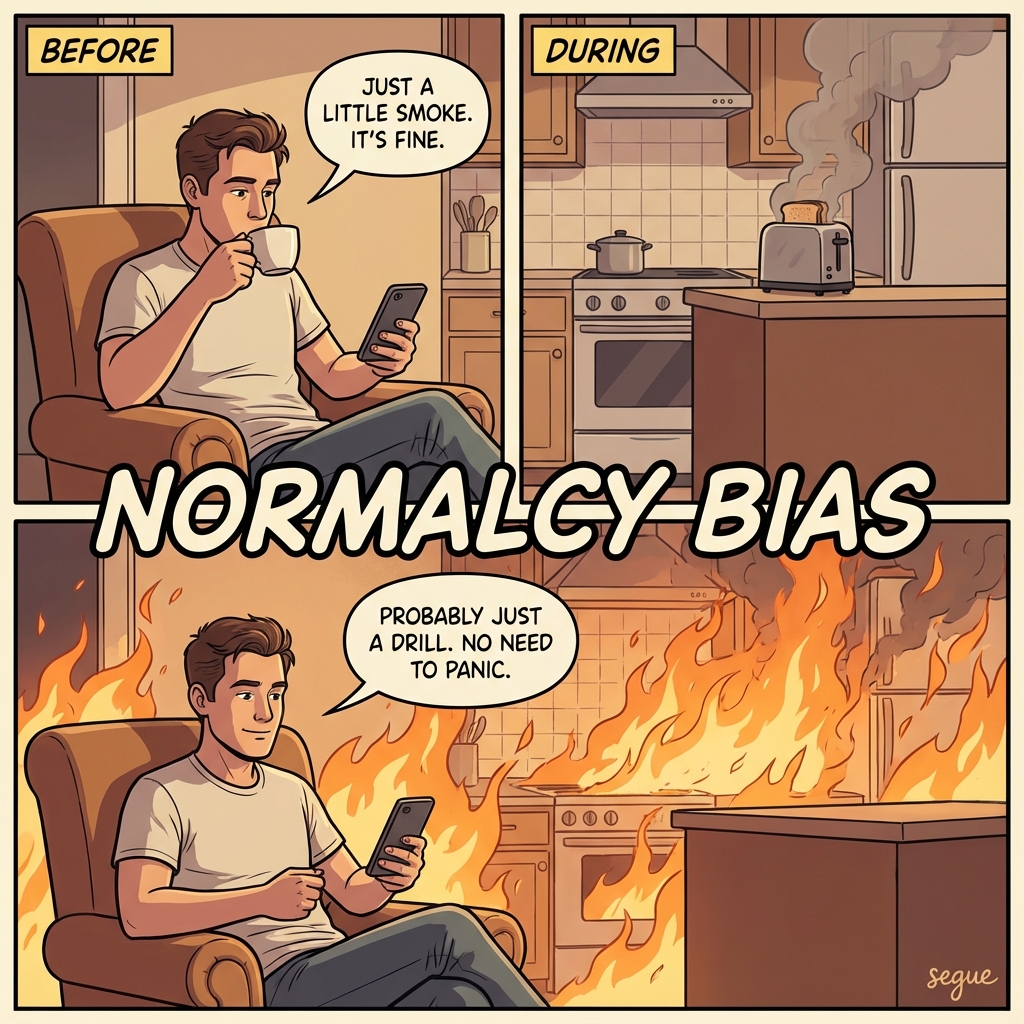
normalcy bias
/ˈnɔːrməlsi ˌbaɪəs/underestimating the likelihood and impact of disasters
“Normalcy bias kept residents from evacuating despite clear warnings.”
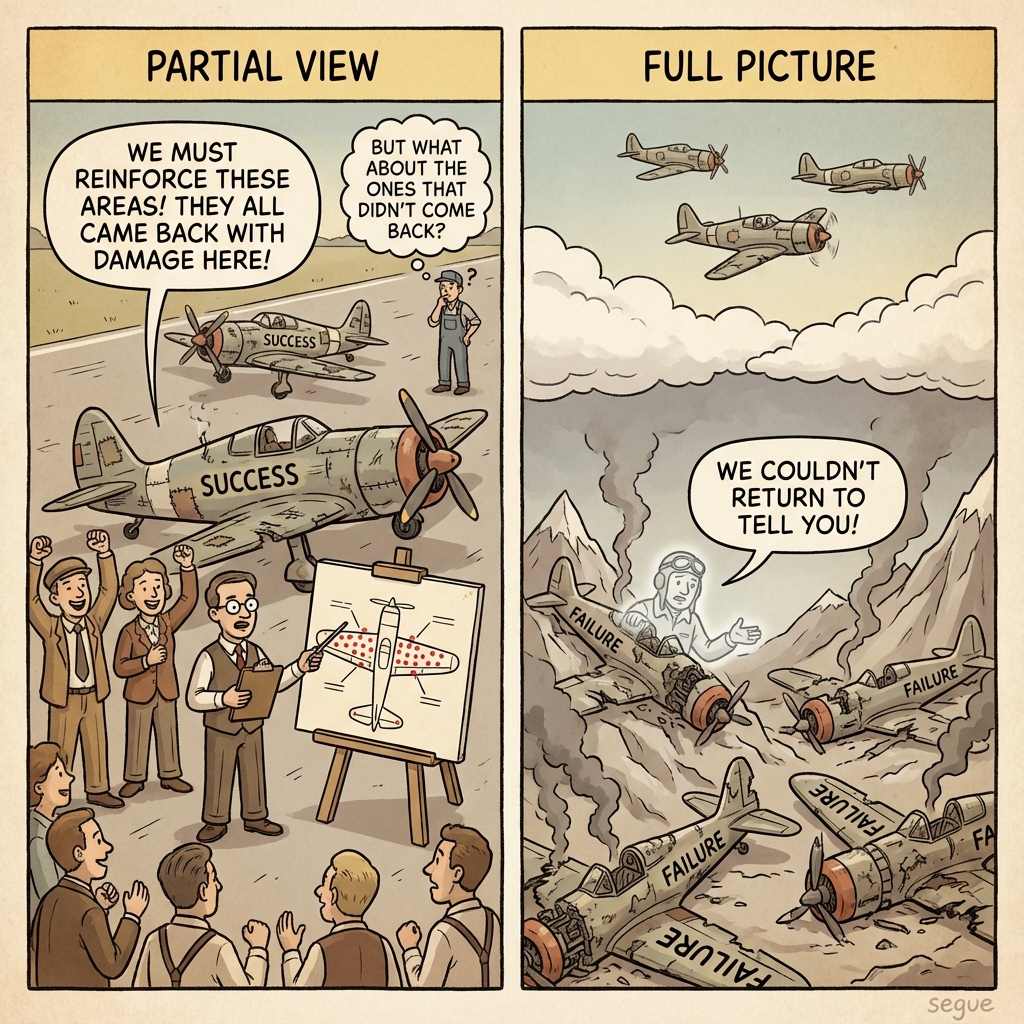
survivorship bias
/sərˈvaɪvərʃɪp ˌbaɪəs/focusing on successes while overlooking failures
“Survivorship bias: studying only successful entrepreneurs, ignoring the many who failed.”
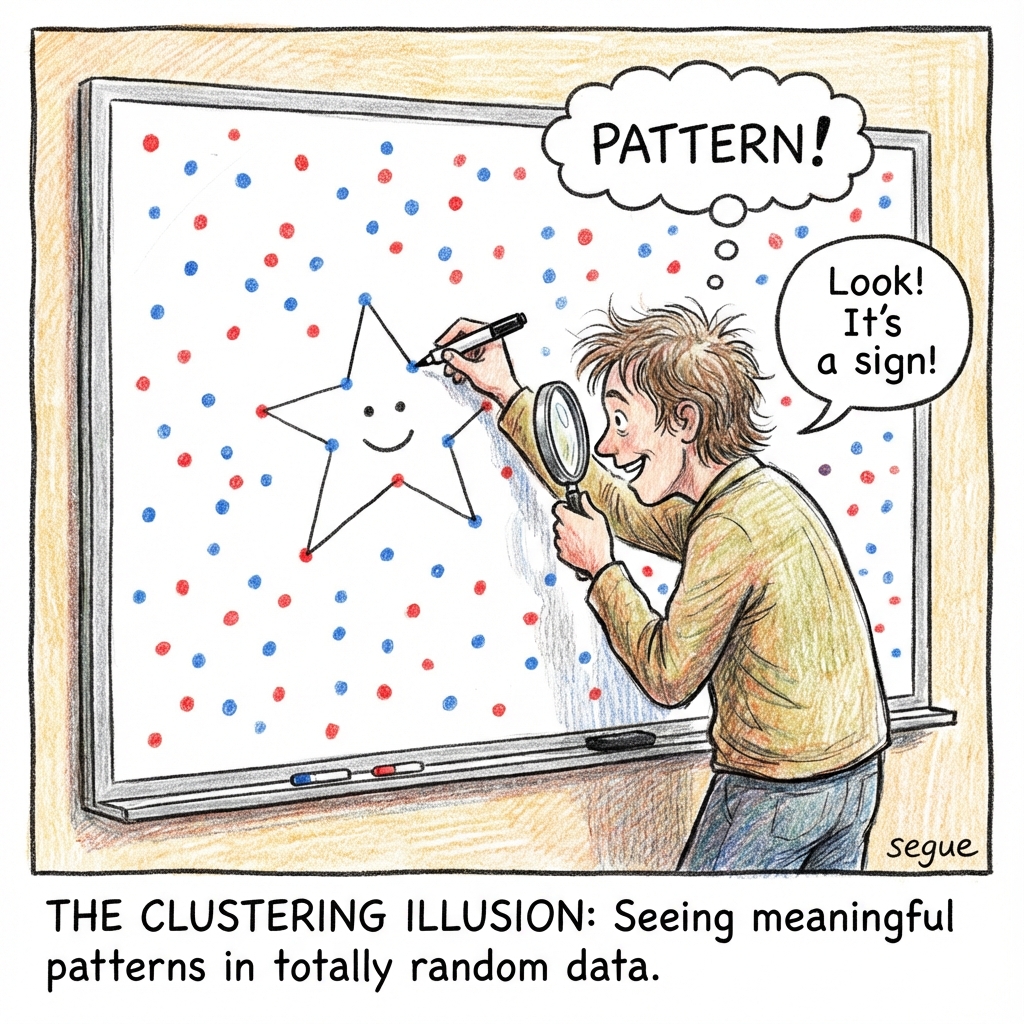
clustering illusion
/ˈklʌstərɪŋ ɪˌluːʒən/seeing patterns in random data
“The clustering illusion makes people find 'hot streaks' in random basketball shots.”
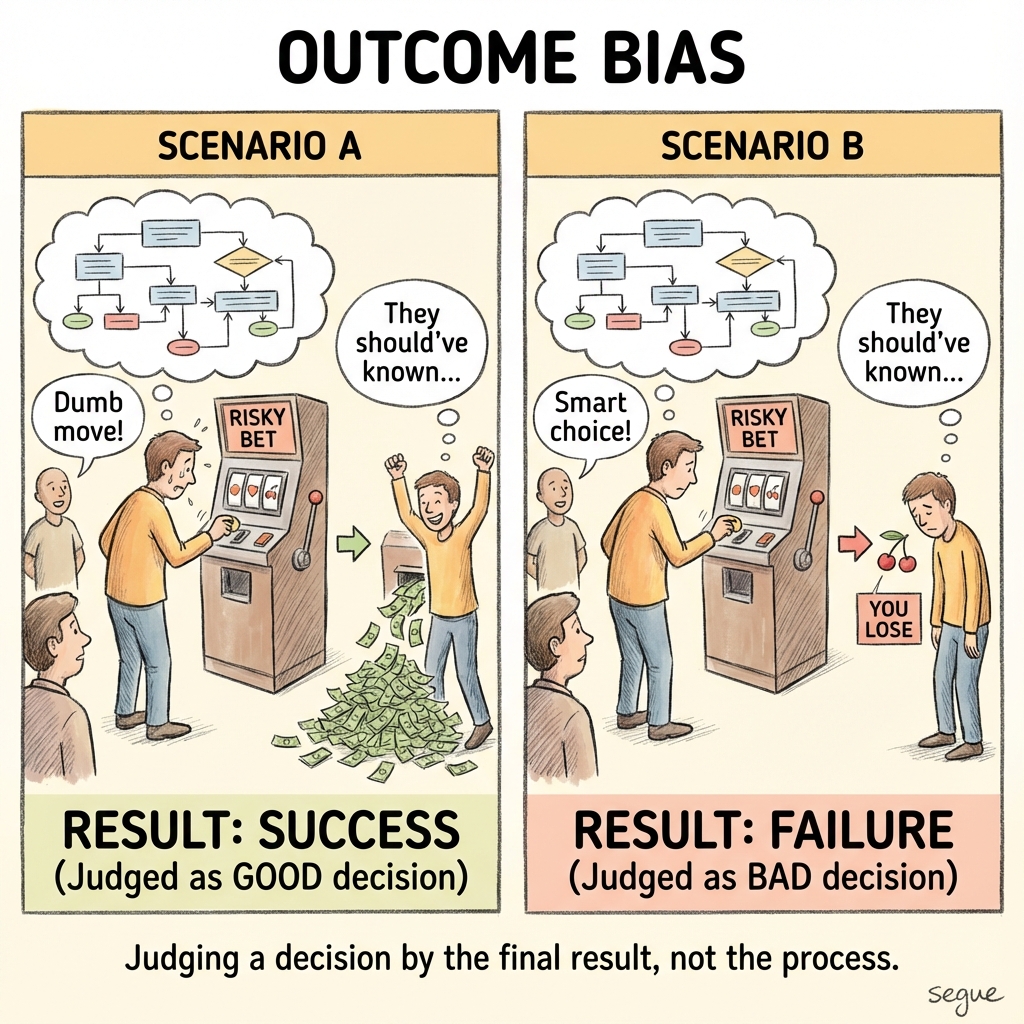
outcome bias
/ˈaʊtkʌm ˌbaɪəs/judging a decision by its result rather than by the quality of the decision
“Outcome bias: praising a risky bet that paid off despite it being statistically foolish.”
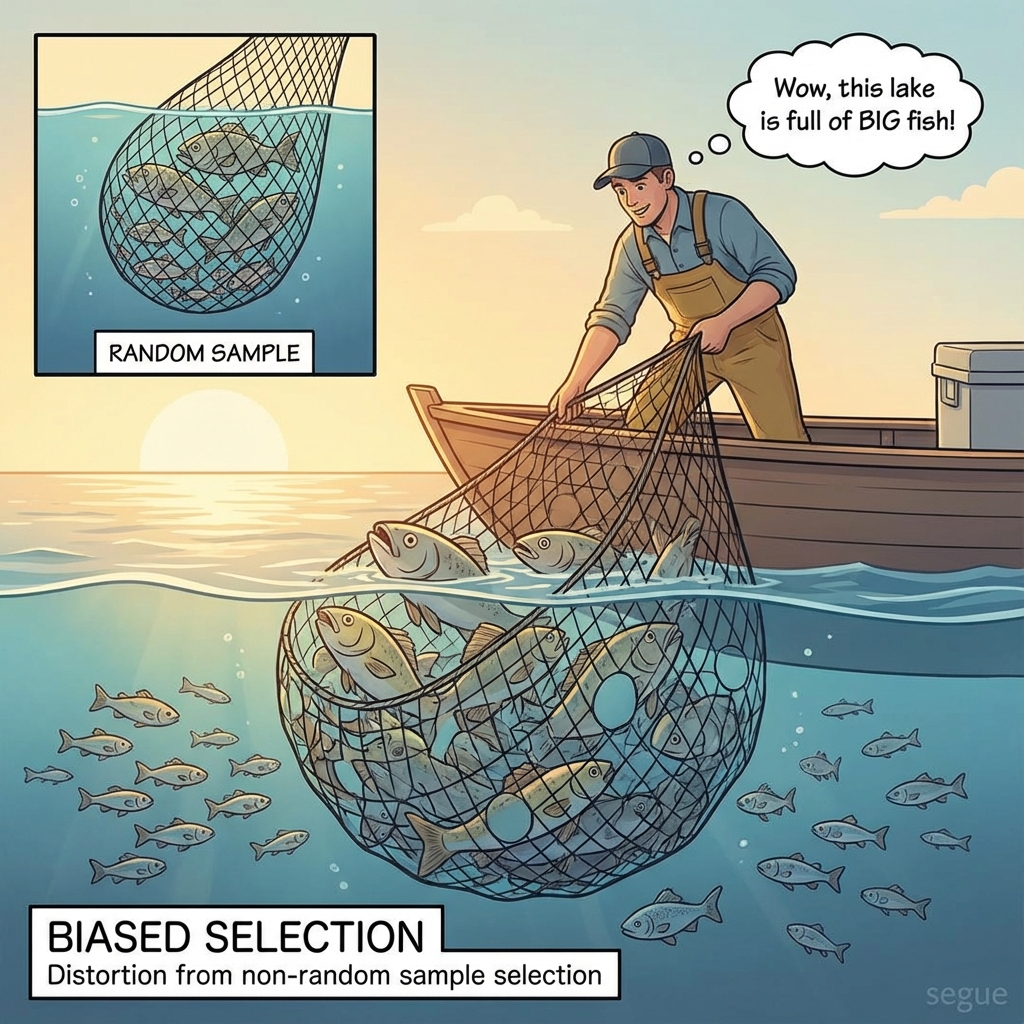
selection bias
/sɪˈlekʃən ˌbaɪəs/distortion from non-random sample selection
“Surveying only mall shoppers introduces selection bias about consumer behavior.”
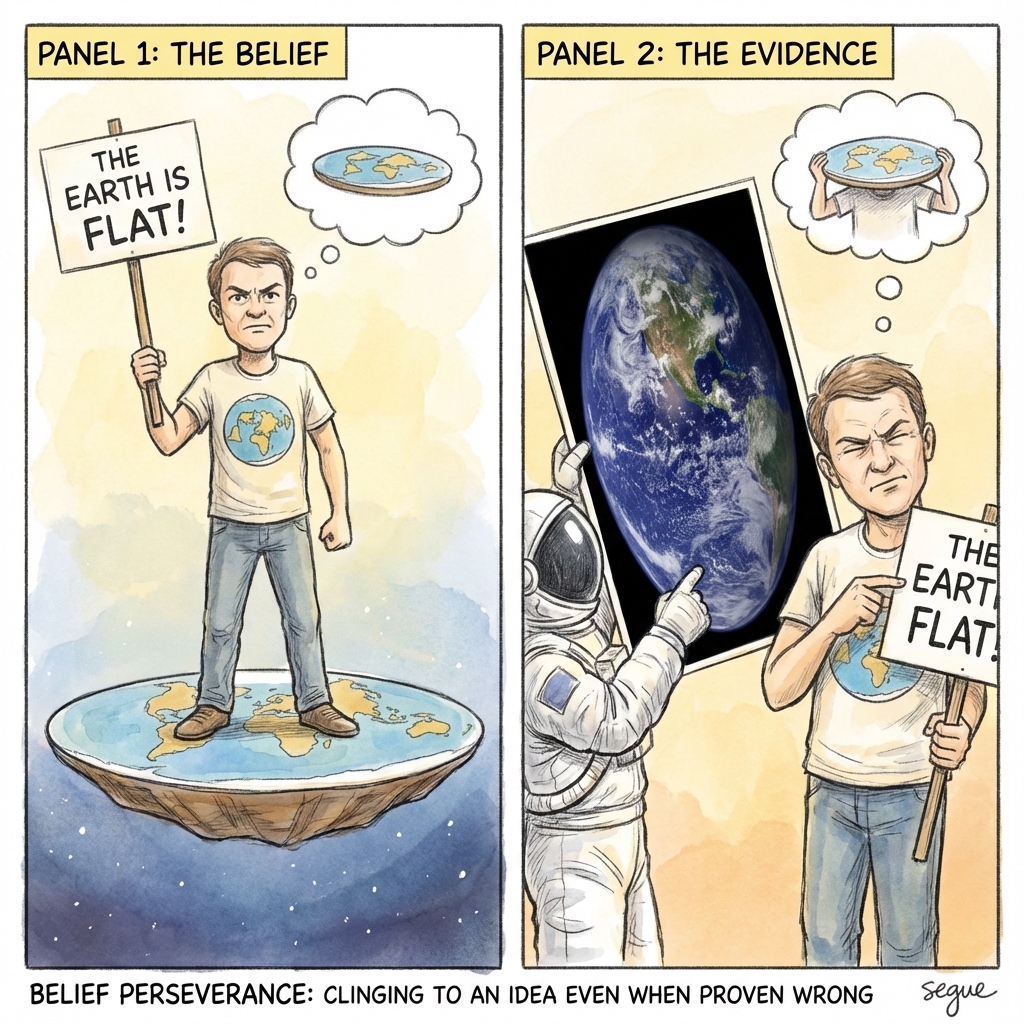
belief perseverance
/bɪˈliːf ˌpɜːrsɪˈvɪərəns/maintaining beliefs despite contradictory evidence
“Even after the study was retracted, belief perseverance kept the myth alive.”
More from Emotions & Mind
Explore other vocabulary categories in this collection.