Loading collection...
✏️
Punctuation & Its Powers Vocabulary
The subtle art of punctuation
8 words
All 8 Words
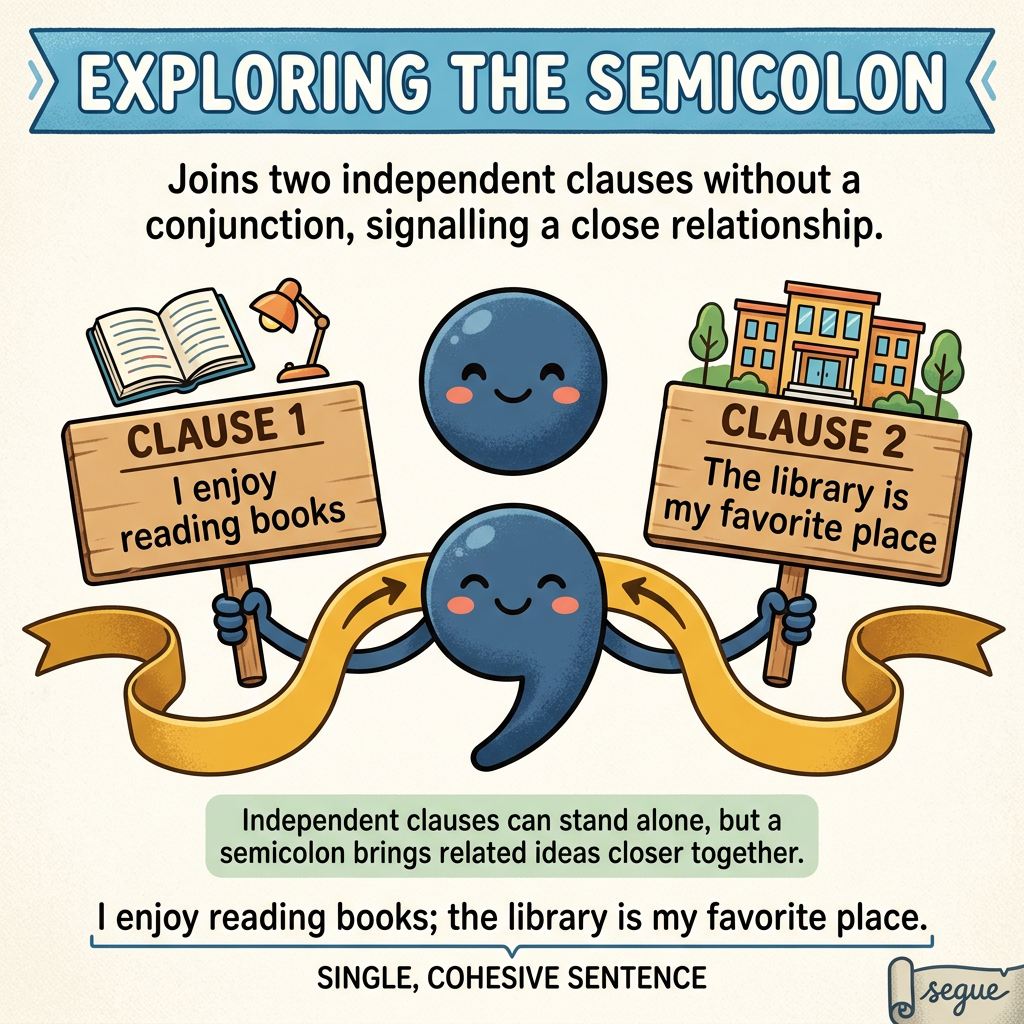
semicolon
/ˈsemikoʊlən/joins independent clauses without a conjunction; signals close relationship
“I came; I saw; I conquered. Use it when a period is too strong, a comma too weak.”
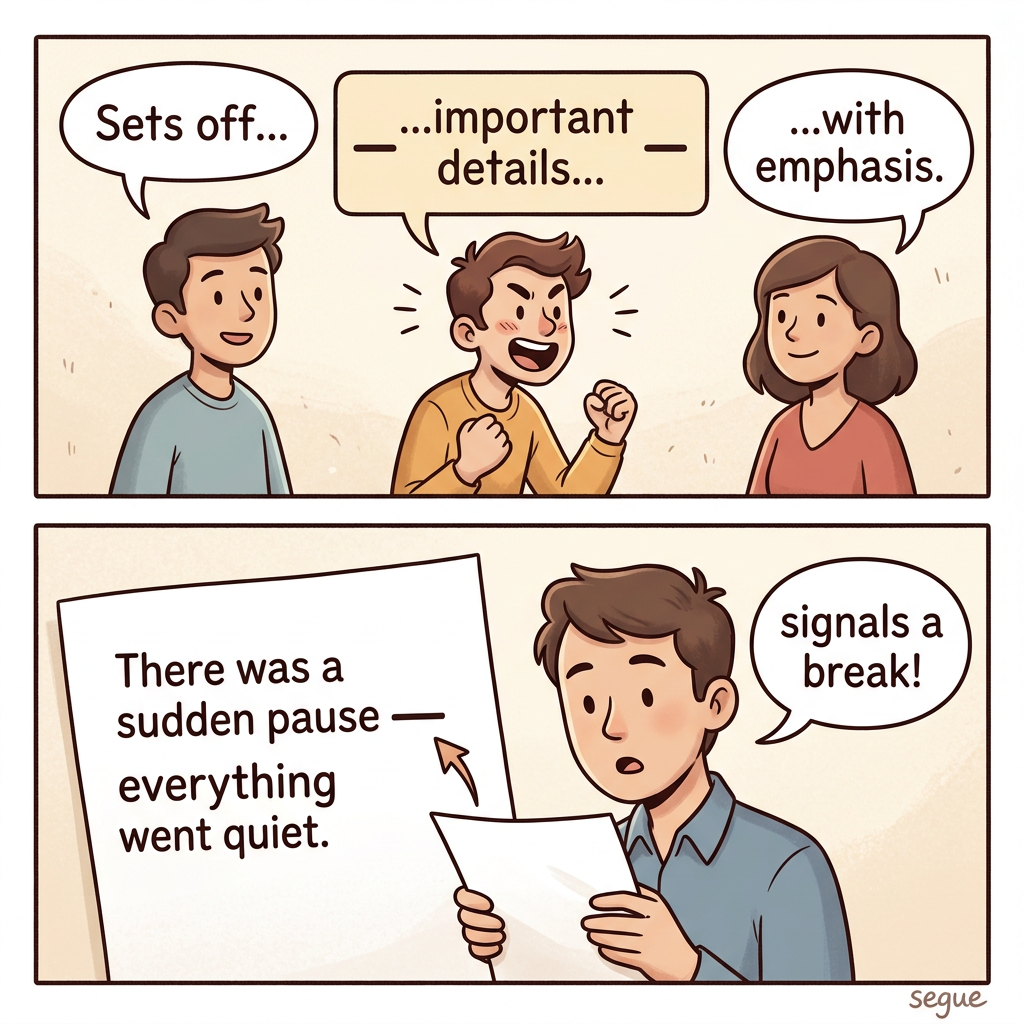
em dash
/ˈem ˌdæʃ/sets off parenthetical content with emphasis—like this—or signals a break
“He was going to win—or so he thought. The em dash adds drama.”
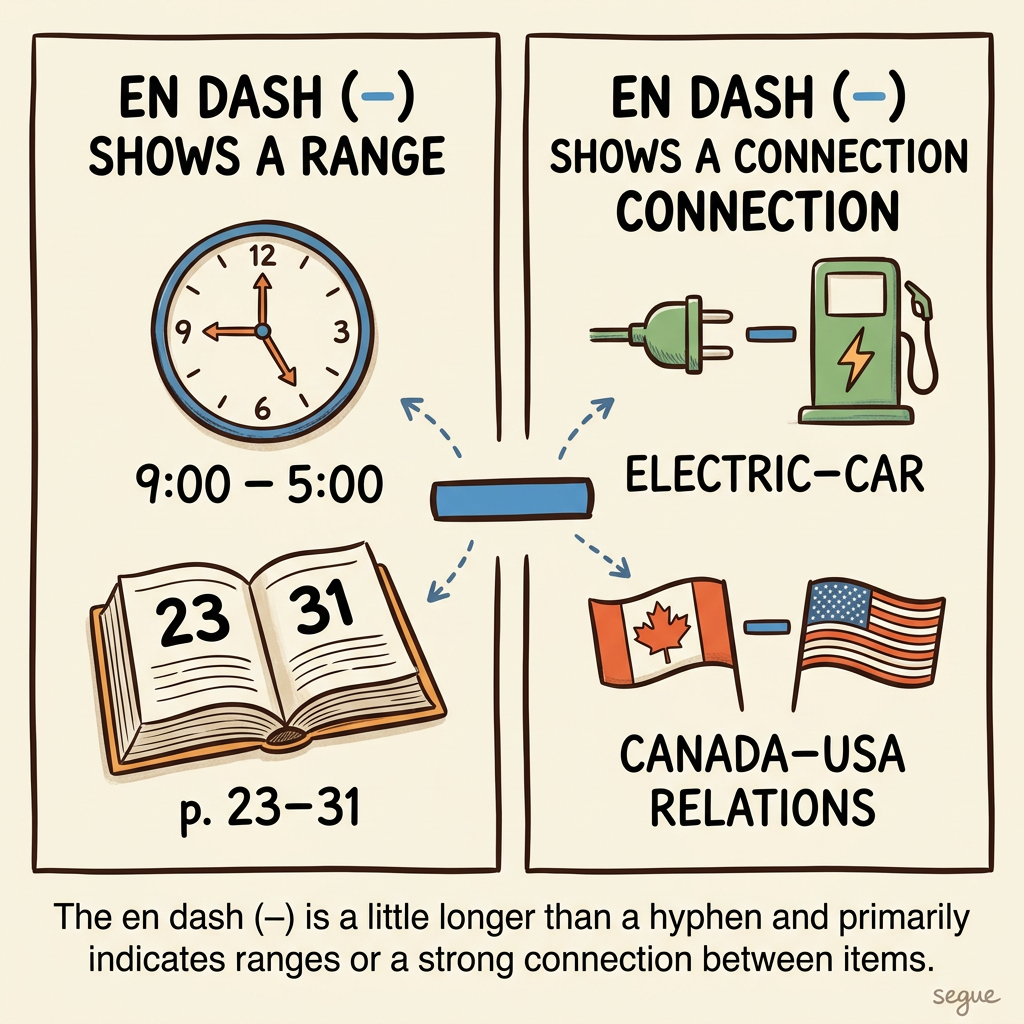
en dash
/ˈen ˌdæʃ/indicates ranges or connections between items
“Pages 10–15. The London–Paris train. The Clinton–Gore campaign.”
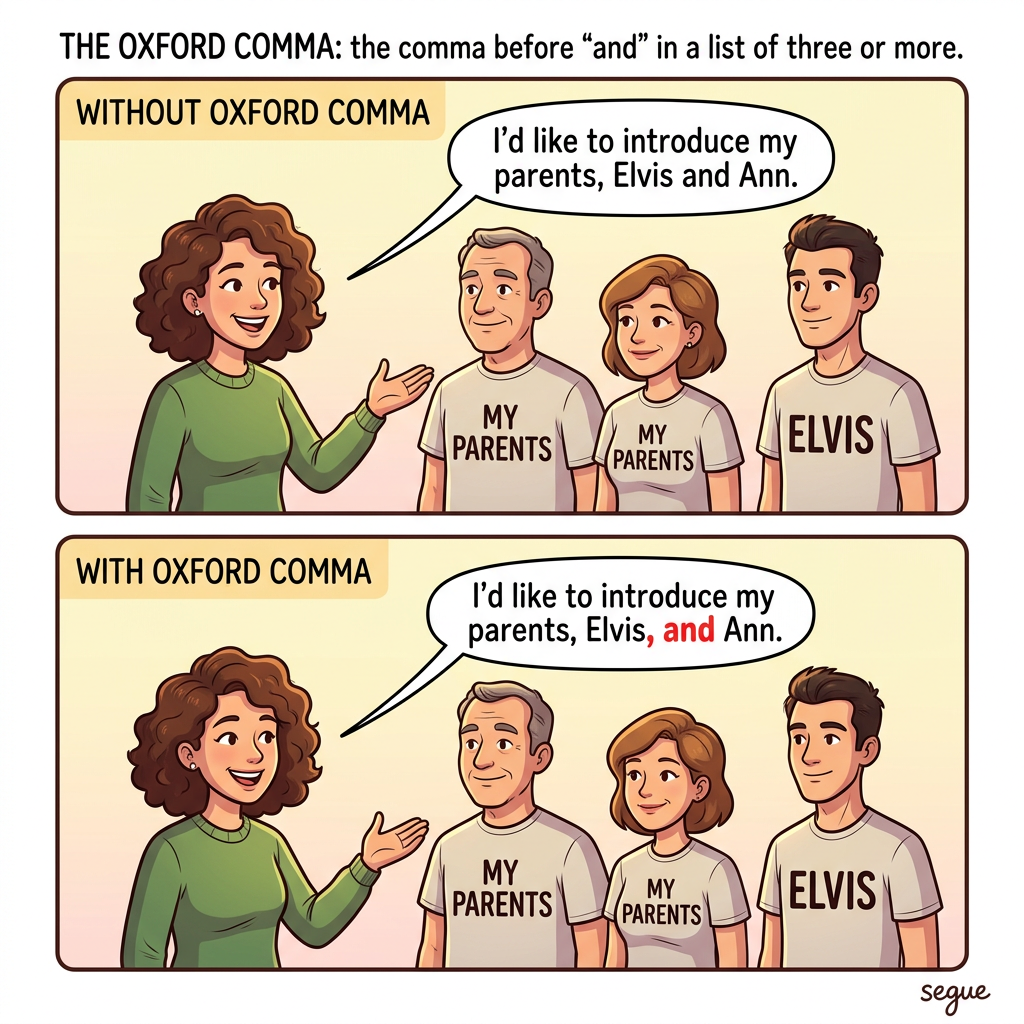
Oxford comma
/ˌɒksfərd ˈkɒmə/the comma before 'and' in a list of three or more
“I love my parents, Batman, and Wonder Woman. (Without it: my parents are superheroes.)”
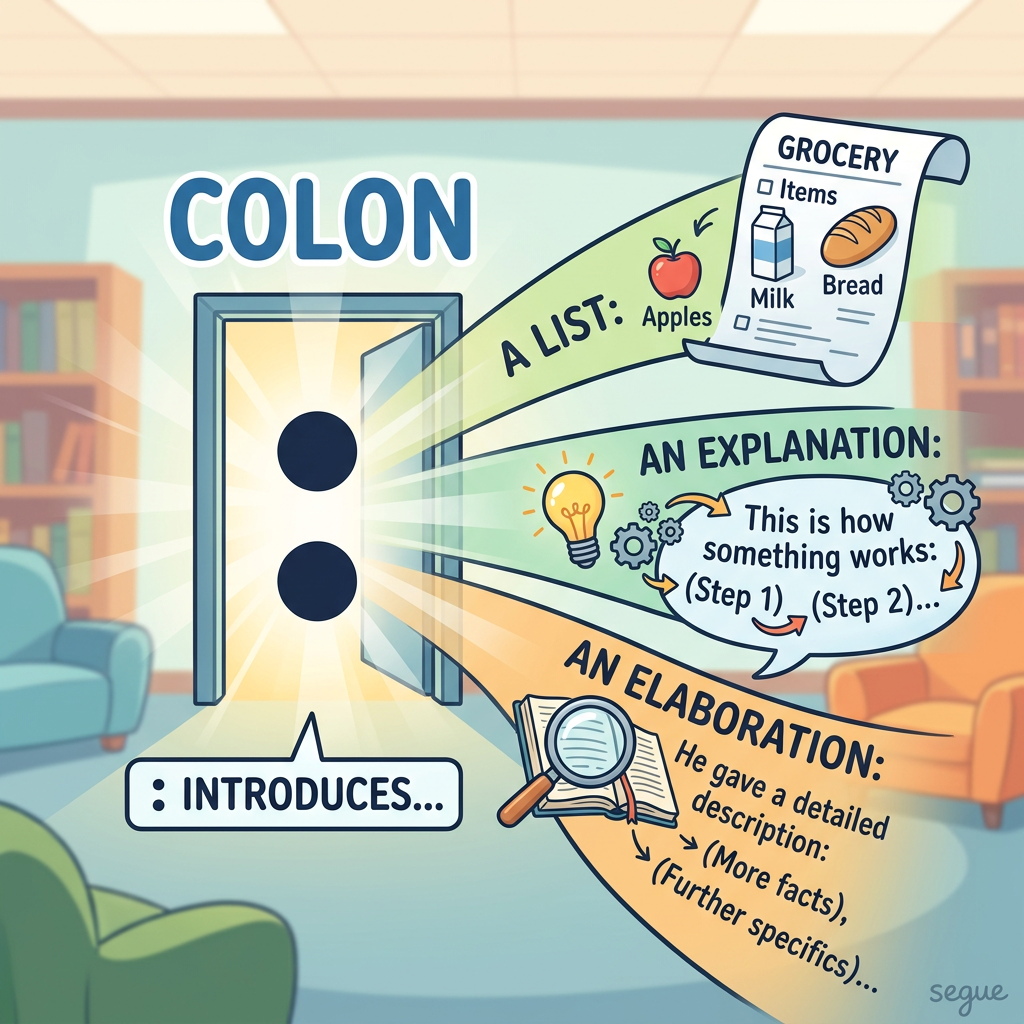
colon
/ˈkoʊɫən/introduces what follows—a list, explanation, or elaboration
“She had one goal: victory. A colon says 'namely' or 'as follows.'”
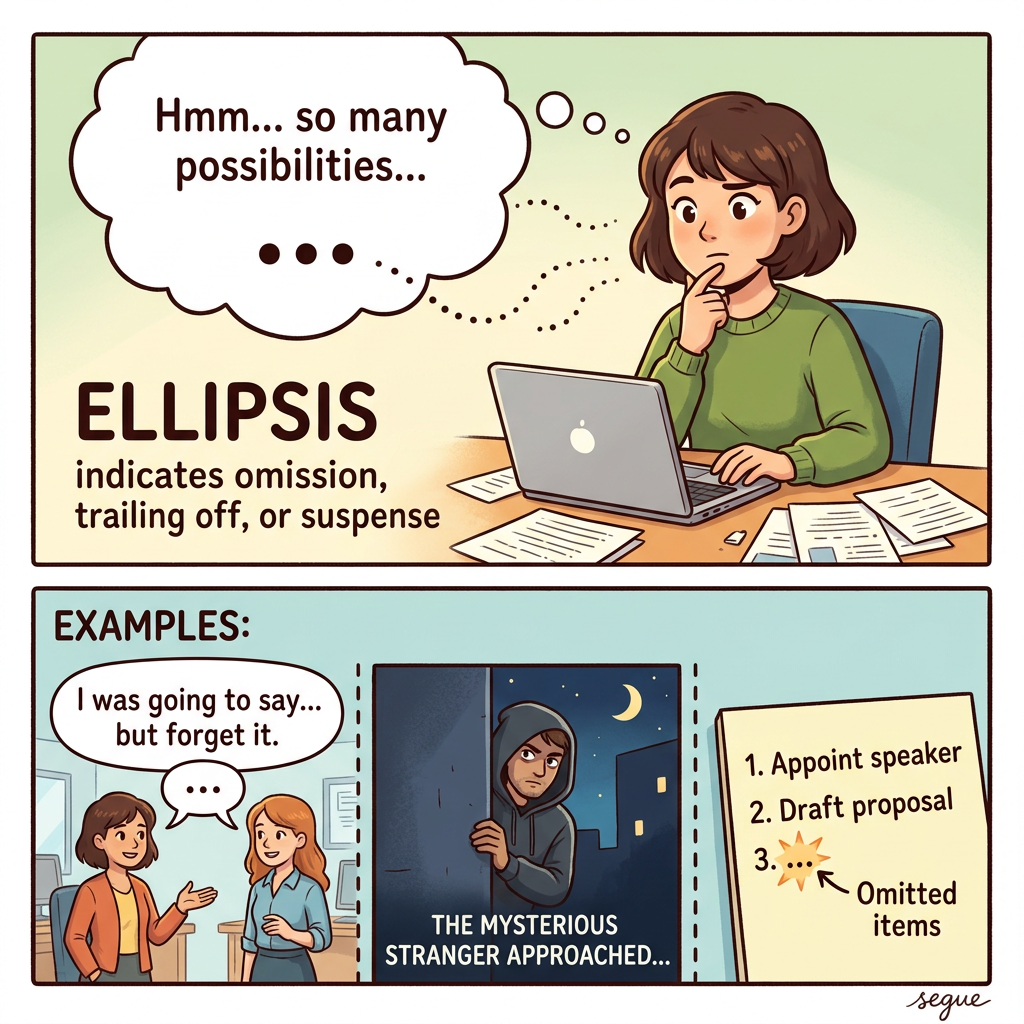
ellipsis
/ɪˈlɪpsɪs/indicates omission, trailing off, or suspense
“She opened the door and saw... nothing. The ellipsis creates pause.”
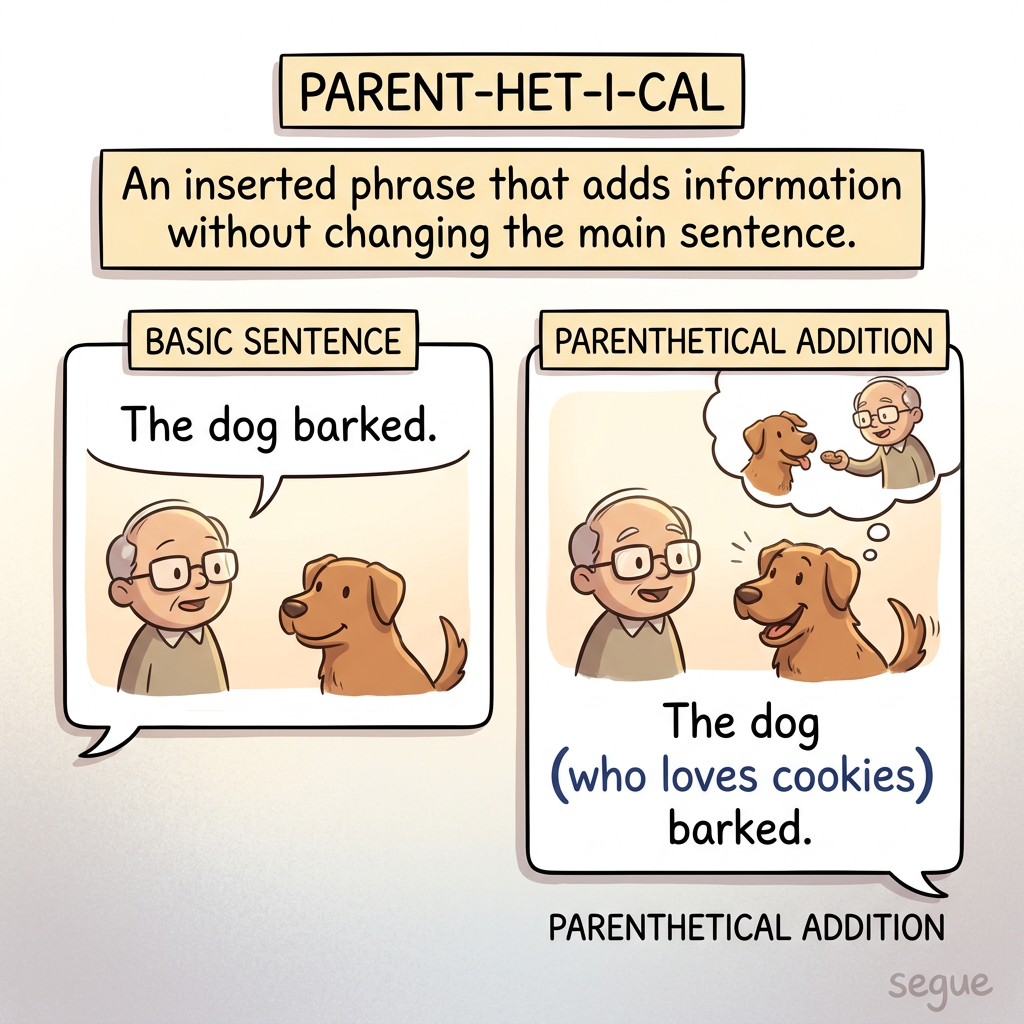
parenthetical
/pɝɛnˈθɛtɪkəɫ/an inserted phrase that adds information without changing the main sentence
“The CEO (who had just arrived) immediately took charge.”
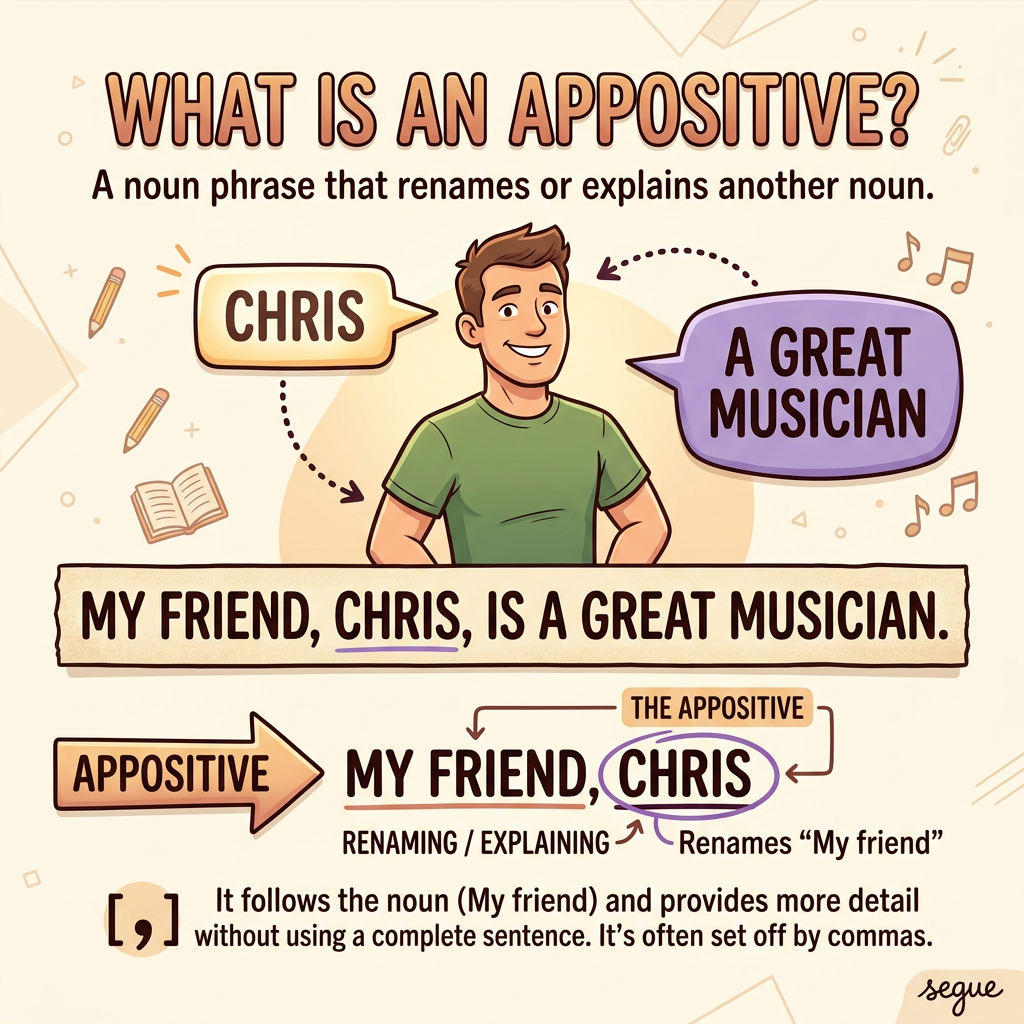
appositive
/əˈpɒzɪtɪv/a noun phrase that renames or explains another noun
“My brother, a doctor, lives in Boston. Set off by commas if non-essential.”
More from The Writer's Craft
Explore other vocabulary categories in this collection.