Loading collection...
🏗️
Paragraph Architecture Vocabulary
Building blocks of longer prose
8 words
All 8 Words
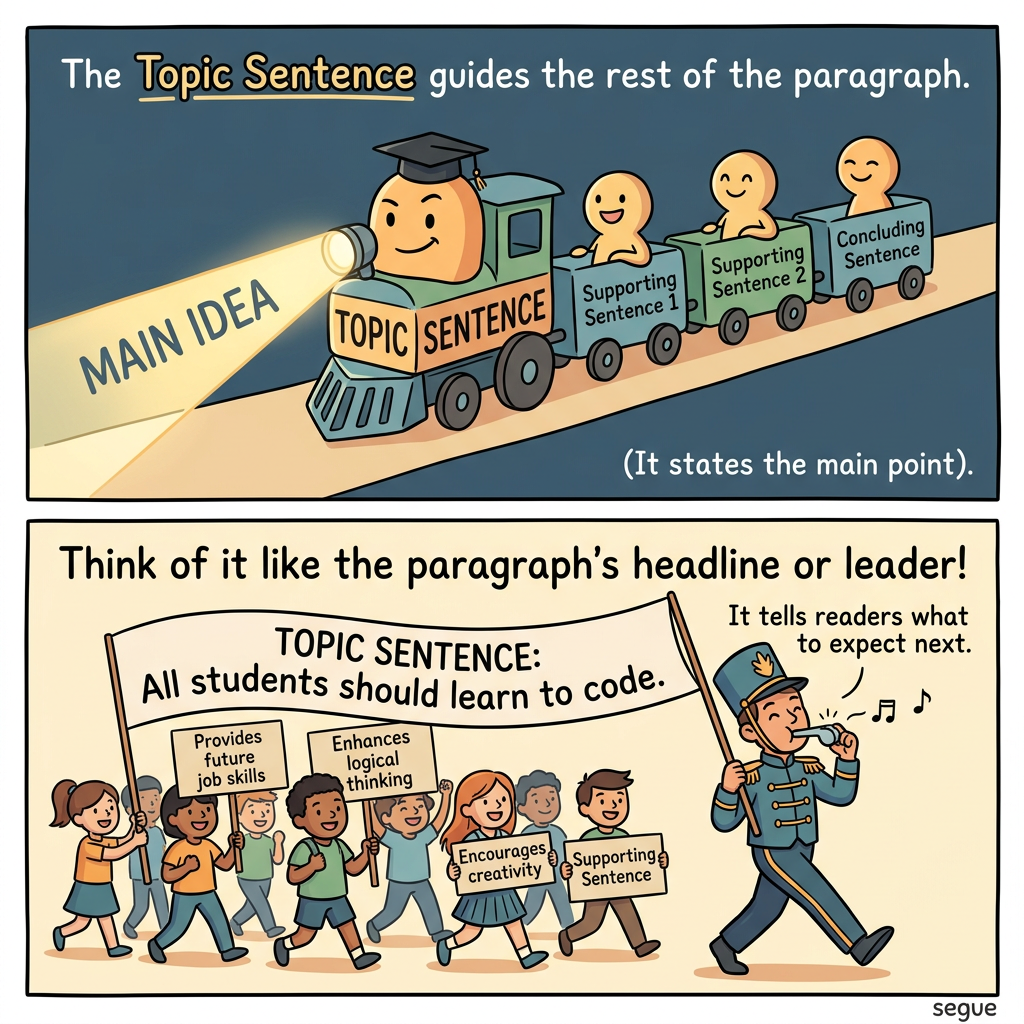
topic sentence
/ˈtɒpɪk ˌsentəns/the sentence that states the paragraph's main idea
“Usually first, but can be delayed for effect or placed at the end for emphasis.”
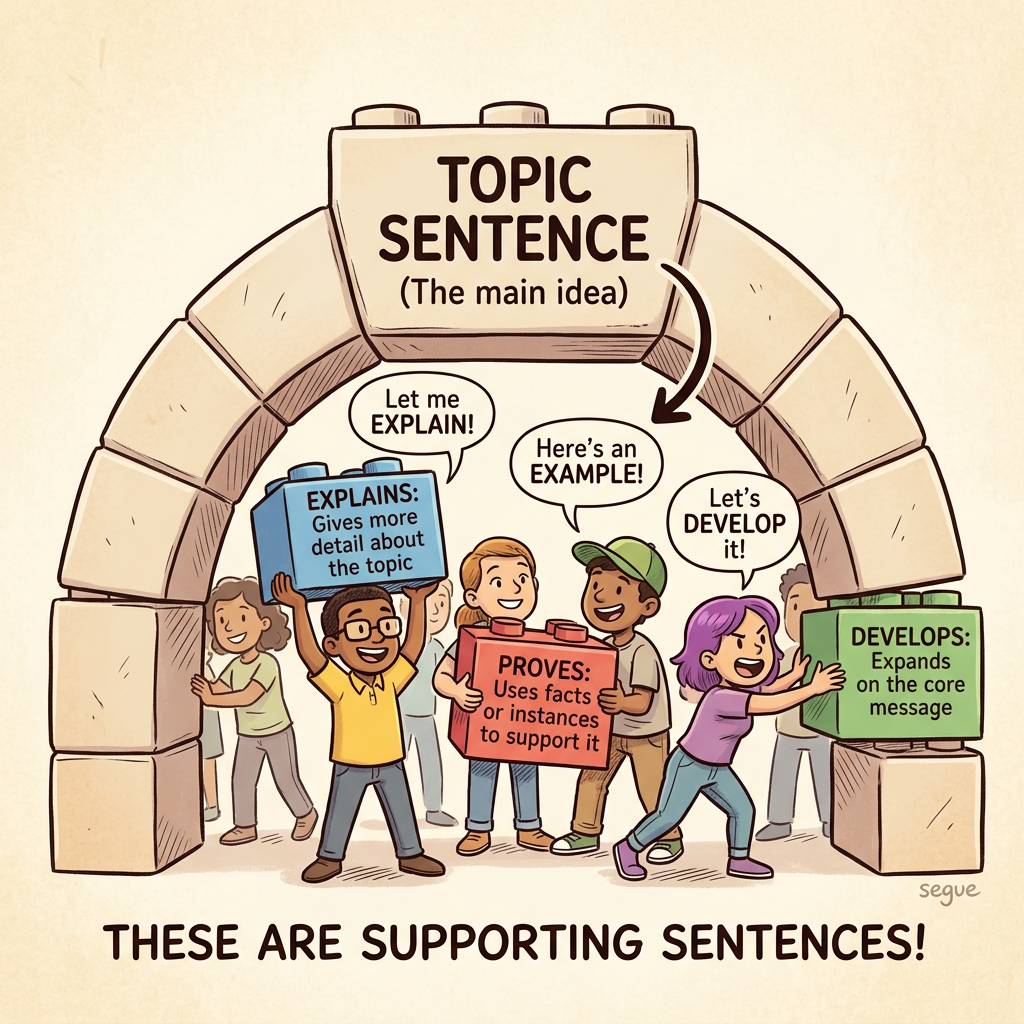
supporting sentences
/səˈpɔːrtɪŋ ˌsentənsɪz/sentences that develop, explain, or prove the topic sentence
“Evidence, examples, analysis—the meat of the paragraph.”
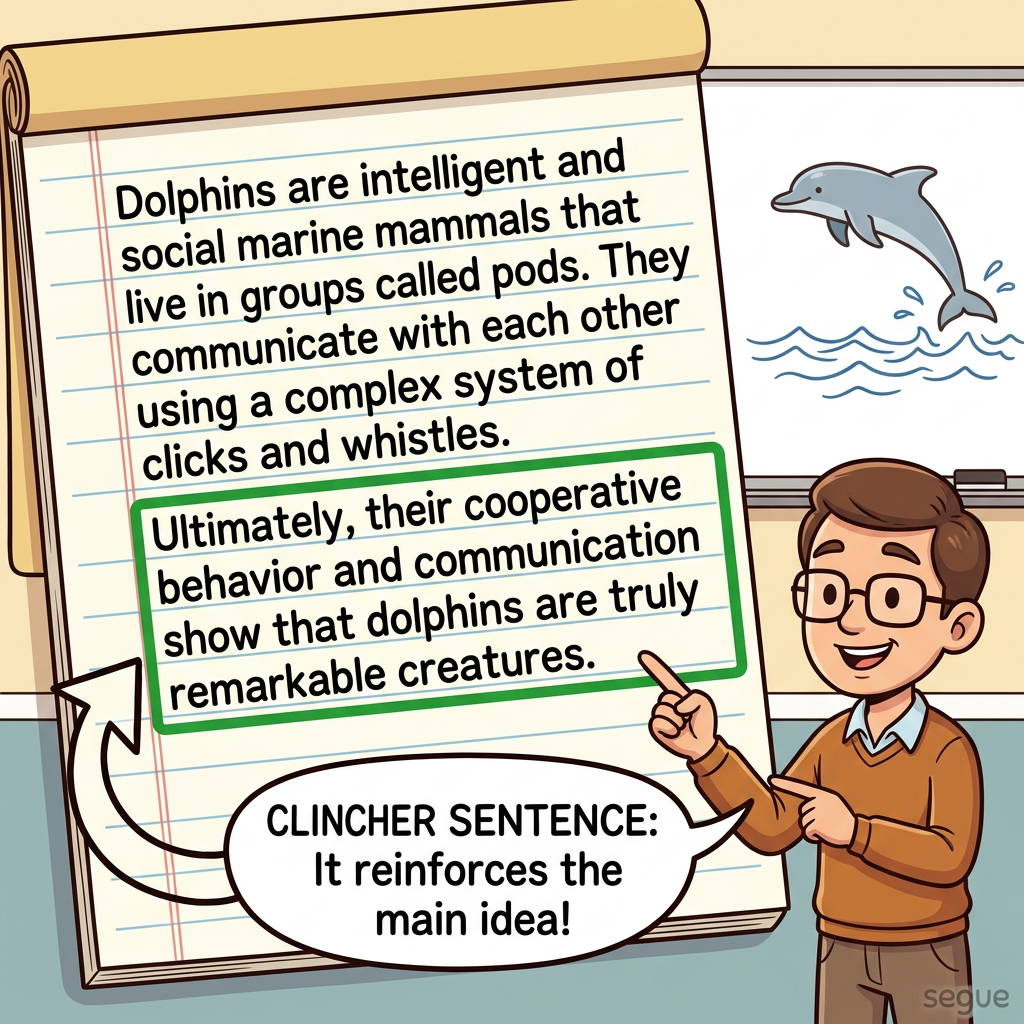
clincher sentence
/ˈklɪntʃər ˌsentəns/the final sentence that reinforces the point or transitions
“A strong ending that echoes the opening or points forward.”
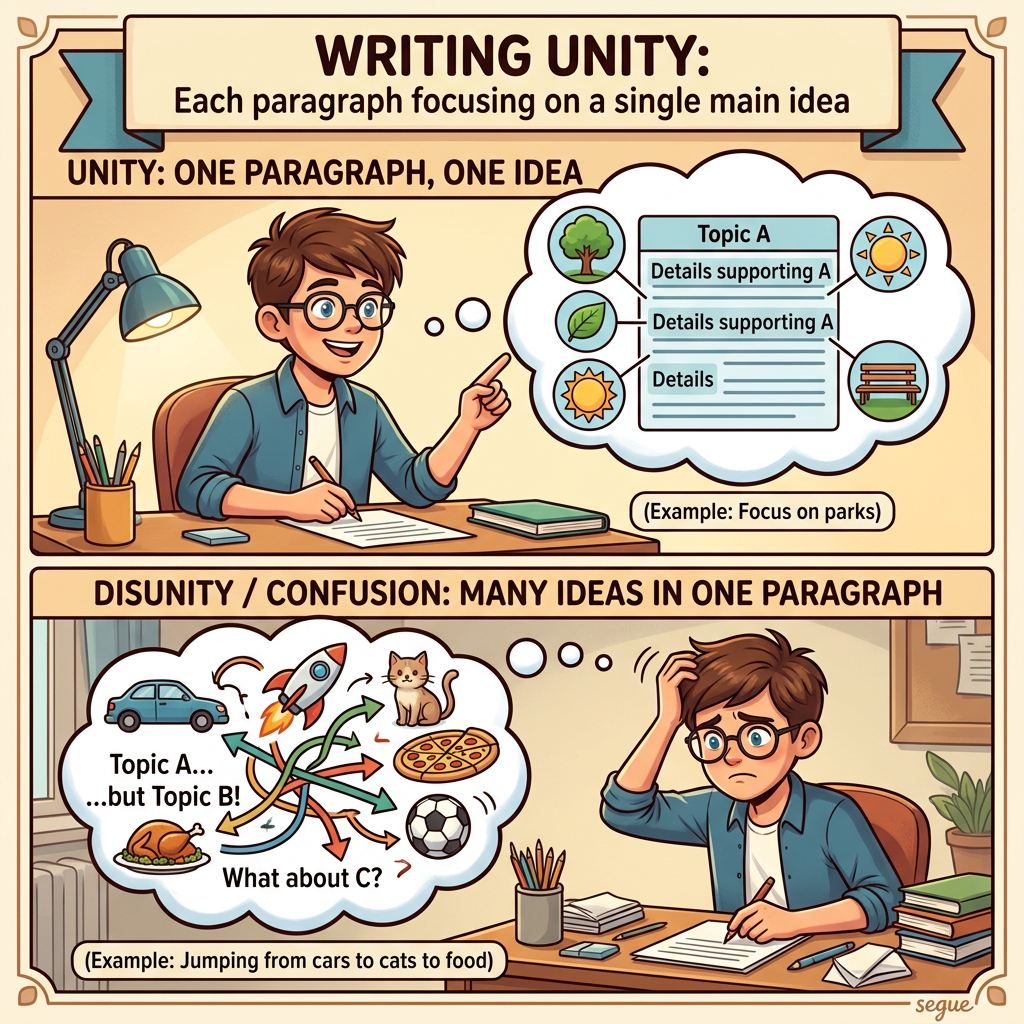
unity
/ˈjunəti/each paragraph focusing on a single main idea
“One paragraph, one point. New idea? New paragraph.”
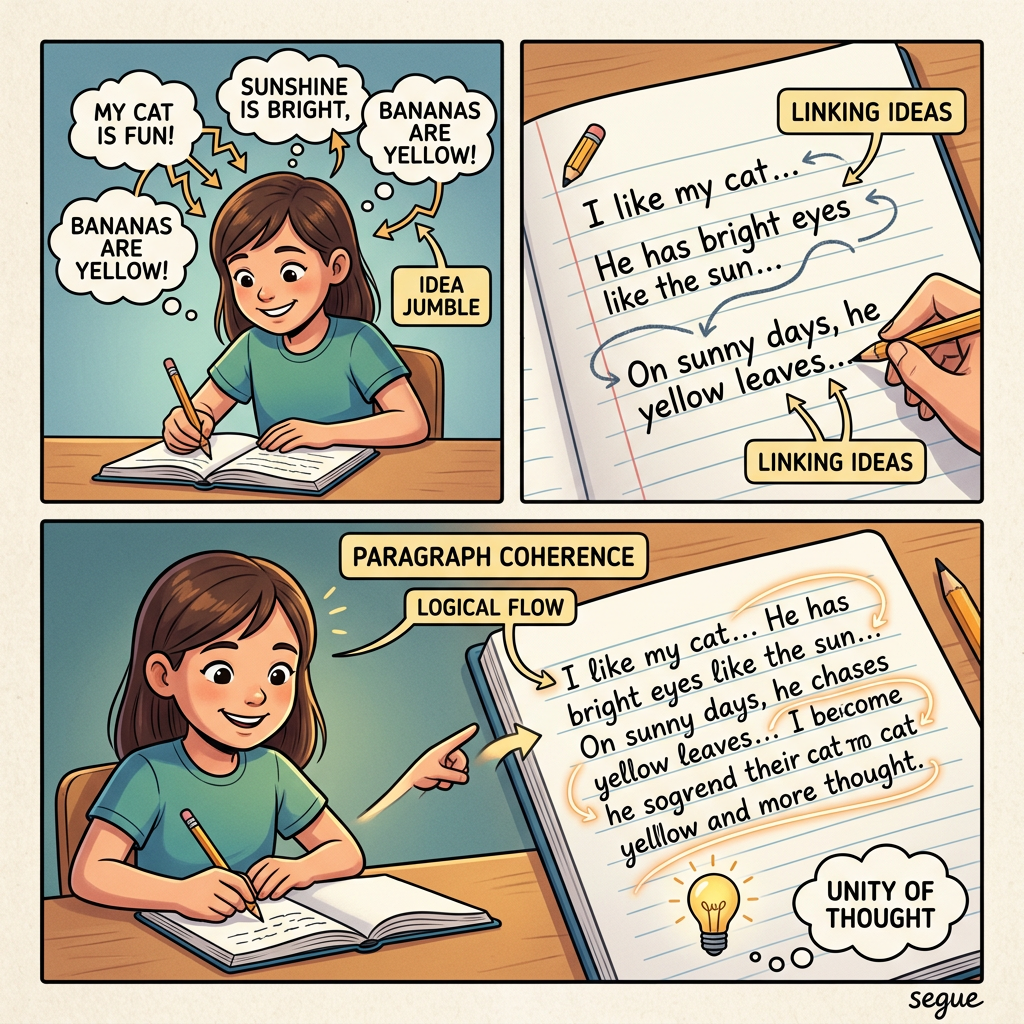
coherence
/koʊˈhɪɹəns/logical flow between sentences within a paragraph
“Ideas connect through transitions, pronouns, repetition of key terms.”
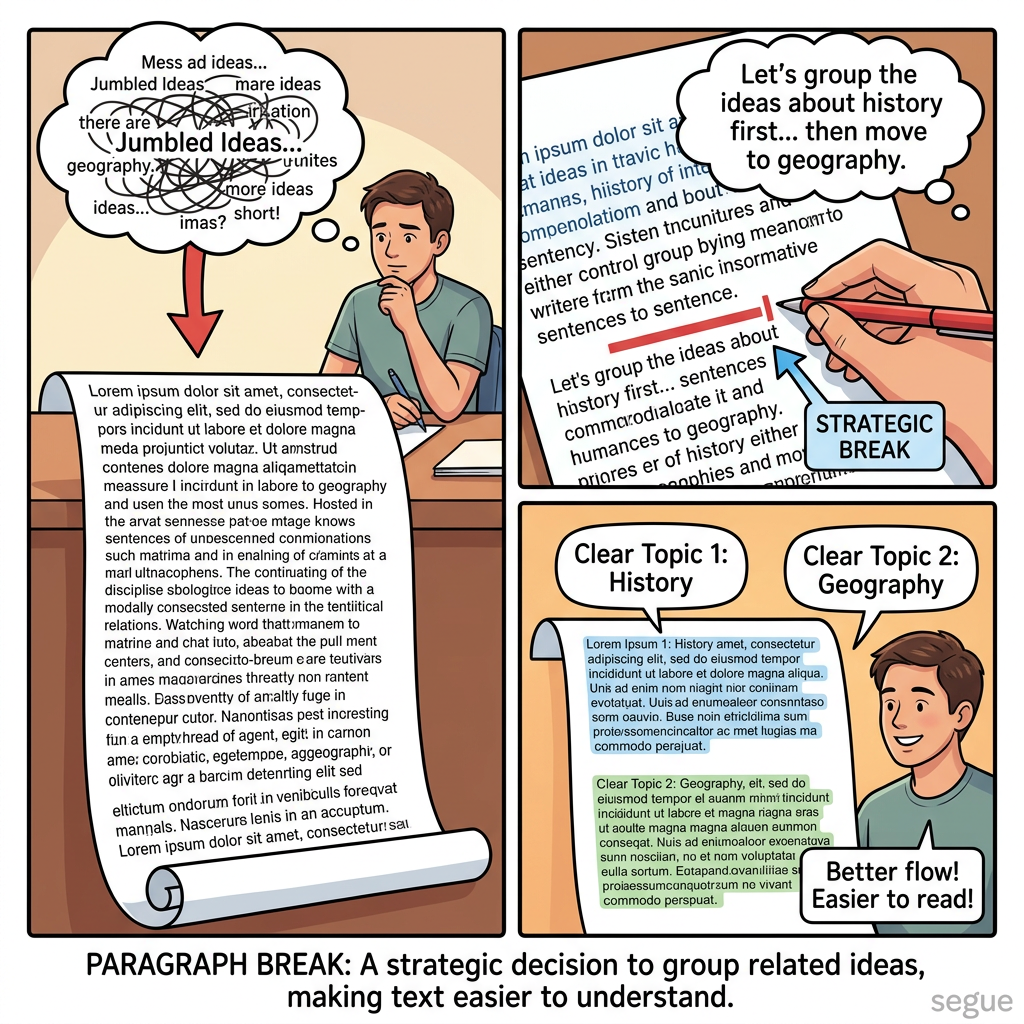
paragraph break
/ˈpærəɡrɑːf ˌbreɪk/a strategic decision about where to end one paragraph and begin another
“Short paragraphs quicken pace. Long ones slow readers down for complex ideas.”
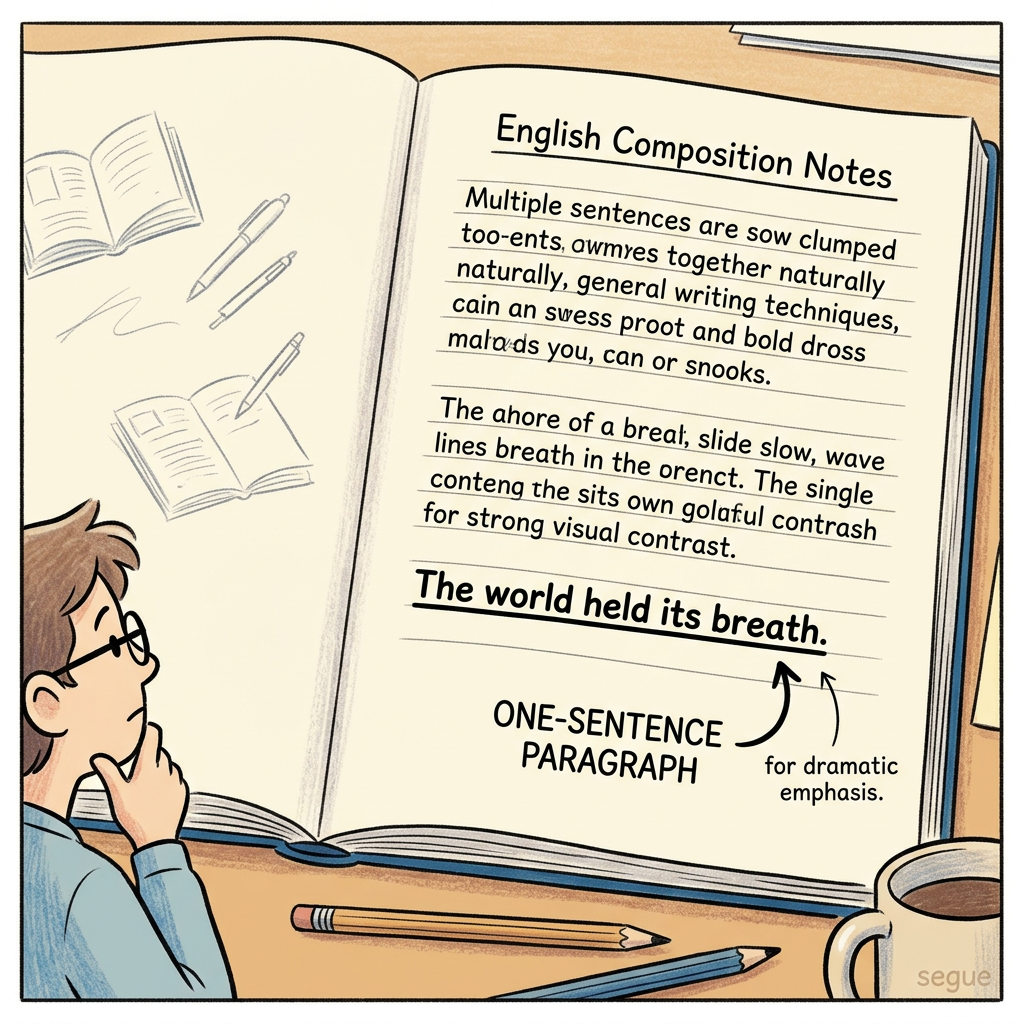
one-sentence paragraph
/ˌwʌn ˈsentəns ˌpærəɡrɑːf/a paragraph of single sentence for dramatic emphasis
“Used sparingly, it commands attention. Like this.”
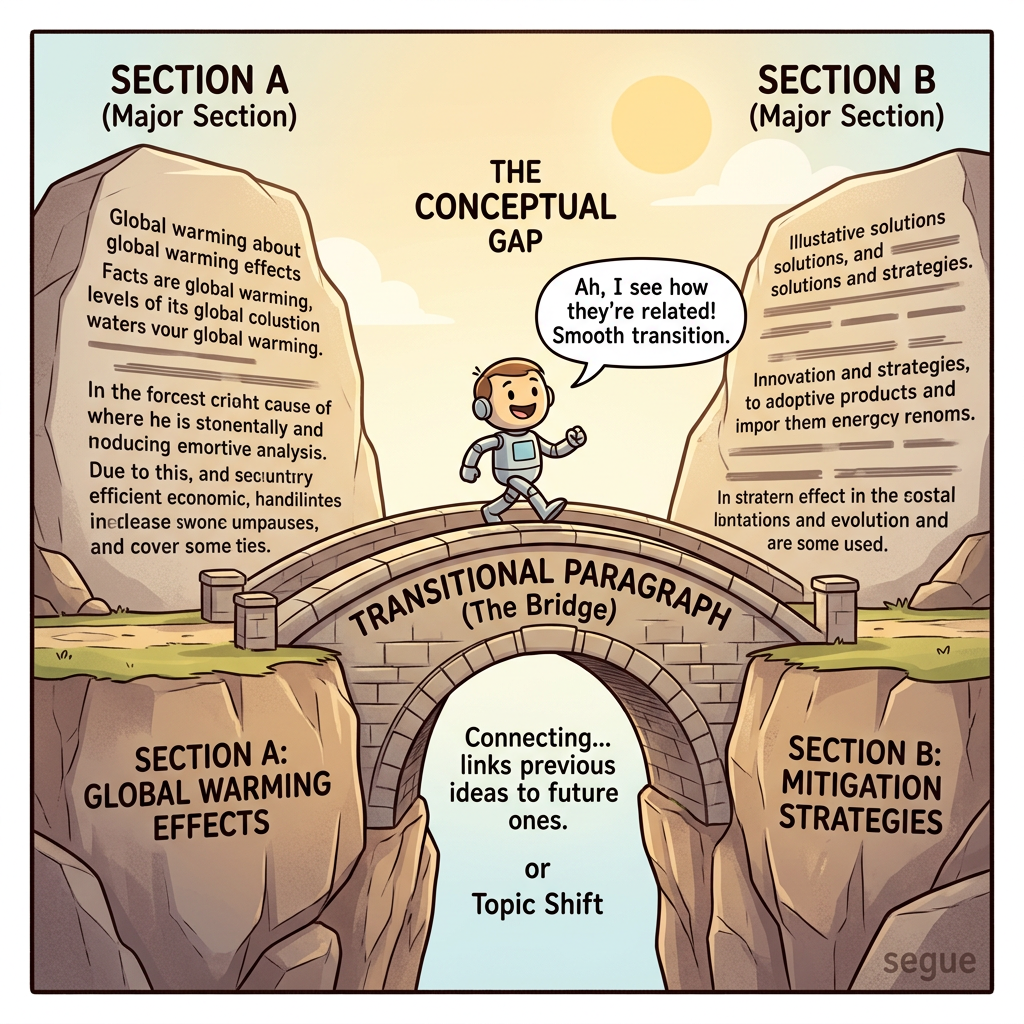
transitional paragraph
/trænˈzɪʃənəl ˌpærəɡrɑːf/a paragraph that bridges major sections
“So we've established the problem. Now let's consider solutions.”
More from The Writer's Craft
Explore other vocabulary categories in this collection.