Loading collection...
⚔️
Opposition & Resistance Vocabulary
Words about disagreement, defiance, and conflict
22 words
All 22 Words
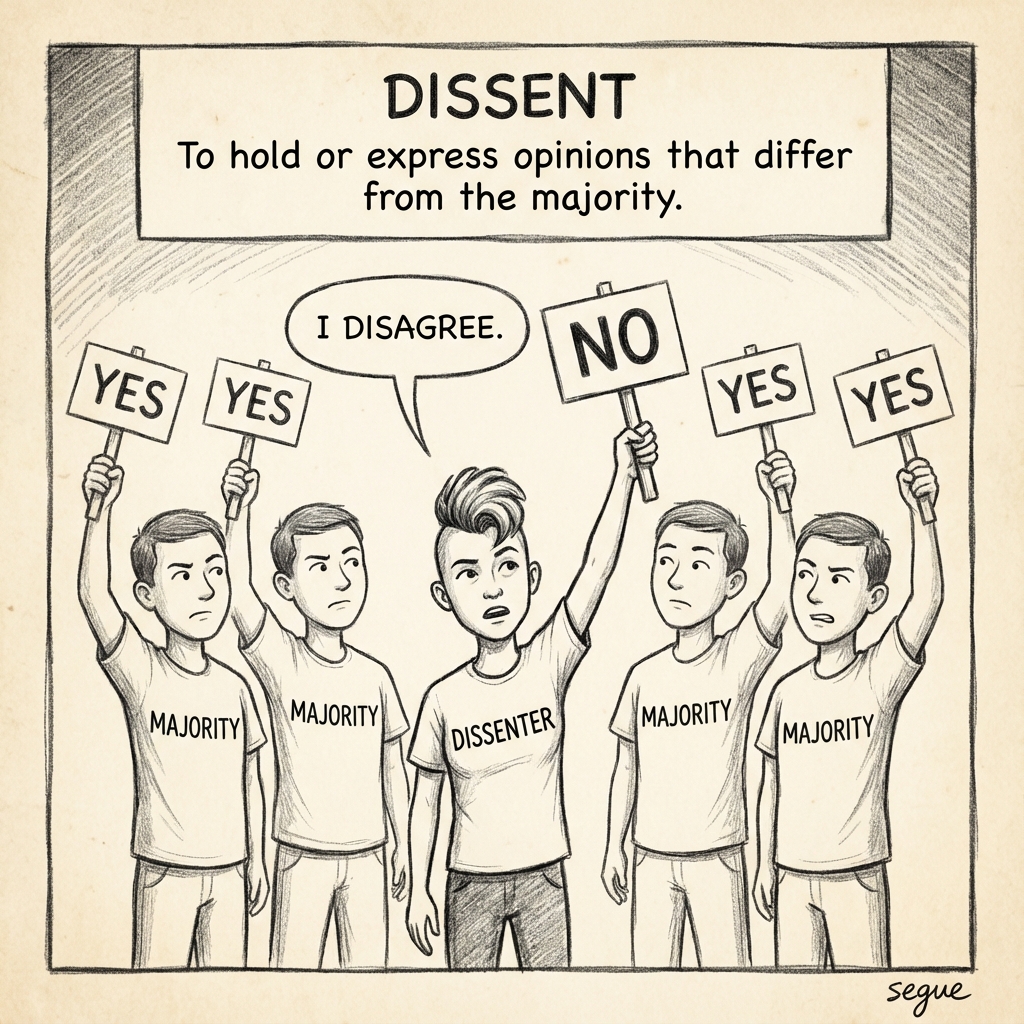
dissent
/dɪˈsɛnt/to hold or express opinions that differ from the majority
“Several justices dissented from the ruling.”
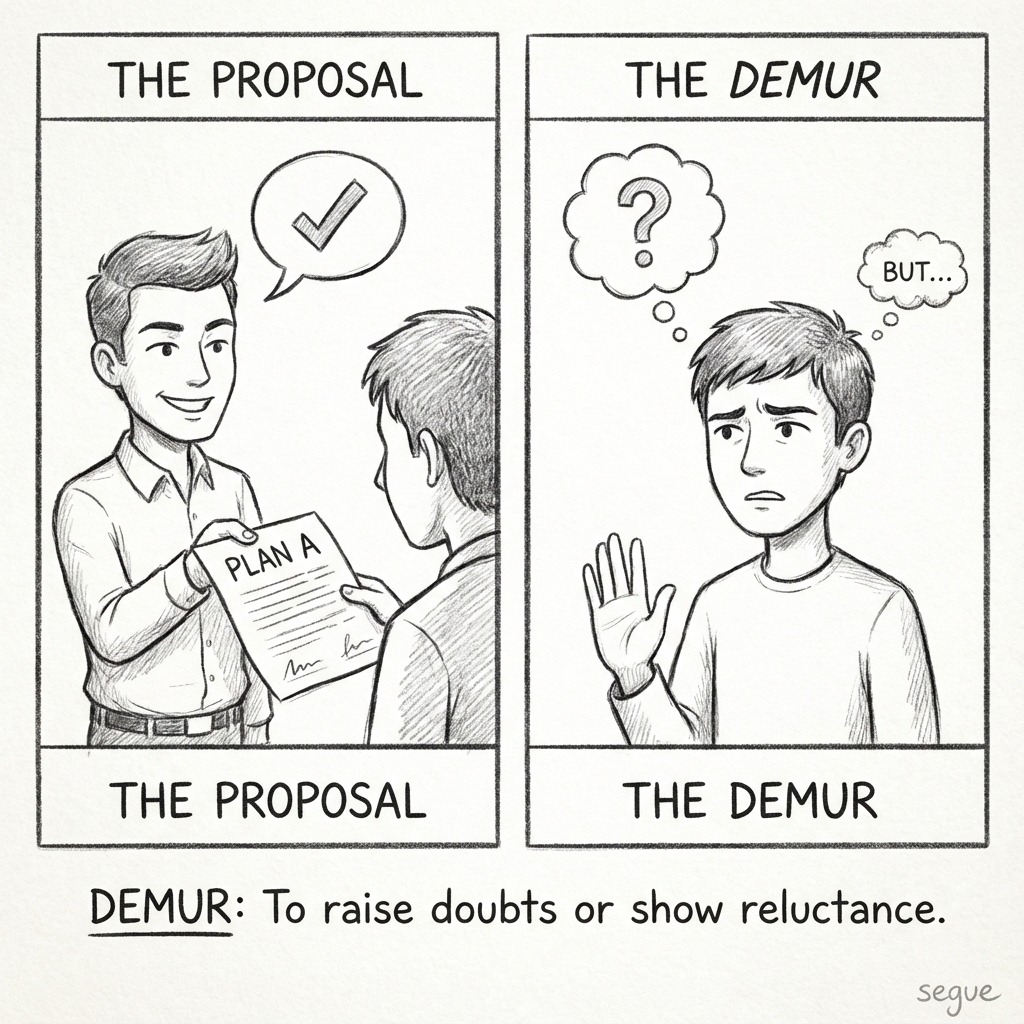
demur
/dɪˈmɝ/to raise doubts or objections; show reluctance
“She demurred when asked to take on more work.”
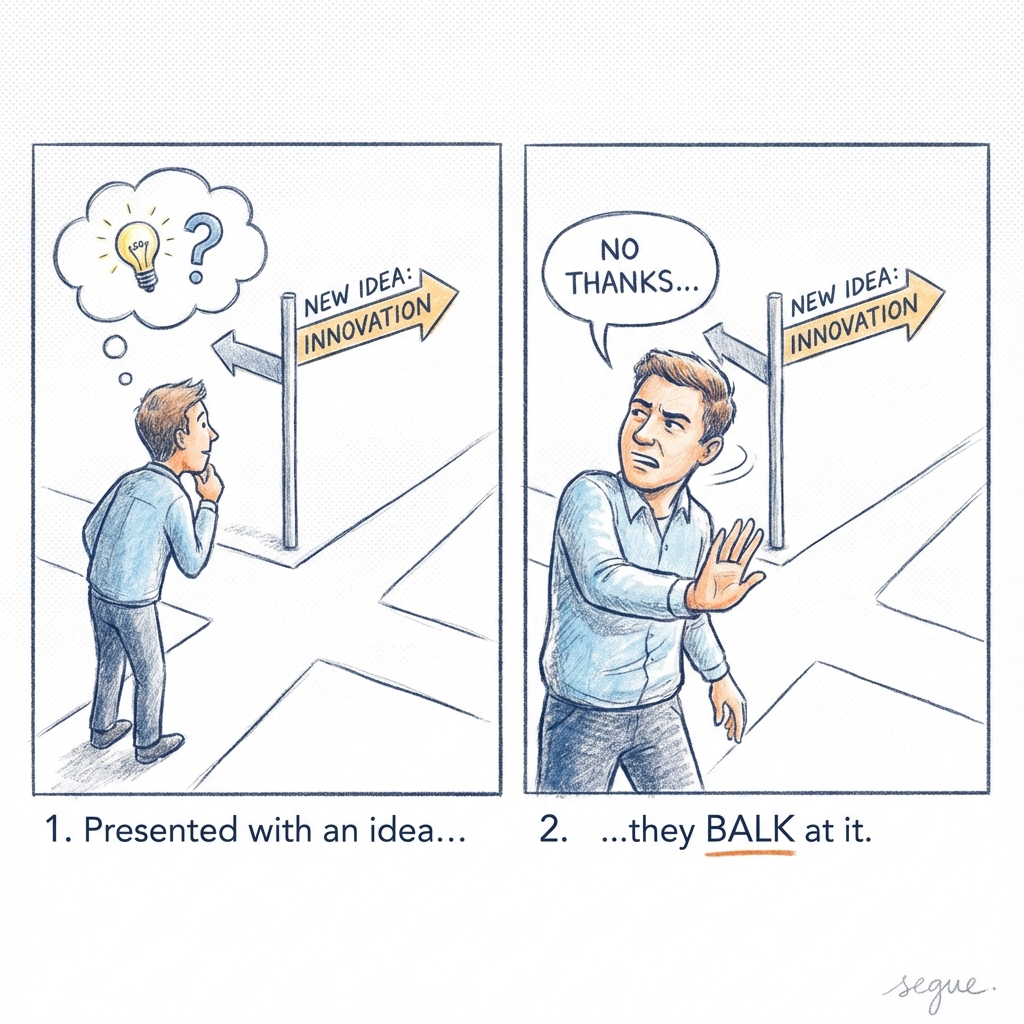
balk
/ˈbɑɫk/to hesitate or refuse to accept an idea
“Investors balked at the high price.”
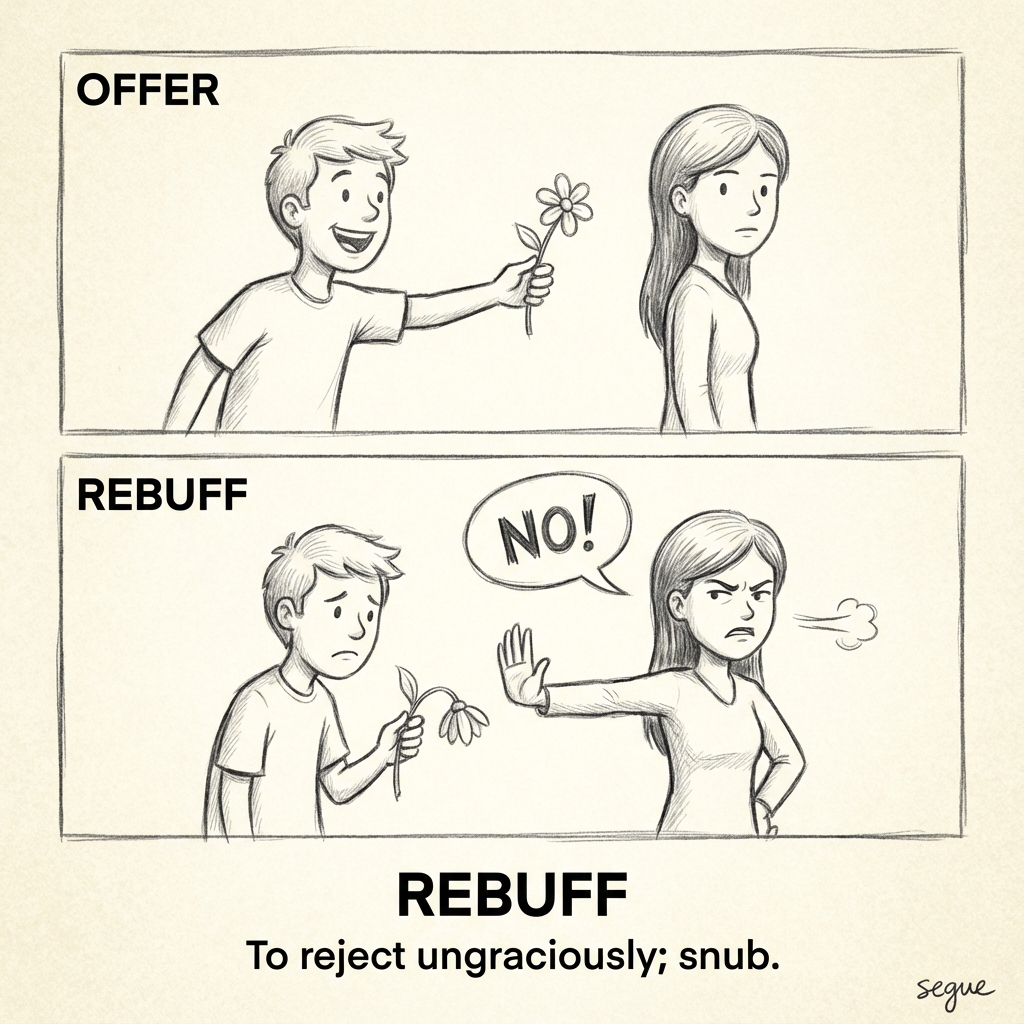
rebuff
/ɹiˈbəf/to reject ungraciously; snub
“His offer of help was rebuffed coldly.”
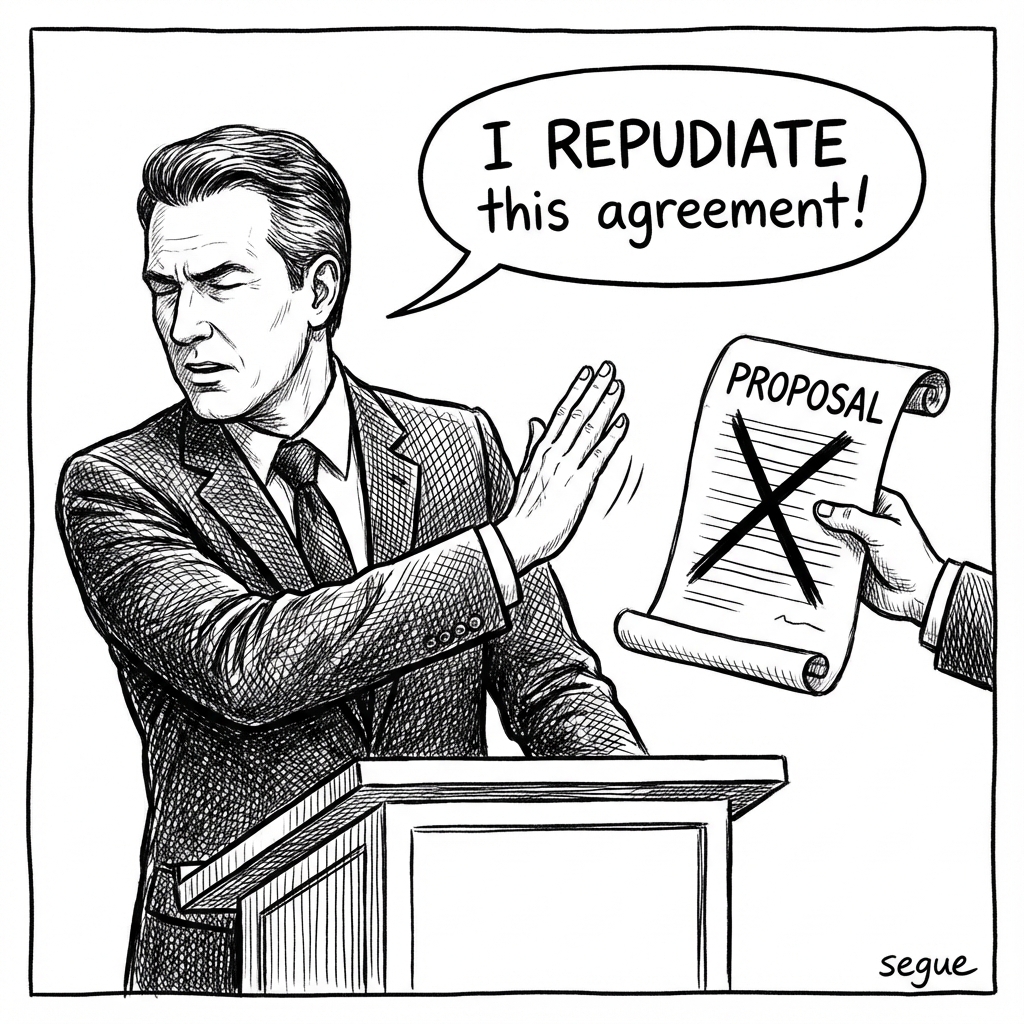
repudiate
/ɹipˈjudiˌeɪt/to refuse to accept or be associated with
“The candidate repudiated the controversial remarks.”
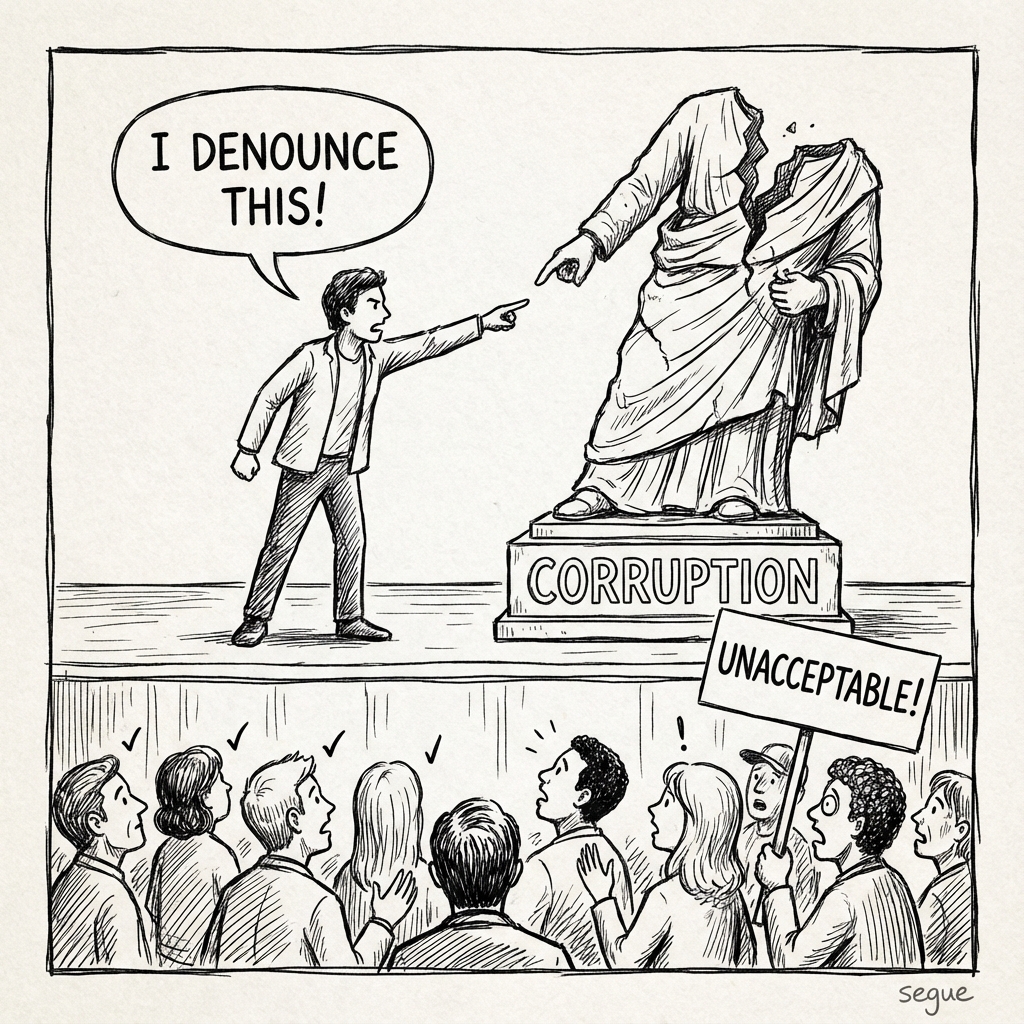
denounce
/dɪˈnaʊns/to publicly declare to be wrong or evil
“World leaders denounced the attack.”
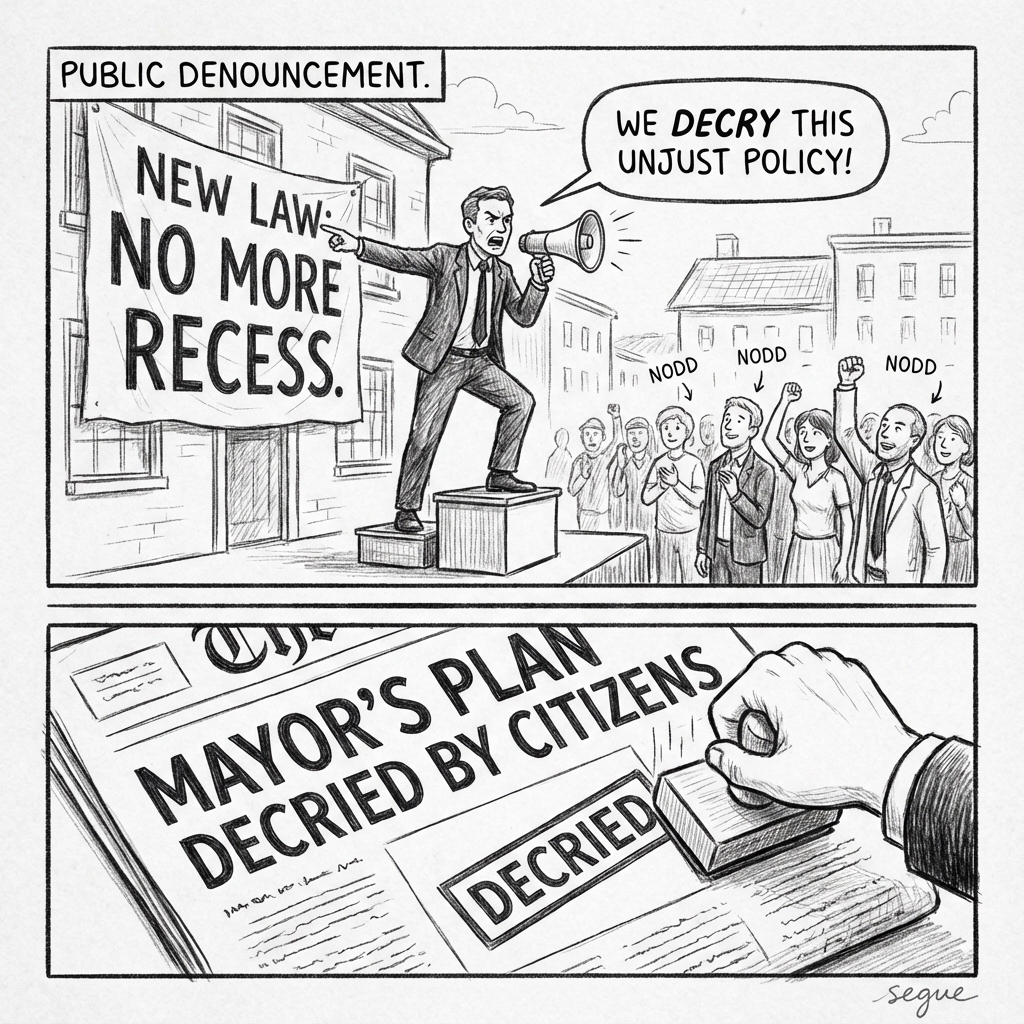
decry
/dɪˈkɹaɪ/to publicly denounce; criticize openly
“Critics decried the decision as unjust.”
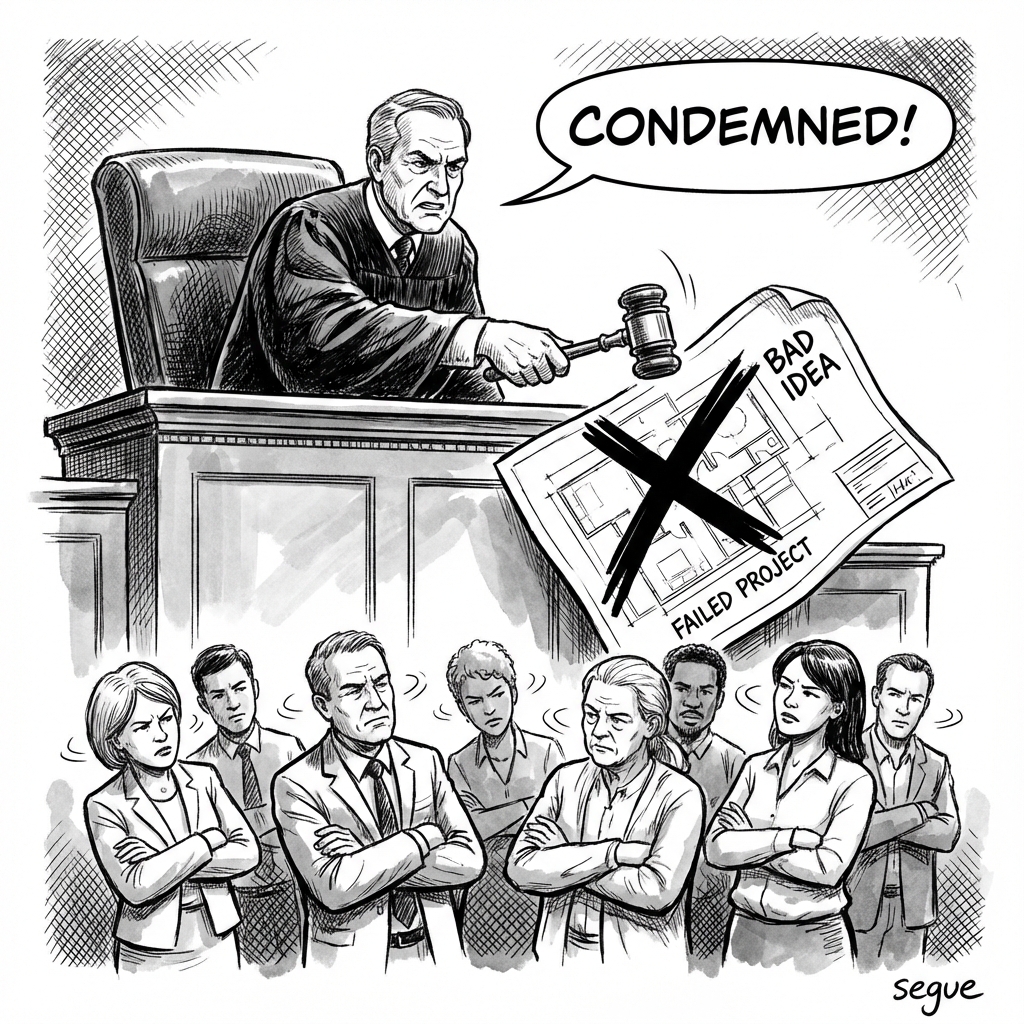
condemn
/kənˈdɛm/to express complete disapproval of
“The organization condemned the use of violence.”
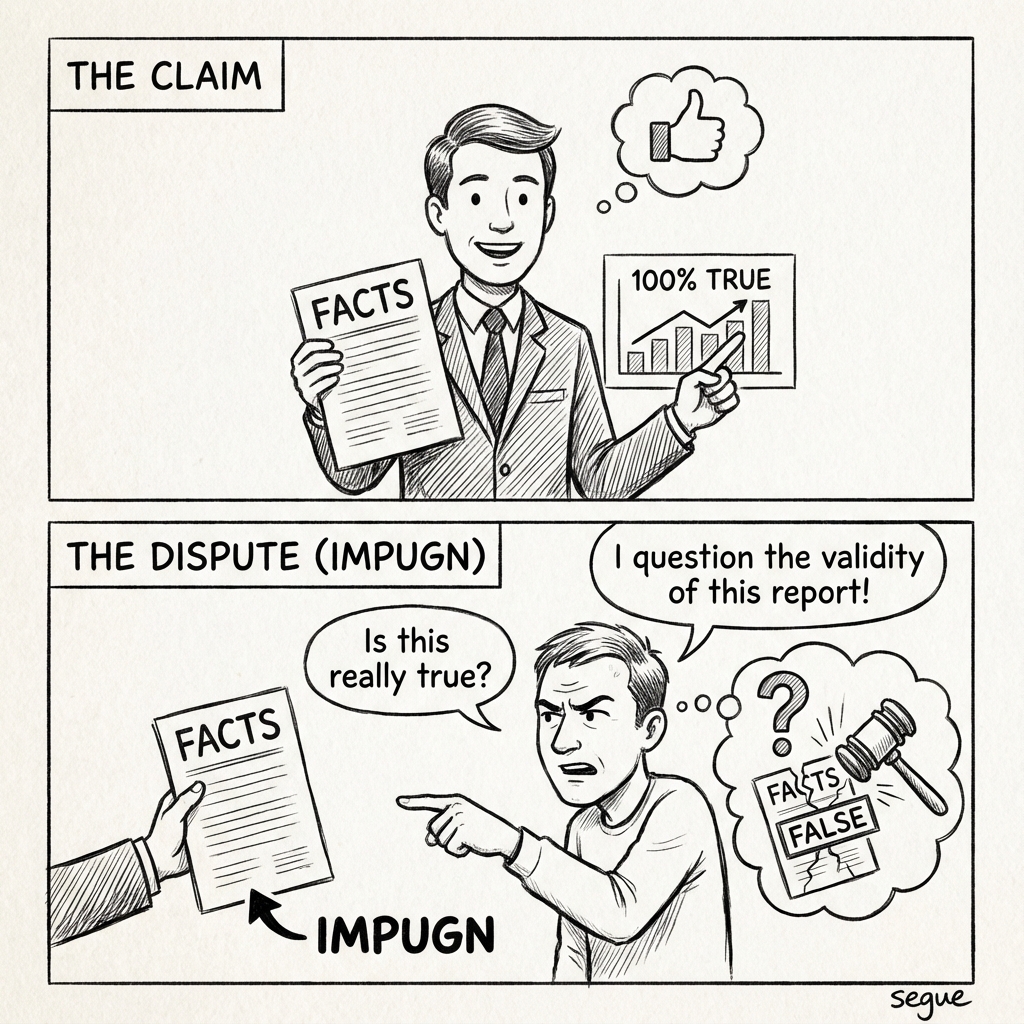
impugn
/ˌɪmˈpjun/to dispute the truth or validity of
“They attempted to impugn his credibility.”
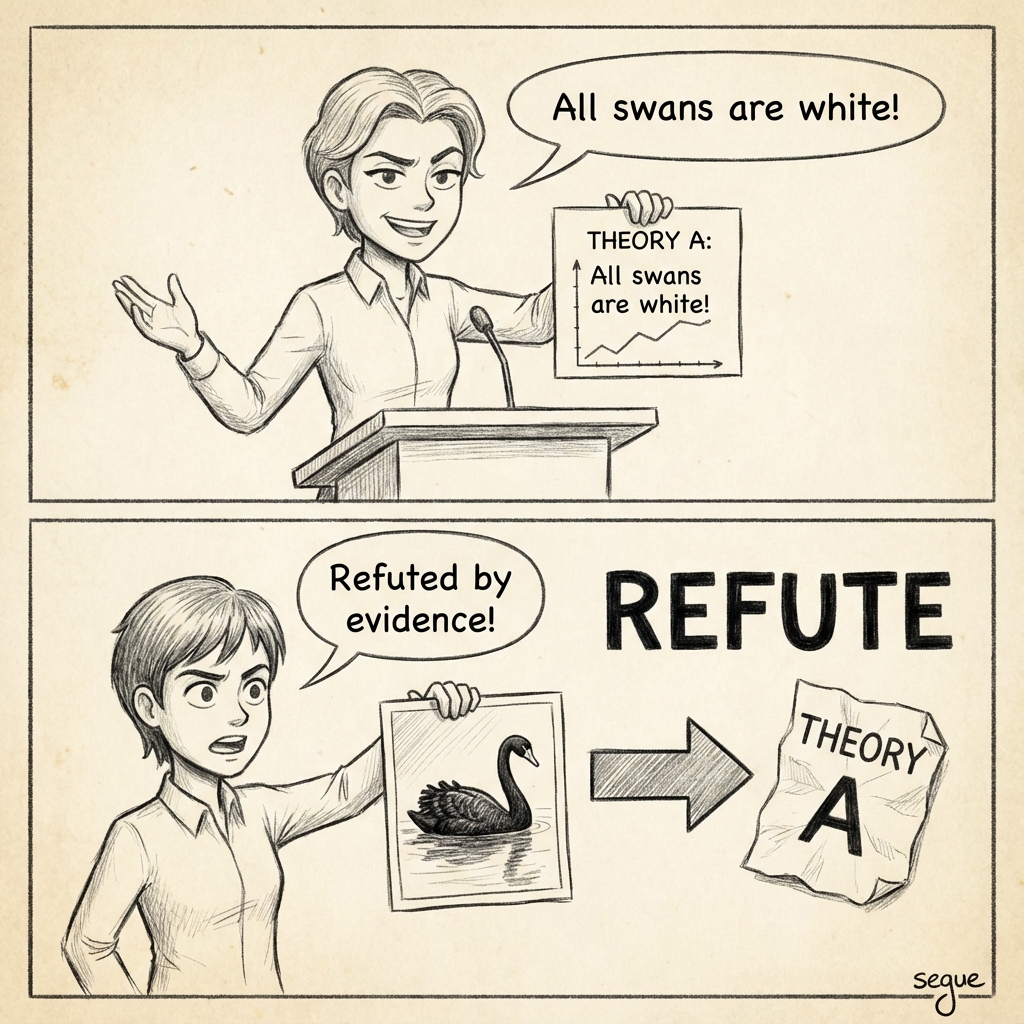
refute
/ɹɪfˈjut/to prove a statement or theory wrong
“She refuted every point of his argument.”
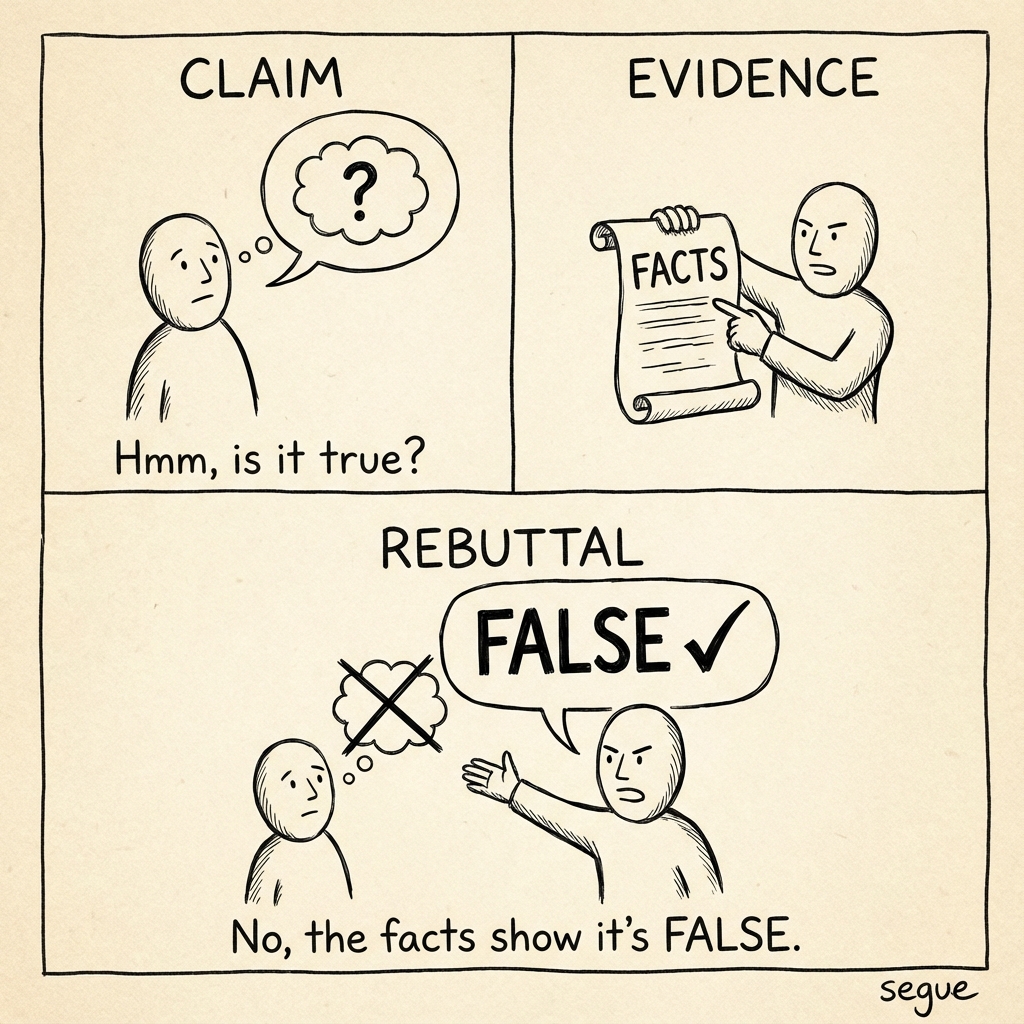
rebut
/ɹiˈbət/to claim or prove something false
“The defendant rebutted the prosecution's claims.”
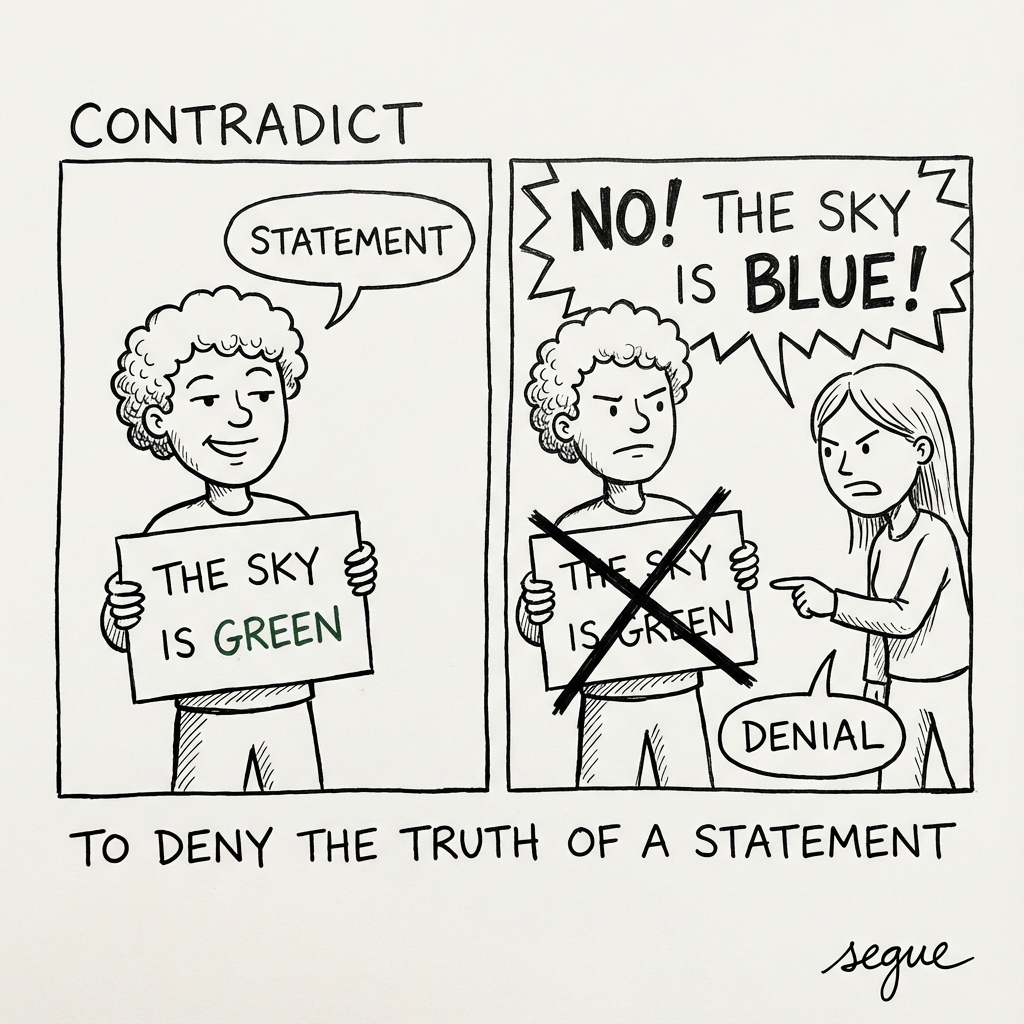
contradict
/ˌkɑntɹəˈdɪkt/to deny the truth of a statement
“The evidence contradicted his testimony.”
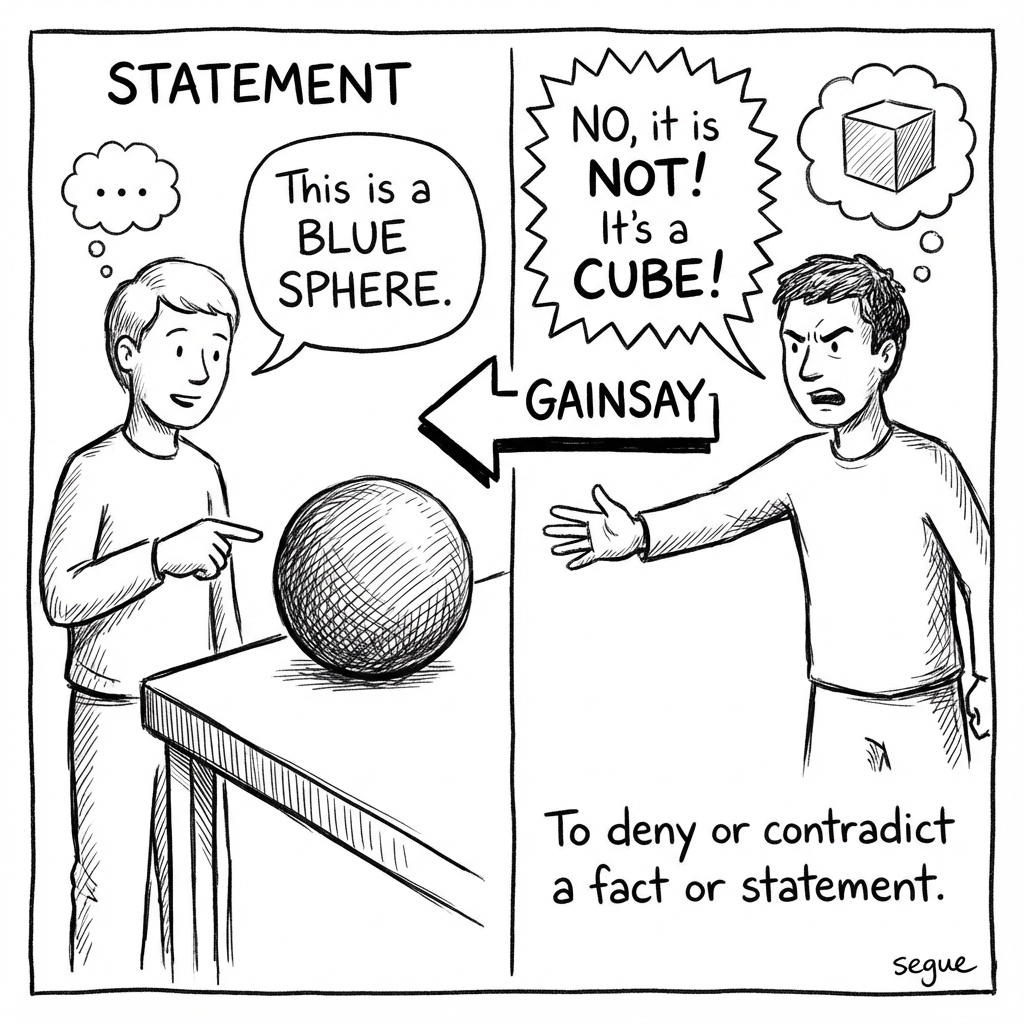
gainsay
/ˈɡeɪnˌseɪ/to deny or contradict a fact or statement
“No one could gainsay the obvious truth.”
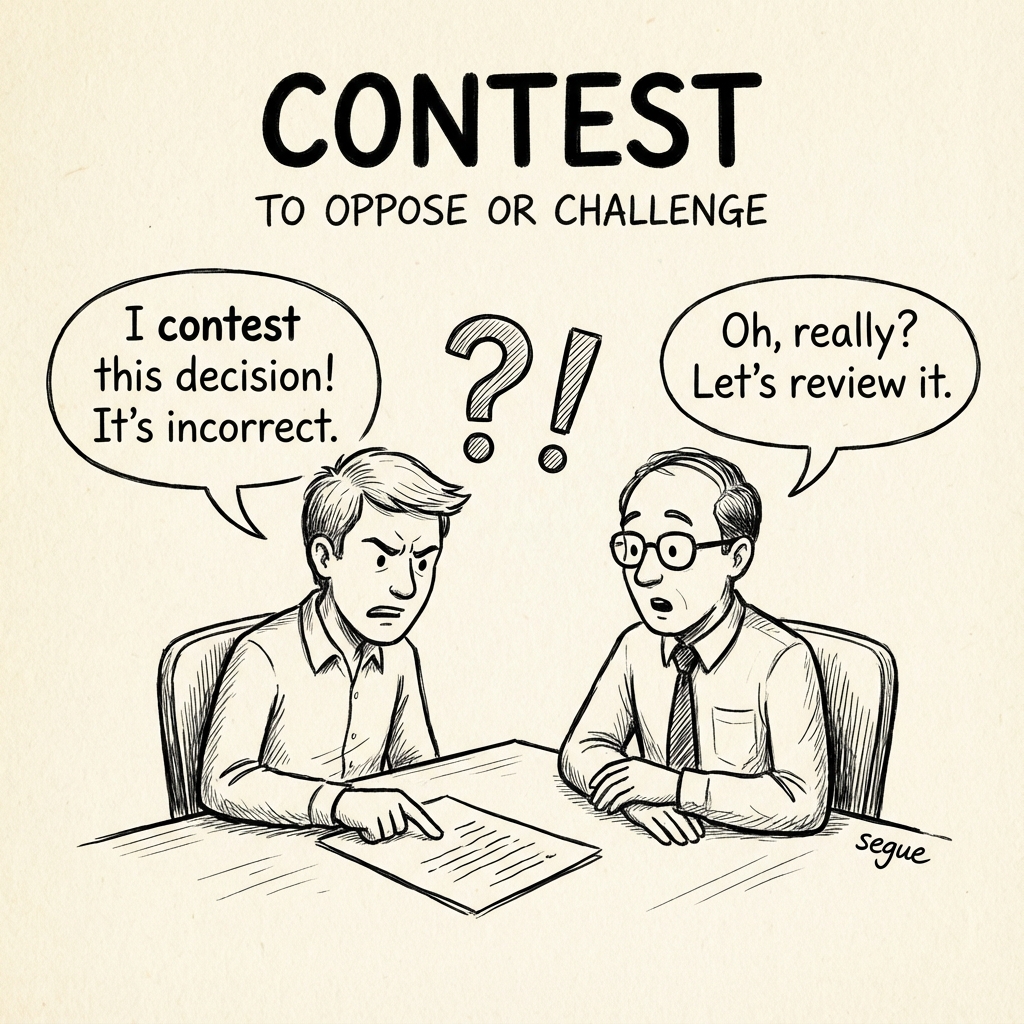
contest
/ˈkɑntɛst/to oppose or challenge
“She contested the will in court.”
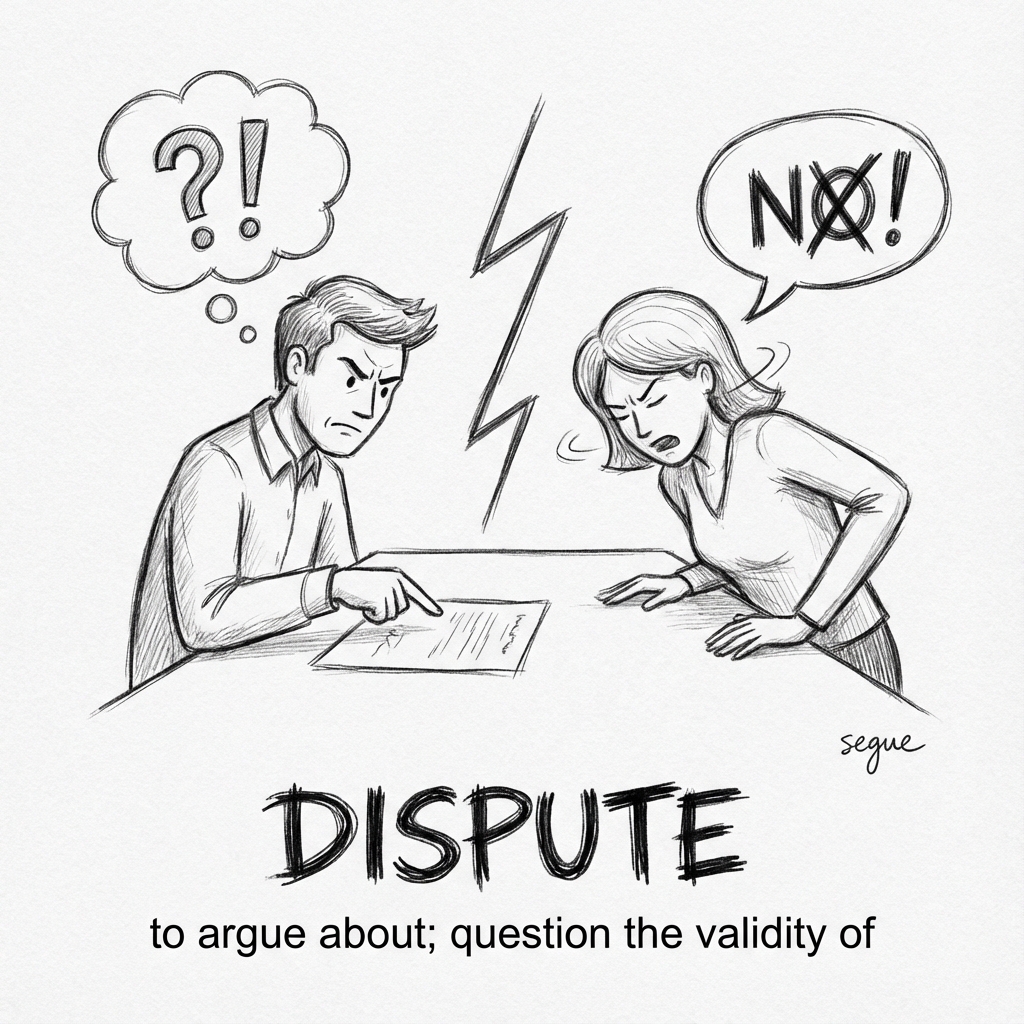
dispute
/dɪˈspjut/to argue about; question the validity of
“Historians dispute the accuracy of the account.”
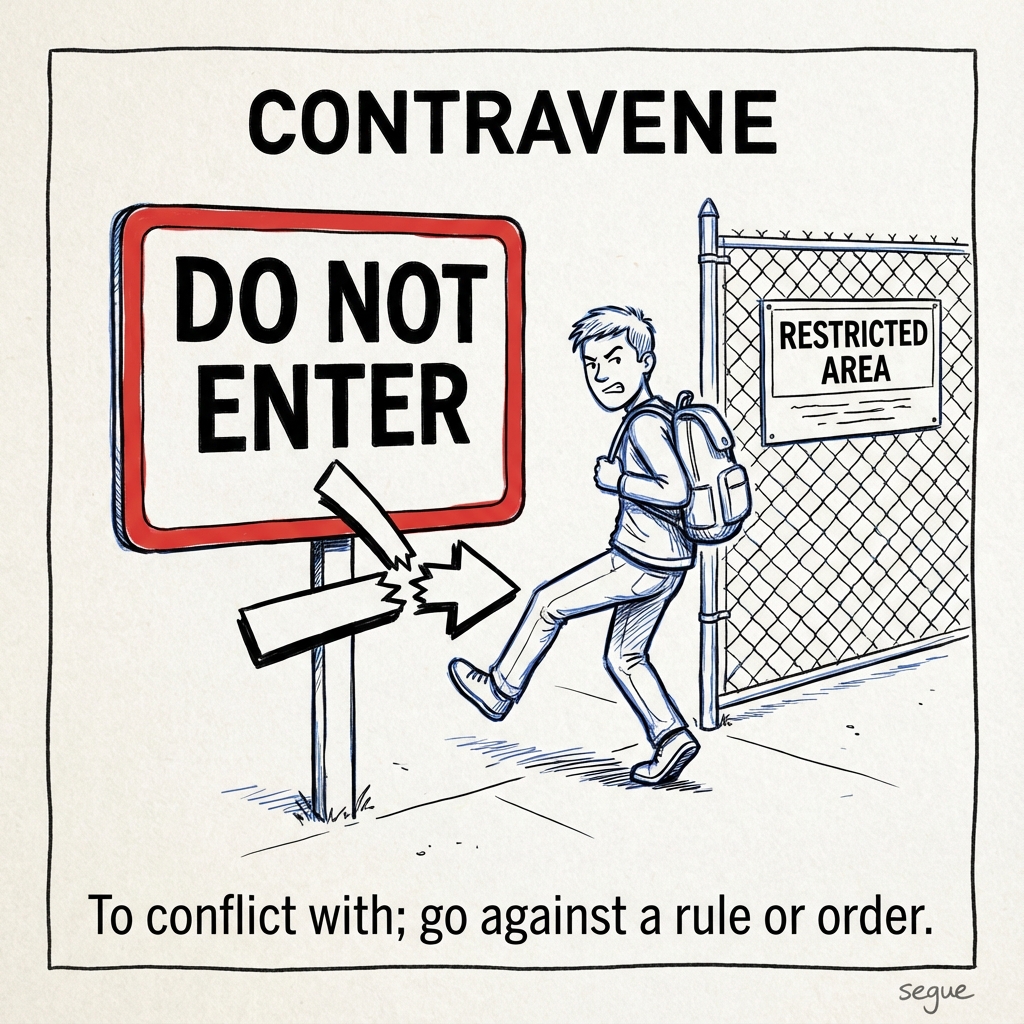
contravene
/ˈkɑntɹəˌvin/to conflict with; go against
“The action contravenes international law.”

defy
/dɪˈfaɪ/to openly resist or refuse to obey
“She defied convention by pursuing her dreams.”
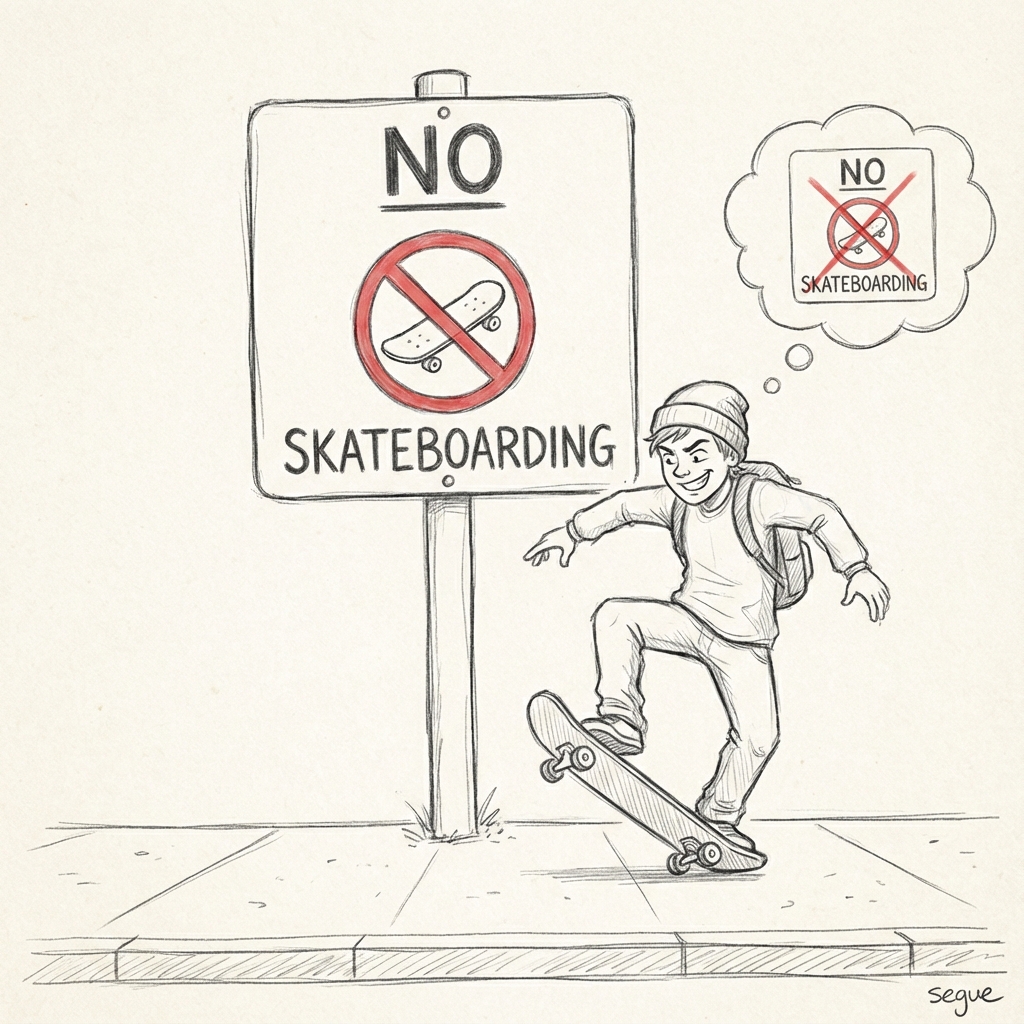
flout
/ˈfɫaʊt/to openly disregard a rule or convention
“He flouted the dress code repeatedly.”
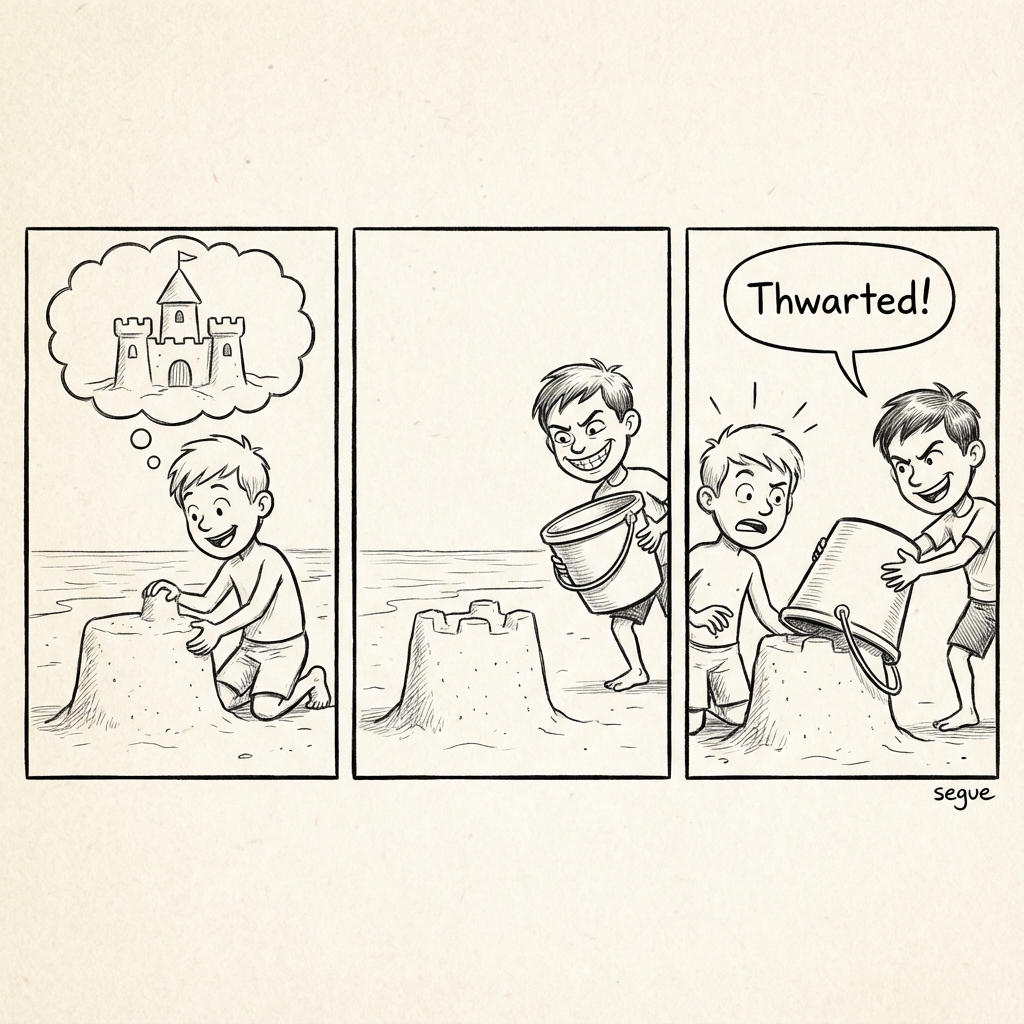
thwart
/ˈθwɔɹt/to prevent someone from accomplishing something
“Bad weather thwarted their plans.”
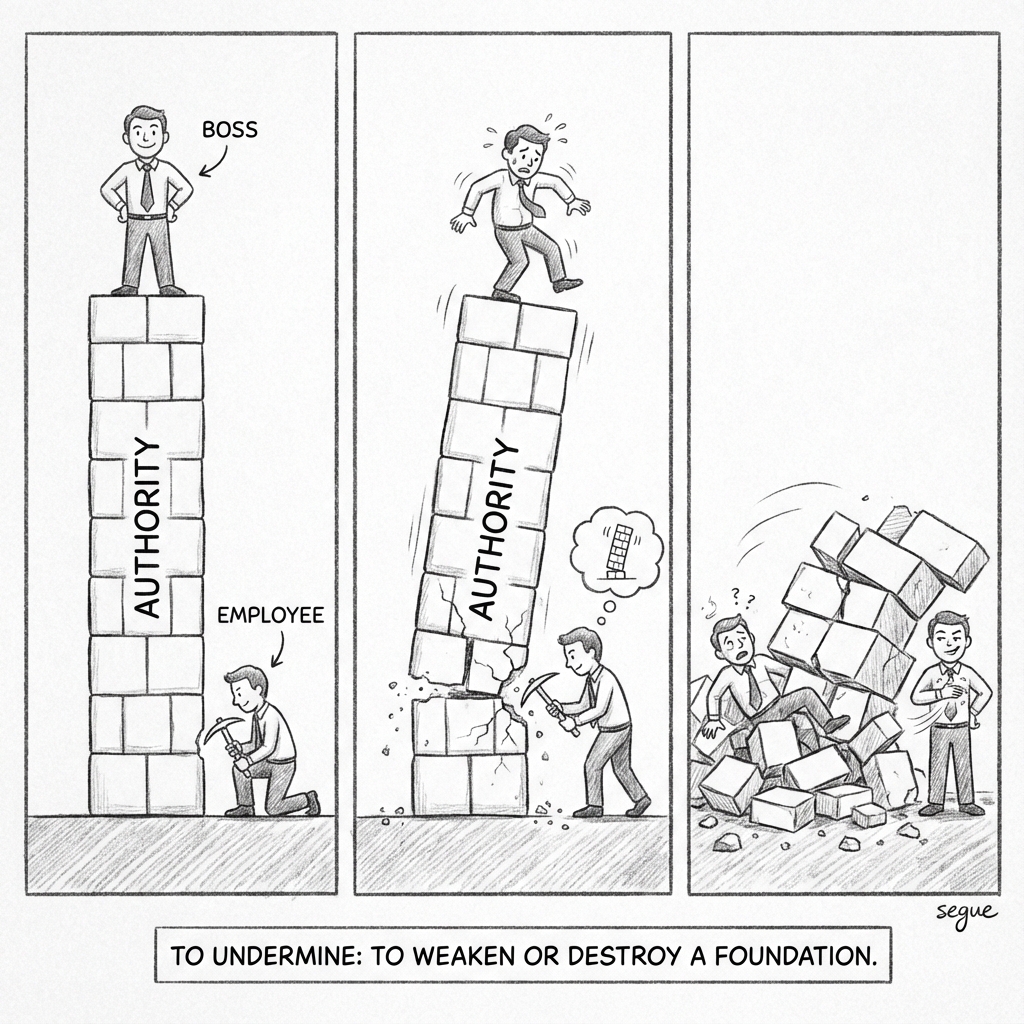
undermine
/ˈəndɝˌmaɪn/to erode the base or foundation of
“The scandal undermined public trust in the institution.”
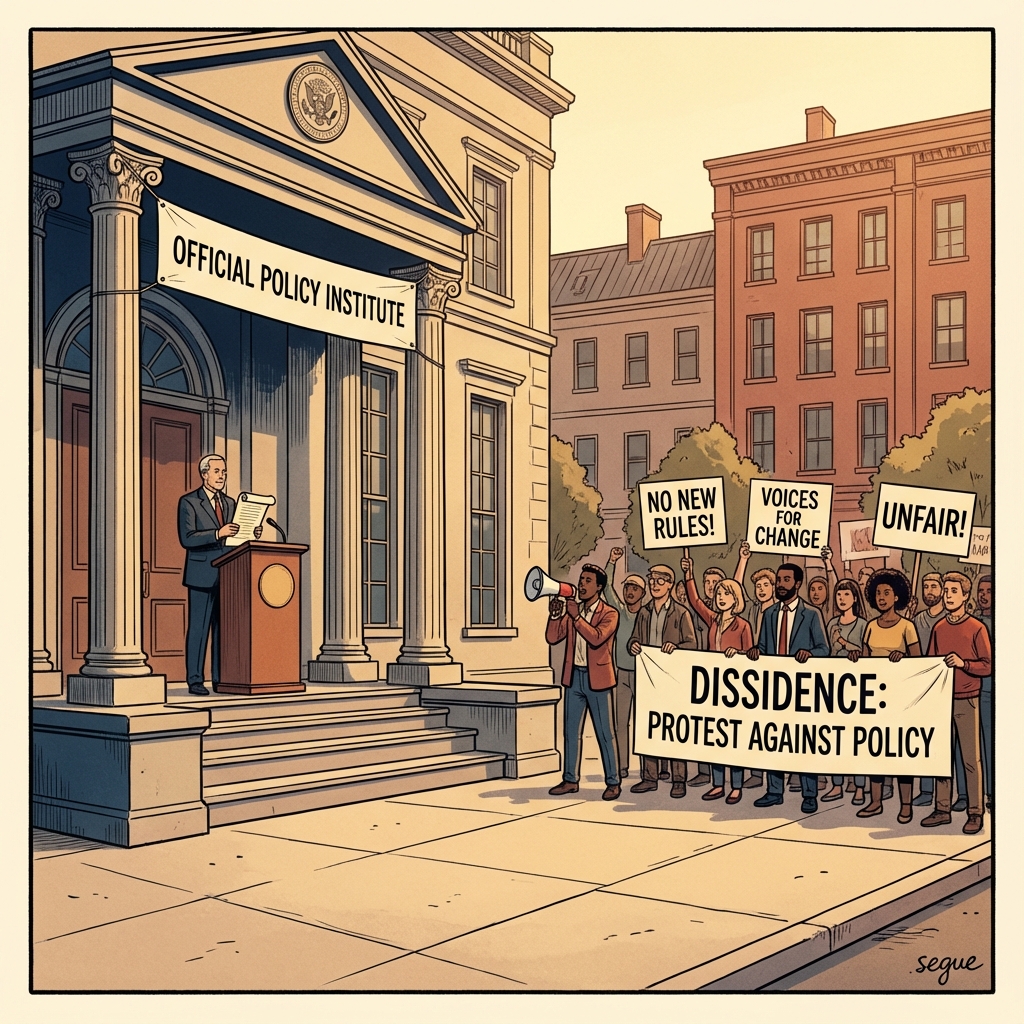
dissidence
/ˈdɪsədəns/protest against official policy
“The government crushed all signs of political dissidence.”
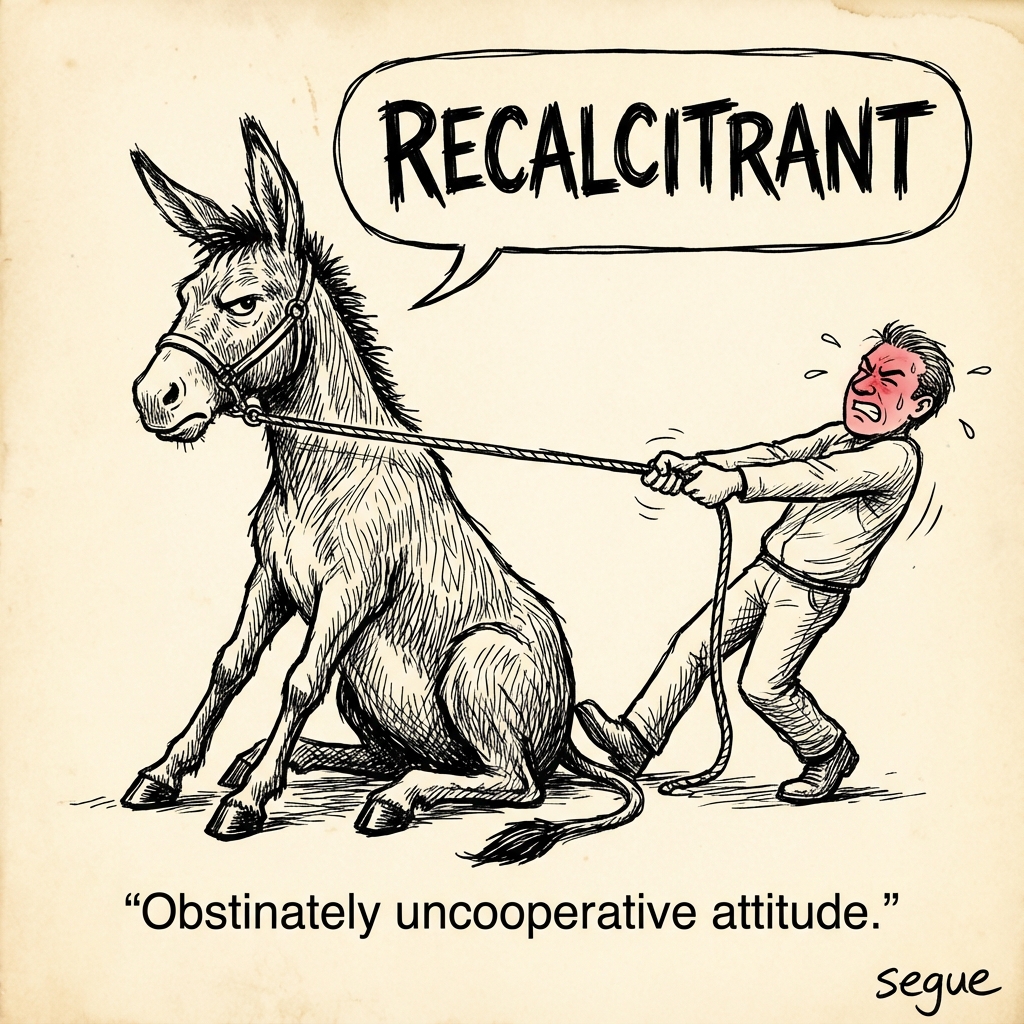
recalcitrant
/ɹɪˈkæɫsɪtɹənt/having an obstinately uncooperative attitude
“The recalcitrant employee refused to follow the new rules.”
More from Logic & Reasoning
Explore other vocabulary categories in this collection.