Loading collection...
🚪
Openings & Closings Vocabulary
Beginning and ending with power
8 words
All 8 Words
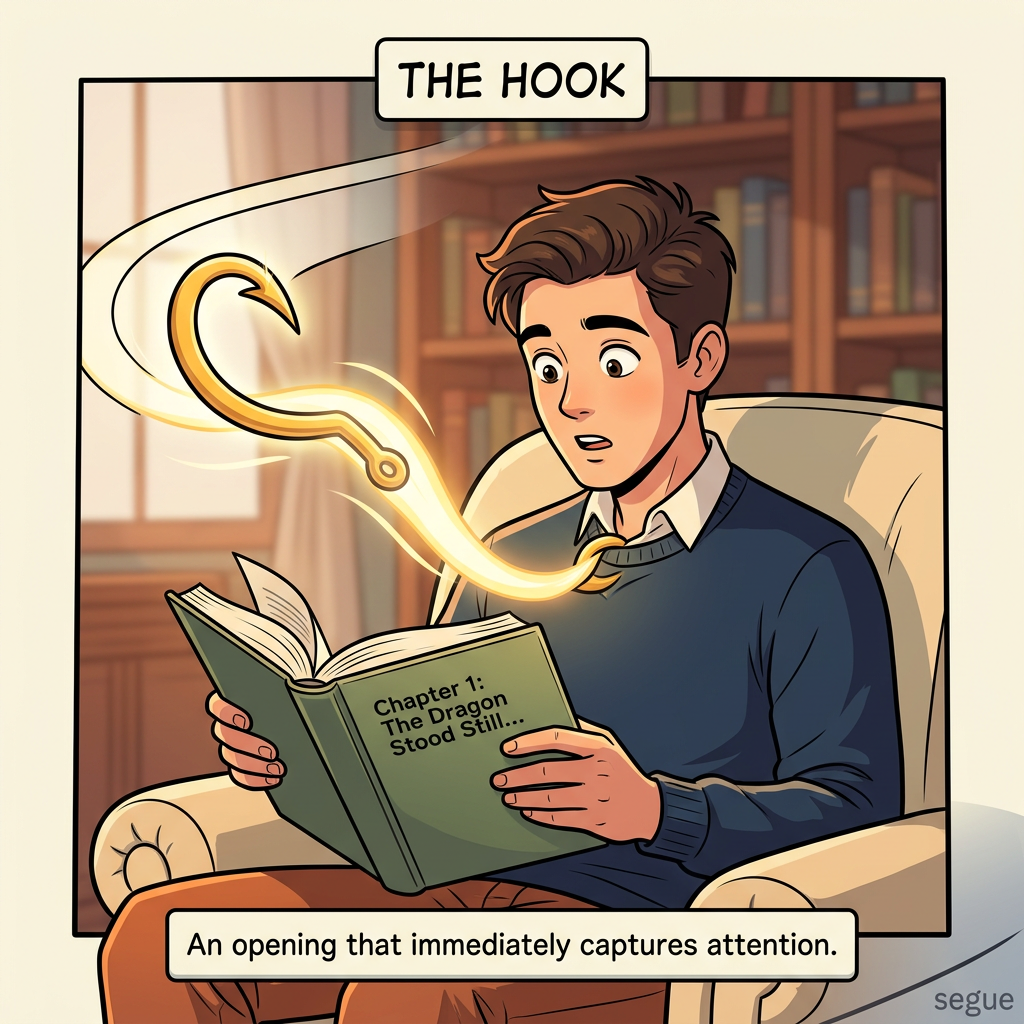
hook
/ˈhʊk/an opening that immediately captures attention
“It was a bright cold day in April, and the clocks were striking thirteen.”
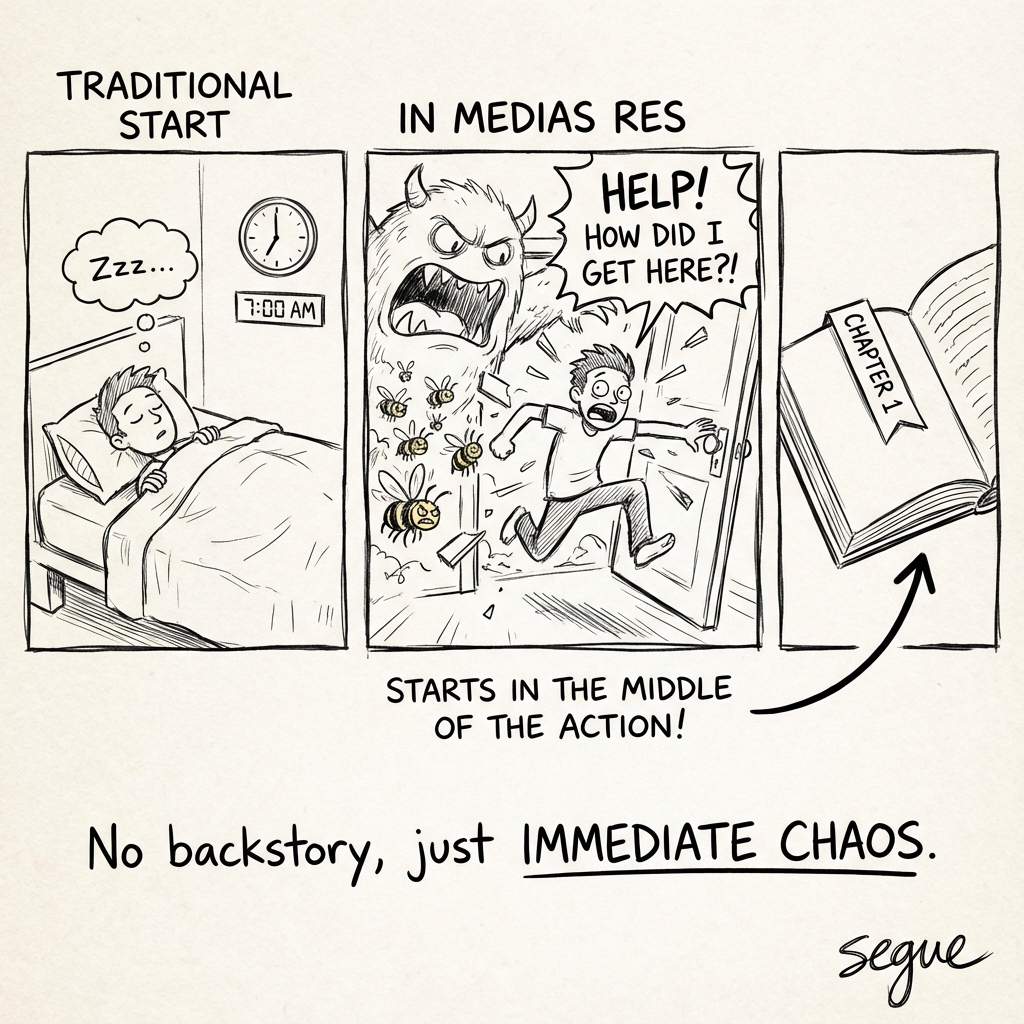
in medias res
/ˌɪn ˌmiːdiəs ˈreɪz/beginning in the middle of the action
“The gun went off. Starting with action, explaining later.”
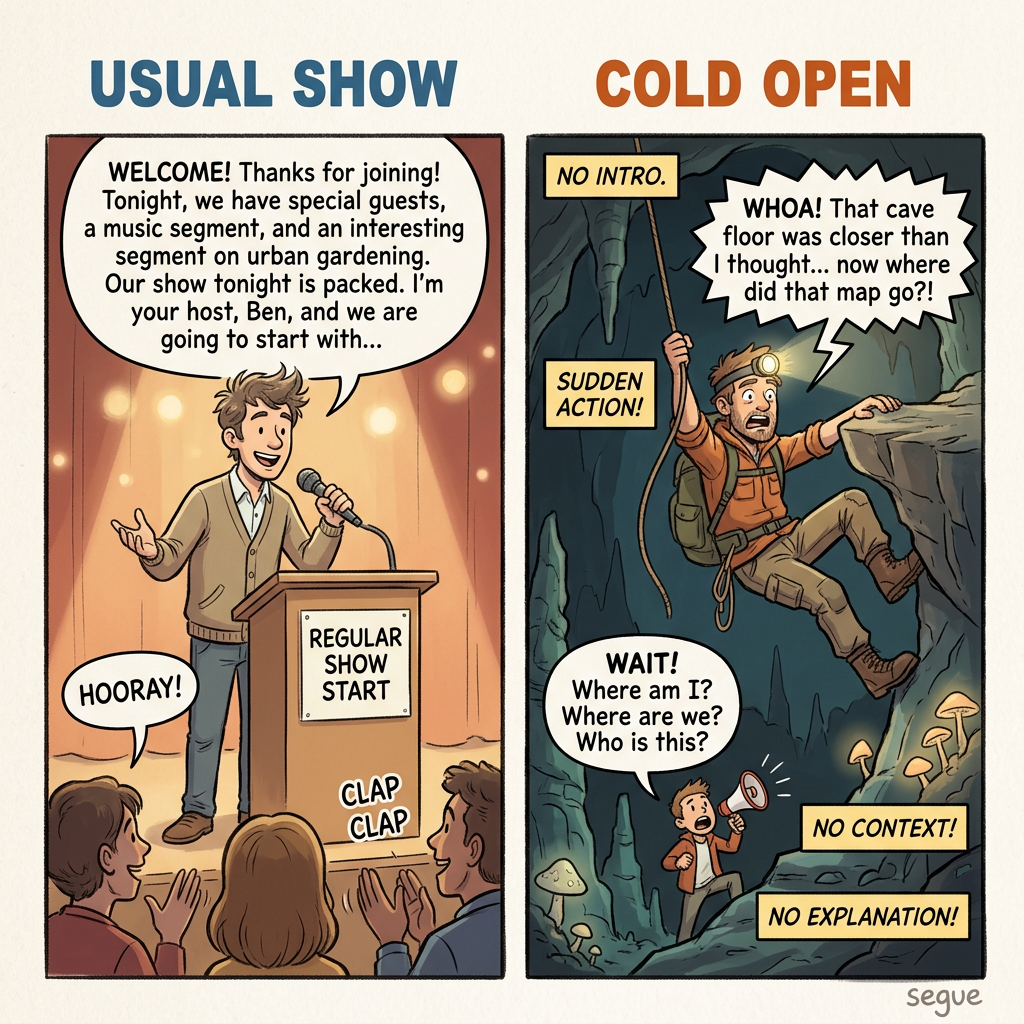
cold open
/ˌkoʊld ˈoʊpən/beginning without preamble or context
“Dropping readers directly into scene without setup.”
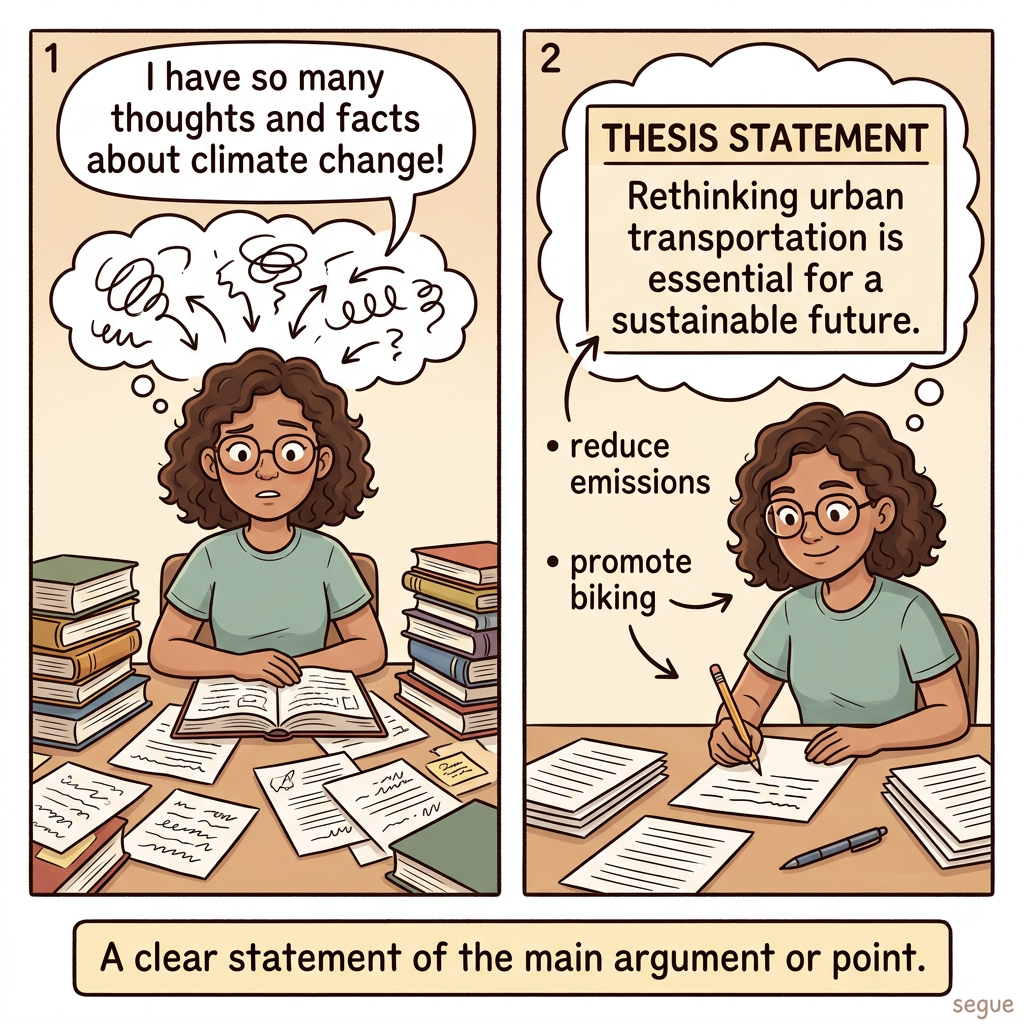
thesis statement
/ˈθiːsɪs ˌsteɪtmənt/a clear statement of the main argument or point
“This essay argues that... The central claim, stated plainly.”
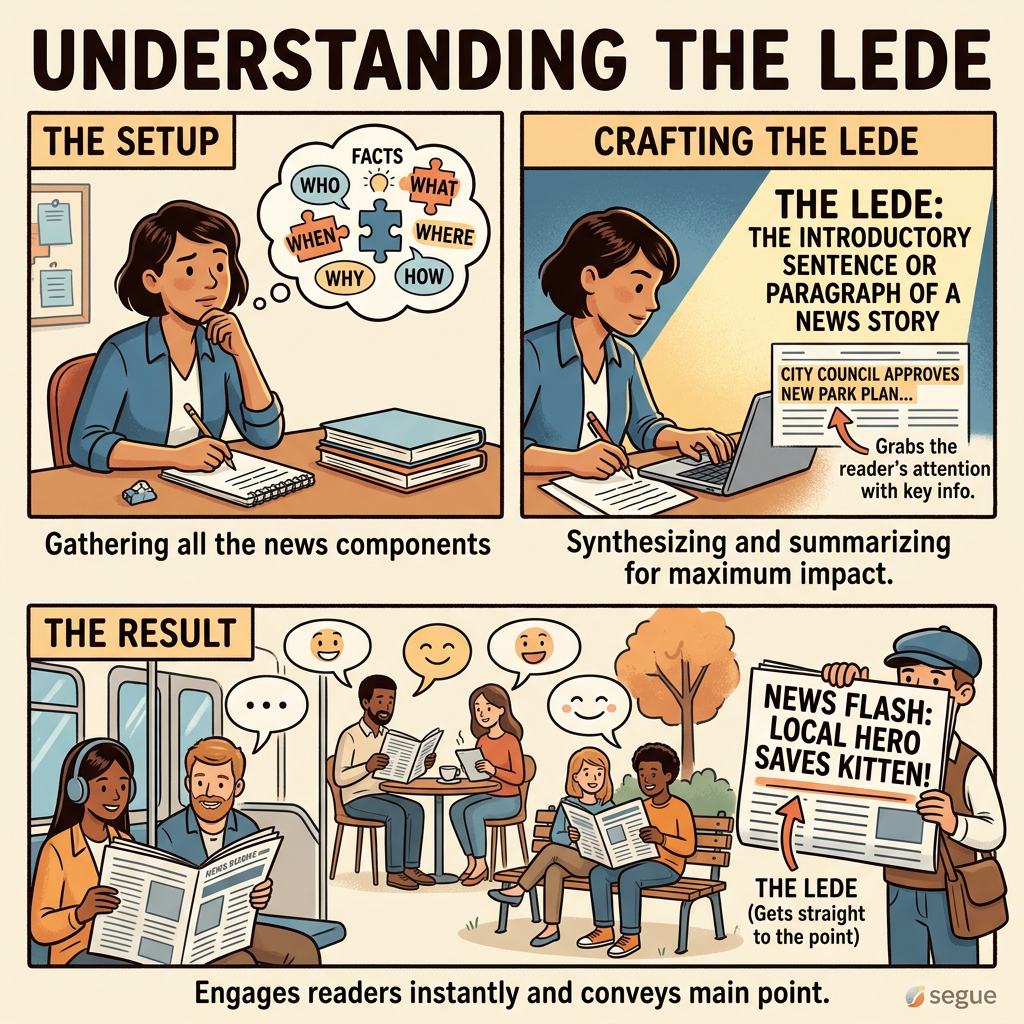
lede
/liːd/the opening sentence or paragraph of a news story
“Burying the lede means hiding the main point too deep.”
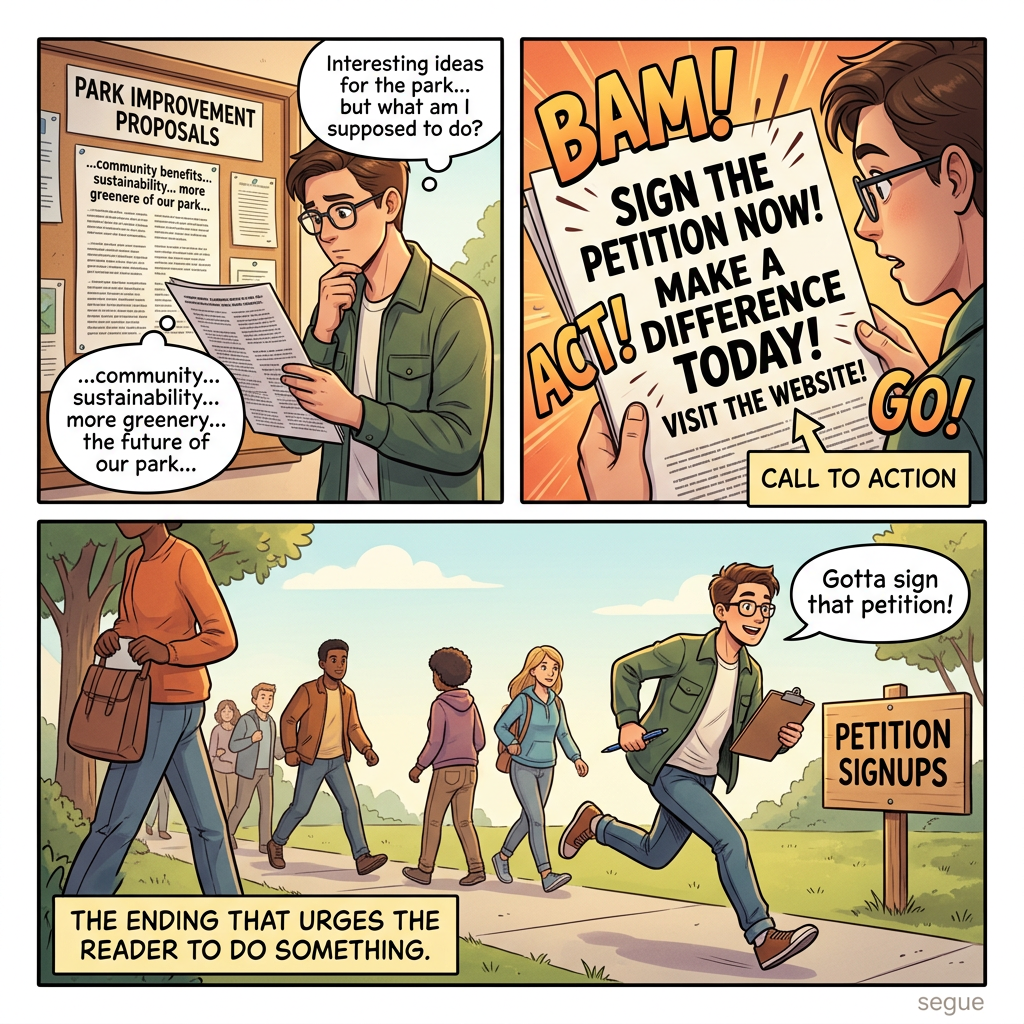
call to action
/ˌkɔːl tuː ˈækʃən/an ending that urges the reader to do something
“The time to act is now. Start today.”
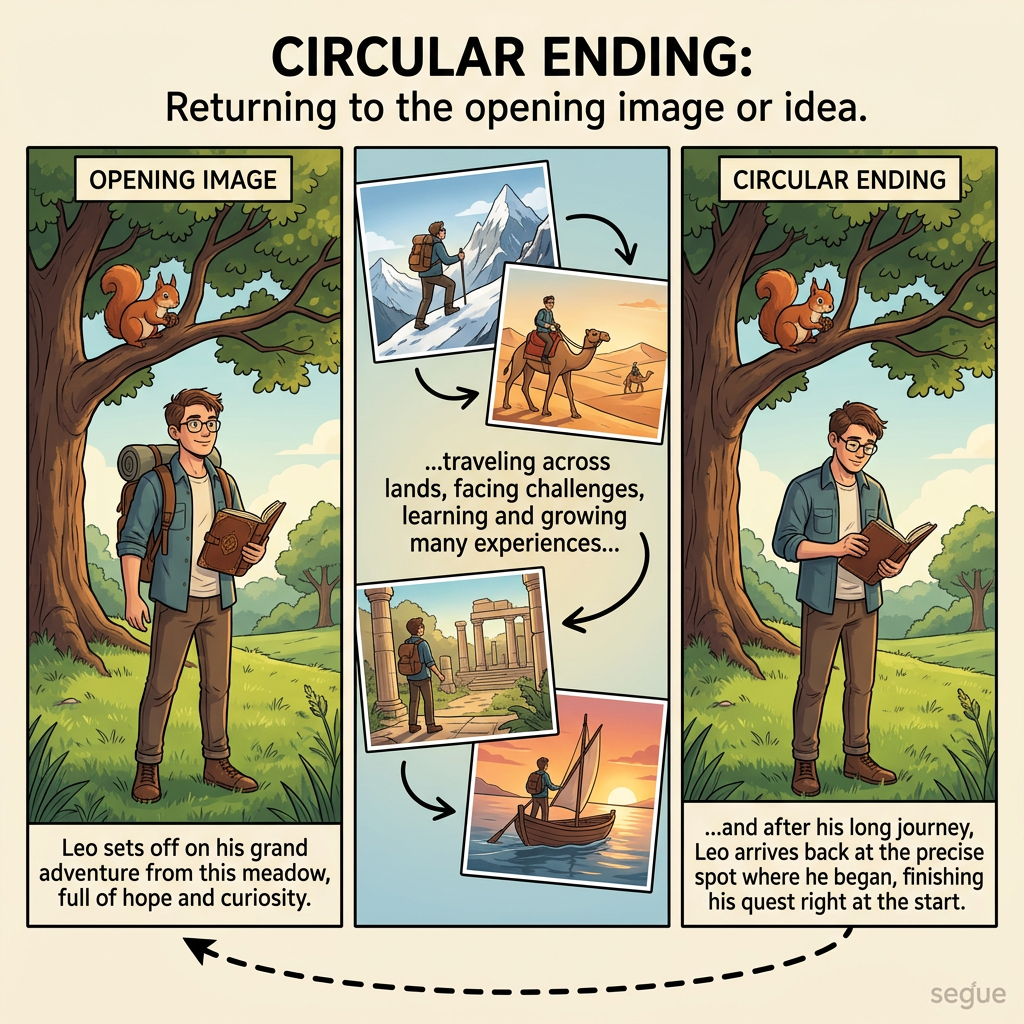
circular ending
/ˌsɜːrkjʊlər ˈendɪŋ/returning to the opening image or idea
“Beginning and ending with the same image creates closure.”
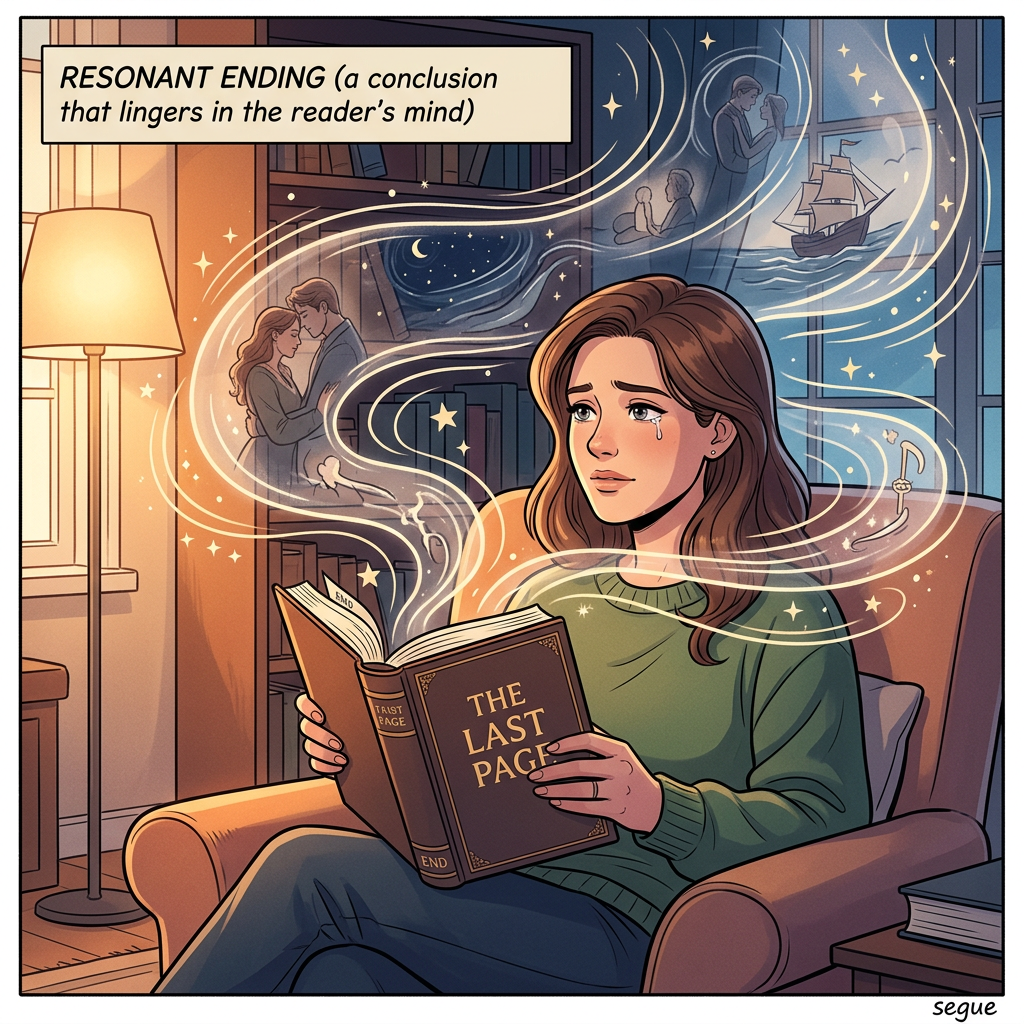
resonant ending
/ˈrezənənt ˌendɪŋ/a conclusion that lingers in the reader's mind
“So we beat on, boats against the current, borne back ceaselessly into the past.”
More from The Writer's Craft
Explore other vocabulary categories in this collection.