Loading collection...
🔮
Mental States Vocabulary
Words for awareness, consciousness, and mental conditions
12 words
All 12 Words
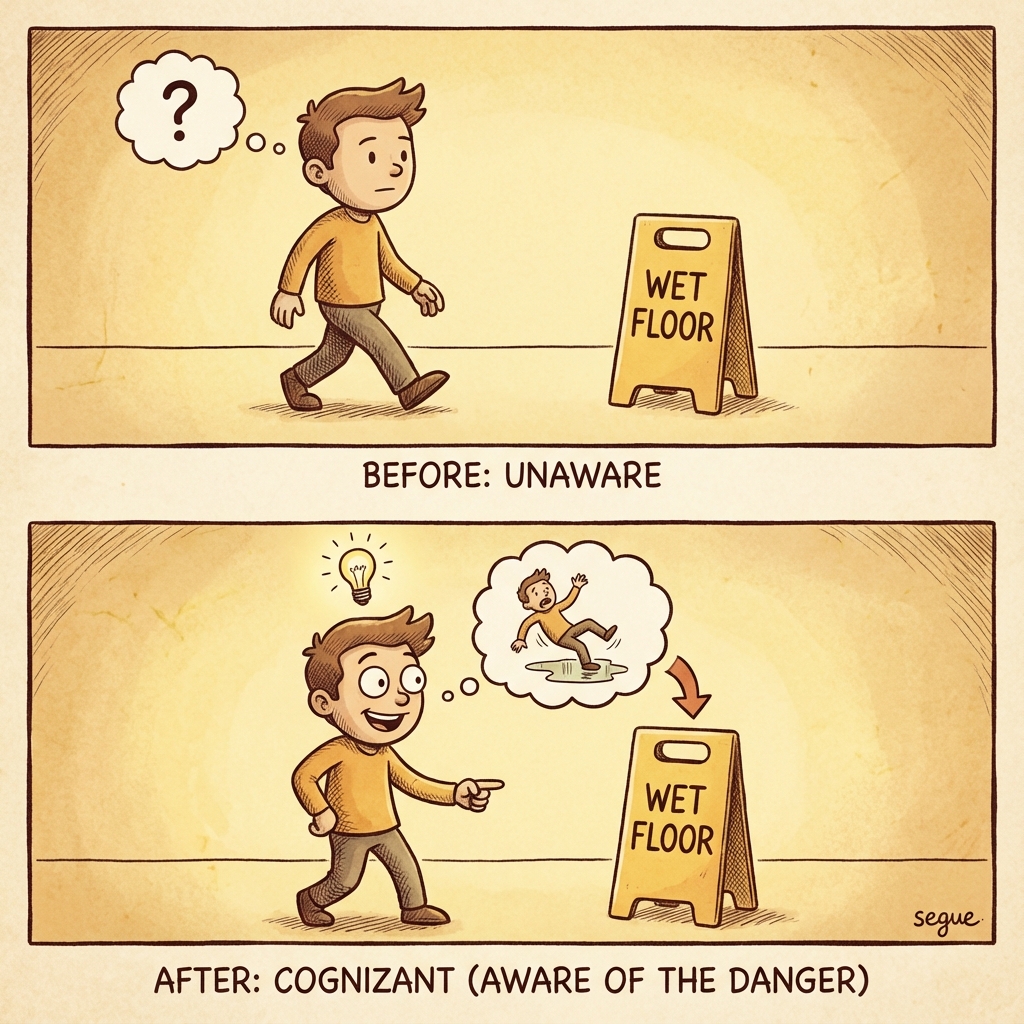
cognizant
/ˈkɑɡnəzənt/having knowledge or being aware of
“She was cognizant of the risks involved.”
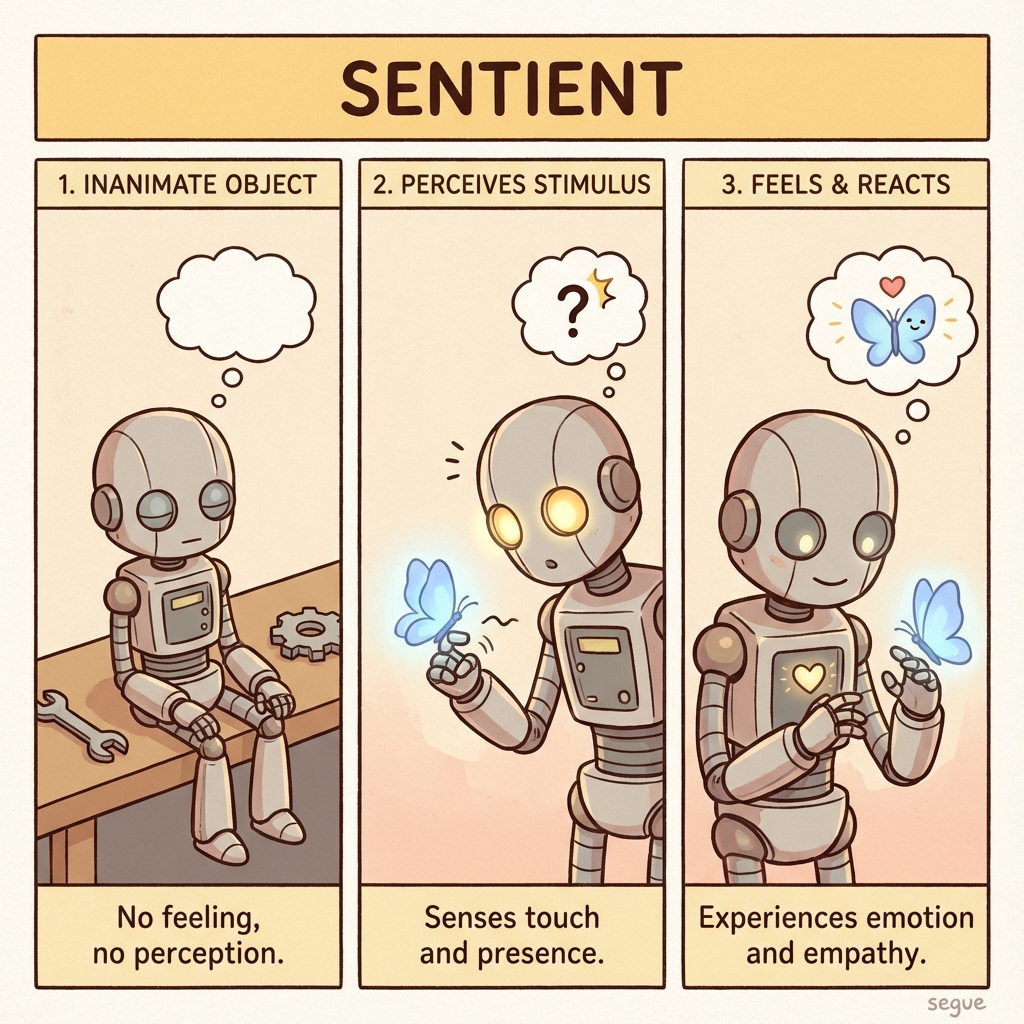
sentient
/ˈsenʃənt/able to perceive or feel things
“The debate over whether AI can become sentient continues.”
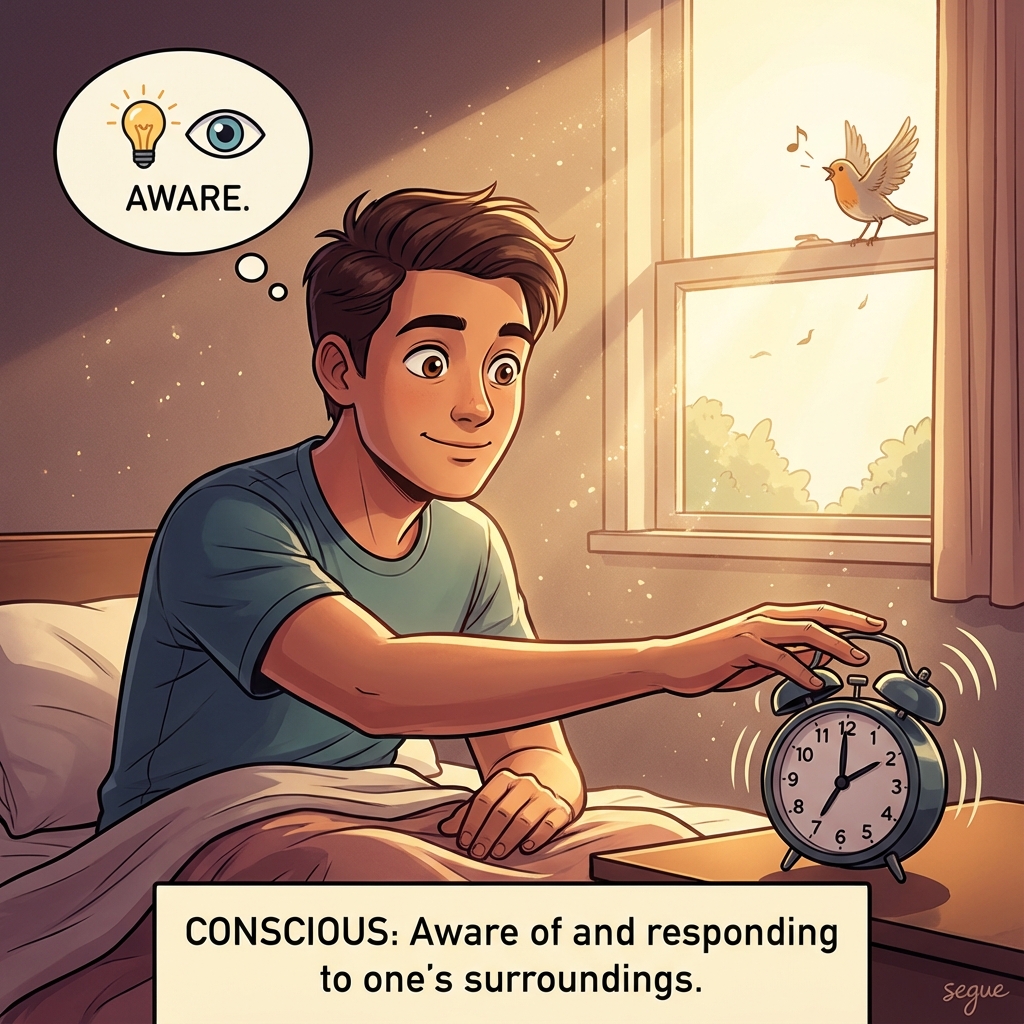
conscious
/ˈkɑnʃəs/aware of and responding to one's surroundings
“He was barely conscious after the accident.”
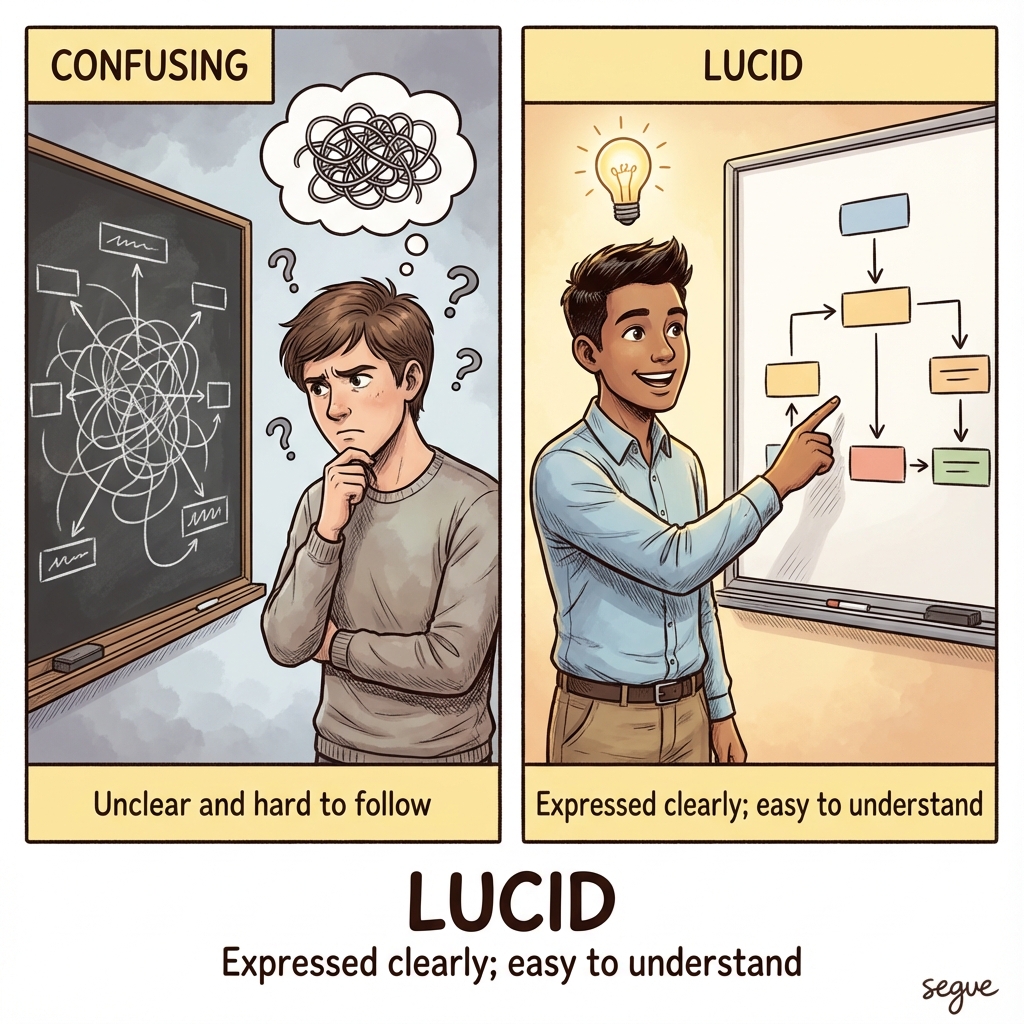
lucid
/ˈɫusəd/expressed clearly; mentally clear
“Despite her age, she remained remarkably lucid.”
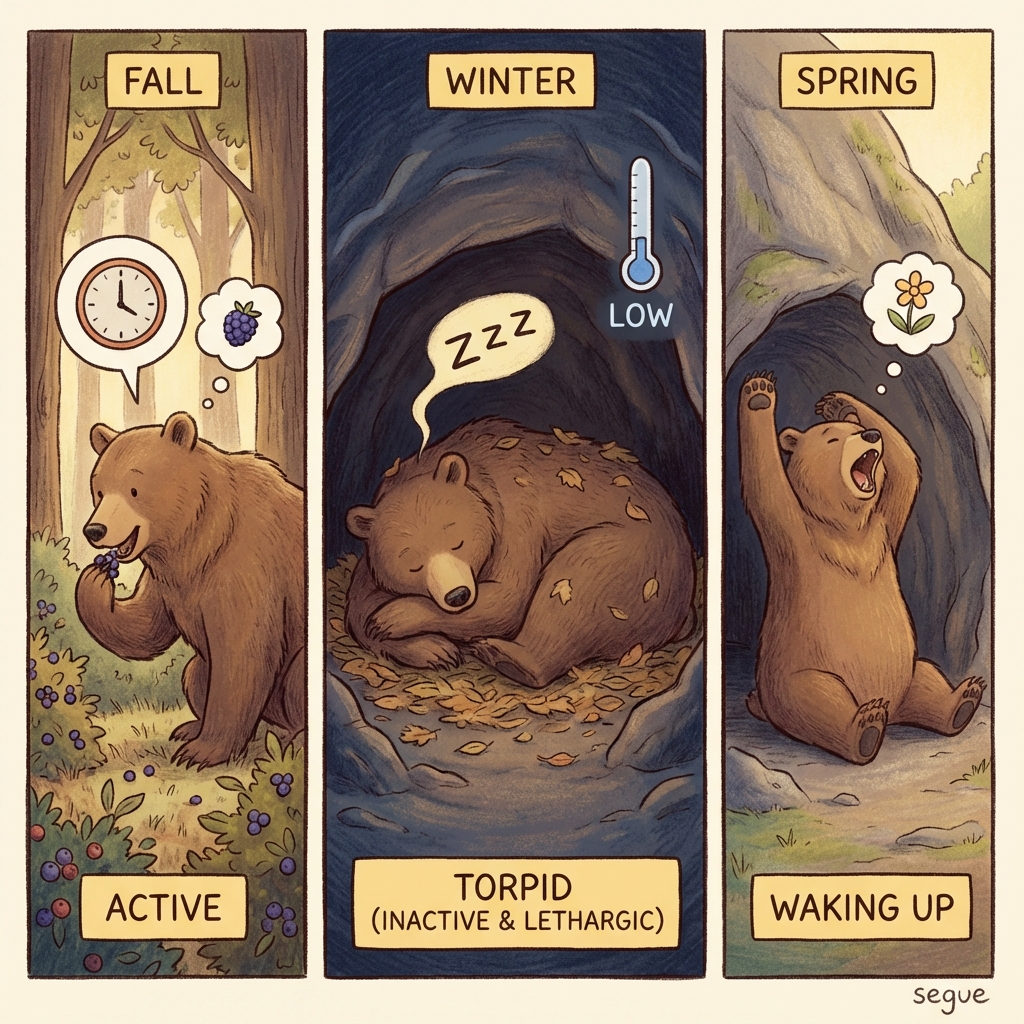
torpid
/ˈtɔɹpəd/mentally or physically inactive; lethargic
“The heat left everyone feeling torpid and slow.”
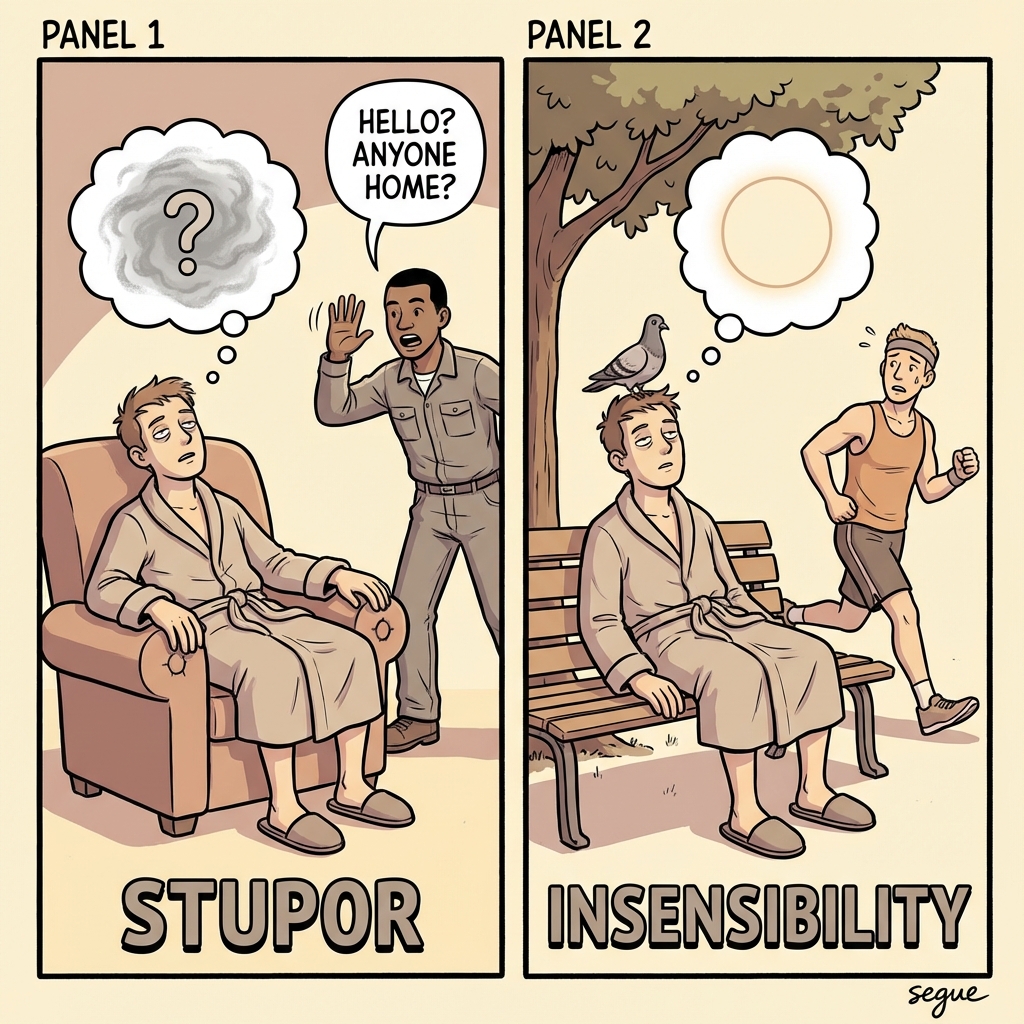
stupor
/ˈstupɝ/a state of near-unconsciousness or insensibility
“He sat in a drunken stupor, unable to respond.”
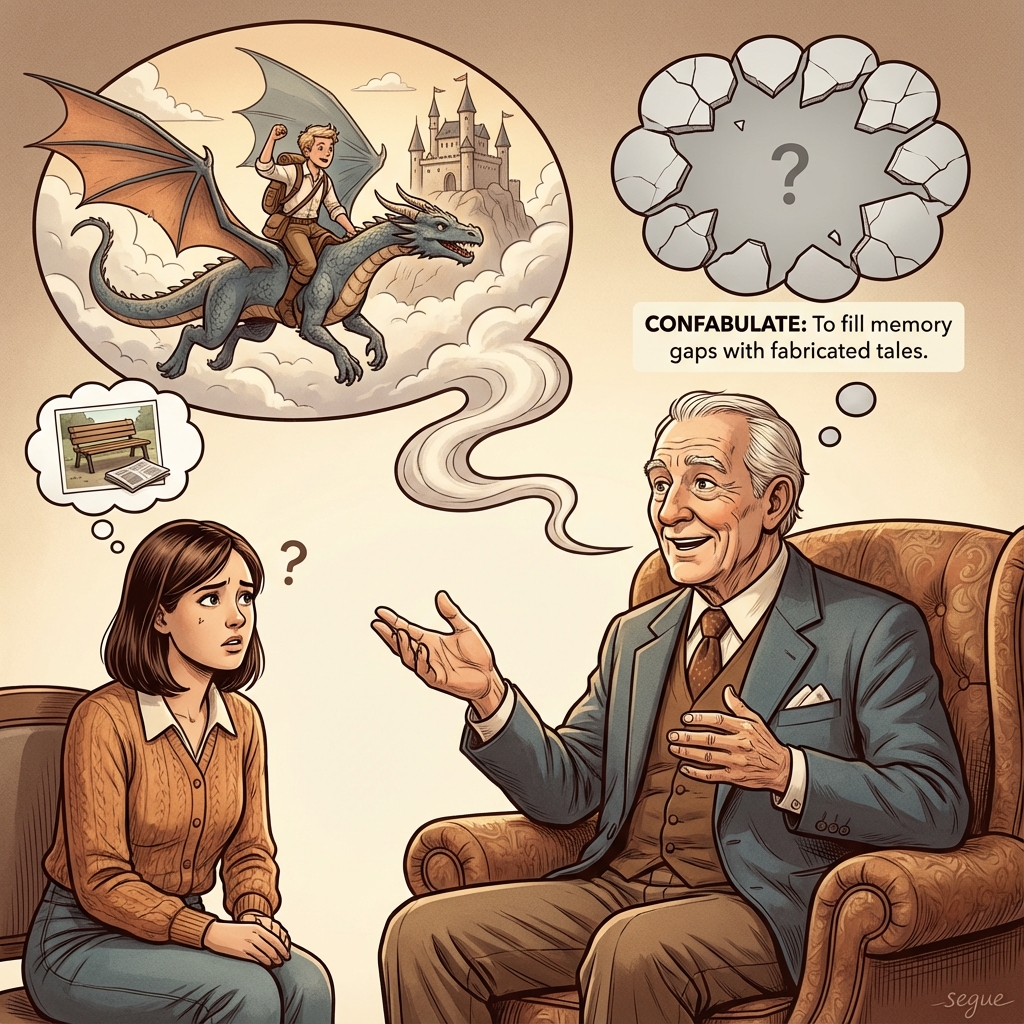
confabulate
/kənˈfæbjʊleɪt/to fabricate imaginary experiences as compensation for memory loss
“Patients with certain brain injuries may confabulate to fill gaps.”
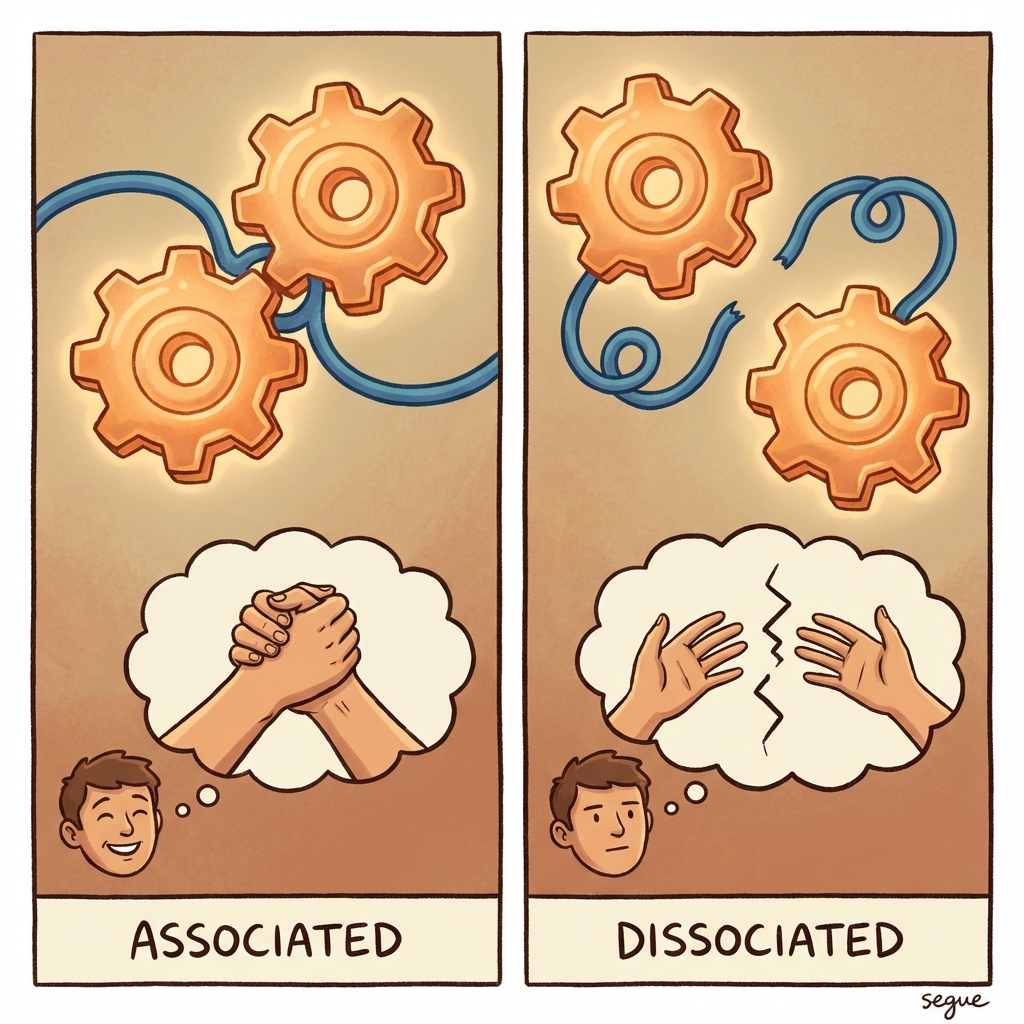
dissociate
/dɪˈsoʊsieɪt/to disconnect or separate; to undergo dissociation
“She learned to dissociate from traumatic memories.”
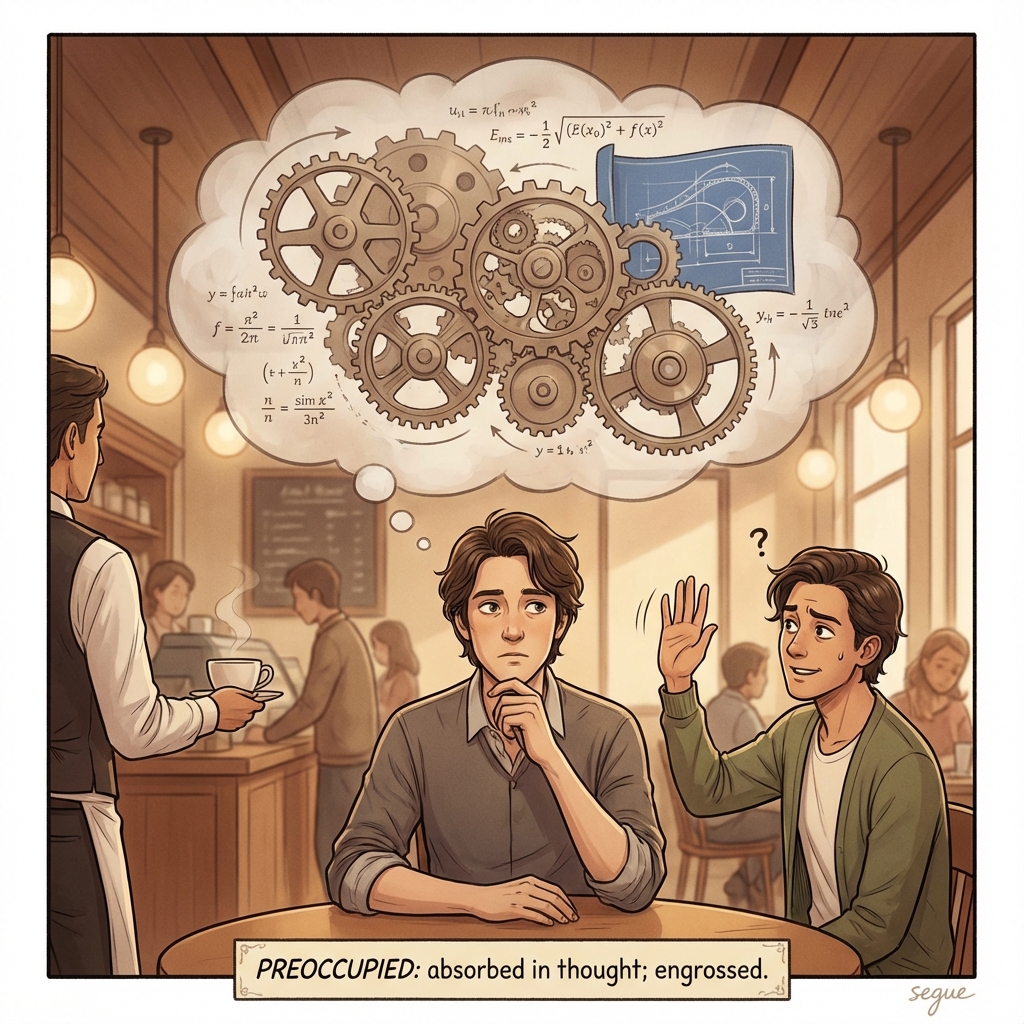
preoccupied
/pɹiˈɑkjəˌpaɪd/absorbed in thought; engrossed
“He was too preoccupied to notice her arrival.”

abstracted
/ˈæbˌstɹæktɪd/showing a lack of attention because the mind is elsewhere
“Her abstracted manner suggested deep preoccupation.”
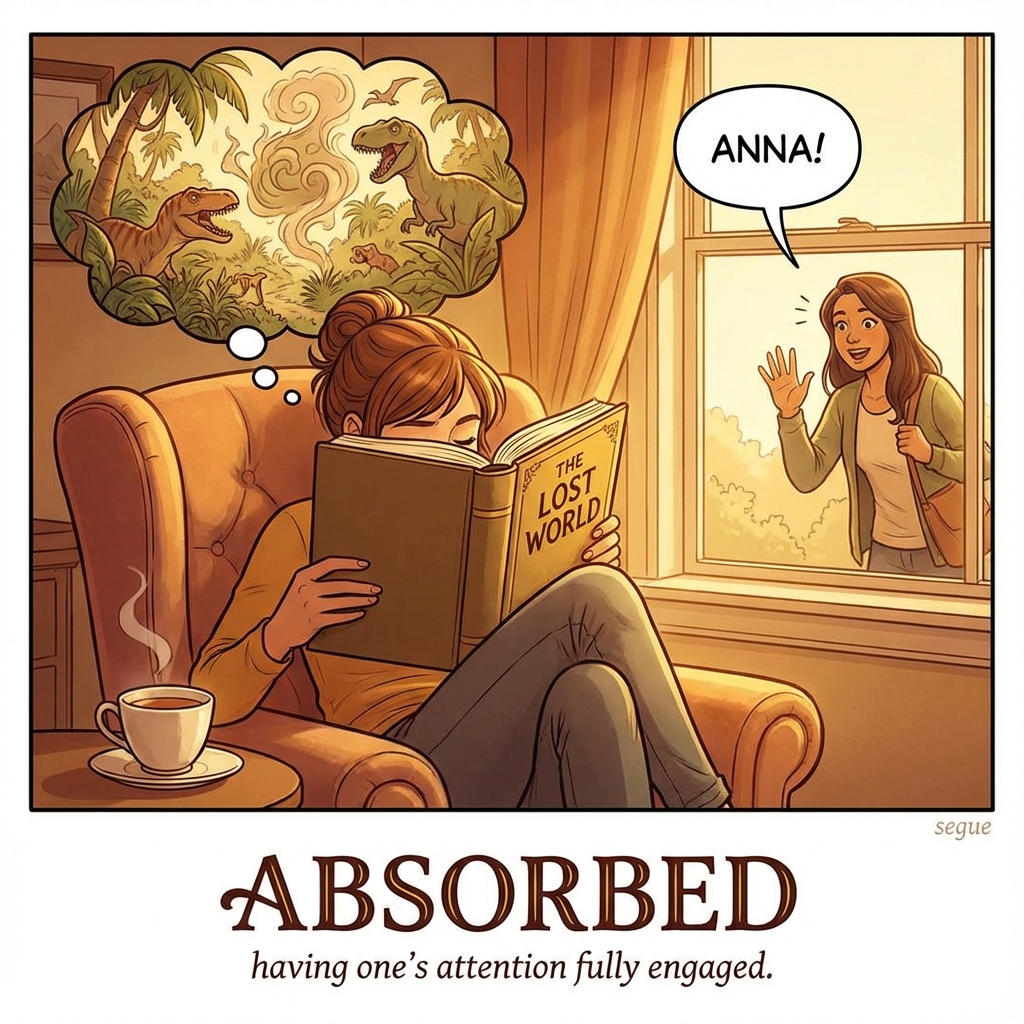
absorbed
/əbˈzɔɹbd/having one's attention fully engaged
“She was completely absorbed in the novel.”
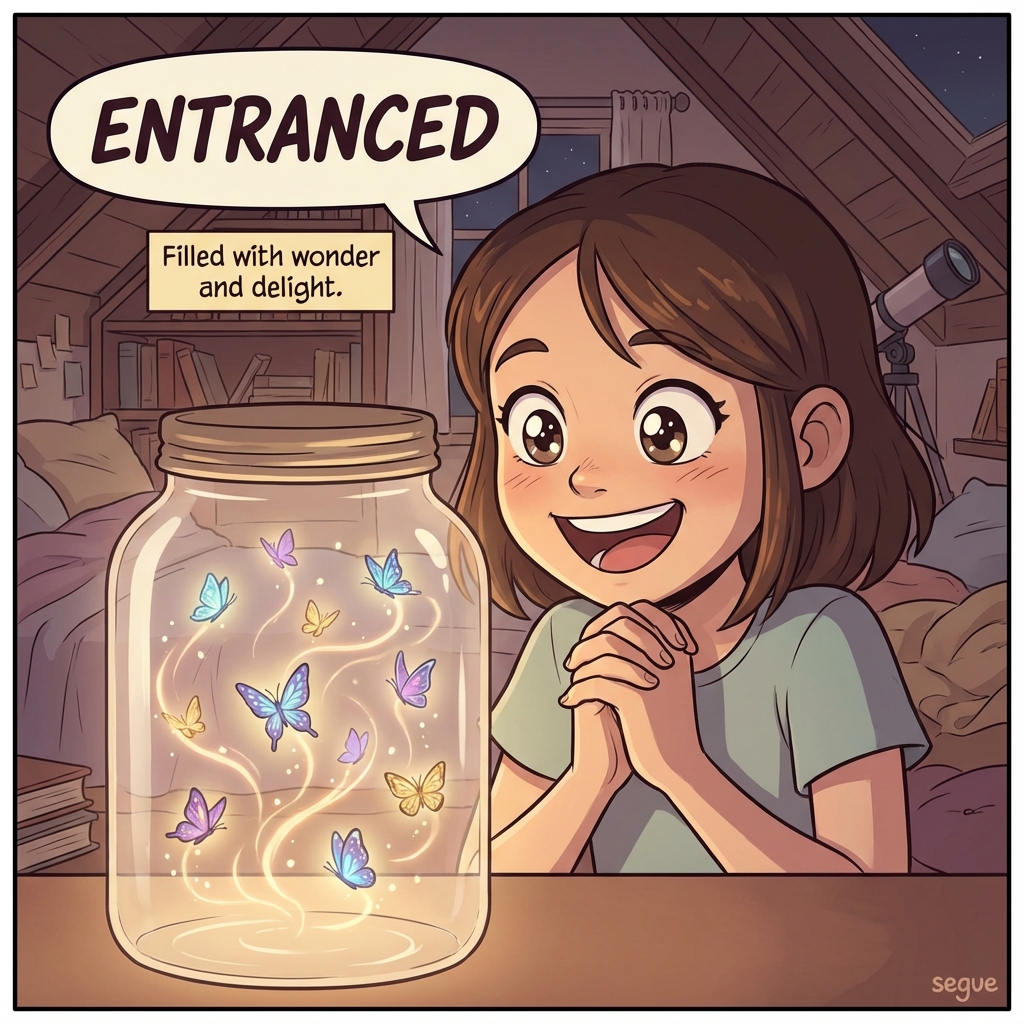
entranced
/ɪnˈtɹænst/filled with wonder and delight
“The children were entranced by the magic show.”
More from Emotions & Mind
Explore other vocabulary categories in this collection.