Loading collection...
🌧️
Melancholy & Sorrow Vocabulary
Words for sadness, grief, and wistfulness
12 words
All 12 Words
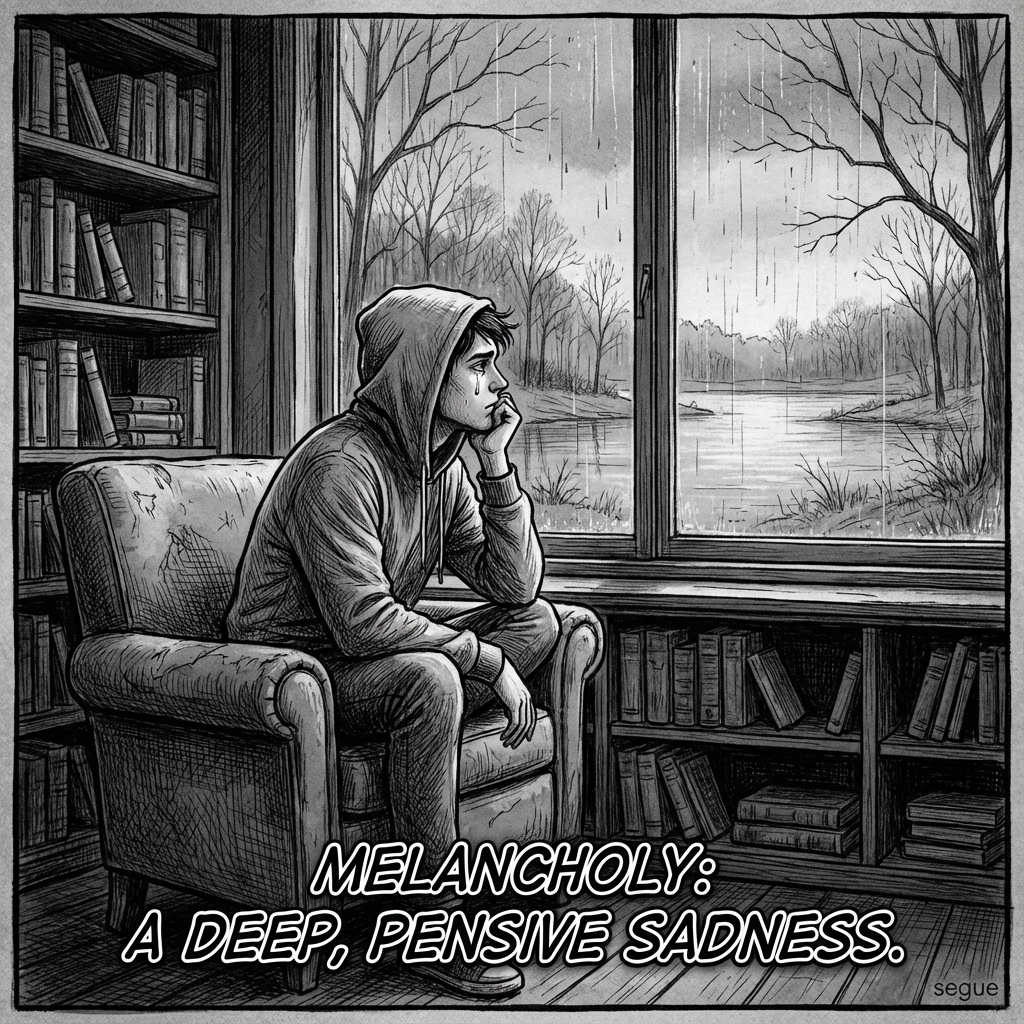
melancholy
/ˈmɛɫənˌkɑɫi/a deep, pensive sadness
“A gentle melancholy settled over her as autumn arrived.”
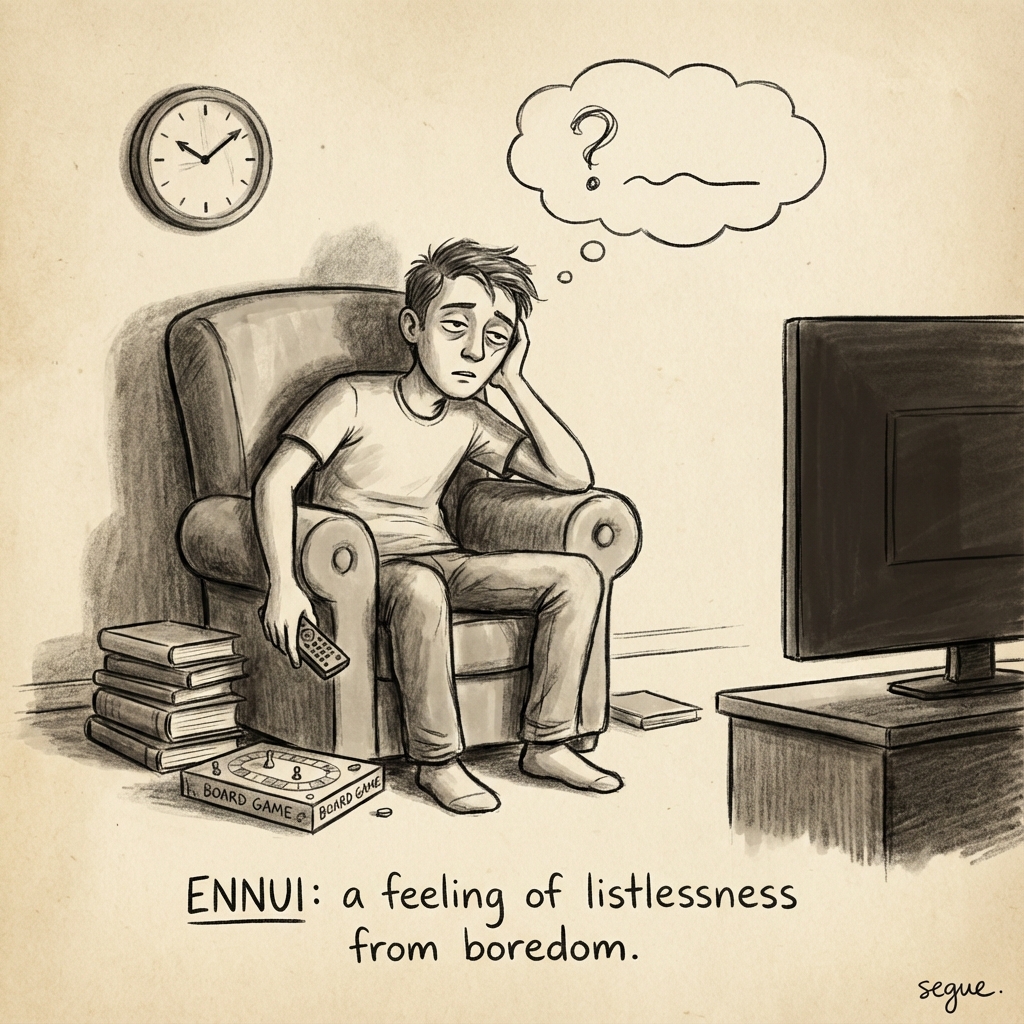
ennui
/ɛˈnui/a feeling of listlessness and dissatisfaction from lack of interest
“The aristocrats suffered from chronic ennui in their gilded cages.”

weltschmerz
/ˈveltʃmɛərts/world-weariness; sadness over the evils of the world
“His poetry expressed a profound weltschmerz about modern existence.”
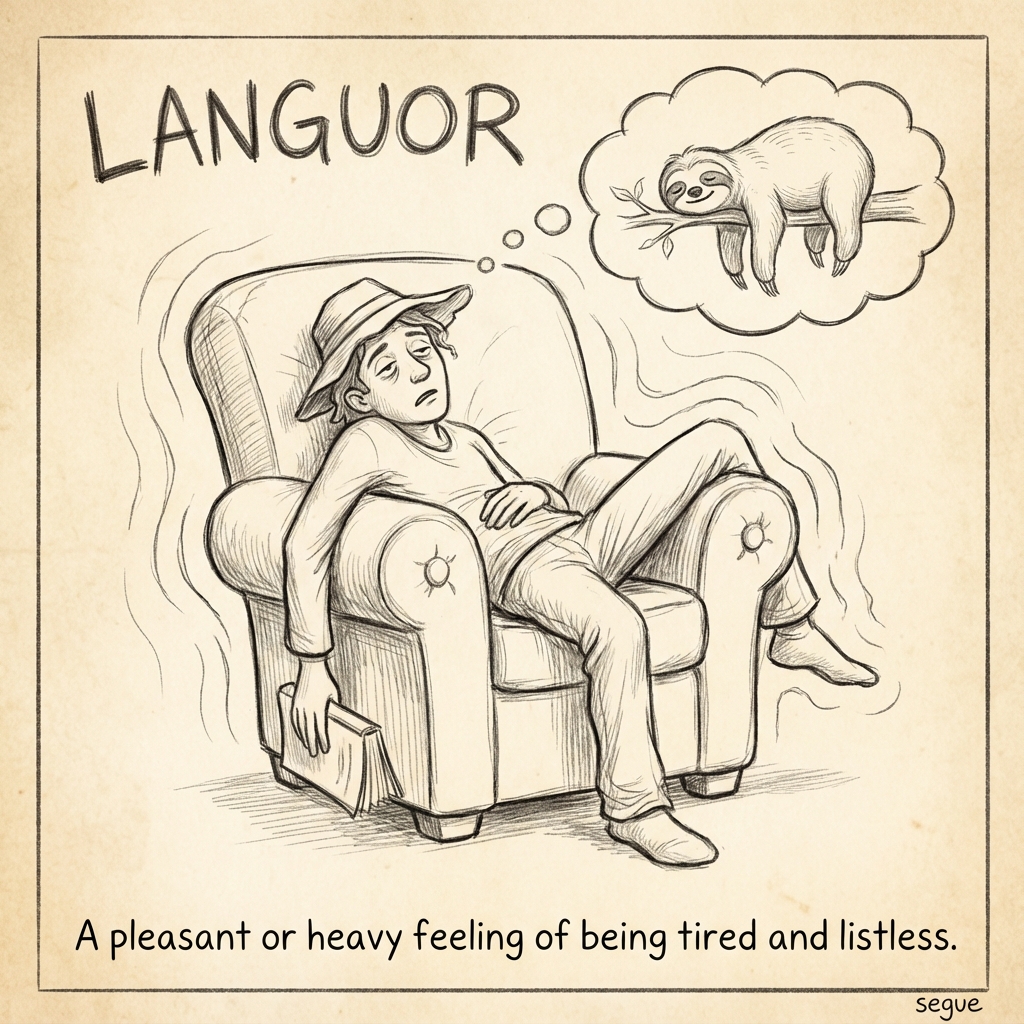
languor
/ˈlæŋɡər/the state of physical or mental weariness; listlessness
“A pleasant languor overtook her in the summer heat.”
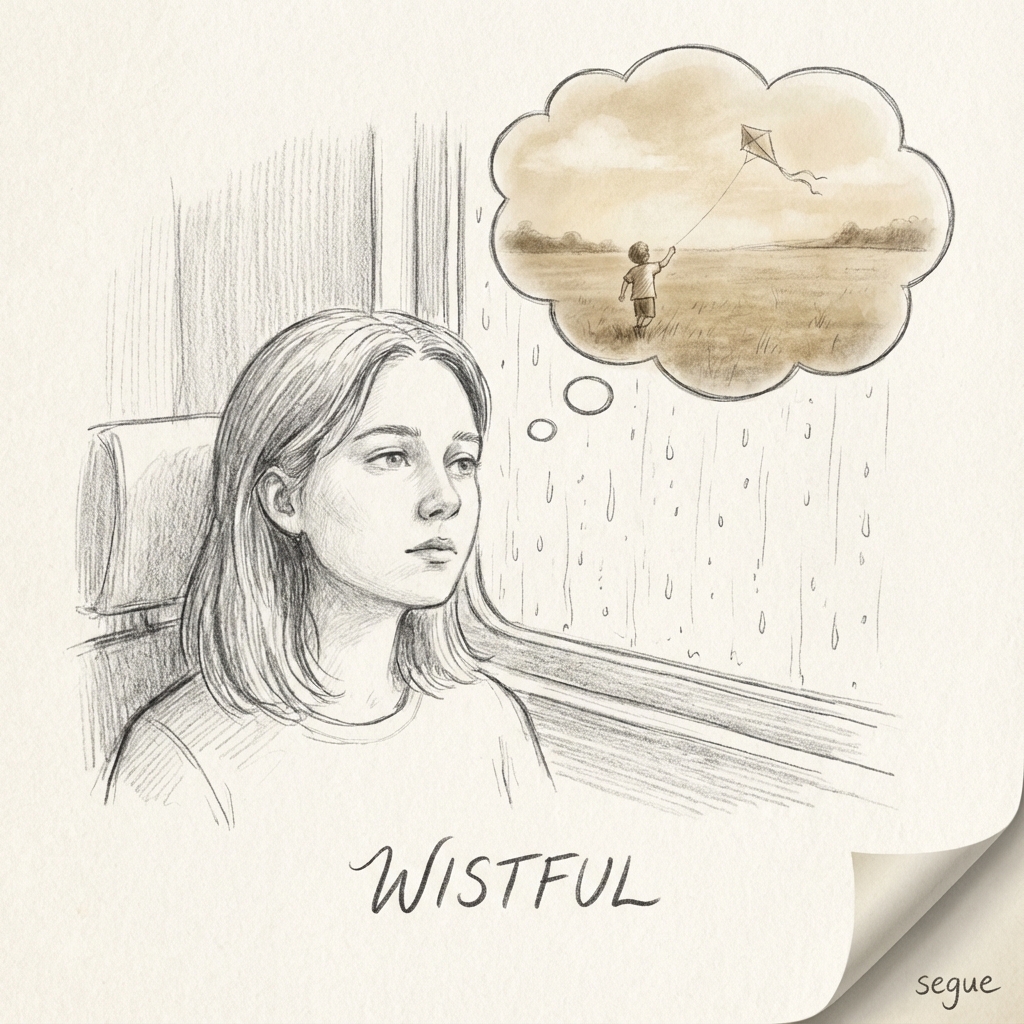
wistful
/ˈwɪstfəɫ/having a feeling of vague or regretful longing
“She gave a wistful smile at the mention of her hometown.”
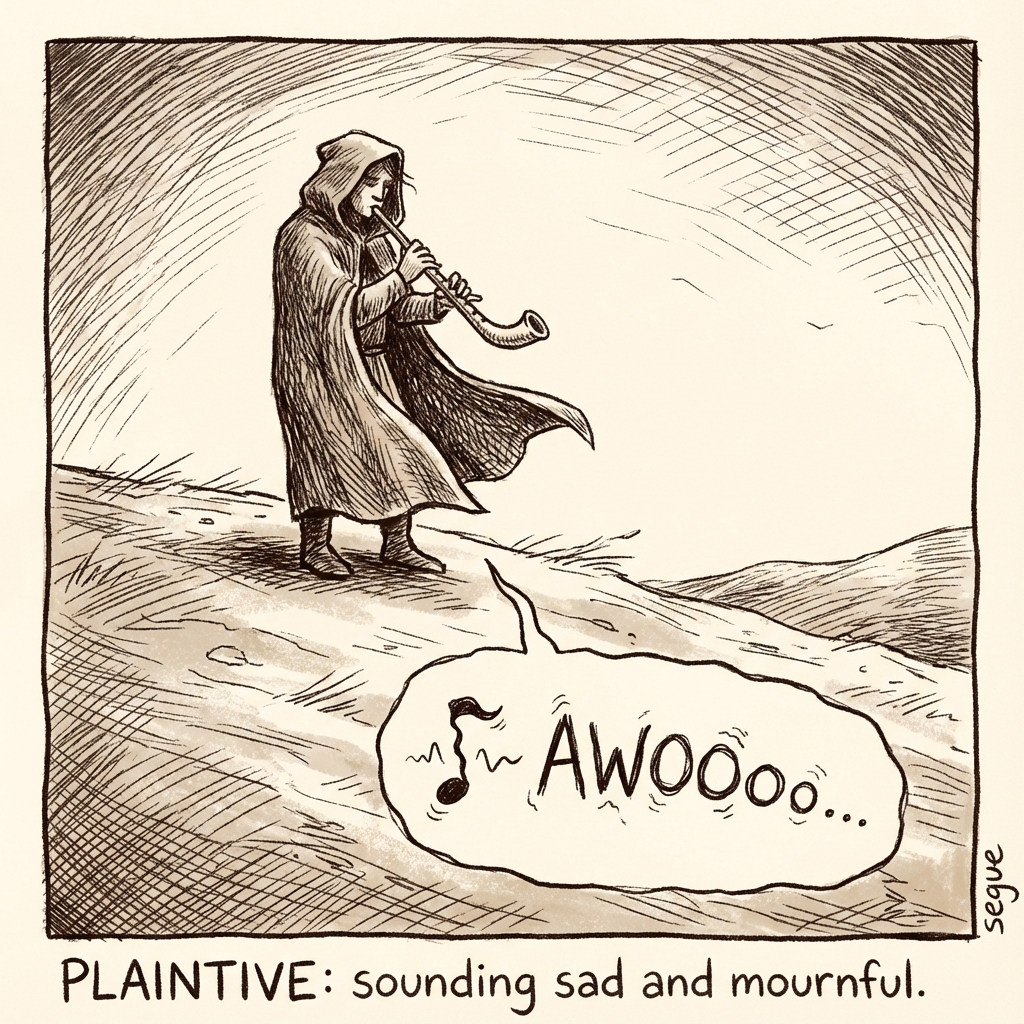
plaintive
/ˈpɫeɪnɪv/sounding sad and mournful
“The plaintive cry of the seagull echoed across the harbor.”
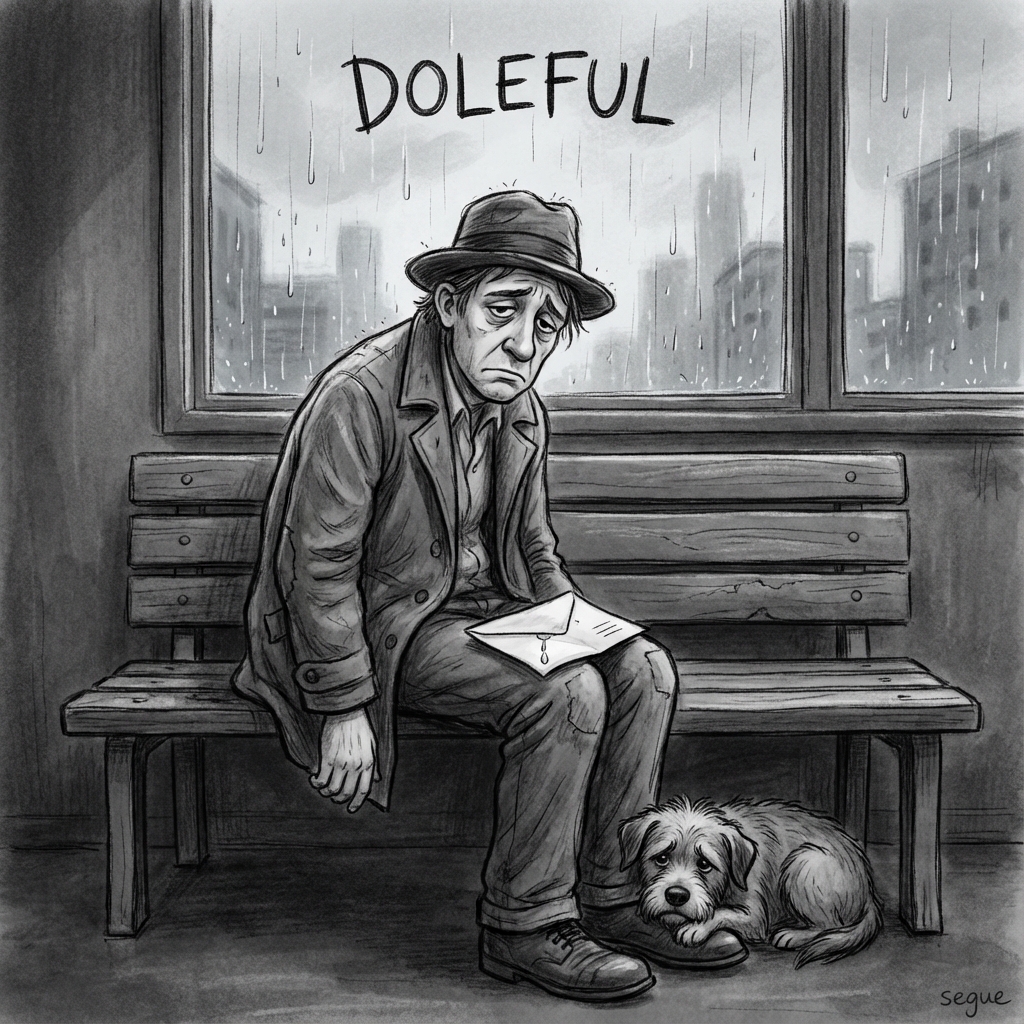
doleful
/ˈdoʊɫfəɫ/expressing sorrow; mournful
“The dog's doleful eyes begged for a treat.”
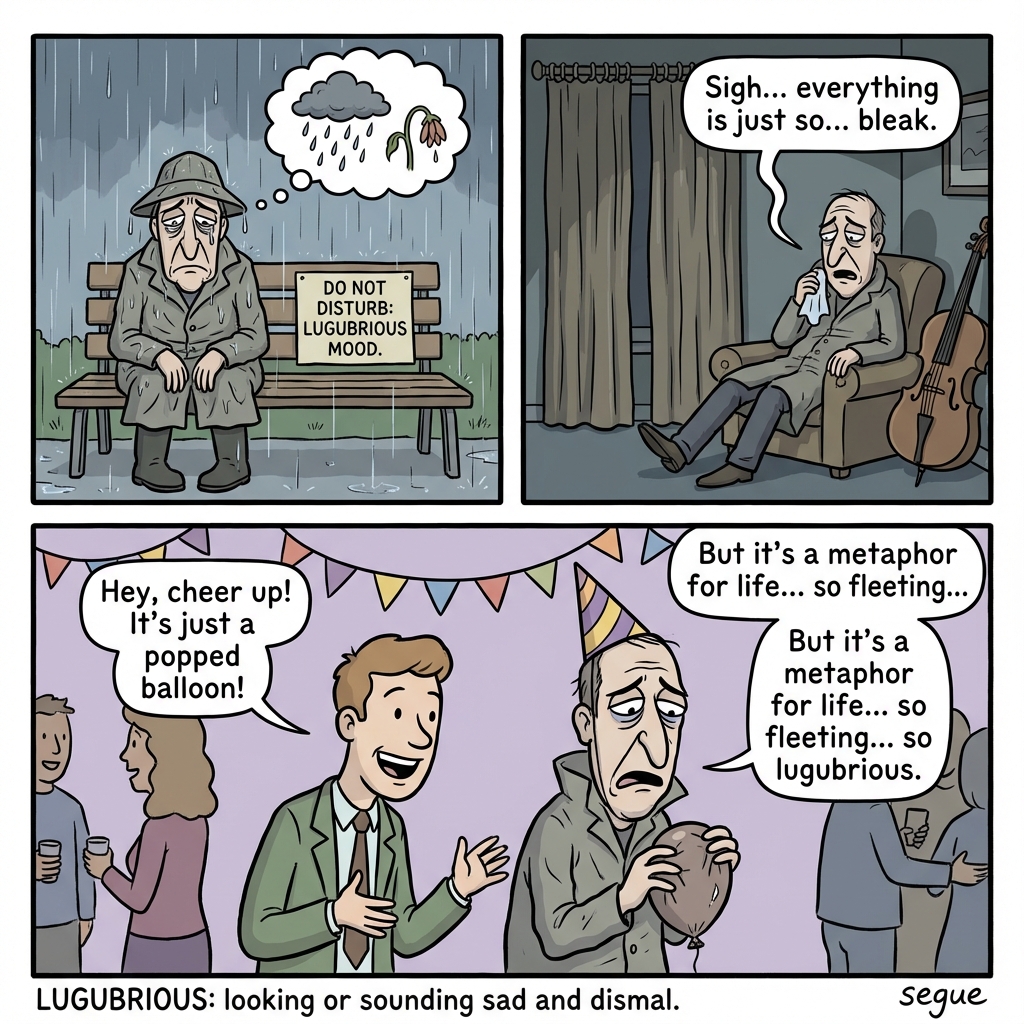
lugubrious
/ɫuɡˈjubɹiəs/looking or sounding sad and dismal
“The lugubrious funeral march filled the cathedral.”
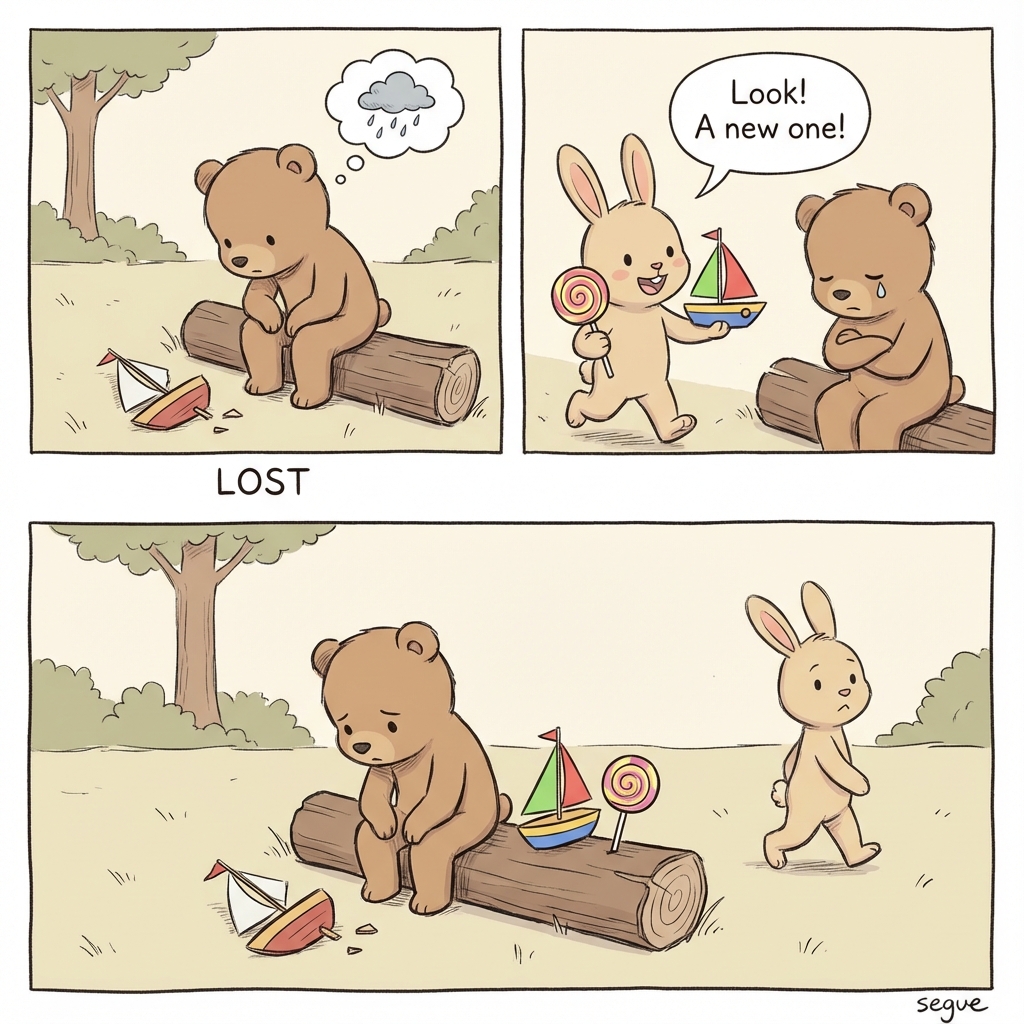
disconsolate
/dɪsˈkɒnsələt/without consolation or comfort; unhappy
“She sat disconsolate after hearing the news.”
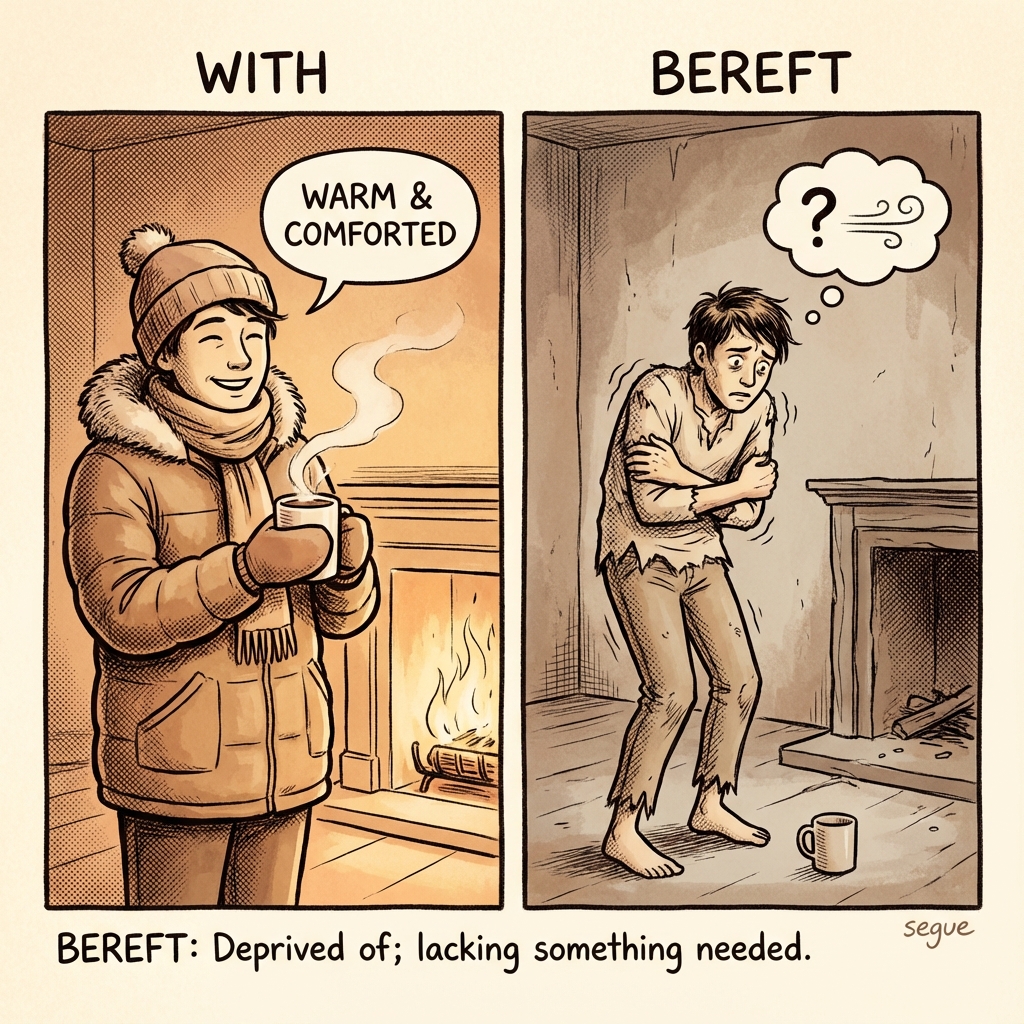
bereft
/bɝˈɛft/deprived of; lacking something needed
“He was utterly bereft after losing his wife of fifty years.”
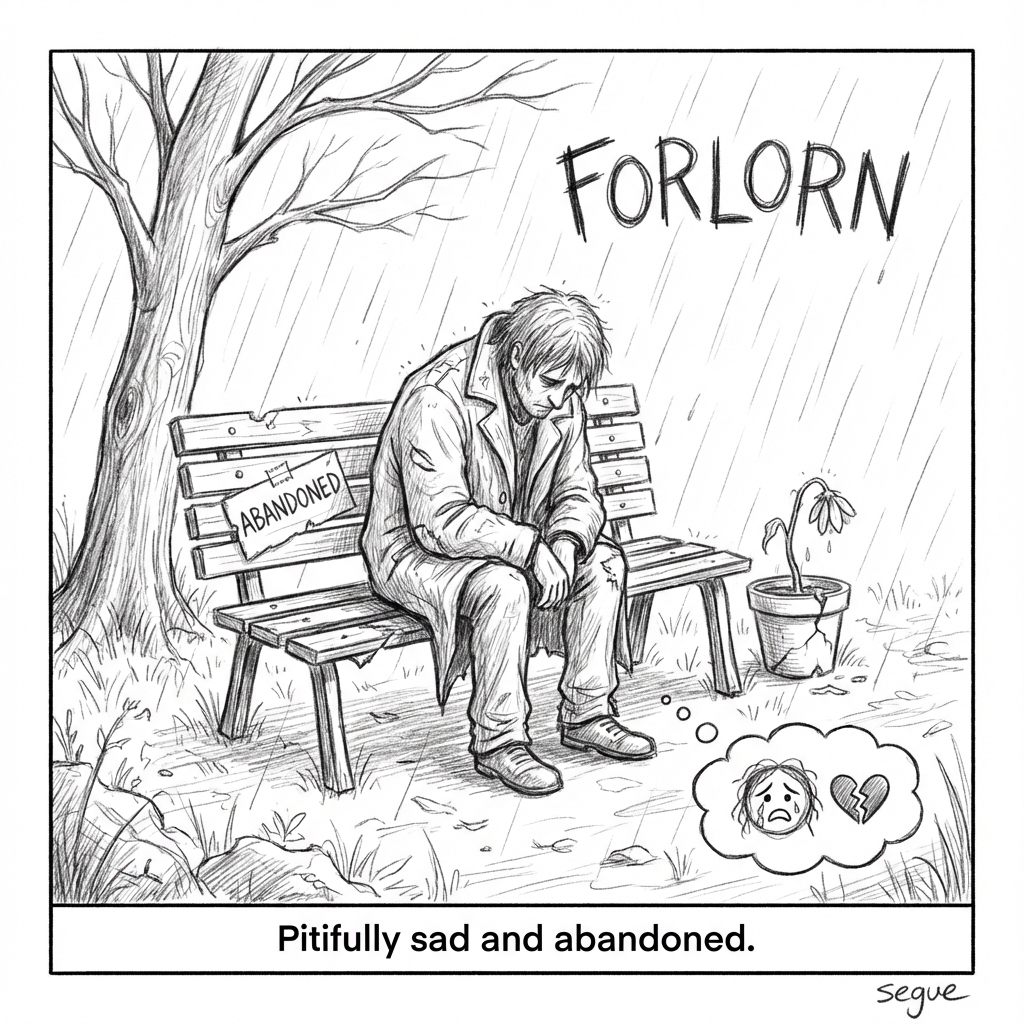
forlorn
/fɝˈɫɔɹn/pitifully sad and abandoned or lonely
“The forlorn child waited at the window for parents who never came.”
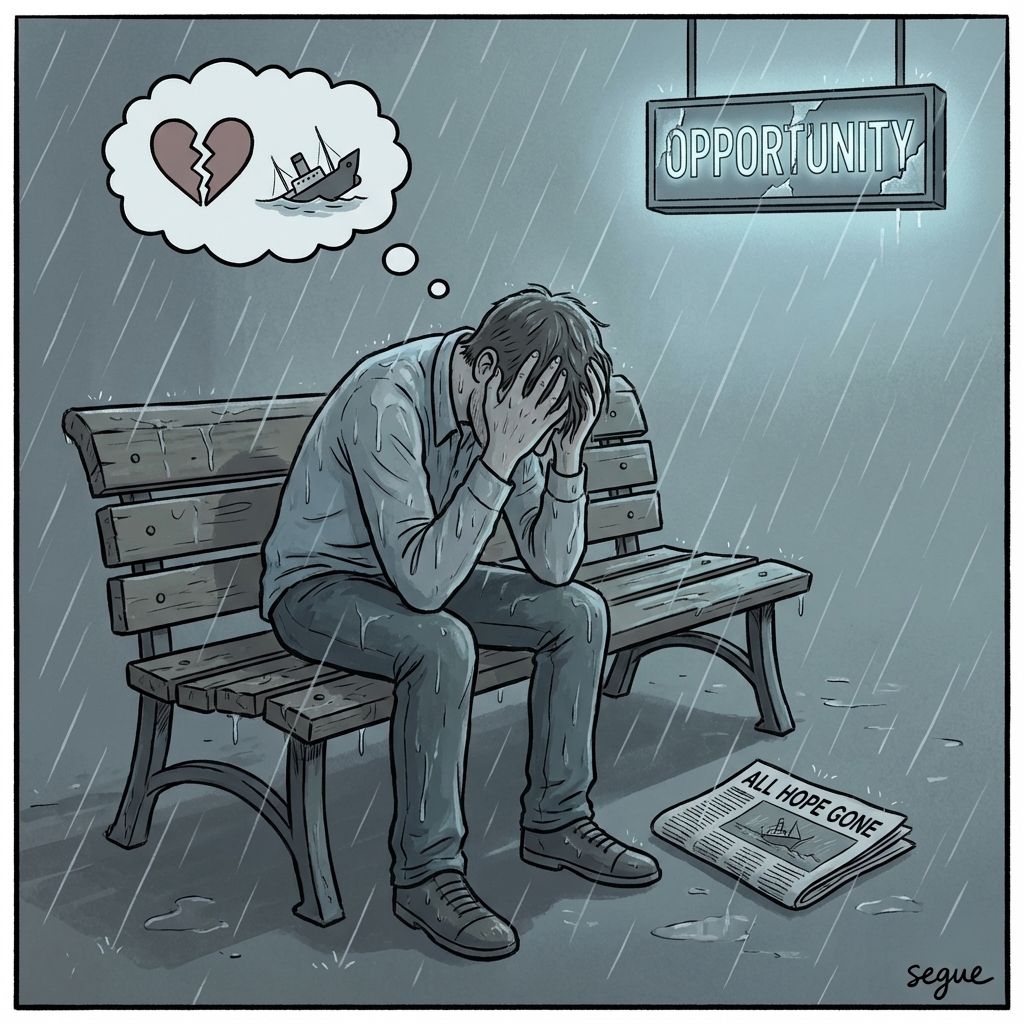
despondent
/dɪˈspɑndənt/in low spirits from loss of hope or courage
“After months of rejection, he grew despondent about his job search.”
More from Emotions & Mind
Explore other vocabulary categories in this collection.