Loading collection...
🩺
Medical Profession Vocabulary
Clinical and healthcare terminology
22 words
All 22 Words
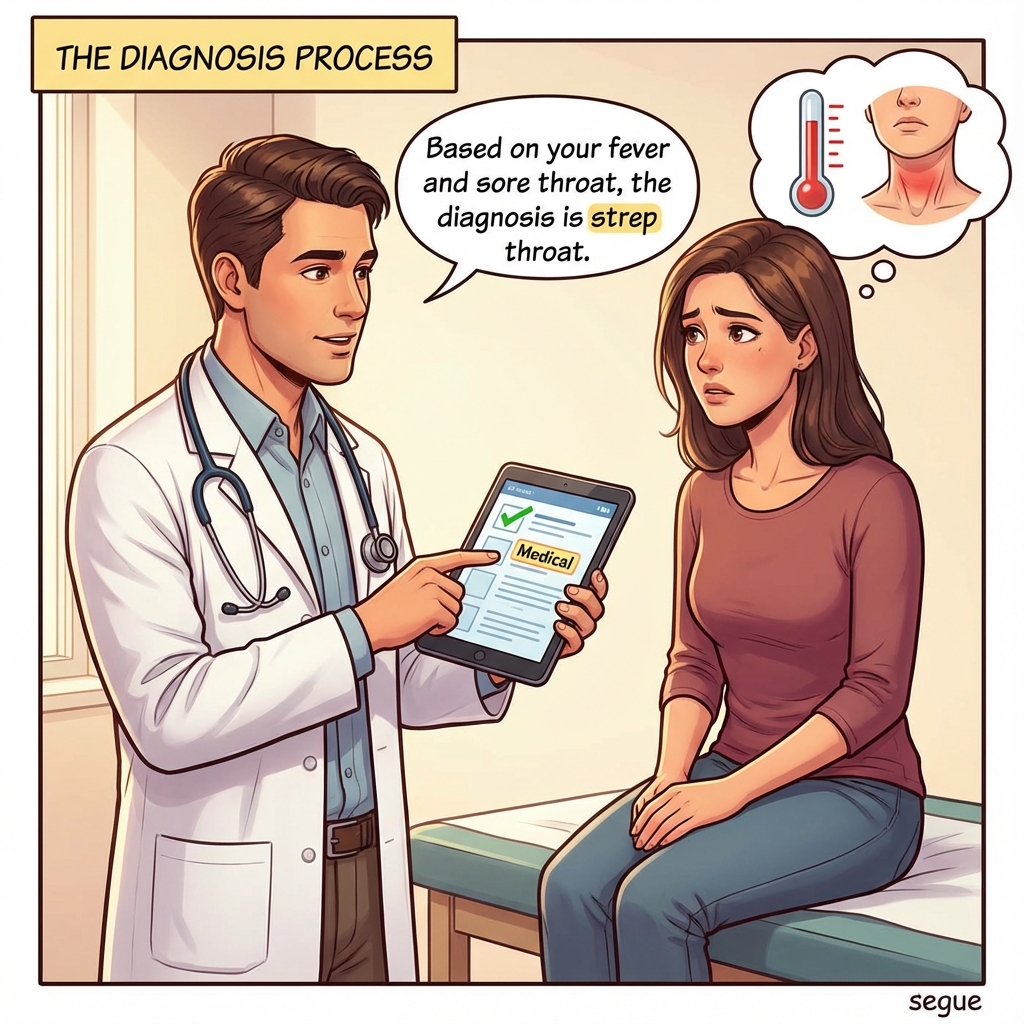
diagnosis
/ˌdaɪəɡˈnoʊsəs/Identification of a disease or condition from symptoms
“The diagnosis was confirmed through extensive testing.”
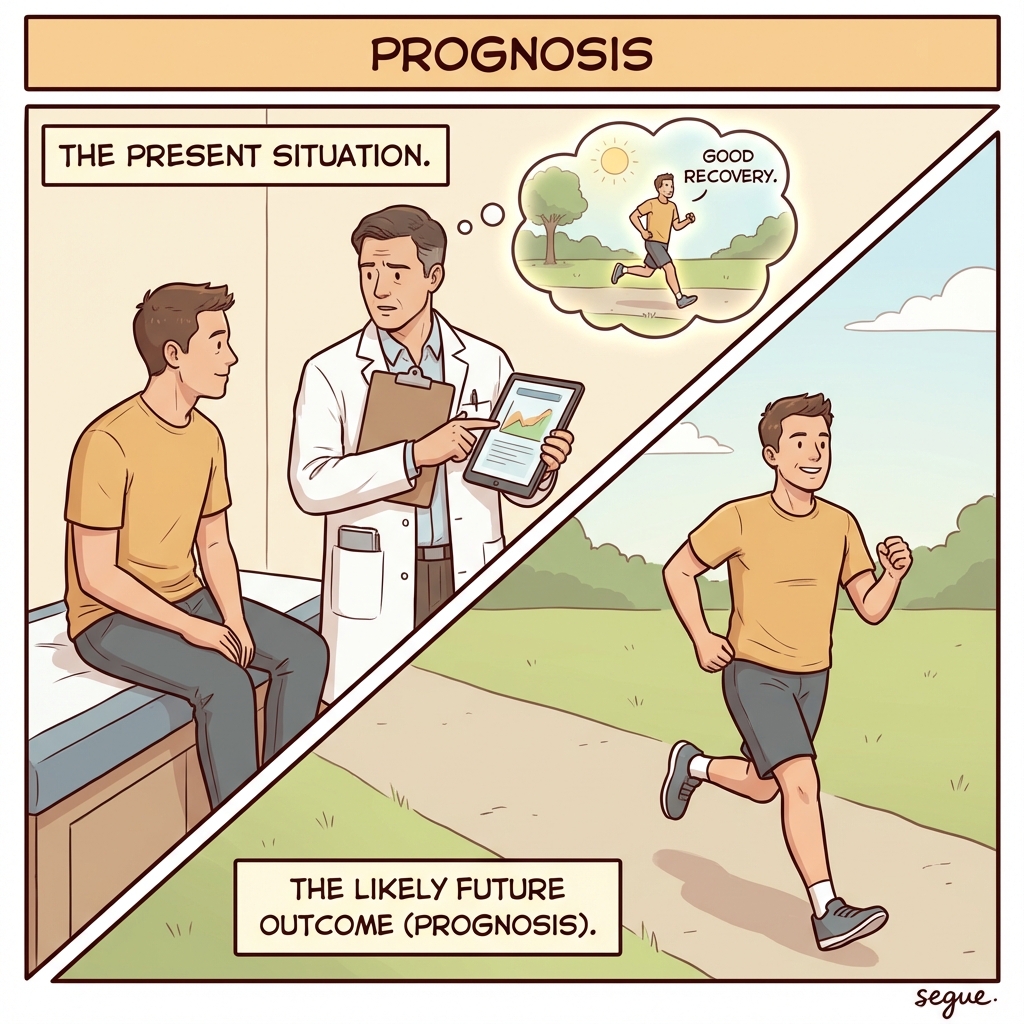
prognosis
/pɹɑɡˈnoʊsəs/The likely course or outcome of a disease
“The prognosis is favorable with early intervention.”
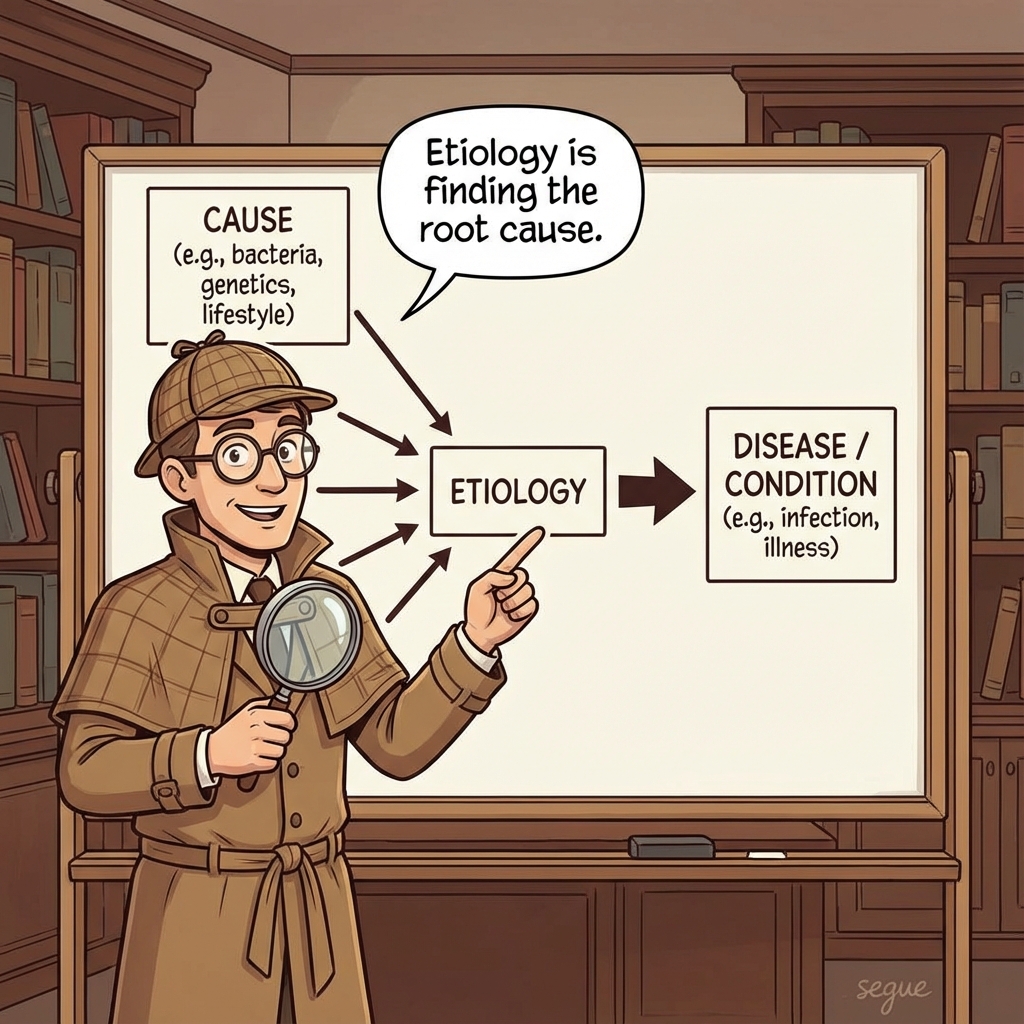
etiology
/ˌiˌtiˈɑɫədʒi/The cause or origin of a disease
“The etiology of the condition remains unknown.”
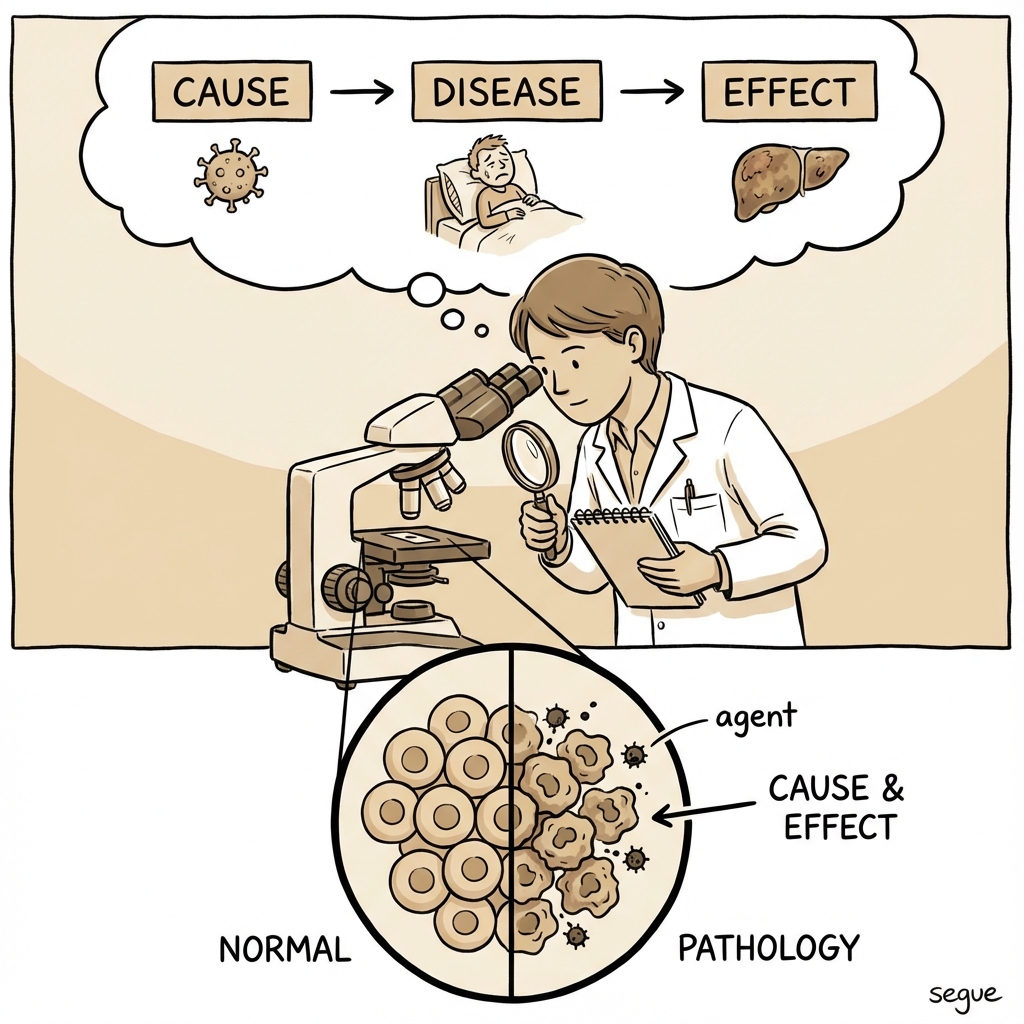
pathology
/pəˈθɑɫədʒi/The study of the causes and effects of diseases
“The pathology report revealed abnormal cell growth.”
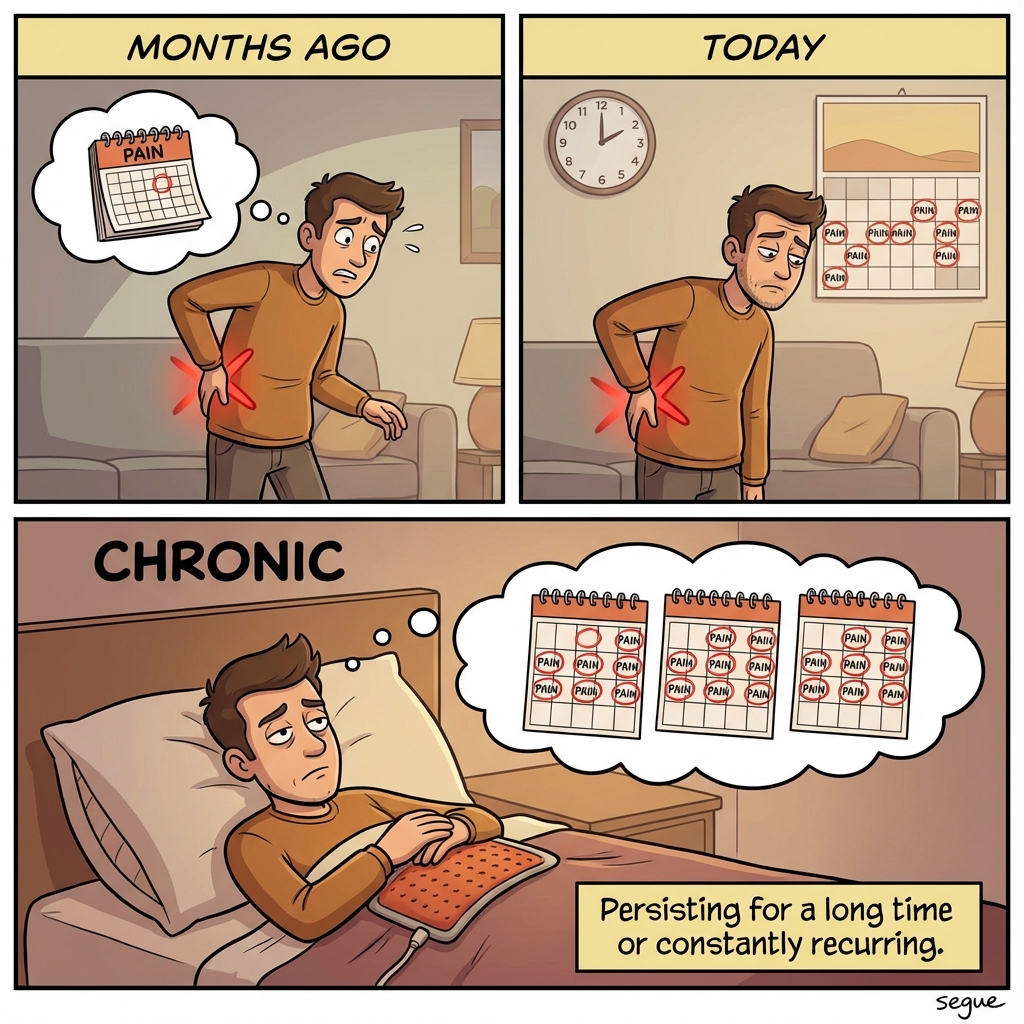
chronic
/ˈkɹɑnɪk/Persisting for a long time or constantly recurring
“Chronic pain requires long-term management strategies.”
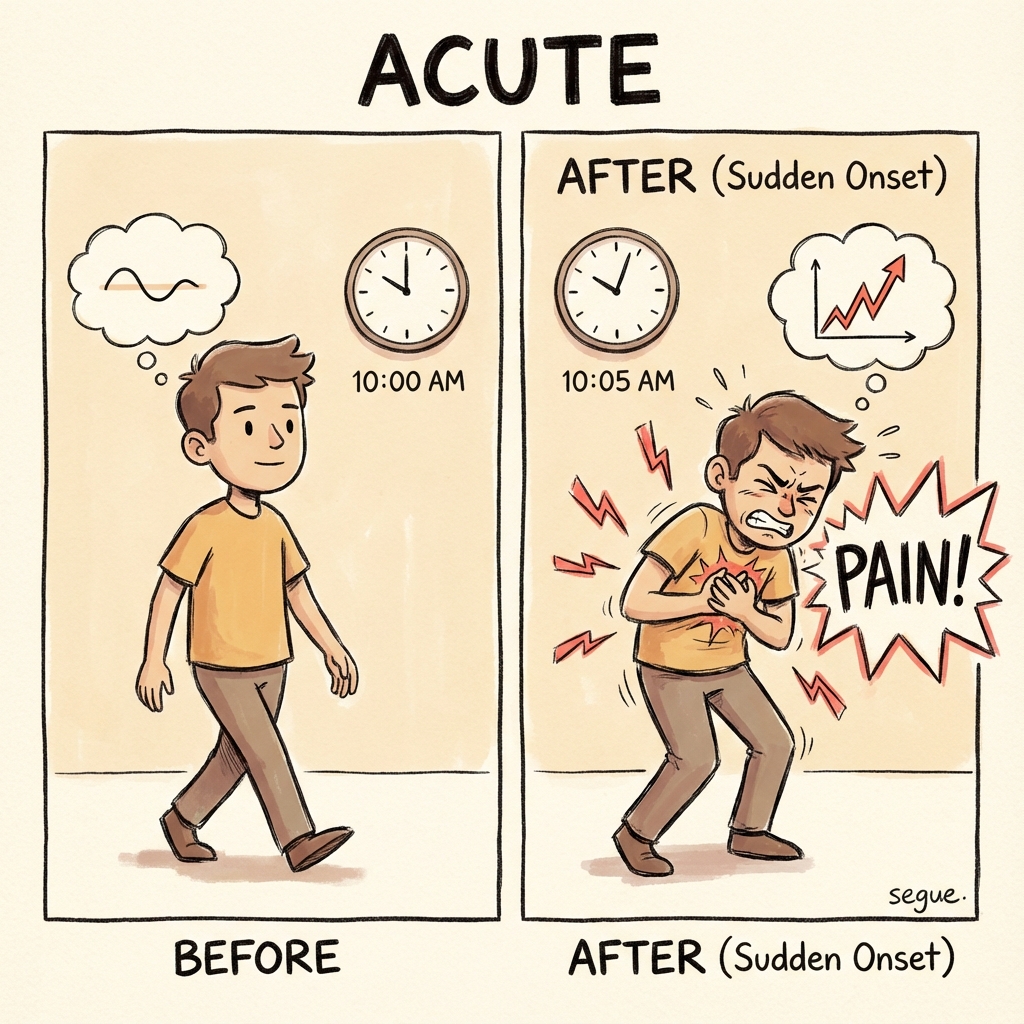
acute
/əkˈjut/Severe and sudden in onset
“The patient presented with acute respiratory distress.”

benign
/bɪˈnaɪn/Not harmful; not malignant
“The tumor was benign and required no further treatment.”
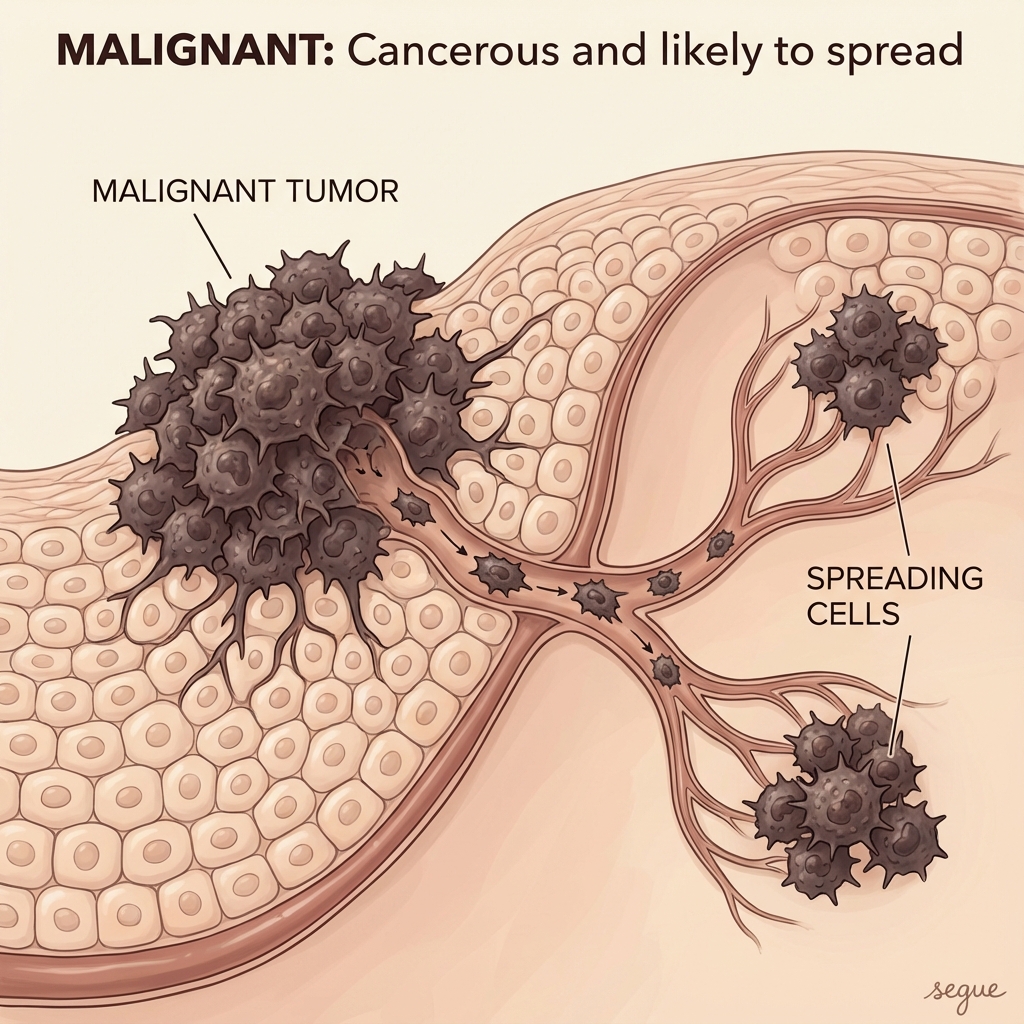
malignant
/məˈɫɪɡnənt/Cancerous and likely to spread
“Early detection of malignant tumors improves survival rates.”
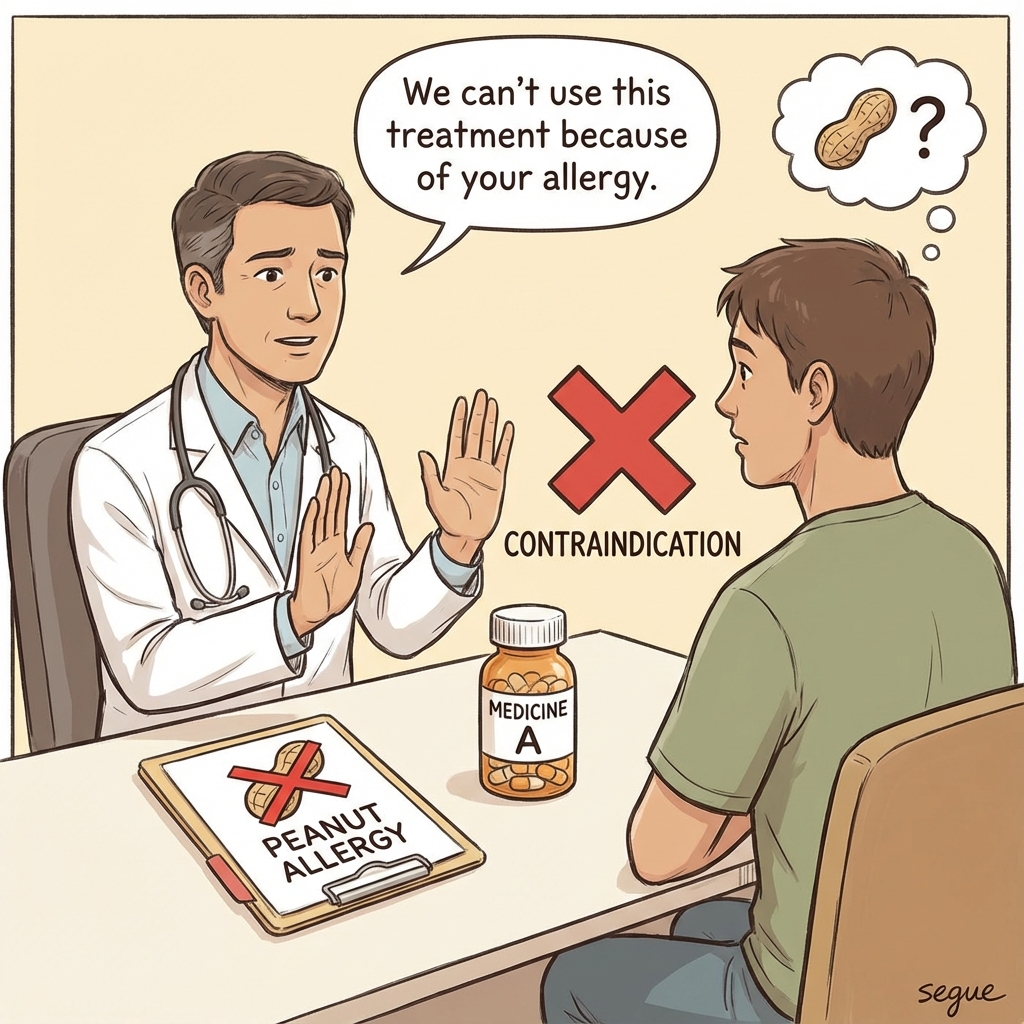
contraindication
/ˌkɒntrəˌɪndɪˈkeɪʃən/A condition that makes a treatment inadvisable
“Pregnancy is a contraindication for this medication.”
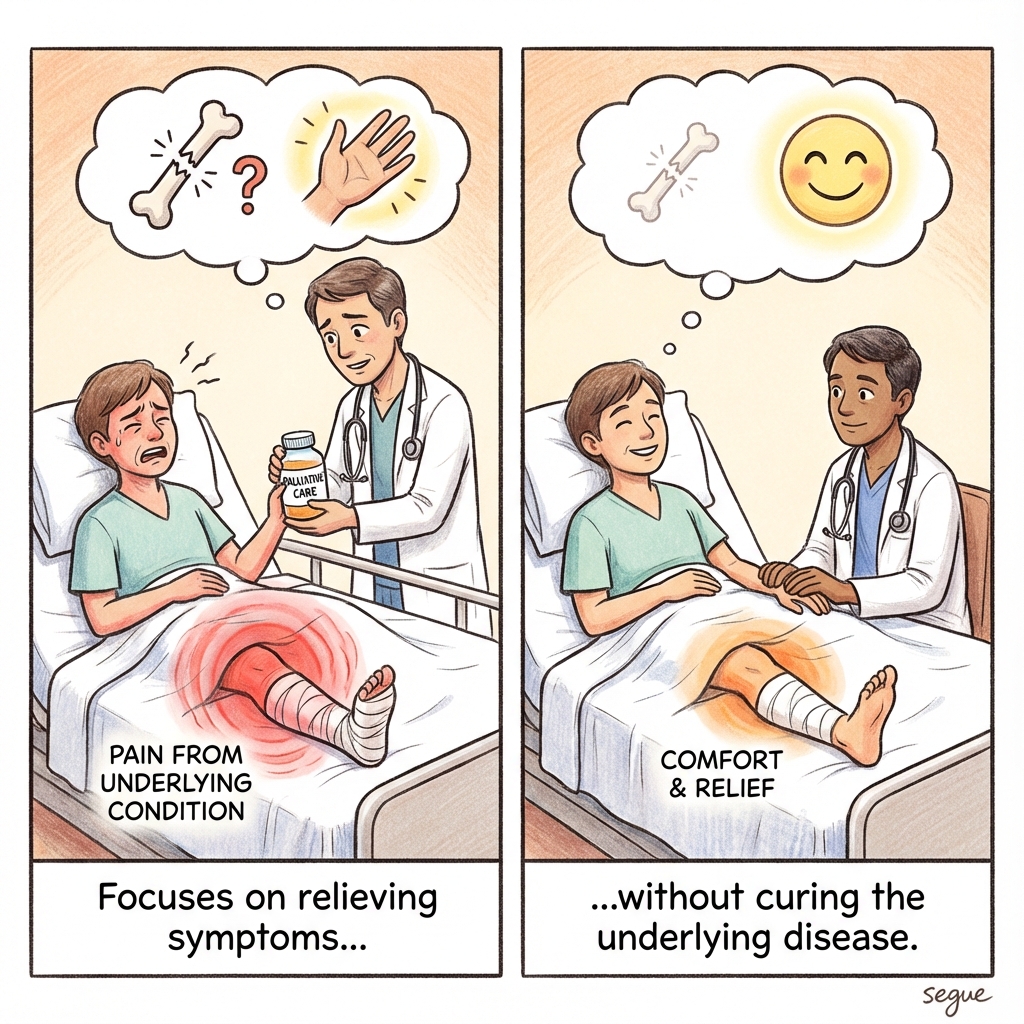
palliative
/ˈpæɫiətɪv/Relieving symptoms without curing the underlying condition
“Palliative care focuses on quality of life for terminal patients.”
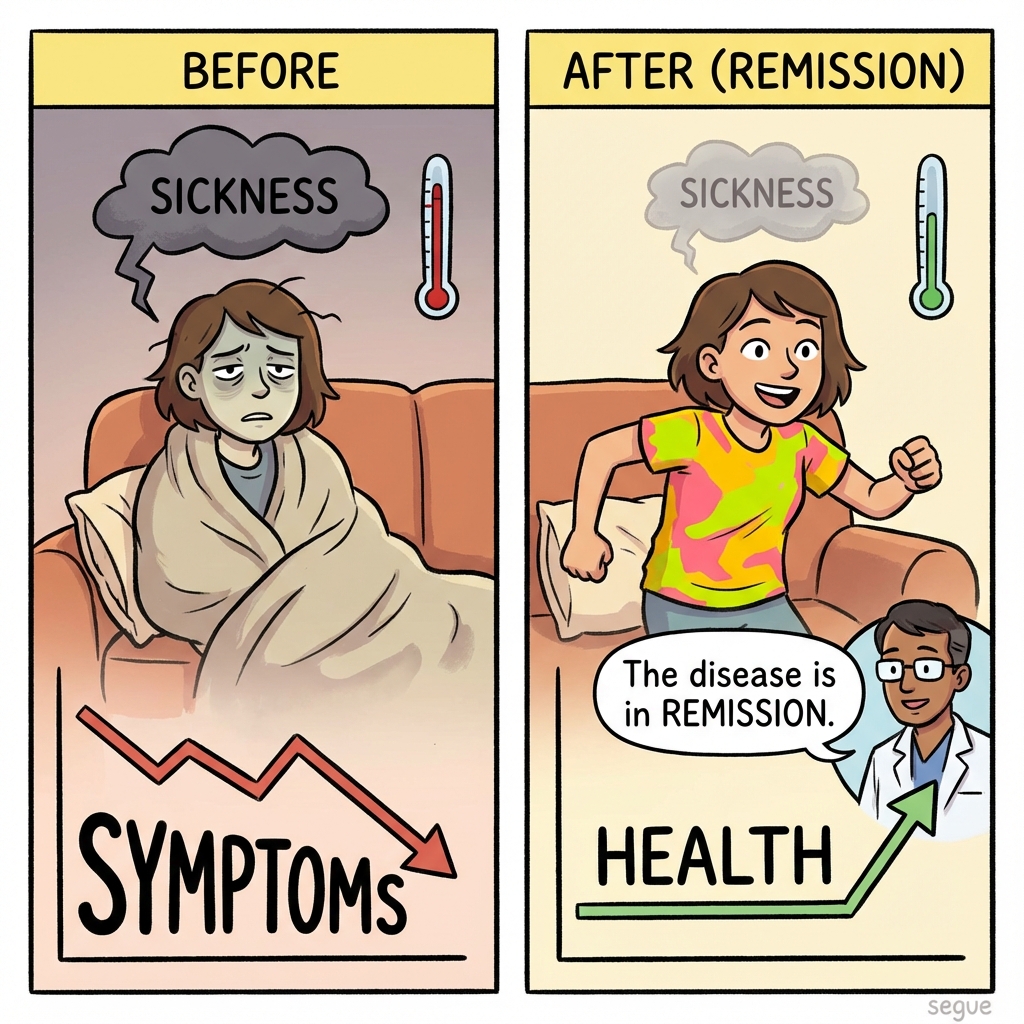
remission
/ɹiˈmɪʃən/Temporary or permanent decrease in disease symptoms
“The cancer went into remission after chemotherapy.”

prophylactic
/ˌpɹɑfɪˈɫæktɪk/Intended to prevent disease
“Prophylactic antibiotics were administered before surgery.”
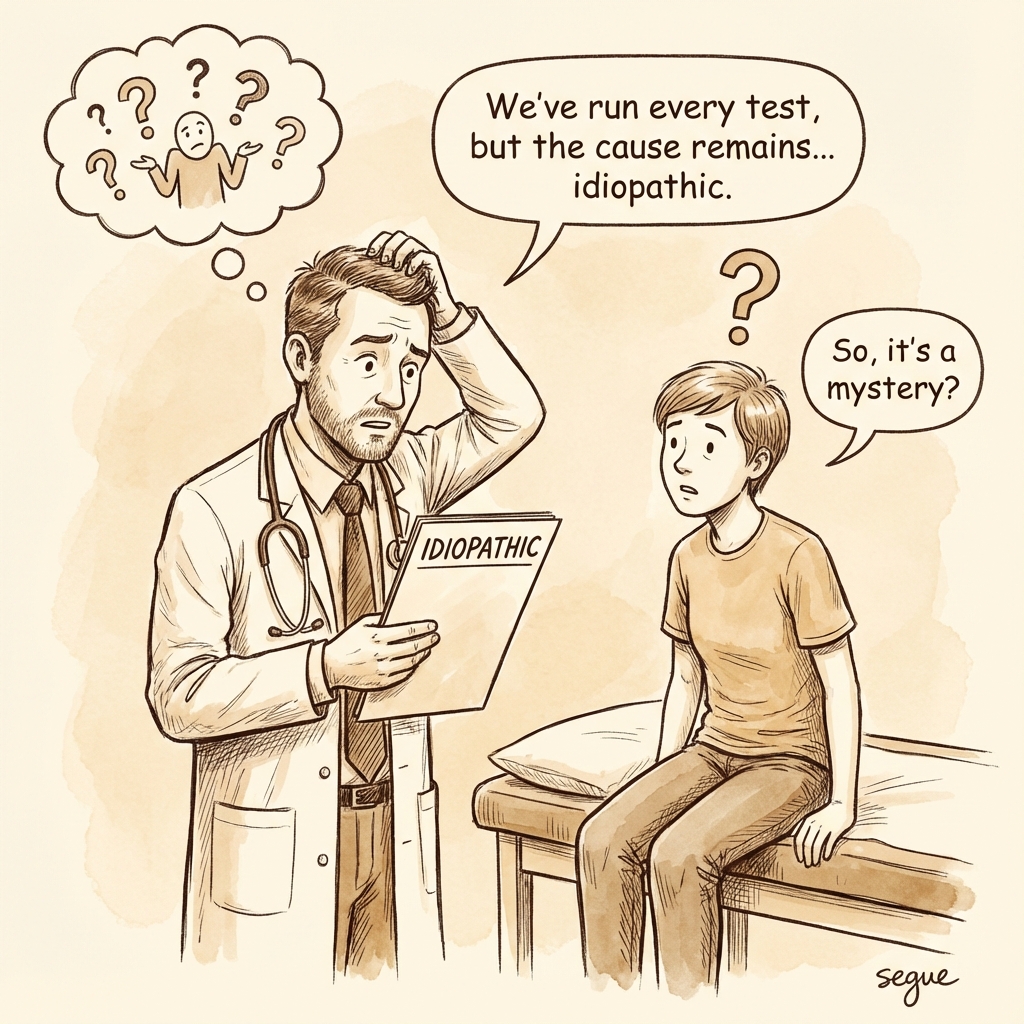
idiopathic
/ˌɪdioʊˈpæθək/Of unknown cause
“The patient was diagnosed with idiopathic pulmonary fibrosis.”
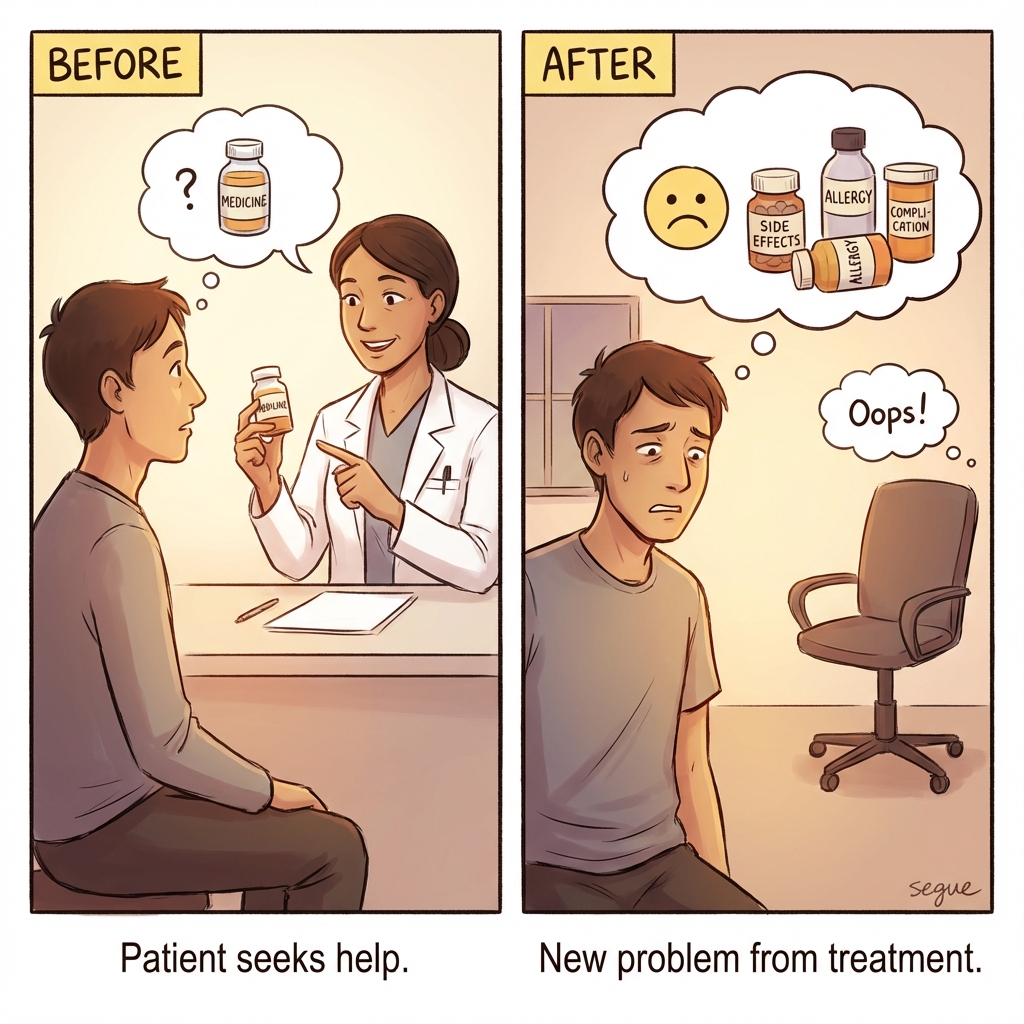
iatrogenic
/aɪˌætrəˈdʒenɪk/Caused by medical treatment or examination
“The infection was iatrogenic, resulting from the surgical procedure.”
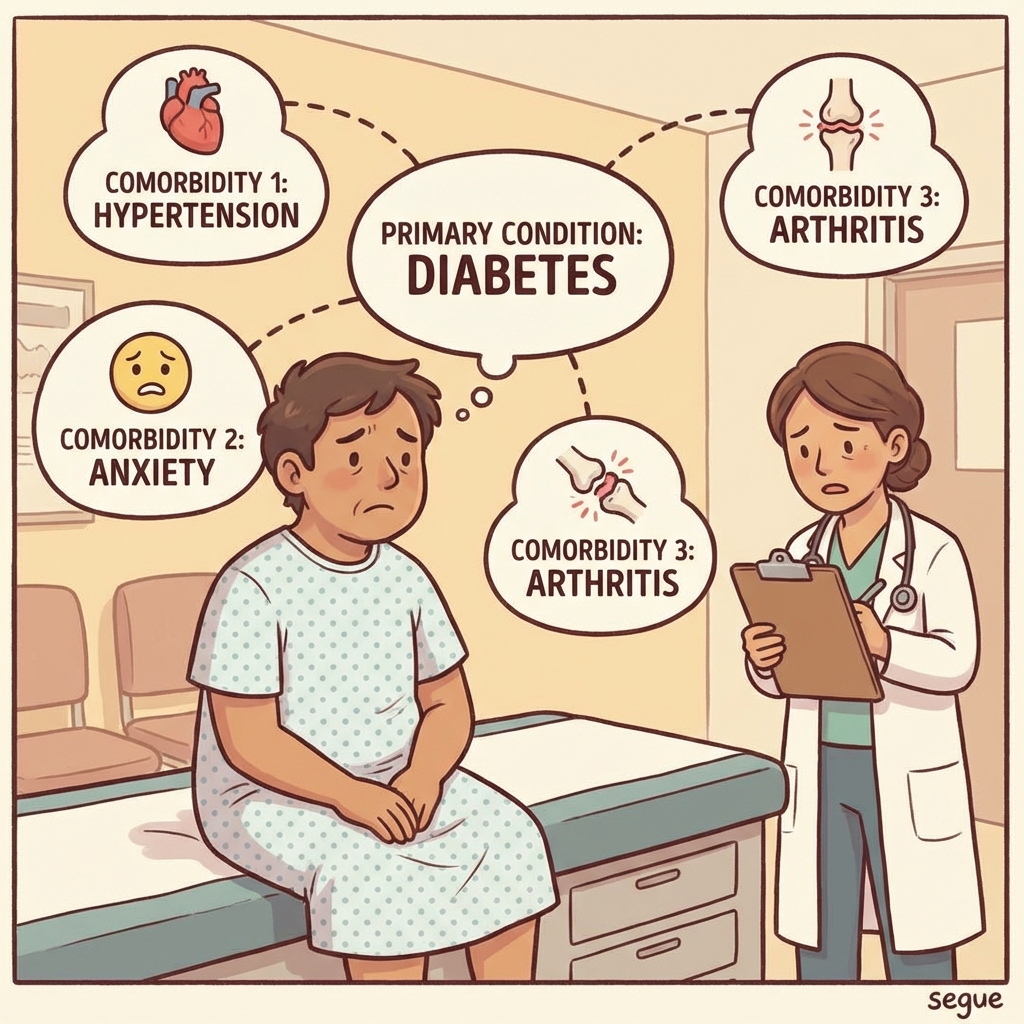
comorbidity
/ˌkoʊmɔːrˈbɪdɪti/The presence of additional diseases alongside a primary condition
“Diabetes is a common comorbidity in heart disease patients.”
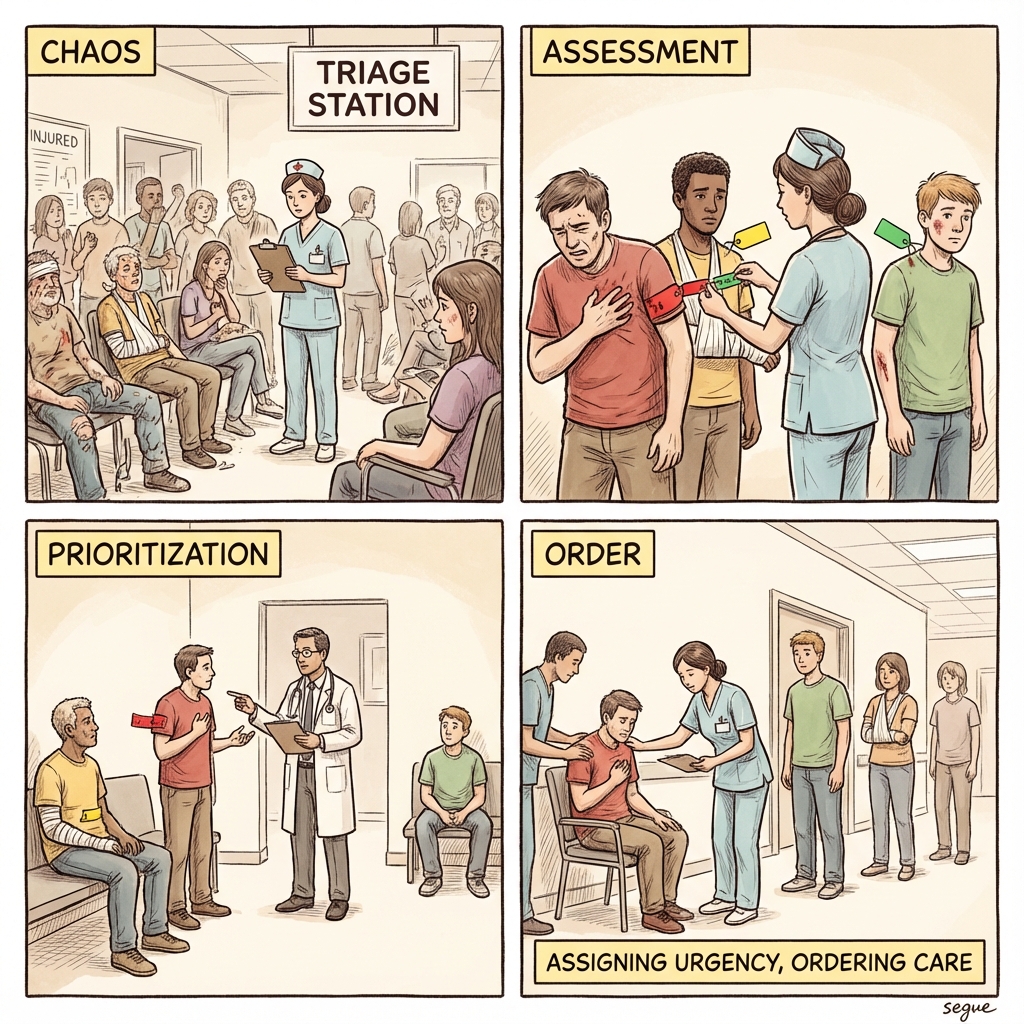
triage
/ˈtɹaɪɪdʒ/Assigning degrees of urgency to decide treatment order
“Emergency room triage ensures critical patients are seen first.”
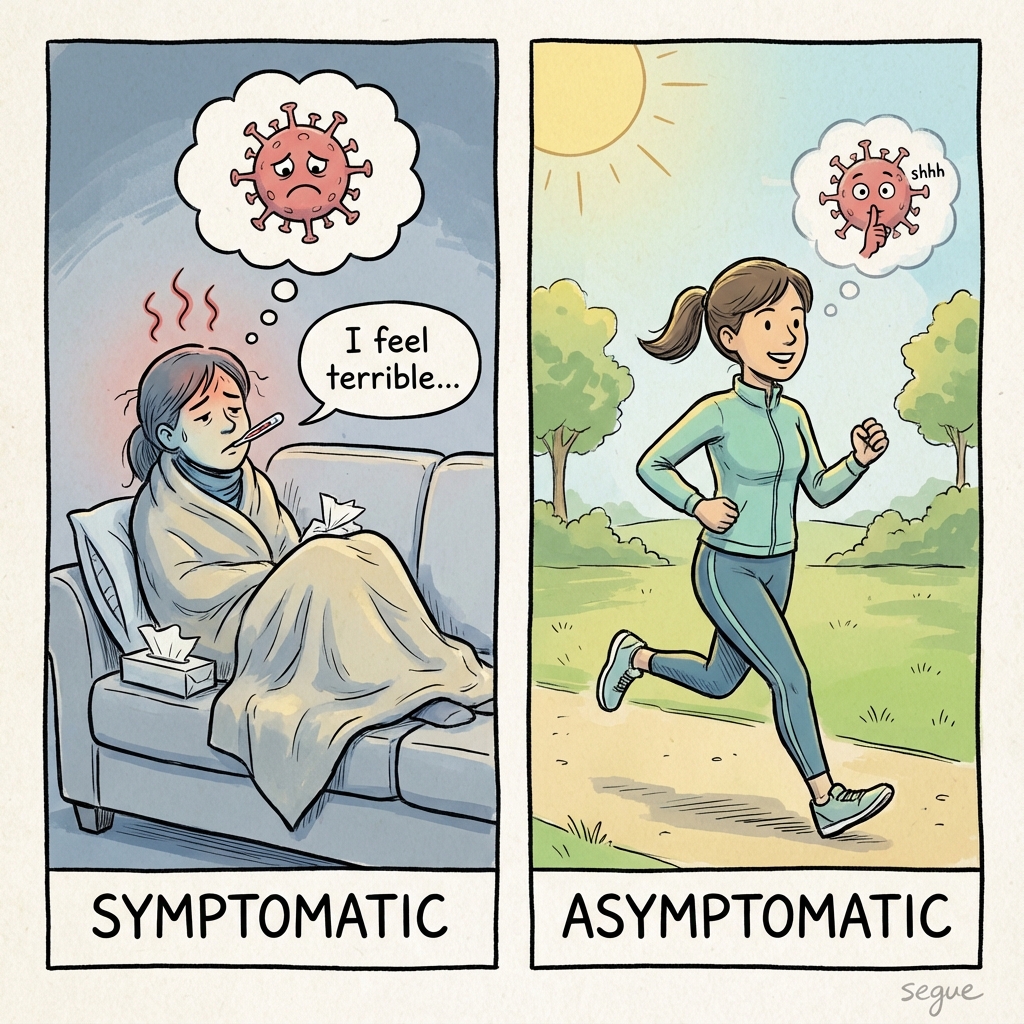
asymptomatic
/ˌeɪˌsɪmptəˈmætɪk/Showing no symptoms of disease
“Many carriers remain asymptomatic but can still transmit the virus.”

empirical
/ˌɛmˈpɪɹɪkəɫ/Based on observation rather than theory
“Empirical treatment was started while awaiting lab results.”

bilateral
/baɪˈɫætɝəɫ/Affecting both sides of the body
“The patient had bilateral knee replacements.”
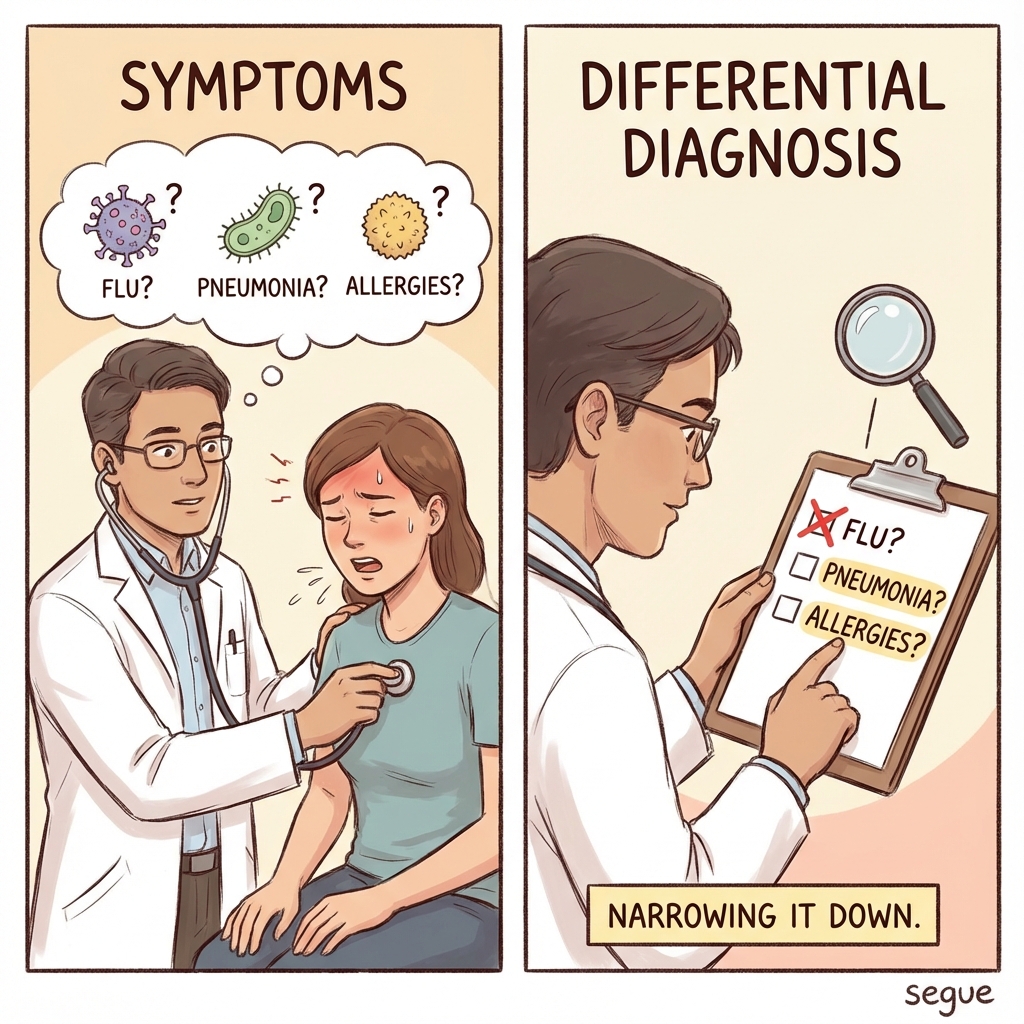
differential diagnosis
/ˌdɪfəˈrenʃəl ˌdaɪəɡˈnoʊsɪs/Distinguishing between diseases with similar symptoms
“The differential diagnosis includes several autoimmune conditions.”
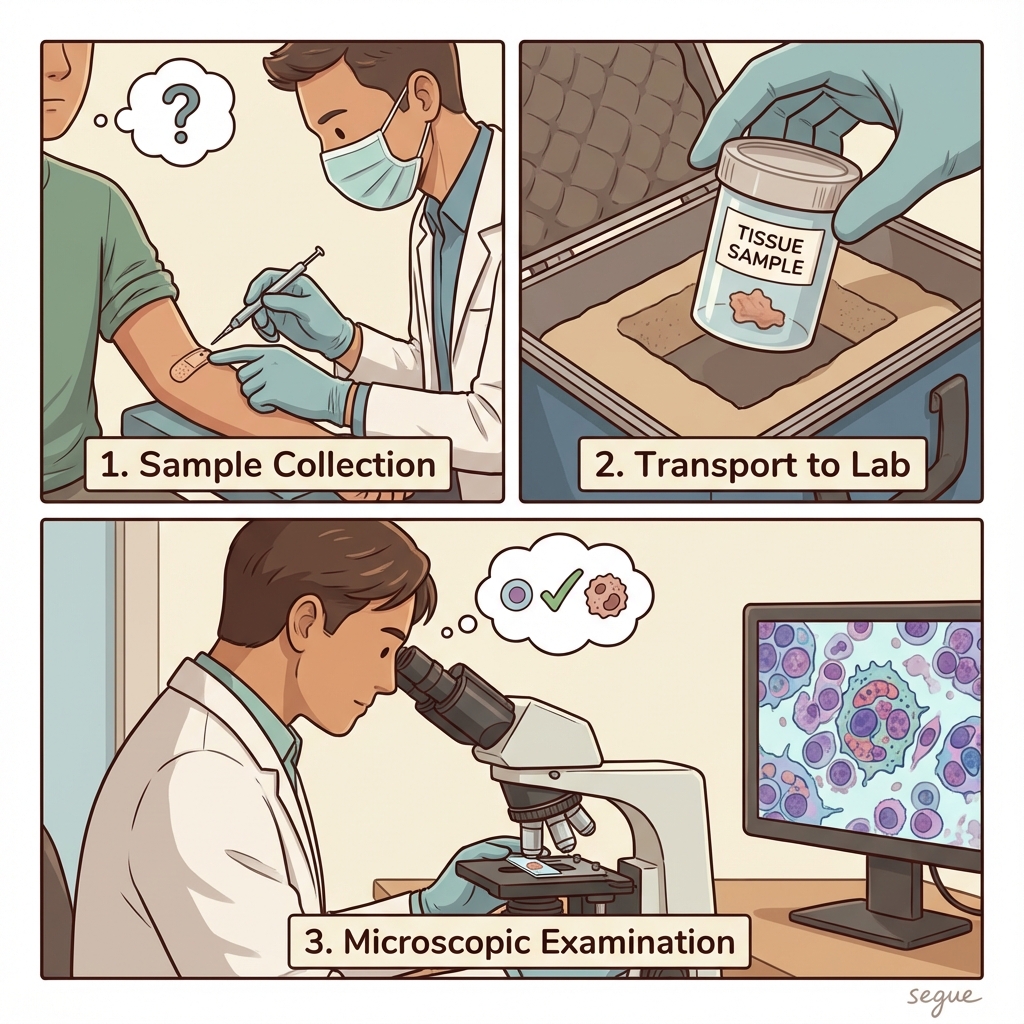
biopsy
/ˈbaɪɑpsi/An examination of tissue removed from a living body
“The biopsy results confirmed the diagnosis.”
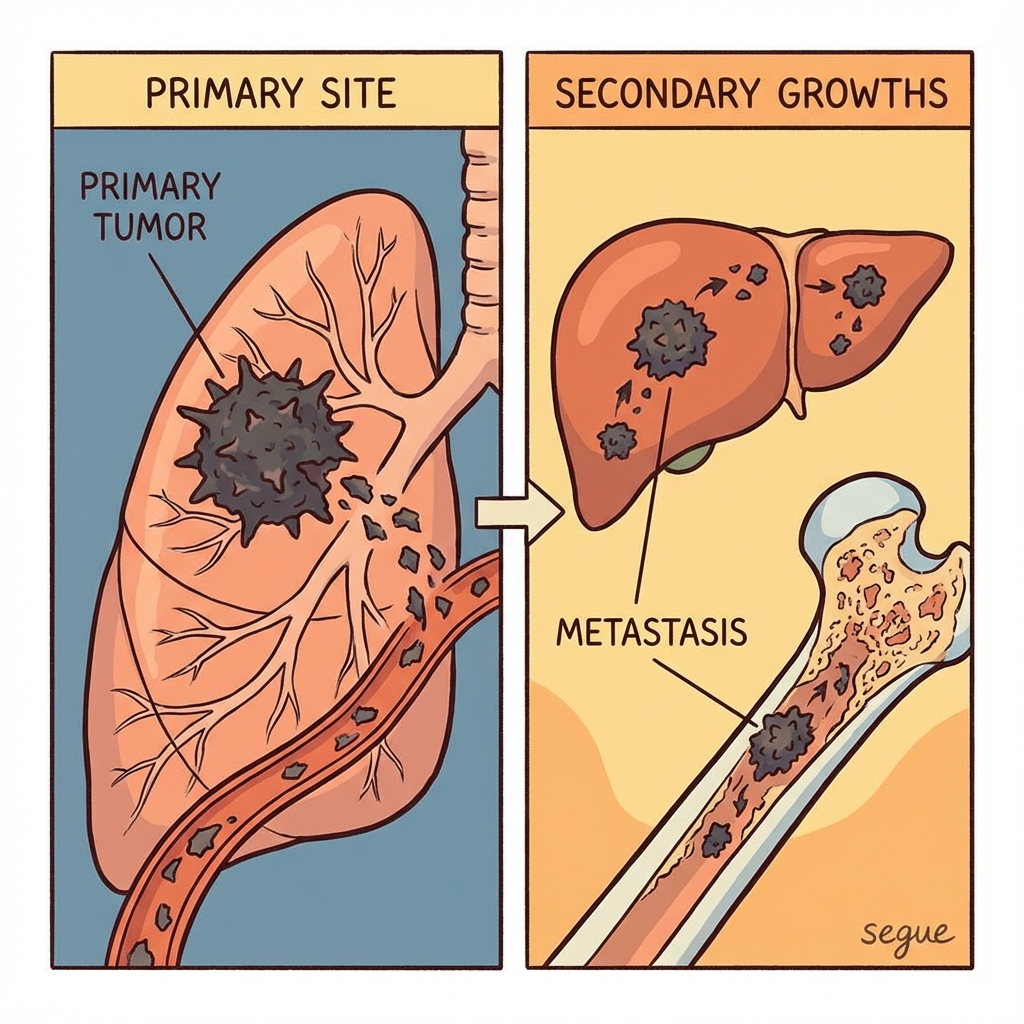
metastasis
/məˈtæstəsɪs/The development of secondary malignant growths at a distance from a primary site of cancer
“Early treatment prevented metastasis.”
More from Professional & Legal
Explore other vocabulary categories in this collection.