Loading collection...
📣
Marketing & Sales Vocabulary
Marketing, advertising, and sales terminology
22 words
All 22 Words
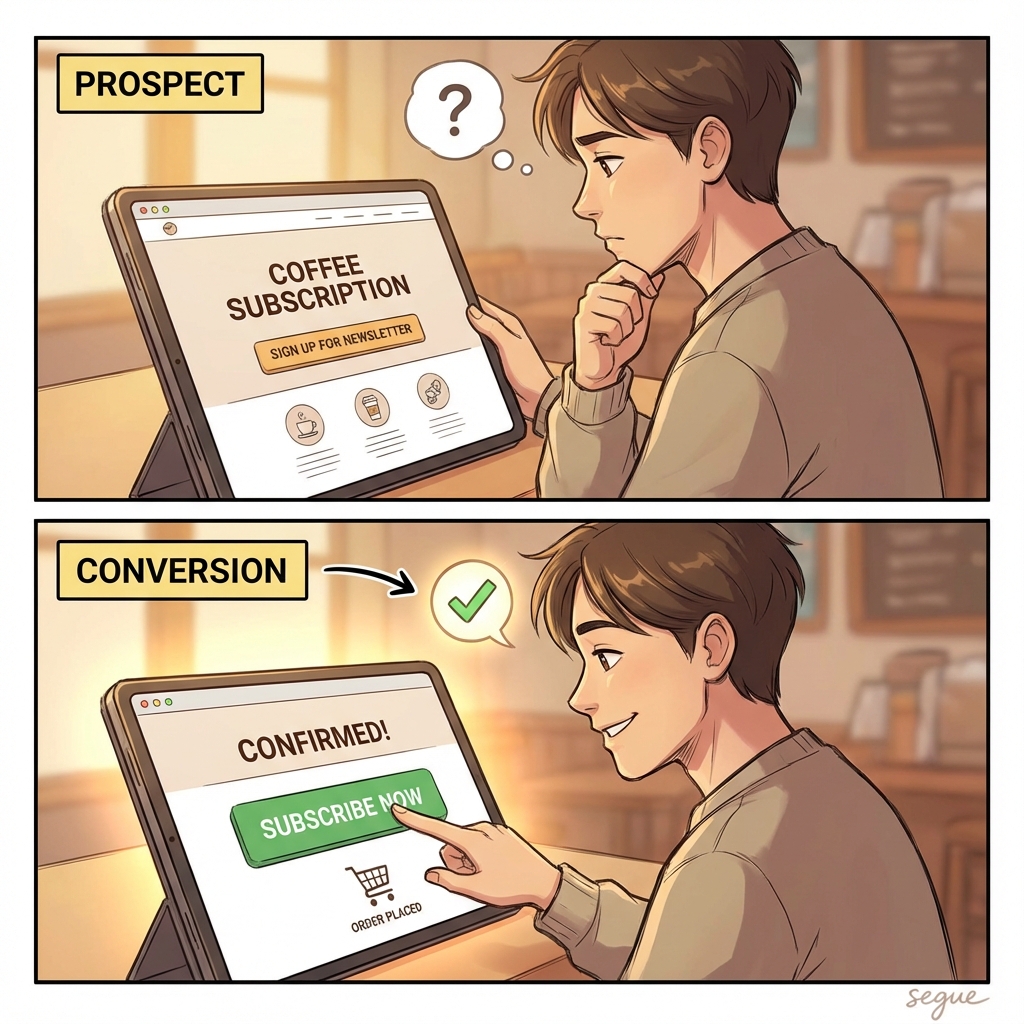
conversion
/kənˈvɝʒən/When a prospect takes a desired action
“The new landing page doubled our conversion rate.”
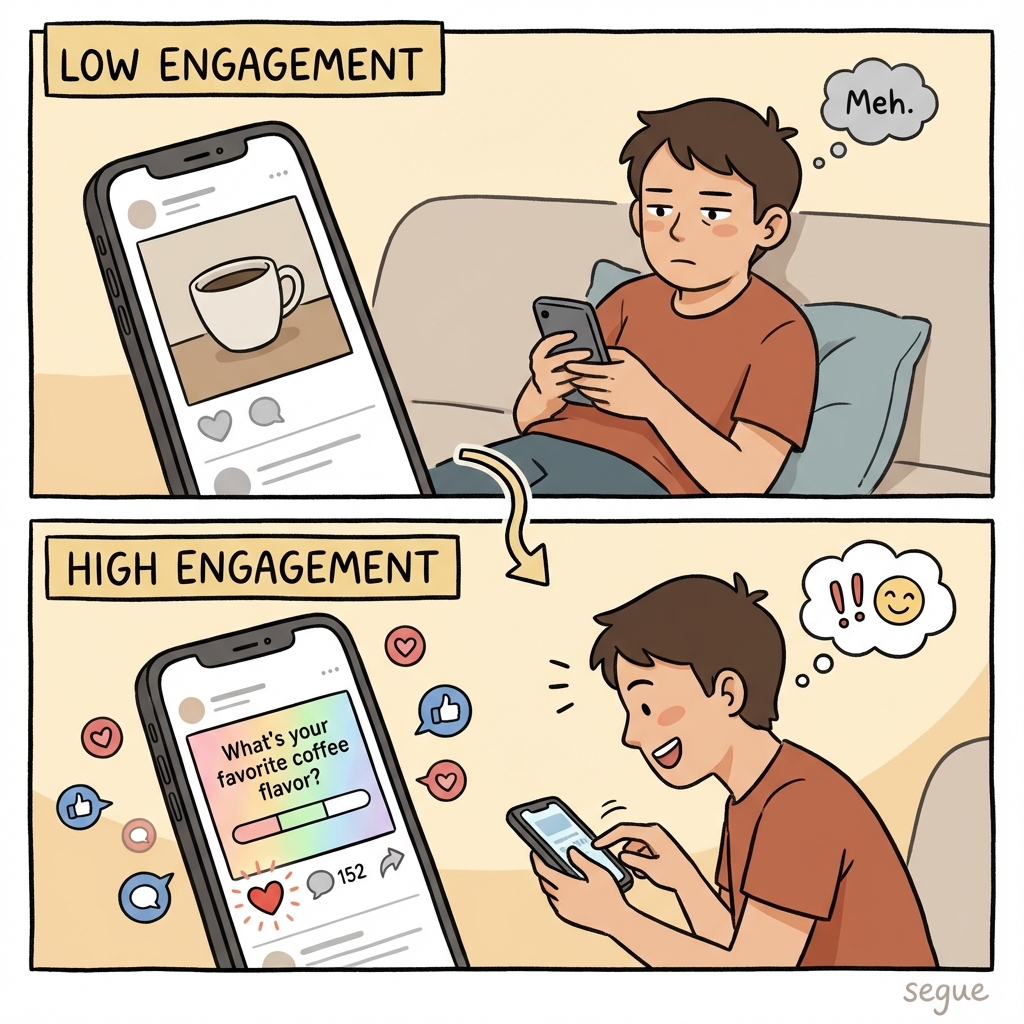
engagement
/ɛnˈɡeɪdʒmənt/The level of interaction with content or brand
“Social media engagement increased after the campaign launch.”
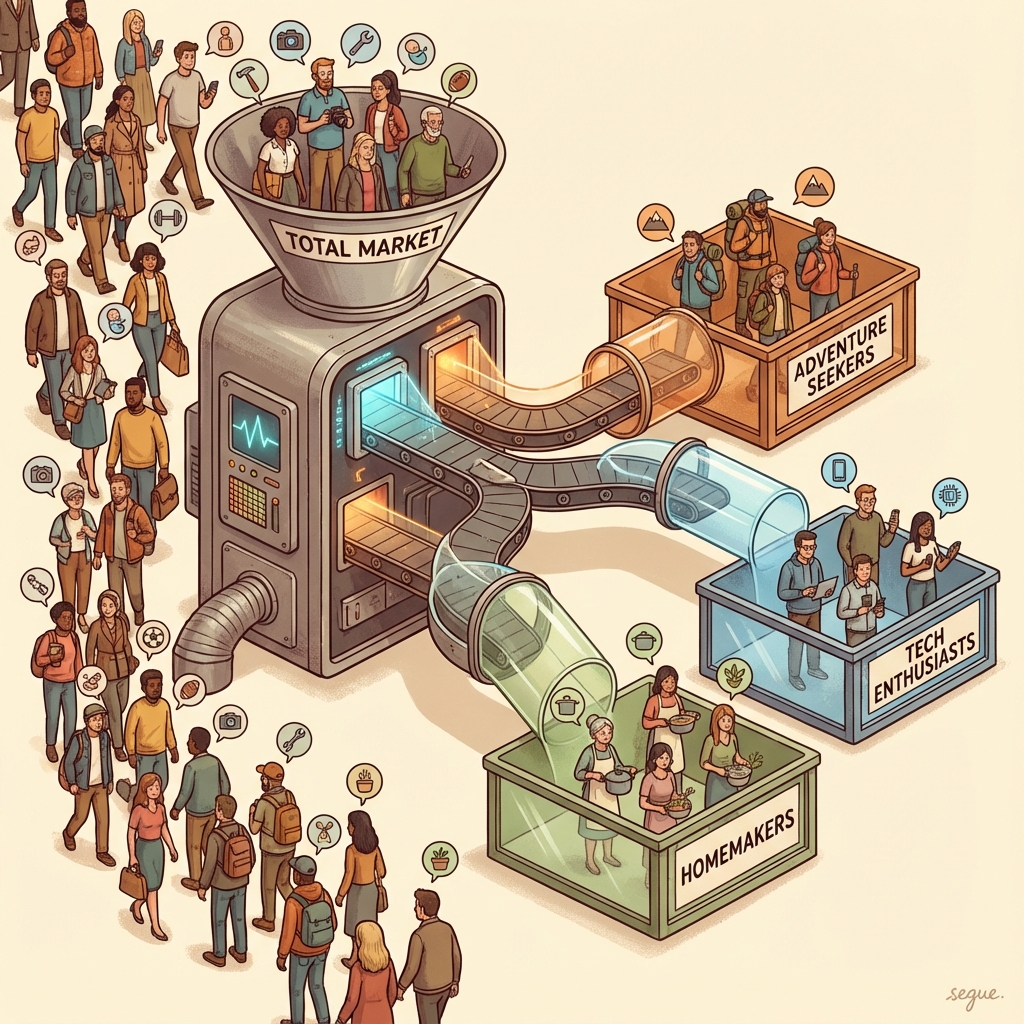
segmentation
/ˌsɛɡmənˈteɪʃən/Dividing a market into distinct groups
“Customer segmentation allows for targeted messaging.”
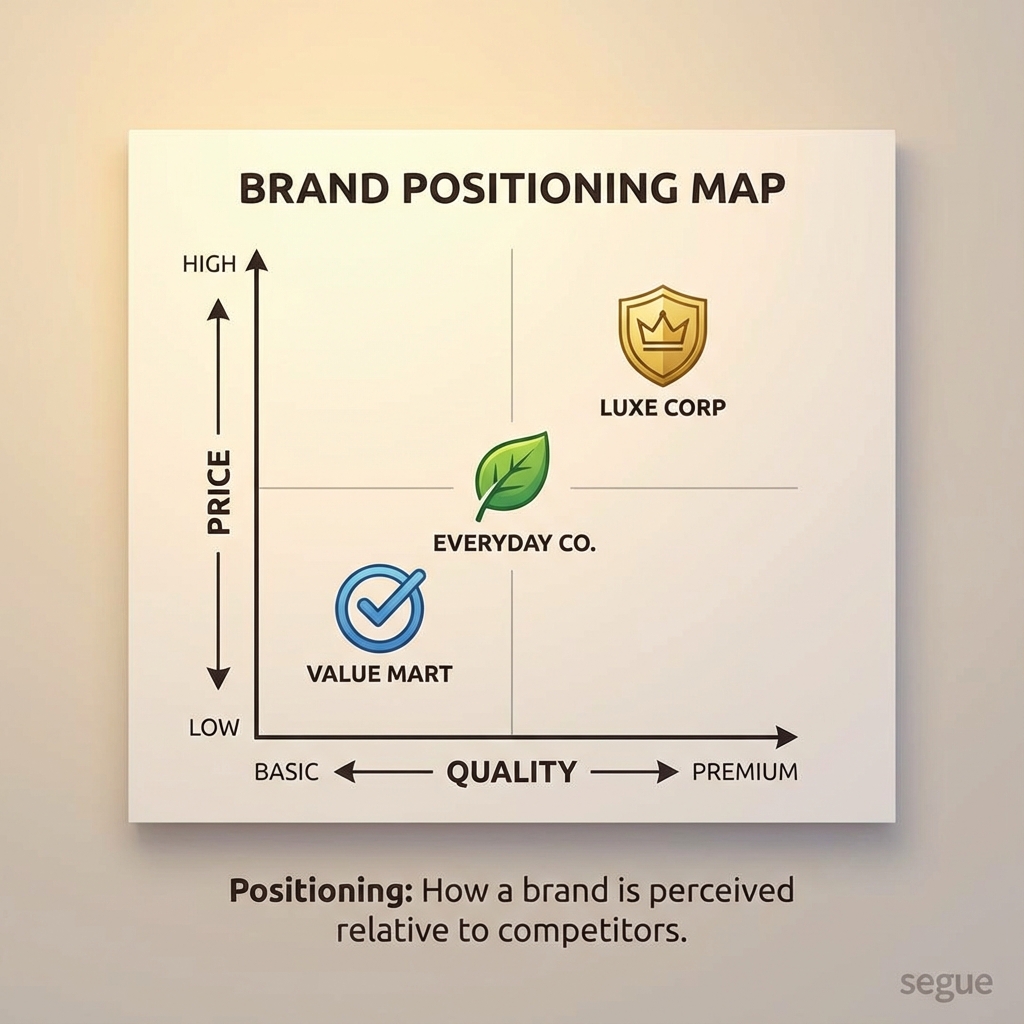
positioning
/pəˈzɪʃənɪŋ/How a brand is perceived relative to competitors
“Strategic positioning established us as the premium option.”
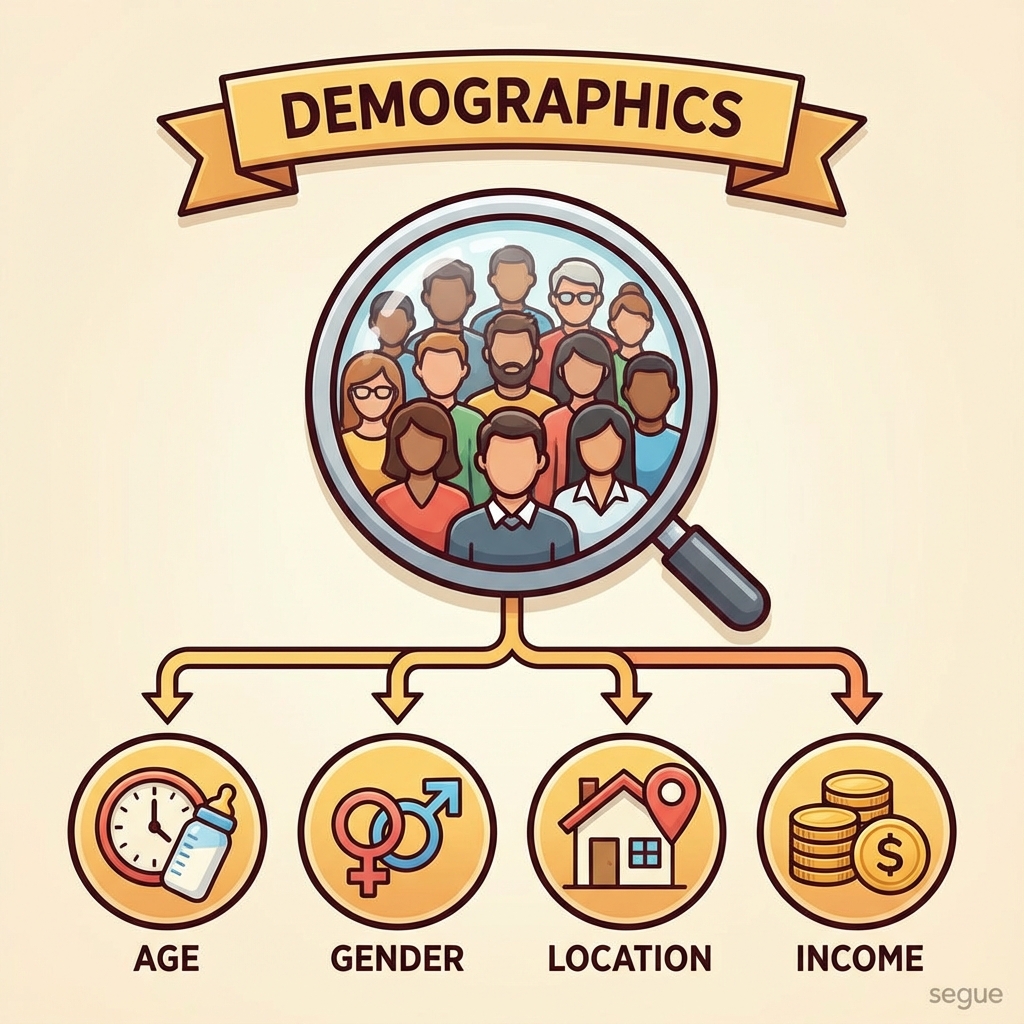
demographics
/ˌdɛməˈɡɹæfɪks/Statistical characteristics of a population
“Demographics show our primary audience is millennials.”
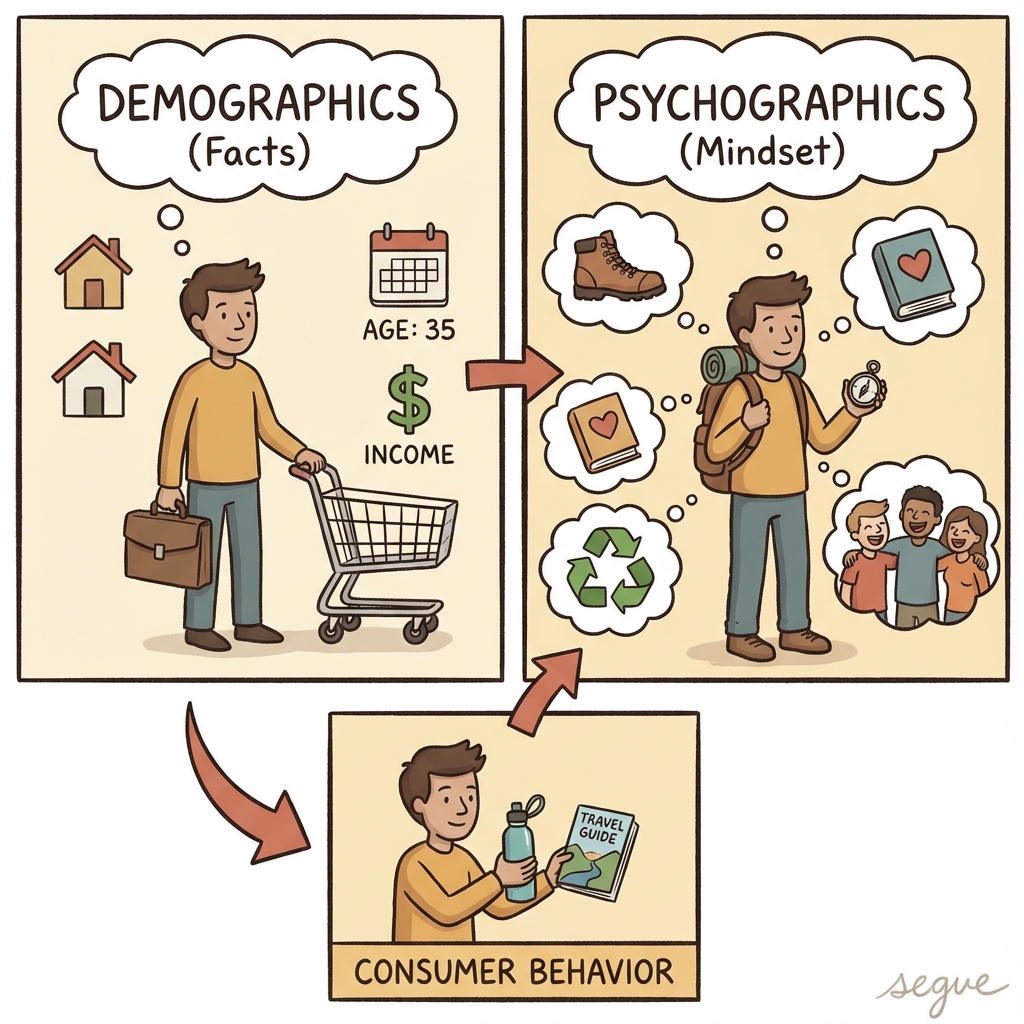
psychographics
/ˌsaɪkoʊˈɡræfɪks/Psychological attributes of consumers
“Psychographics reveal customer values and lifestyle choices.”
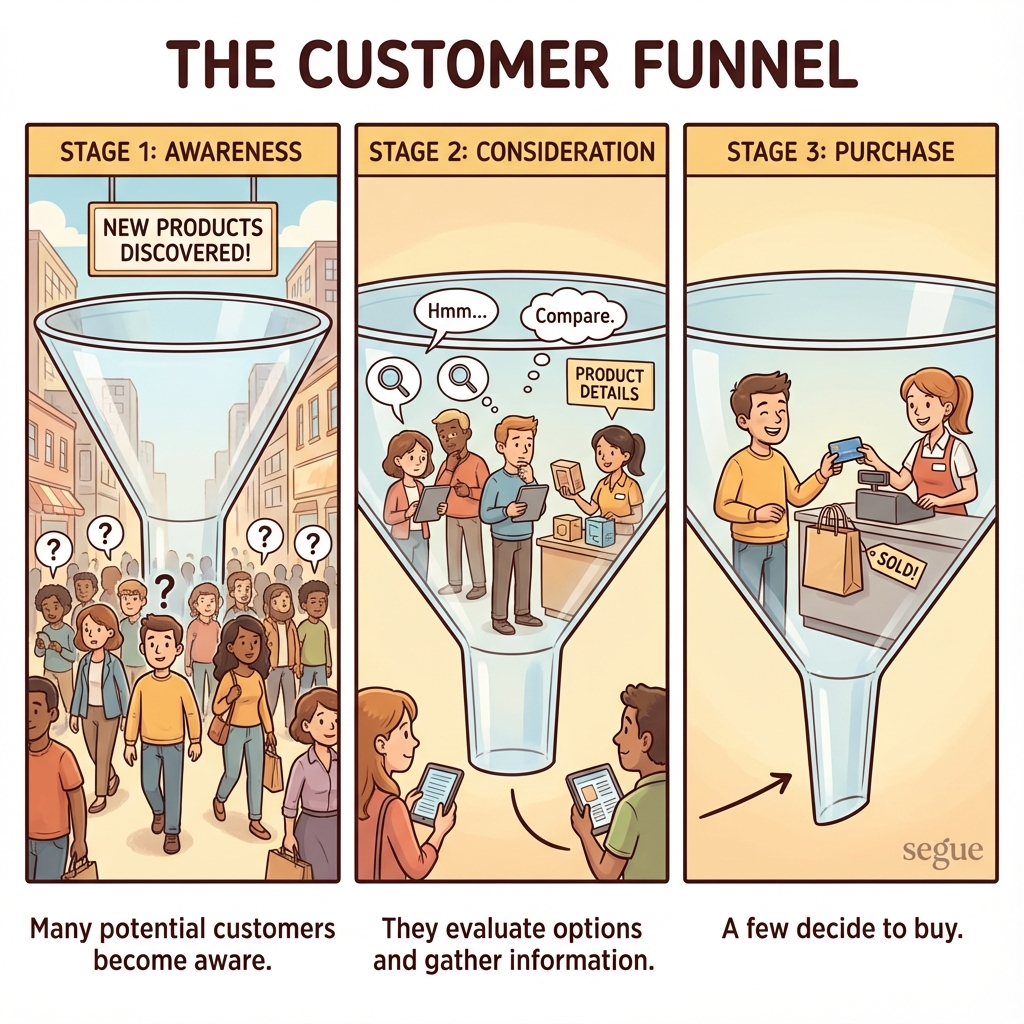
funnel
/ˈfənəɫ/The stages a customer goes through before purchasing
“We need to optimize the top of the funnel for awareness.”
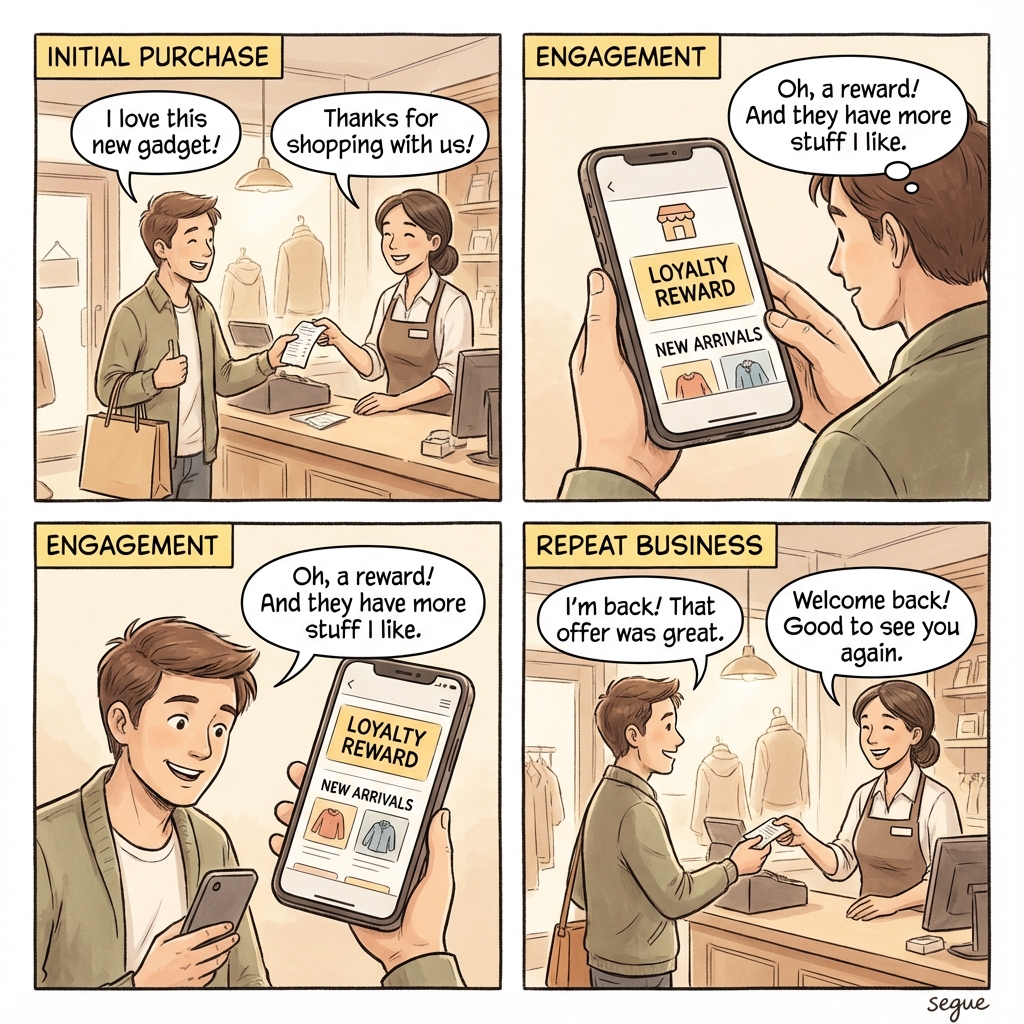
retention
/ɹiˈtɛnʃən/Keeping existing customers engaged
“Customer retention is more cost-effective than acquisition.”
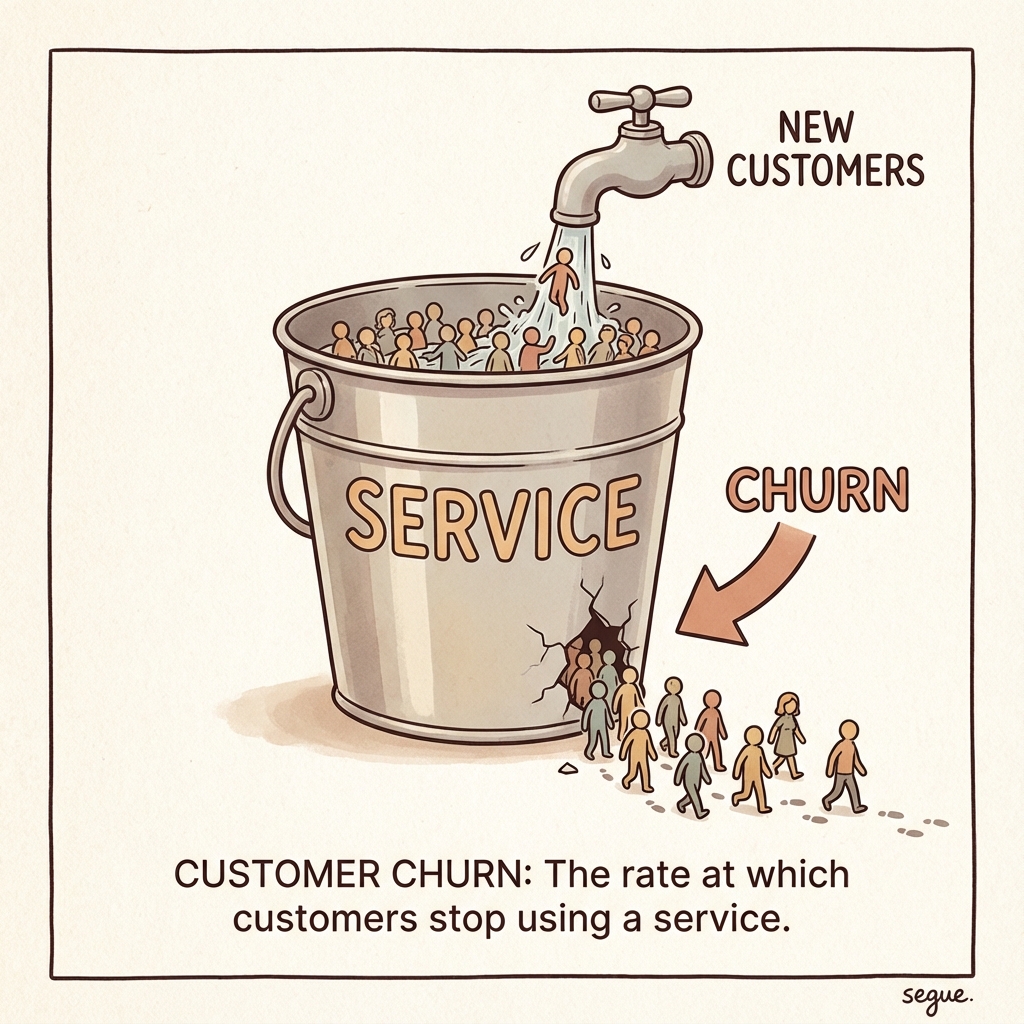
churn
/ˈtʃɝn/The rate at which customers stop using a service
“Reducing churn is essential for subscription businesses.”
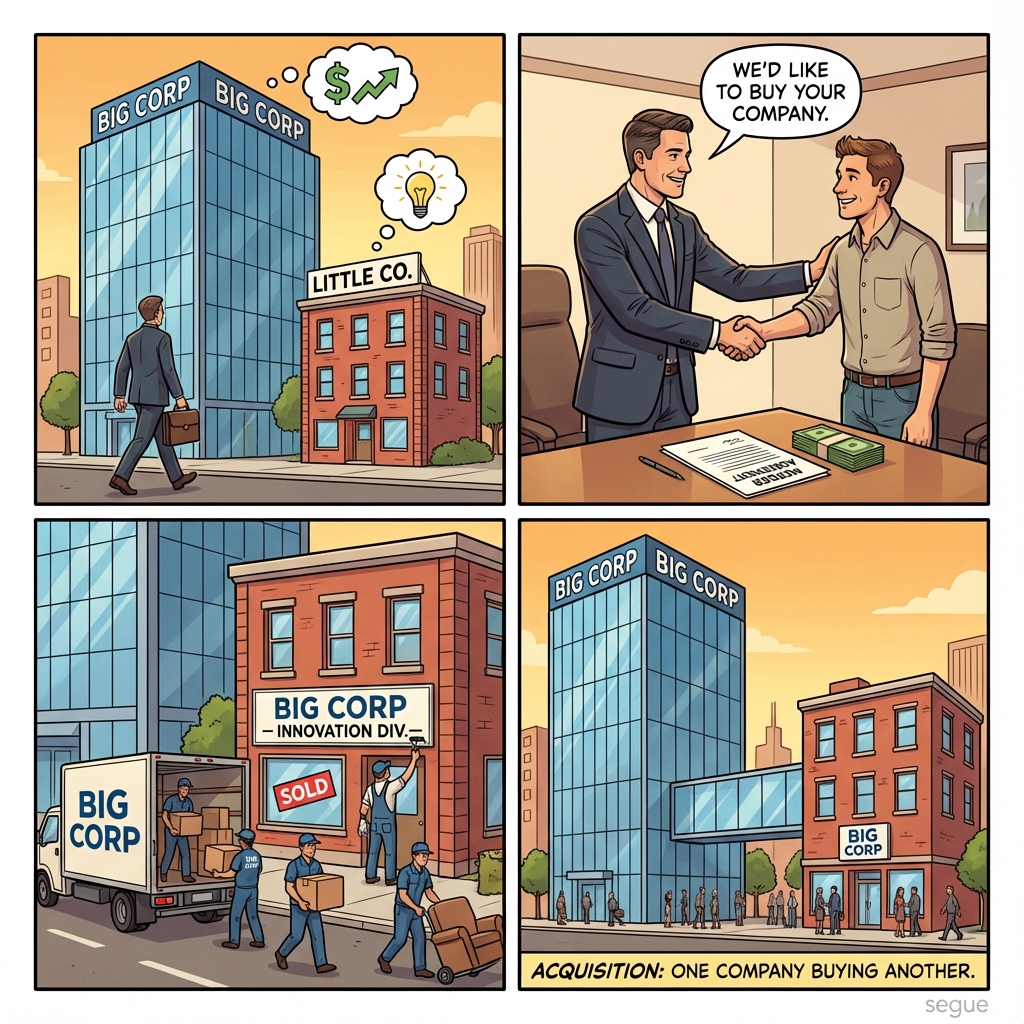
acquisition
/ˌækwəˈzɪʃən/Gaining new customers
“Customer acquisition costs have risen significantly.”
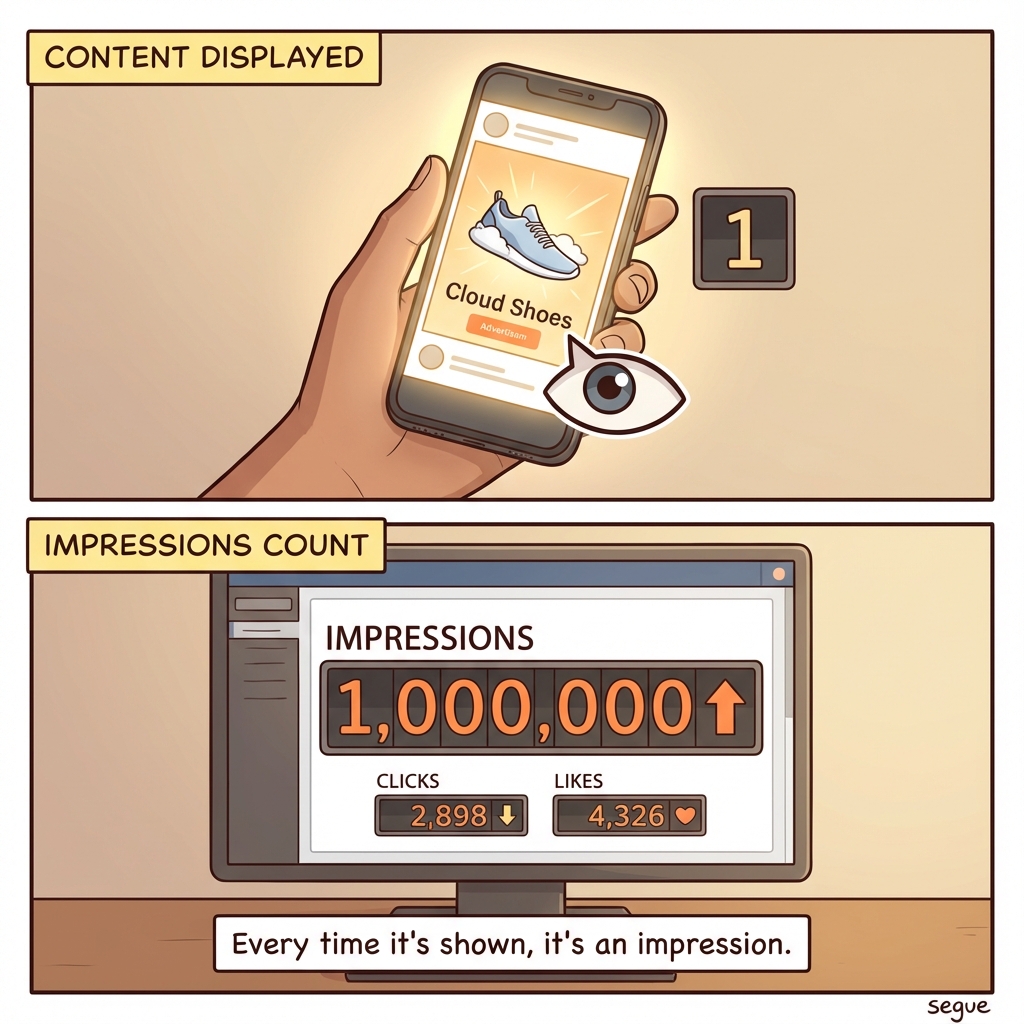
impressions
/ˌɪmˈpɹɛʃənz/The number of times content is displayed
“The ad generated millions of impressions across platforms.”
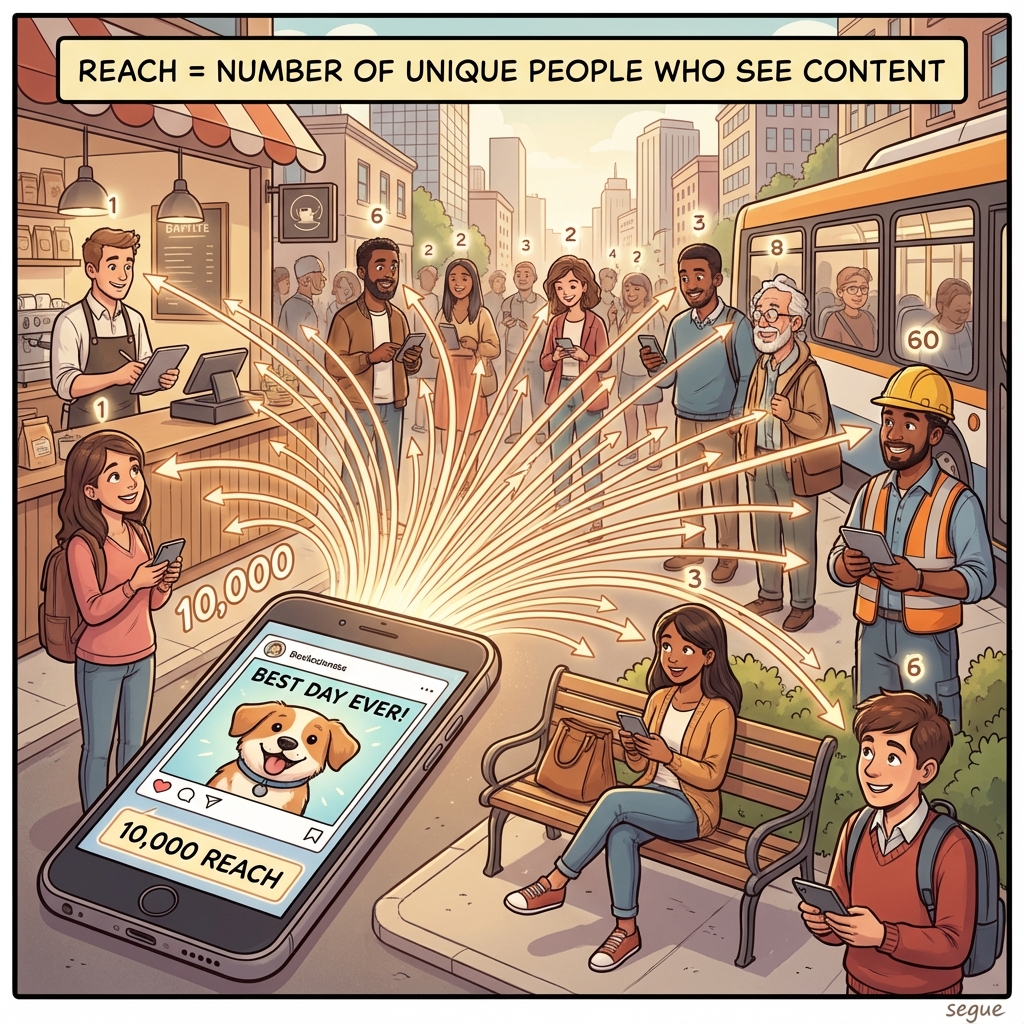
reach
/ˈɹitʃ/The number of unique people who see content
“Our organic reach declined after the algorithm change.”
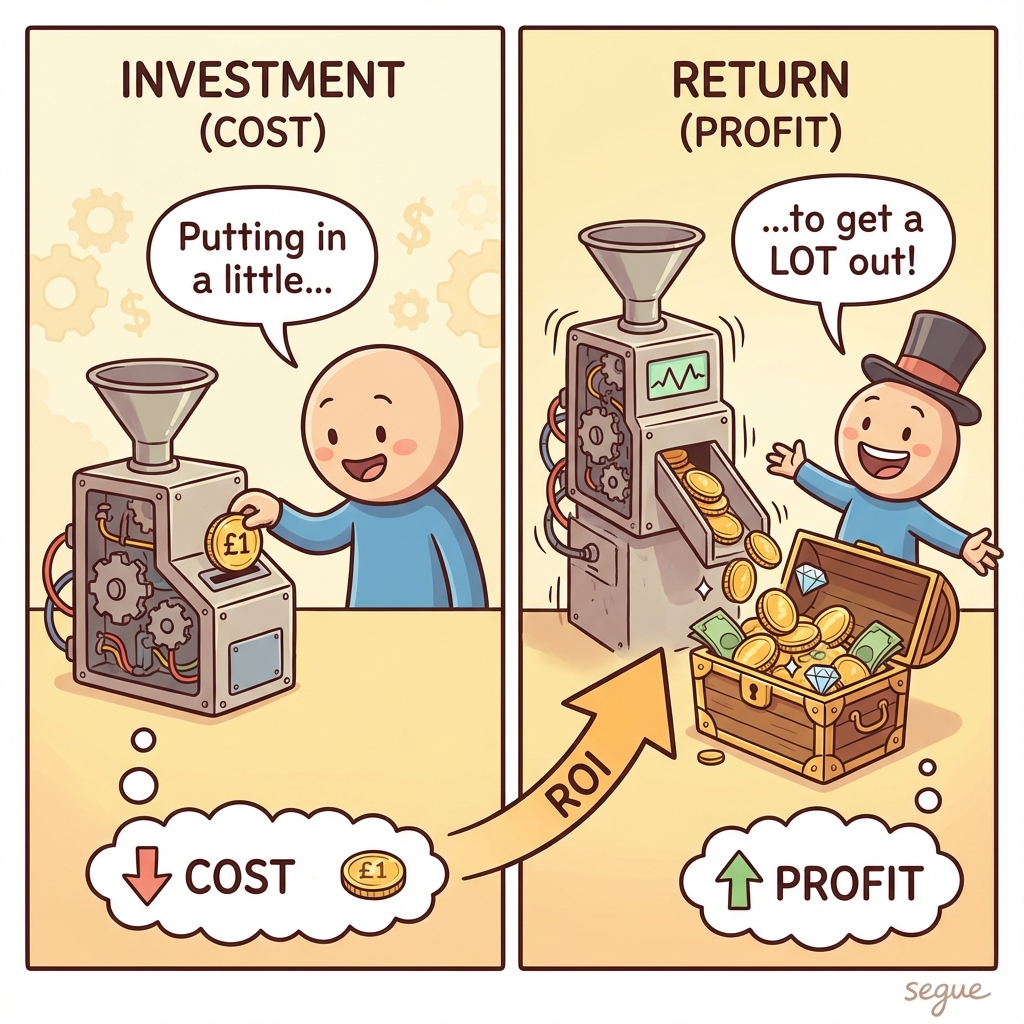
ROI
/ˈɹɔɪ/Return on investment; profit relative to cost
“The campaign delivered an impressive ROI of three hundred percent.”

KPI
/ˌkeɪ piː ˈaɪ/Key performance indicator; a measurable value
“Our primary KPI is monthly recurring revenue.”
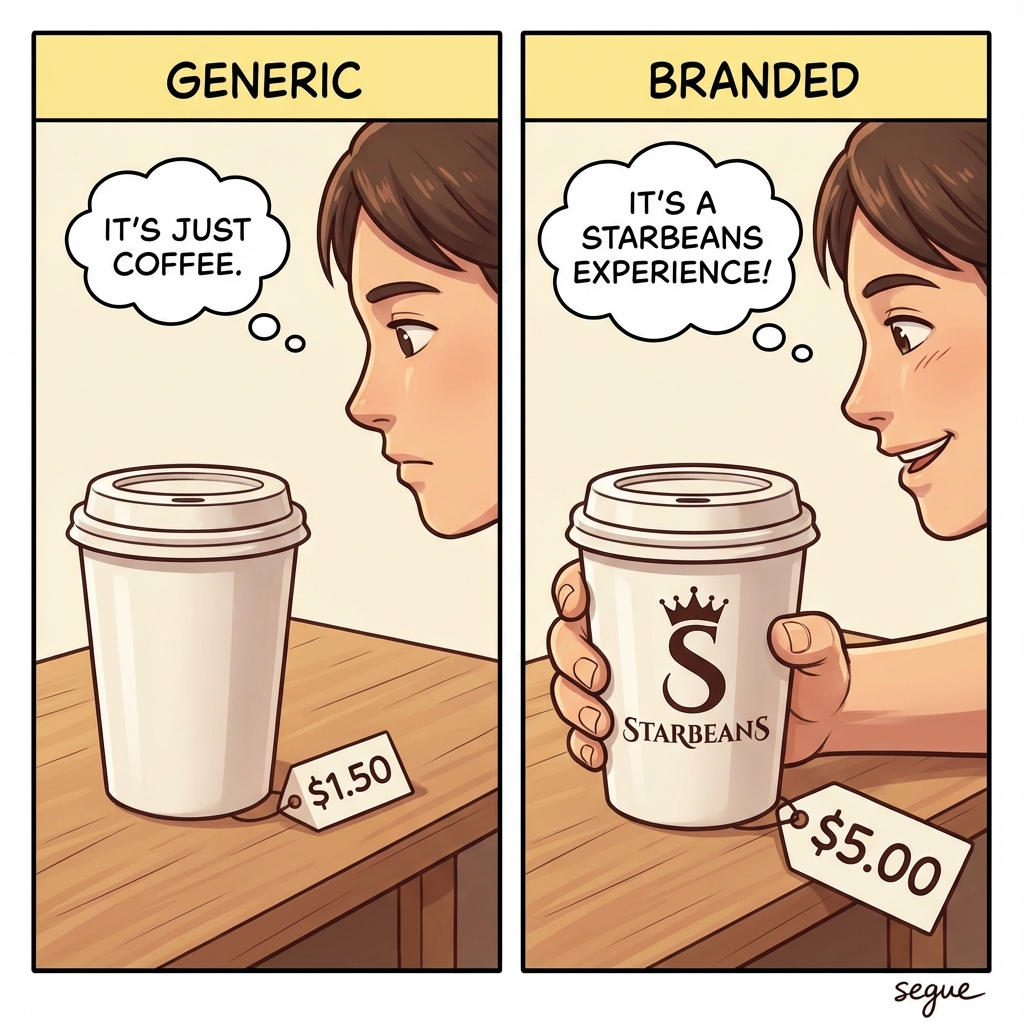
brand equity
/ˈbrænd ˌekwɪti/The value premium a brand commands
“Strong brand equity allows for premium pricing.”
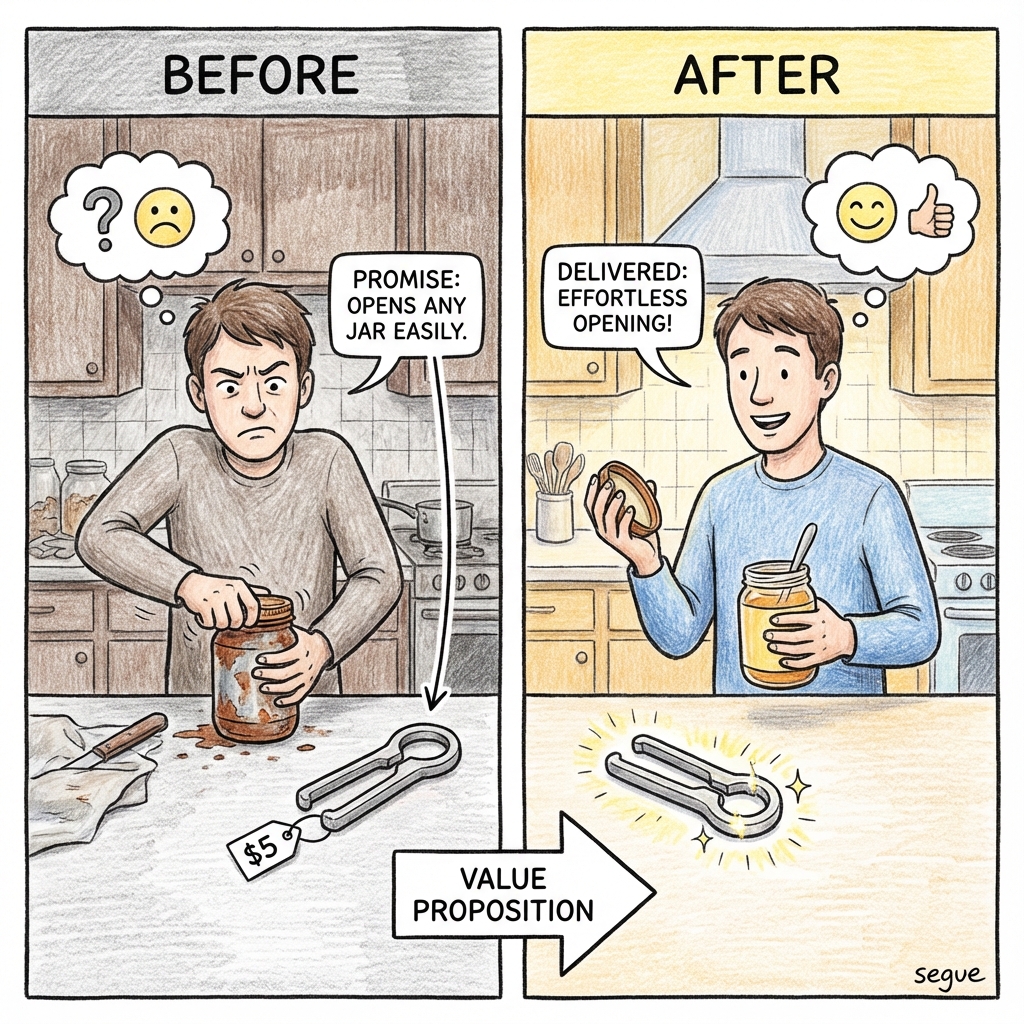
value proposition
/ˈvæljuː ˌprɒpəˈzɪʃən/The benefit a product promises to deliver
“Our value proposition emphasizes convenience and reliability.”
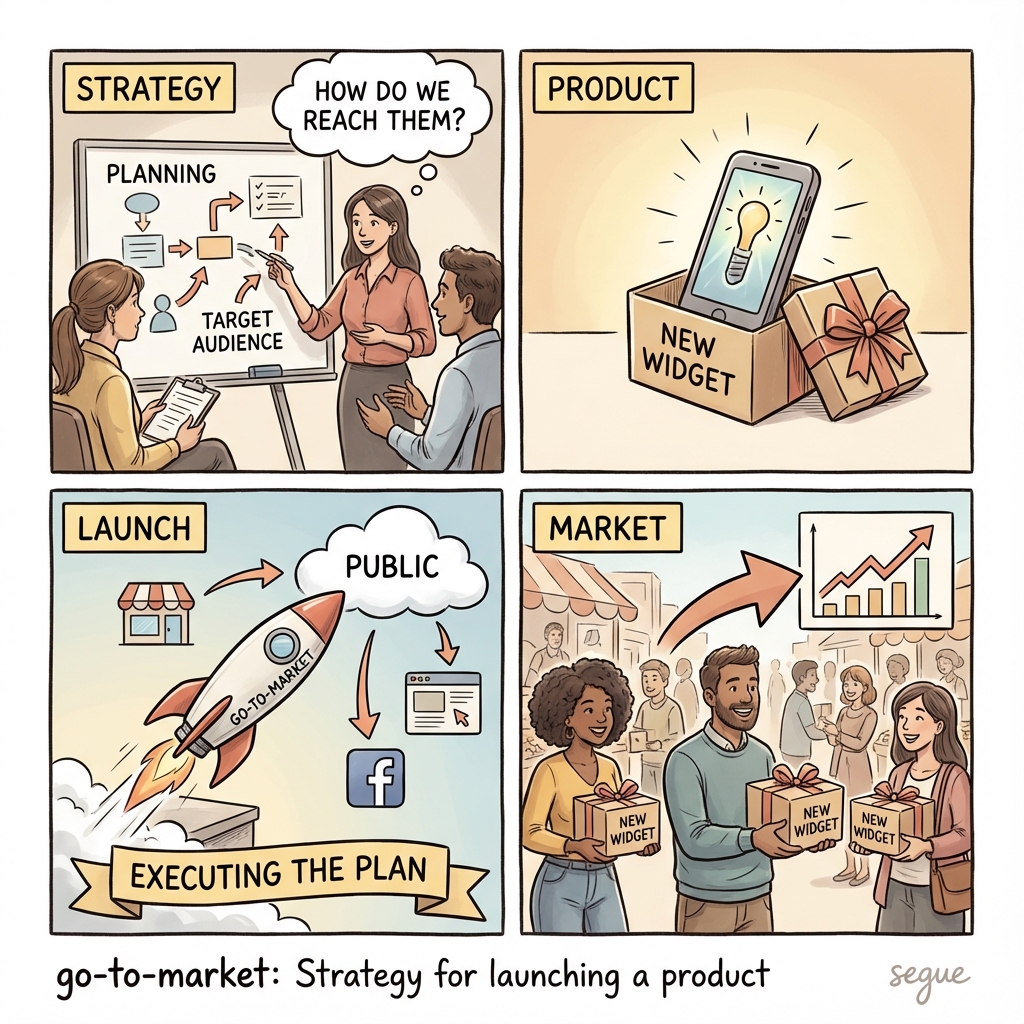
go-to-market
/ˌɡoʊ tə ˈmɑːrkɪt/Strategy for launching a product
“The go-to-market strategy targets enterprise customers first.”
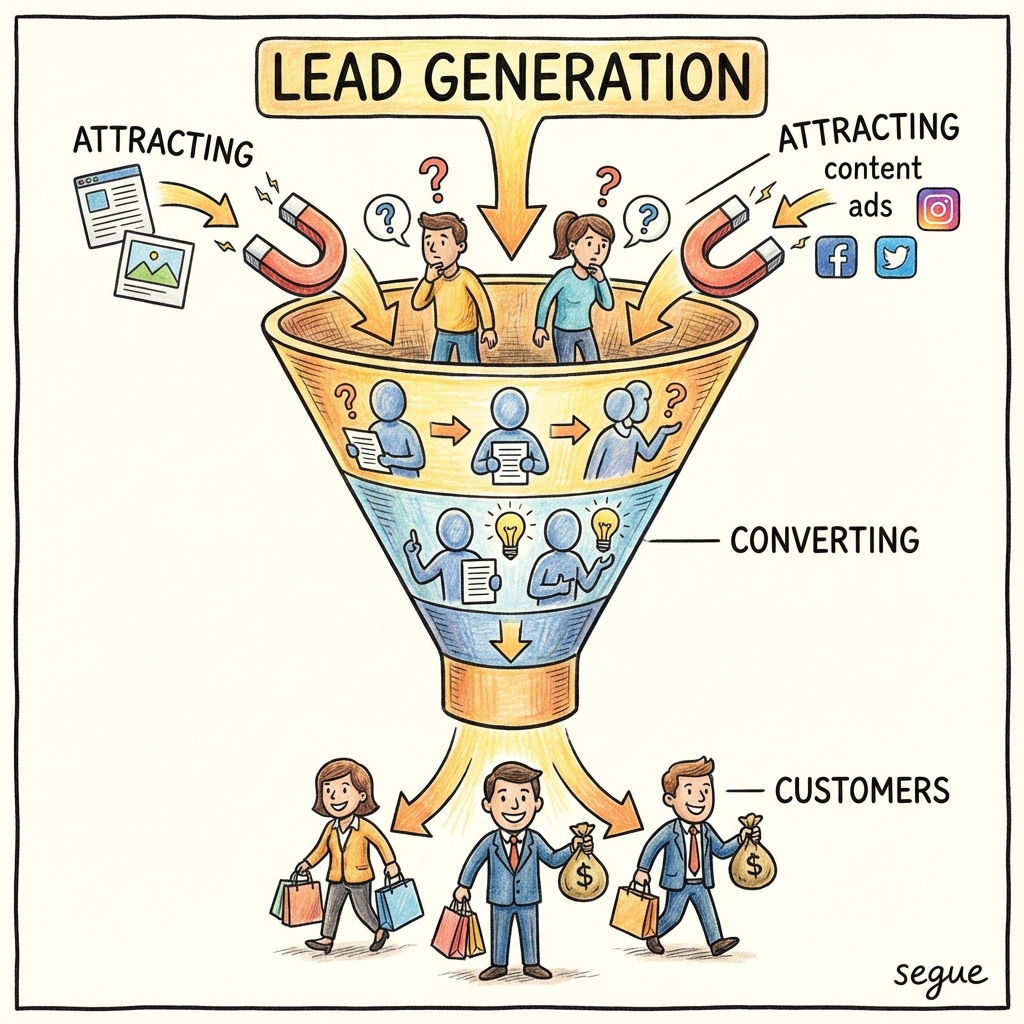
lead generation
/ˈliːd ˌdʒenəˈreɪʃən/Attracting and converting potential customers
“Content marketing drives our lead generation efforts.”
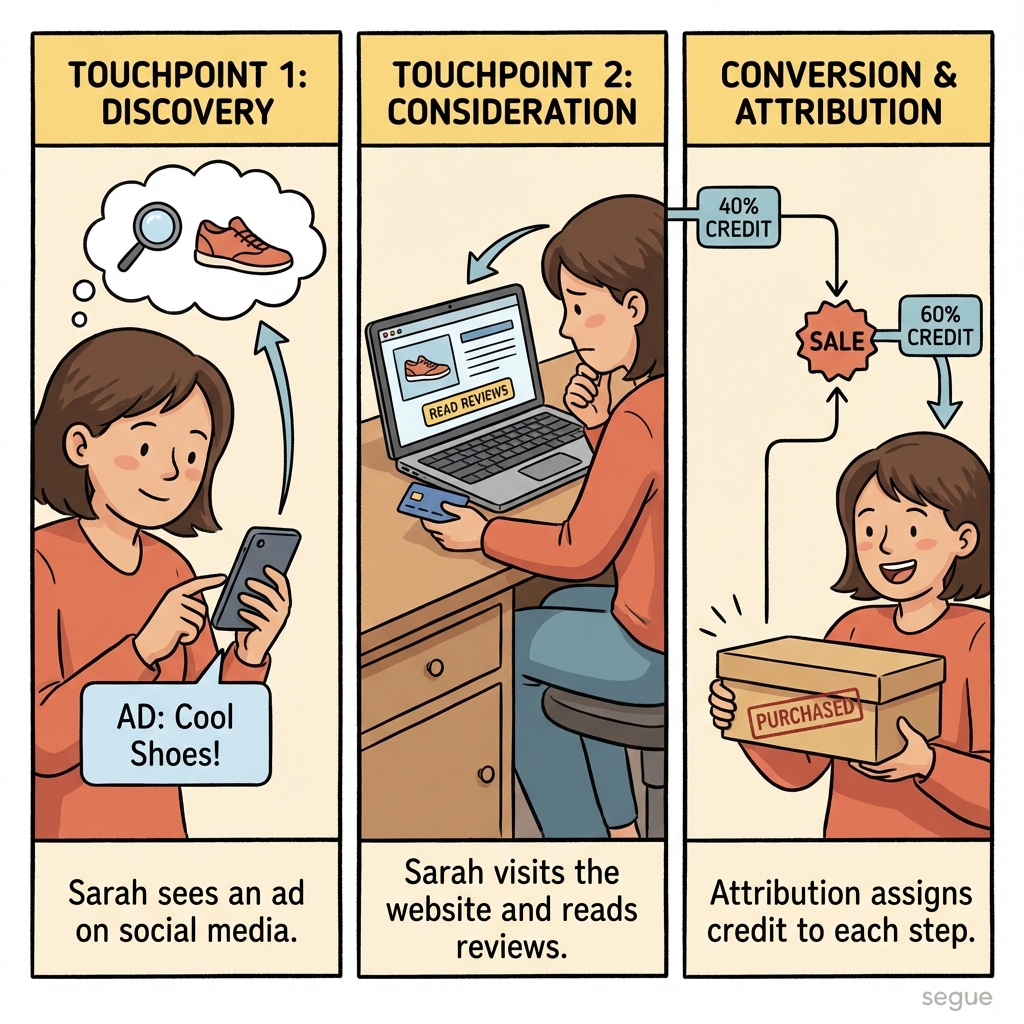
attribution
/ˌætɹɪbˈjuʃən/Identifying which touchpoints led to conversion
“Multi-touch attribution reveals the full customer journey.”
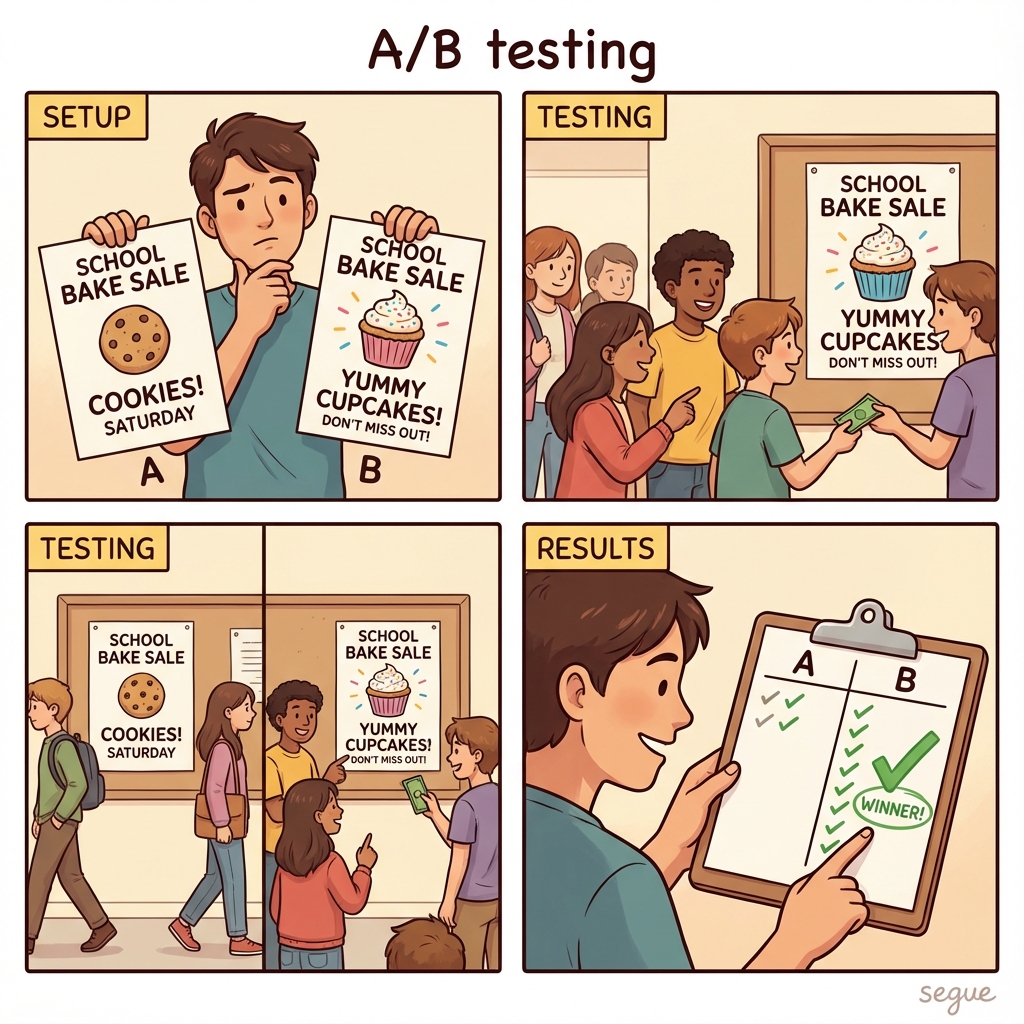
A/B testing
/ˌeɪ ˈbiː ˌtestɪŋ/Comparing two versions to determine which performs better
“A/B testing showed the red button increased clicks by twenty percent.”

branding
/ˈbɹændɪŋ/The action of marking with a branding iron
“Effective branding creates a strong identity.”
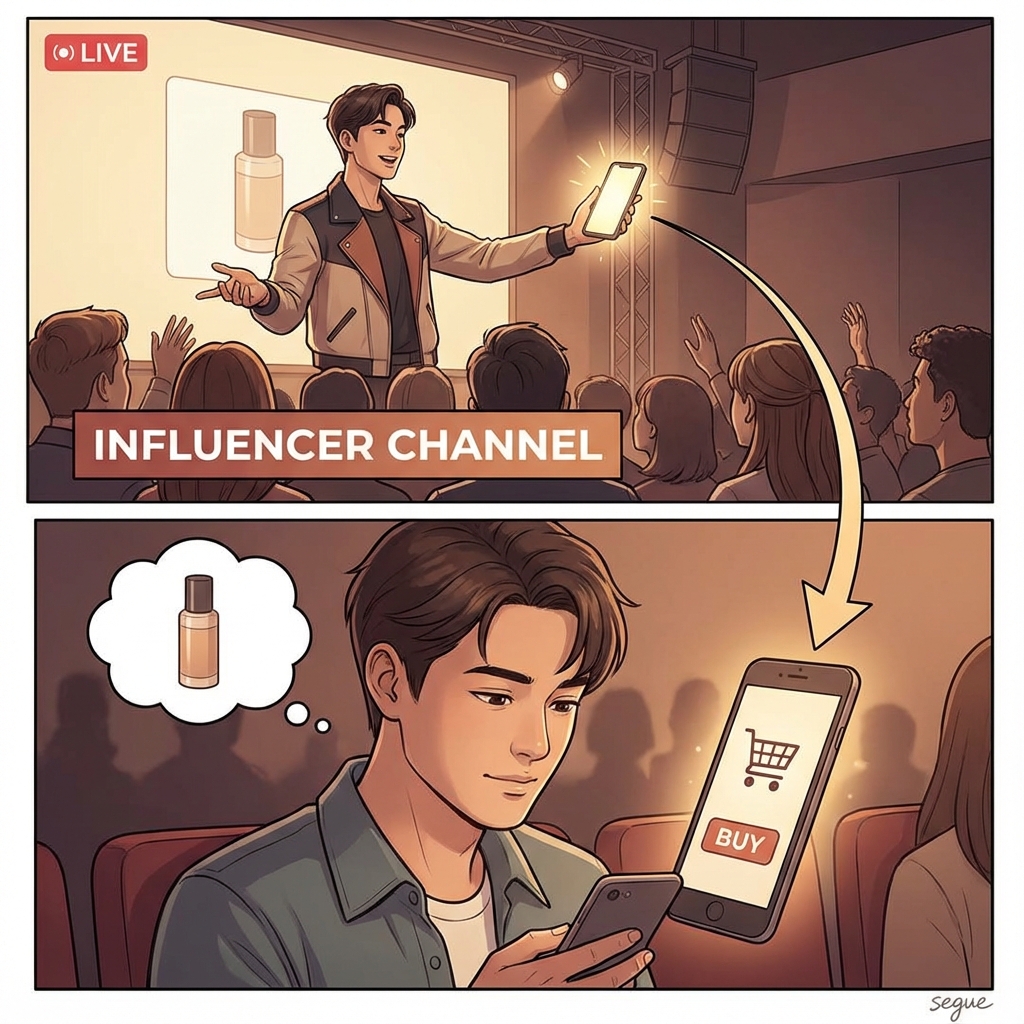
influencer
/ˈɪnfluənsər/A person with the ability to influence potential buyers
“The brand partnered with a popular influencer.”
More from Professional & Legal
Explore other vocabulary categories in this collection.