Loading collection...
⚖️
Legal Terms Vocabulary
Common legal vocabulary for educated discourse
22 words
All 22 Words
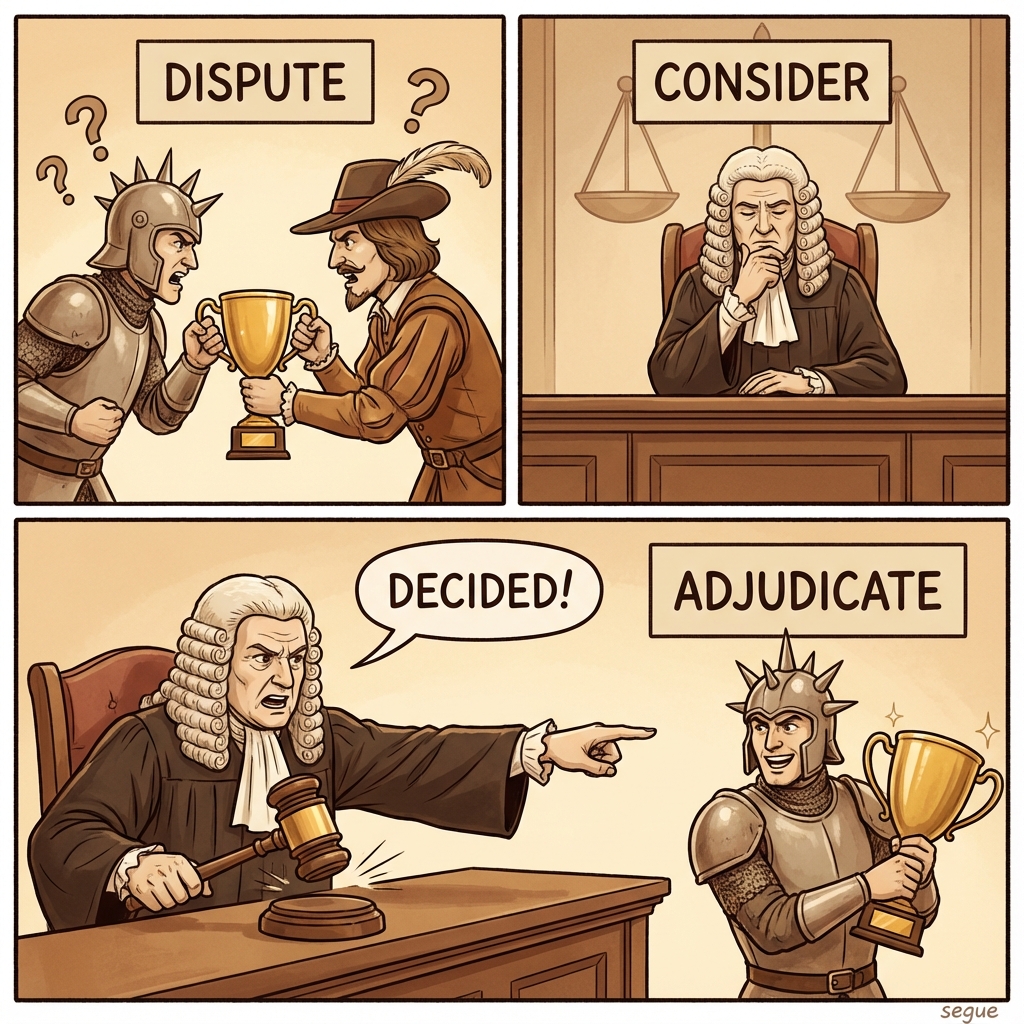
adjudicate
/əˈdʒudɪˌkeɪt/to make a formal judgment or decision about
“The court will adjudicate the dispute.”
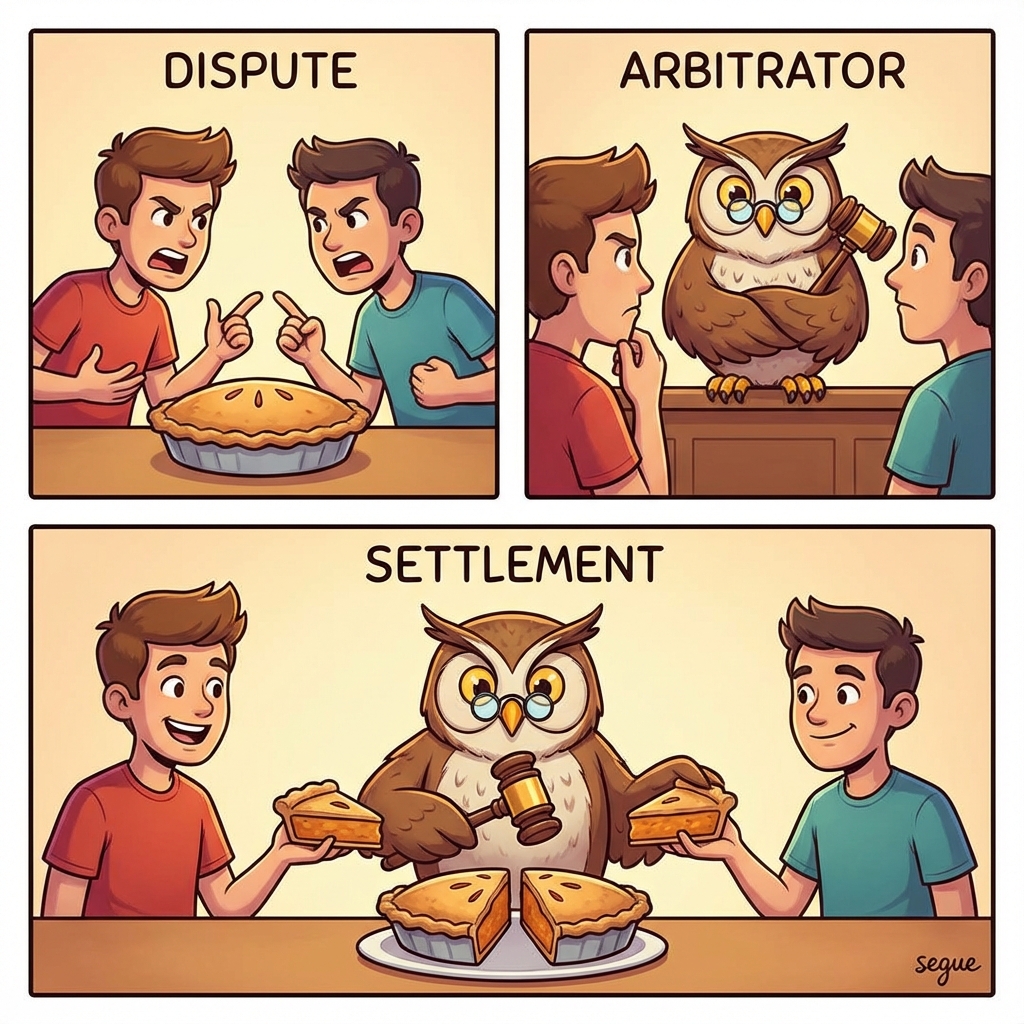
arbitrate
/ˈɑɹbəˌtɹeɪt/to reach an authoritative judgment or settlement
“An independent panel will arbitrate the conflict.”
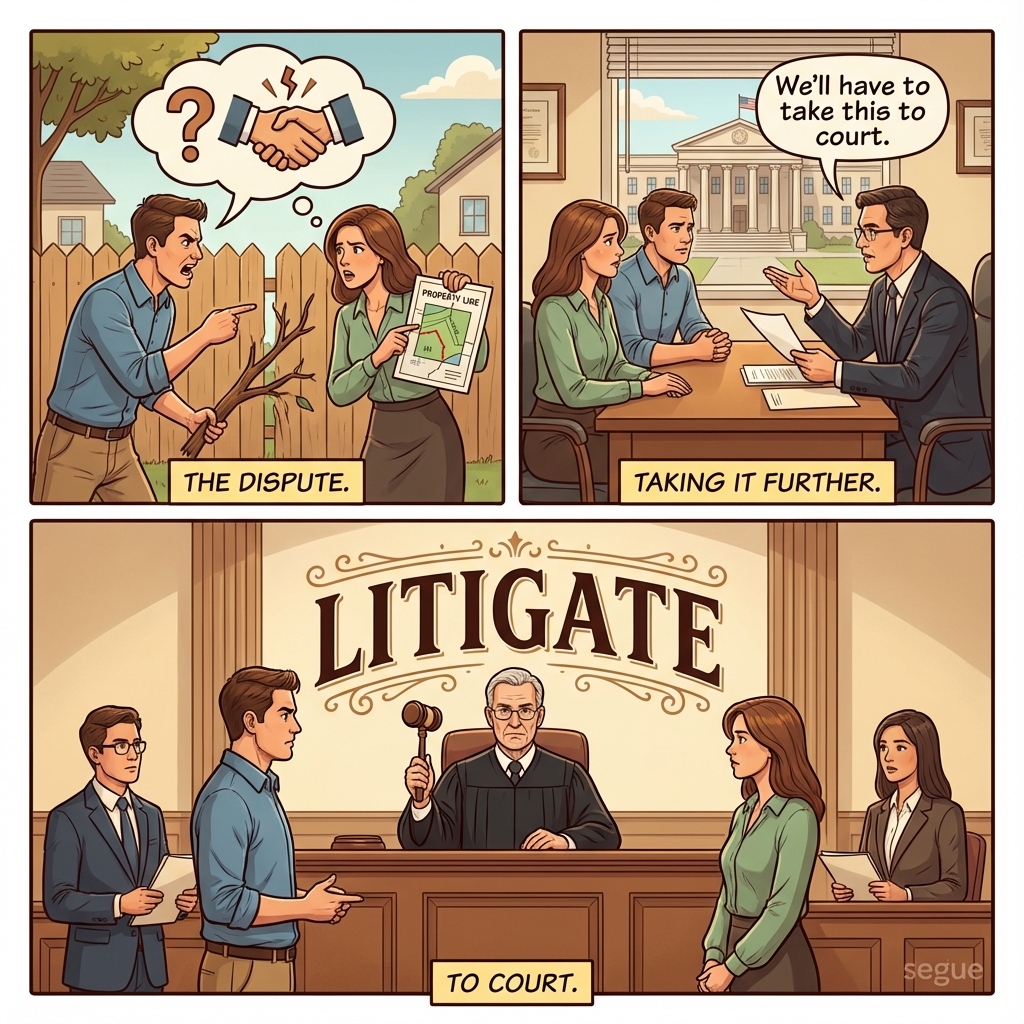
litigate
/ˈɫɪtɪˌɡeɪt/to take a claim or dispute to a court of law
“They decided to litigate rather than settle.”
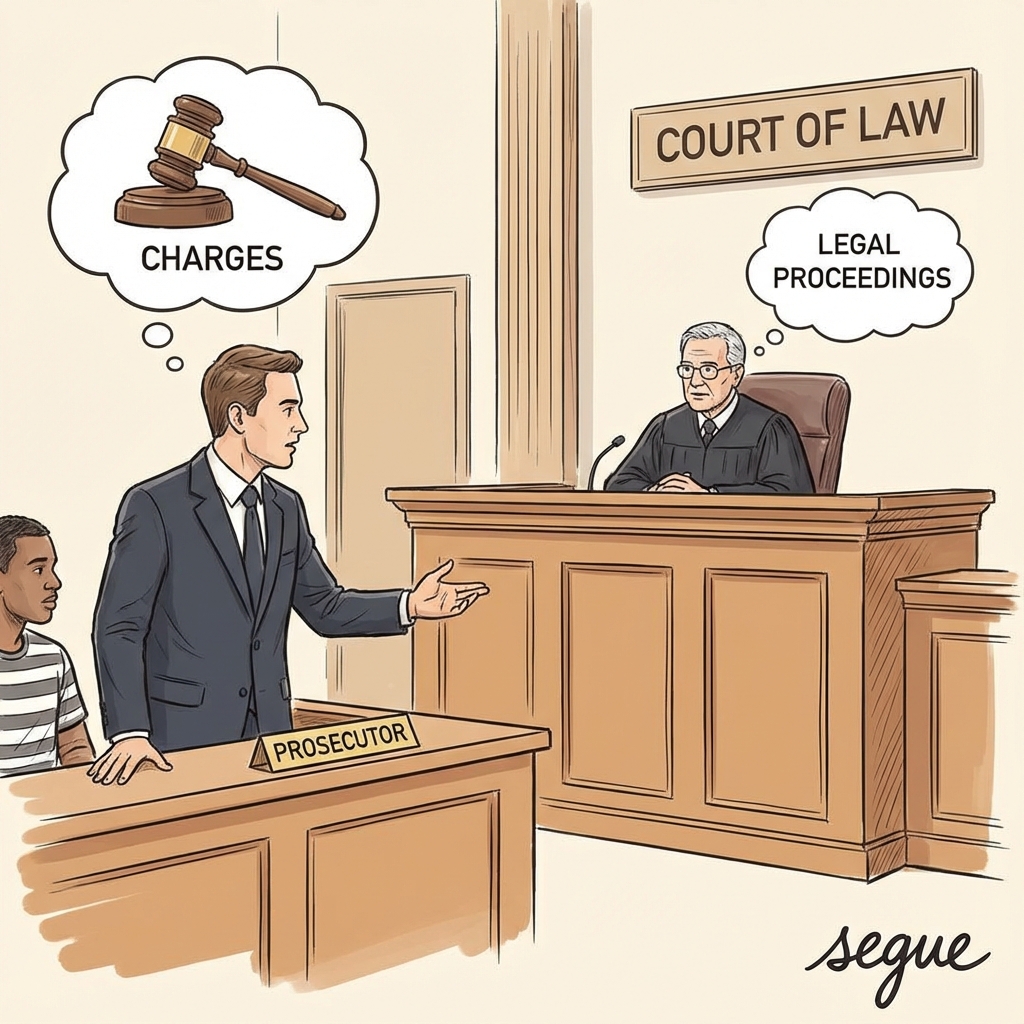
prosecute
/ˈpɹɑsəkˌjut/to institute legal proceedings against
“The state will prosecute the offenders.”
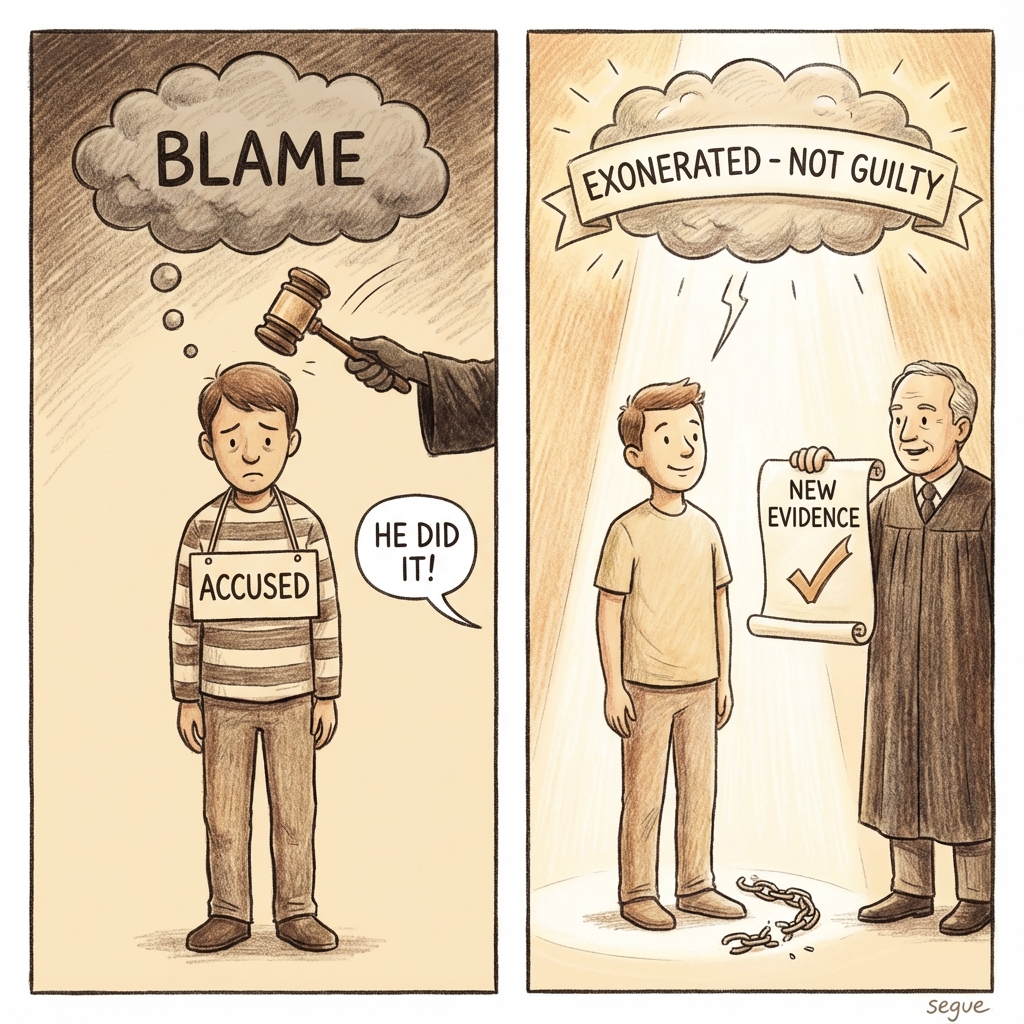
exonerate
/ɪɡˈzɑnɝˌeɪt/to absolve someone from blame or a criminal charge
“DNA evidence exonerated the wrongly convicted man.”
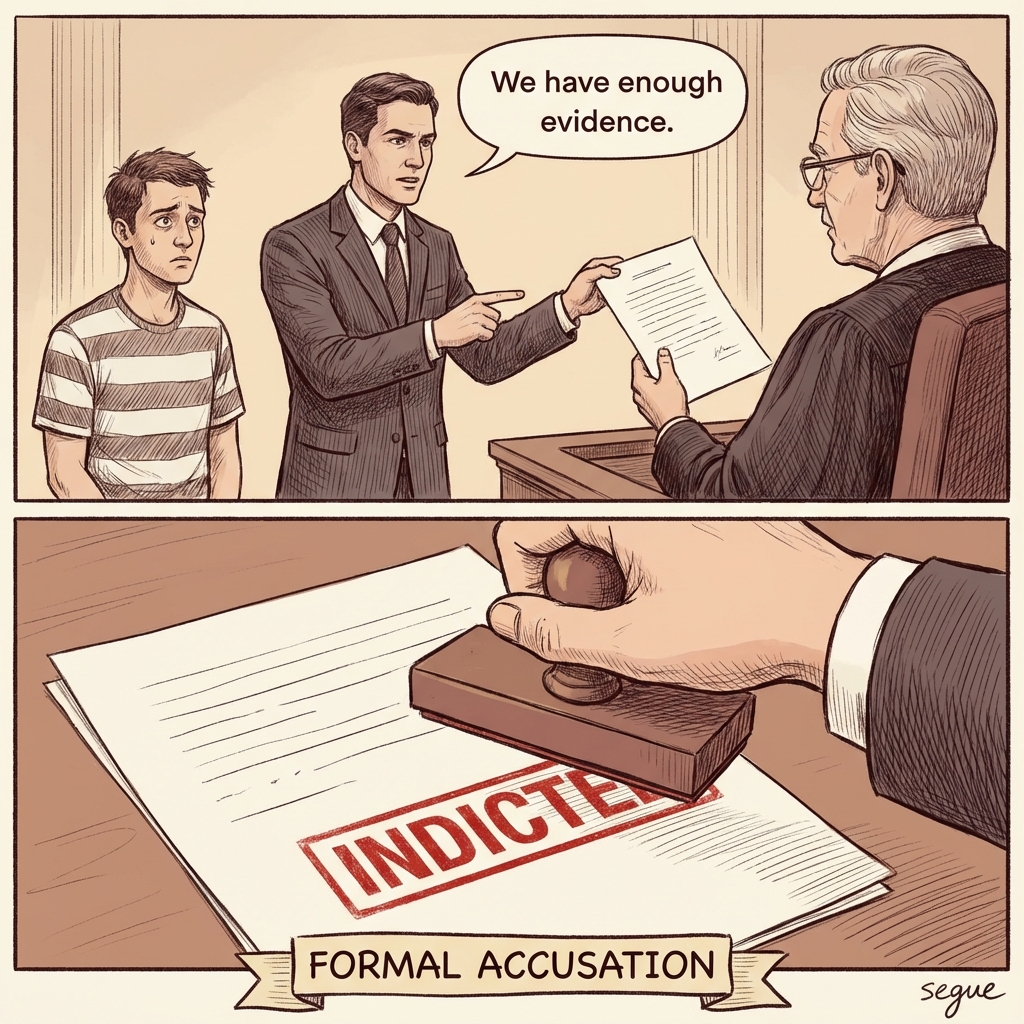
indict
/ˌɪnˈdaɪt/to formally accuse of or charge with a crime
“The grand jury voted to indict the suspect.”
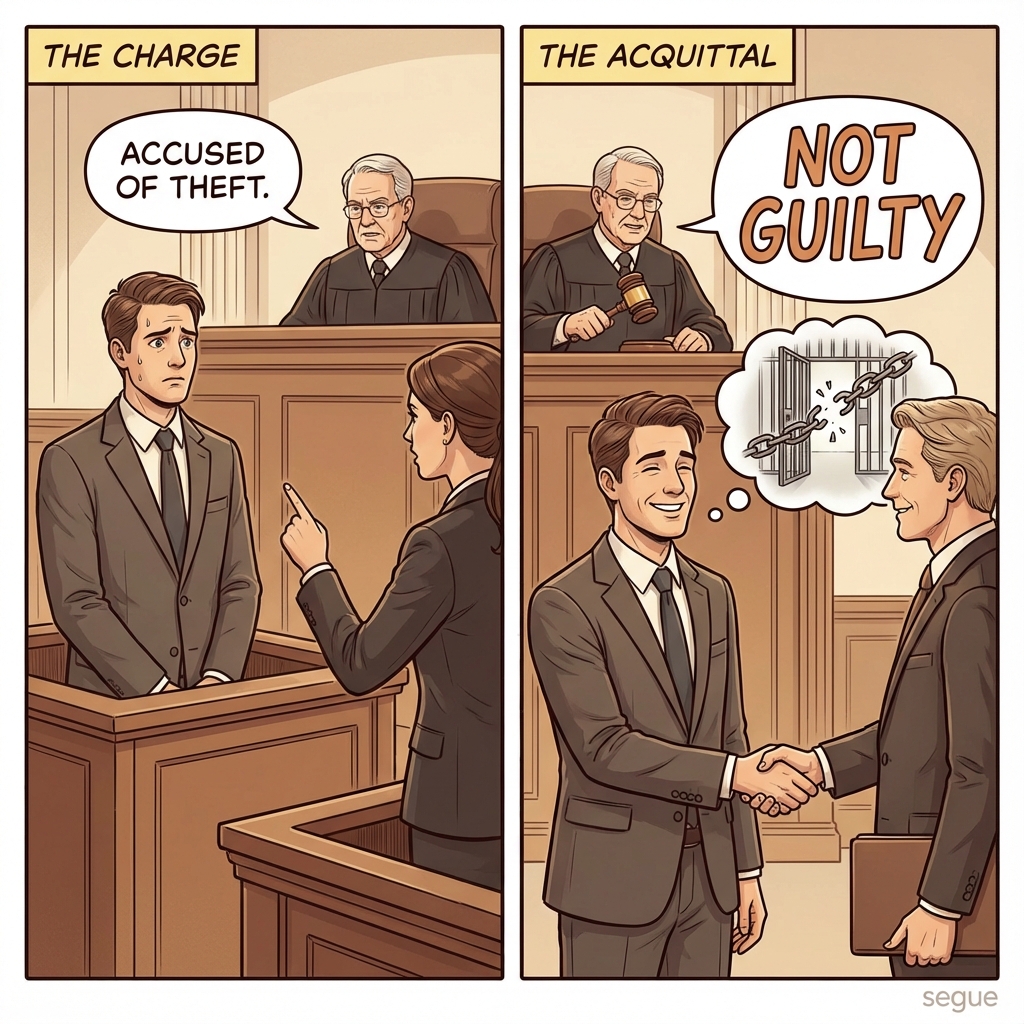
acquit
/əˈkwɪt/to free someone from a criminal charge
“The jury acquitted her of all charges.”

convict
/ˈkɑnvɪkt/to declare guilty of a criminal offense
“He was convicted of fraud and sentenced to prison.”

culpable
/ˈkəɫpəbəɫ/deserving blame; guilty
“Both parties were found culpable in the accident.”
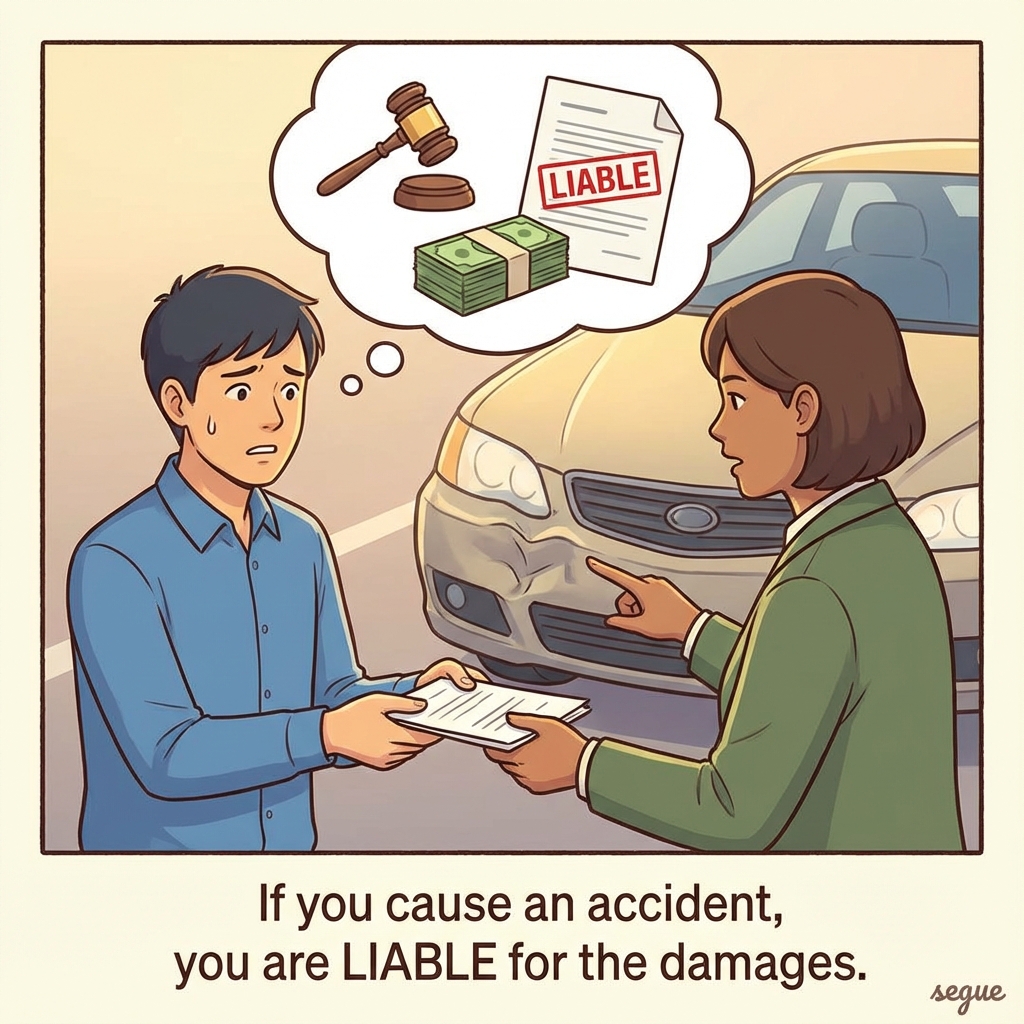
liable
/ˈɫaɪəbəɫ/responsible by law; legally answerable
“The company is liable for damages.”
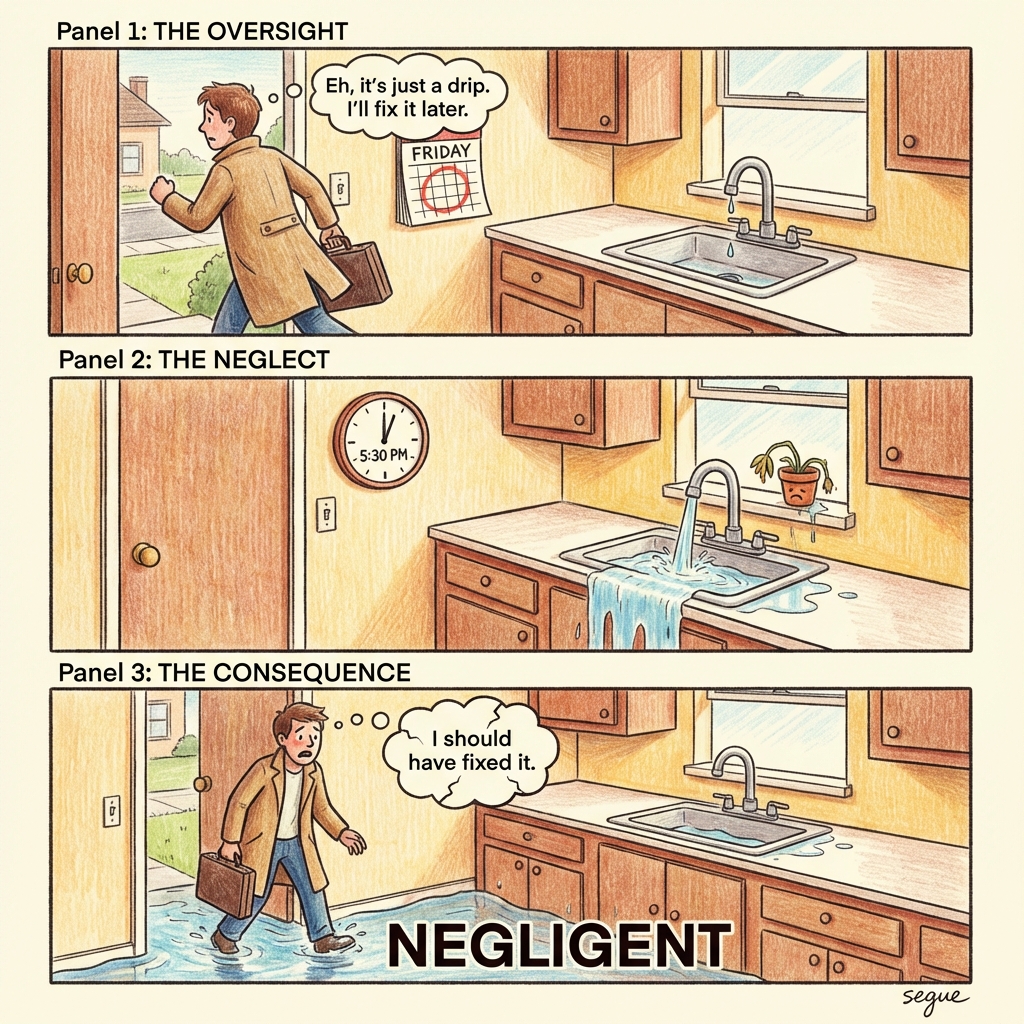
negligent
/ˈnɛɡɫədʒənt/failing to take proper care in doing something
“The doctor was found negligent in his duties.”
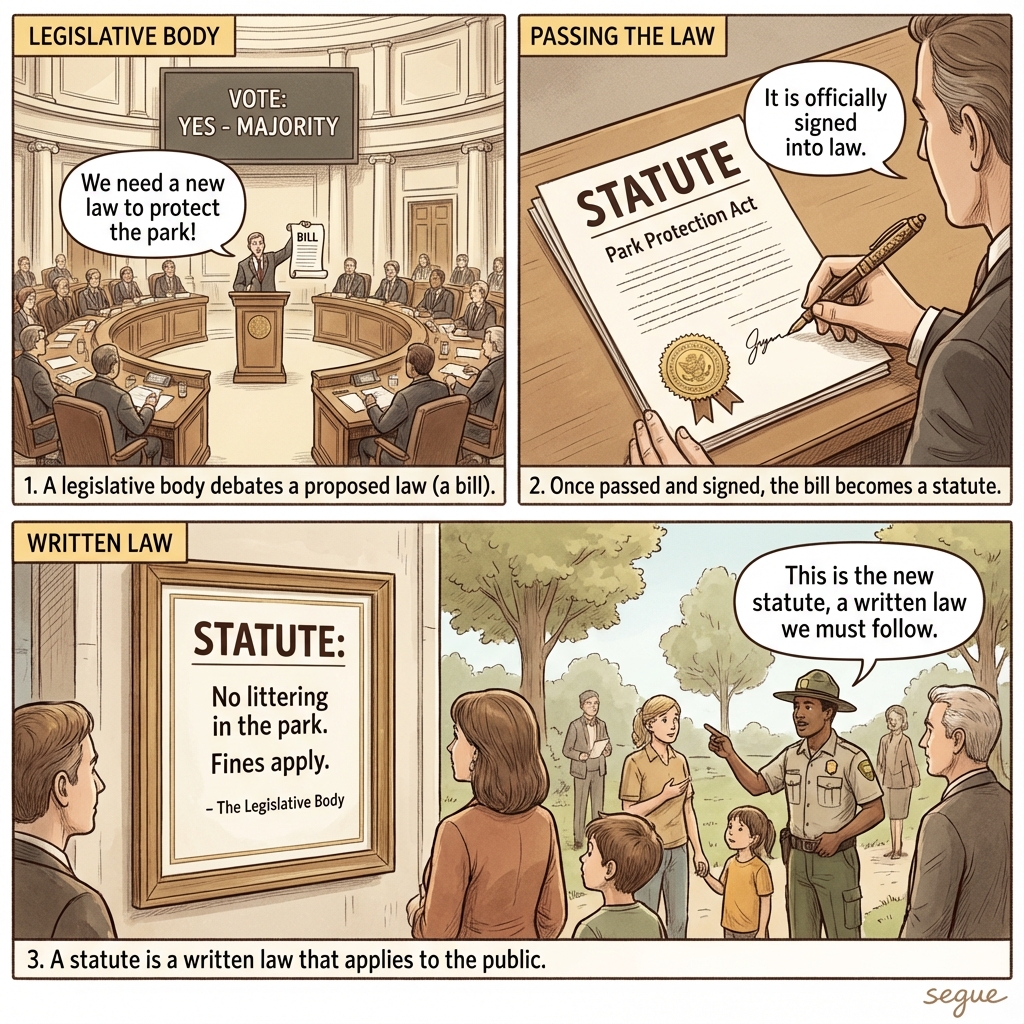
statute
/ˈstætʃut/a written law passed by a legislative body
“The statute clearly prohibits such conduct.”
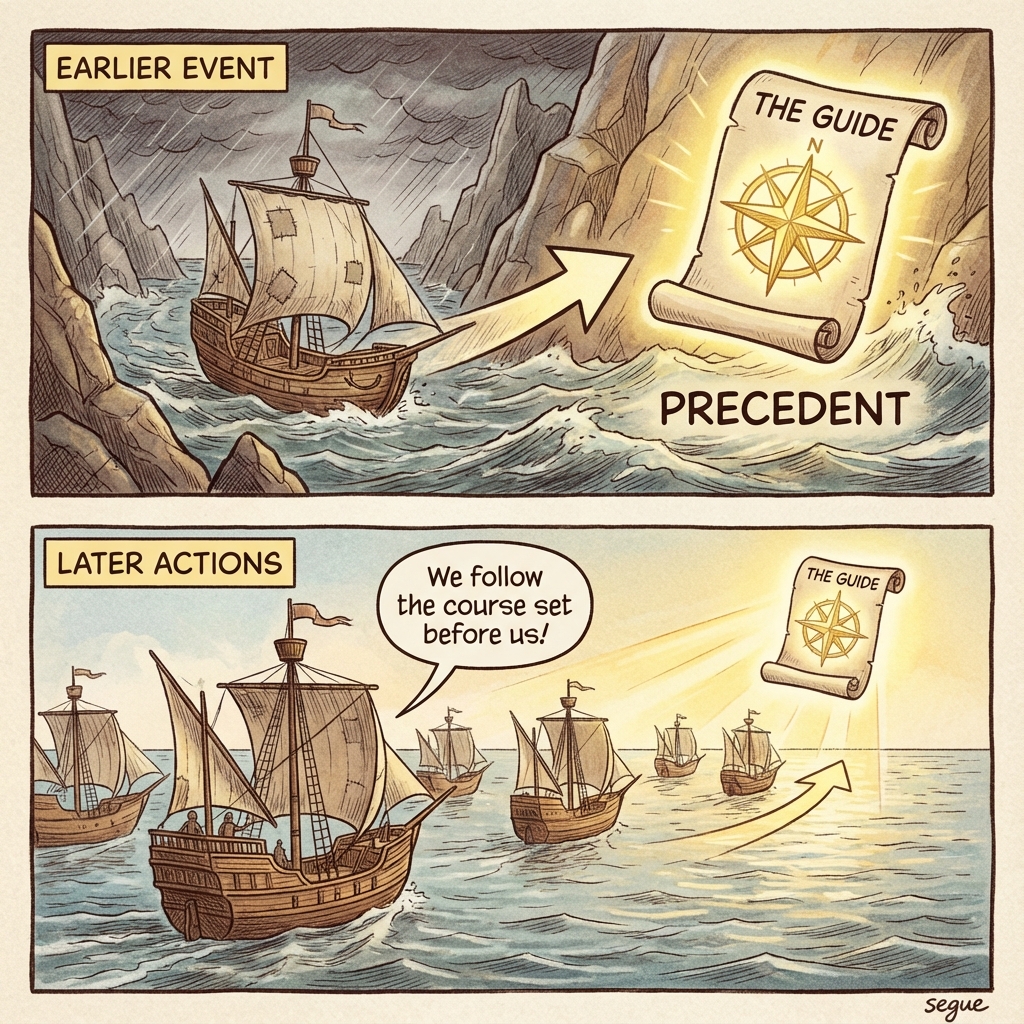
precedent
/ˈpɹɛsɪdənt/an earlier event or action regarded as a guide
“The ruling set an important legal precedent.”

jurisprudence
/ˌdʒʊɹəsˈpɹudəns/the theory or philosophy of law
“His work shaped constitutional jurisprudence.”
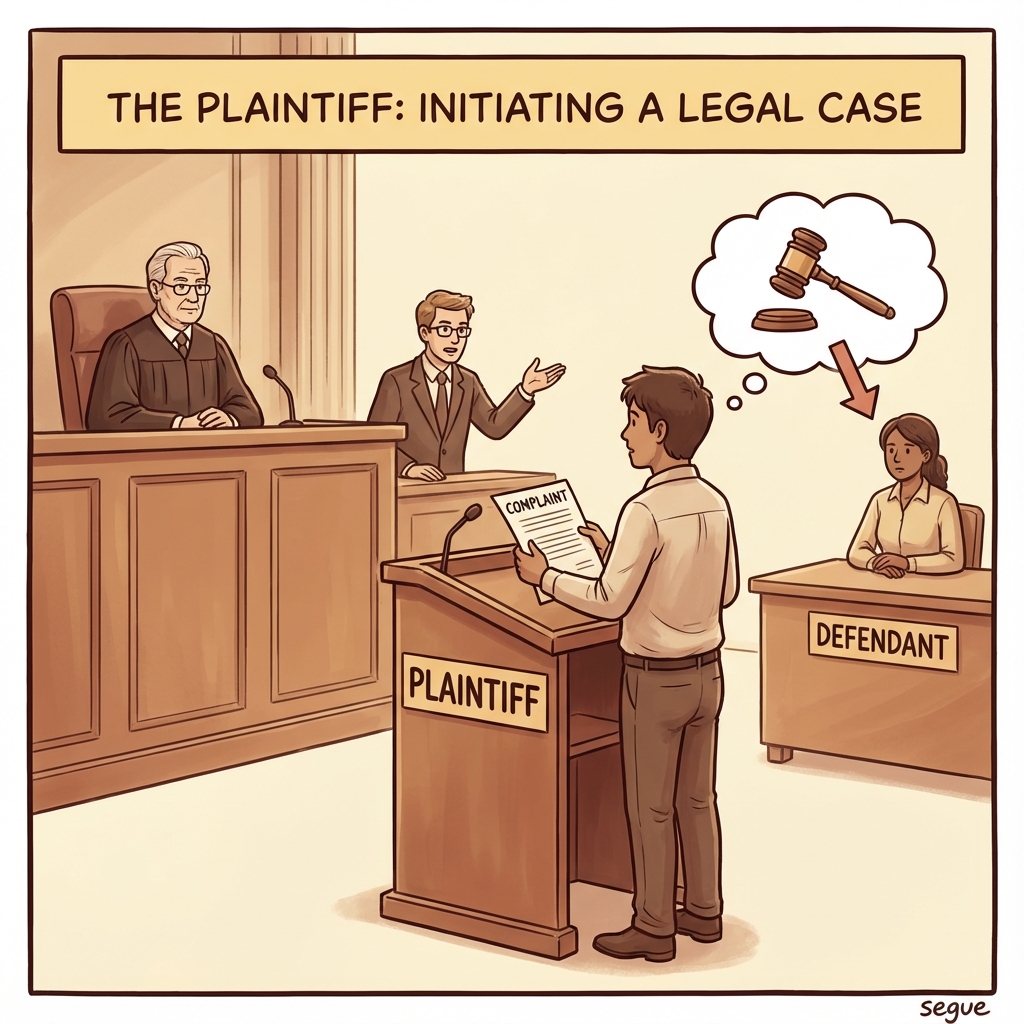
plaintiff
/ˈpɫeɪnəf/a person who brings a case against another in court
“The plaintiff sought damages for breach of contract.”
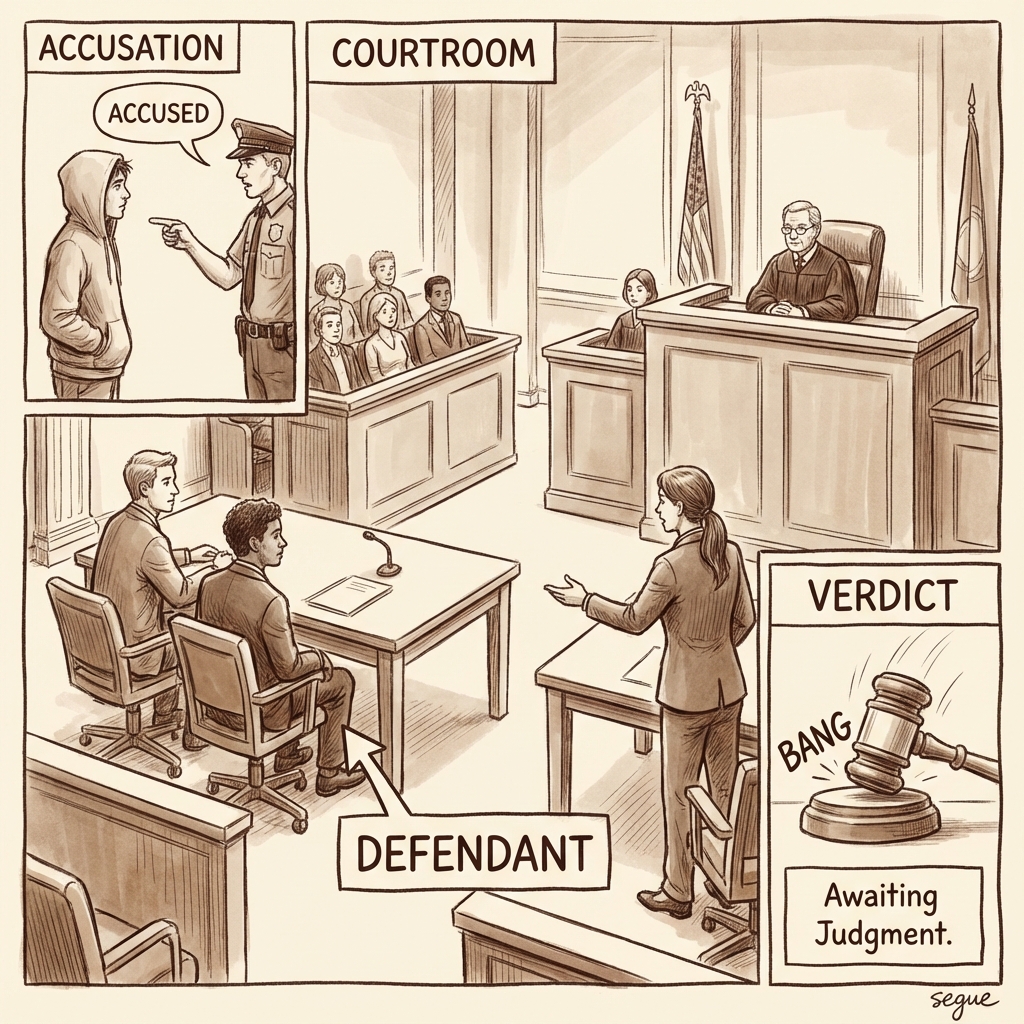
defendant
/dɪˈfɛndənt/a person accused or sued in a court of law
“The defendant pleaded not guilty.”
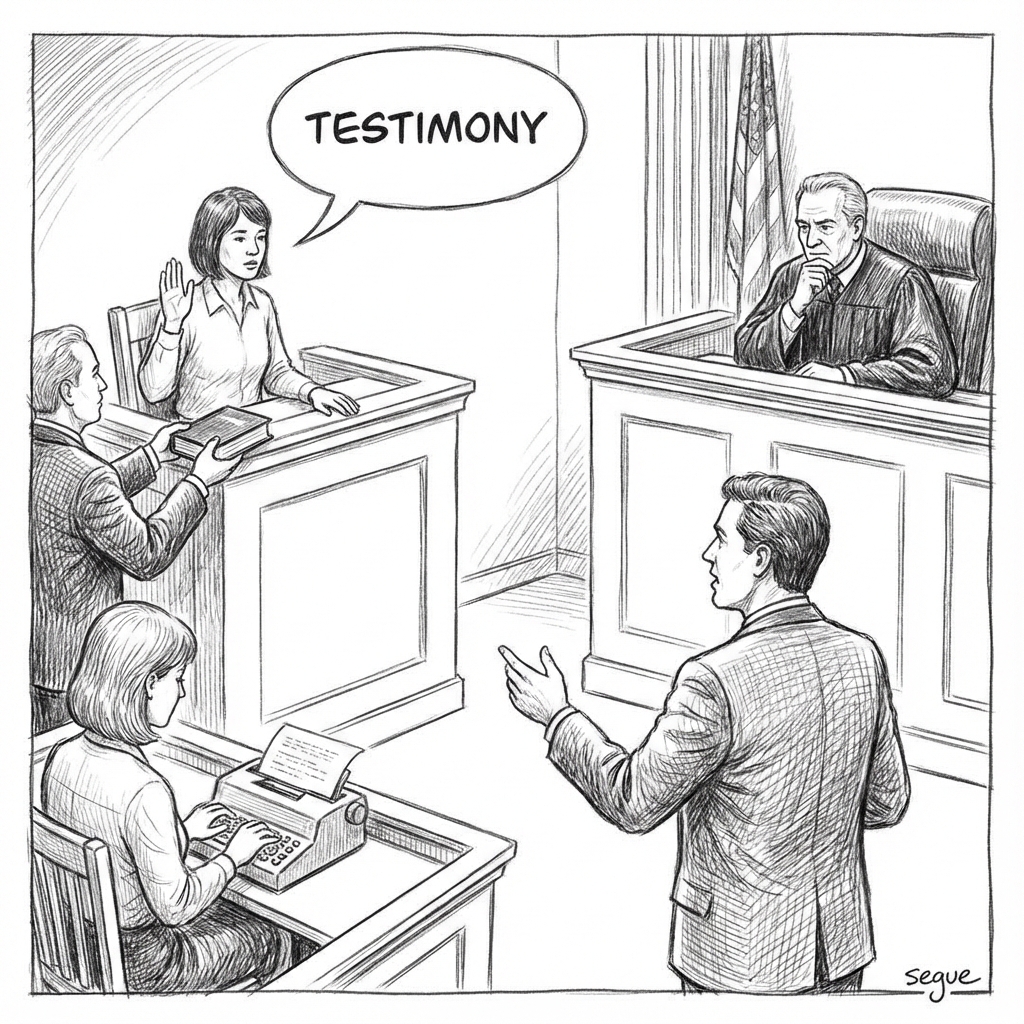
testimony
/ˈtɛstəˌmoʊni/a formal written or spoken statement
“Her testimony proved crucial to the case.”
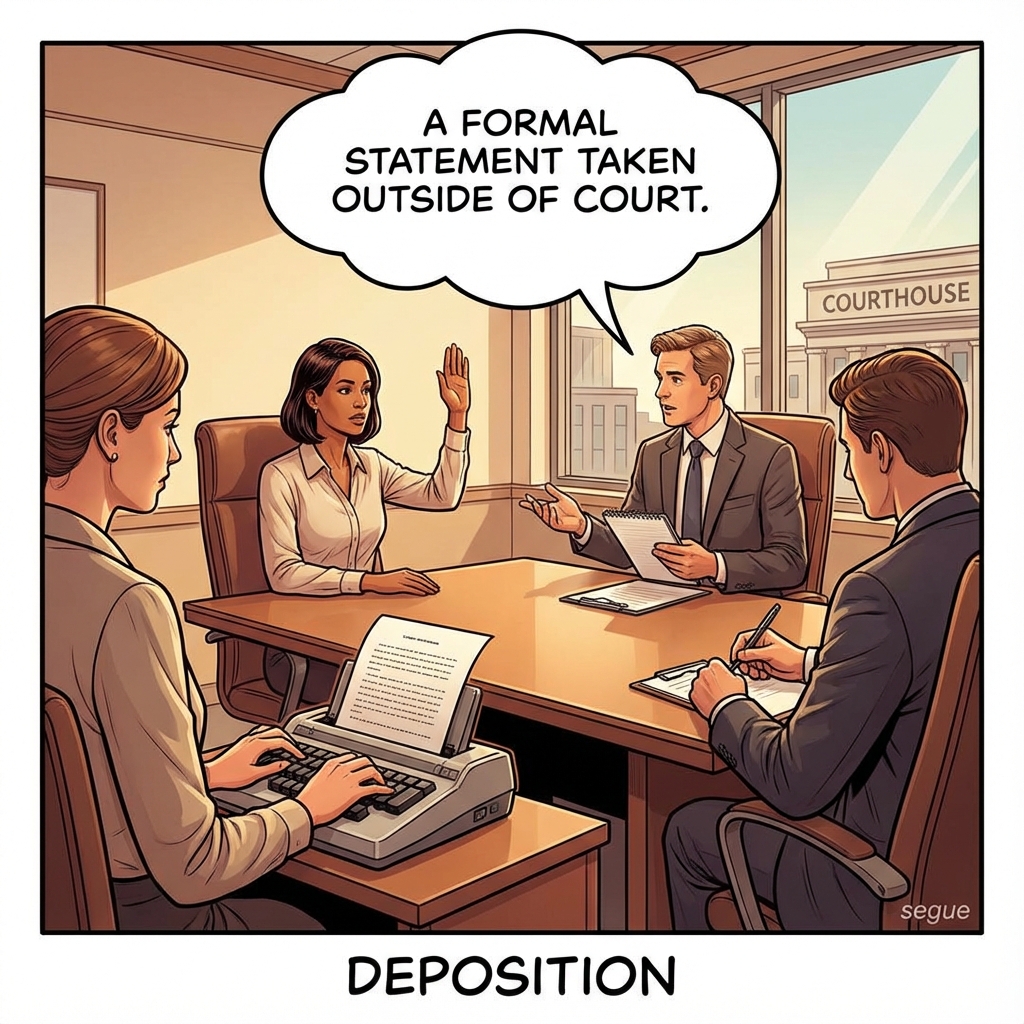
deposition
/ˌdɛpəˈzɪʃən/a formal statement taken outside of court
“He gave a deposition lasting several hours.”

affidavit
/ˌæfəˈdeɪvət/a written statement confirmed by oath
“She submitted an affidavit supporting her claim.”
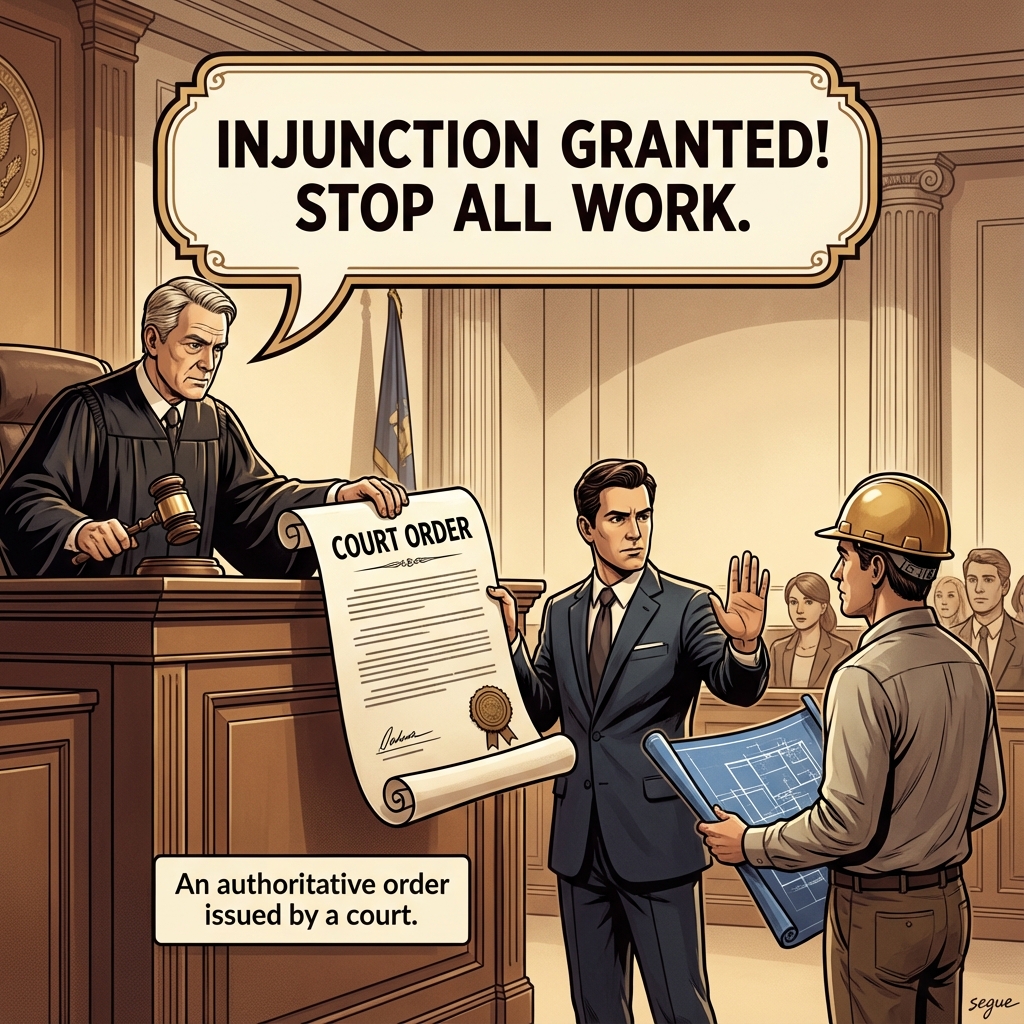
injunction
/ˌɪnˈdʒəŋkʃən/an authoritative order issued by a court
“The court issued an injunction halting construction.”
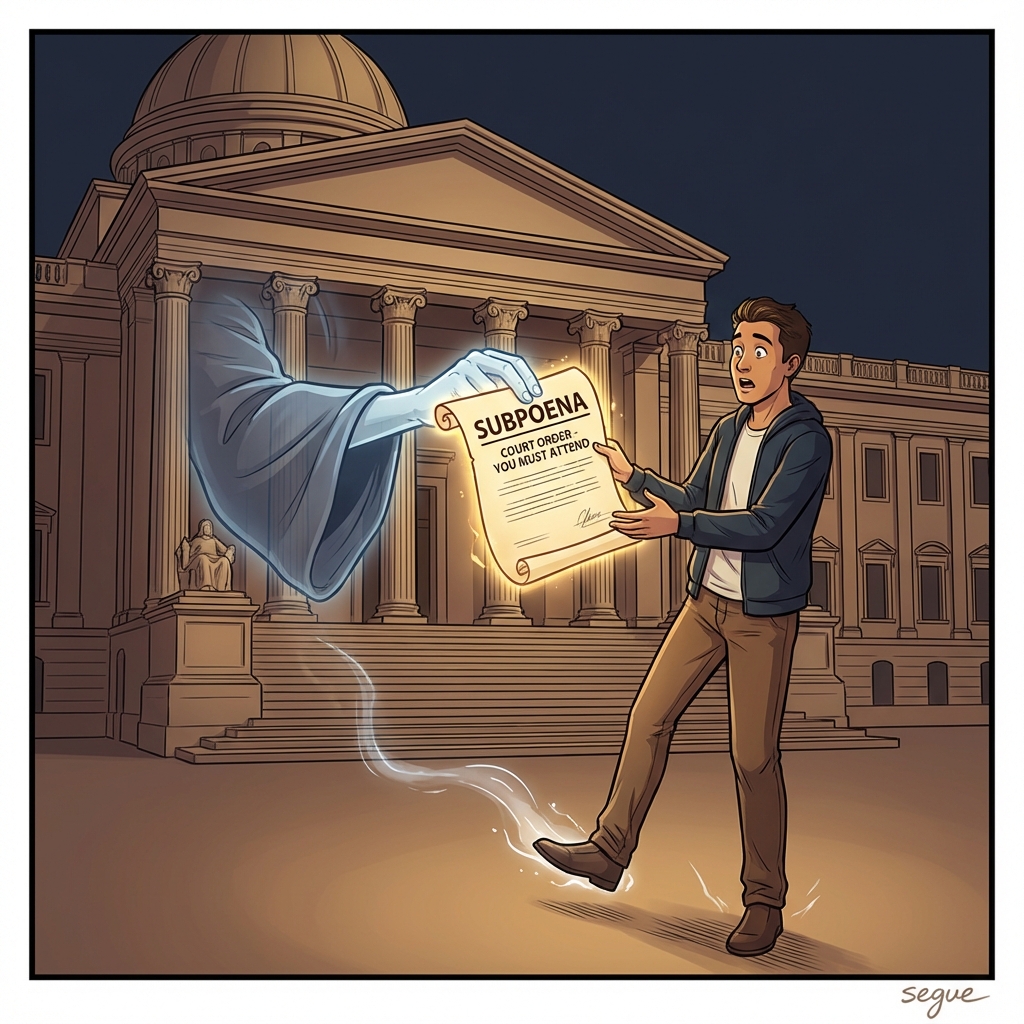
subpoena
/səˈpinə/a writ ordering a person to attend a court
“He was issued a subpoena to testify.”
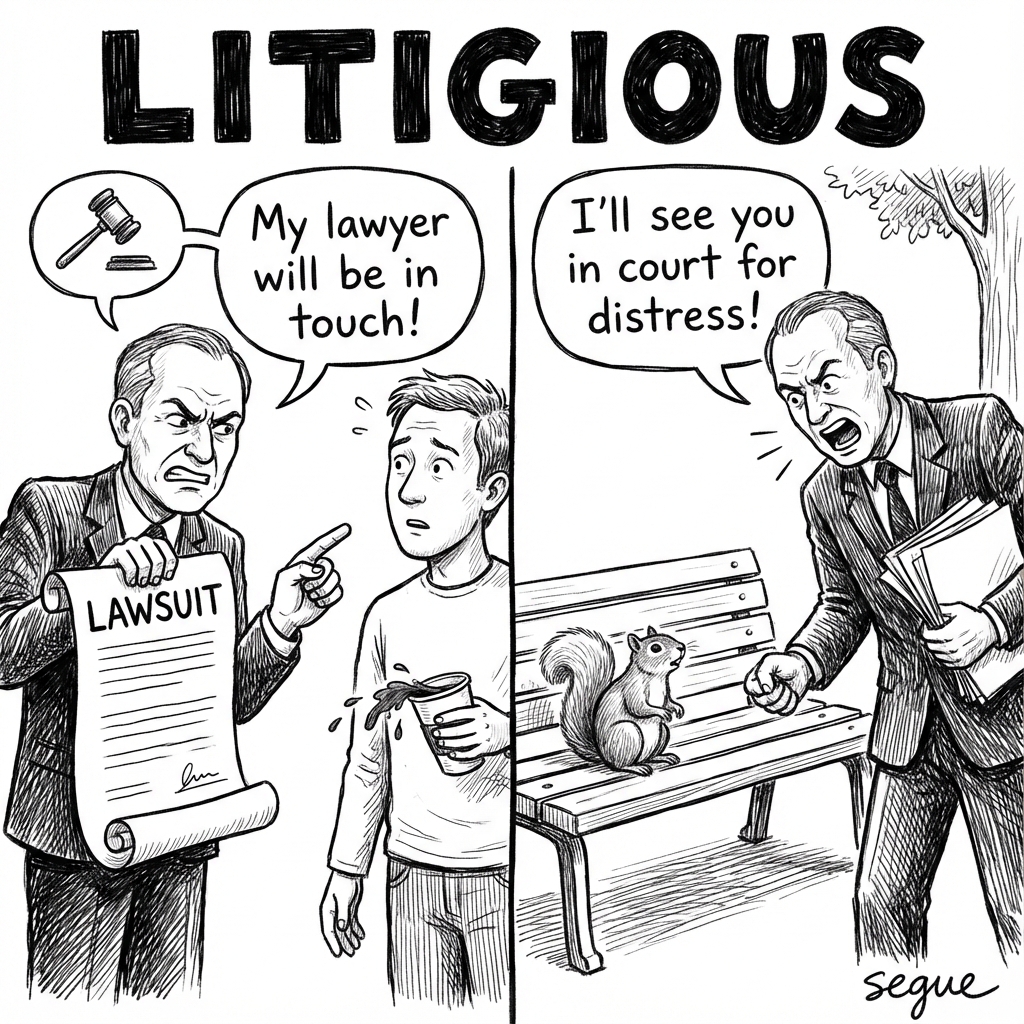
litigious
/ˈɫɪtɪdʒəs/unreasonably prone to go to law to settle disputes
“The company's litigious nature discouraged competitors.”
More from Professional & Legal
Explore other vocabulary categories in this collection.