Loading collection...
⚖️
Legal Profession Vocabulary
Terminology used in law and legal practice
22 words
All 22 Words
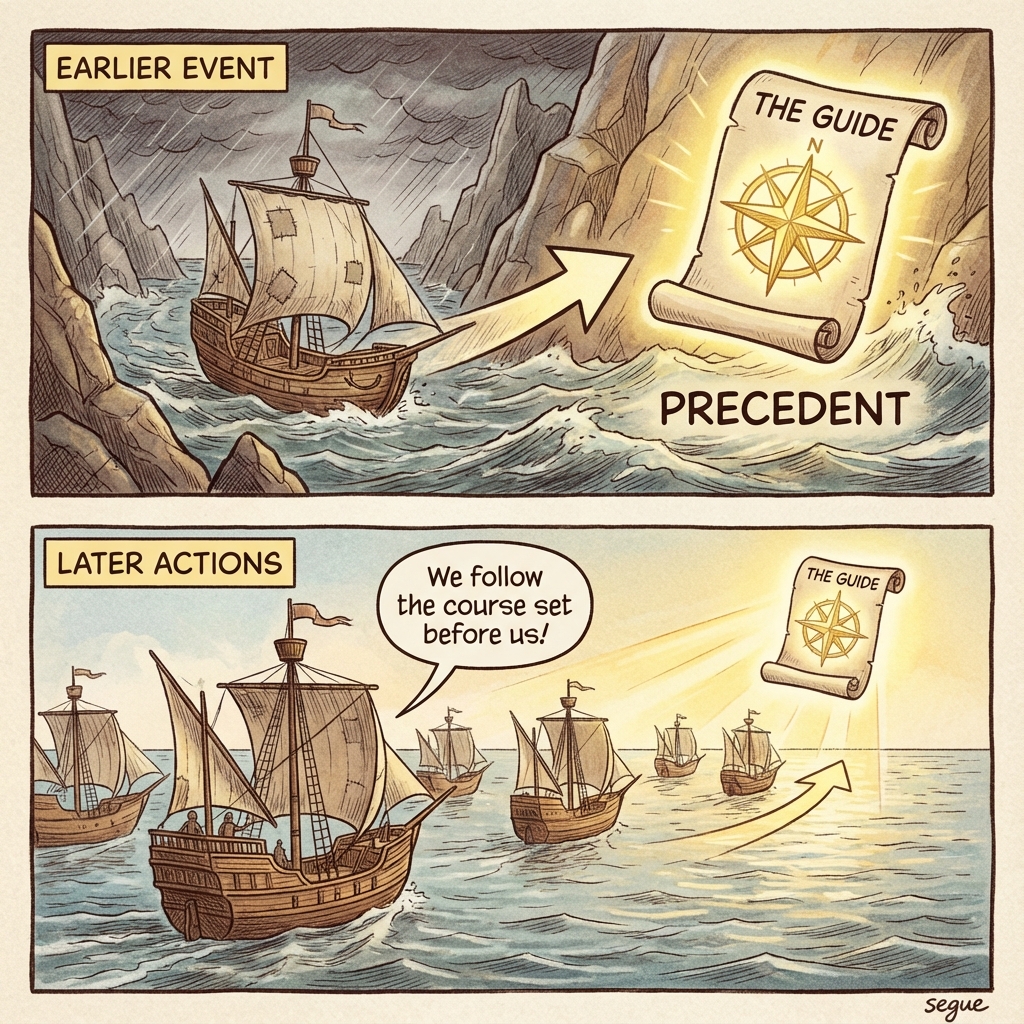
precedent
/ˈpɹɛsɪdənt/A legal decision that serves as an authoritative rule in future cases
“The Supreme Court set a precedent that lower courts must follow.”
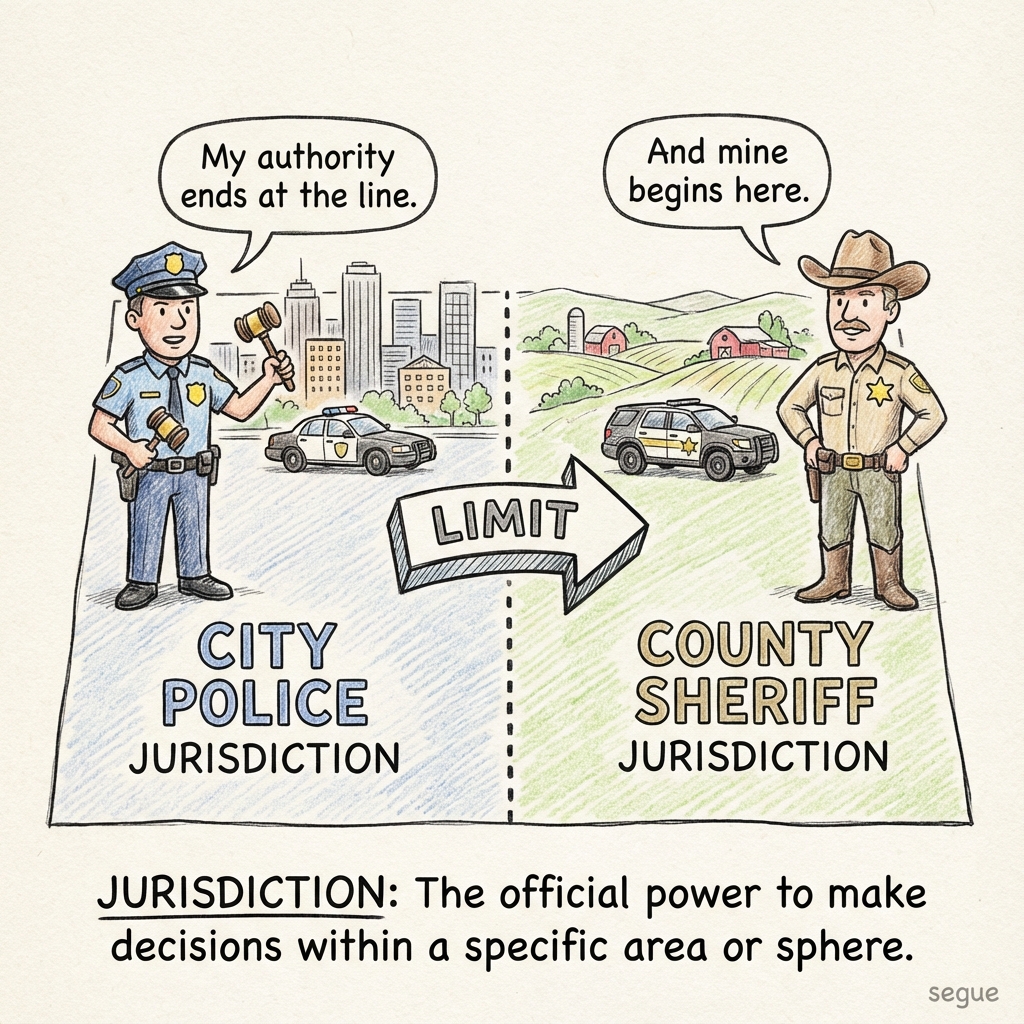
jurisdiction
/ˌdʒʊɹəsˈdɪkʃən/The official power to make legal decisions
“This case falls outside the court's jurisdiction.”
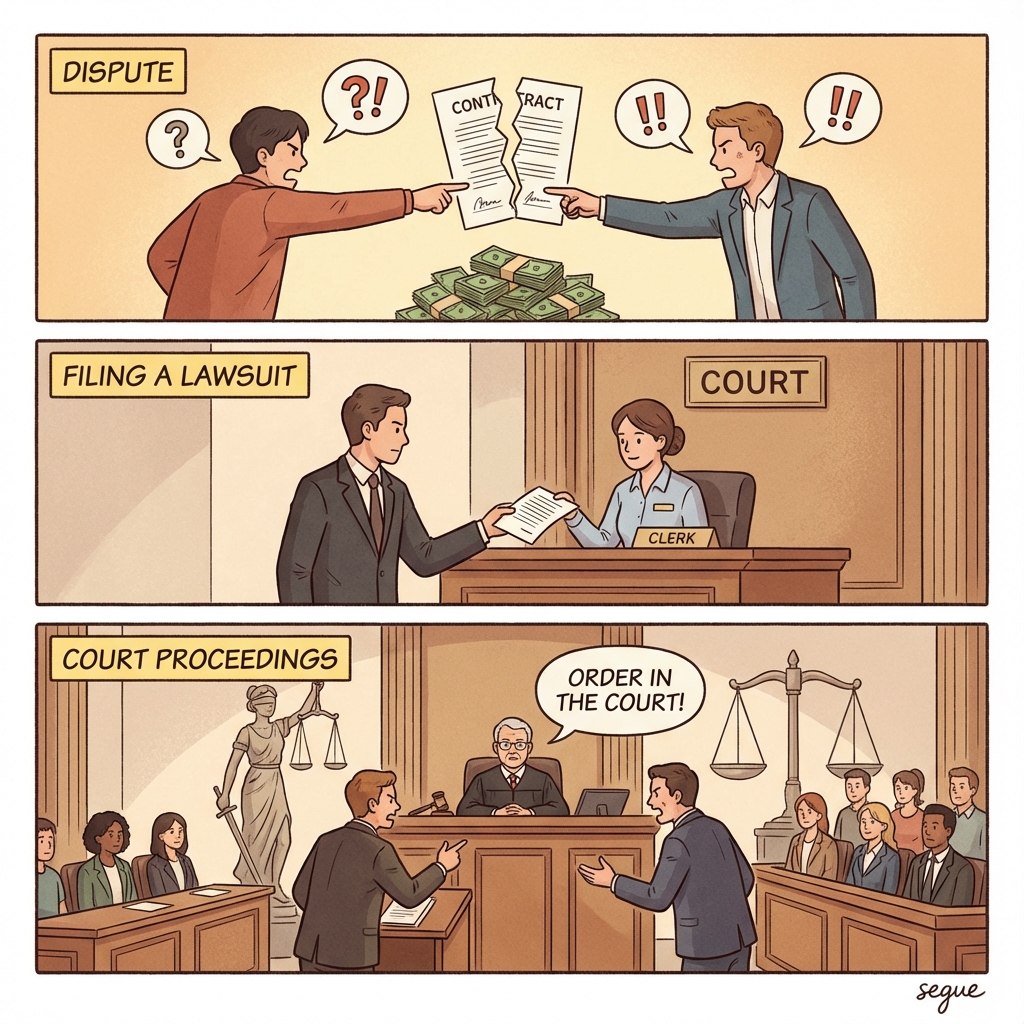
litigation
/ˌɫɪtəˈɡeɪʃən/The process of taking legal action
“The company sought to avoid costly litigation through settlement.”
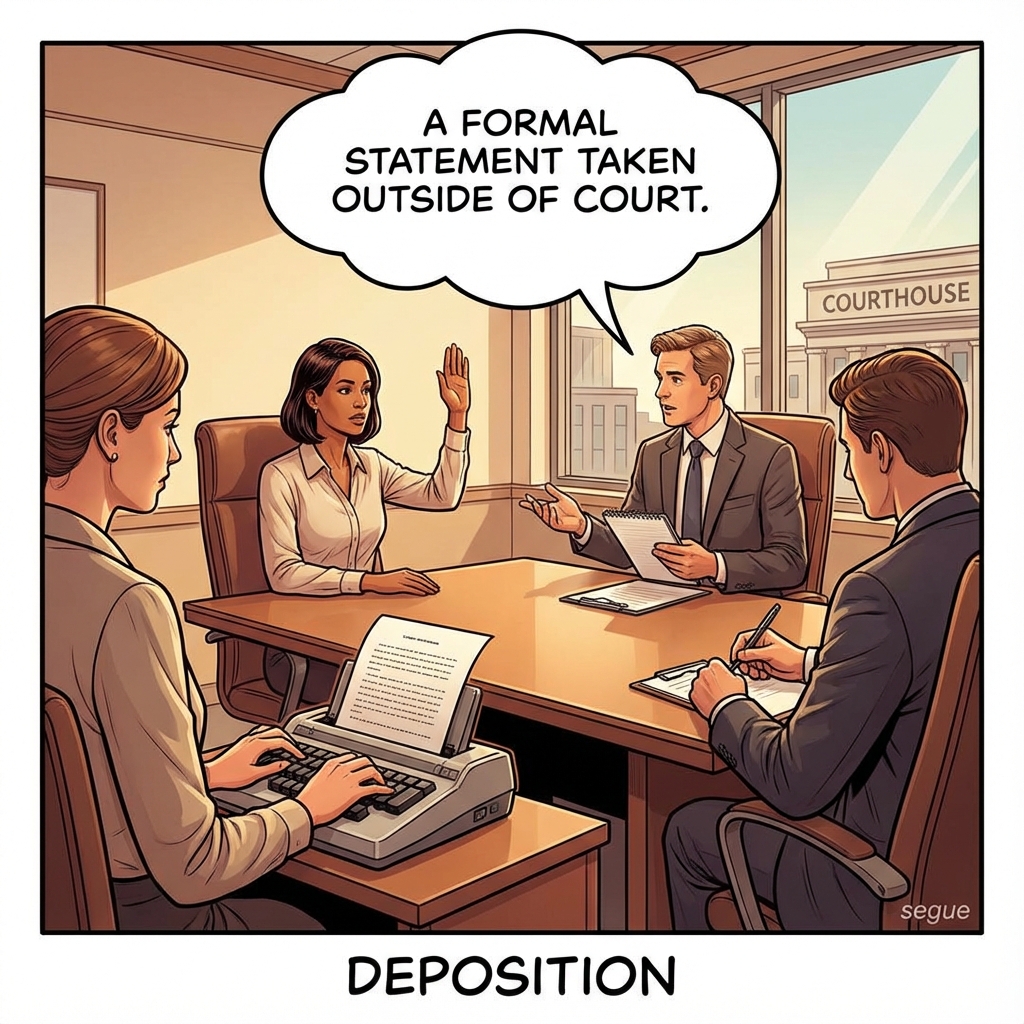
deposition
/ˌdɛpəˈzɪʃən/Testimony taken under oath outside of court
“The witness gave a detailed deposition lasting several hours.”

affidavit
/ˌæfəˈdeɪvət/A written statement confirmed by oath for use as evidence
“She signed an affidavit attesting to the accuracy of the documents.”

subpoena
/səˈpinə/A legal document ordering someone to attend court
“He received a subpoena to testify before the grand jury.”

habeas corpus
/ˌheɪbiəs ˈkɔːrpəs/A court order requiring a person to be brought before a judge
“The defense filed a writ of habeas corpus challenging the detention.”

pro bono
/ˌproʊ ˈboʊnoʊ/Legal work done without charge for public good
“Many attorneys dedicate time to pro bono cases for those who cannot afford representation.”
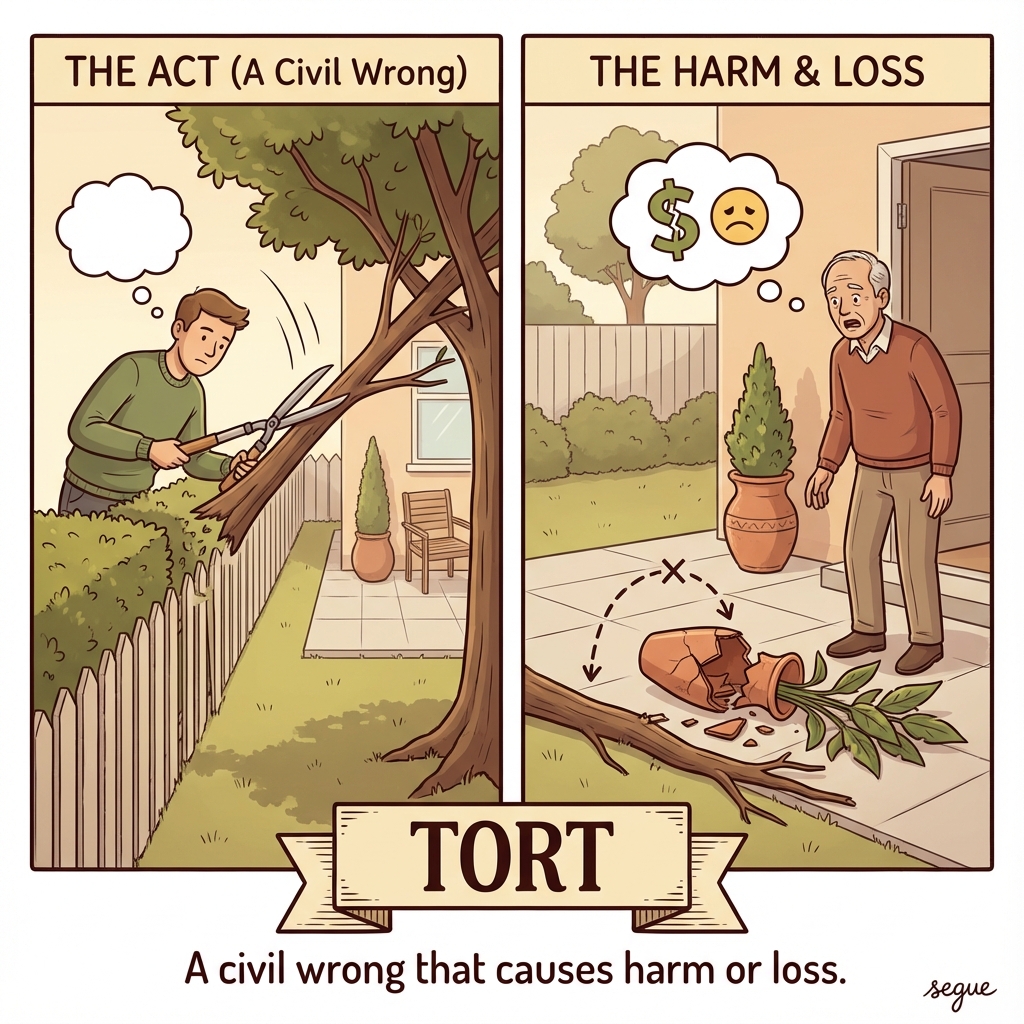
tort
/ˈtɔɹt/A civil wrong that causes harm or loss
“Negligence is one of the most common types of tort.”
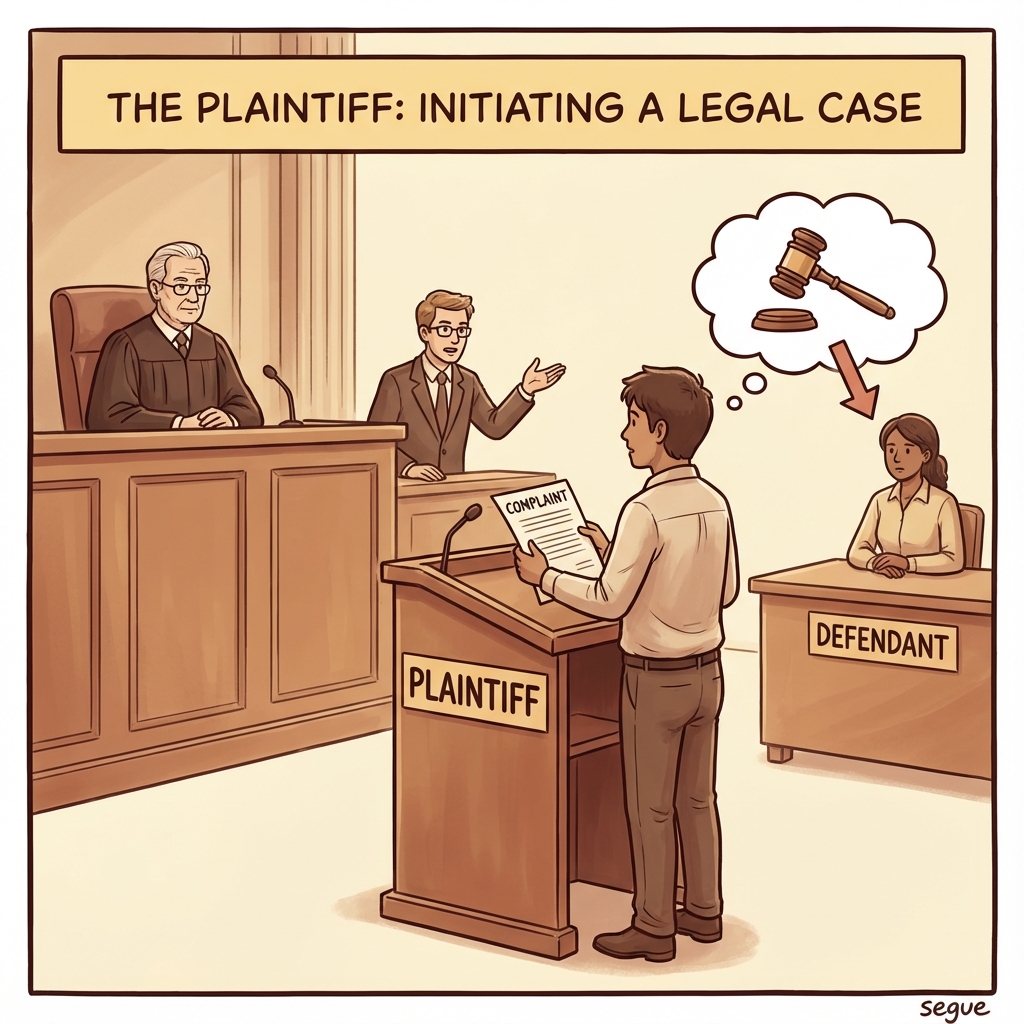
plaintiff
/ˈpɫeɪnəf/The party who initiates a lawsuit
“The plaintiff alleged breach of contract and sought damages.”
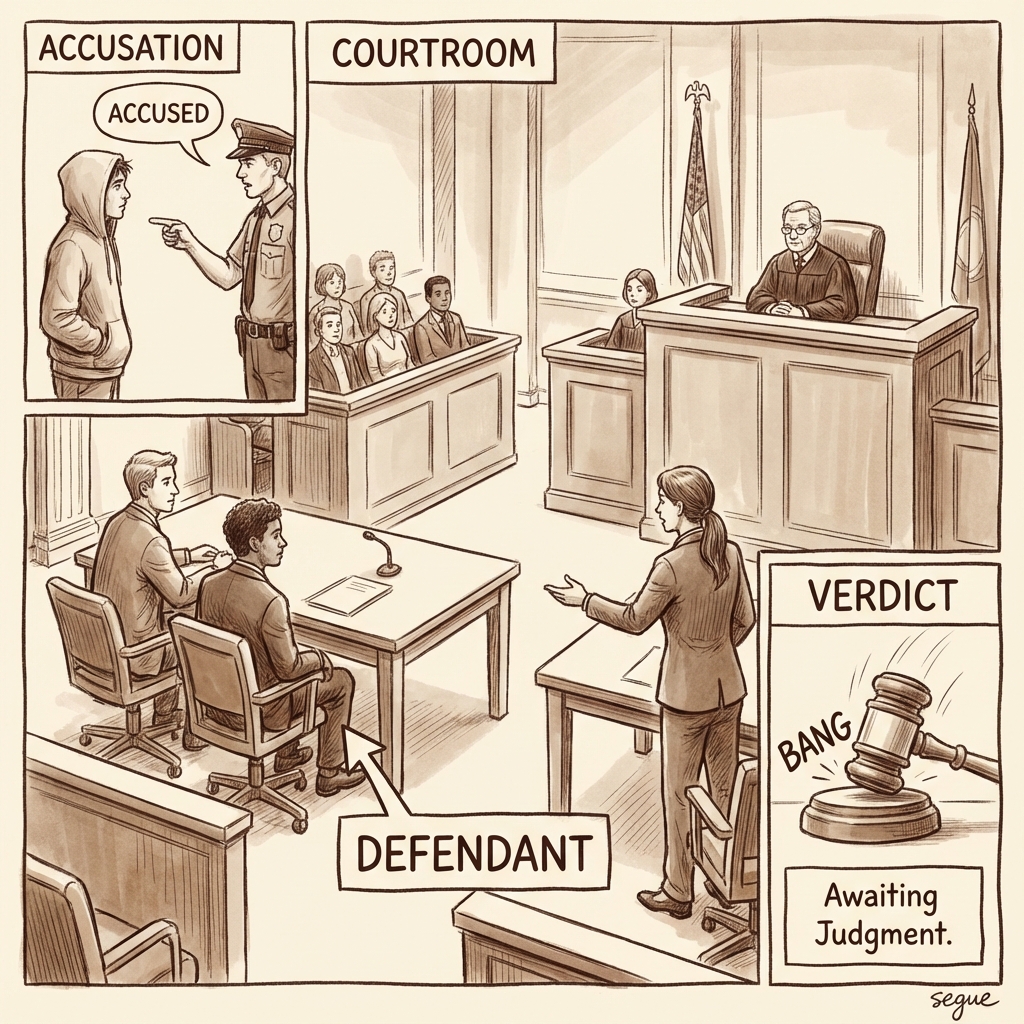
defendant
/dɪˈfɛndənt/The party against whom a lawsuit is brought
“The defendant denied all allegations and filed a counterclaim.”

injunction
/ˌɪnˈdʒəŋkʃən/A court order requiring a party to do or refrain from doing something
“The judge issued an injunction preventing the merger.”

fiduciary
/fəˈduʃiˌɛɹi/A person legally obligated to act in another's best interest
“As a fiduciary, the trustee must prioritize the beneficiaries' interests.”
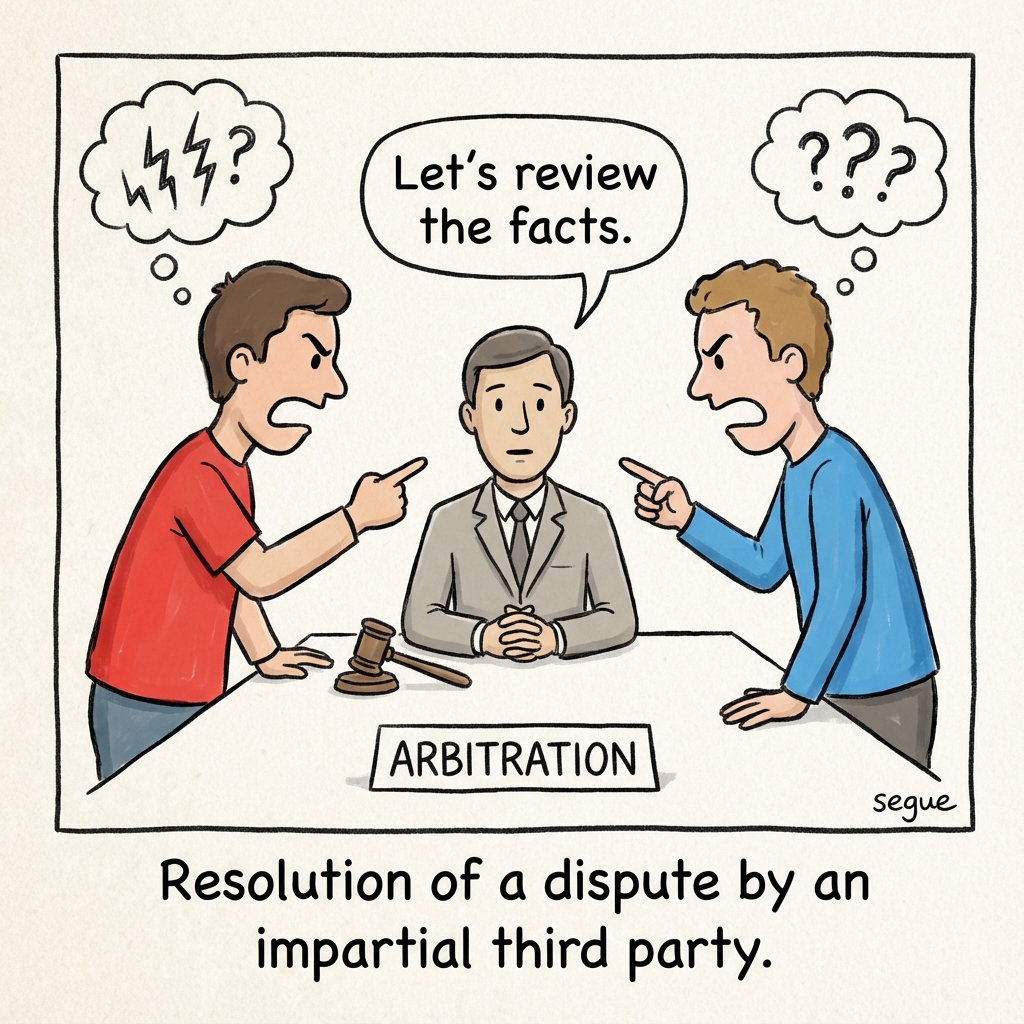
arbitration
/ˌɑɹbɪˈtɹeɪʃən/Resolution of a dispute by an impartial third party
“The contract requires arbitration rather than litigation for disputes.”

indemnity
/ˌɪnˈdɛmnəti/Security against legal liability for one's actions
“The insurance policy provides indemnity against professional negligence.”

estoppel
/ɪˈstɒpəl/A legal principle preventing someone from arguing something contrary to a previous claim
“The doctrine of estoppel barred him from denying the agreement.”

malfeasance
/ˌmæɫˈfizəns/Wrongdoing or misconduct, especially by a public official
“The investigation revealed malfeasance at the highest levels.”

prima facie
/ˌpraɪmə ˈfeɪʃi/Based on first impression; accepted as correct until proven otherwise
“The prosecution established a prima facie case of fraud.”

quid pro quo
/ˌkwɪd proʊ ˈkwoʊ/Something given in exchange for something else
“The arrangement was a clear quid pro quo that violated ethics rules.”

statute of limitations
/ˌstætʃuːt əv ˌlɪmɪˈteɪʃənz/The time limit for initiating legal proceedings
“The statute of limitations had expired, barring the lawsuit.”
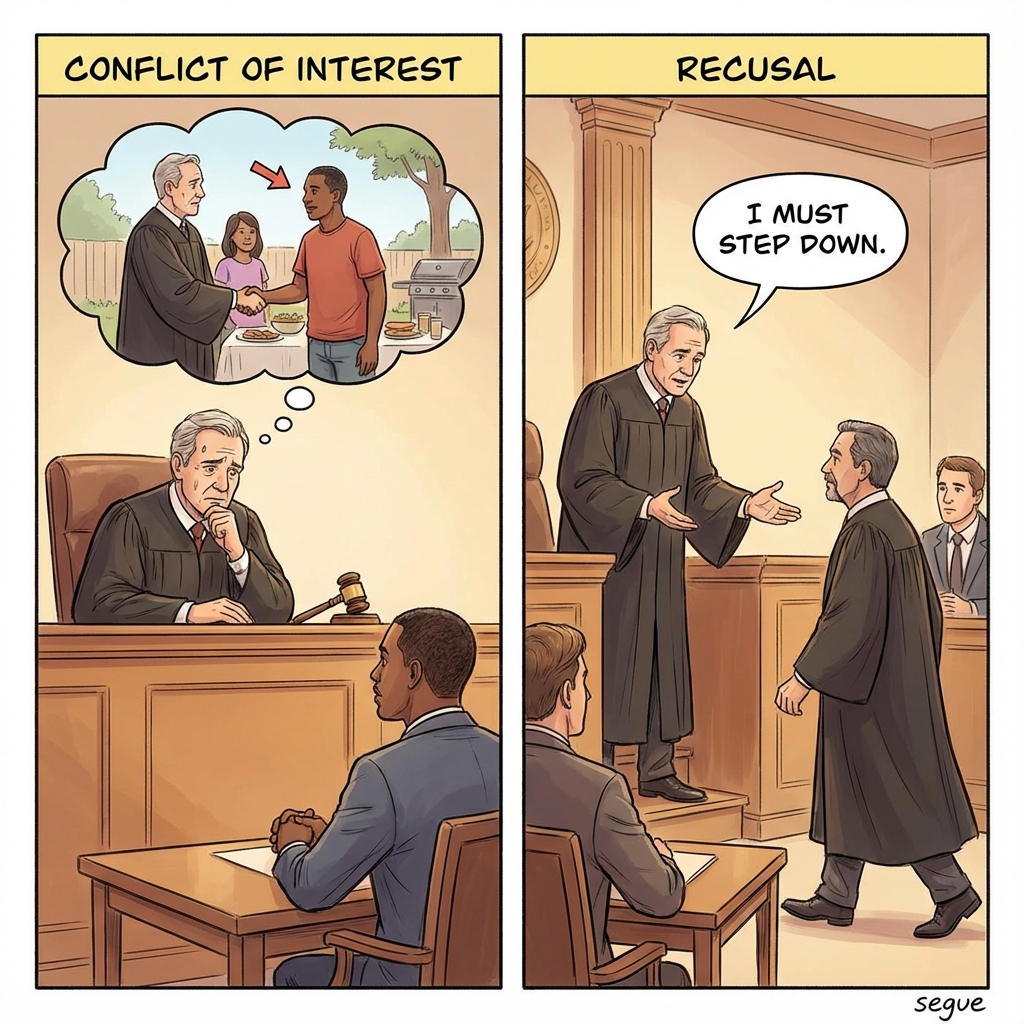
recusal
/ɹɪkˈjuzəɫ/The act of a judge disqualifying themselves from a case due to conflict of interest
“The judge announced his recusal from the trial.”
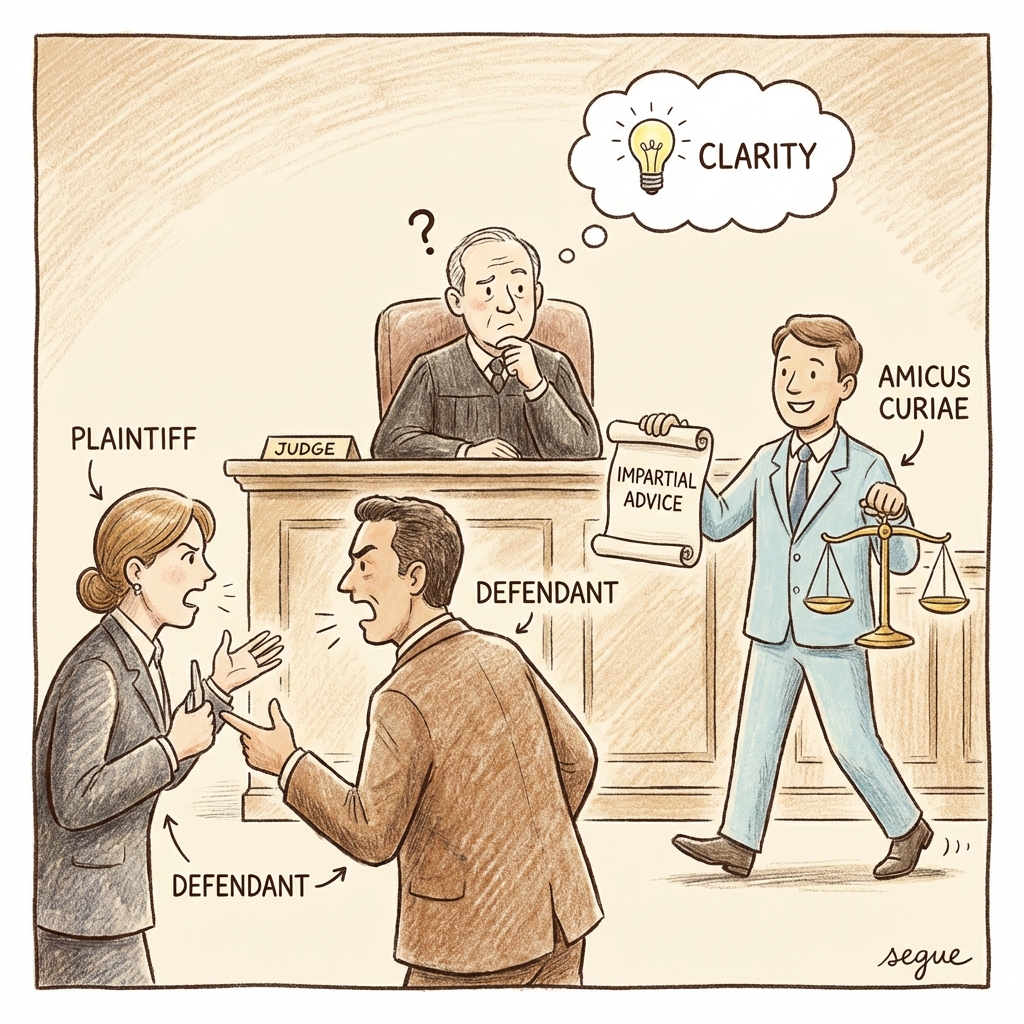
amicus curiae
/əˌmiːkəs ˈkjʊəriaɪ/An impartial adviser to a court of law in a particular case
“The organization filed an amicus curiae brief.”
More from Professional & Legal
Explore other vocabulary categories in this collection.