Loading collection...
🤡
Ignorance & Foolishness Vocabulary
Words describing lack of wisdom, knowledge, or good sense
22 words
All 22 Words
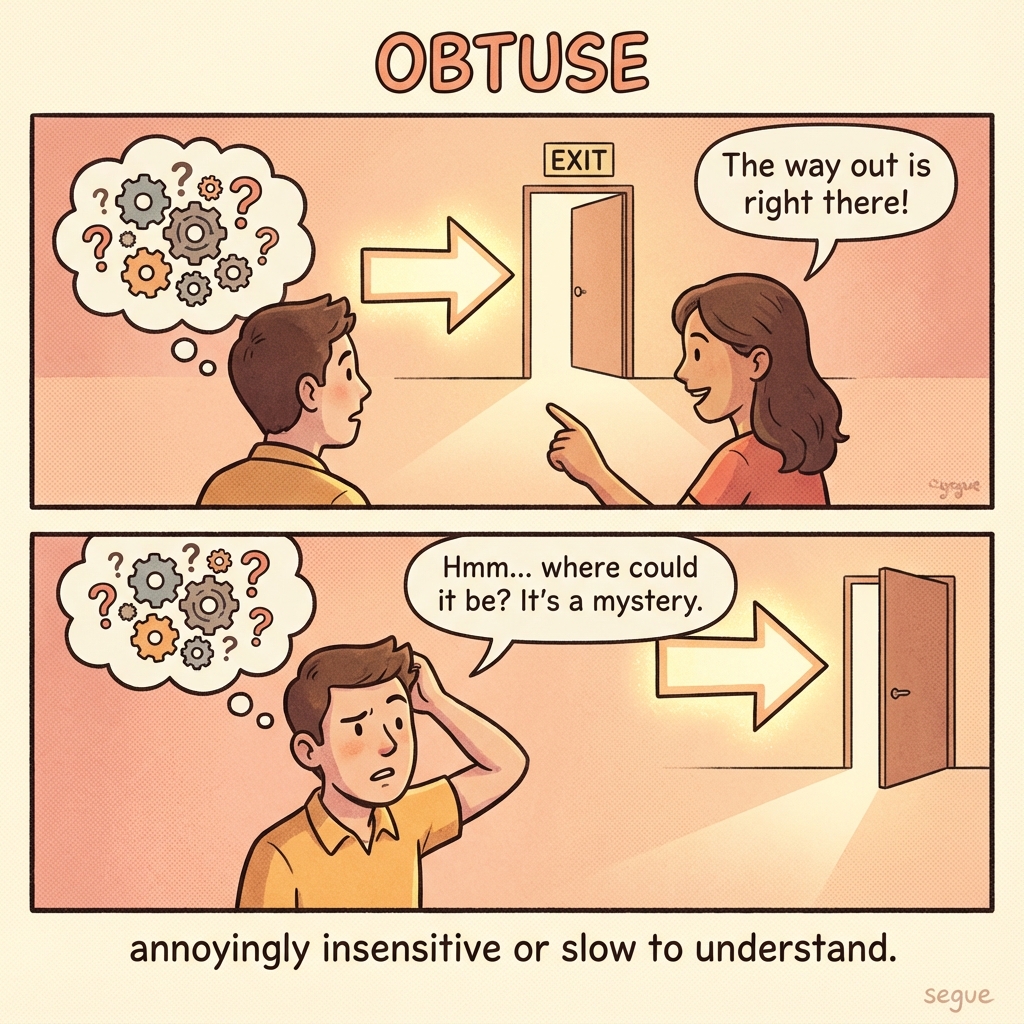
obtuse
/ɑbˈtus/annoyingly insensitive or slow to understand
“How can you be so obtuse about her feelings?”

naive
/ˌnaɪˈiv/showing lack of experience or judgment
“It was naive to trust him so quickly.”
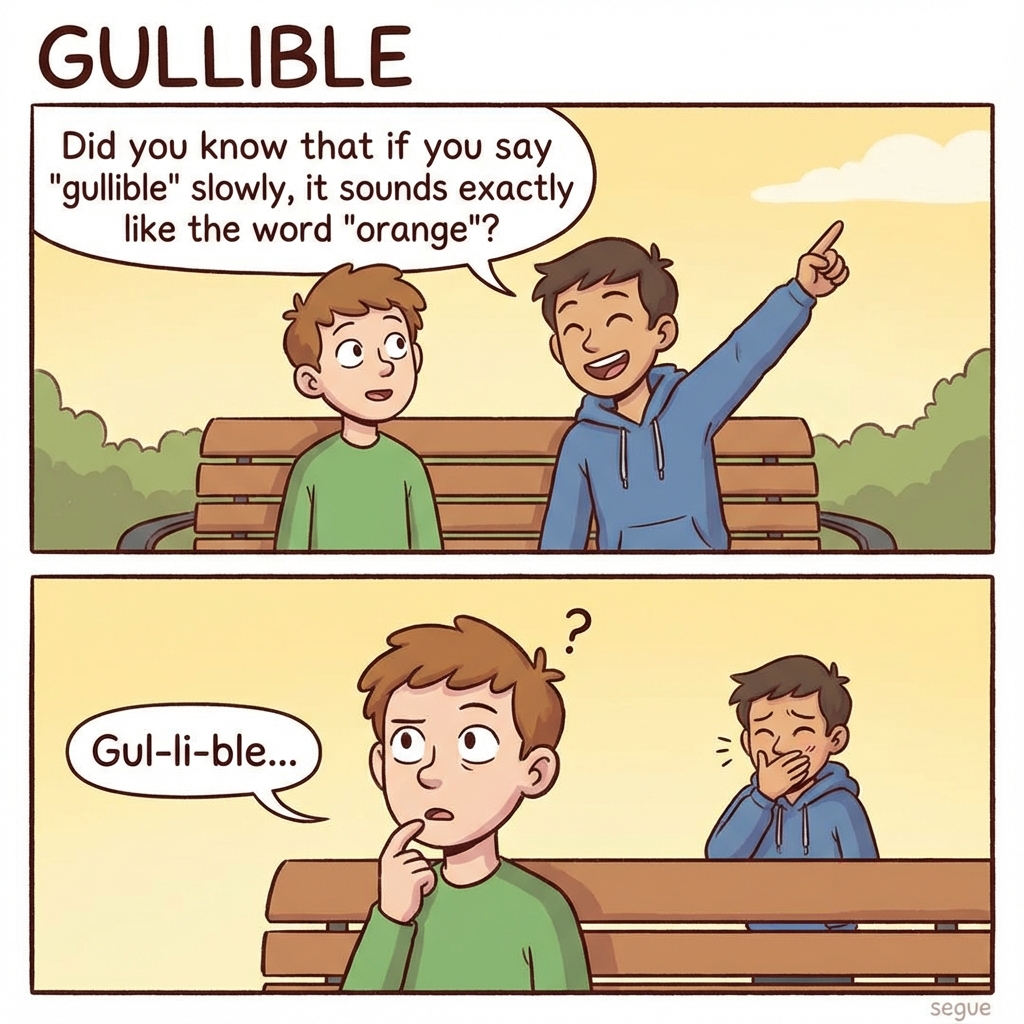
gullible
/ˈɡəɫəbəɫ/easily persuaded to believe something
“The gullible investor fell for the scam.”

credulous
/ˈkɹɛdʒəɫəs/having too great a readiness to believe things
“Only the most credulous would accept that story.”
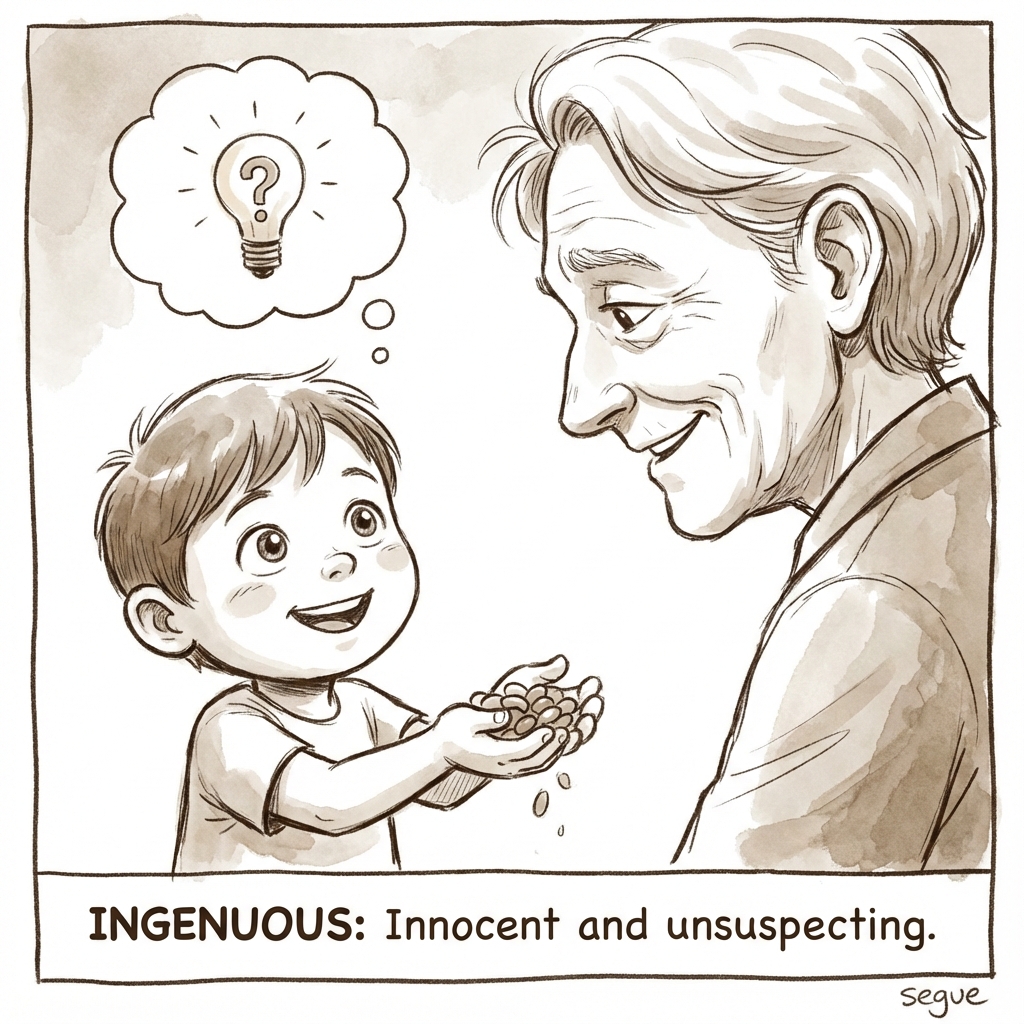
ingenuous
/ˌɪnˈdʒɛnjuəs/innocent and unsuspecting; naive
“Her ingenuous trust in strangers worried her parents.”
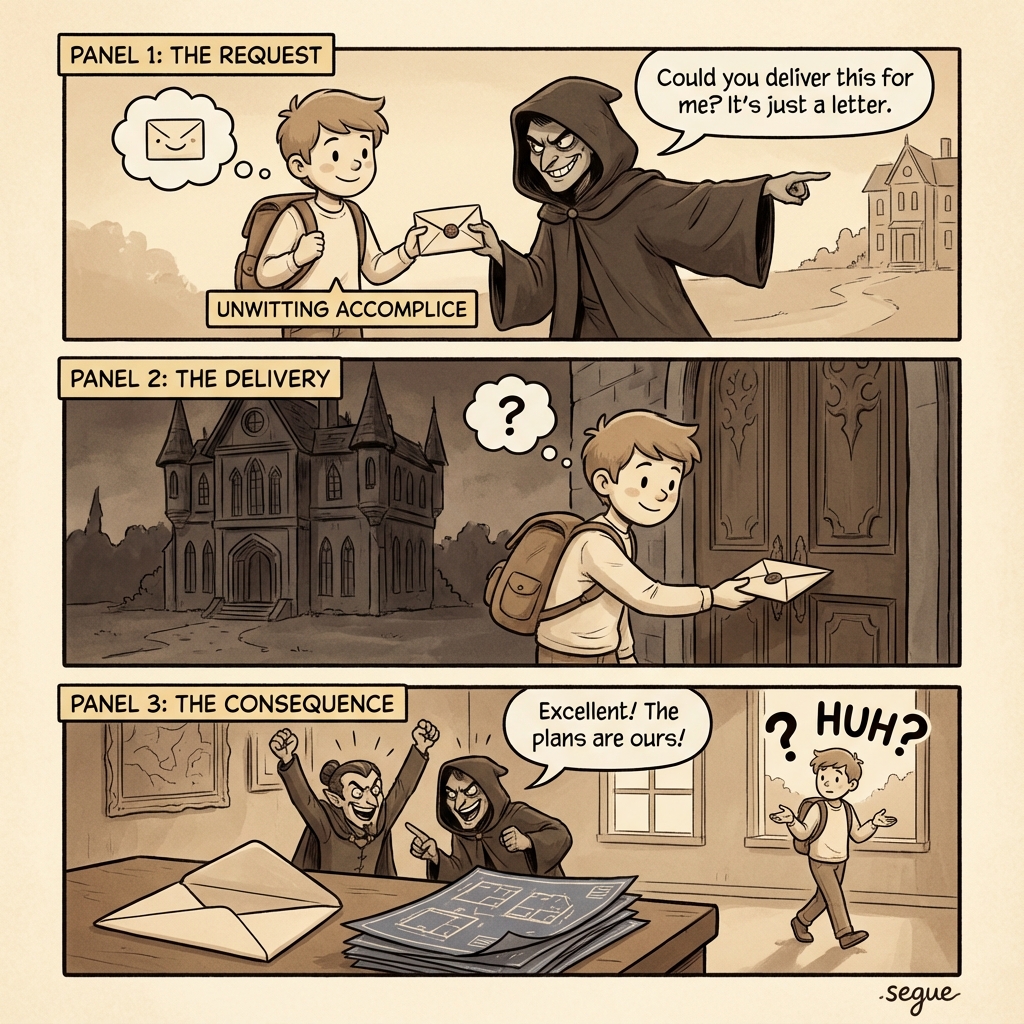
unwitting
/ənˈwɪtɪŋ/not aware of the full facts; unintentional
“He was an unwitting accomplice to the crime.”

oblivious
/əˈbɫɪviəs/not aware of or concerned about what is happening
“She was oblivious to the chaos around her.”

ignorant
/ˈɪɡnɝənt/lacking knowledge or awareness in general
“He remained ignorant of the consequences.”
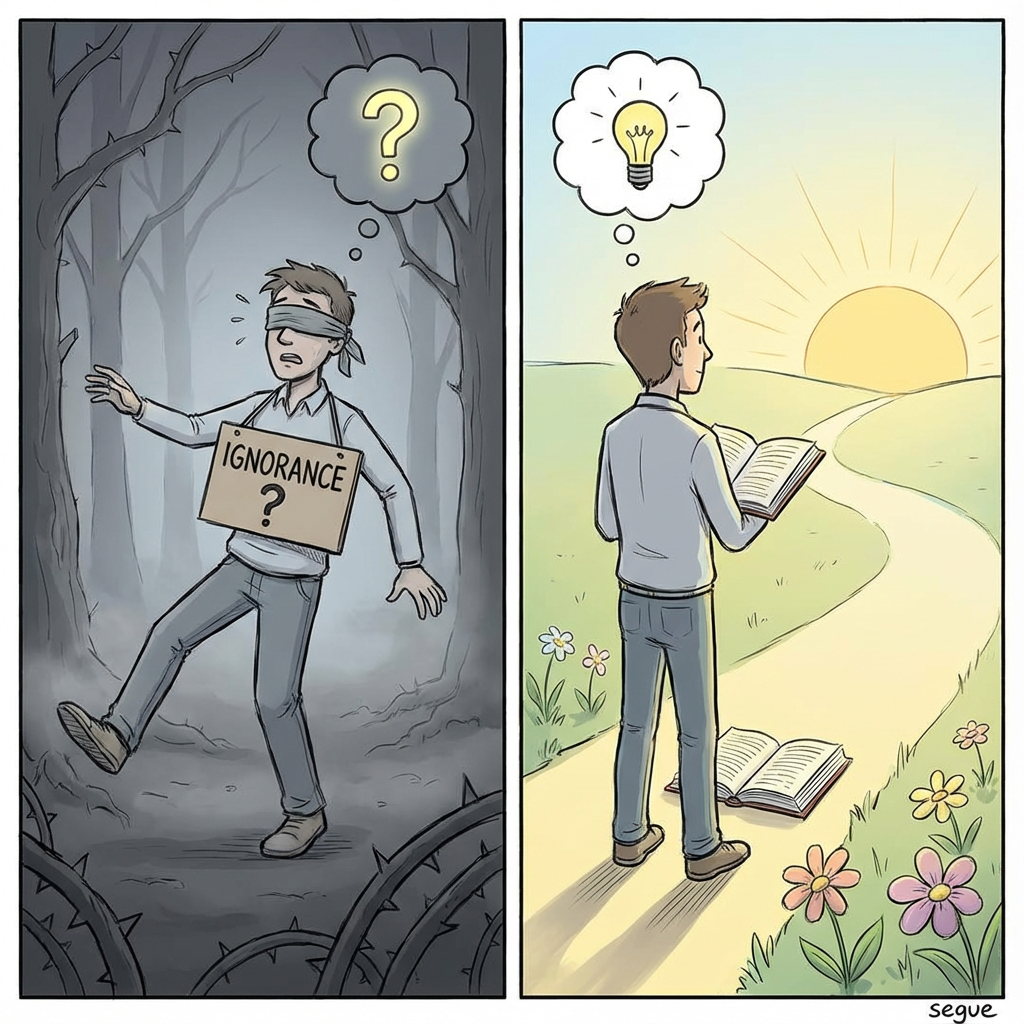
benighted
/bɪˈnaɪtɪd/in a state of intellectual or moral ignorance
“The benighted policies set the country back decades.”

fatuous
/ˈfætʃəwəs/silly and pointless
“His fatuous comments contributed nothing to the discussion.”
vacuous
/ˈvækjuəs/having or showing a lack of thought or intelligence
“The vacuous celebrity offered no insight.”
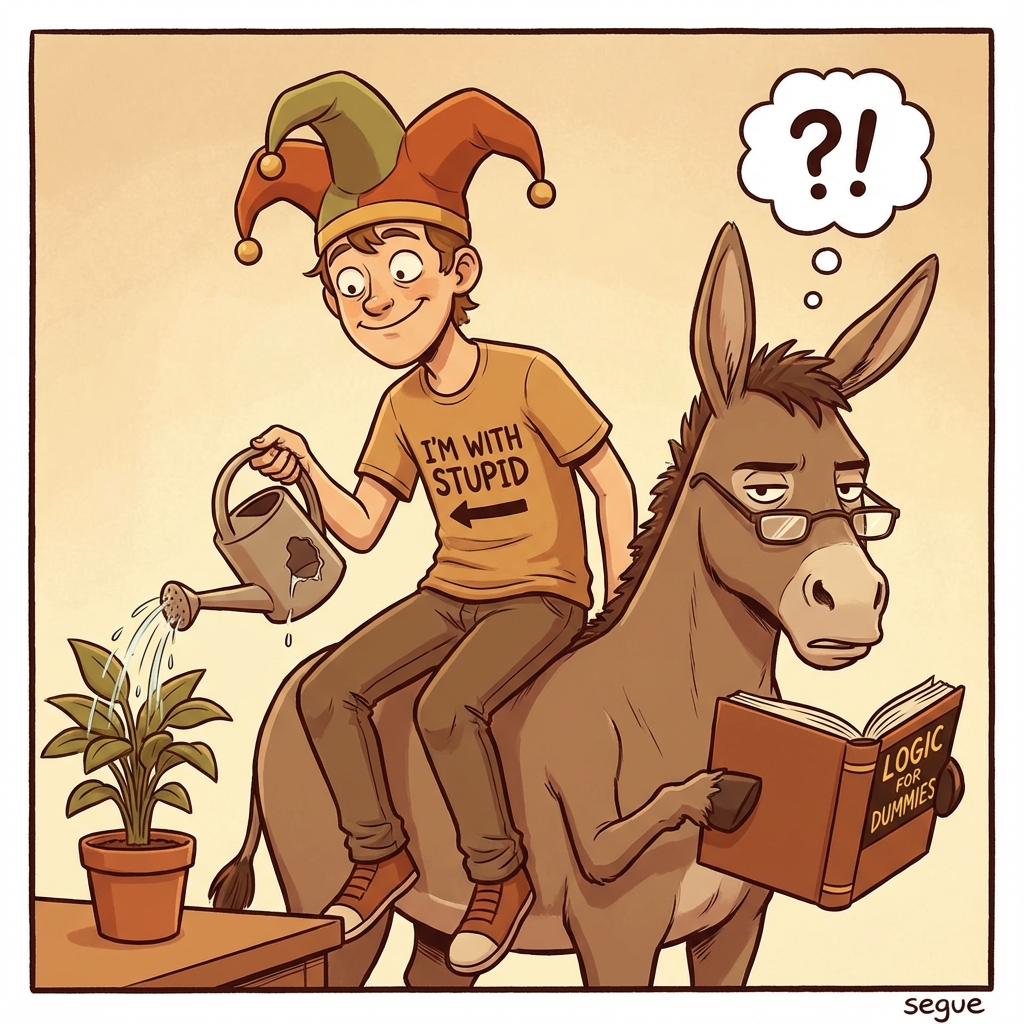
asinine
/ˈæsəˌnaɪn/extremely stupid or foolish
“The asinine decision baffled everyone.”
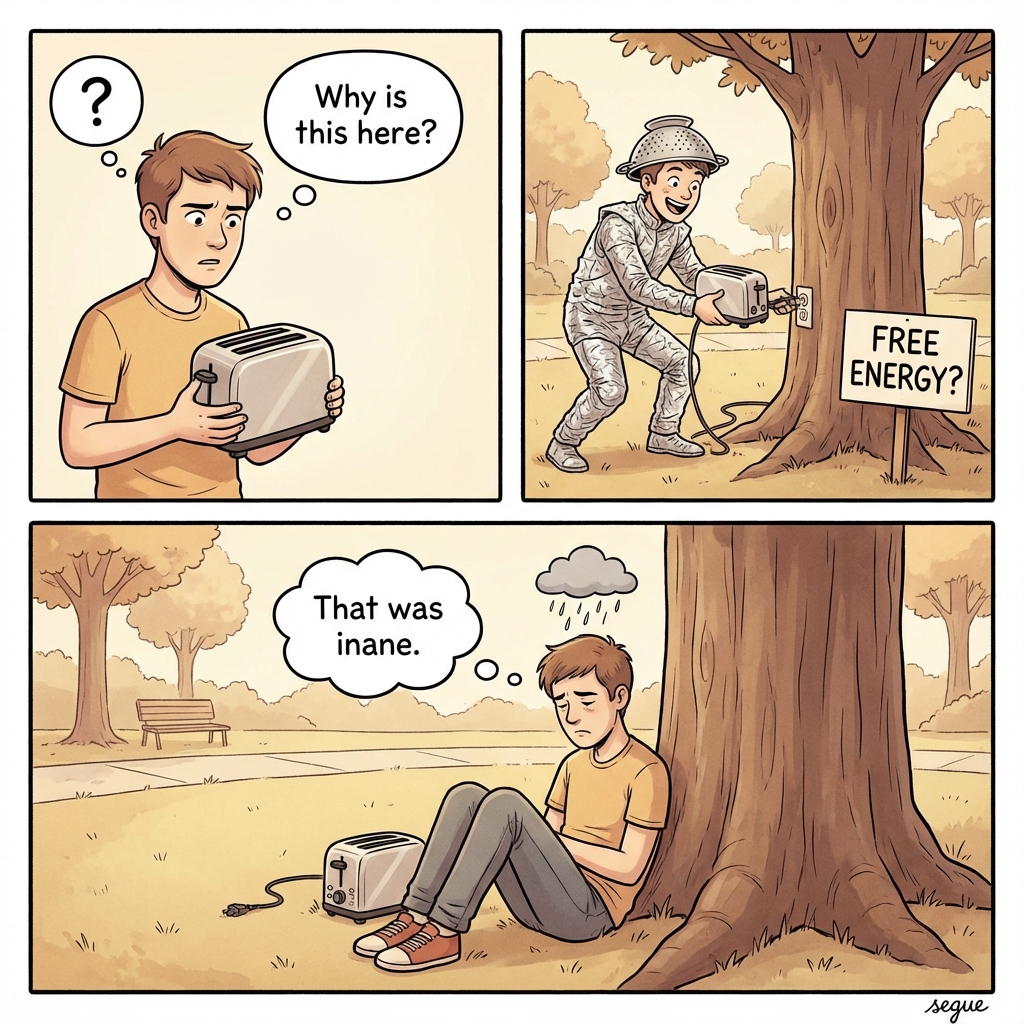
inane
/ˌɪˈneɪn/lacking sense or meaning; silly
“The inane chatter drove him from the room.”
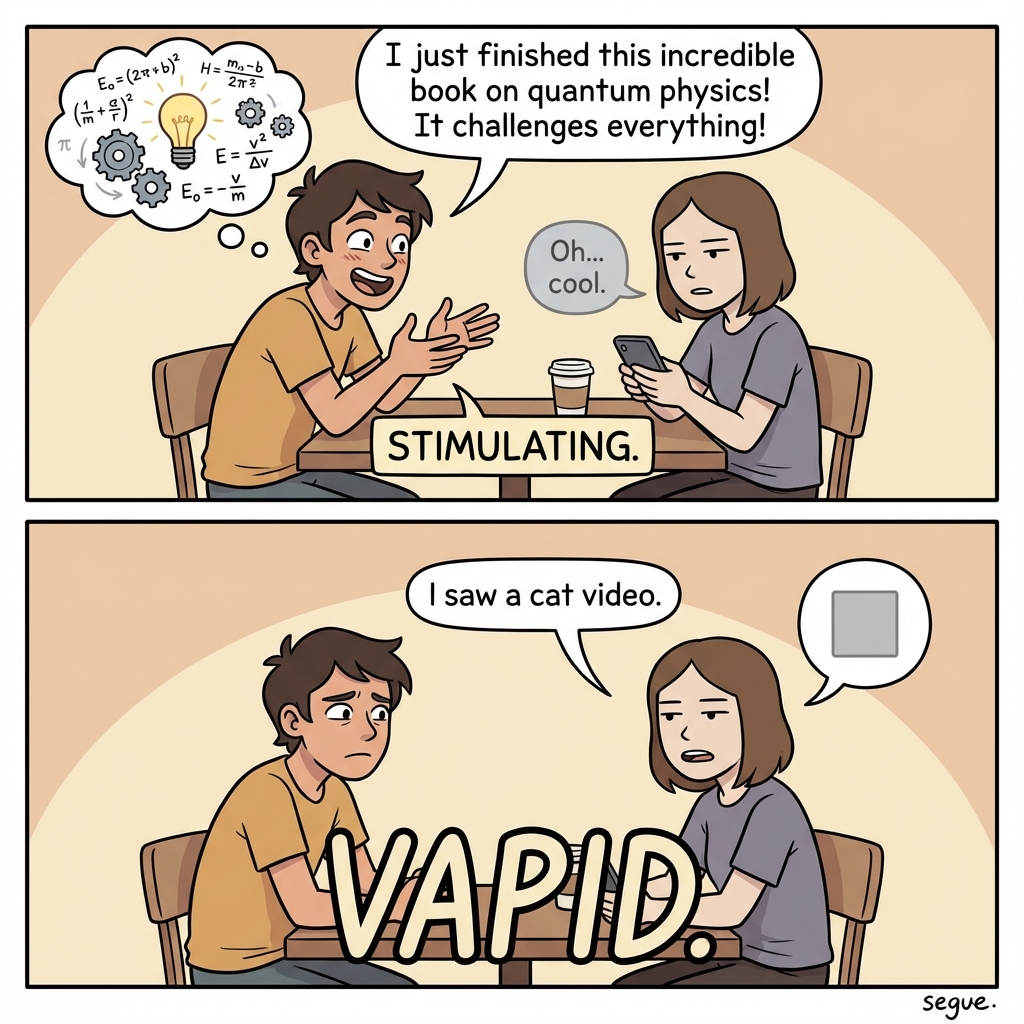
vapid
/ˈvæpɪd/offering nothing stimulating or challenging
“The vapid conversation bored her quickly.”
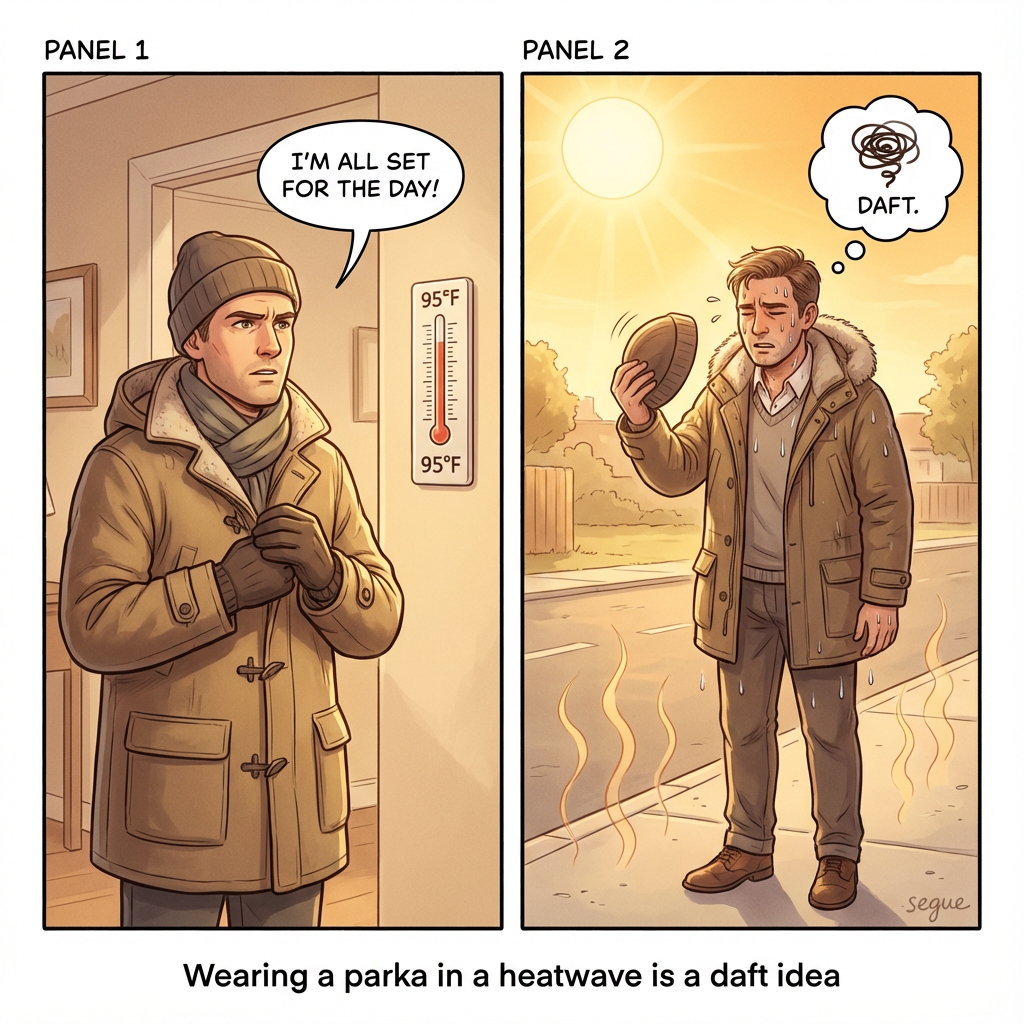
daft
/ˈdæft/silly; stupid
“It would be daft to refuse such an offer.”
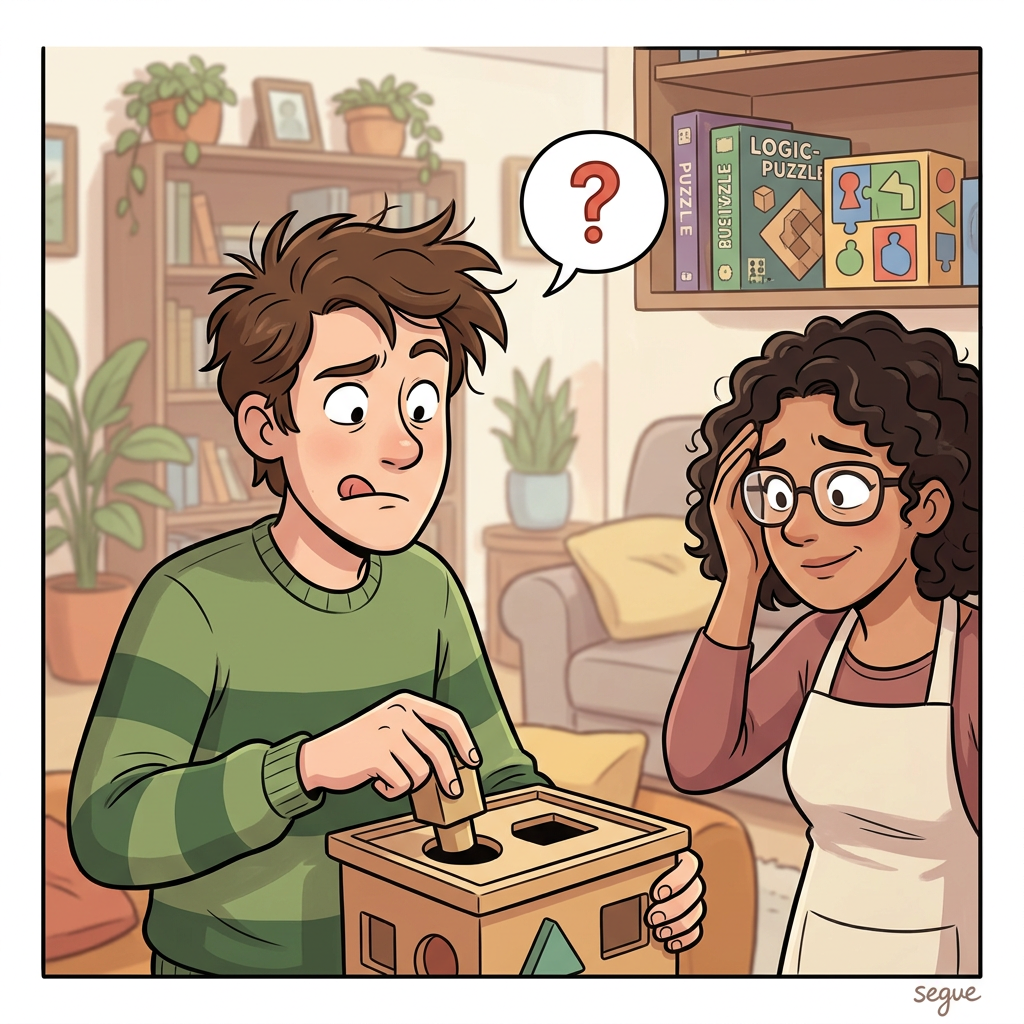
witless
/ˈwɪtɫəs/lacking intelligence or good sense
“His witless remarks embarrassed his colleagues.”

simpleton
/ˈsɪmpəltən/a foolish or gullible person
“Only a simpleton would believe that explanation.”
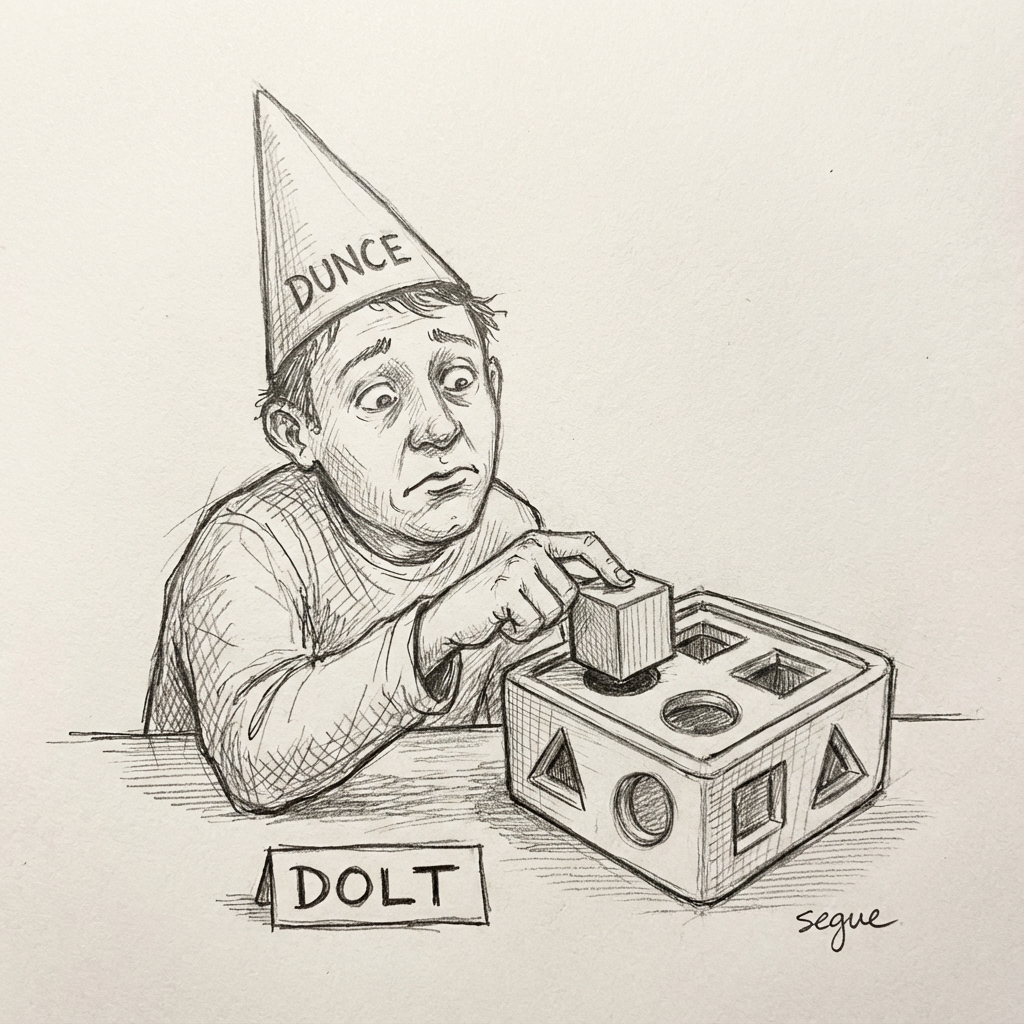
dolt
/doʊlt/a stupid person
“He felt like a dolt for missing the obvious answer.”
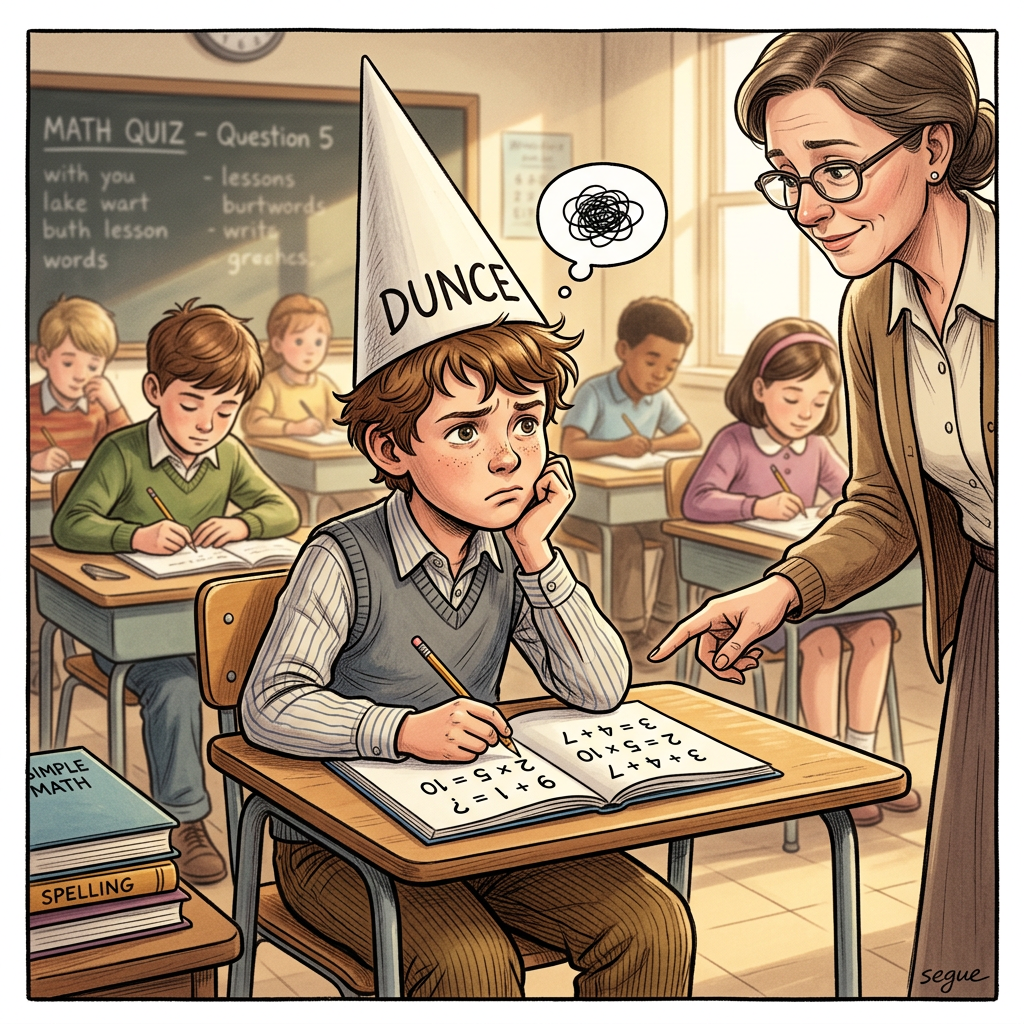
dunce
/dʌns/a person who is slow at learning
“The teacher unfairly labeled him a dunce.”
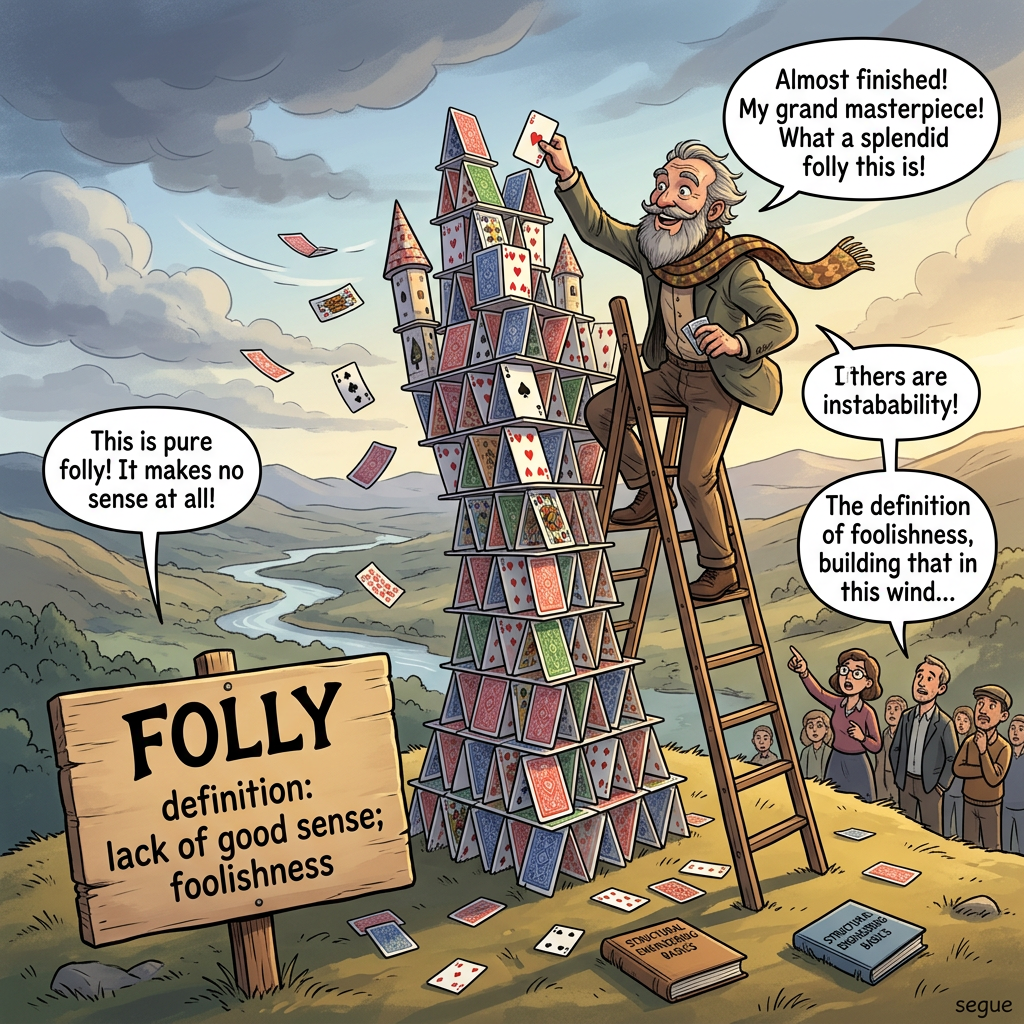
folly
/ˈfɑɫi/lack of good sense; foolishness
“Ignoring the warnings proved to be sheer folly.”

ignoramus
/ˌɪɡnɝˈeɪməs/an ignorant or stupid person
“He felt like an ignoramus when he couldn't answer the simple question.”

luddite
/ˈɫəˌdaɪt/a person opposed to new technology or ways of working
“The luddite refused to use a computer.”
More from Success & Knowledge
Explore other vocabulary categories in this collection.