Loading collection...
🕵️
Hidden & Secret Vocabulary
Words about concealment, secrecy, and the unknown
22 words
All 22 Words

covert
/ˈkoʊvɝt/not openly acknowledged or displayed; secret
“The covert operation was known only to a few.”

clandestine
/kɫænˈdɛstɪn/kept secret because illicit or improper
“They held clandestine meetings in the warehouse.”
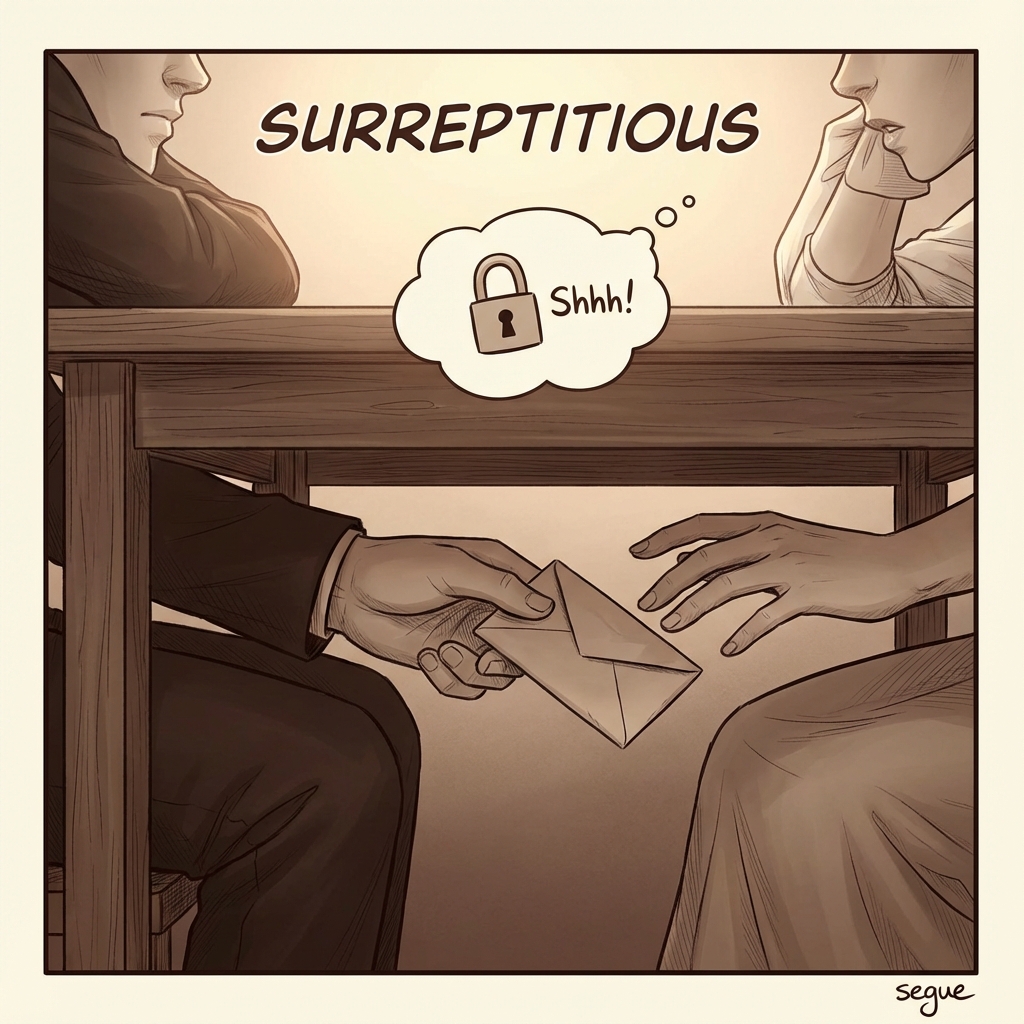
surreptitious
/ˌsɝəpˈtɪʃəs/kept secret, especially because improper
“He cast a surreptitious glance at his notes.”
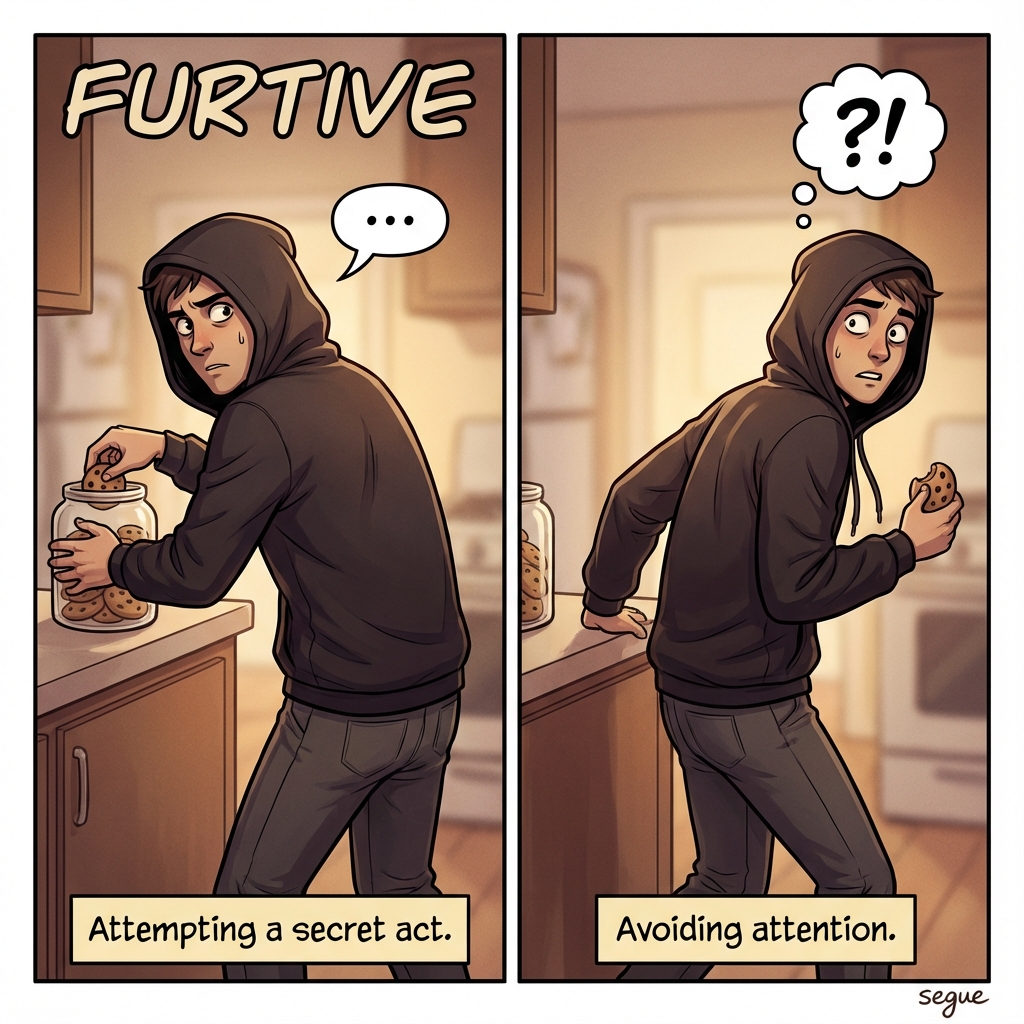
furtive
/ˈfɝtɪv/attempting to avoid notice or attention
“Her furtive behavior aroused suspicion.”
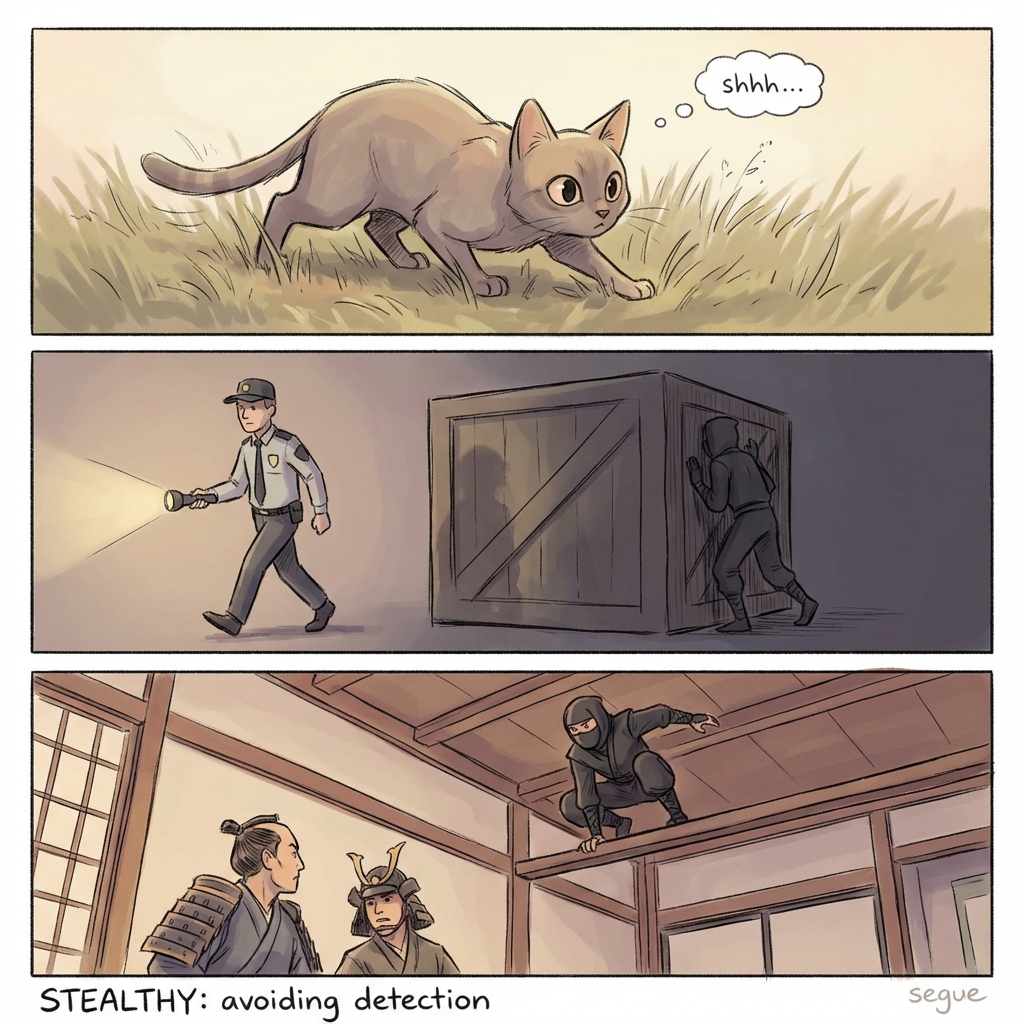
stealthy
/ˈstɛɫθi/behaving so as to avoid detection
“The stealthy cat crept toward its prey.”

cryptic
/ˈkɹɪptɪk/having a meaning that is mysterious or obscure
“His cryptic message left everyone puzzled.”
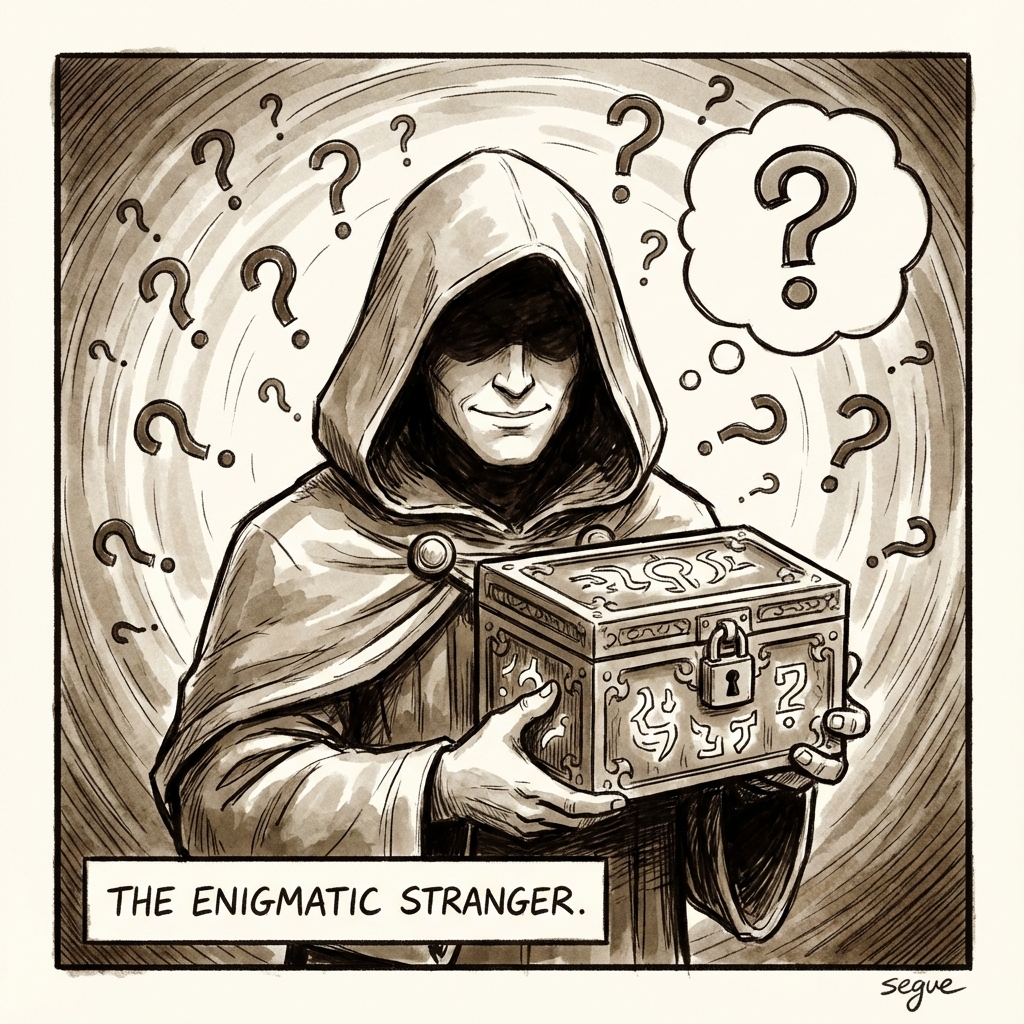
enigmatic
/ˌɛnɪɡˈmætɪk/difficult to interpret or understand; mysterious
“She gave an enigmatic smile and said nothing.”

inscrutable
/ˌɪnsˈkɹutəbəɫ/impossible to understand or interpret
“His inscrutable expression revealed nothing.”
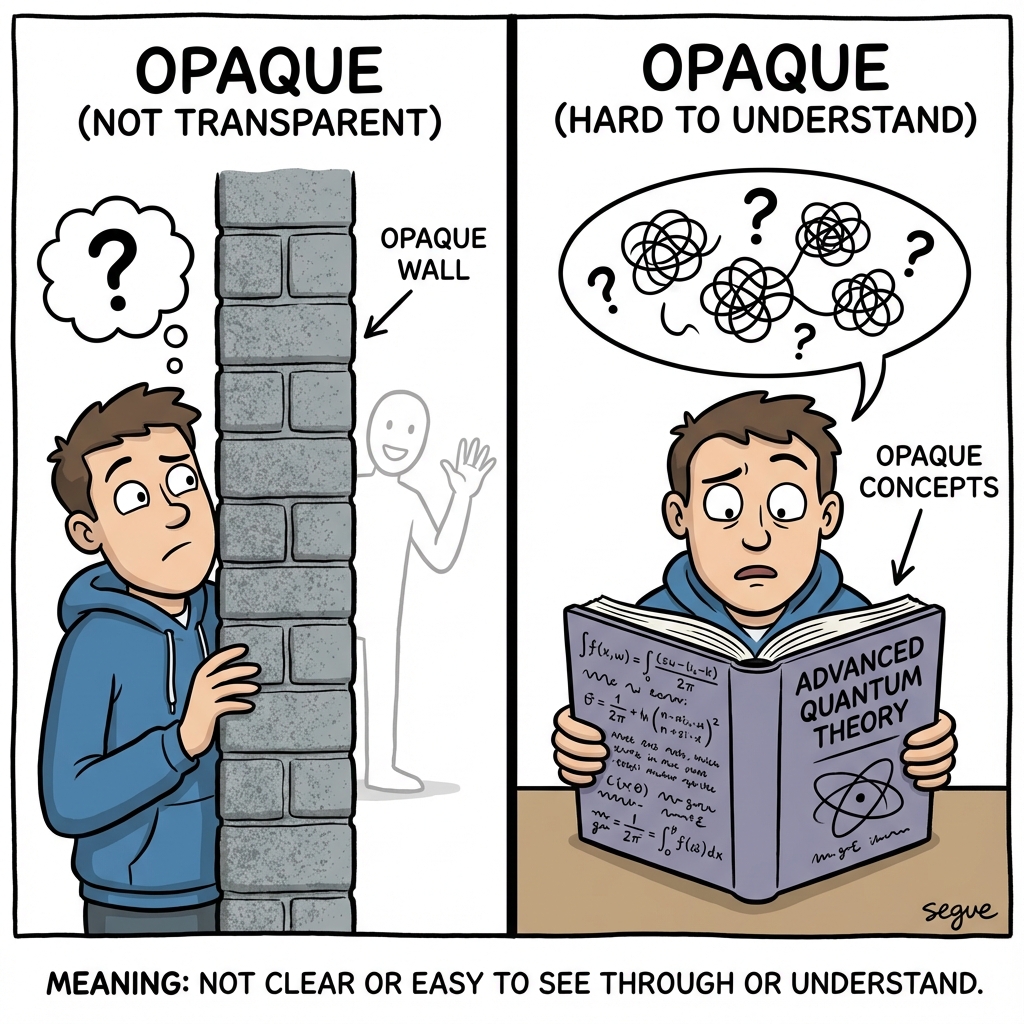
opaque
/oʊˈpeɪk/not transparent; hard to understand
“The company's finances remained opaque to outsiders.”
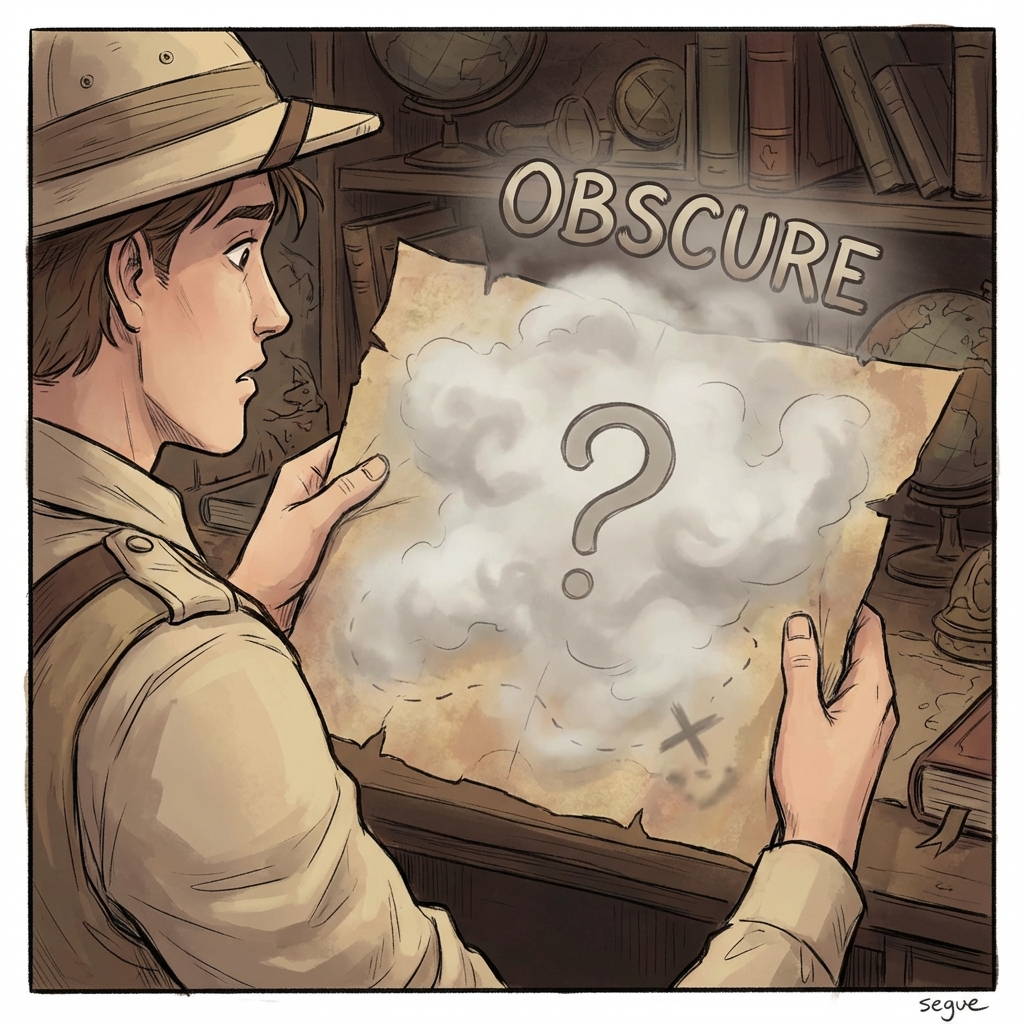
obscure
/əbˈskjʊɹ/not discovered or known; uncertain
“The origins of the tradition remain obscure.”
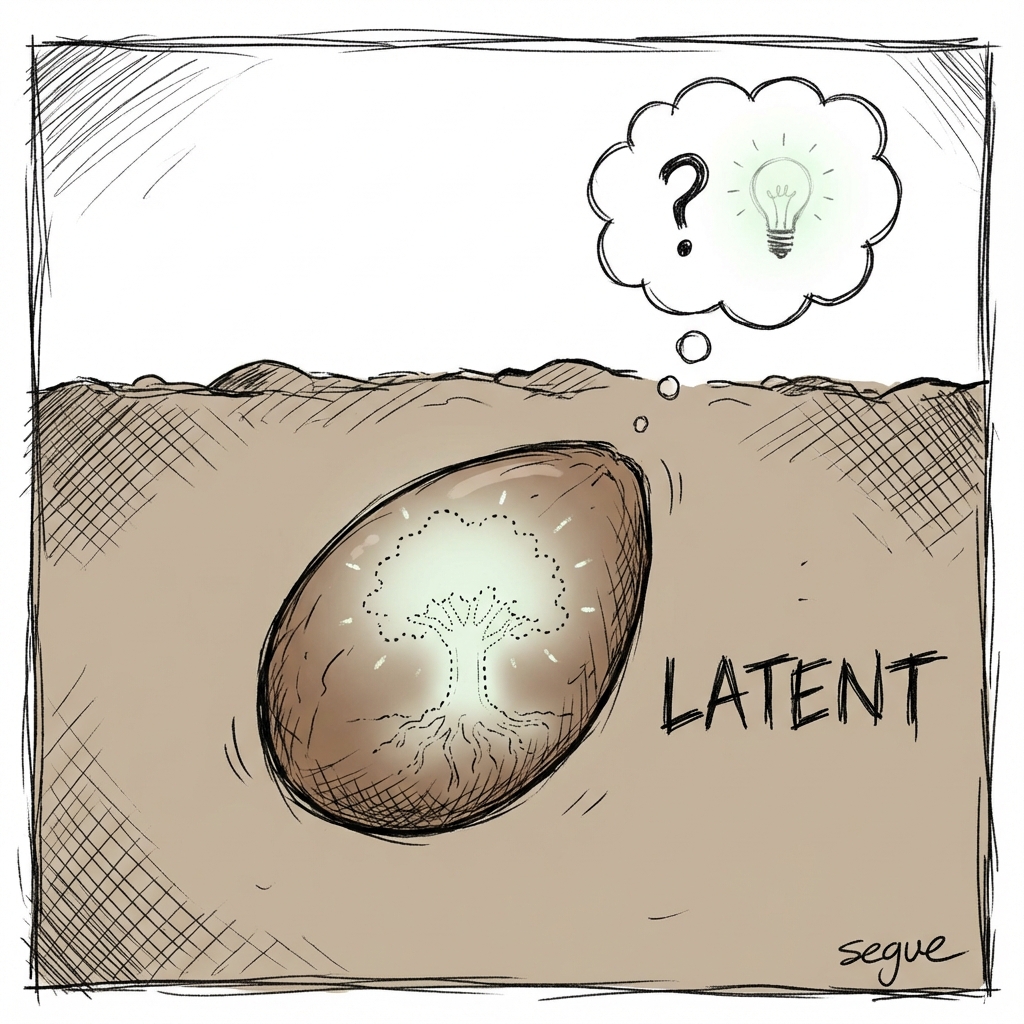
latent
/ˈɫeɪtənt/existing but not yet developed or manifest
“She has latent talent that needs nurturing.”
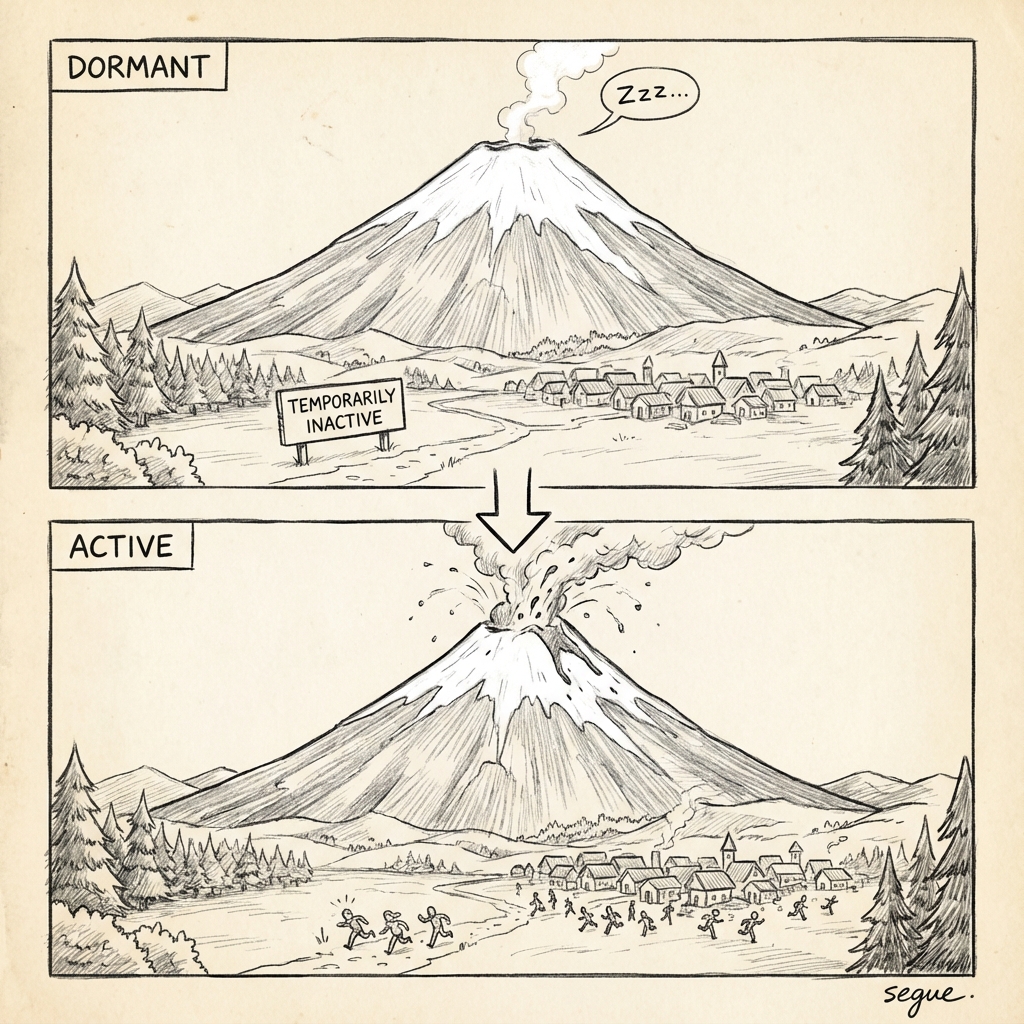
dormant
/ˈdɔɹmənt/temporarily inactive; in a state of rest
“The volcano had been dormant for centuries.”
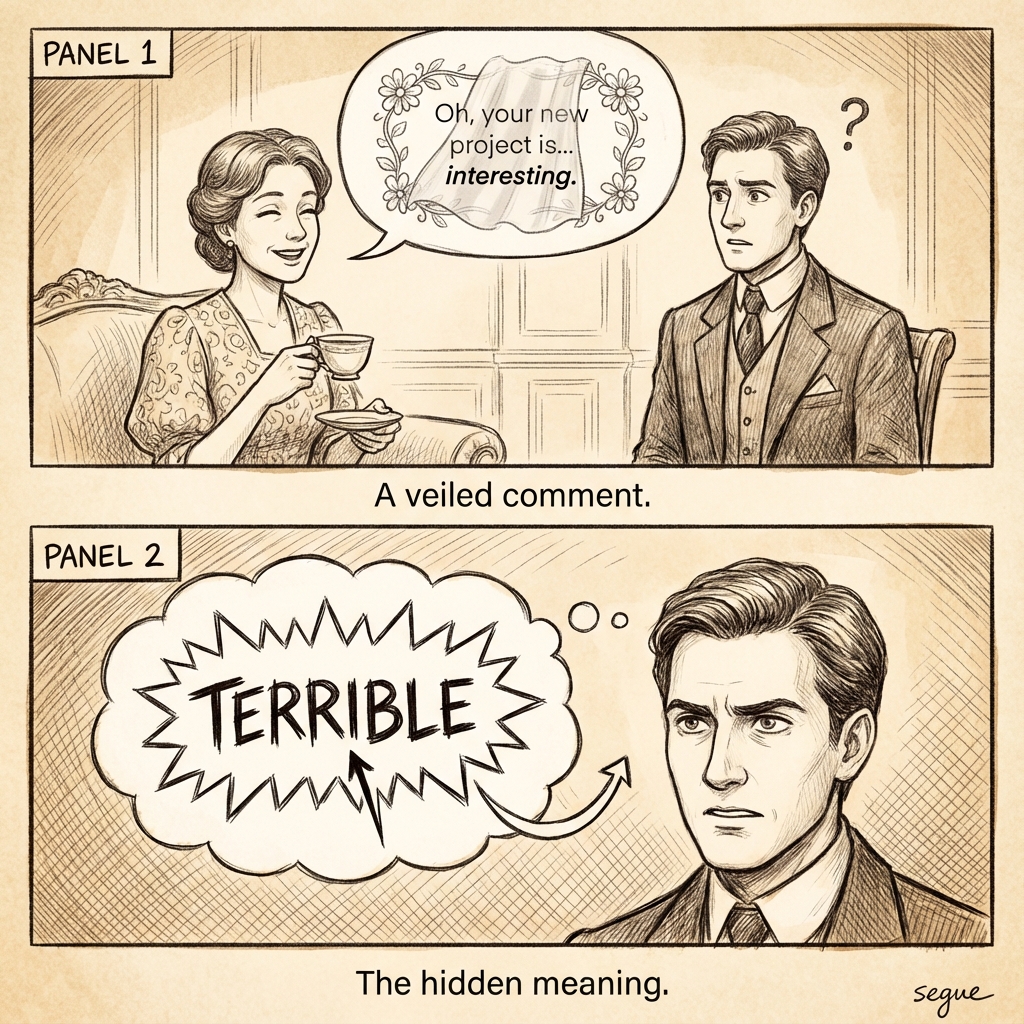
veiled
/ˈveɪɫd/partially concealed or disguised
“The veiled criticism was hard to miss.”
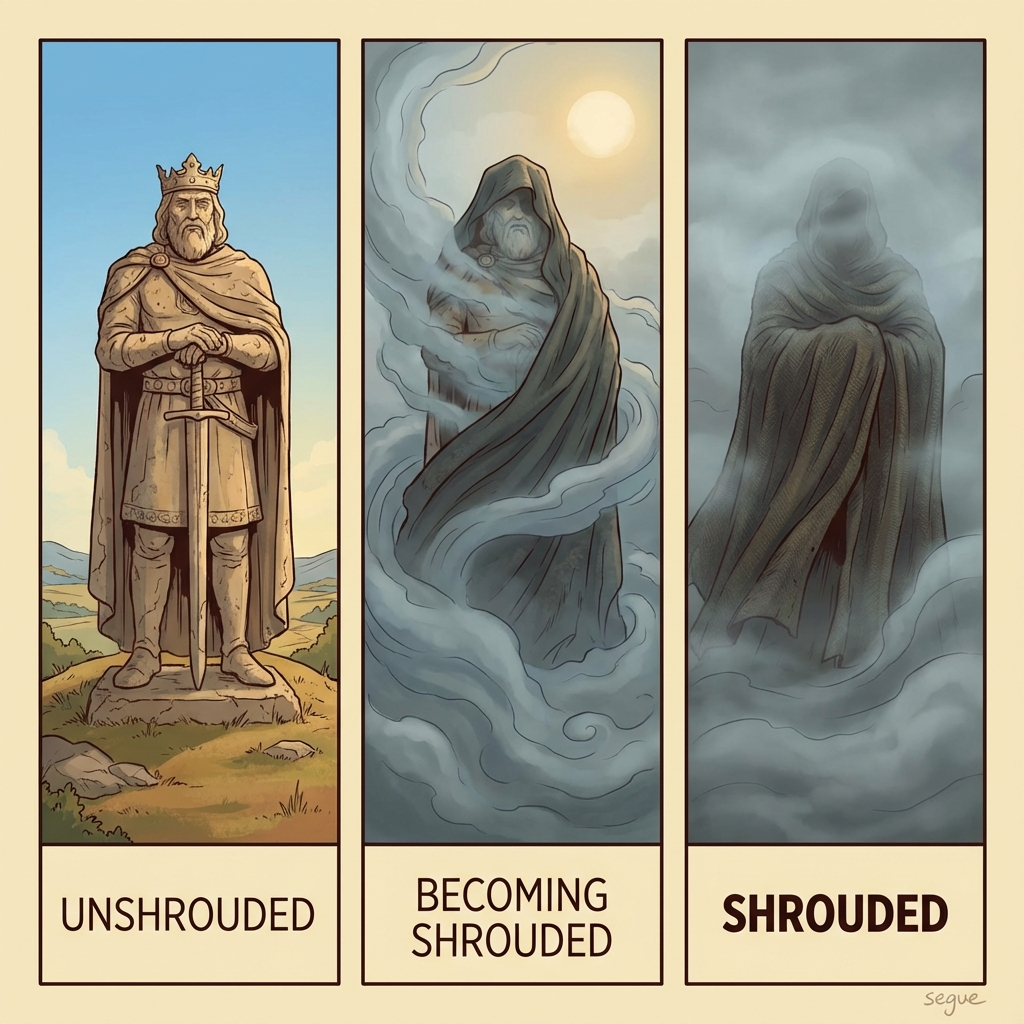
shrouded
/ˈʃɹaʊdɪd/covered or enveloped so as to conceal
“The mountain was shrouded in mist.”
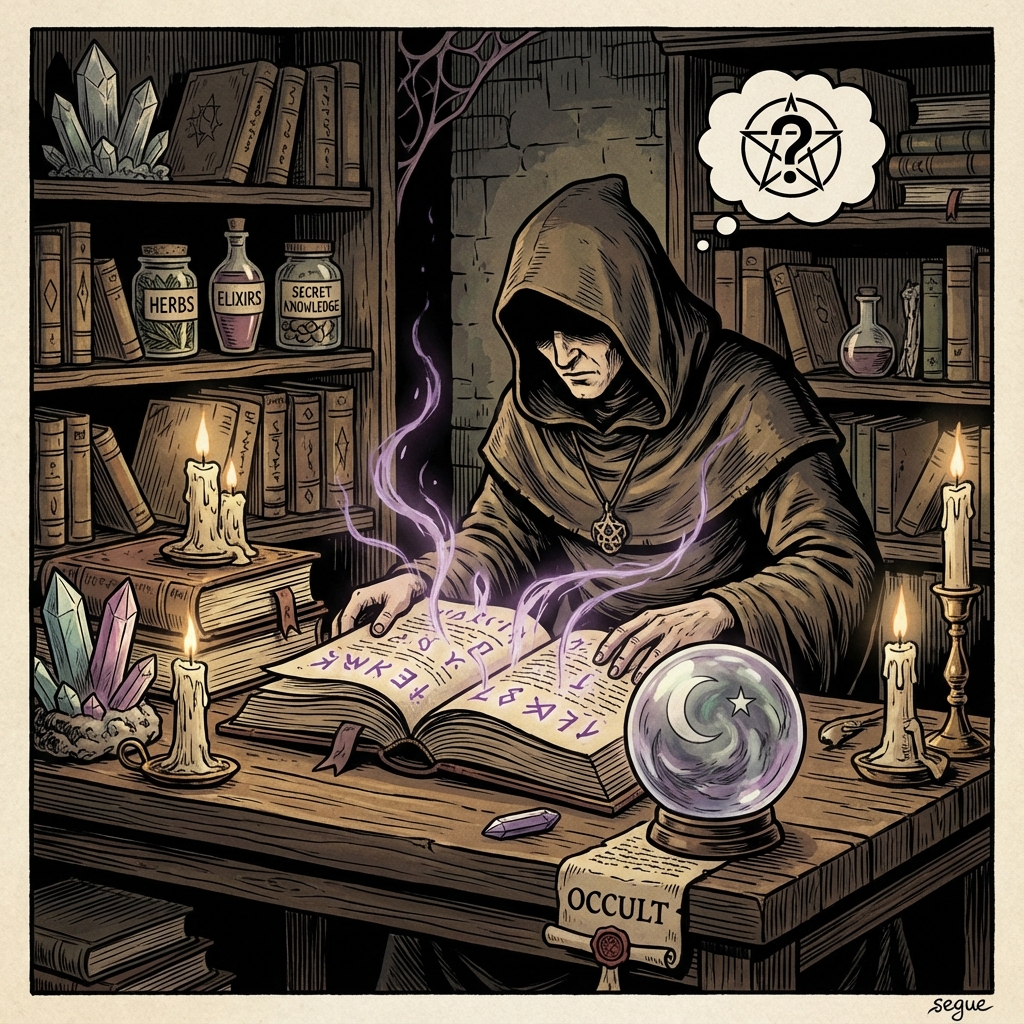
occult
/əˈkəɫt/supernatural; beyond ordinary knowledge
“He studied occult practices from ancient texts.”

arcane
/ˌɑɹˈkeɪn/understood by few; mysterious
“The arcane rules confused newcomers.”

esoteric
/ˌɛsəˈtɛɹɪk/intended for or understood by a select few
“The esoteric philosophy attracted dedicated followers.”

recondite
/ˈɹɛkənˌdaɪt/little known; abstruse
“His recondite references puzzled most readers.”
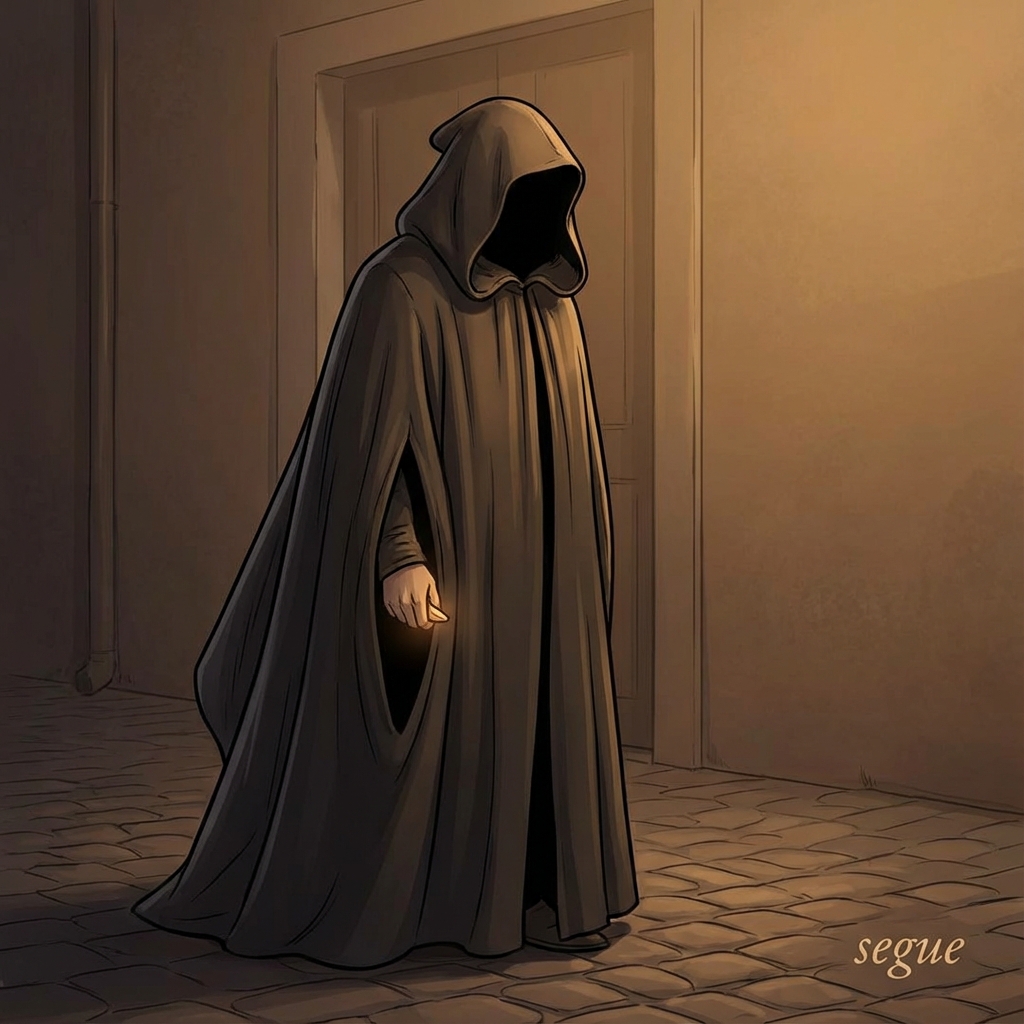
cloaked
/ˈkɫoʊkt/covered or hidden
“The true purpose was cloaked in bureaucratic language.”
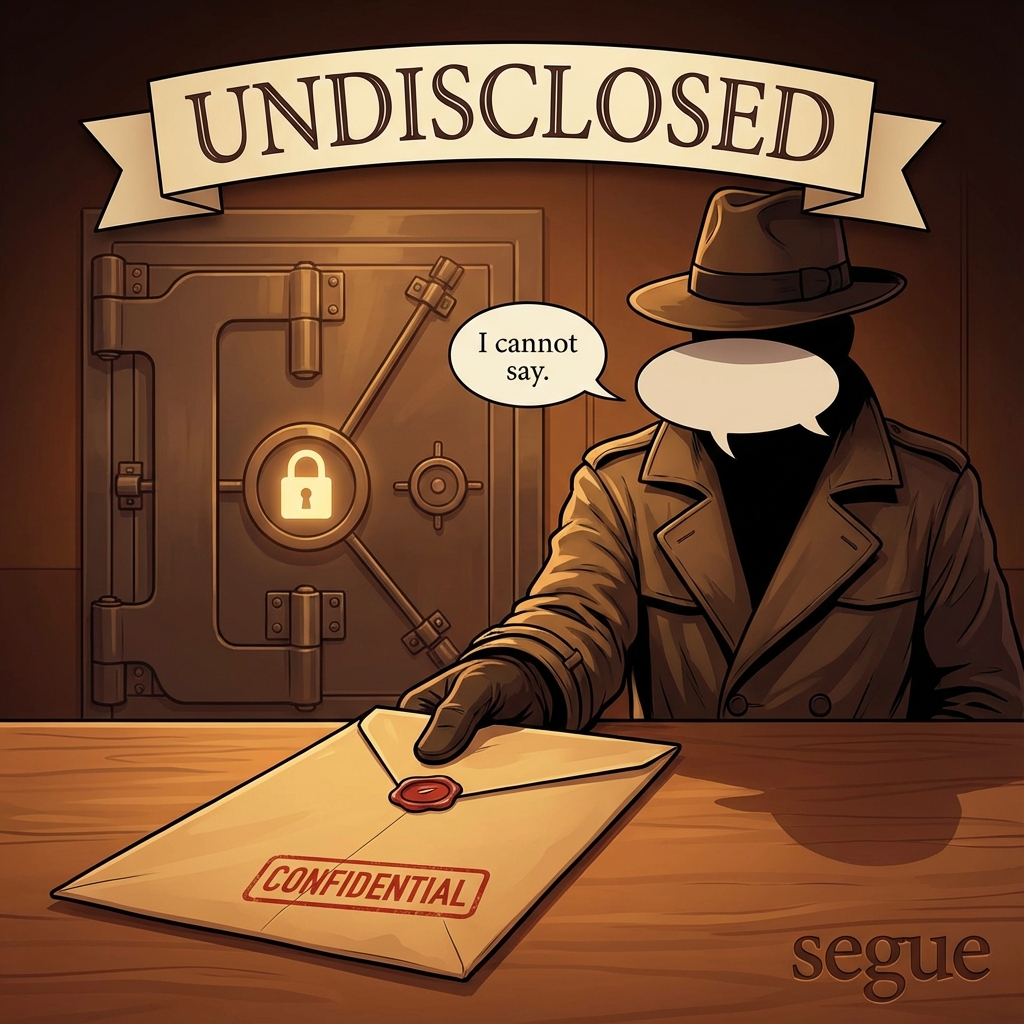
undisclosed
/ˌəndɪˈskɫoʊzd/not revealed or made known publicly
“The buyer's identity remained undisclosed.”

ulterior
/əɫˈtɪɹiɝ/existing beyond what is obvious or admitted; intentionally hidden
“He had ulterior motives for helping them.”

subliminal
/səˈbɫɪmɪnəɫ/below the threshold of sensation or consciousness
“The ad used subliminal messaging to influence buyers.”
More from Success & Knowledge
Explore other vocabulary categories in this collection.