Loading collection...
⚠️
Grammar Pitfalls Vocabulary
Common errors that undermine credibility
8 words
All 8 Words
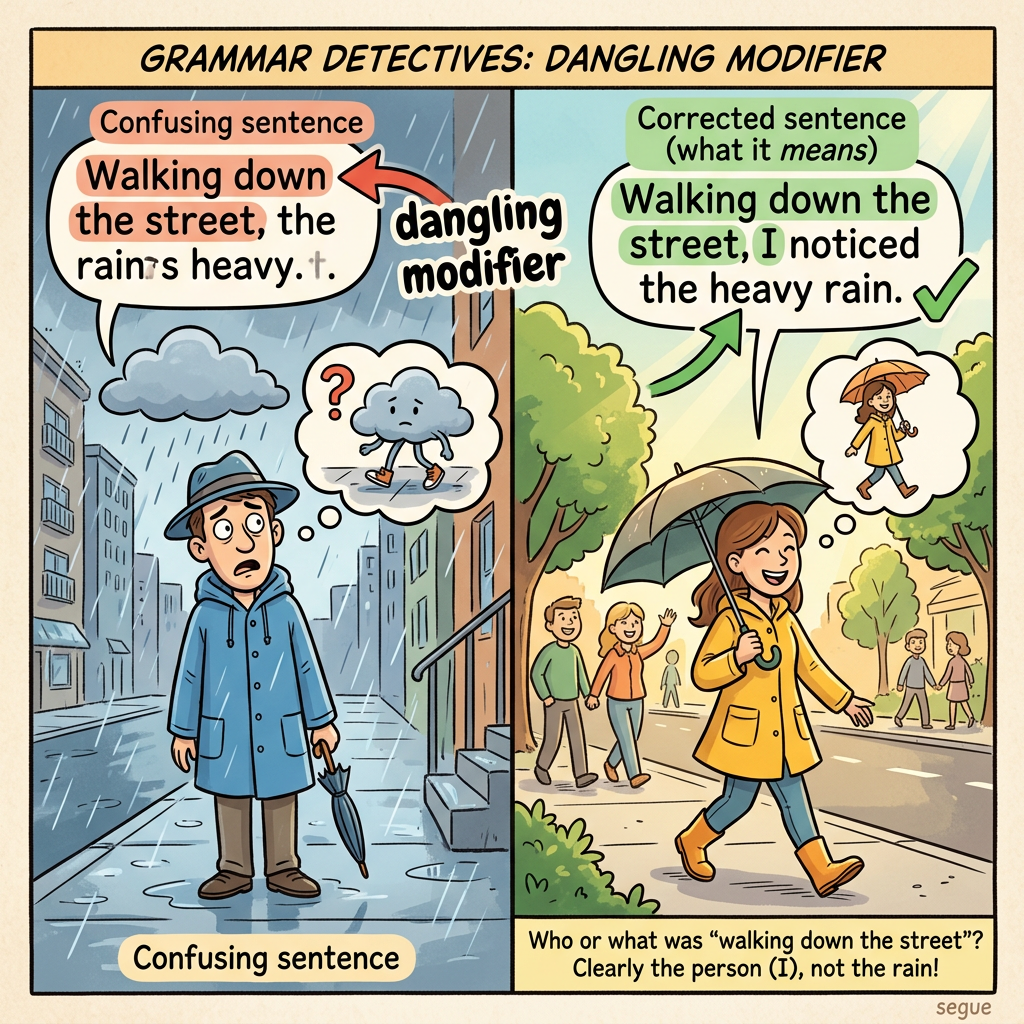
dangling modifier
/ˌdæŋɡlɪŋ ˈmɒdɪfaɪər/a modifier that doesn't logically attach to anything in the sentence
“Walking to school, the sun shone brightly. (The sun wasn't walking.)”
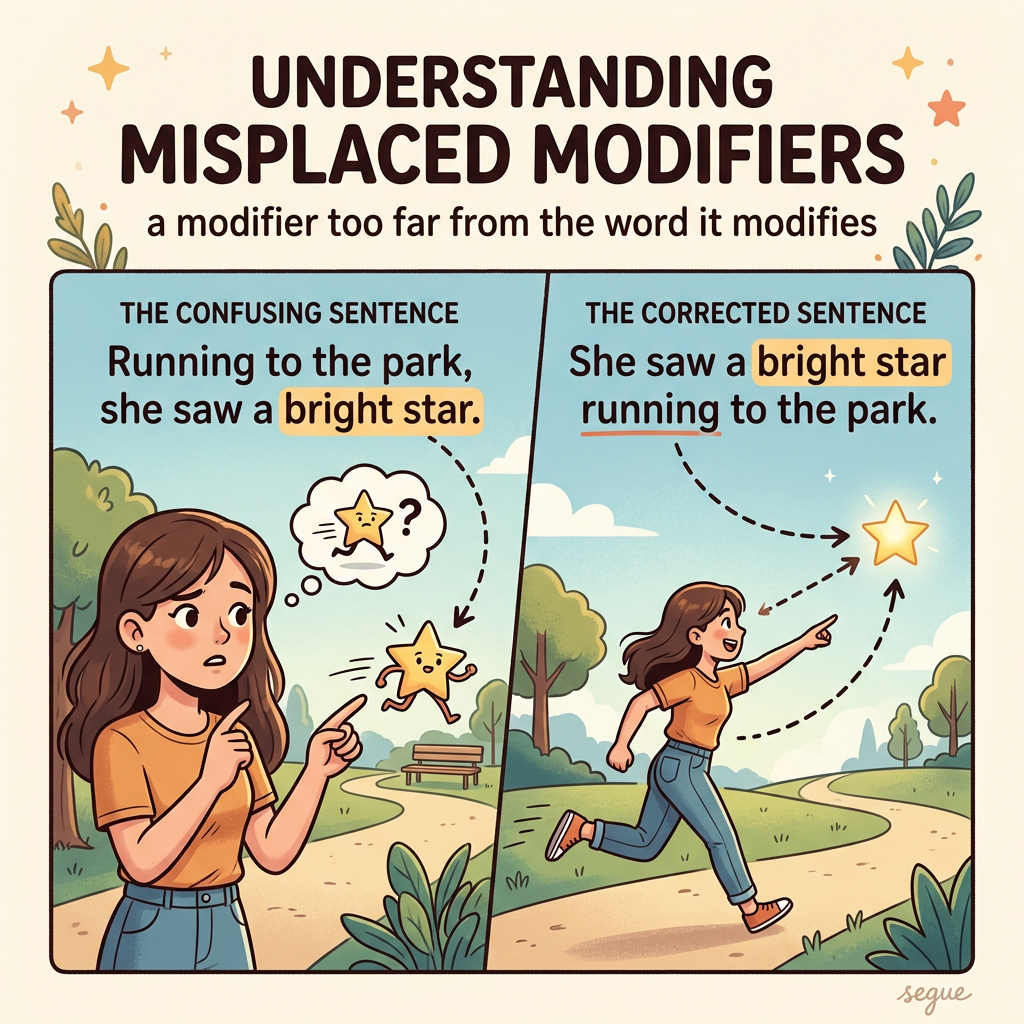
misplaced modifier
/mɪsˌpleɪst ˈmɒdɪfaɪər/a modifier too far from the word it modifies
“She almost drove her car into every mailbox. (She didn't almost—she almost hit them.)”
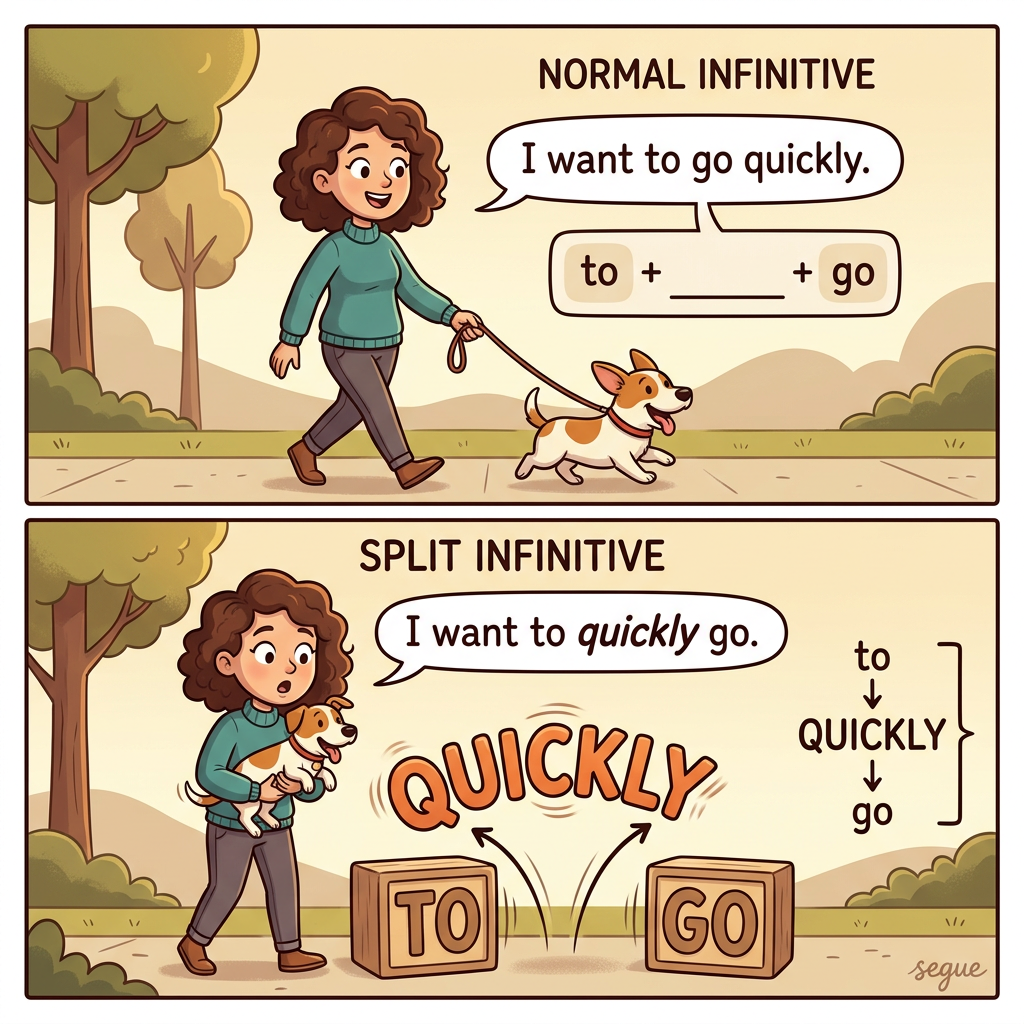
split infinitive
/ˌsplɪt ɪnˈfɪnɪtɪv/placing an adverb between 'to' and the verb
“To boldly go where no one has gone before. Once forbidden, now often acceptable.”
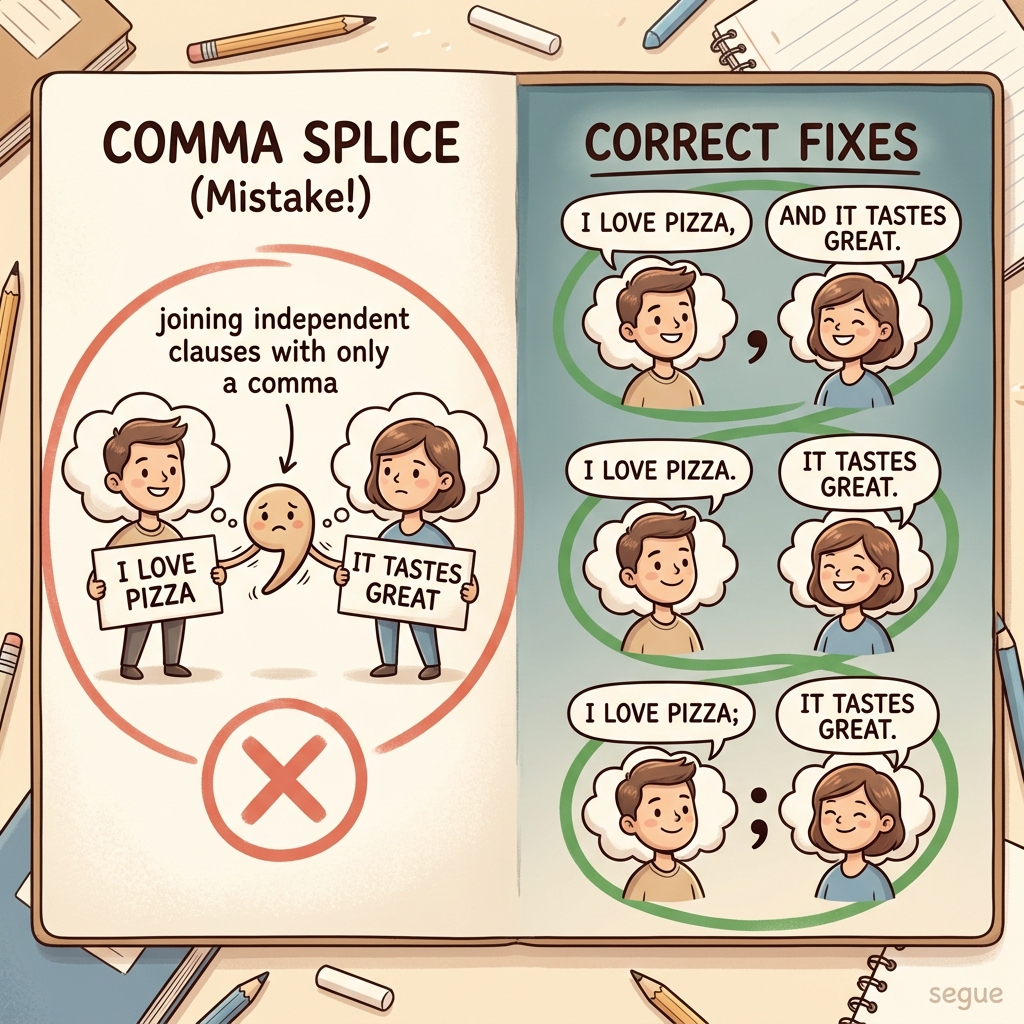
comma splice
/ˈkɒmə ˌsplaɪs/joining independent clauses with only a comma
“He ran fast, he still lost. (Use semicolon, period, or conjunction.)”
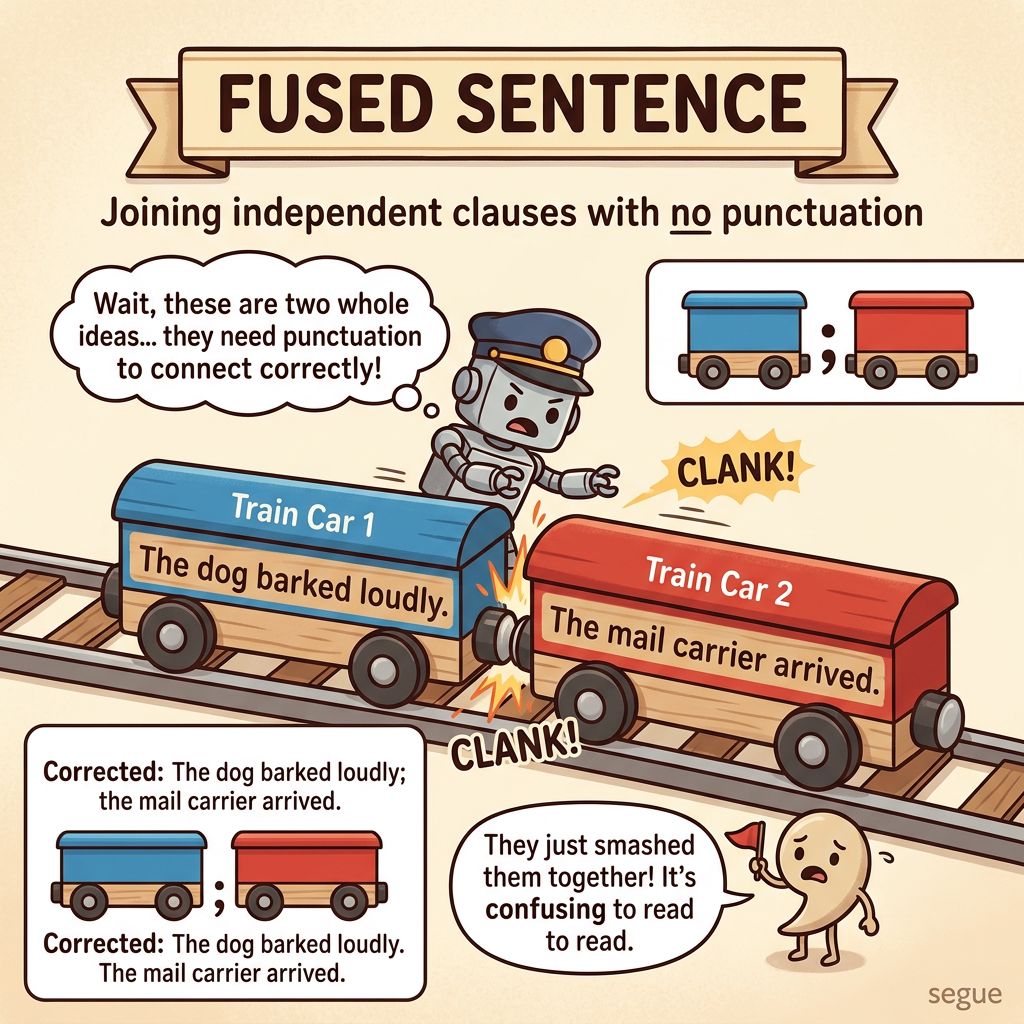
fused sentence
/ˌfjuːzd ˈsentəns/joining independent clauses with no punctuation
“He ran fast he still lost. (Missing punctuation between clauses.)”
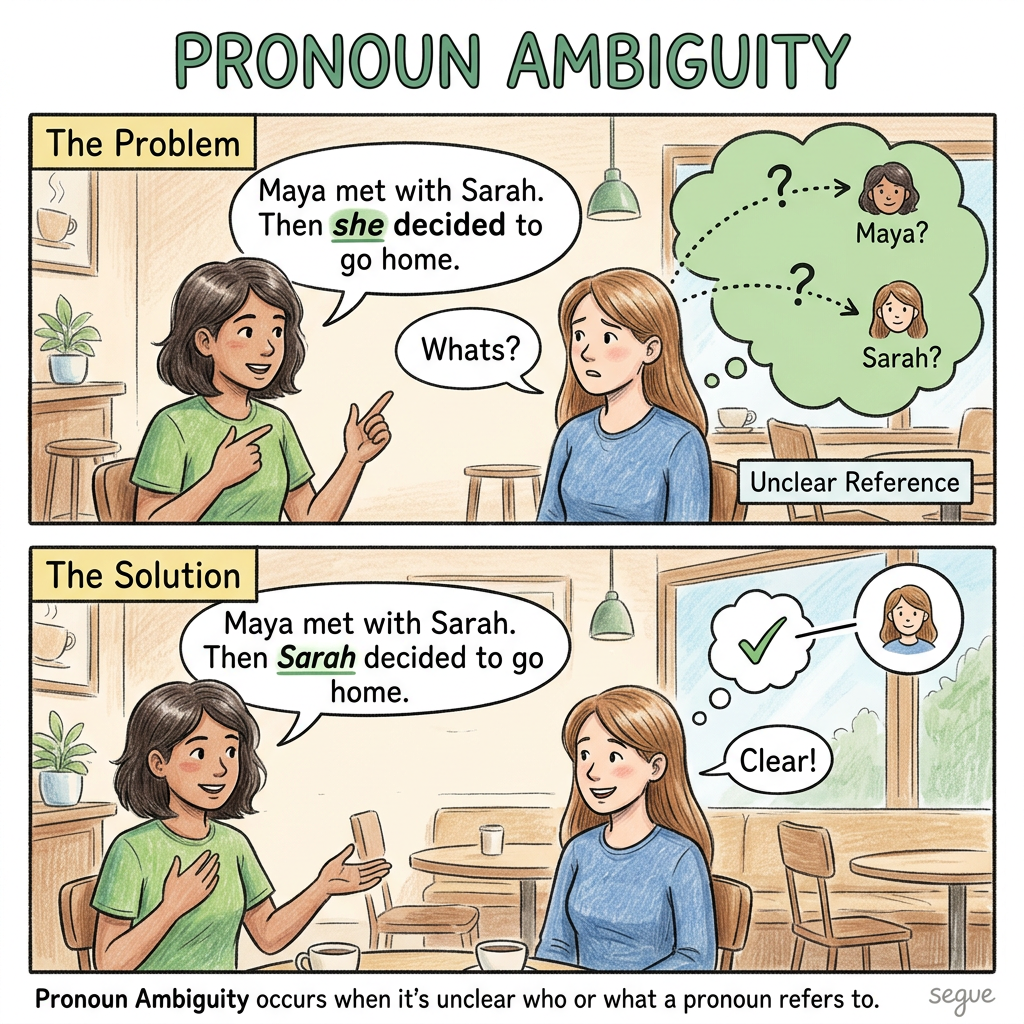
pronoun ambiguity
/ˈproʊnaʊn ˌæmbɪˈɡjuːɪti/unclear antecedent for a pronoun
“John told Mike he was wrong. (Who was wrong—John or Mike?)”
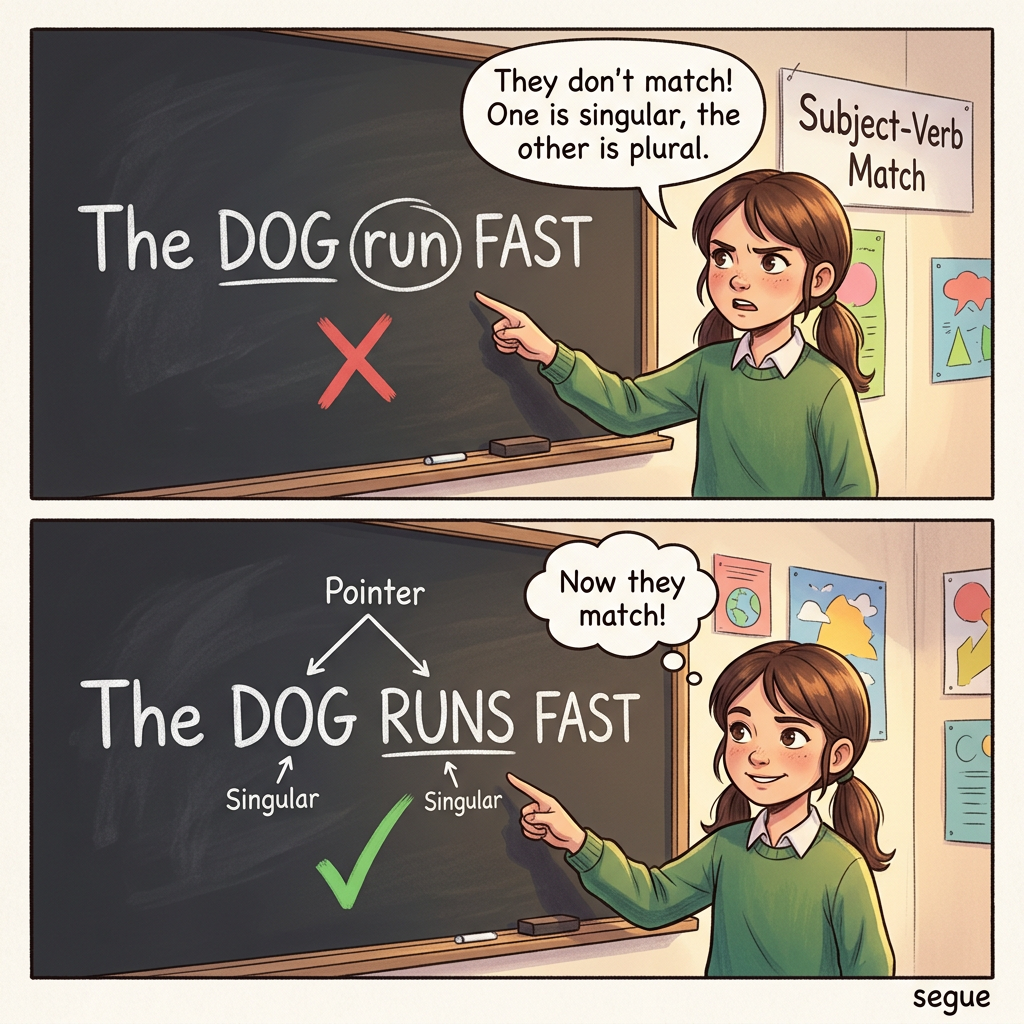
subject-verb disagreement
/ˌsʌbdʒɪkt ˌvɜːrb dɪsəˈɡriːmənt/mismatch between subject and verb number
“The list of items are long. (Should be 'is'—list is singular.)”
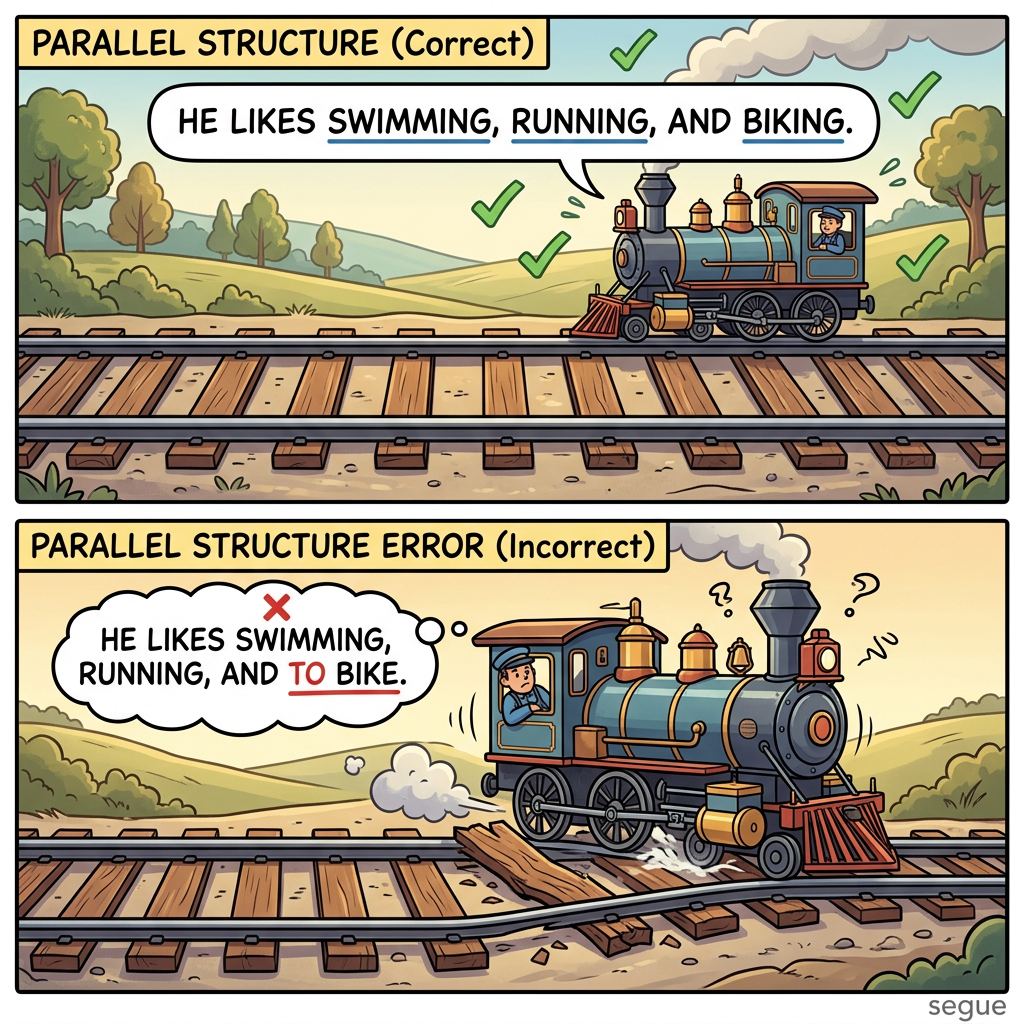
parallel structure error
/ˌpærəlel ˈstrʌktʃər ˌerər/breaking parallelism in a series
“She likes hiking, to swim, and runs. (Should be: hiking, swimming, and running.)”
More from The Writer's Craft
Explore other vocabulary categories in this collection.