Loading collection...
✨
Generative AI Vocabulary
Terms related to generative AI and large language models
22 words
All 22 Words
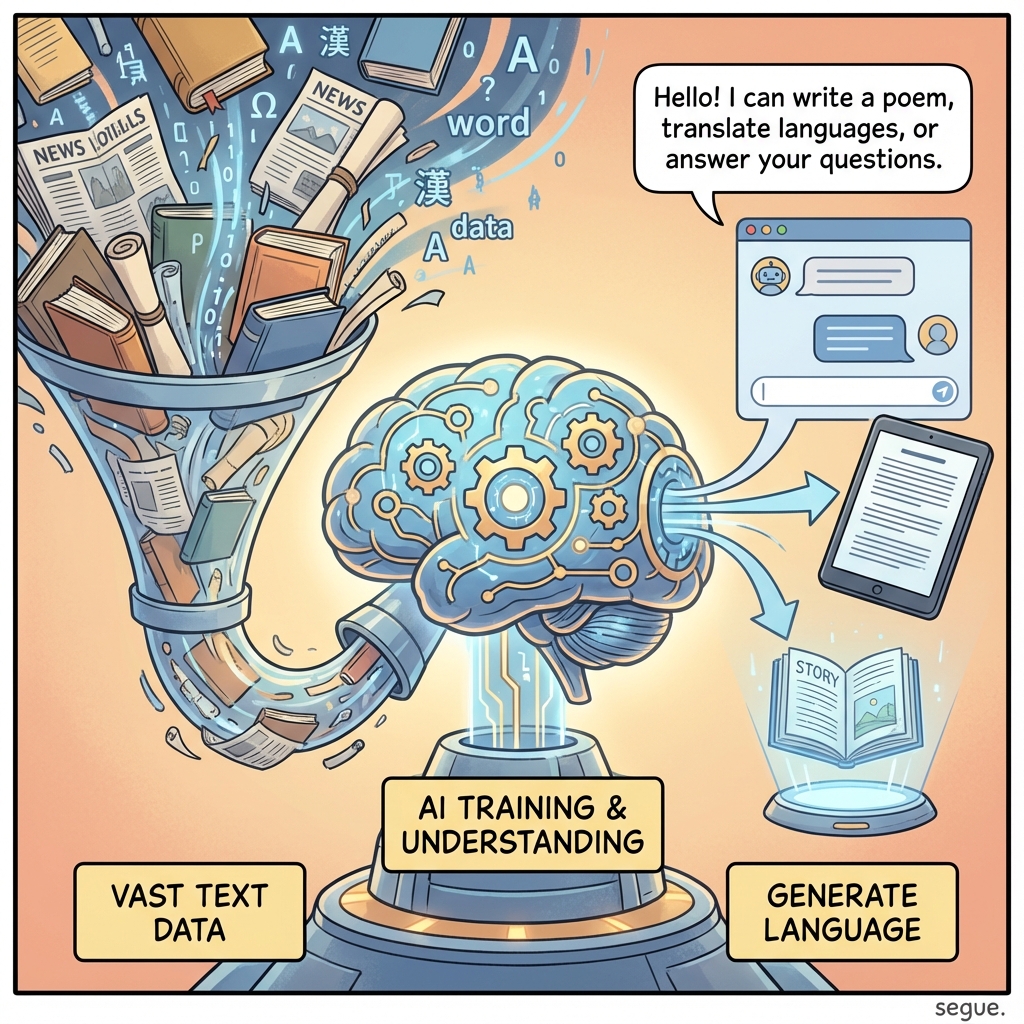
large language model
/ˌlɑːrdʒ ˈlæŋɡwɪdʒ ˌmɒdəl/An AI trained on vast text data to understand and generate language
“Large language models can write essays, code, and answer complex questions.”
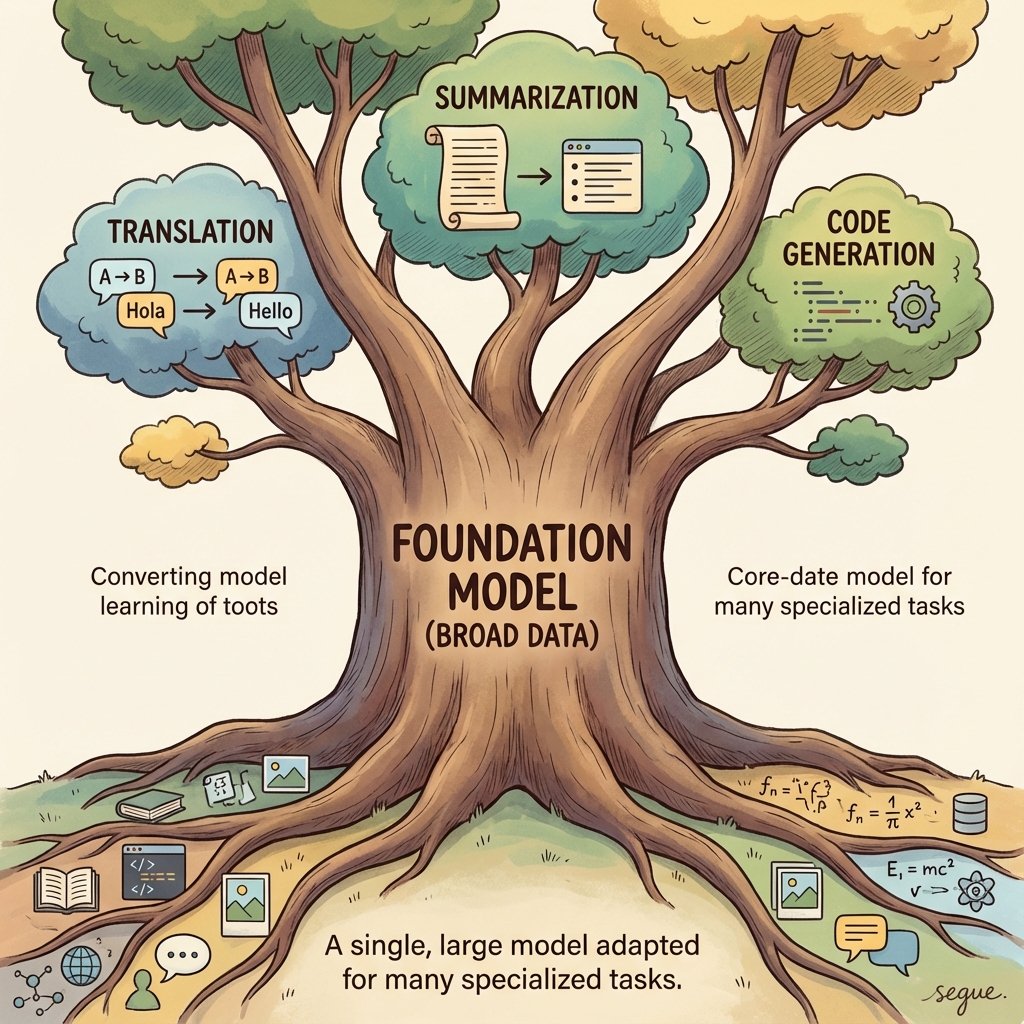
foundation model
/faʊnˈdeɪʃən ˌmɒdəl/A large model trained on broad data that can be adapted to many tasks
“Foundation models serve as the base for numerous downstream applications.”
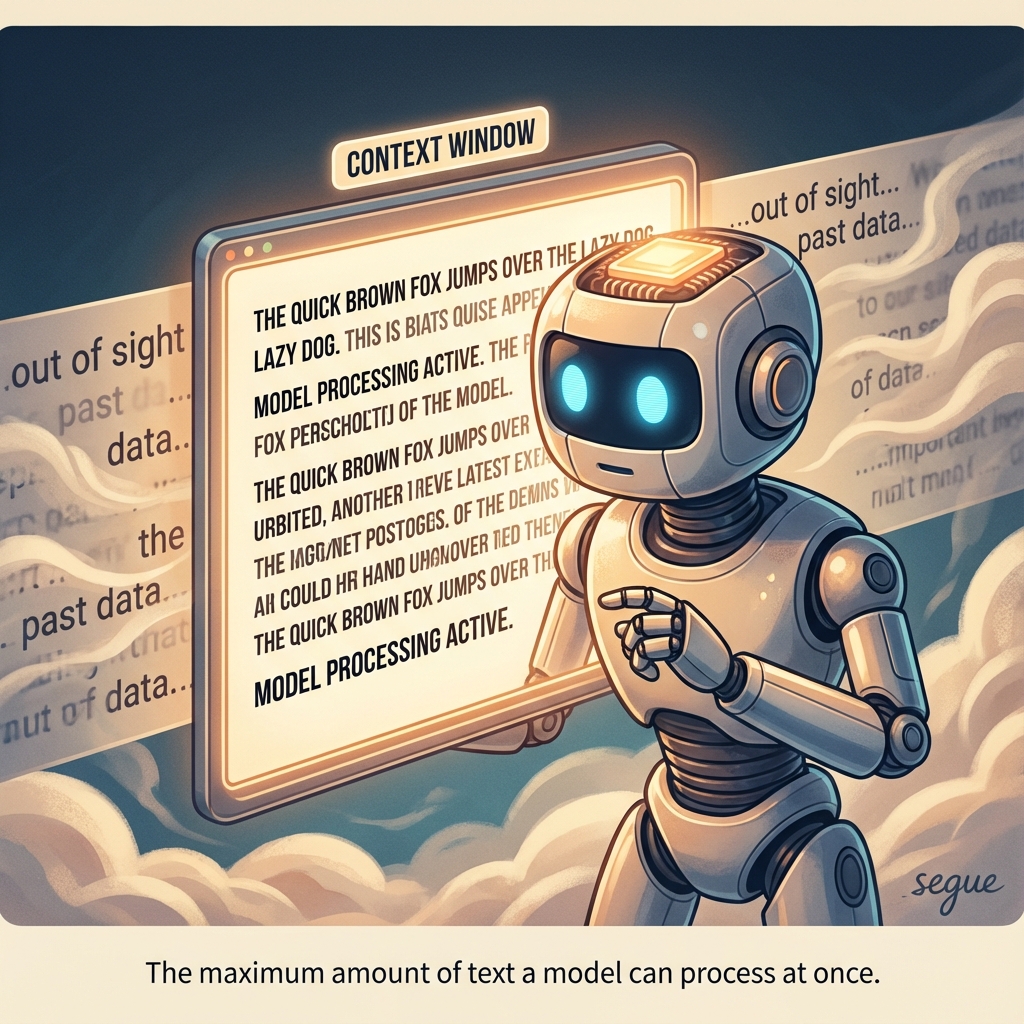
context window
/ˈkɒntekst ˌwɪndoʊ/The amount of text a model can consider at once
“The expanded context window allows processing entire documents.”
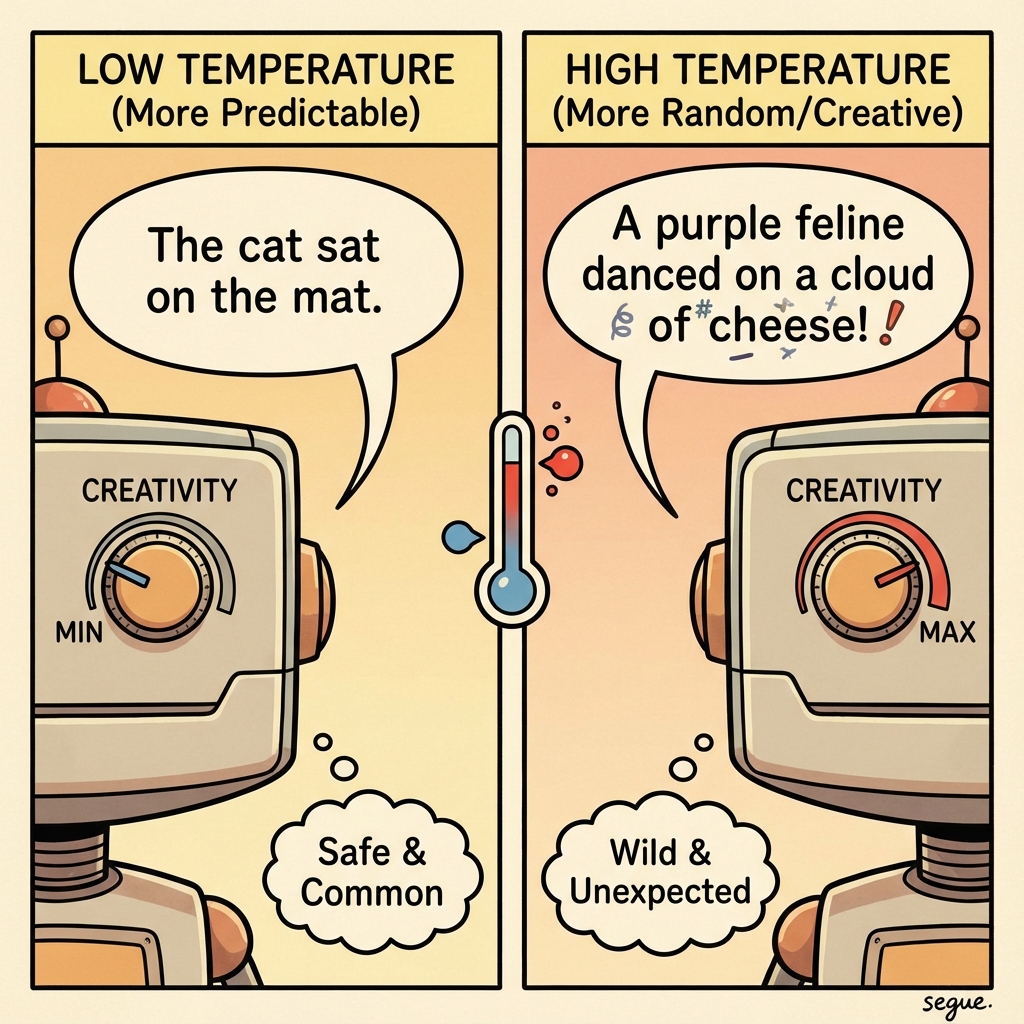
temperature
/ˈtɛmpɝətʃɝ/A parameter controlling randomness in AI outputs
“Lower temperature produces more deterministic and focused responses.”
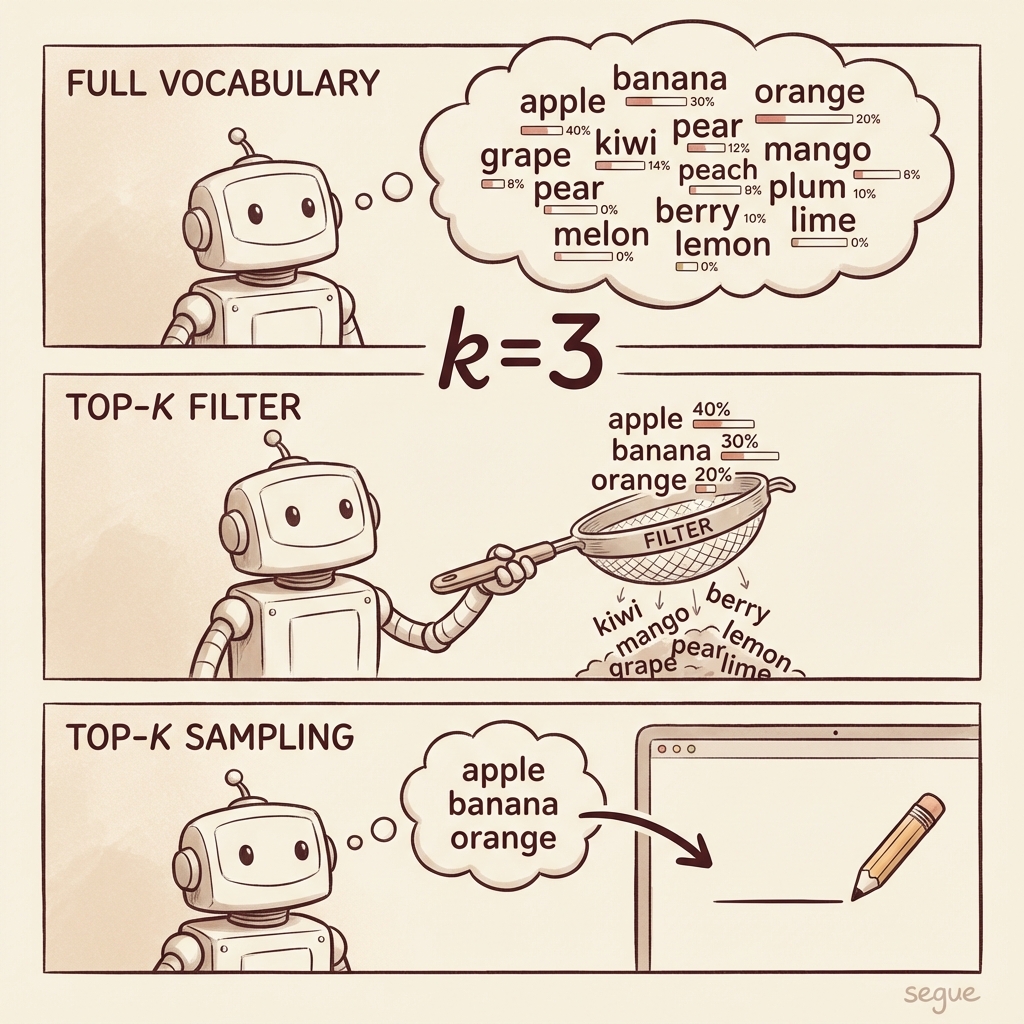
top-k sampling
/ˌtɒp ˈkeɪ ˌsæmplɪŋ/Limiting word choices to the k most likely options
“Top-k sampling prevents the model from choosing unlikely tokens.”
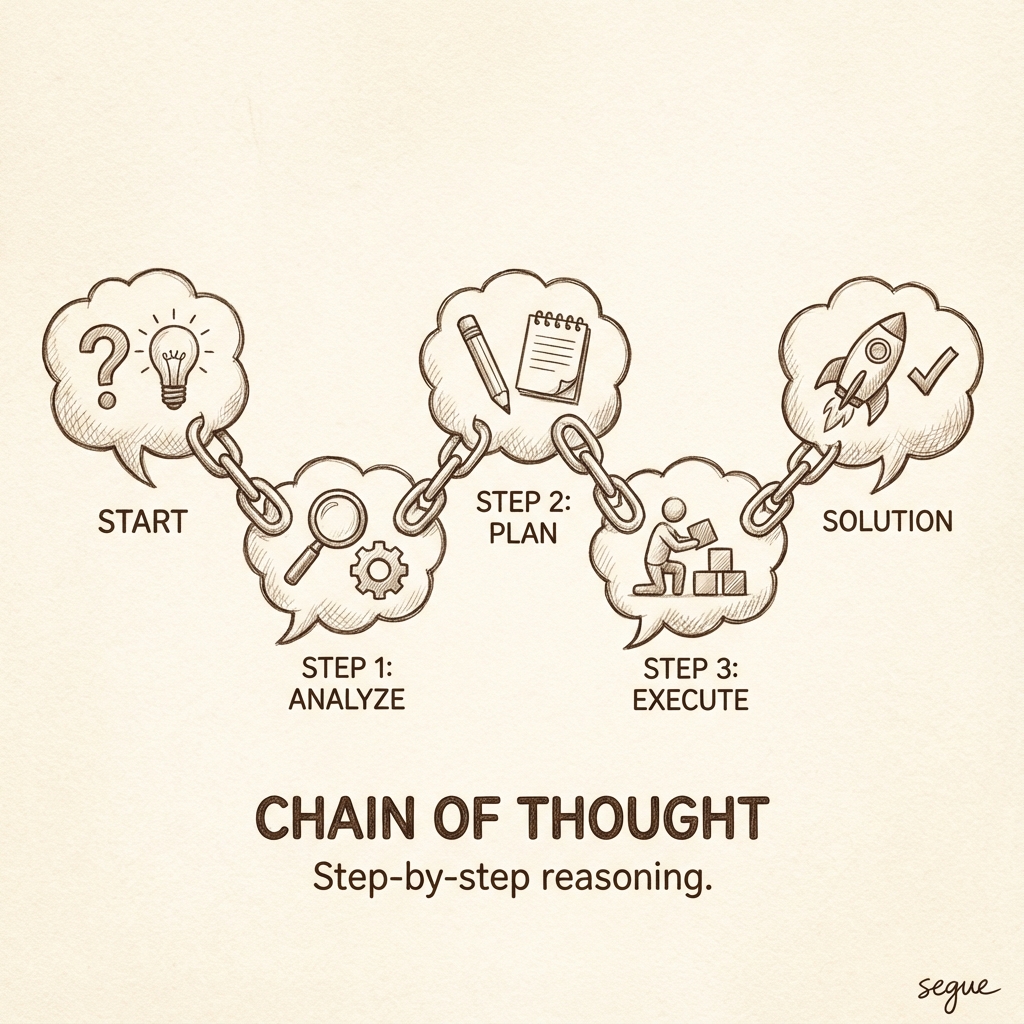
chain of thought
/ˌtʃeɪn əv ˈθɔːt/Prompting technique that encourages step-by-step reasoning
“Chain of thought prompting improved the model's problem-solving accuracy.”
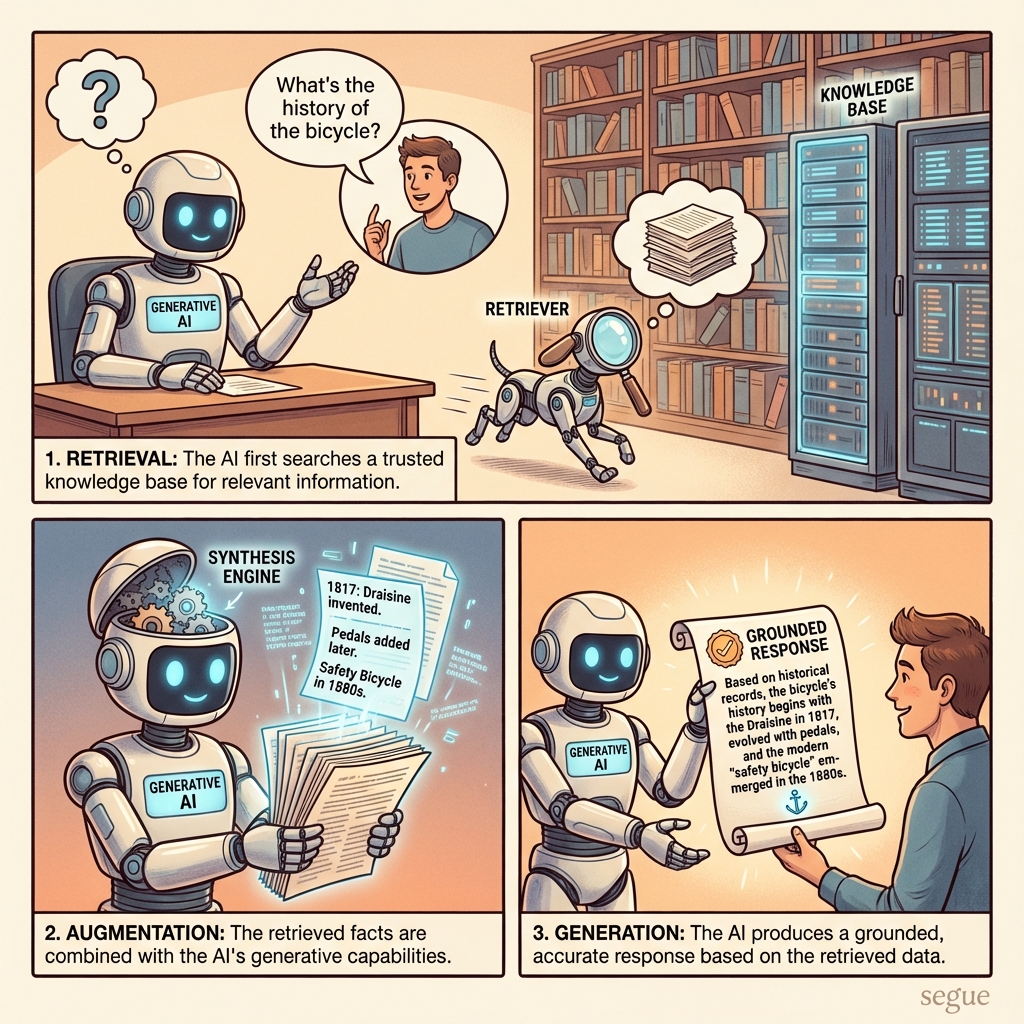
retrieval augmented generation
/rɪˌtriːvəl ˌɔːɡˌmentɪd ˌdʒenəˈreɪʃən/Combining search results with generative AI for grounded responses
“Retrieval augmented generation reduces hallucinations by citing sources.”
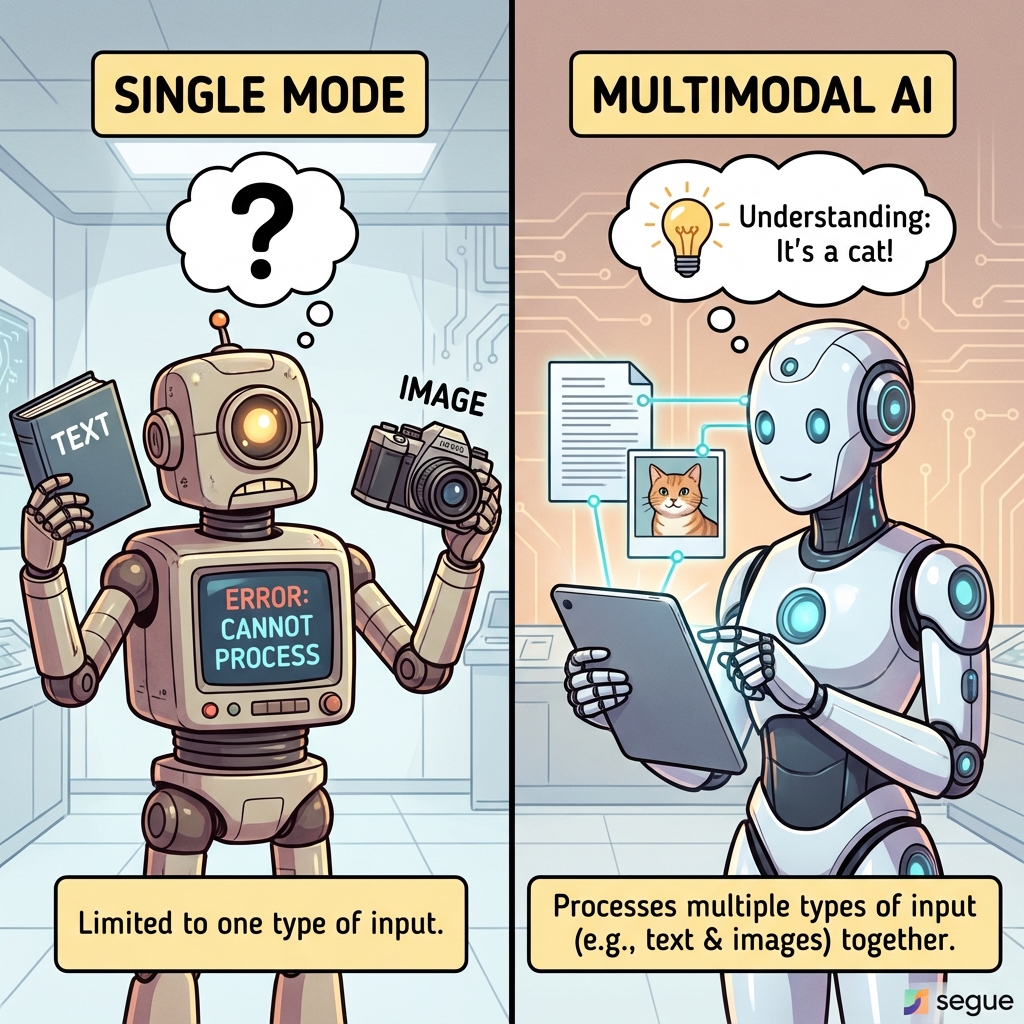
multimodal
/ˌmʌltiˈmoʊdəl/AI capable of processing multiple types of input like text and images
“Multimodal models can describe images and answer questions about them.”
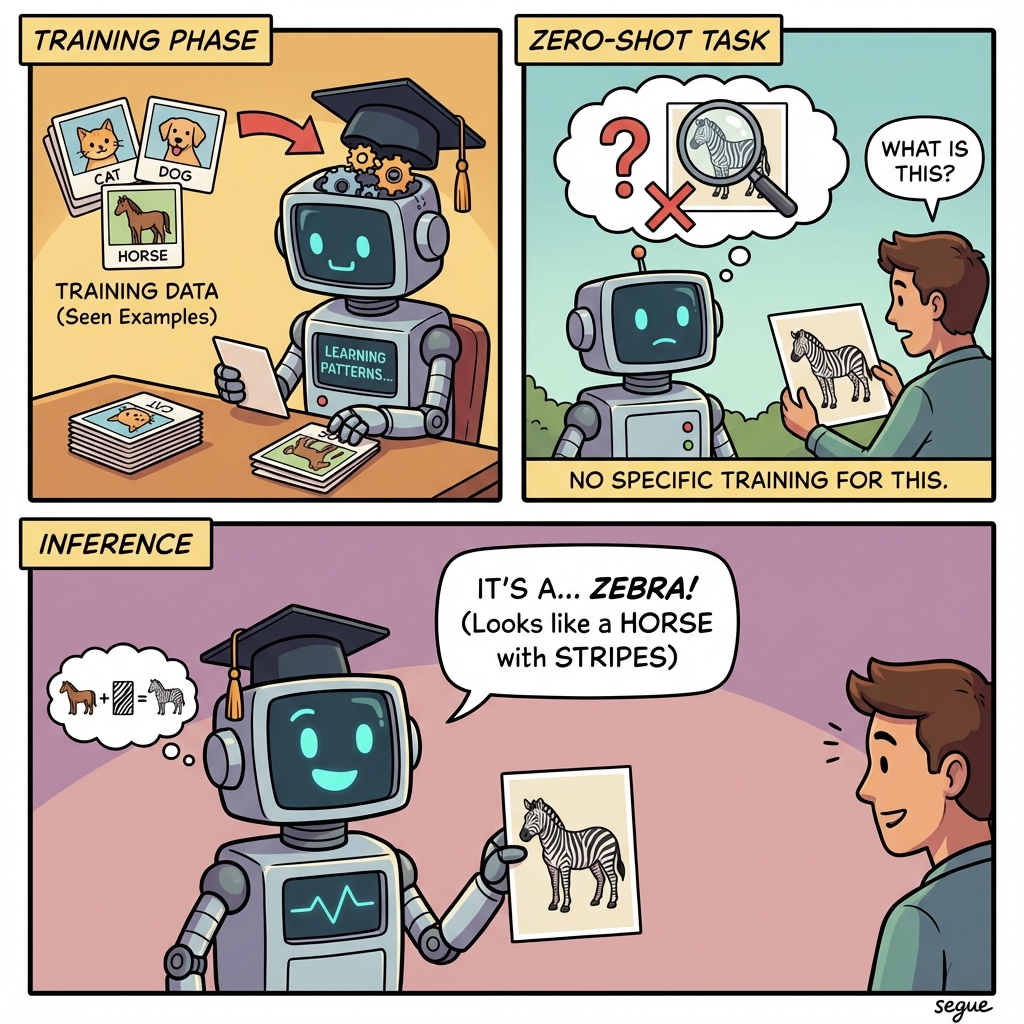
zero-shot learning
/ˈzɪəroʊ ʃɒt ˌlɜːrnɪŋ/Performing tasks without any task-specific training examples
“Zero-shot learning enables the model to classify categories it hasn't seen.”
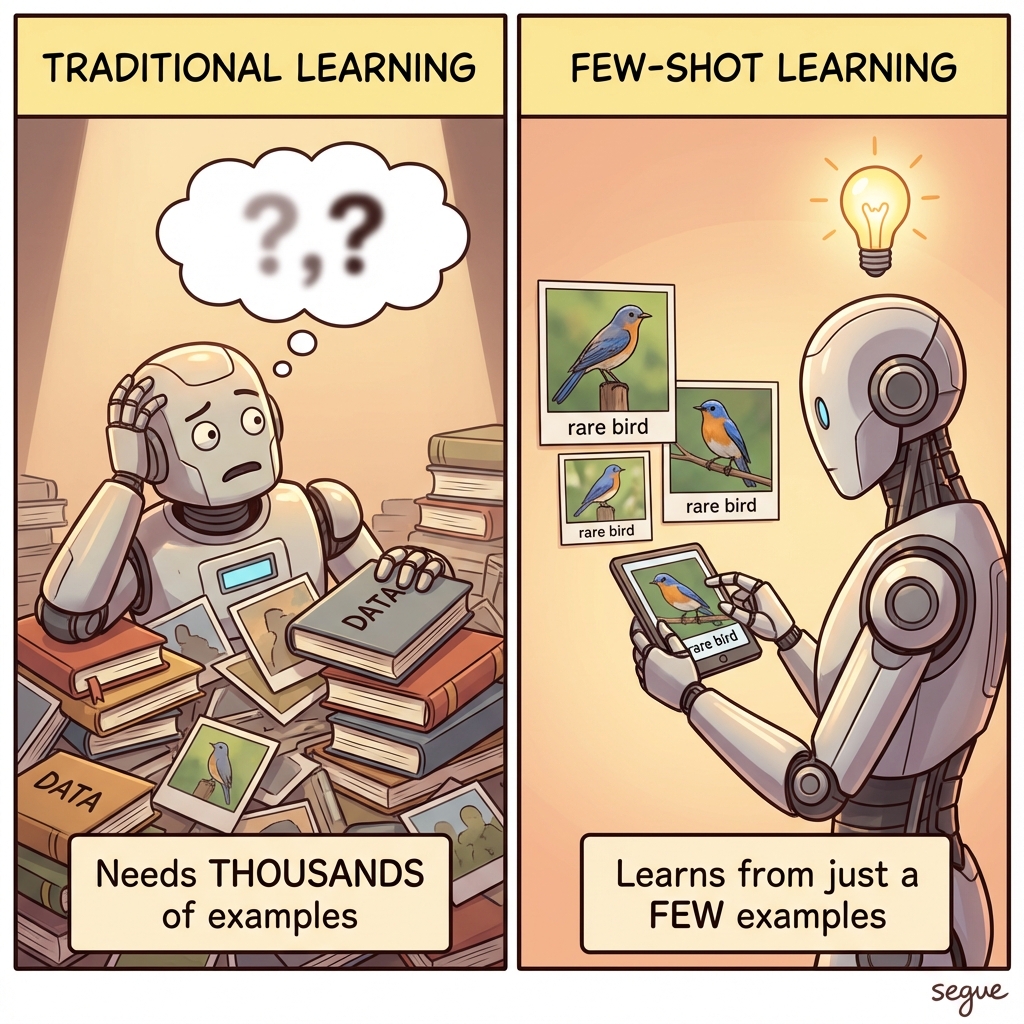
few-shot learning
/ˌfjuː ʃɒt ˈlɜːrnɪŋ/Learning from just a handful of examples
“Few-shot learning adapted the model using only five examples per category.”
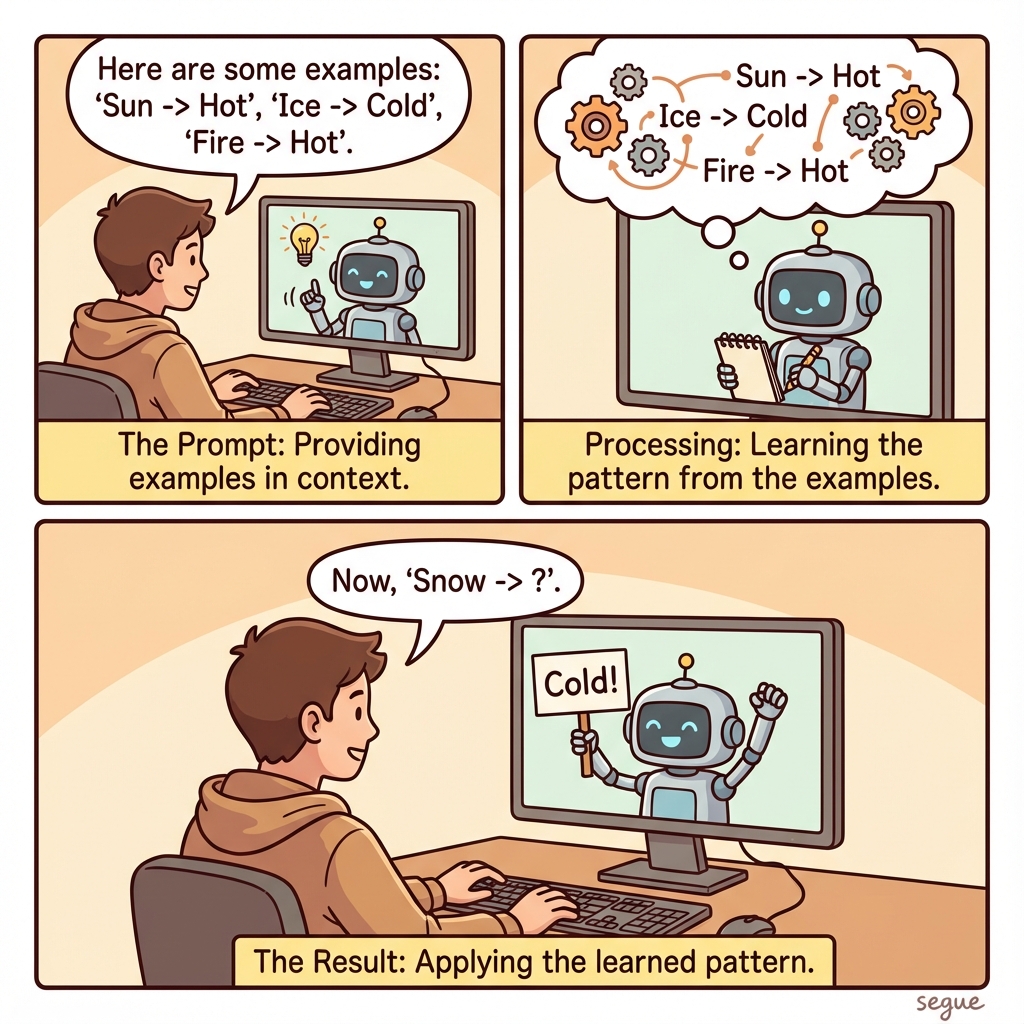
in-context learning
/ˌɪn ˈkɒntekst ˌlɜːrnɪŋ/Learning patterns from examples provided in the prompt
“In-context learning allows customization without retraining the model.”
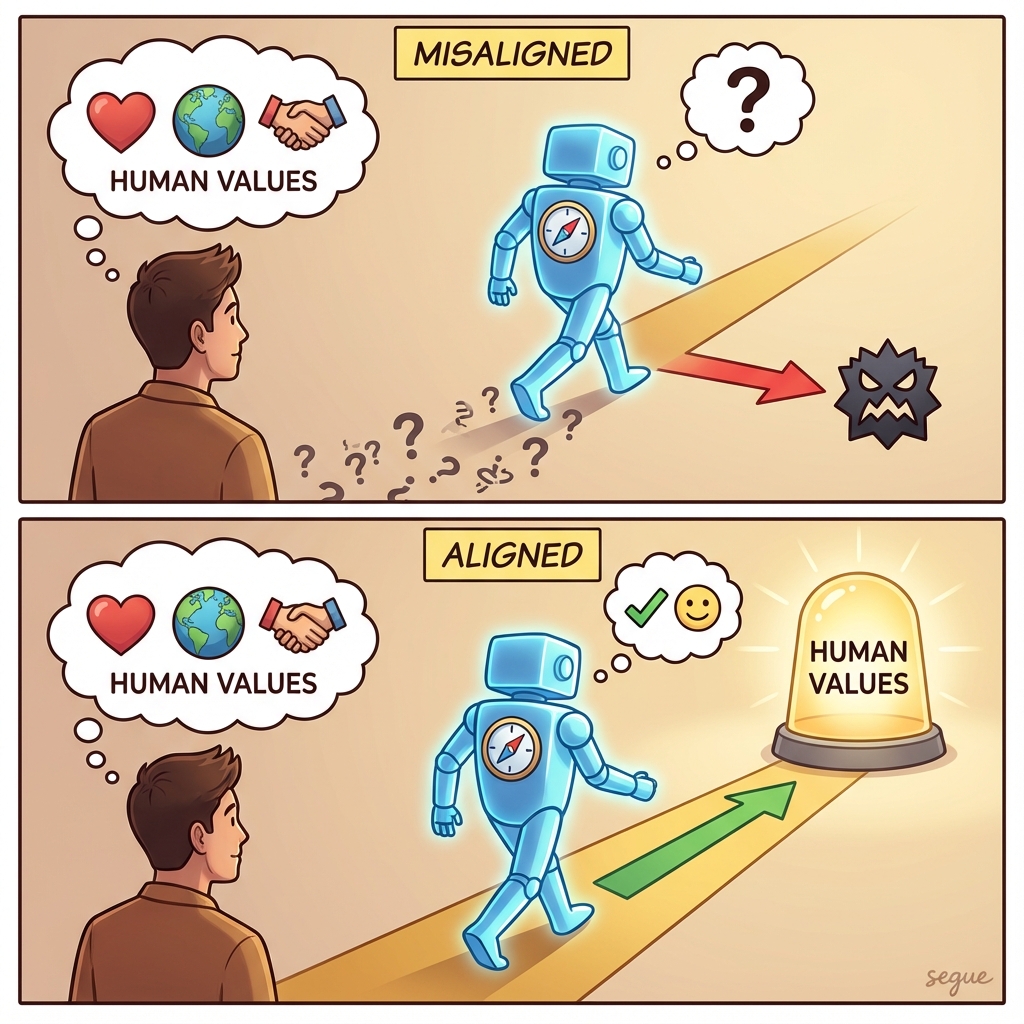
alignment
/əˈɫaɪnmənt/Ensuring AI behavior matches human values and intentions
“Alignment research focuses on making AI systems safe and beneficial.”
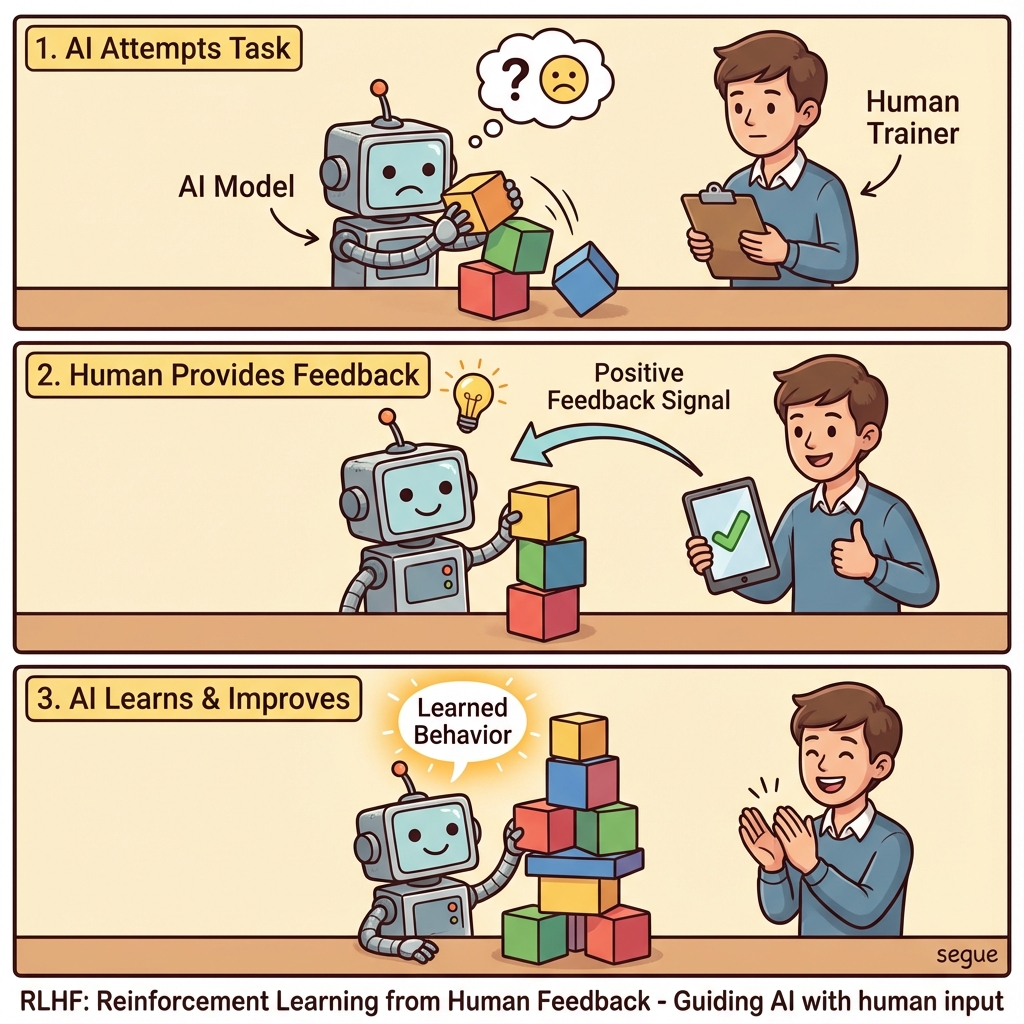
RLHF
/ˌɑːr el eɪtʃ ˈef/Reinforcement Learning from Human Feedback for training AI
“RLHF helped the model produce more helpful and harmless responses.”
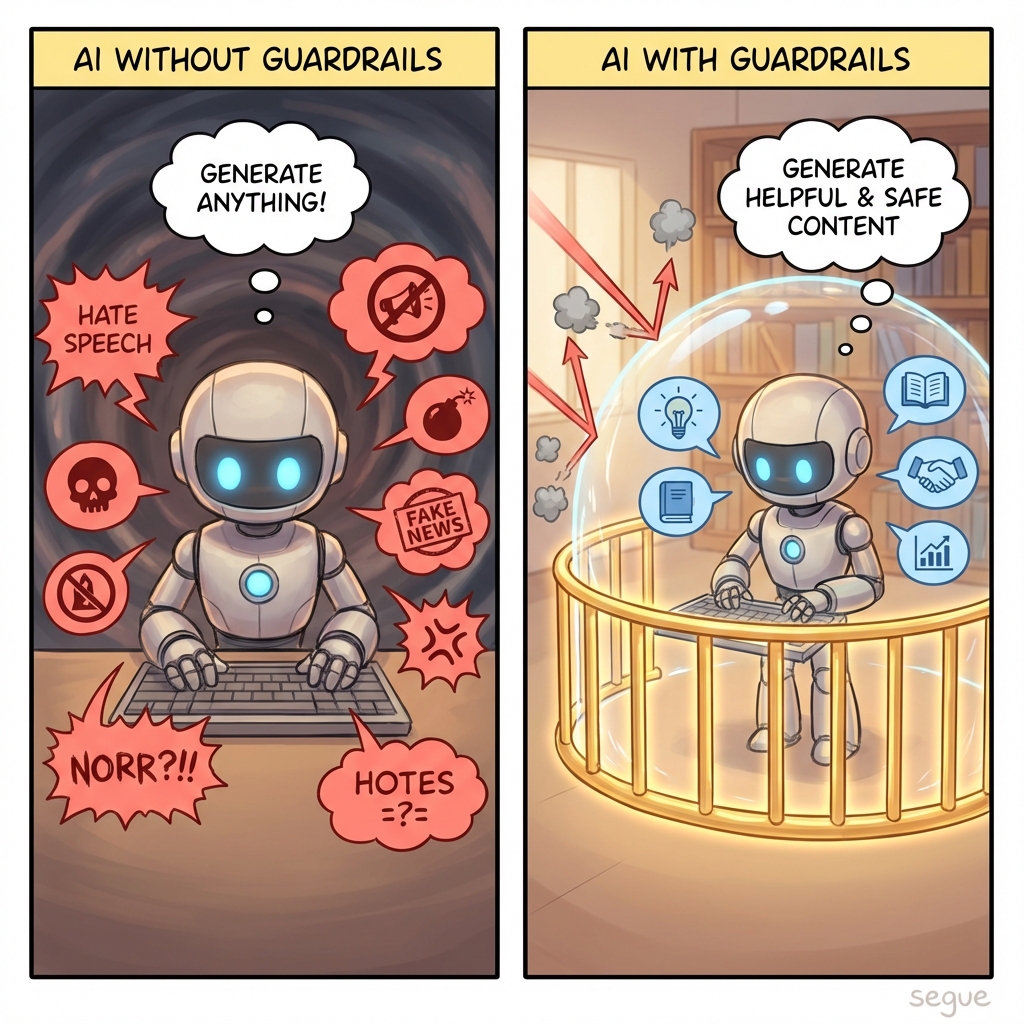
guardrails
/ˈɡɑɹˌdɹeɪɫz/Constraints preventing AI from producing harmful outputs
“Guardrails block the model from generating dangerous content.”
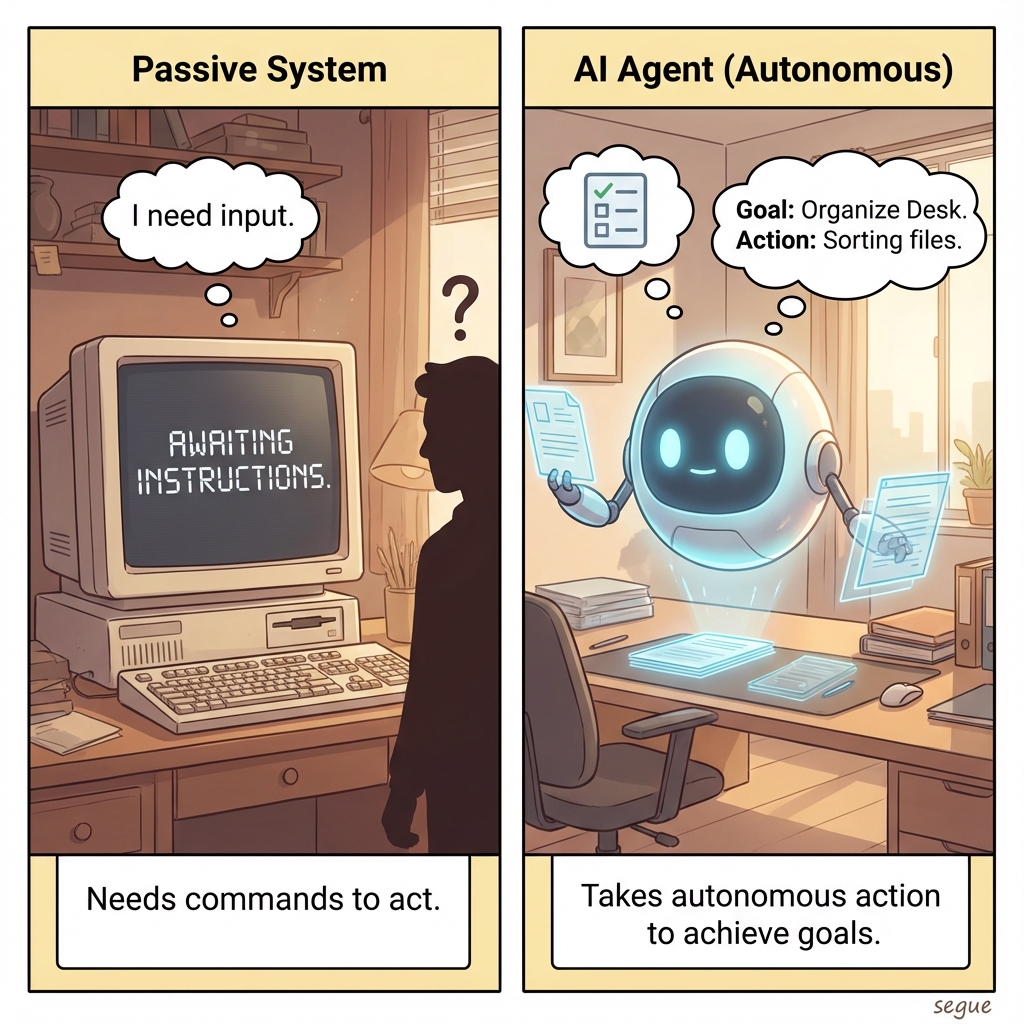
agent
/ˈeɪdʒənt/An AI system that can take actions autonomously to achieve goals
“The AI agent booked flights and hotels to complete the travel planning task.”
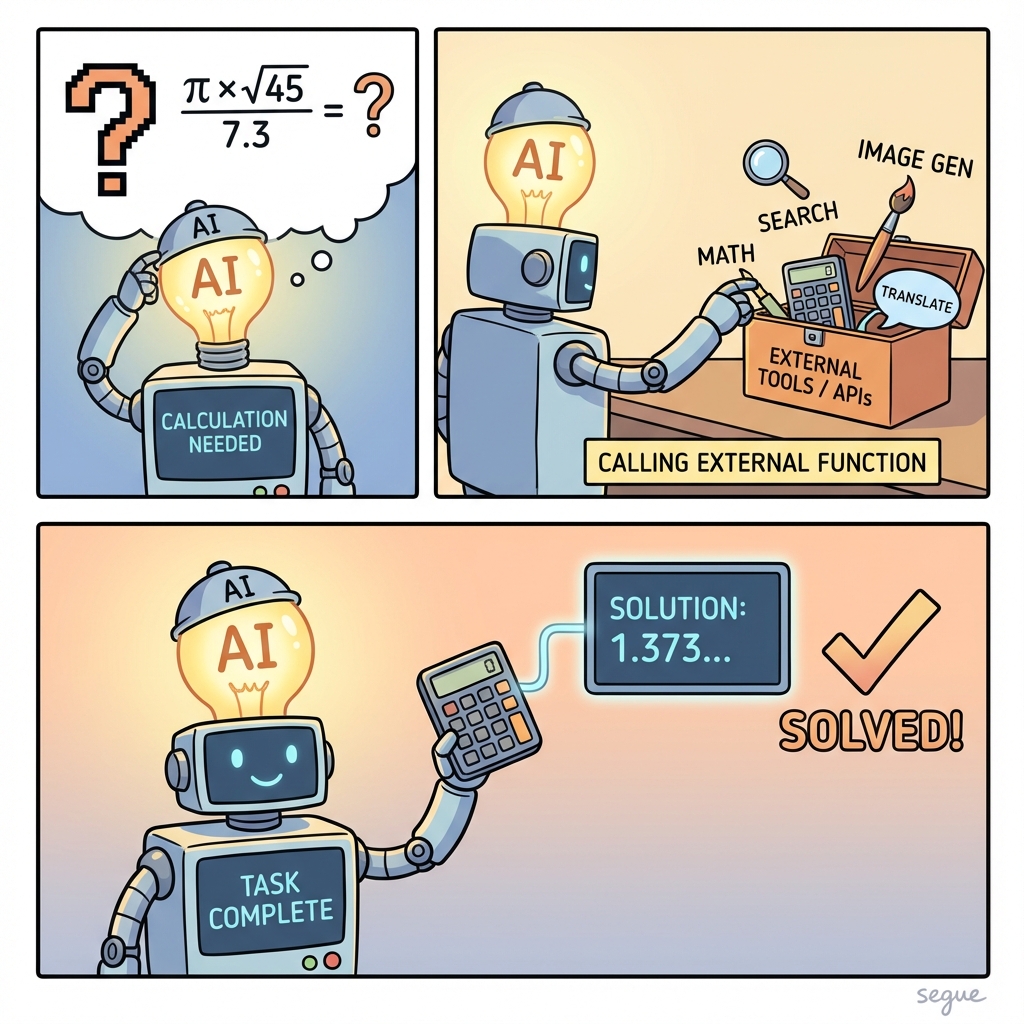
tool use
/ˈtuːl ˌjuːs/AI capability to invoke external functions or APIs
“Tool use enables the model to search the web and run calculations.”
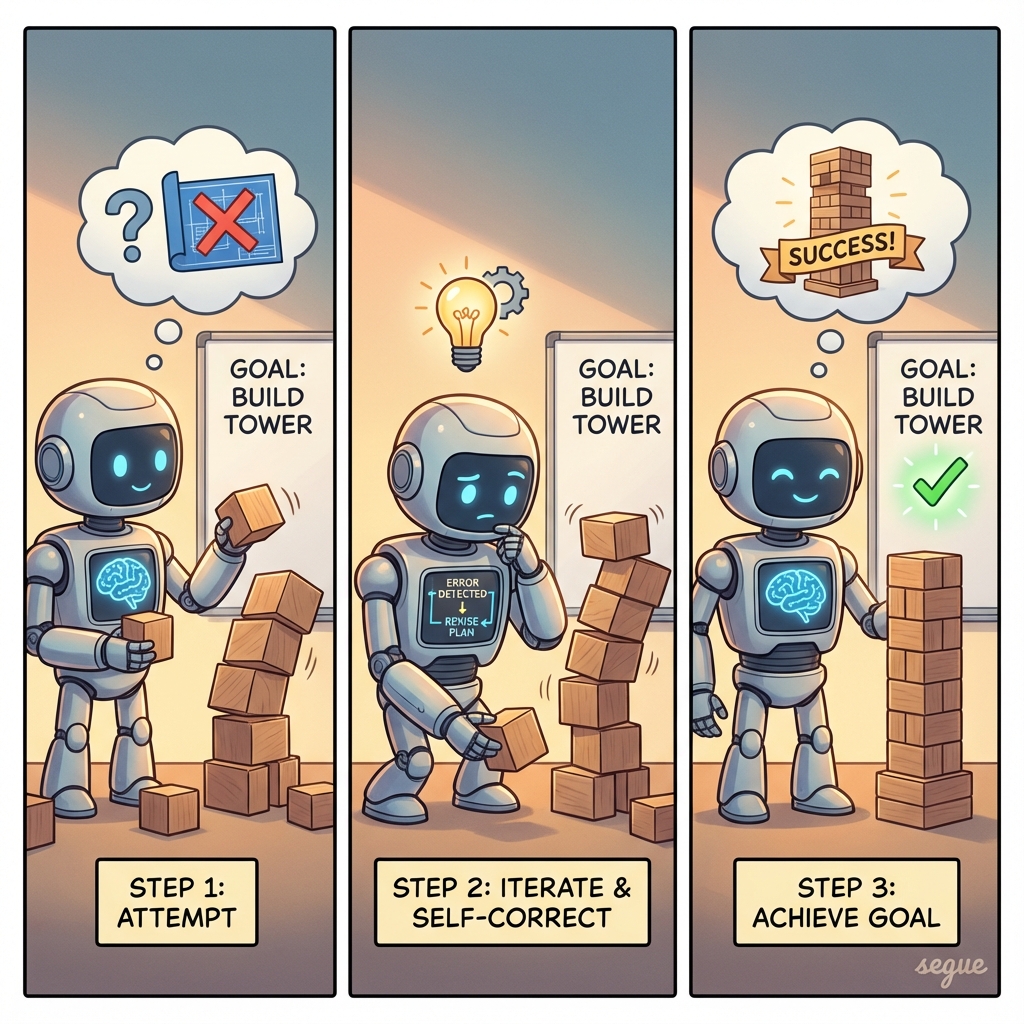
agentic workflow
Multi-step AI processes that iterate and self-correct
“The agentic workflow reviewed and revised its own code until tests passed.”
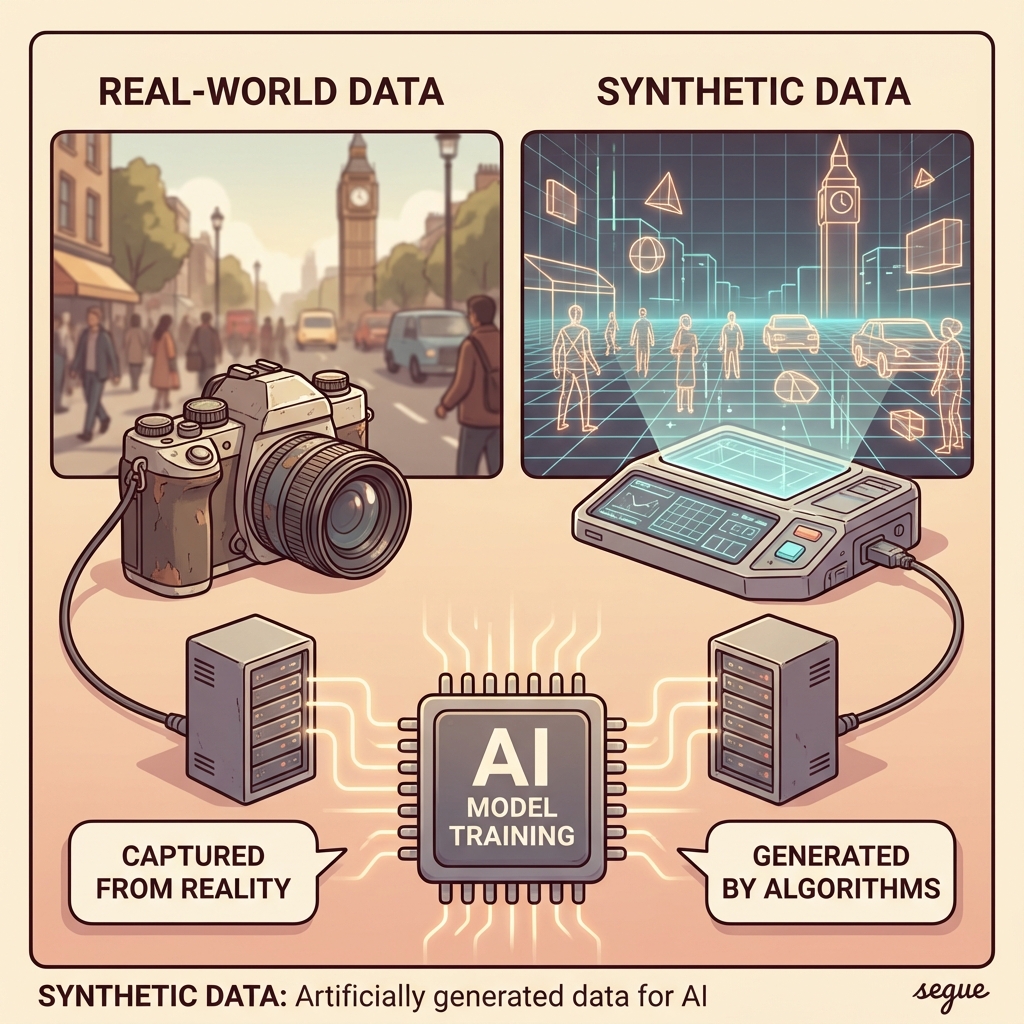
synthetic data
/sɪnˌθetɪk ˈdeɪtə/Artificially generated data used for training AI models
“Synthetic data augmented our limited real-world examples.”
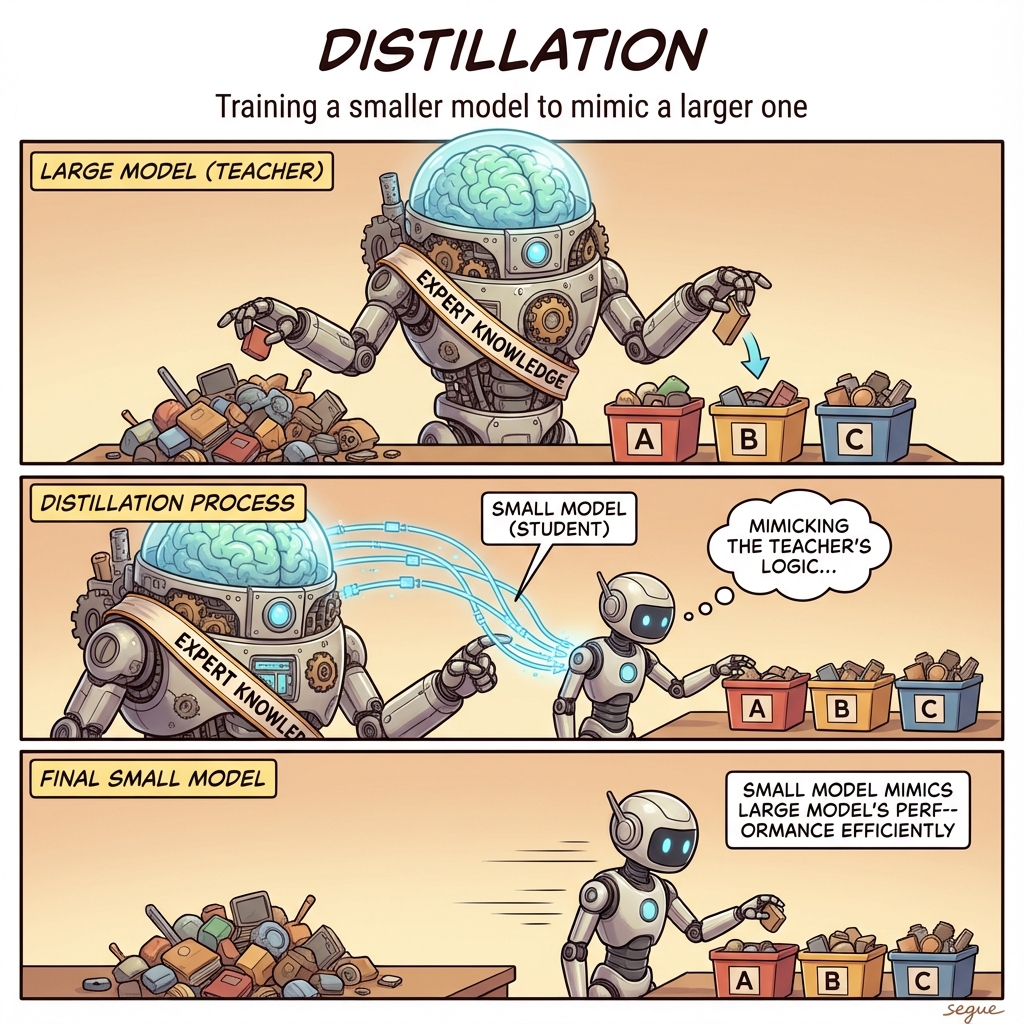
distillation
/ˌdɪstəˈɫeɪʃən/Training a smaller model to mimic a larger one
“Model distillation created a faster version suitable for mobile devices.”
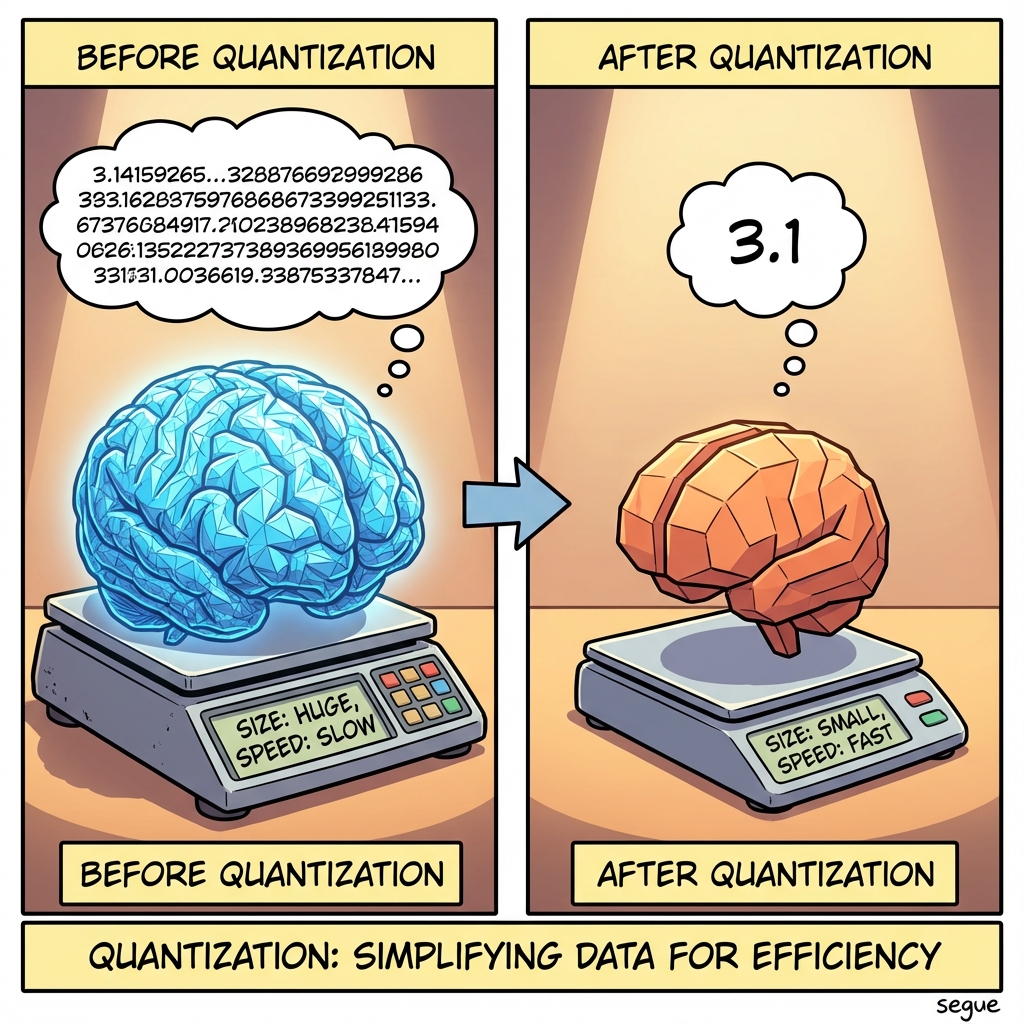
quantization
/ˌkwɒntaɪˈzeɪʃən/Reducing model precision to decrease size and increase speed
“Quantization made the model run efficiently on consumer hardware.”

latent space
/ˈleɪtənt ˌspeɪs/A representation of compressed data
“The model maps images to points in a latent space.”
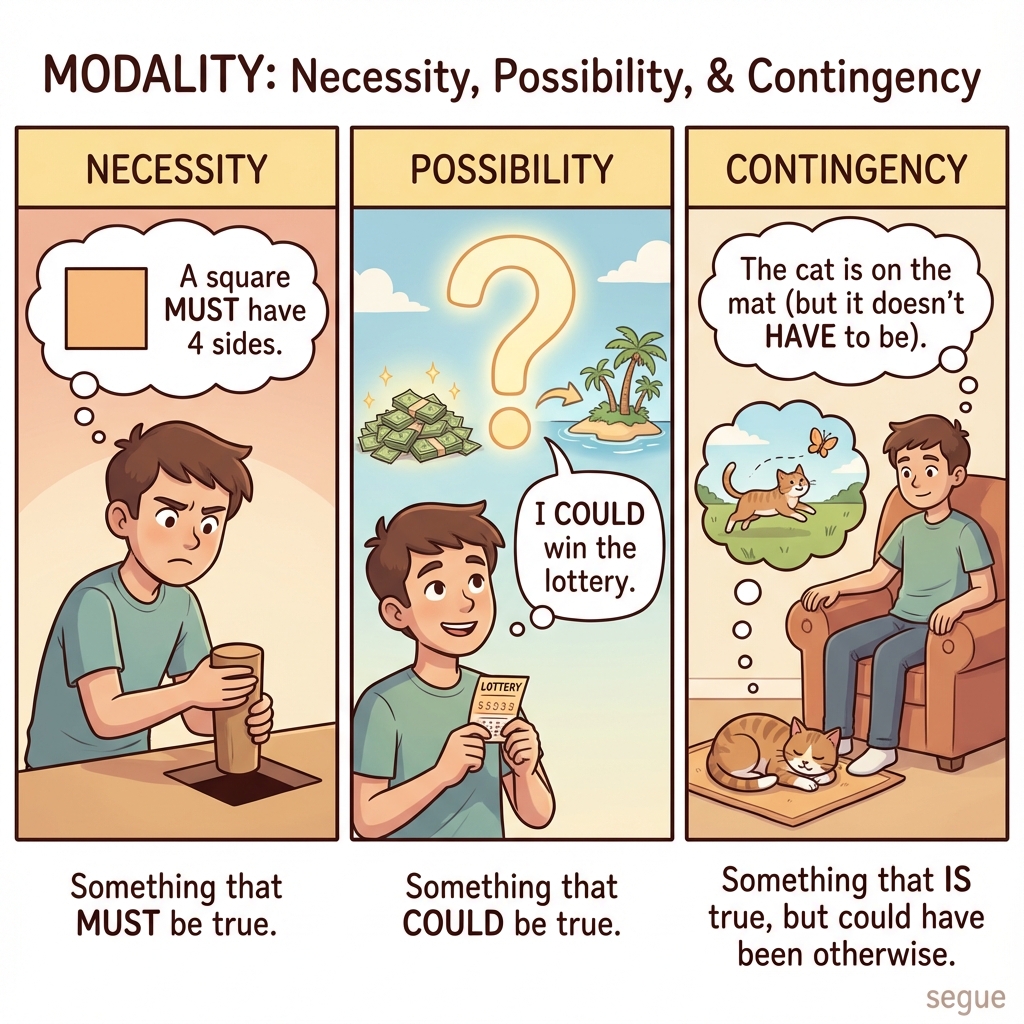
modality
/məˈdæɫəti/A particular mode in which something exists or is experienced or expressed
“The model supports text and image modalities.”
More from Professional & Legal
Explore other vocabulary categories in this collection.