Loading collection...
🎩
Formal Vocabulary Vocabulary
Elevated words for formal writing and professional contexts
22 words
All 22 Words

promulgate
/pɹoʊˈməɫɡeɪt/to make widely known; to put into effect officially
“The government promulgated new regulations.”
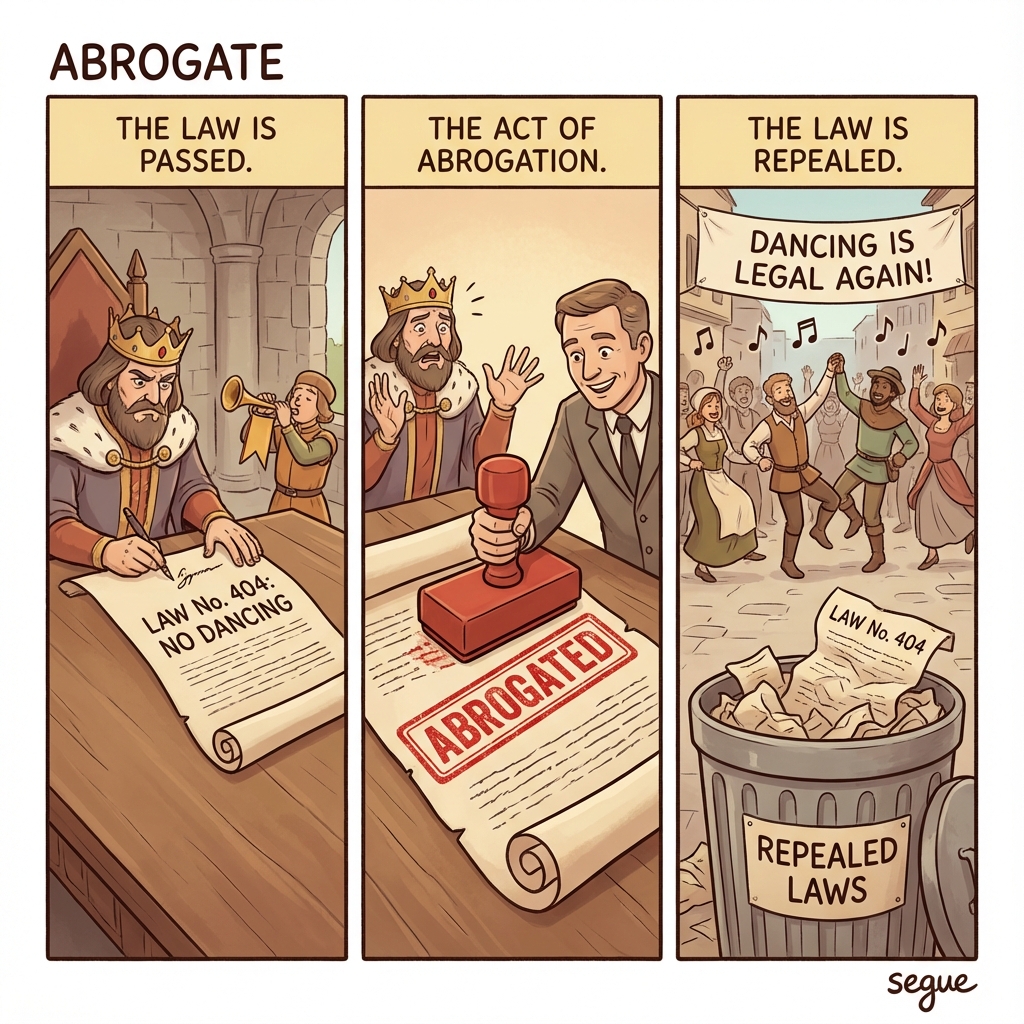
abrogate
/ˈæbɹəˌɡeɪt/to repeal or do away with
“The treaty was abrogated by the new administration.”
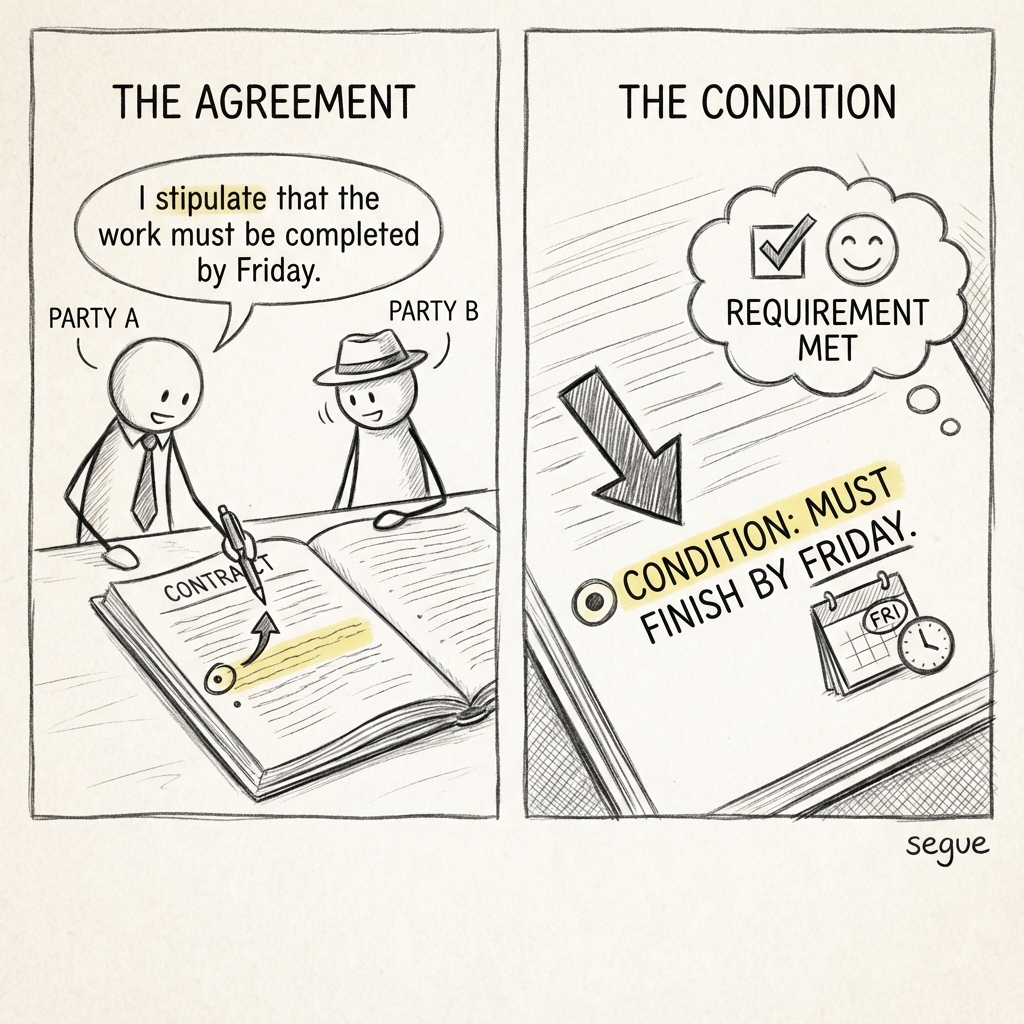
stipulate
/ˈstɪpjəˌɫeɪt/to demand or specify as part of an agreement
“The contract stipulates a 30-day notice period.”
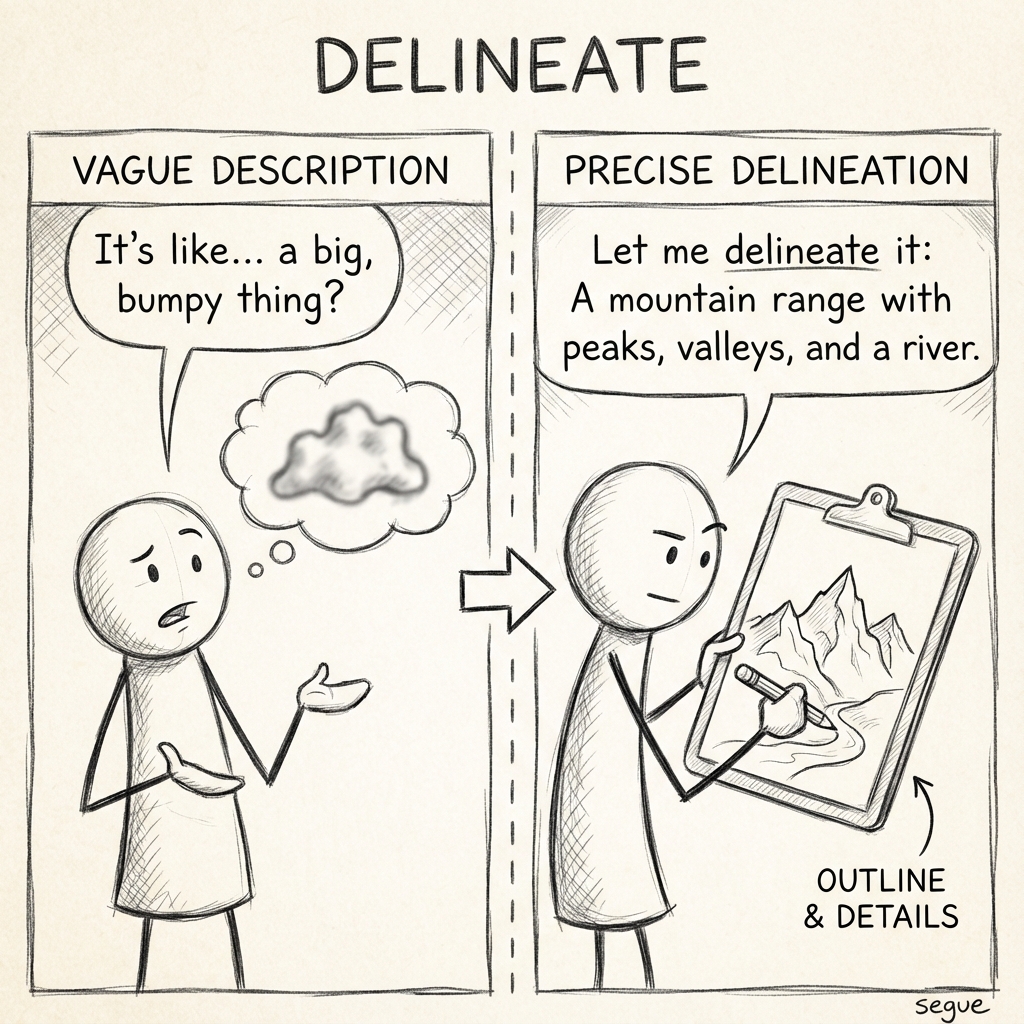
delineate
/dɪˈɫɪniˌeɪt/to describe or portray precisely
“The report delineates the scope of the project.”

enumerate
/ɪˈnumɝˌeɪt/to mention one by one; to count
“The document enumerates the rights of citizens.”

expedite
/ˈɛkspɪˌdaɪt/to make an action happen sooner or faster
“They hired extra staff to expedite processing.”

facilitate
/fəˈsɪɫəˌteɪt/to make an action or process easier
“The new system will facilitate communication.”

implement
/ˈɪmpɫəmənt/to put into effect; to carry out
“The company will implement changes next quarter.”

inaugurate
/ɪˈnɔɡjɝeɪt/to begin or introduce a system or policy
“The president inaugurated a new era of diplomacy.”

initiate
/ˌɪˈnɪʃiˌeɪt/to cause something to begin
“She initiated the investigation.”

procure
/pɹoʊkˈjʊɹ/to obtain something, especially with effort
“They procured the necessary supplies.”
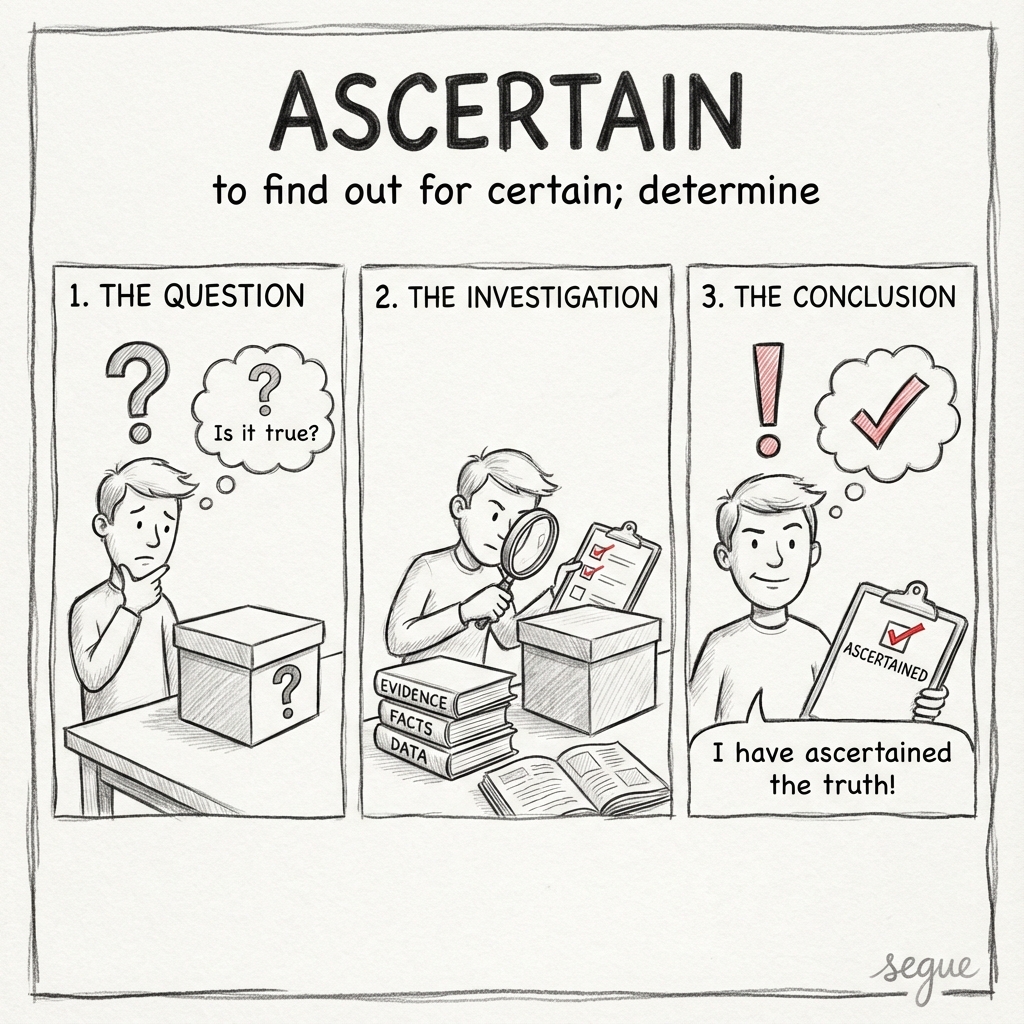
ascertain
/ˌæsɝˈteɪn/to find out for certain; to make sure of
“We need to ascertain the facts before proceeding.”
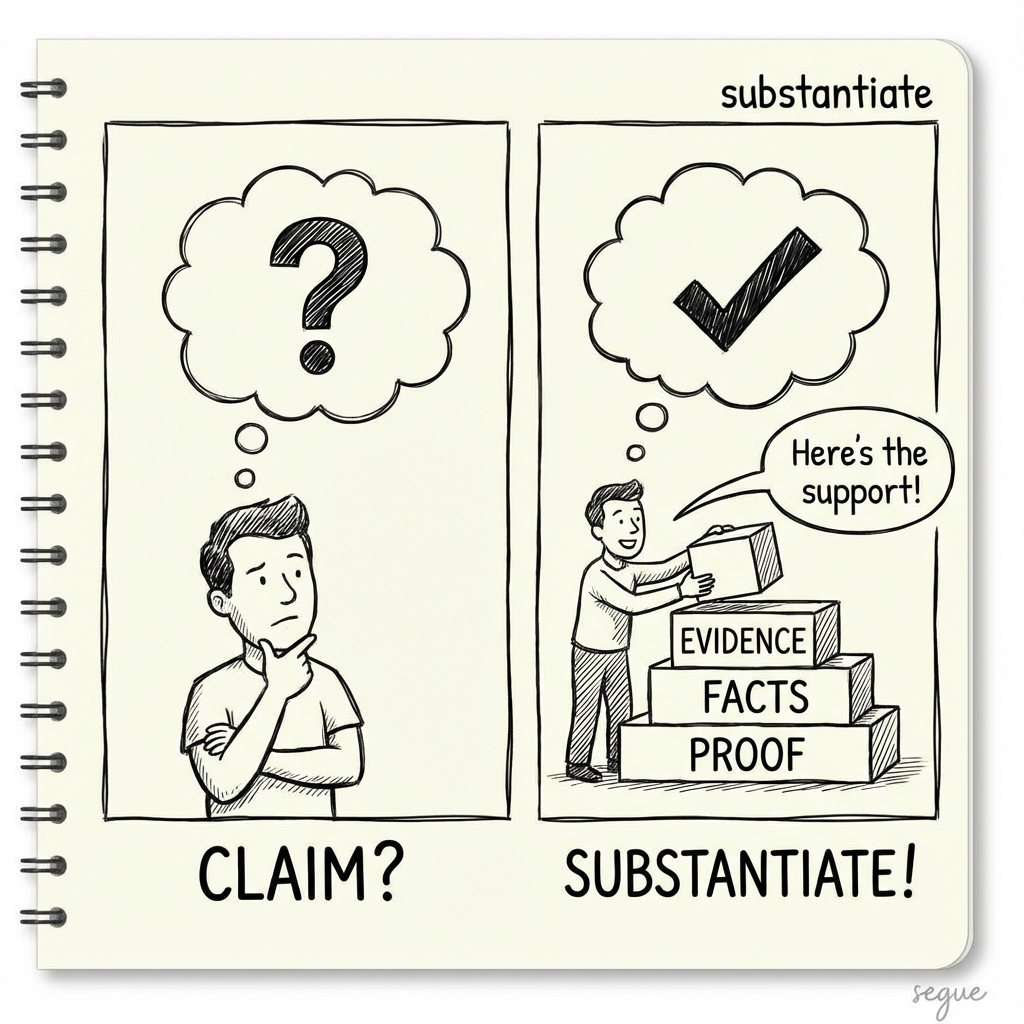
substantiate
/səbˈstænʃiˌeɪt/to provide evidence to support a claim
“You must substantiate your allegations with proof.”
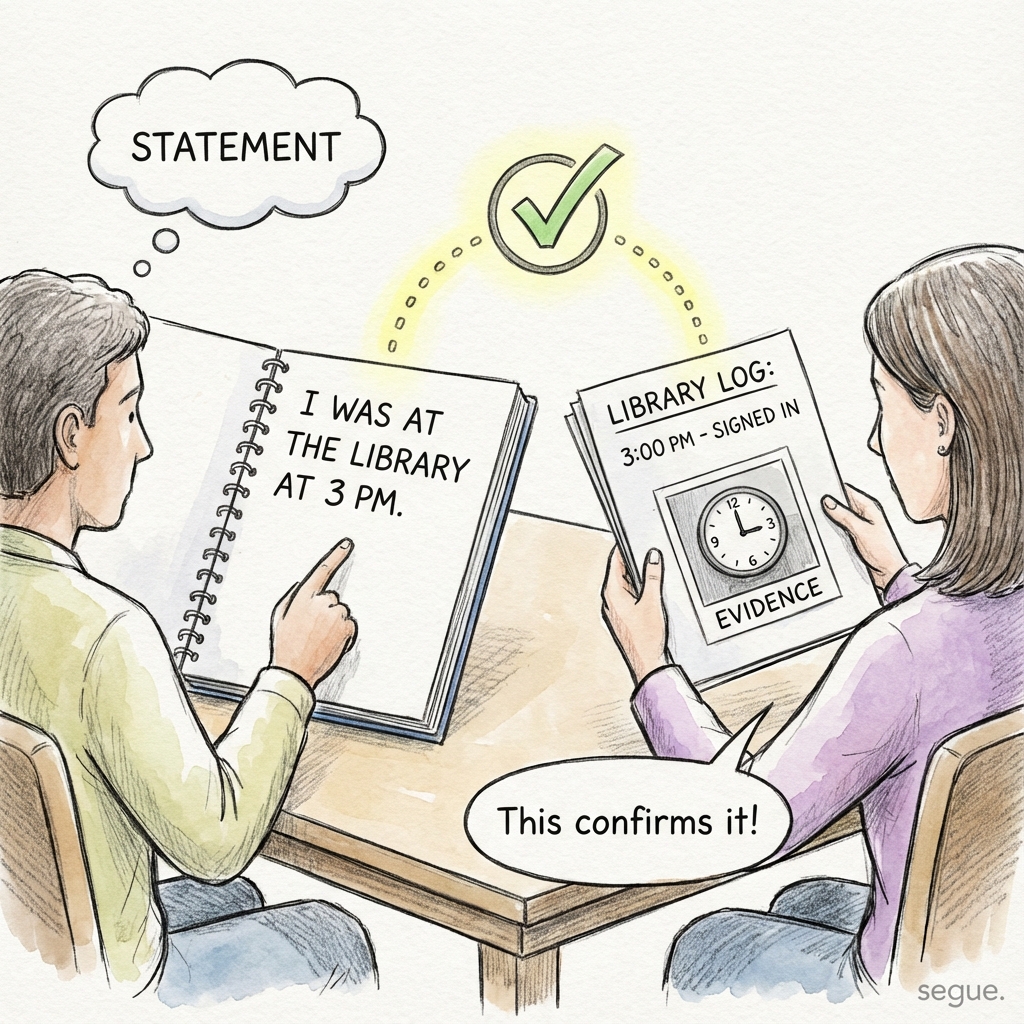
corroborate
/kɝˈɑbɝˌeɪt/to confirm or support with evidence
“Other witnesses corroborated his account.”

pursuant
/pɝˈsuənt/in accordance with; following
“Pursuant to our agreement, payment is due Friday.”
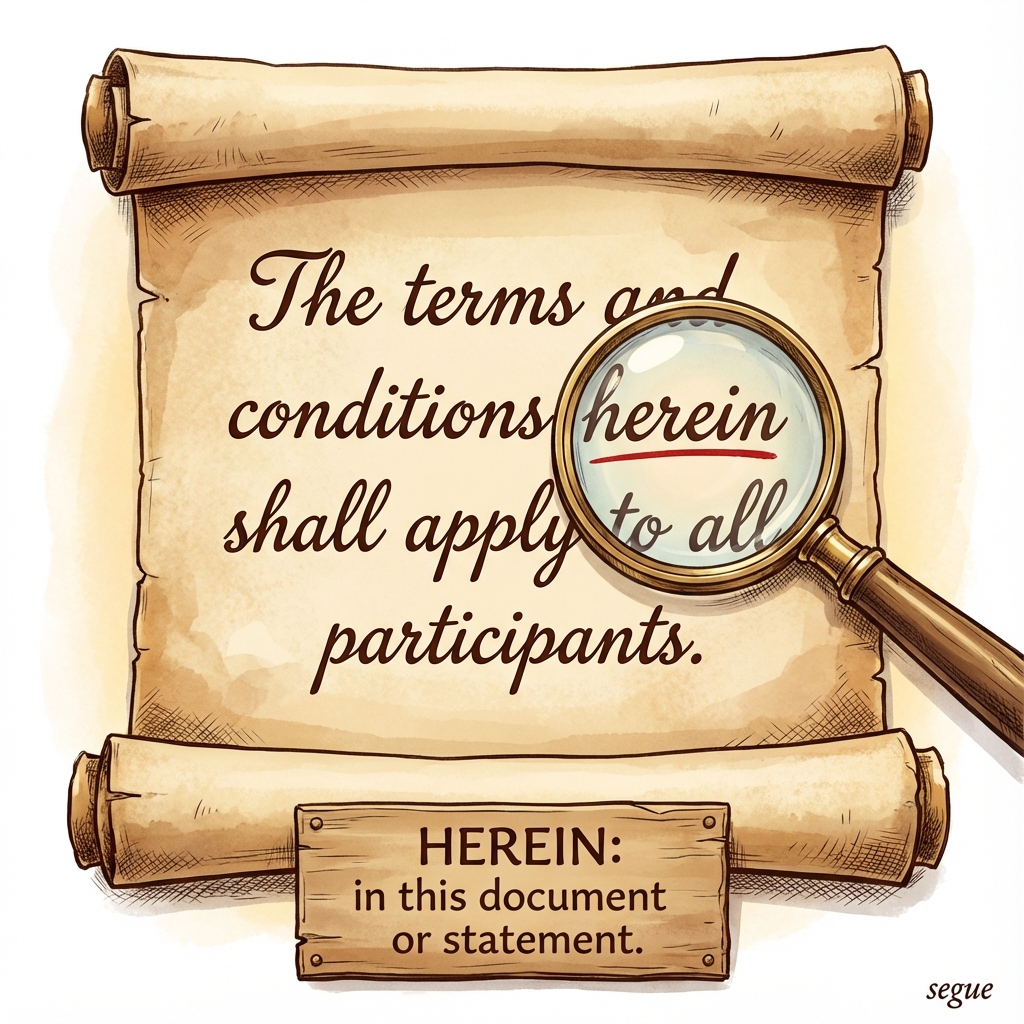
herein
/hɪˈɹɪn/in this document or statement
“The terms herein are binding on all parties.”

forthwith
/ˈfɔɹθˈwɪθ/immediately; without delay
“Payment must be made forthwith.”

hereafter
/hɪˈɹæftɝ/from this time on; in a future document
“The company (hereafter 'the Seller') agrees...”
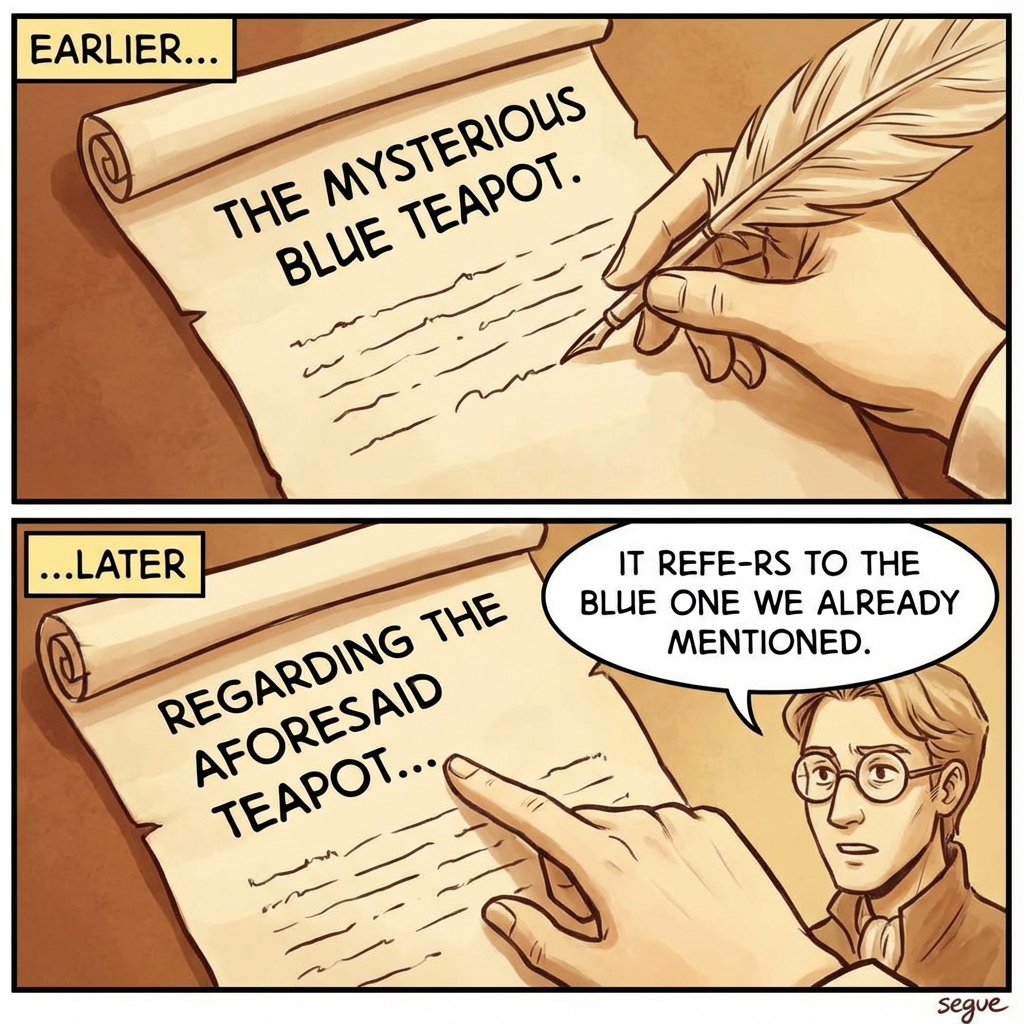
aforesaid
/əˈfɔɹˌsɛd/mentioned earlier in a document
“The aforesaid conditions must be met.”

notwithstanding
/ˌnɑtwɪθˈstændɪŋ/in spite of; without being affected by
“Notwithstanding any provision herein...”

aforementioned
/əˈfɔɹˌmɛnʃənd/denoting a thing or person previously mentioned
“The aforementioned rules apply to all.”

hereto
/hɪərˈtuː/to this matter or document
“The parties hereto agree to the following terms.”
More from Professional & Legal
Explore other vocabulary categories in this collection.