Loading collection...
🌫️
Forgetting & Oblivion Vocabulary
Words for loss of memory and awareness
10 words
All 10 Words

oblivion
/əˈbɫɪviən/the state of being unaware or unconscious; being forgotten
“Many artists die in oblivion, only to be rediscovered later.”
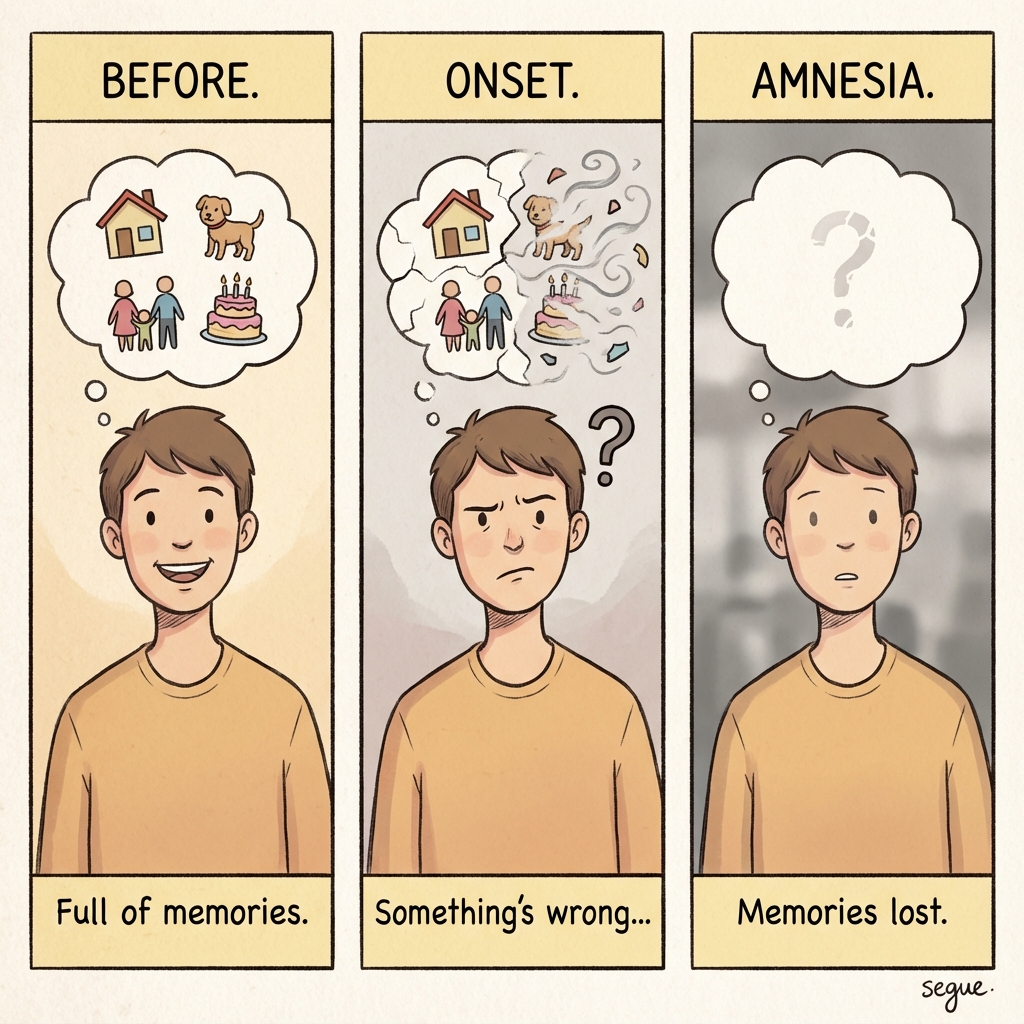
amnesia
/æmˈniʒə/a partial or total loss of memory
“The trauma caused temporary amnesia.”

oblivious
/əˈbɫɪviəs/not aware of or not concerned about what is happening
“She was oblivious to the chaos around her.”
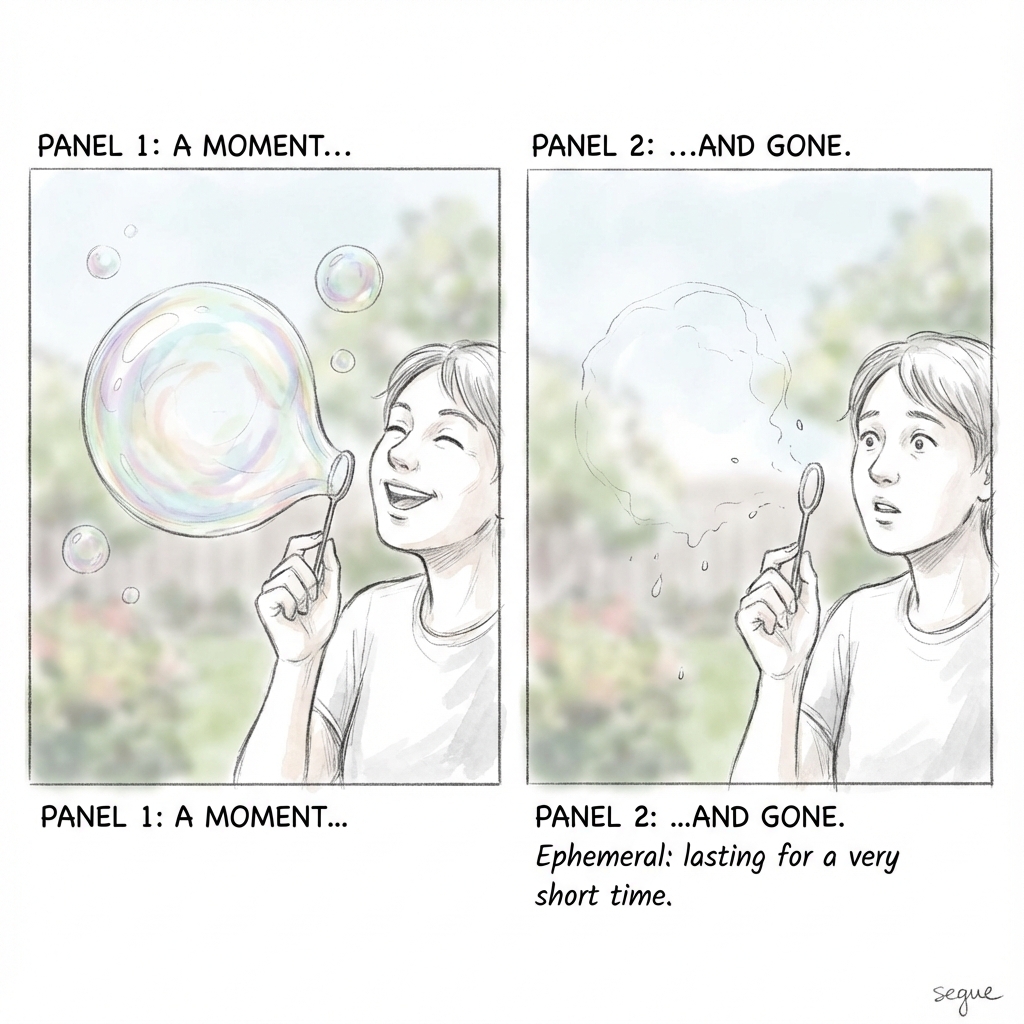
ephemeral
/ɪˈfɛmɝəɫ/lasting for a very short time
“Fame is ephemeral; only the work endures.”

fleeting
/ˈfɫitɪŋ/lasting for a very short time
“He caught only a fleeting glimpse of her face.”

evanescent
/ˌɛvəˈnɛsənt/soon passing out of sight, memory, or existence
“The evanescent beauty of cherry blossoms symbolizes life's transience.”
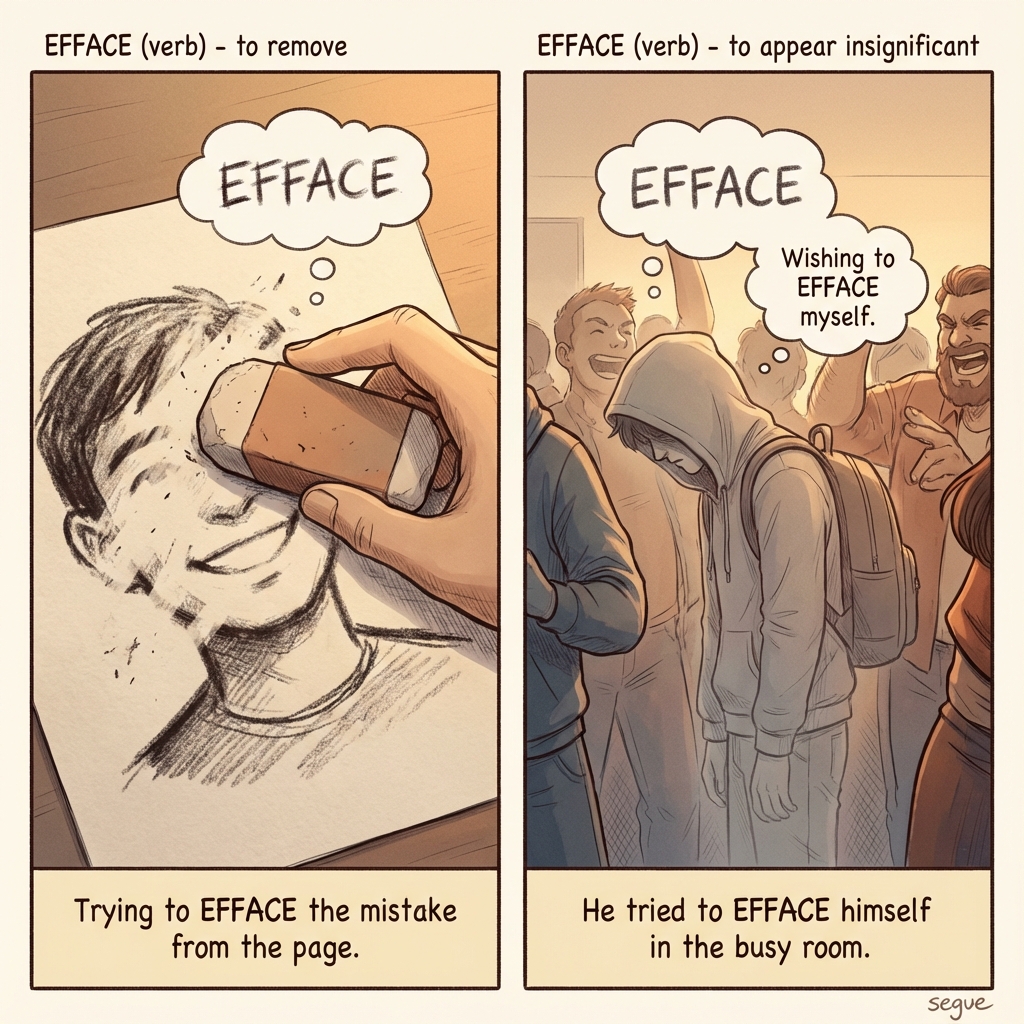
efface
/ɪˈfeɪs/to erase or remove; to make oneself appear insignificant
“Time has effaced the inscription on the gravestone.”
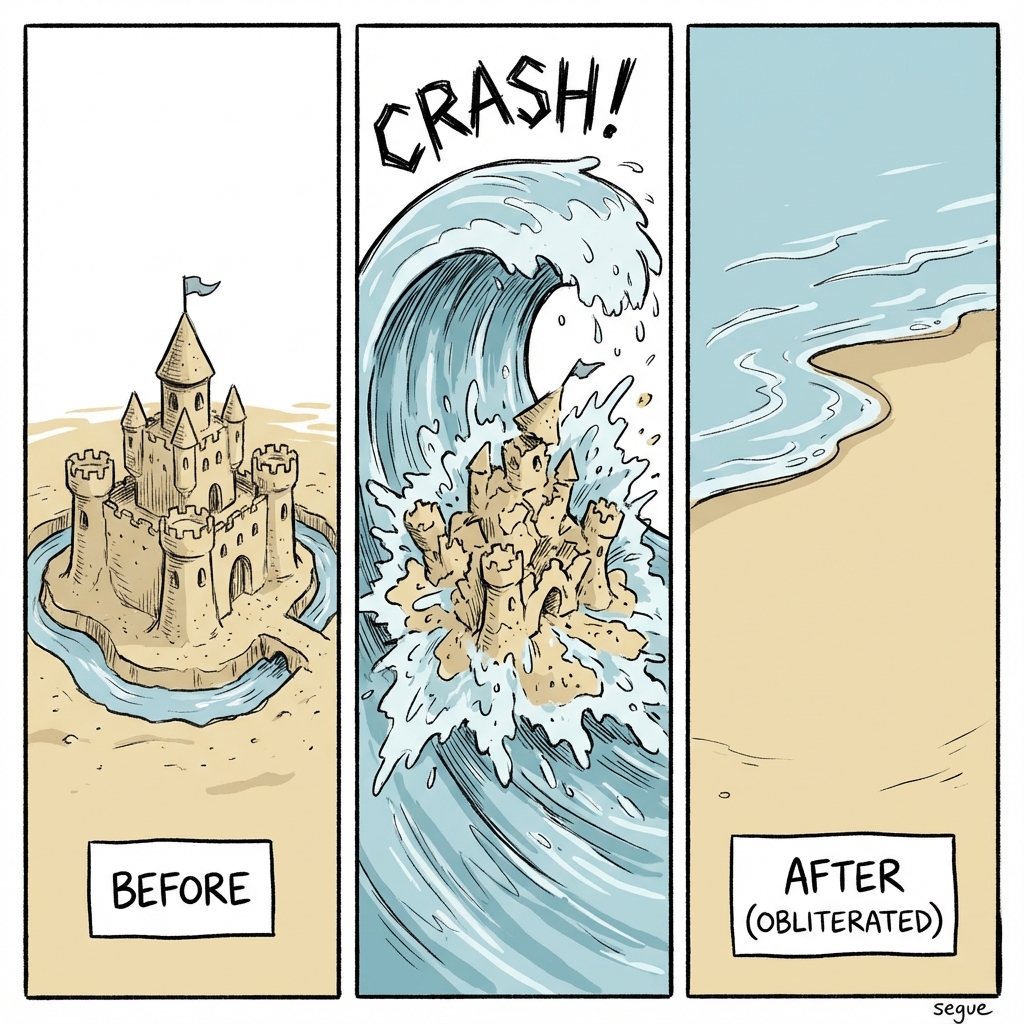
obliterate
/əˈbɫɪtɝˌeɪt/to destroy utterly; wipe out
“The bombing obliterated all traces of the village.”

expunge
/ɪkˈspəndʒ/to erase or remove completely
“His criminal record was expunged after the pardon.”

consign
/kənˈsaɪn/to deliver to a person's custody; to relegate
“The incident was consigned to the footnotes of history.”
More from Emotions & Mind
Explore other vocabulary categories in this collection.