Loading collection...
👅
Flavor Profiles & Descriptions Vocabulary
Vocabulary for describing tastes and aromas
10 words
All 10 Words
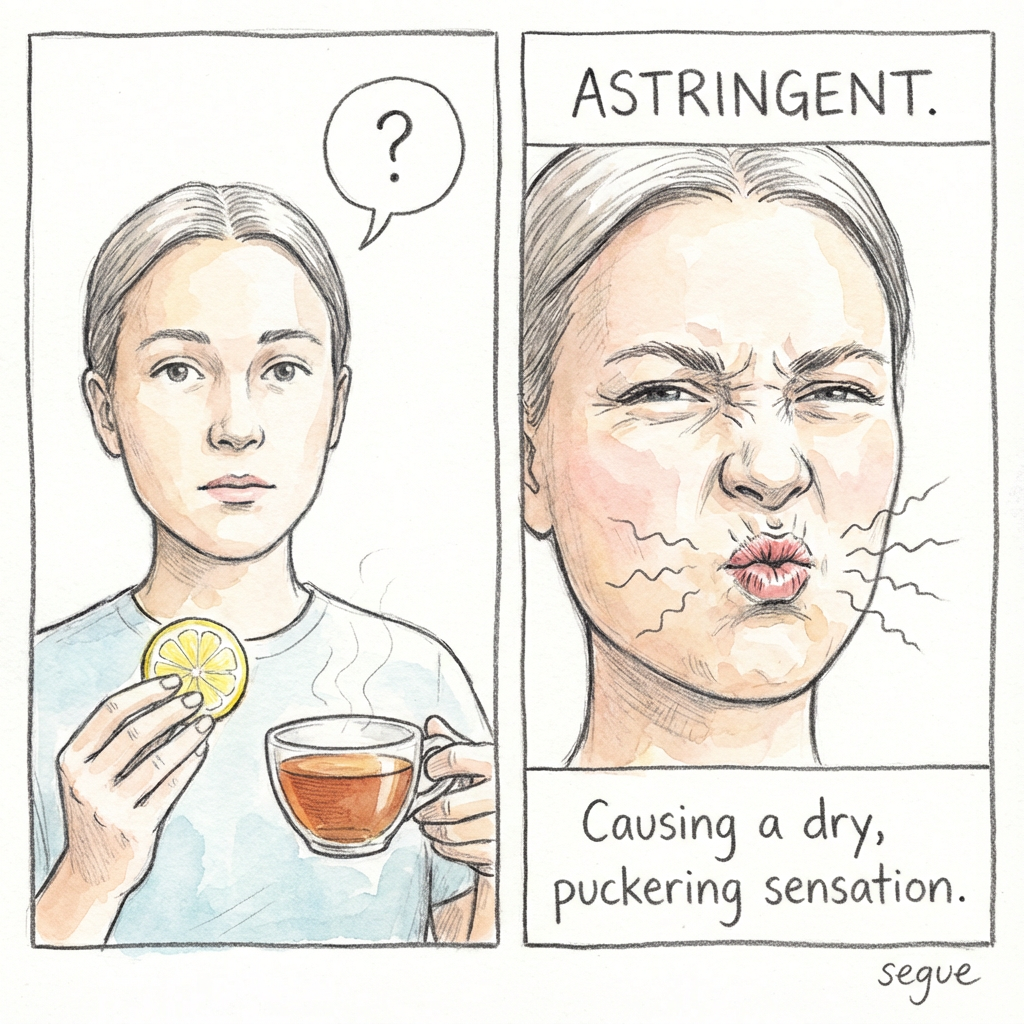
astringent
/əˈstɹɪndʒənt/causing a dry, puckering sensation
“Unripe persimmons are unpleasantly astringent.”
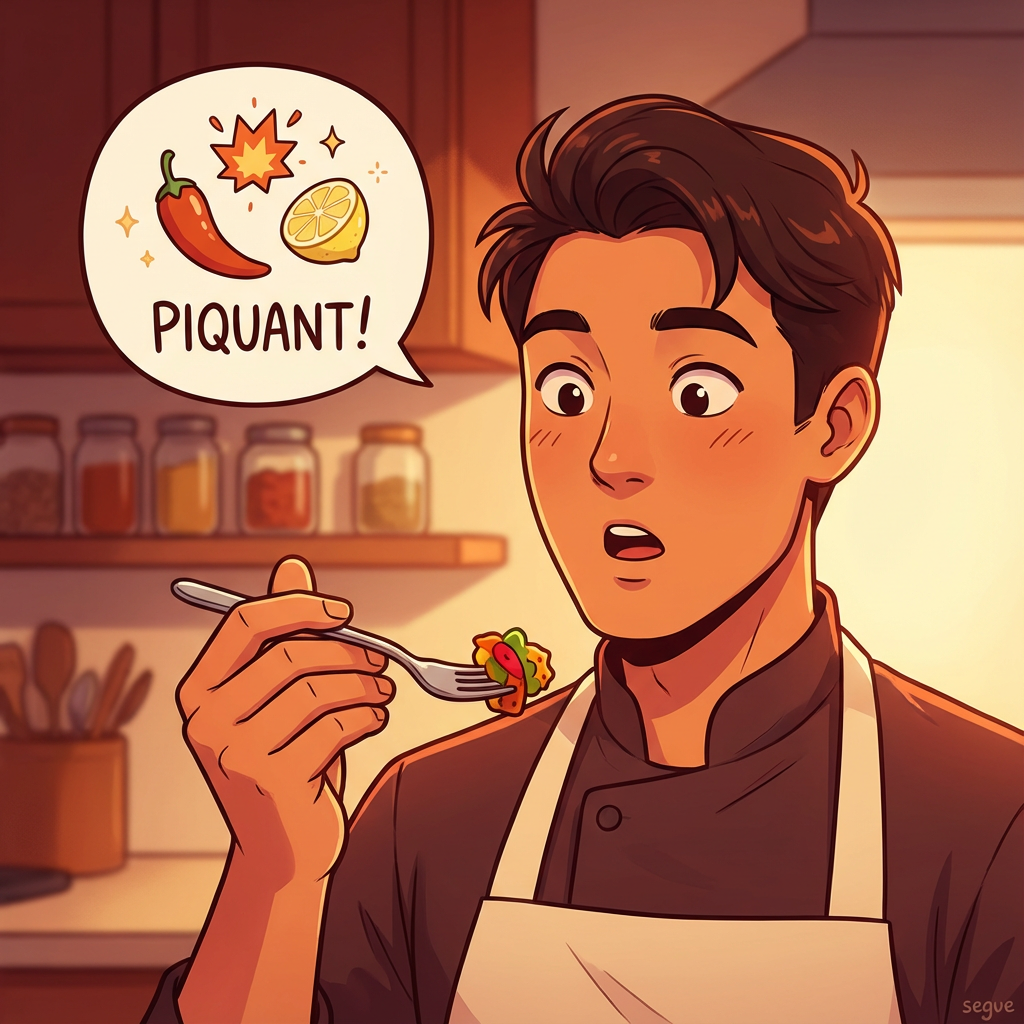
piquant
/ˈpikənt/pleasantly sharp or spicy
“The mustard added a piquant note.”
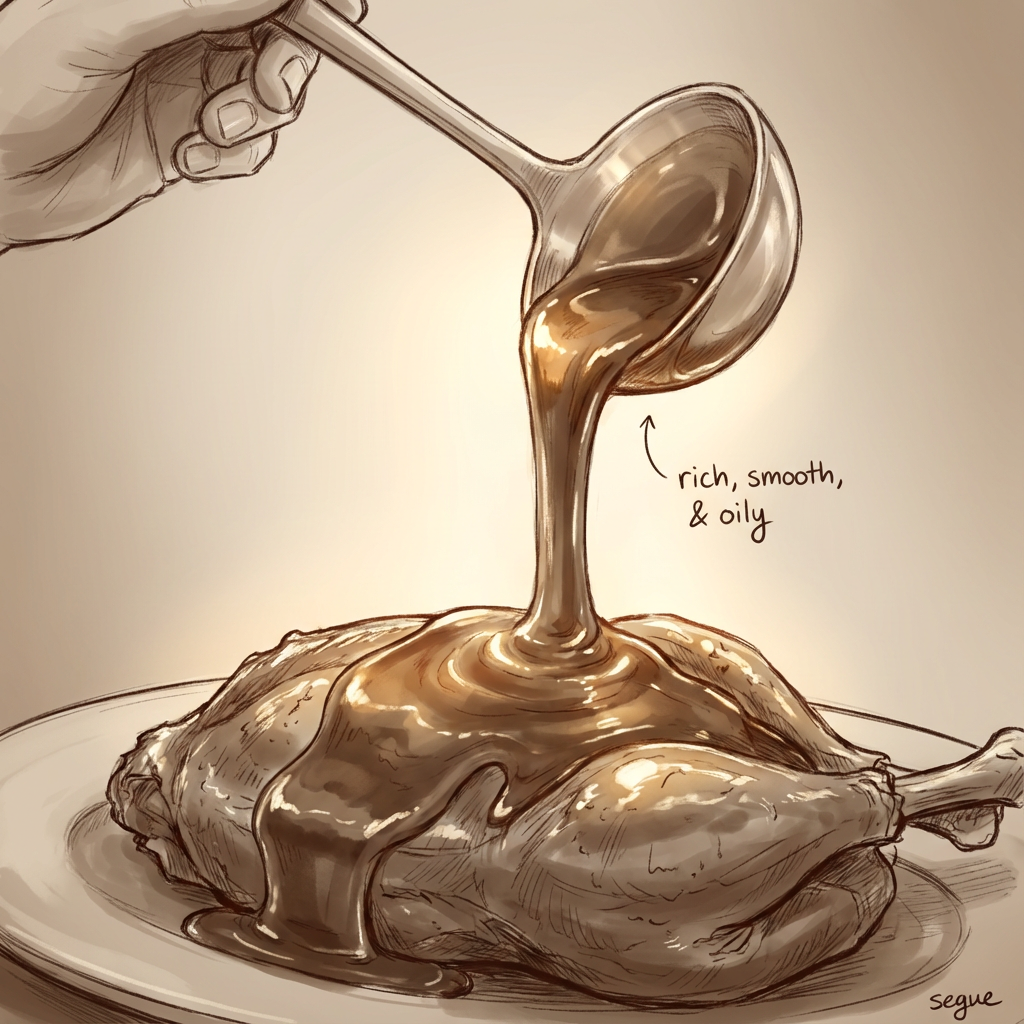
unctuous
/ˈəŋtʃwəs/rich, smooth, and oily in texture
“The foie gras was unctuous.”
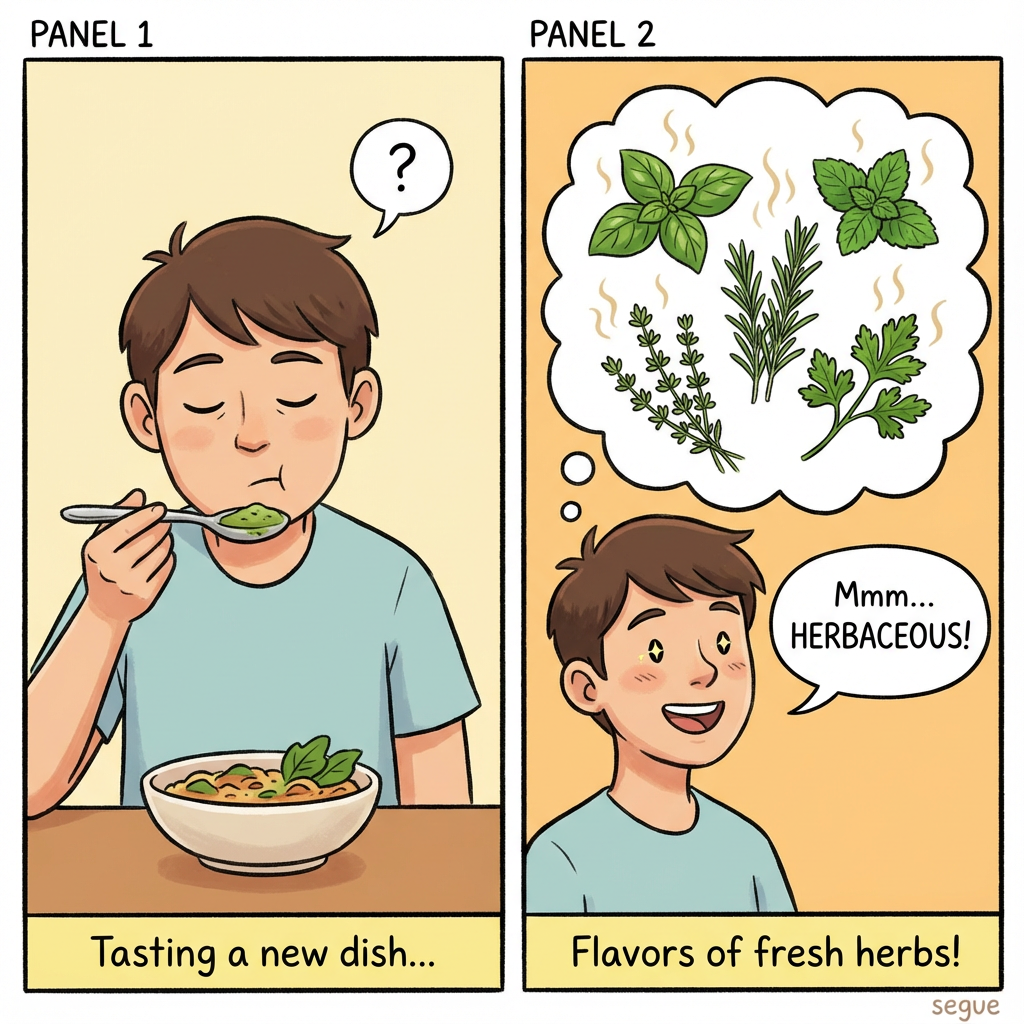
herbaceous
/ɝˈbeɪʃəs/having flavors of fresh herbs
“The Sauvignon Blanc was herbaceous.”
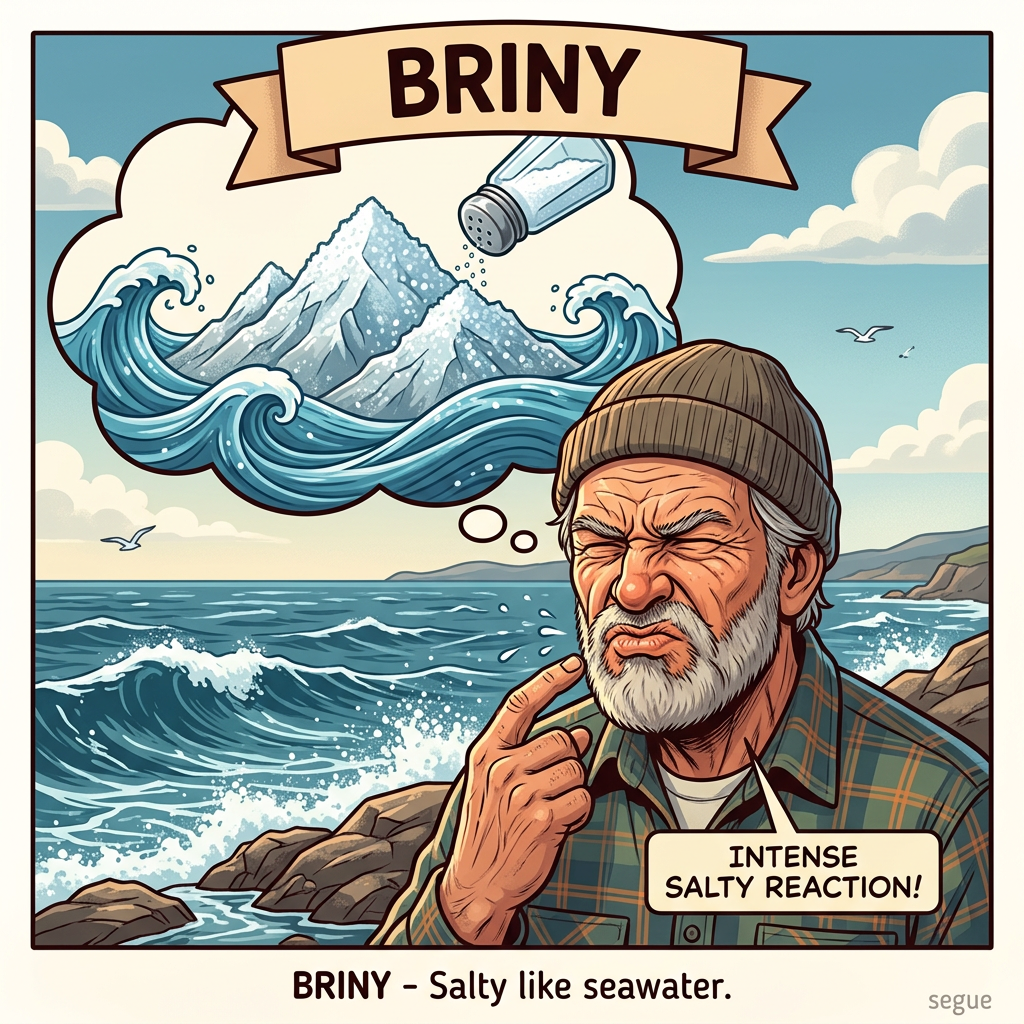
briny
/ˈbraɪni/salty like seawater
“The oysters were briny and fresh.”
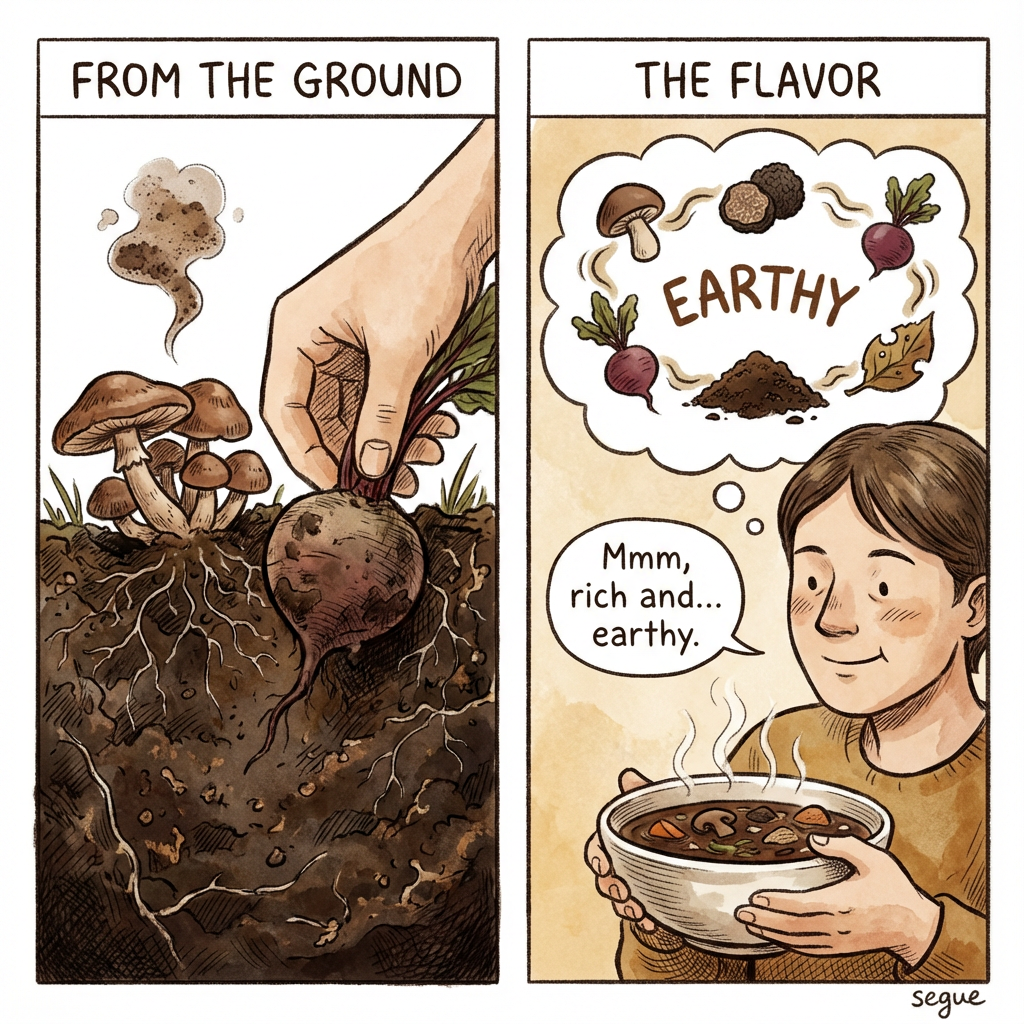
earthy
/ˈɝθi/having flavors suggesting soil or mushrooms
“The truffle oil was deeply earthy.”
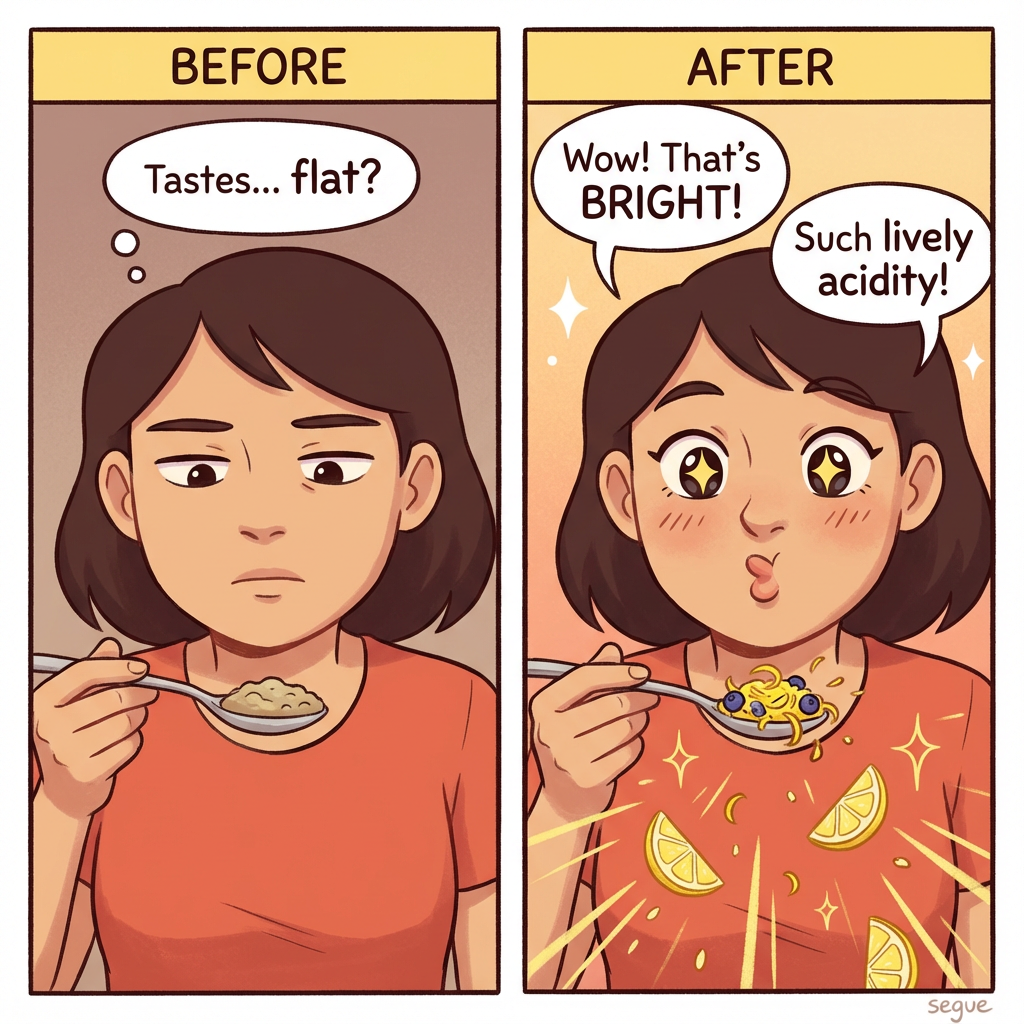
bright
/ˈbɹaɪt/having lively acidity
“The dish needed a bright, acidic finish.”

round
/ˈɹaʊnd/smooth and balanced without sharp edges
“Oak aging made the wine round.”
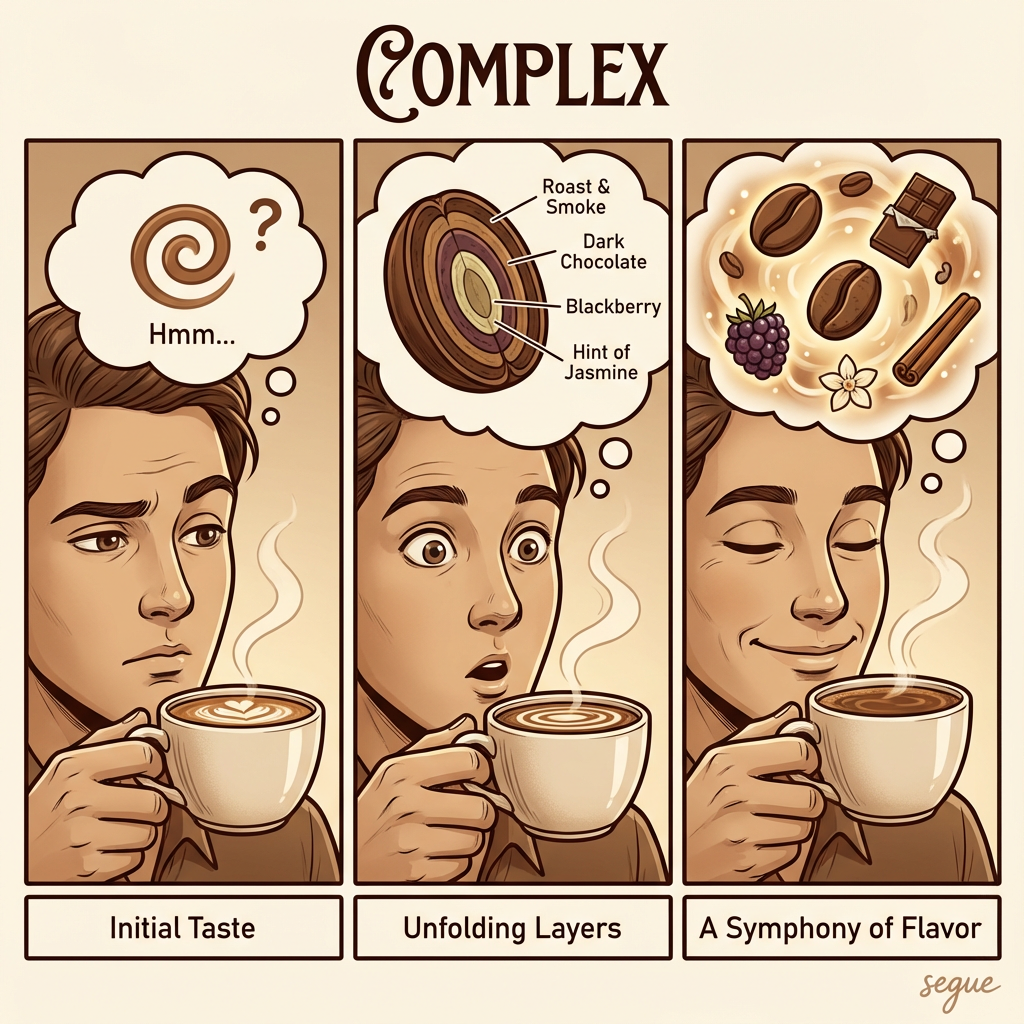
complex
/ˈkɑmpɫɛks/having many layered flavors
“The curry had complex, layered spicing.”
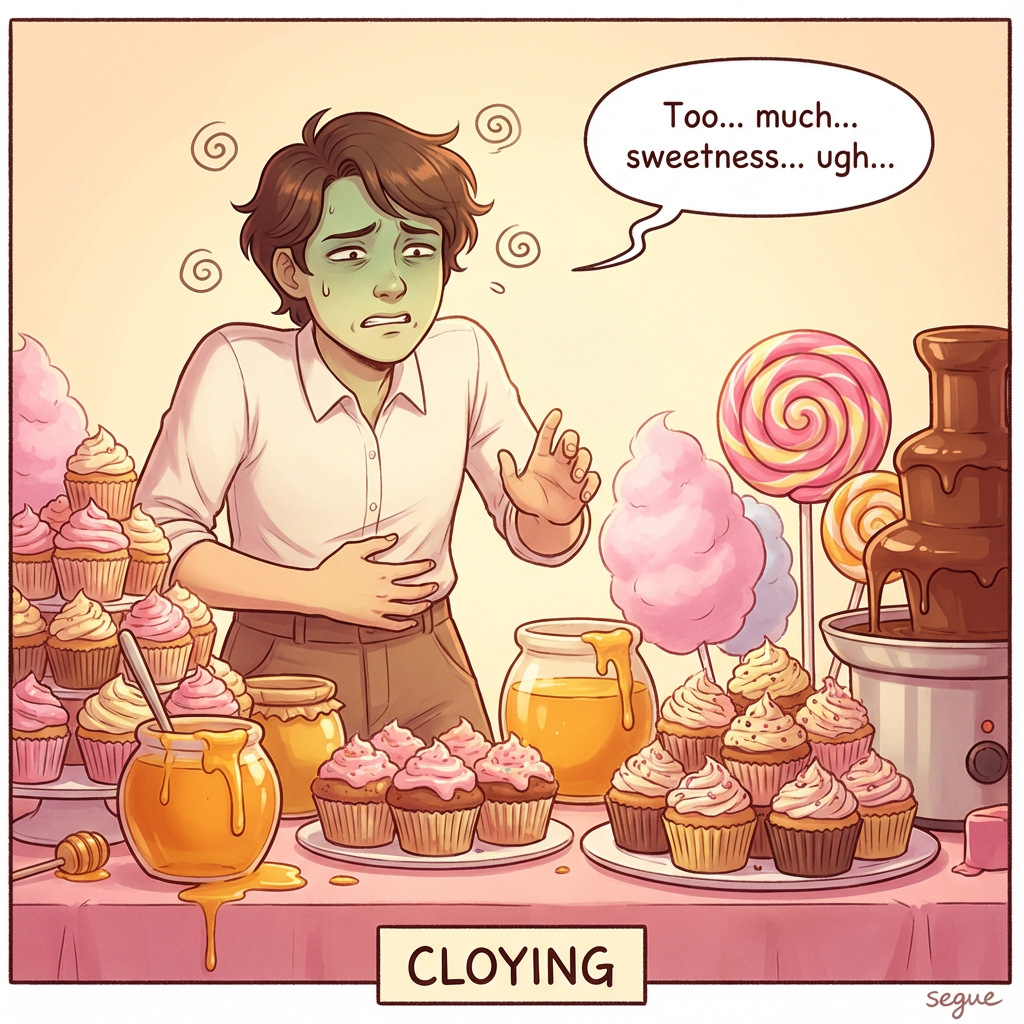
cloying
/ˈkɫɔɪɪŋ/sickeningly sweet or rich
“The dessert was cloying after a rich meal.”
More from Lifestyle & Sports
Explore other vocabulary categories in this collection.